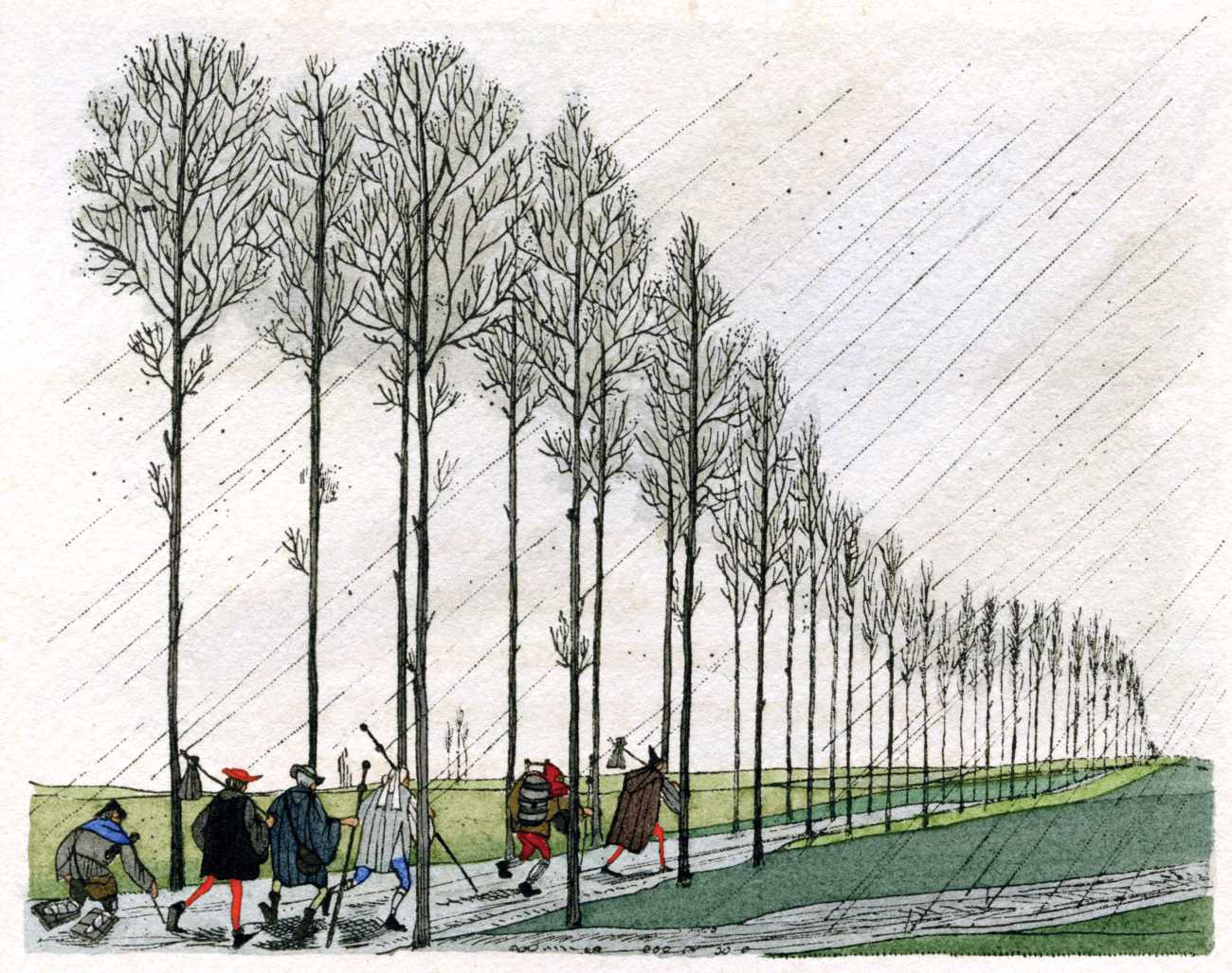
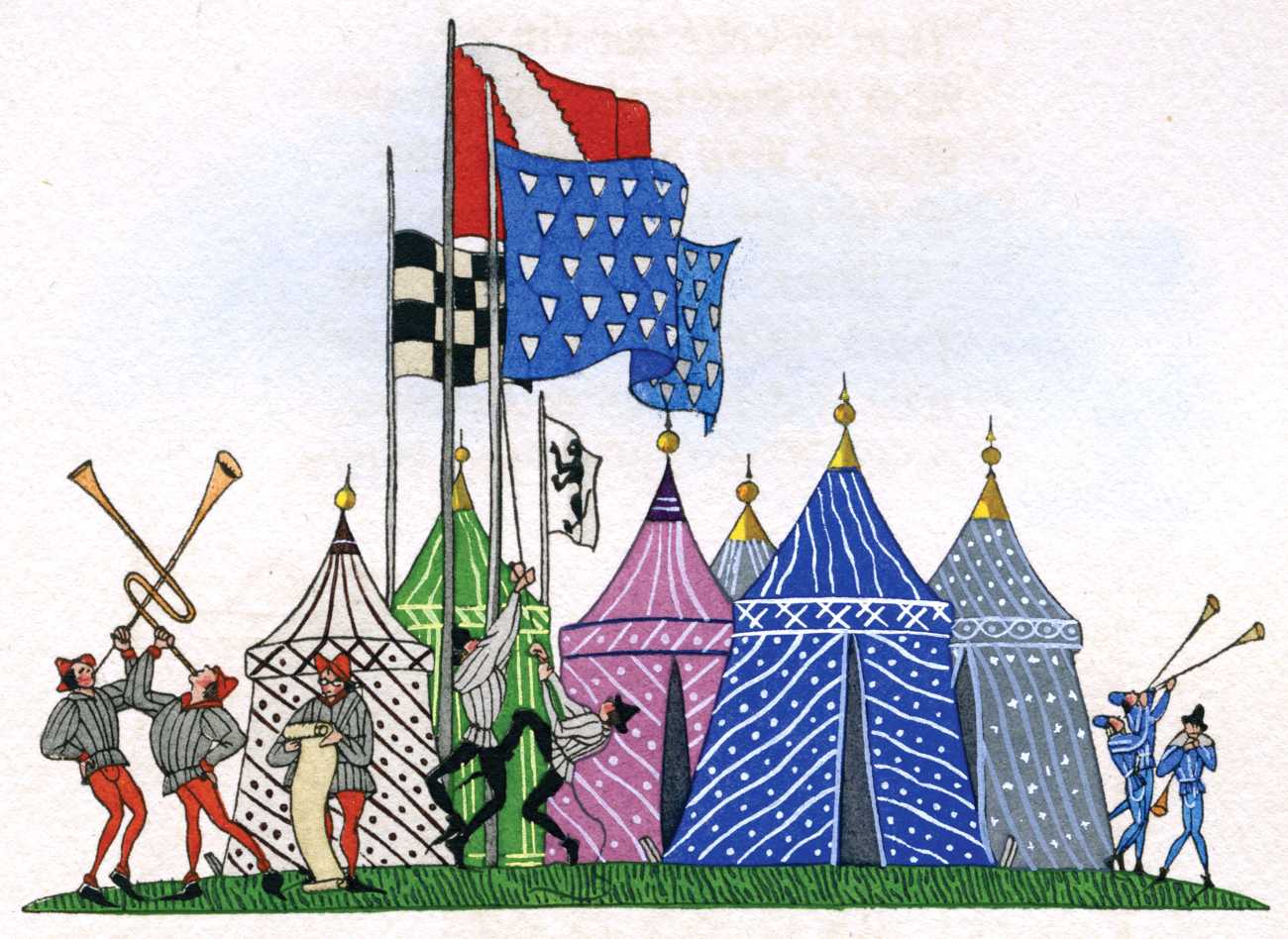
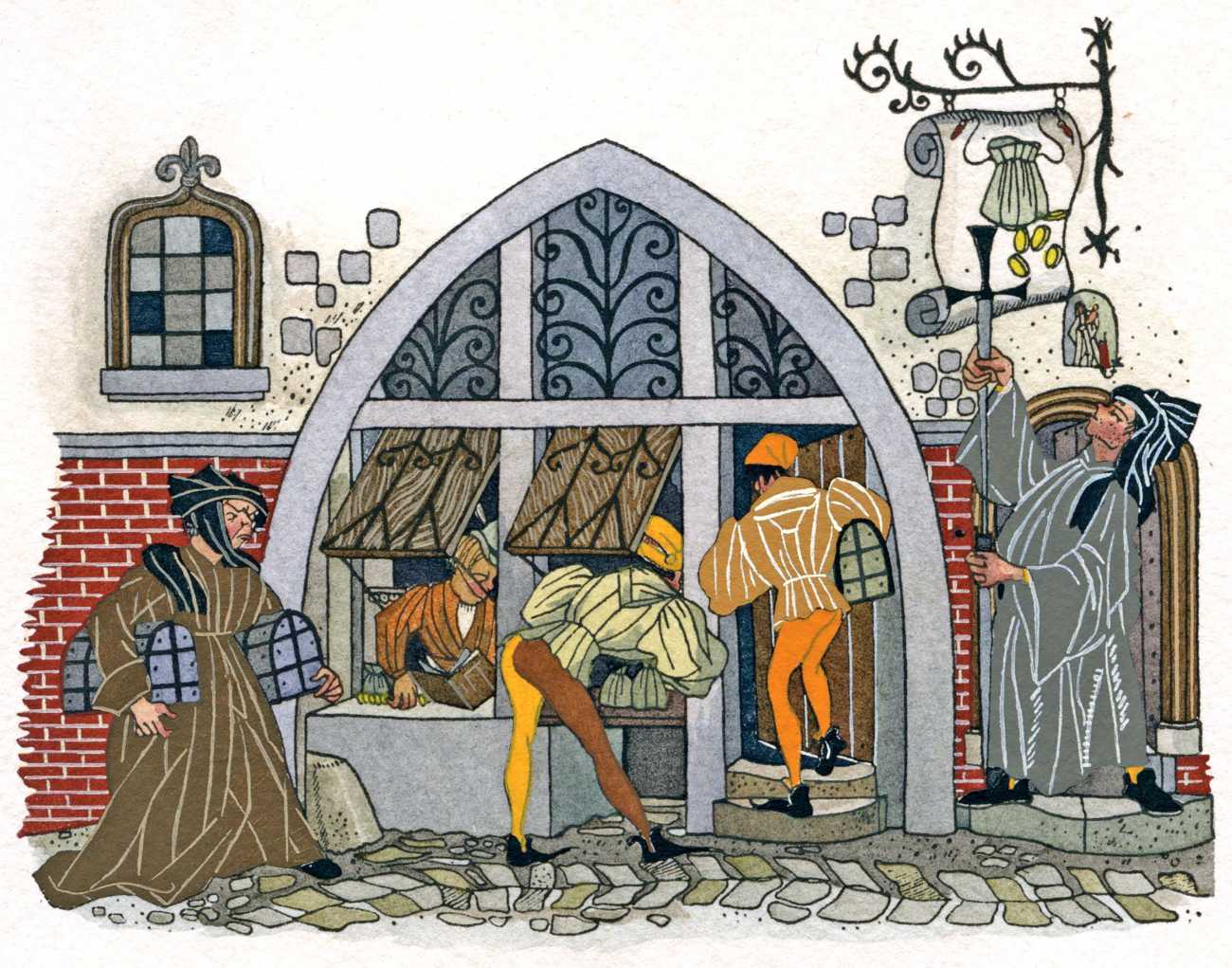
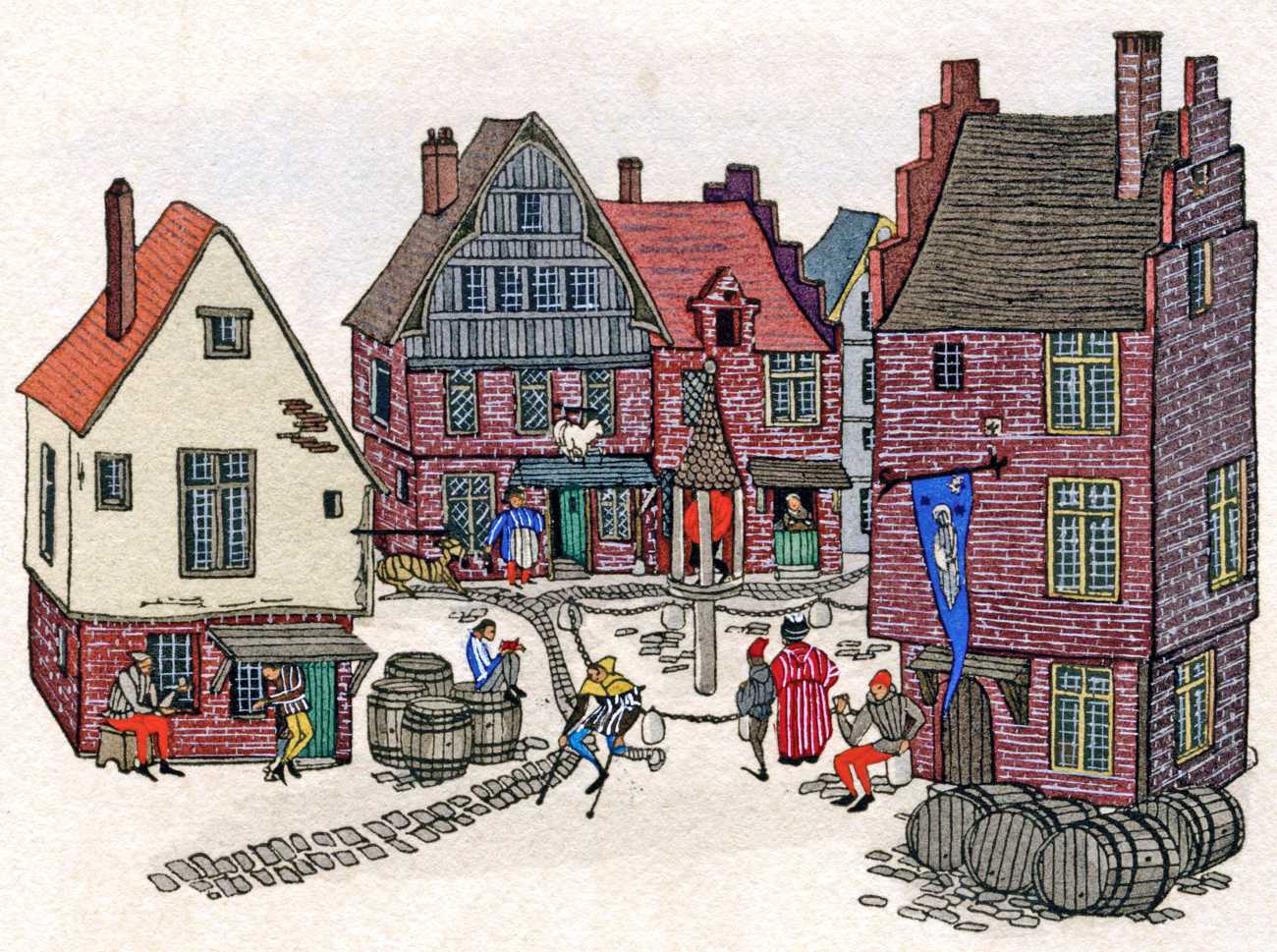
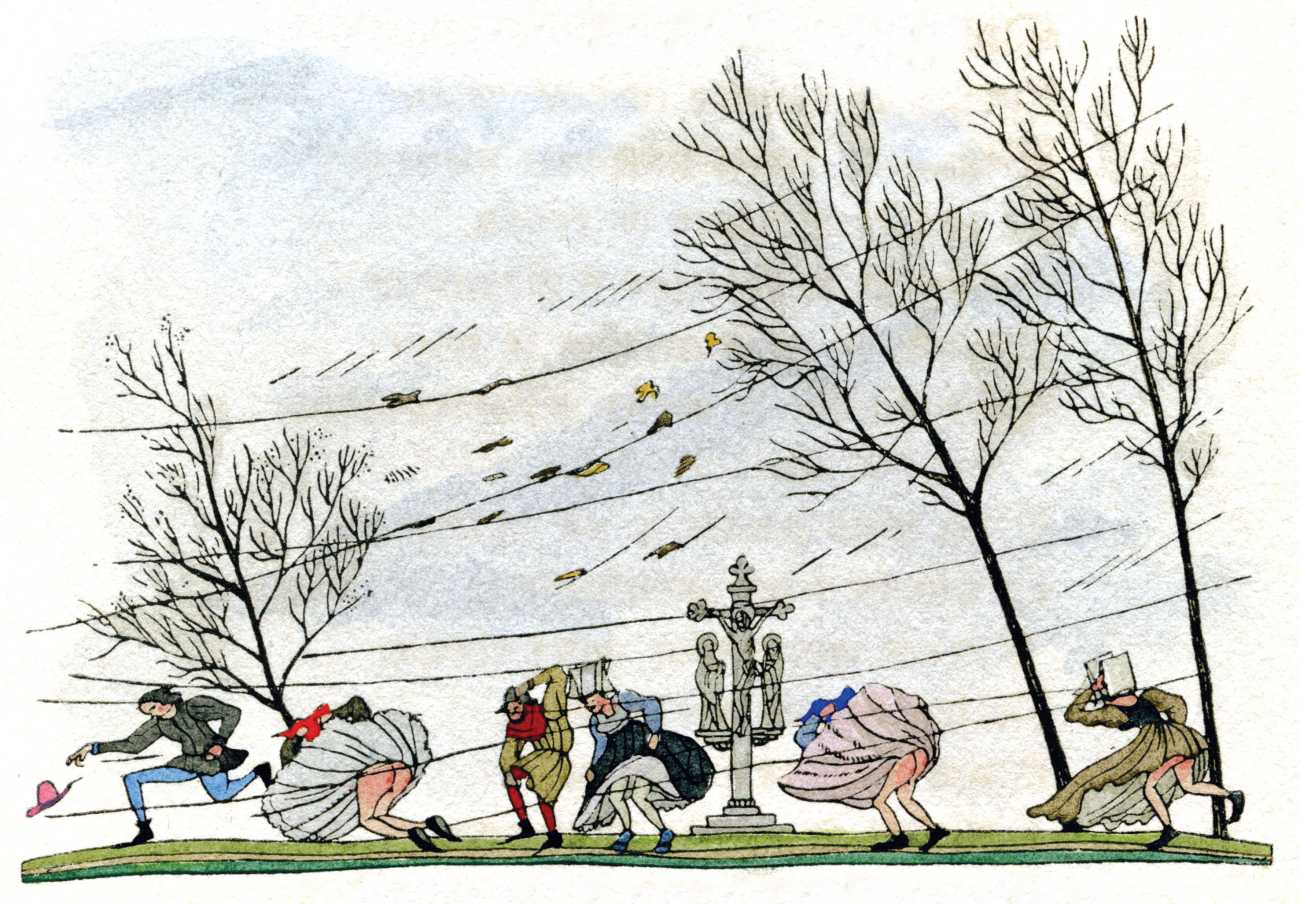
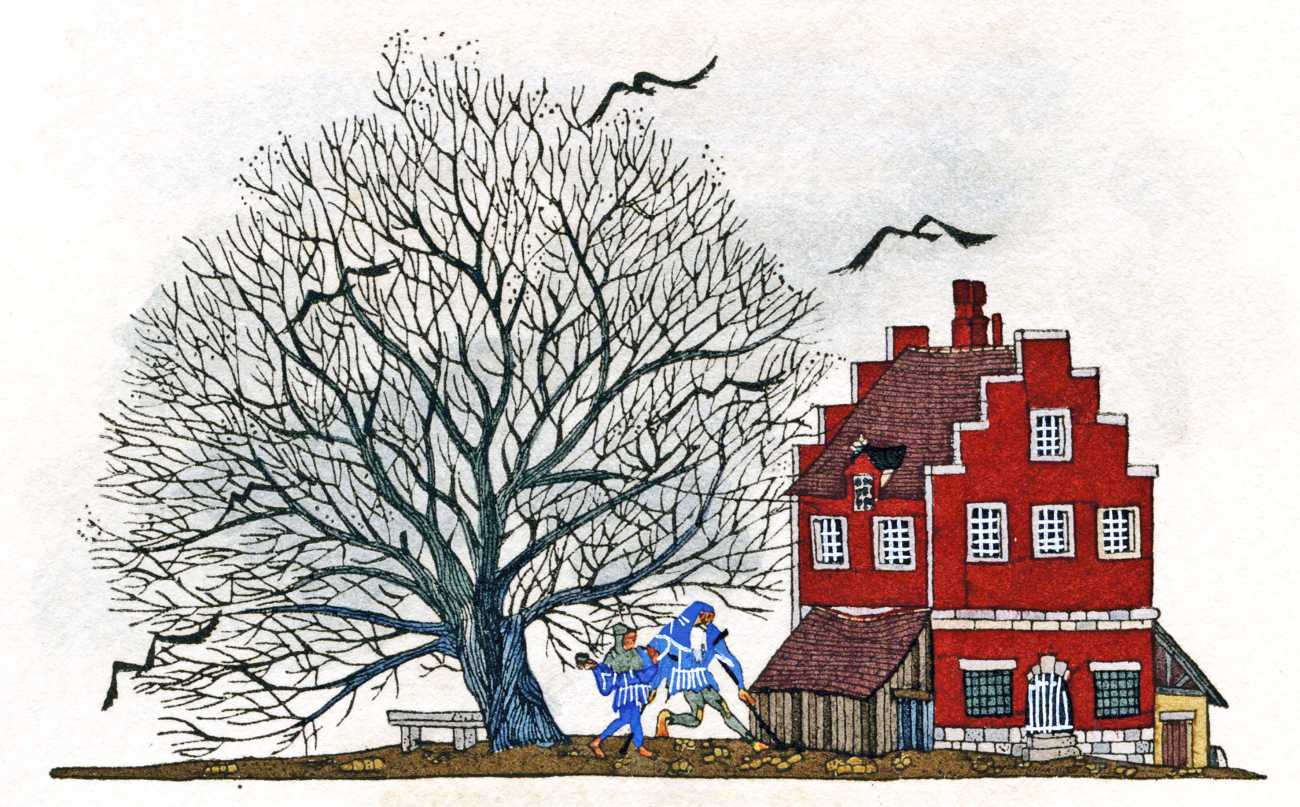
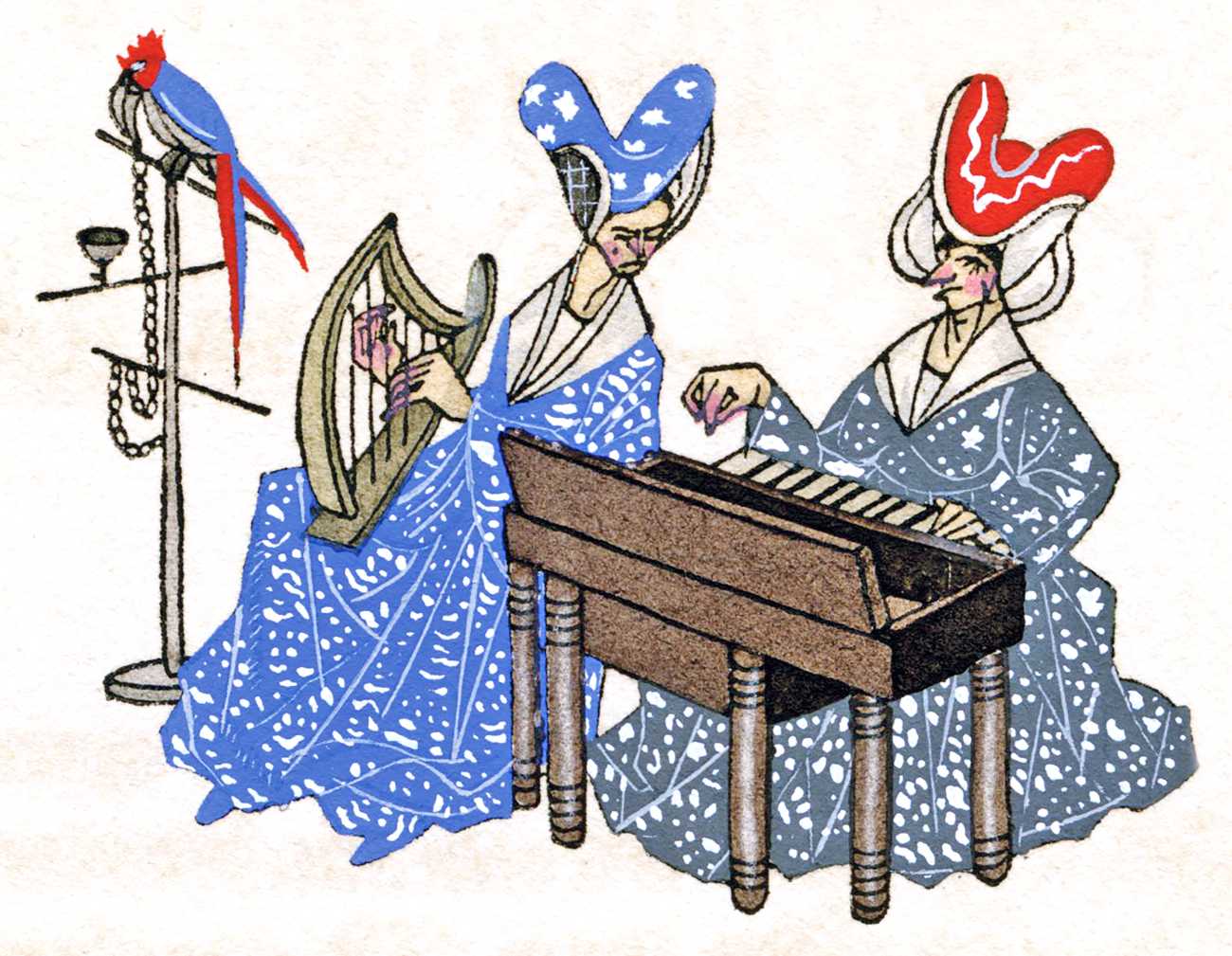
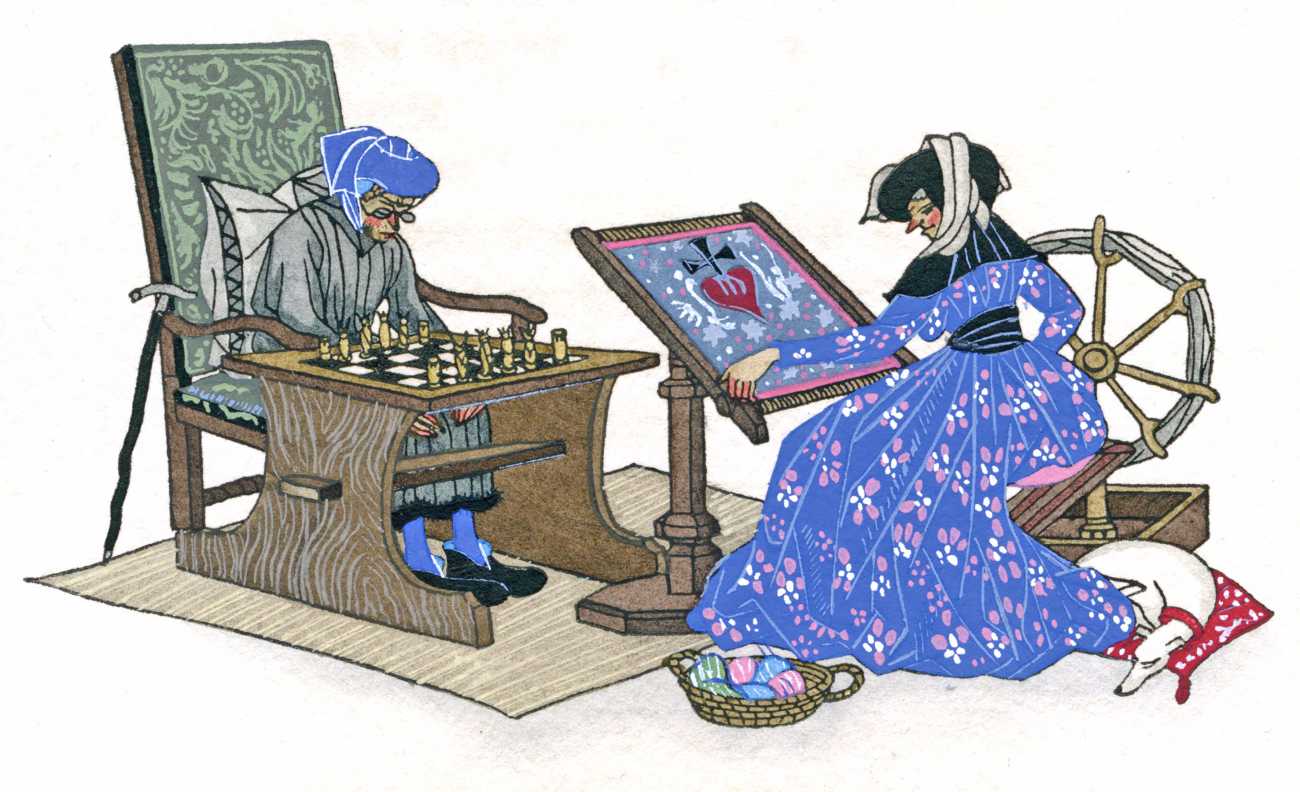
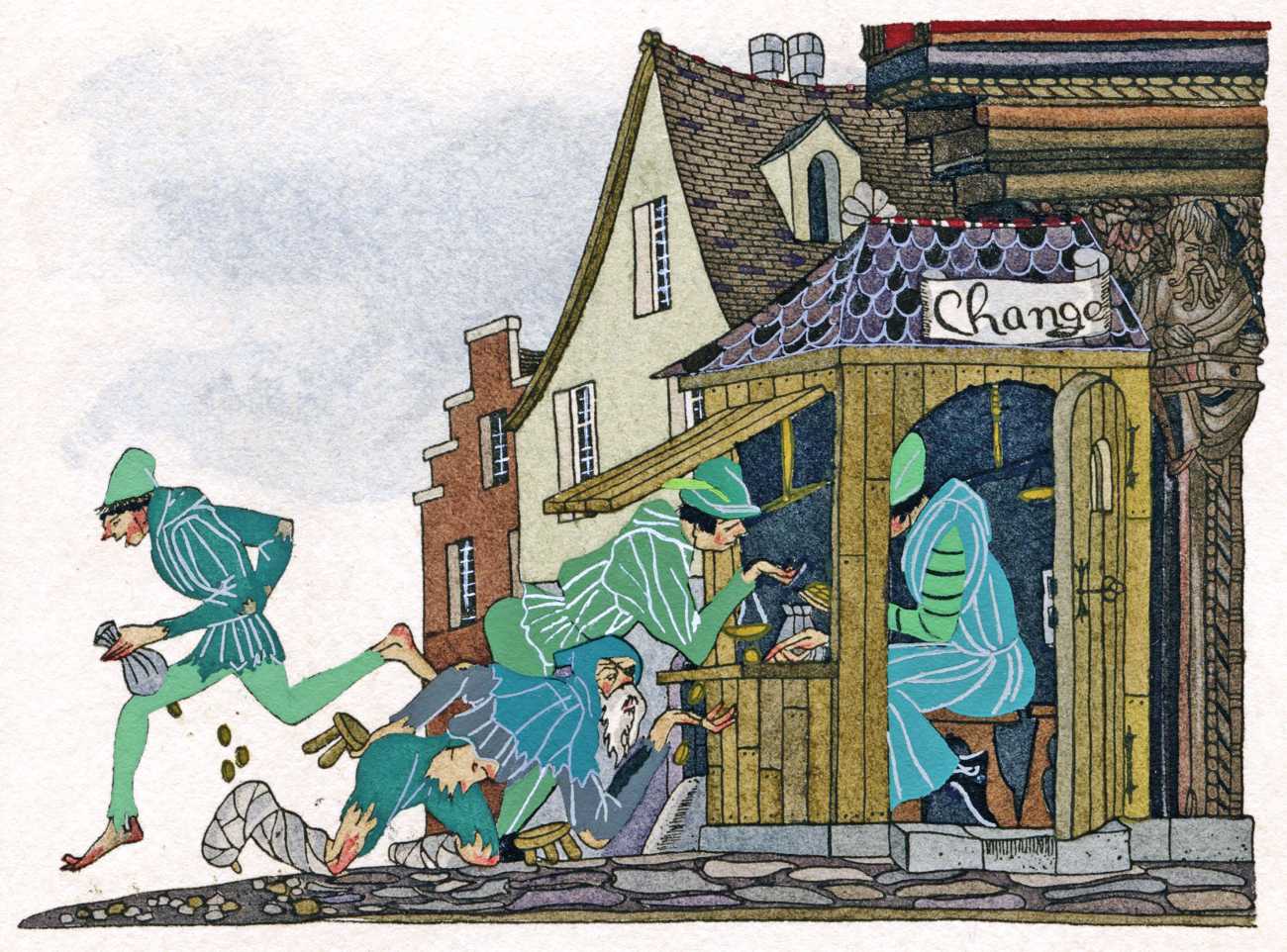
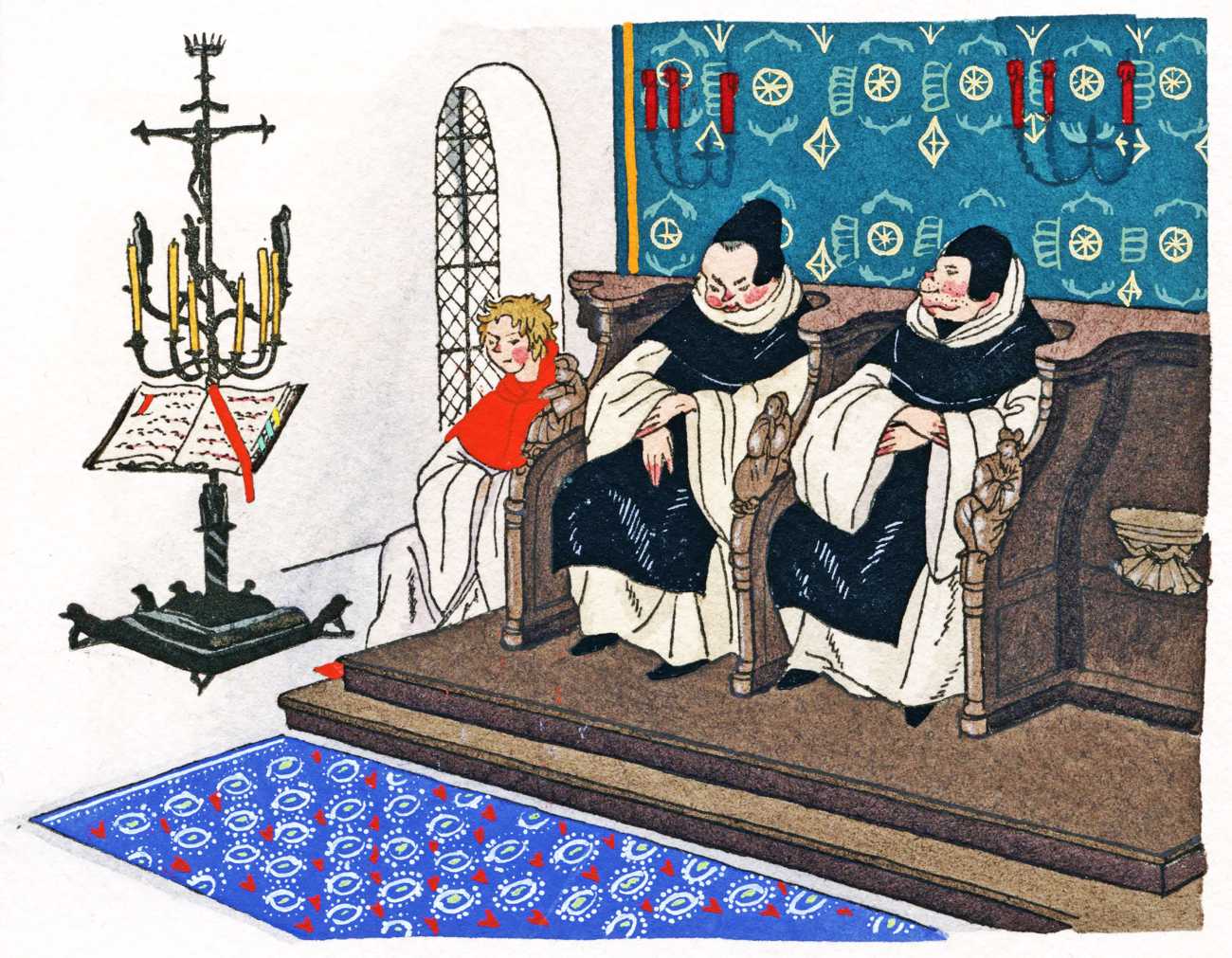
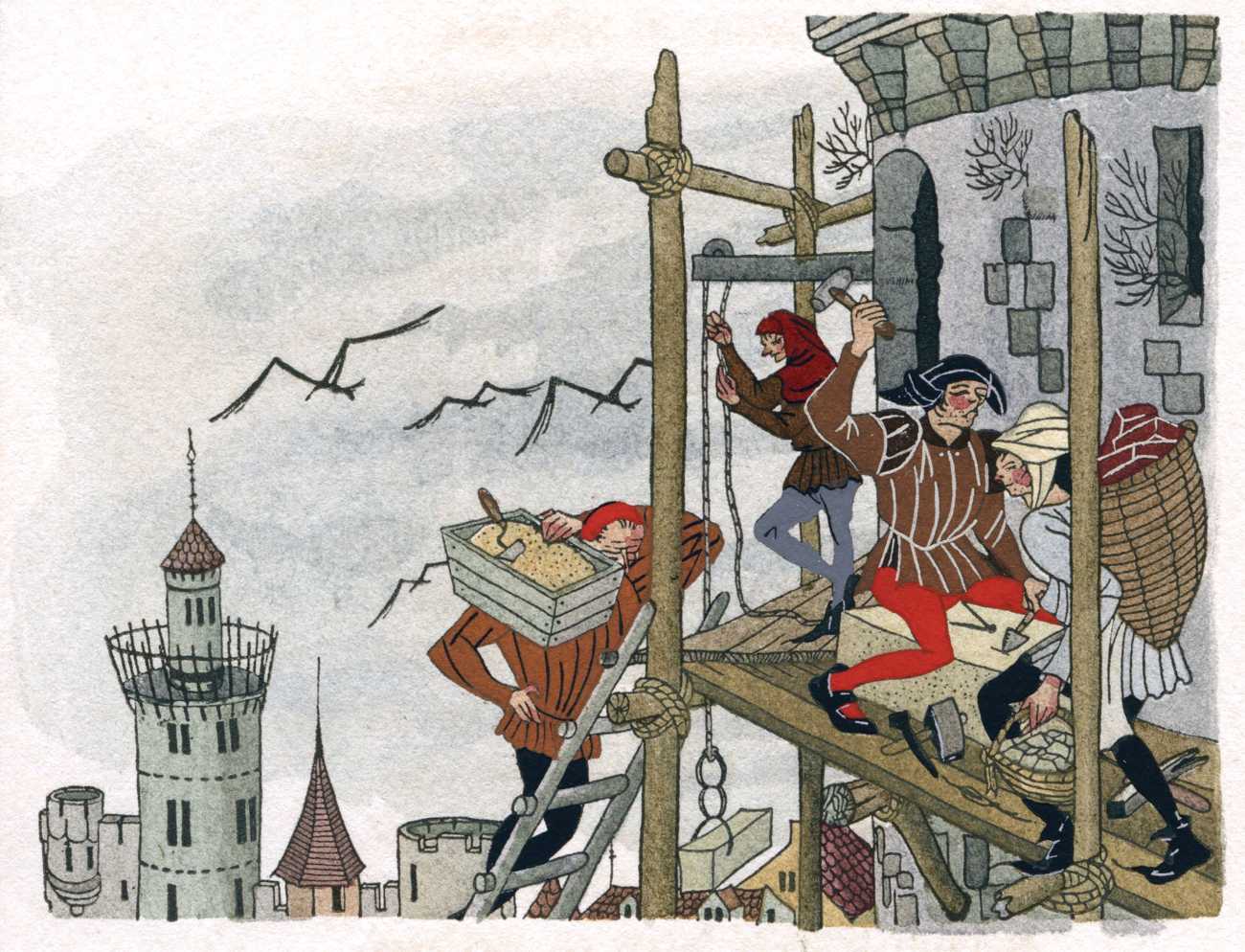
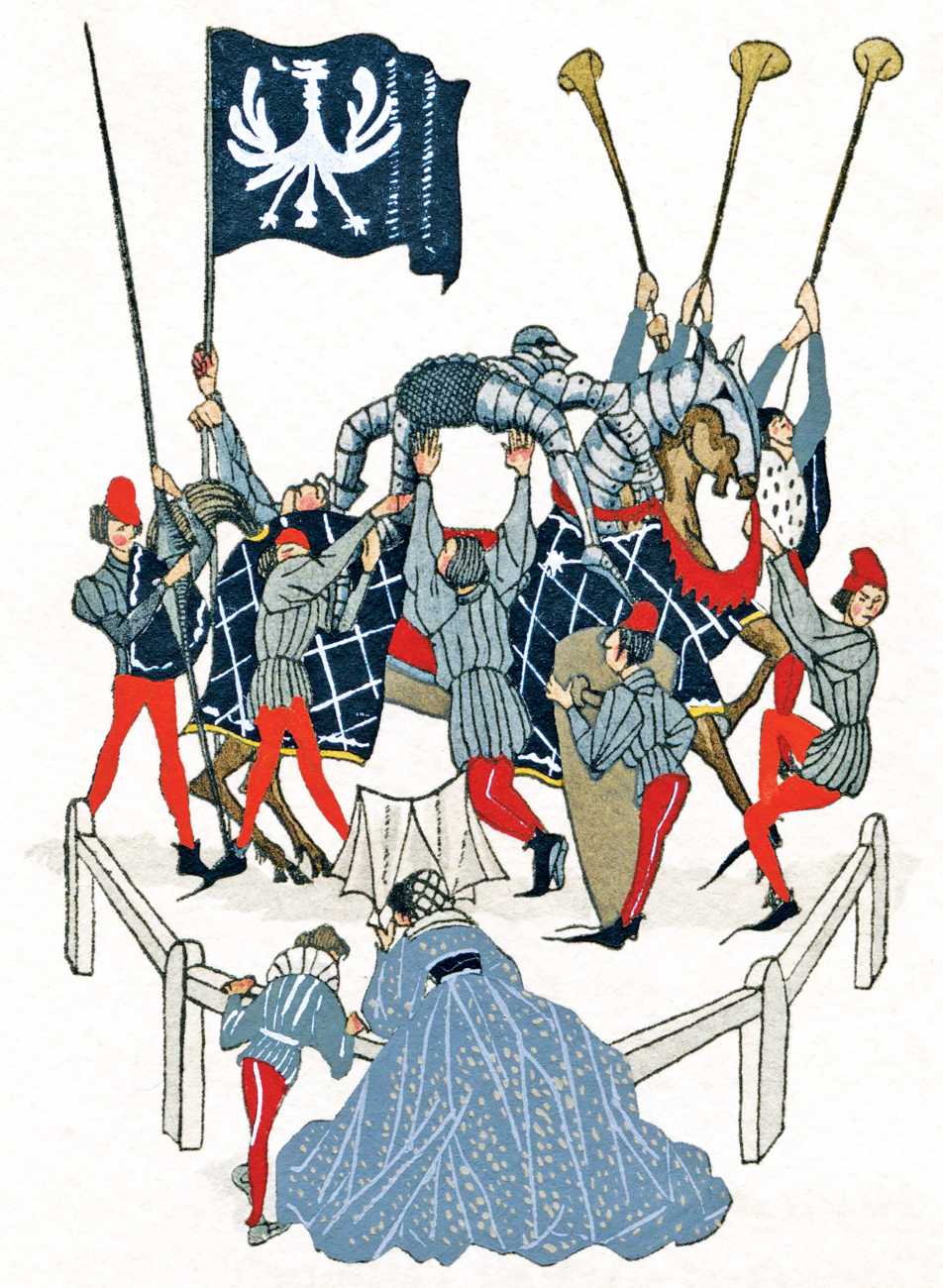
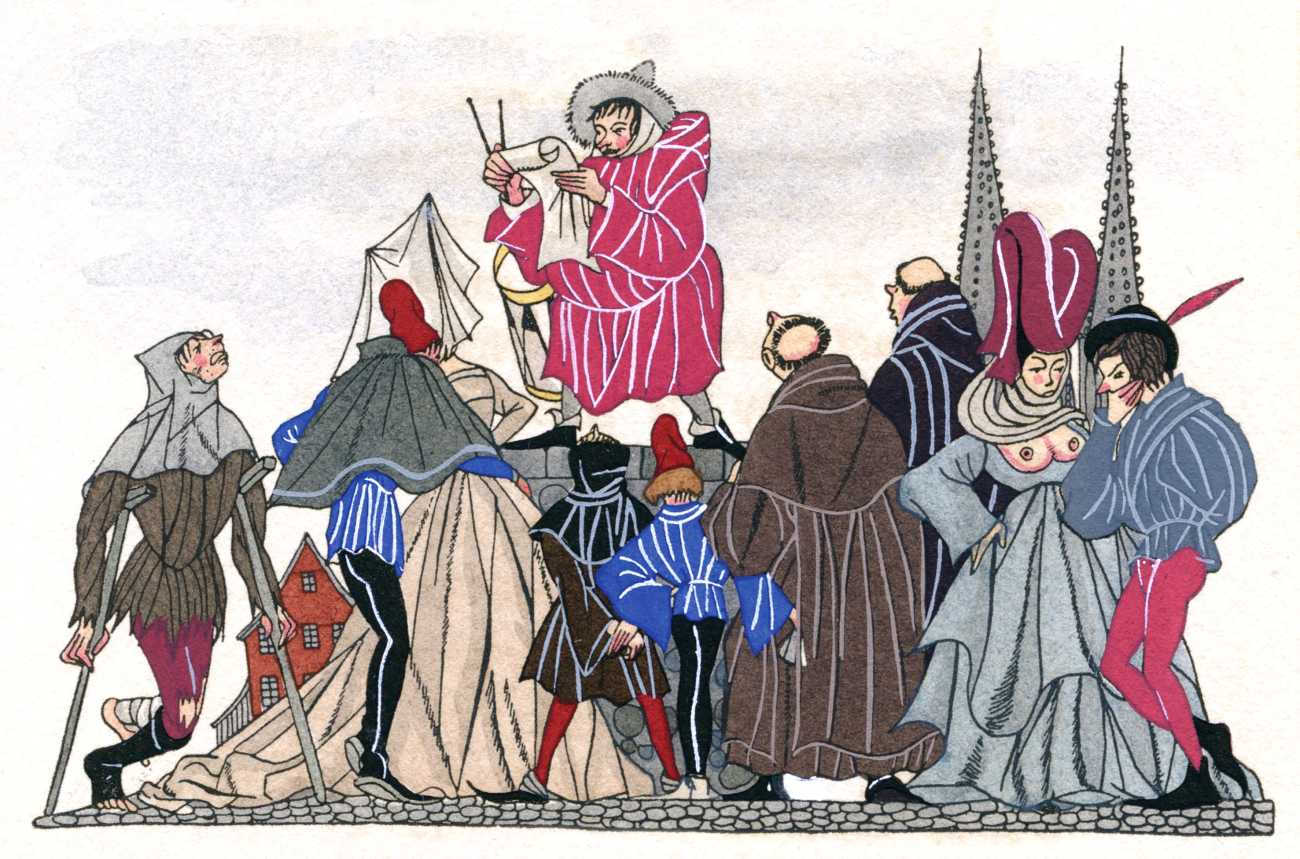
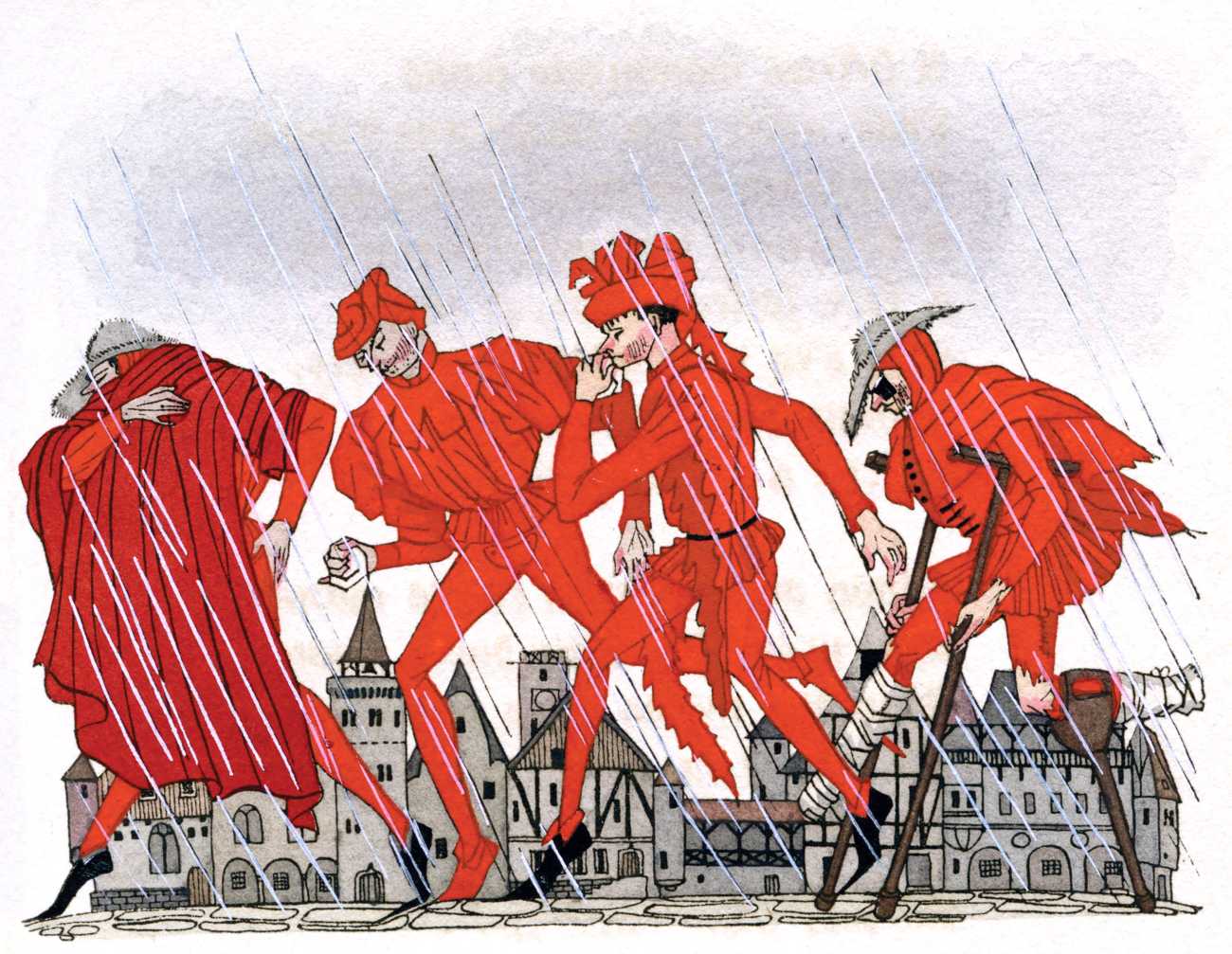
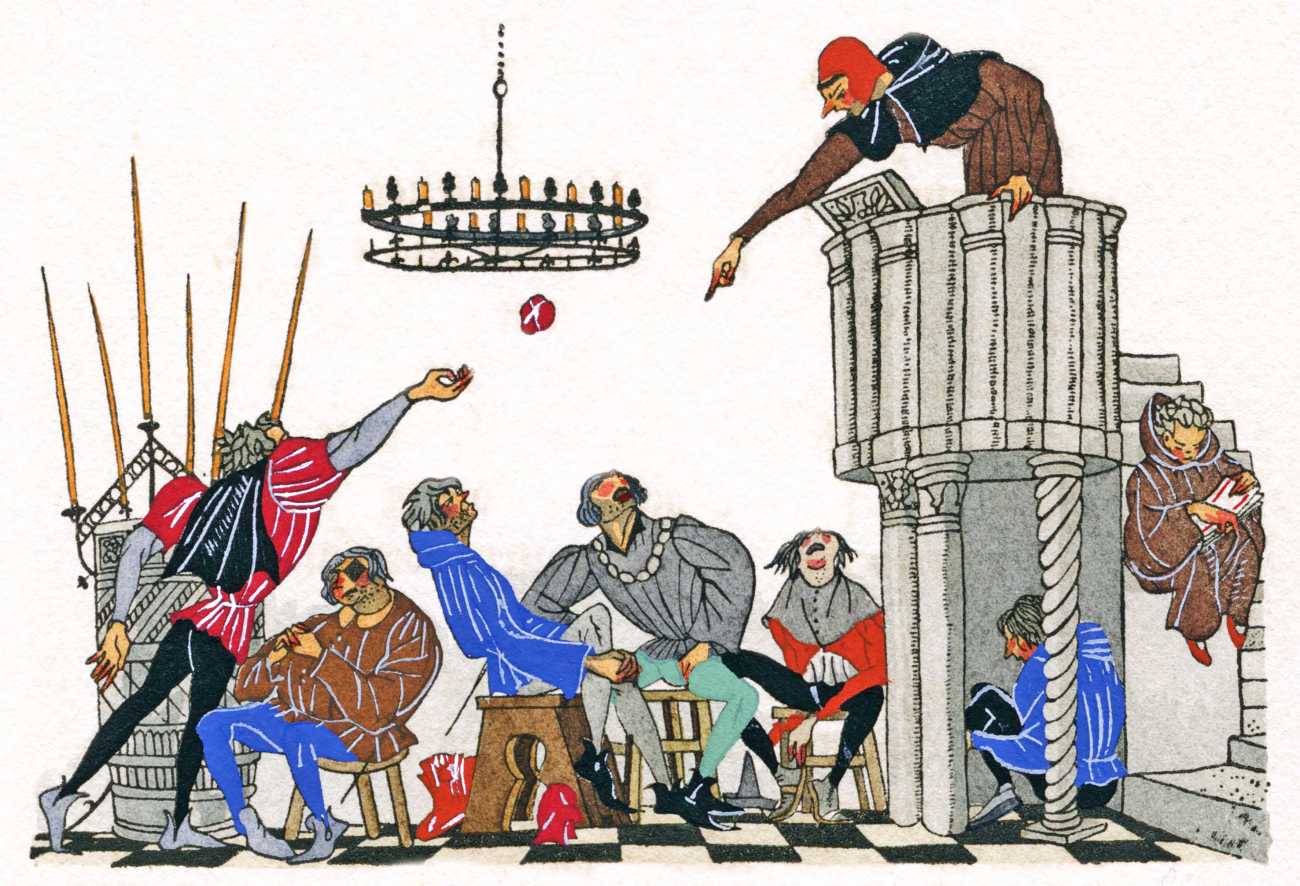
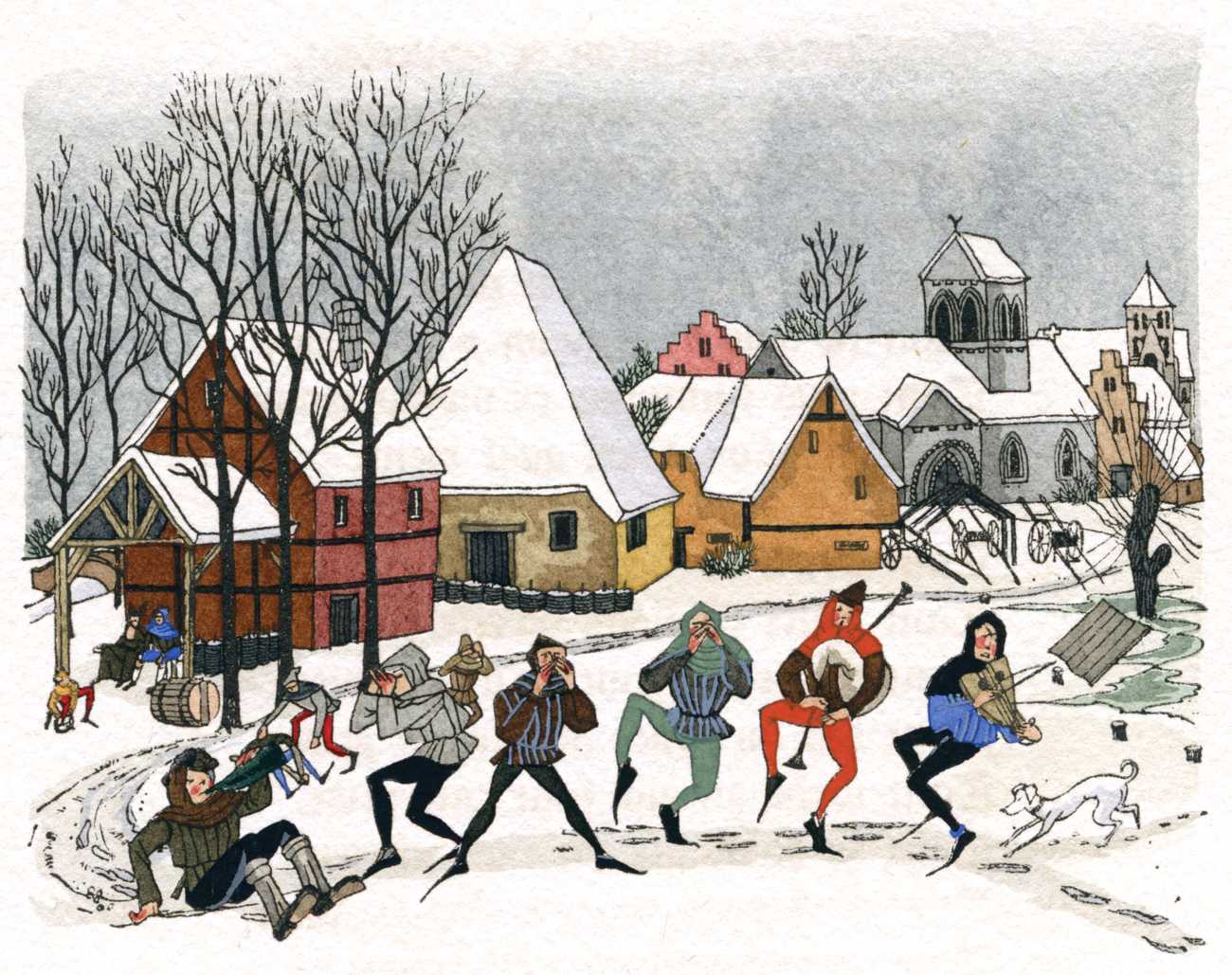
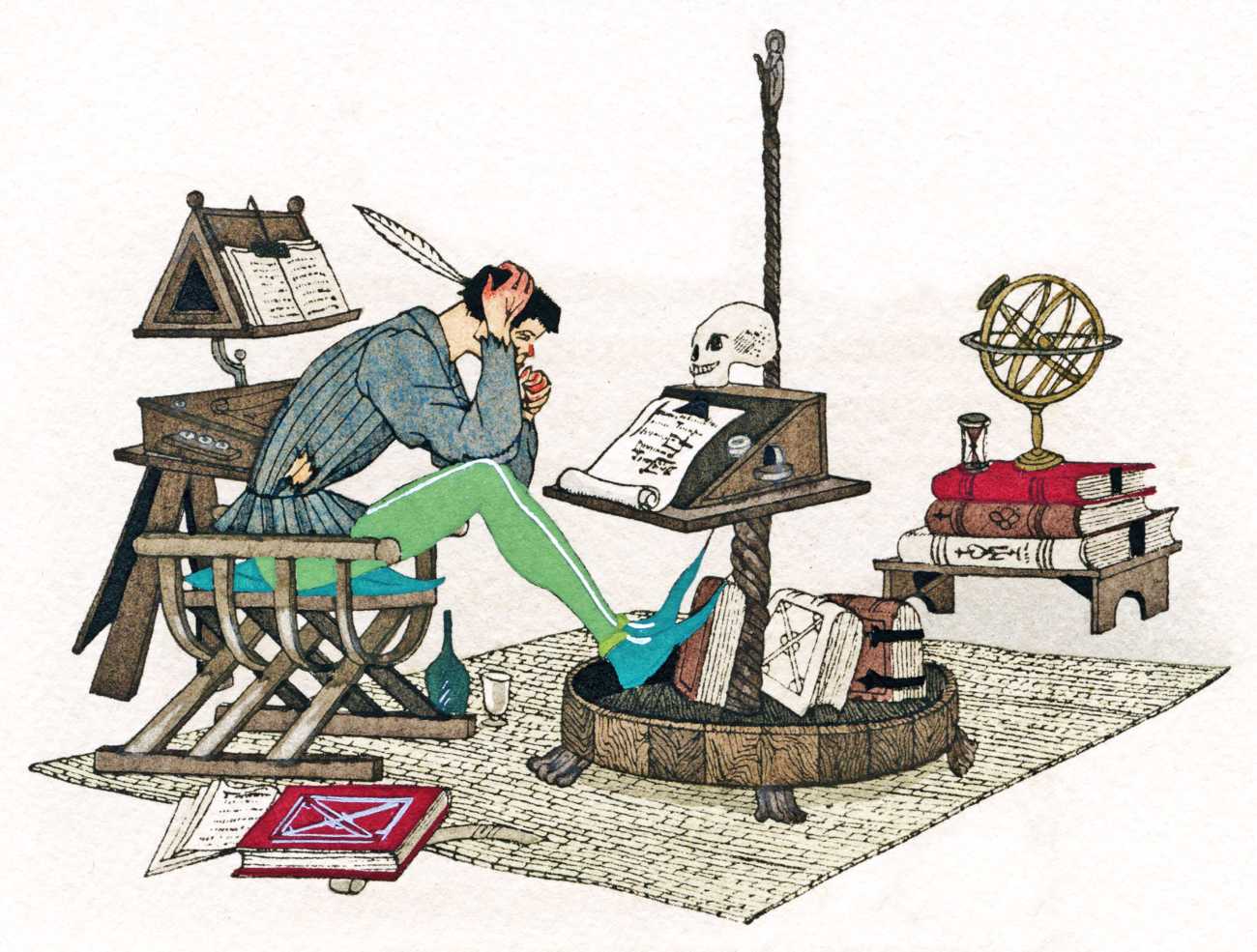
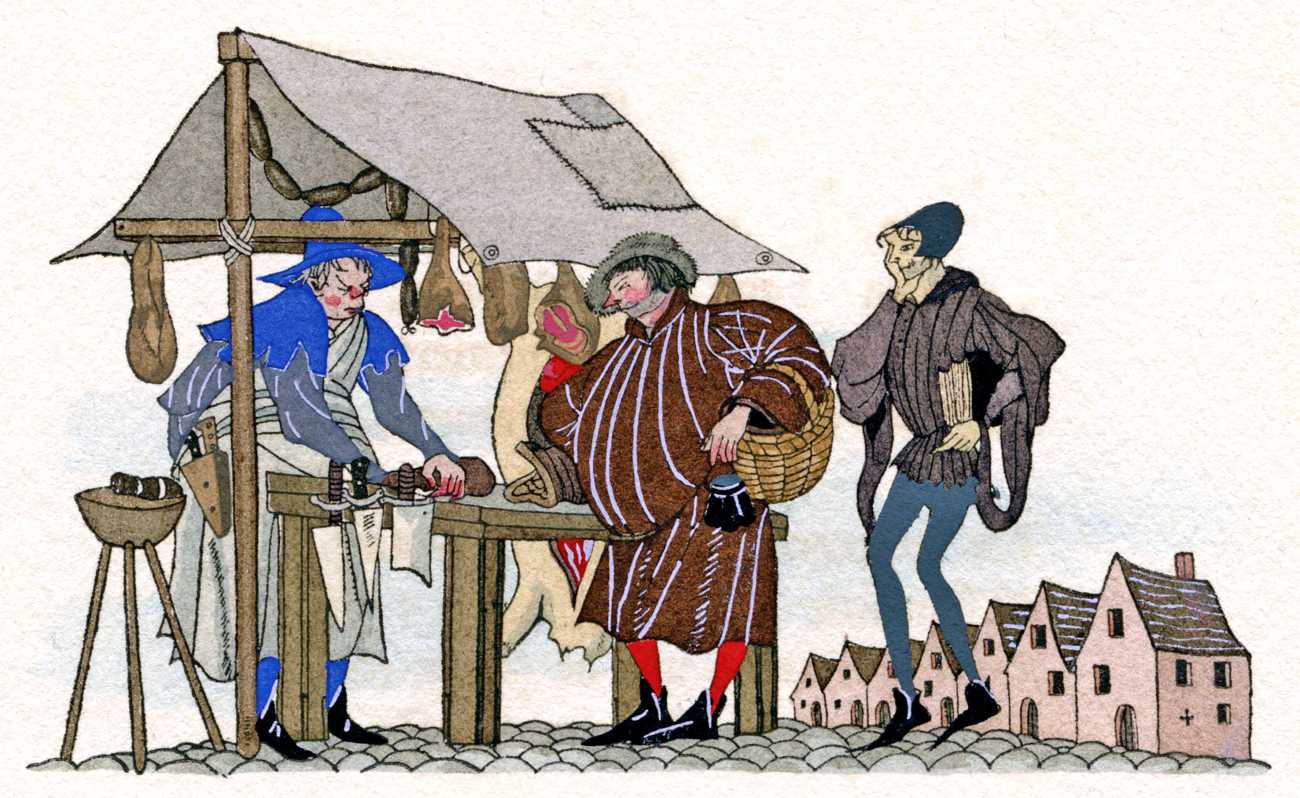
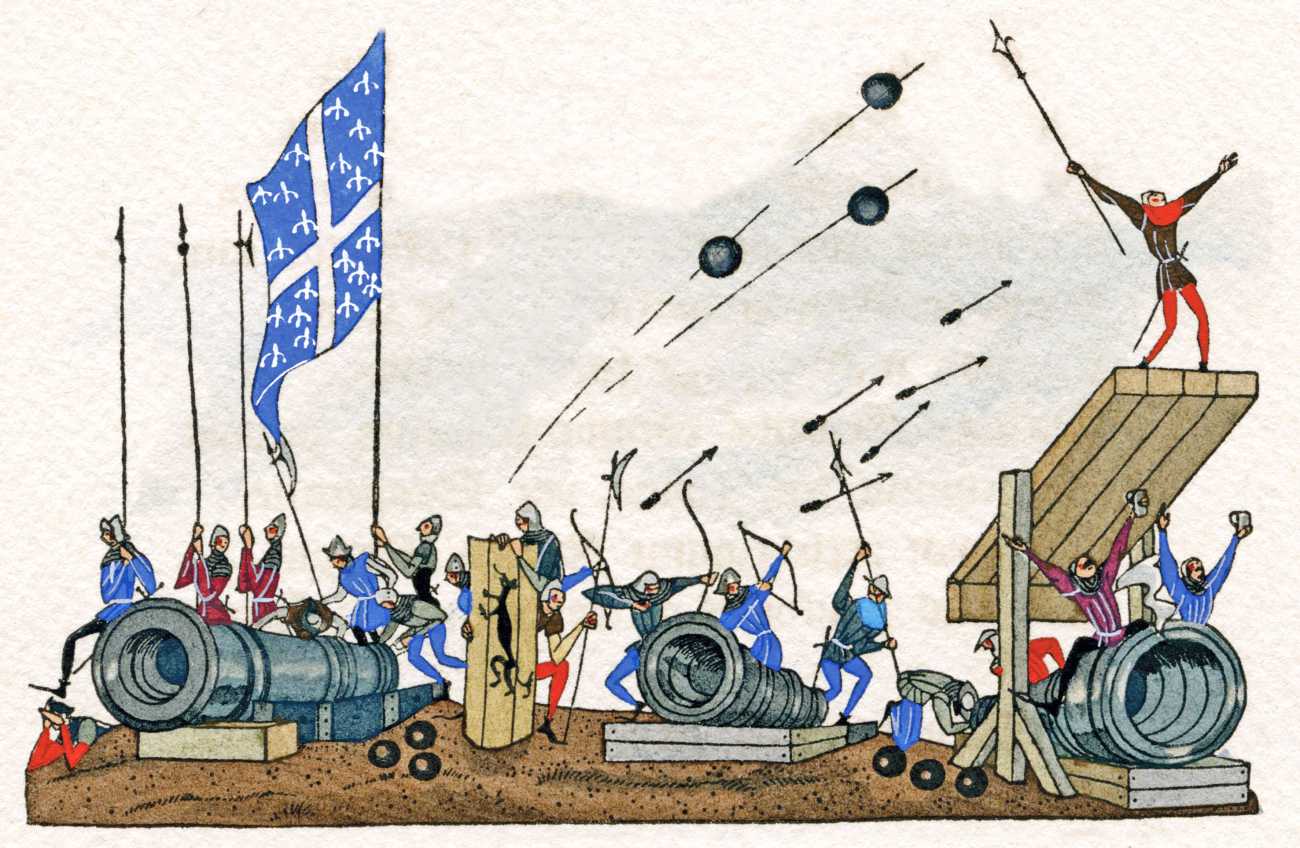
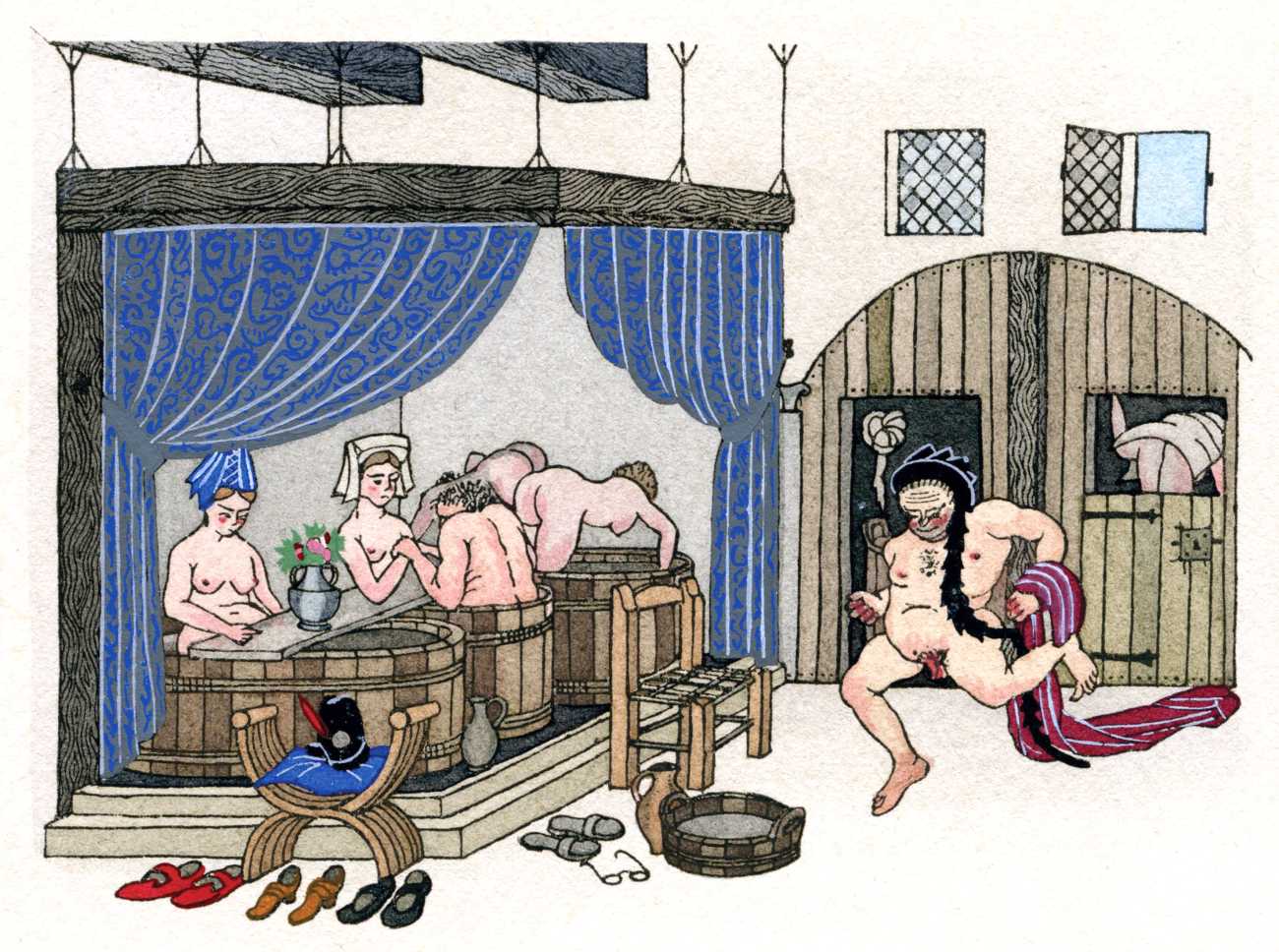
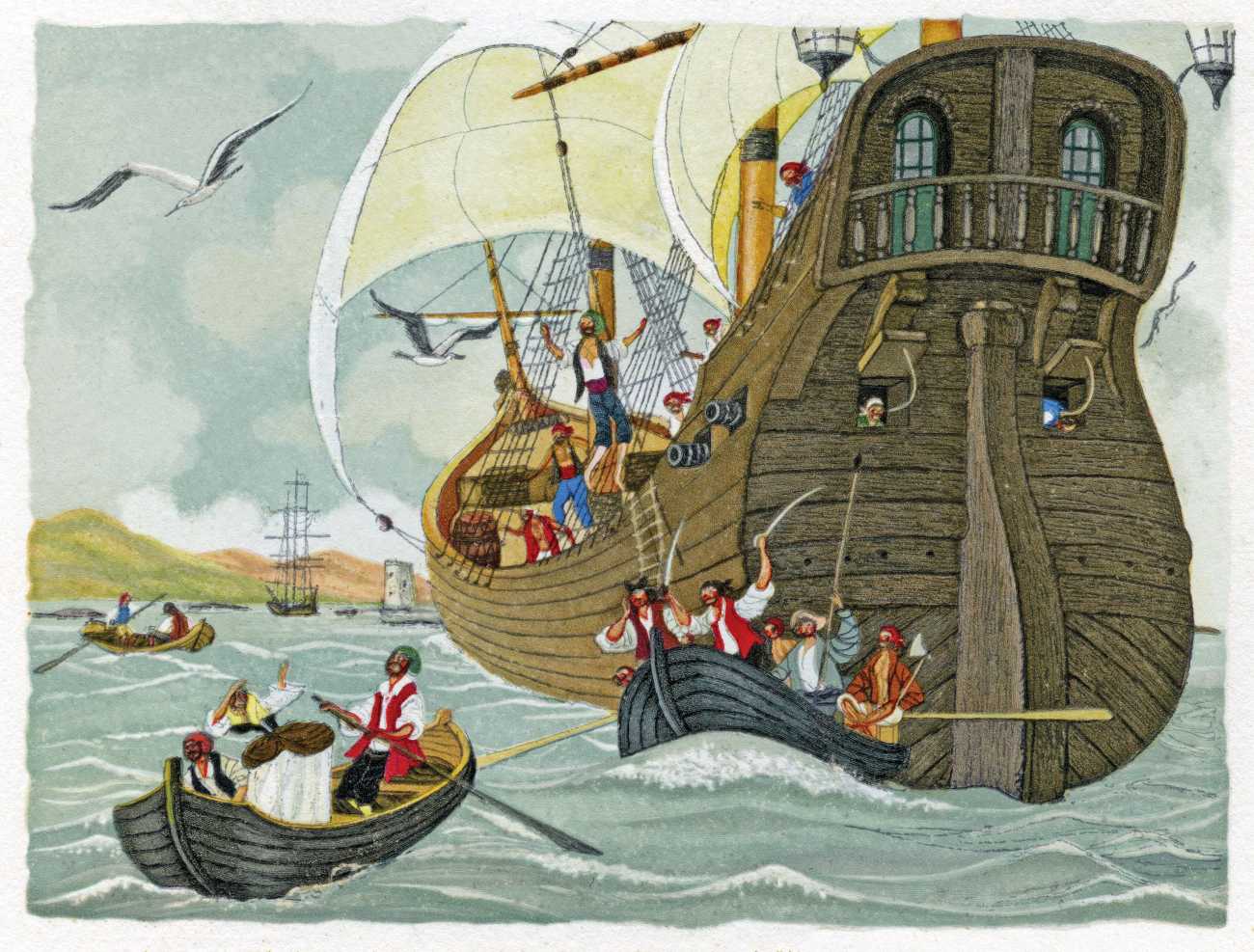
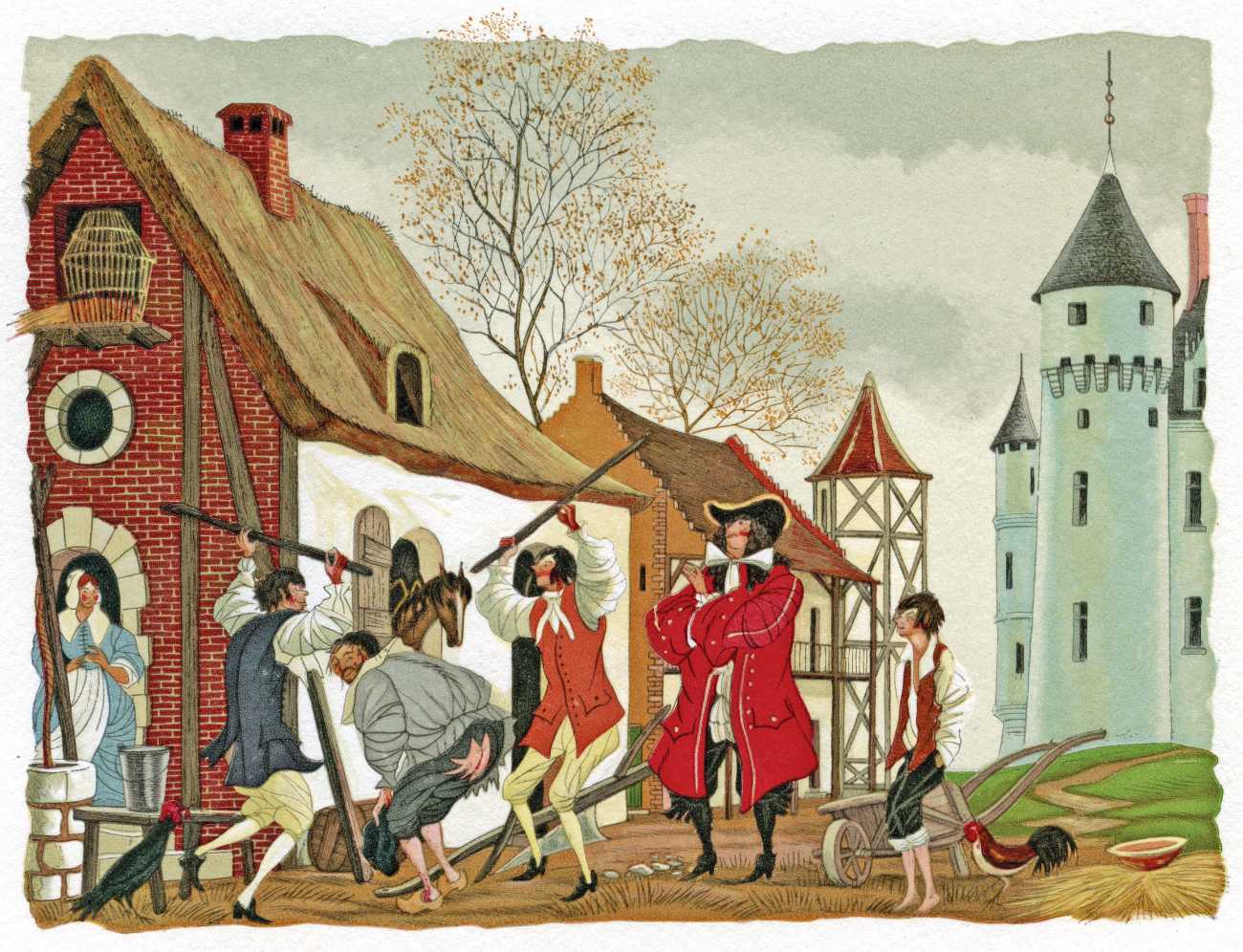
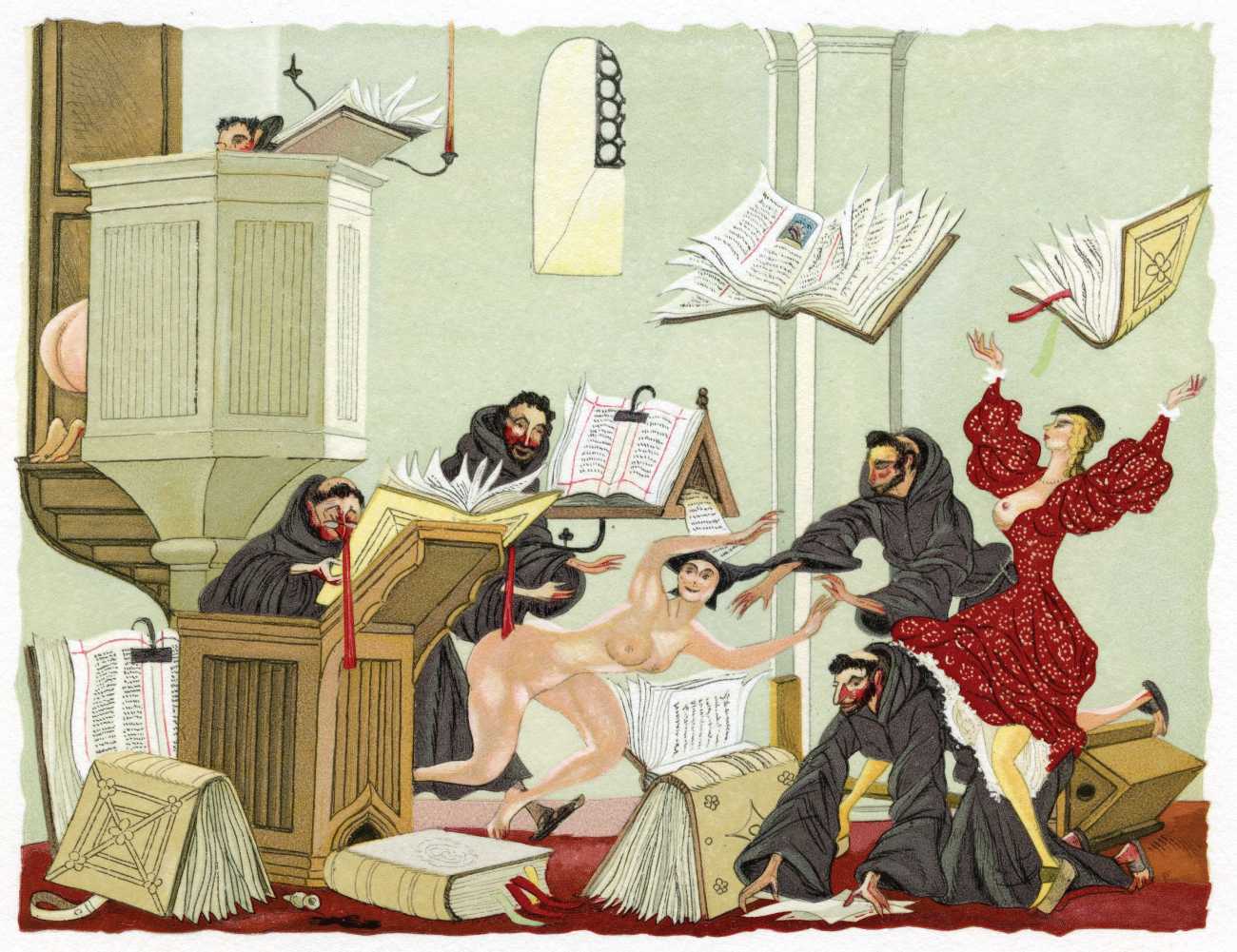
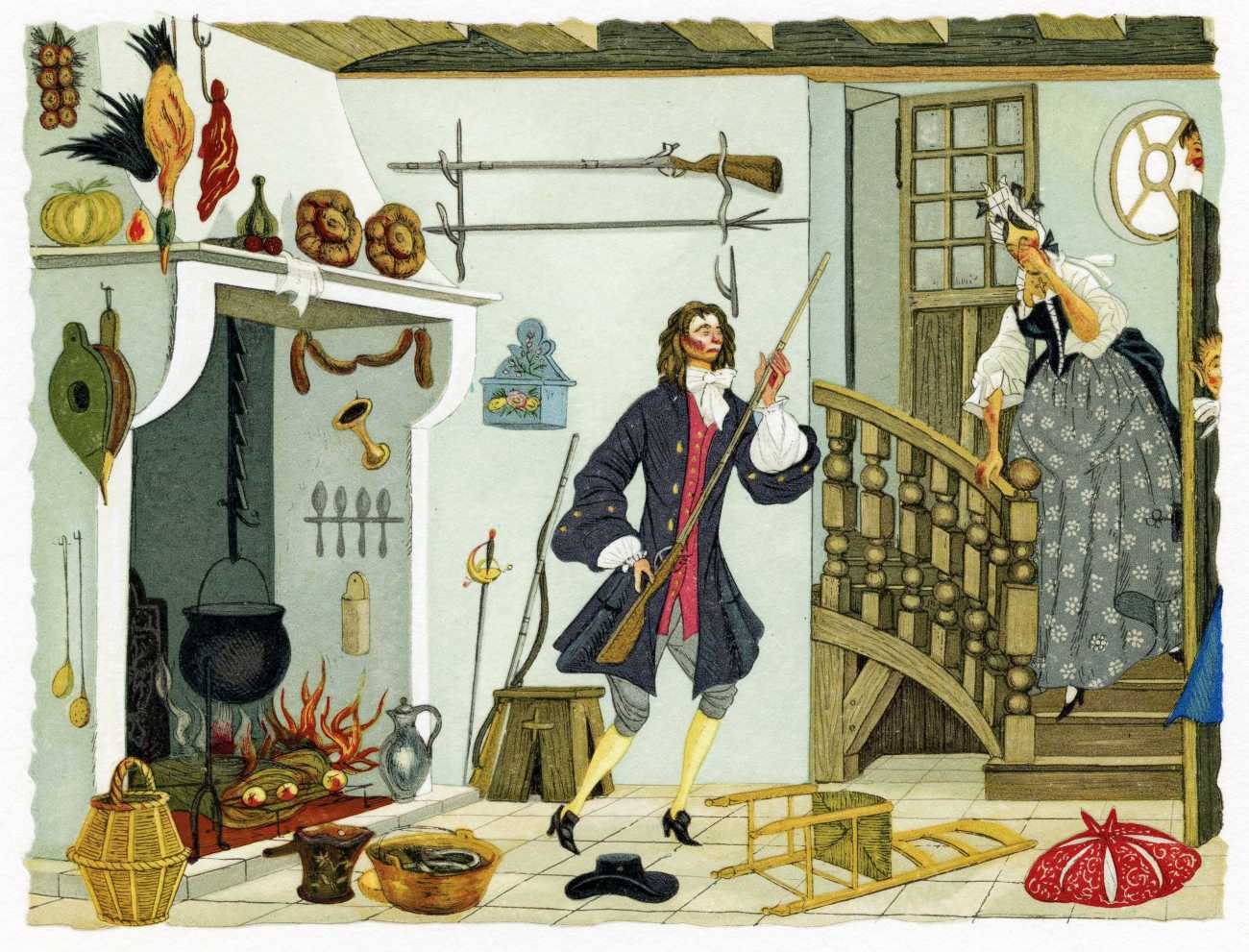
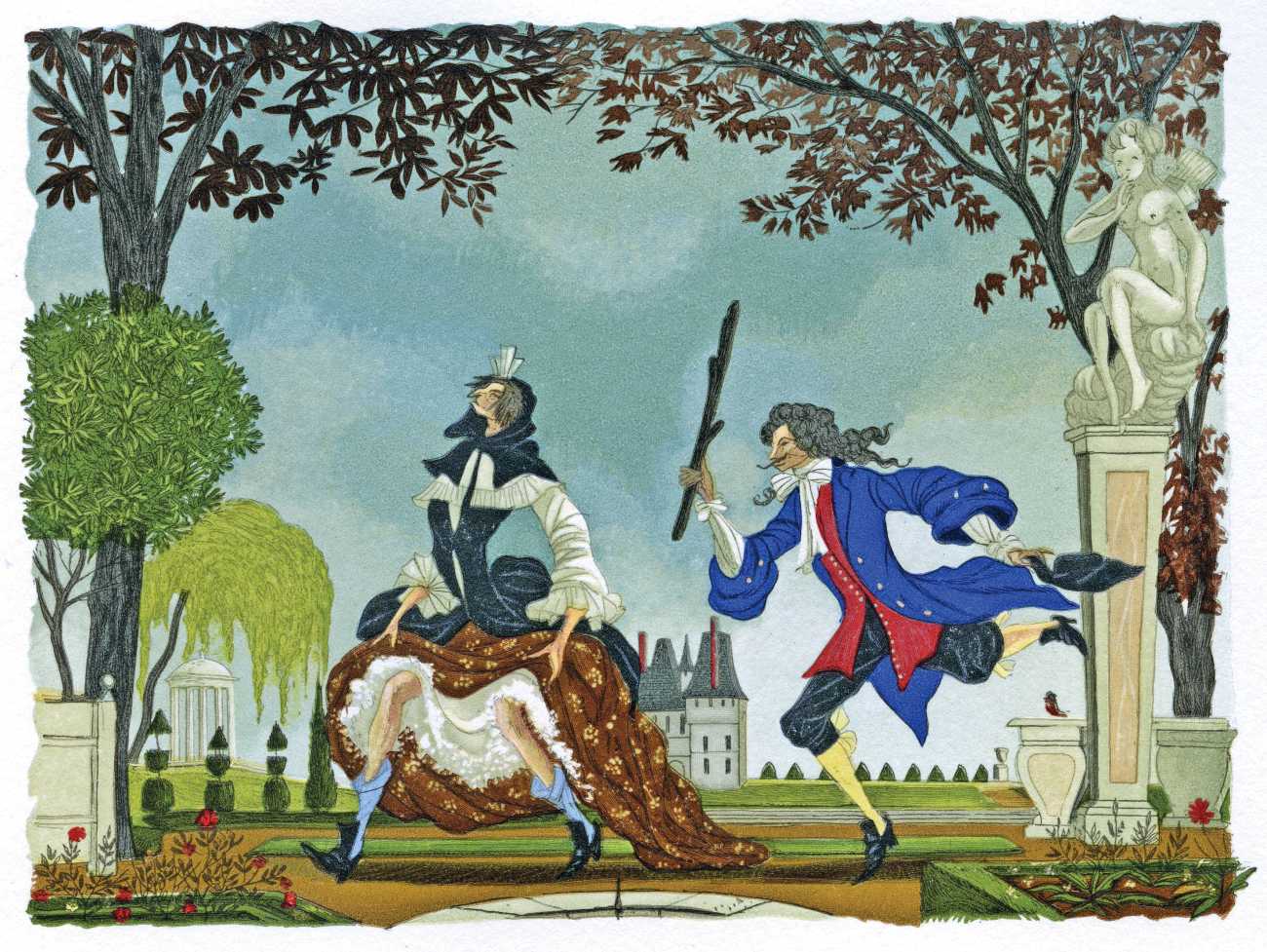
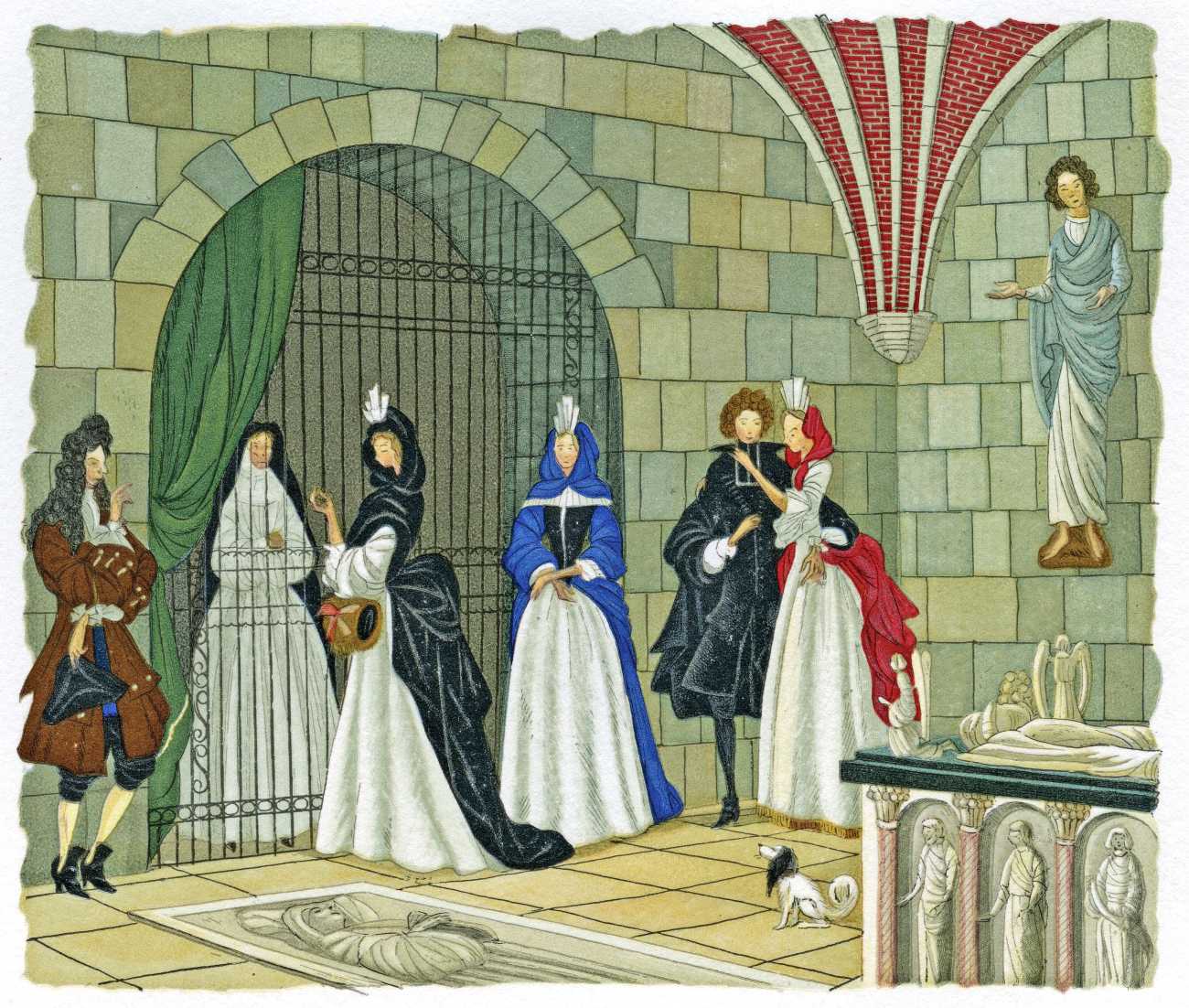
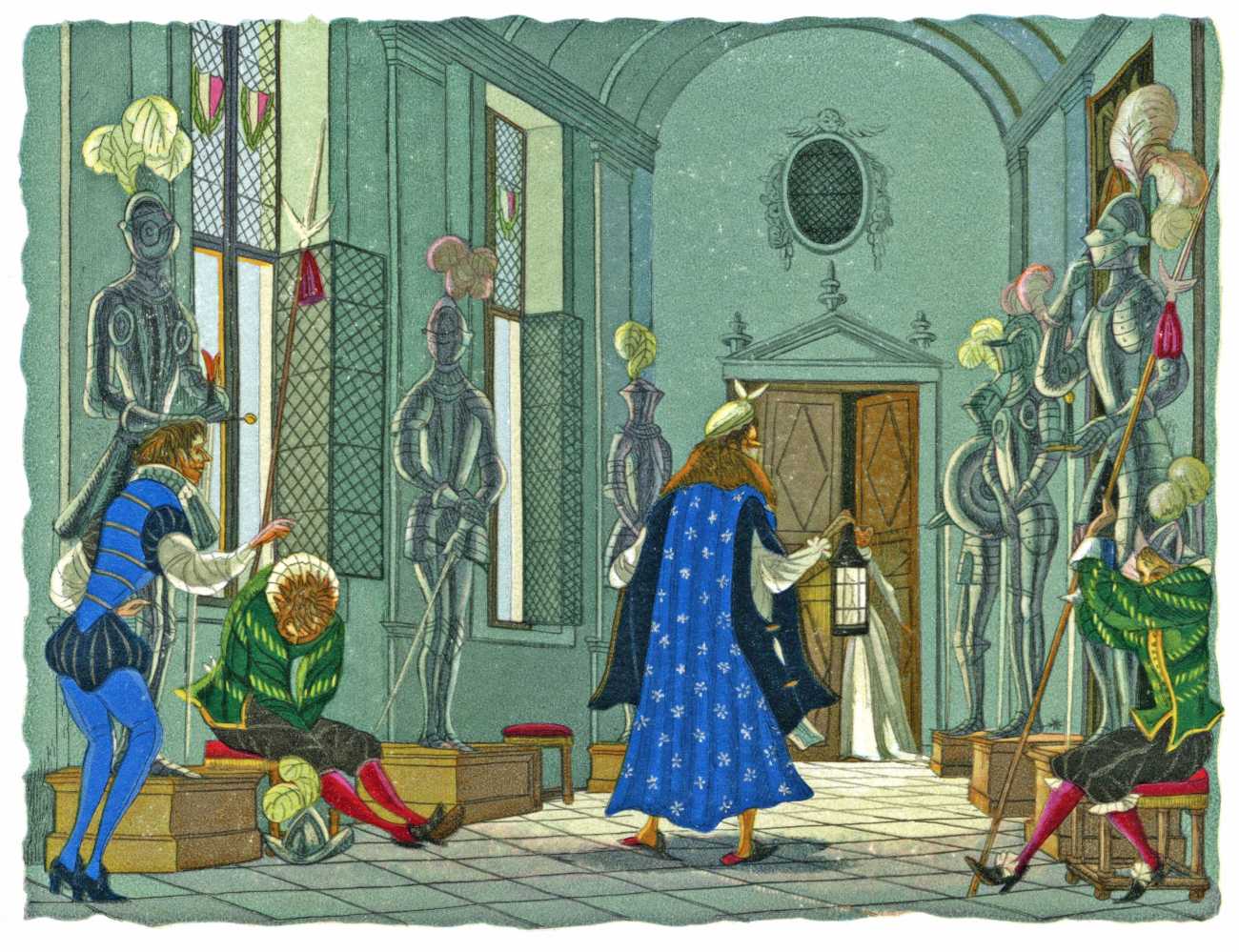
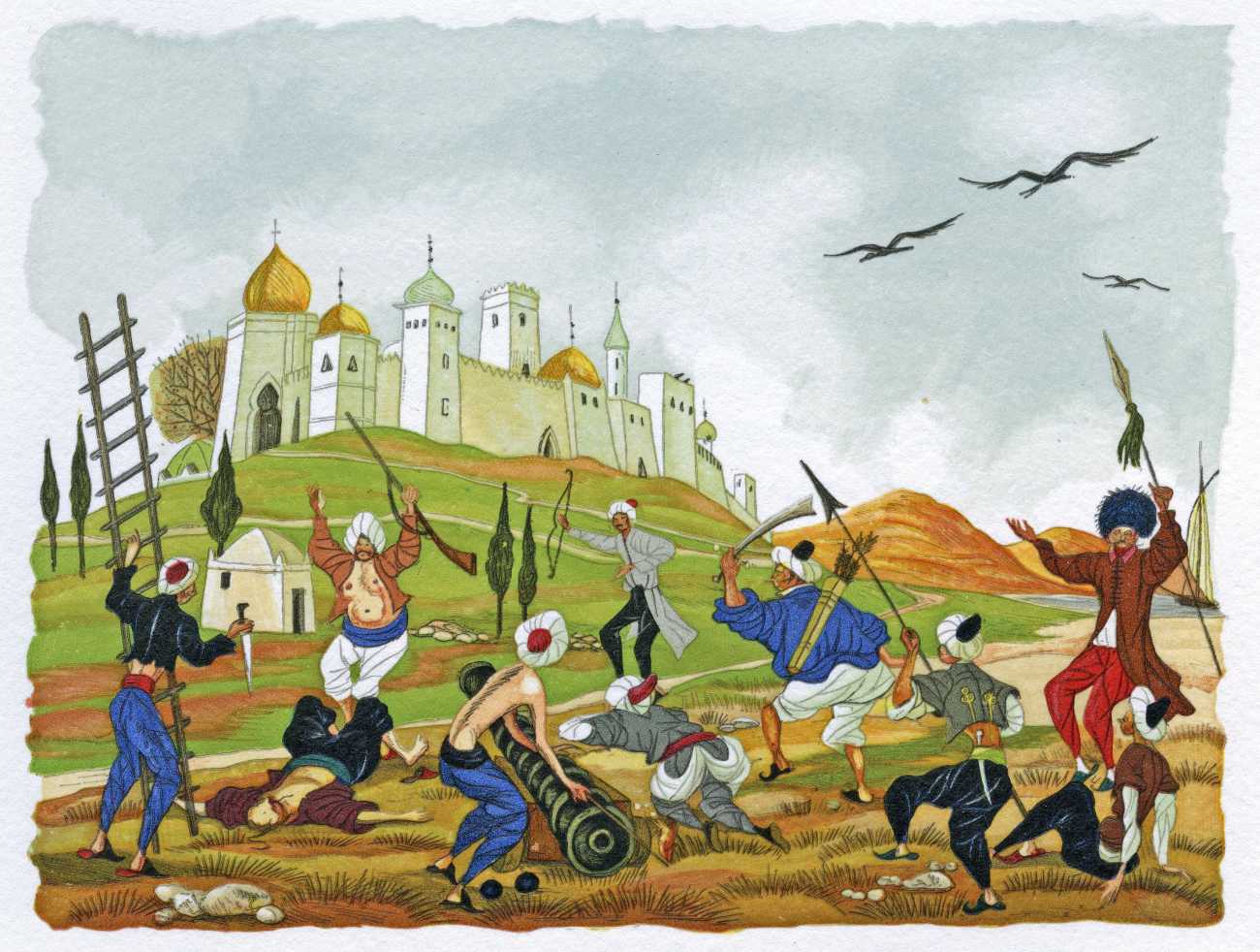
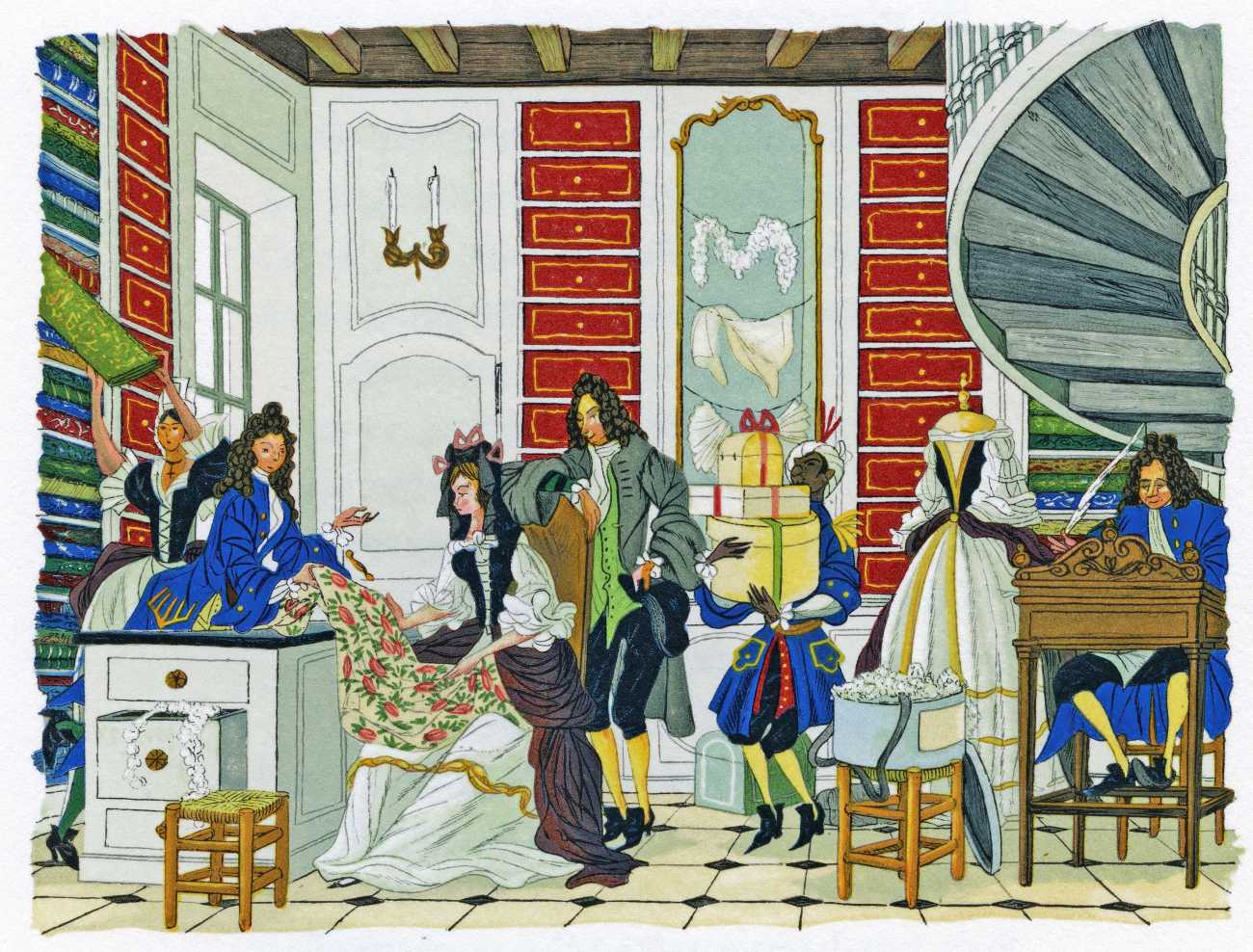
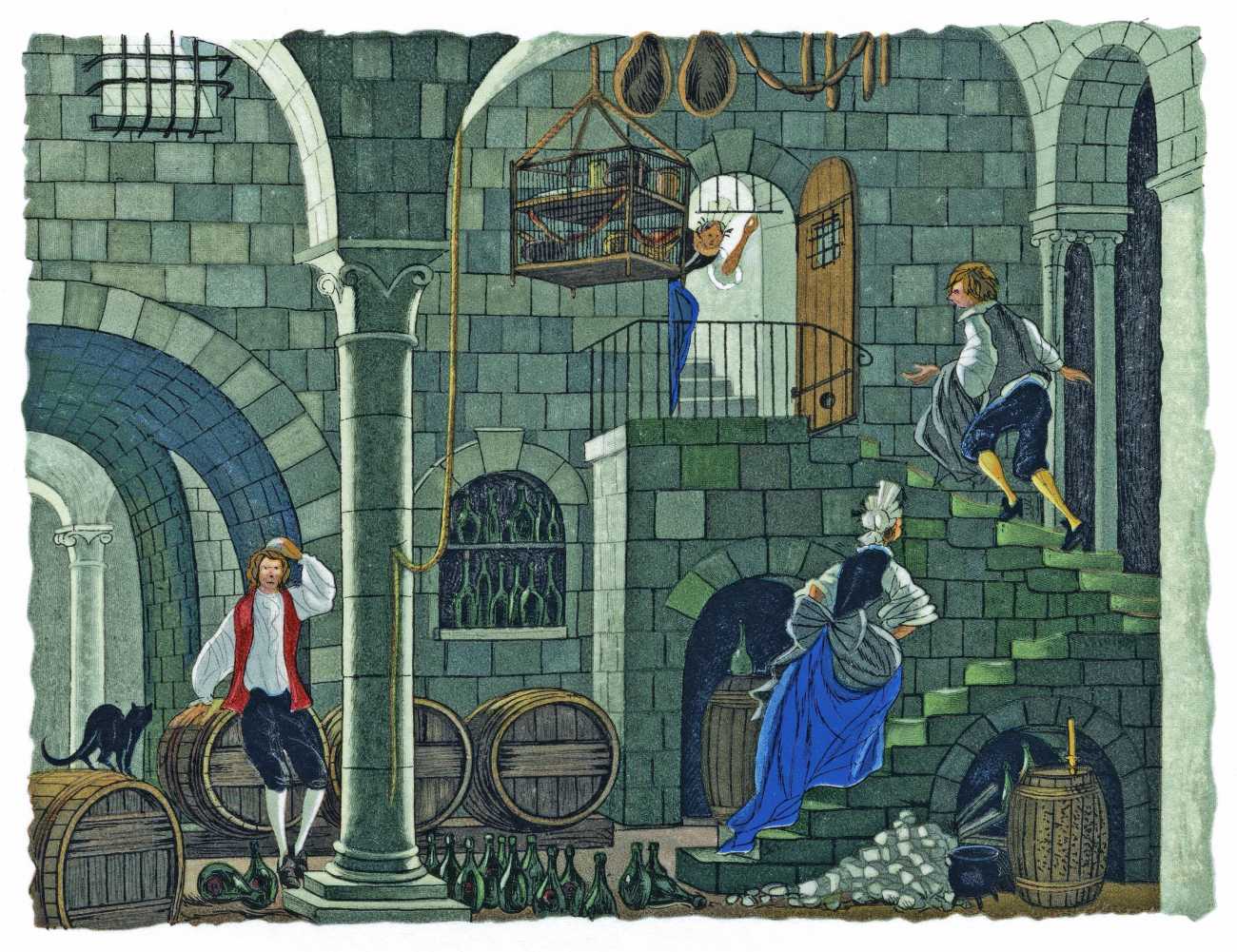
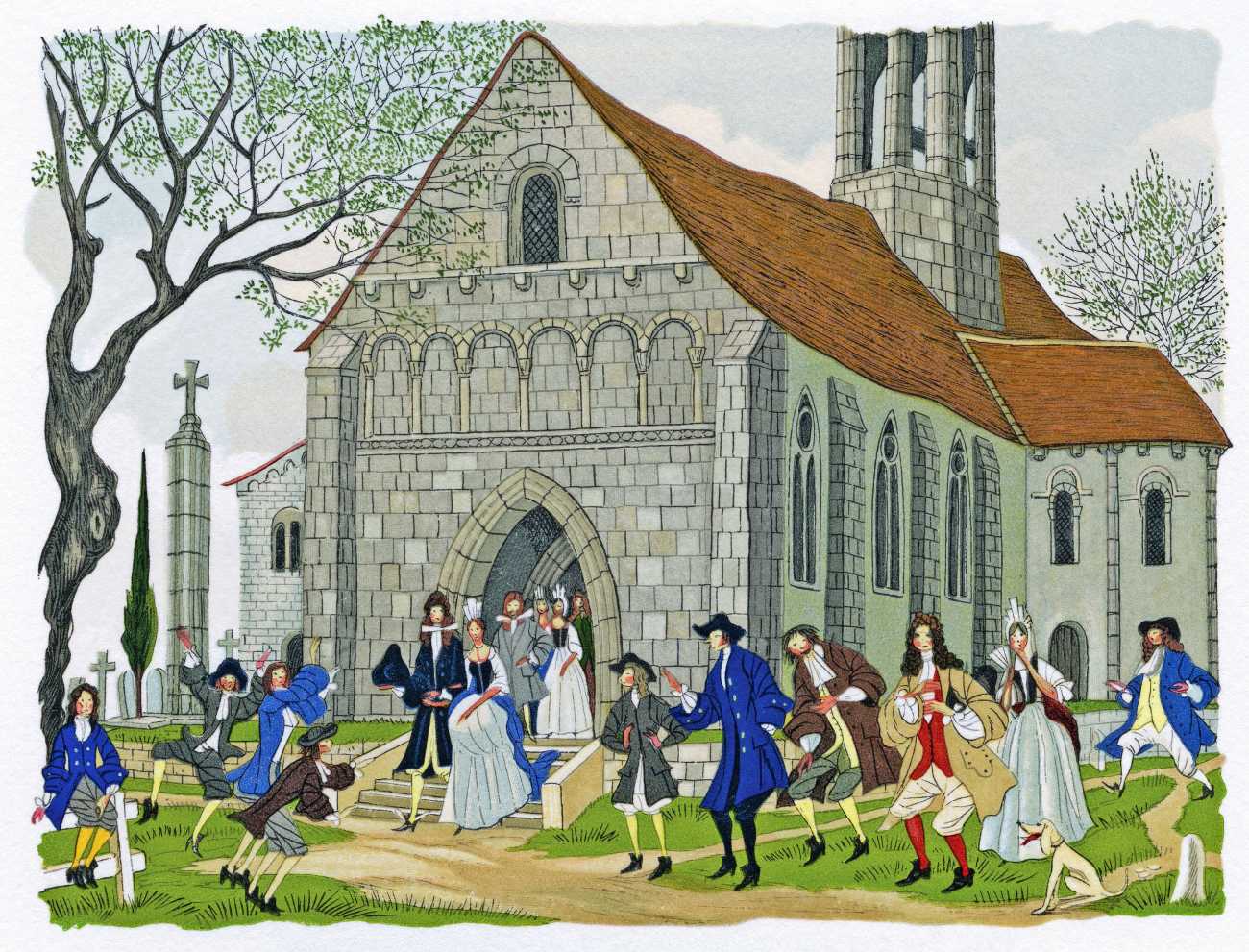
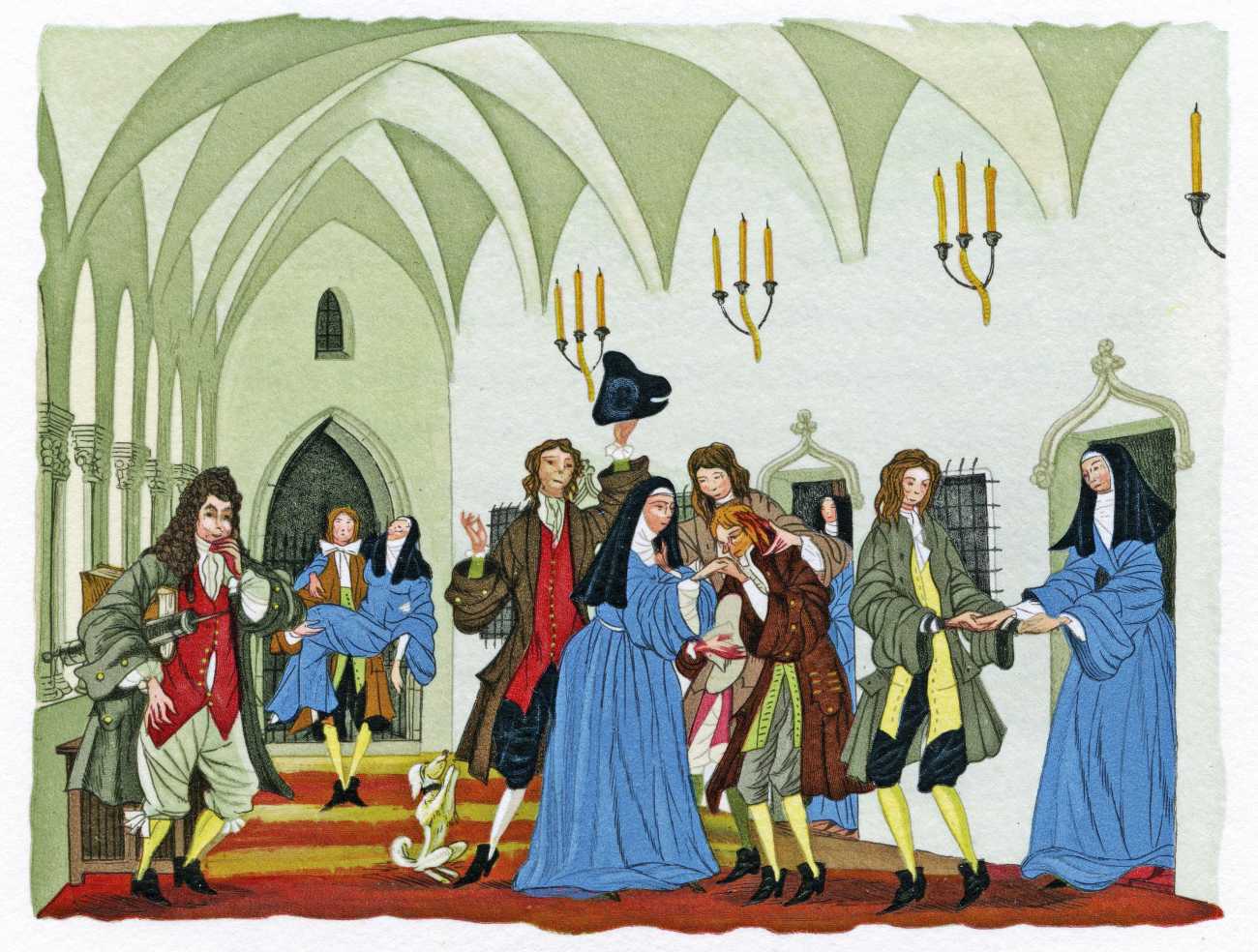
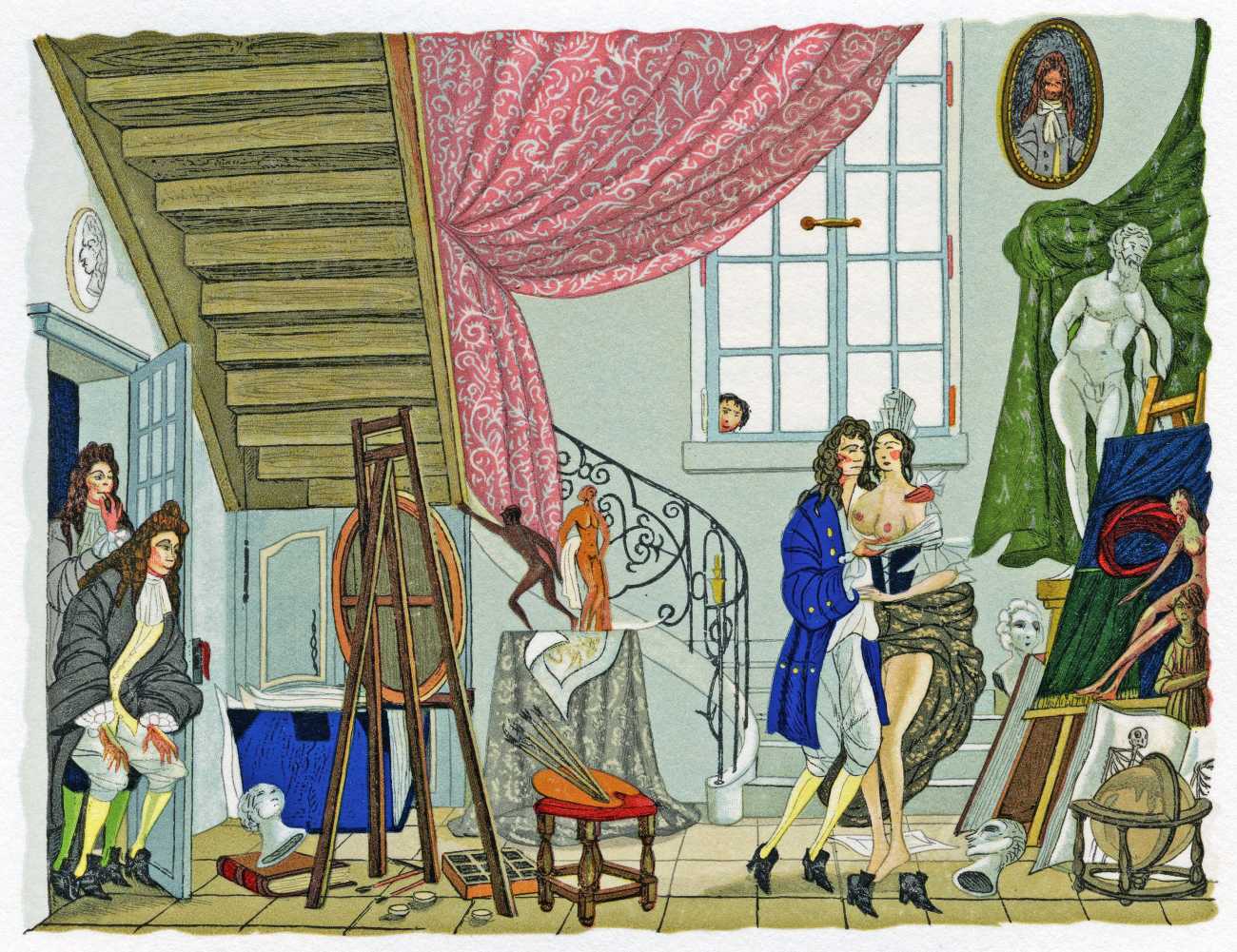
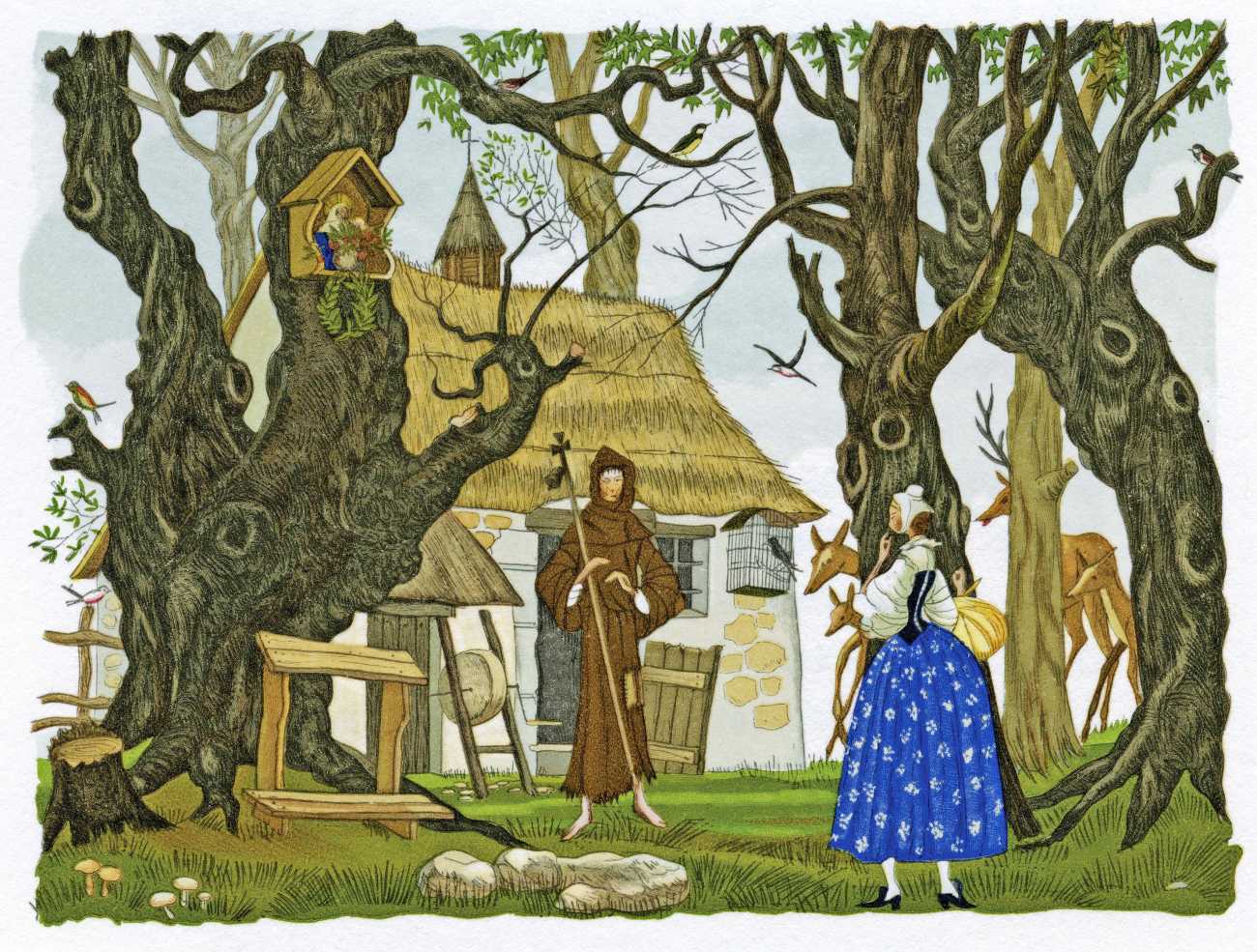
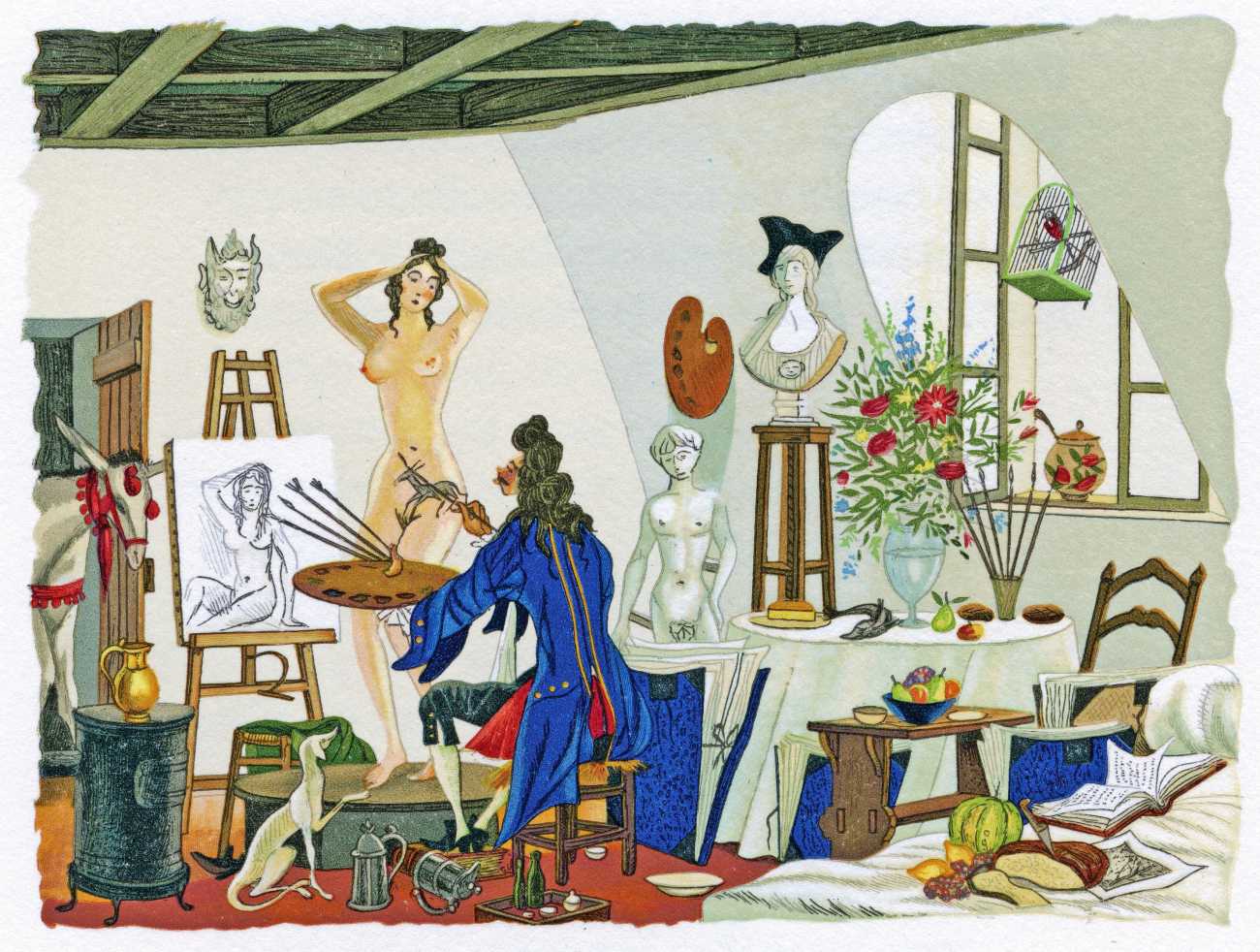
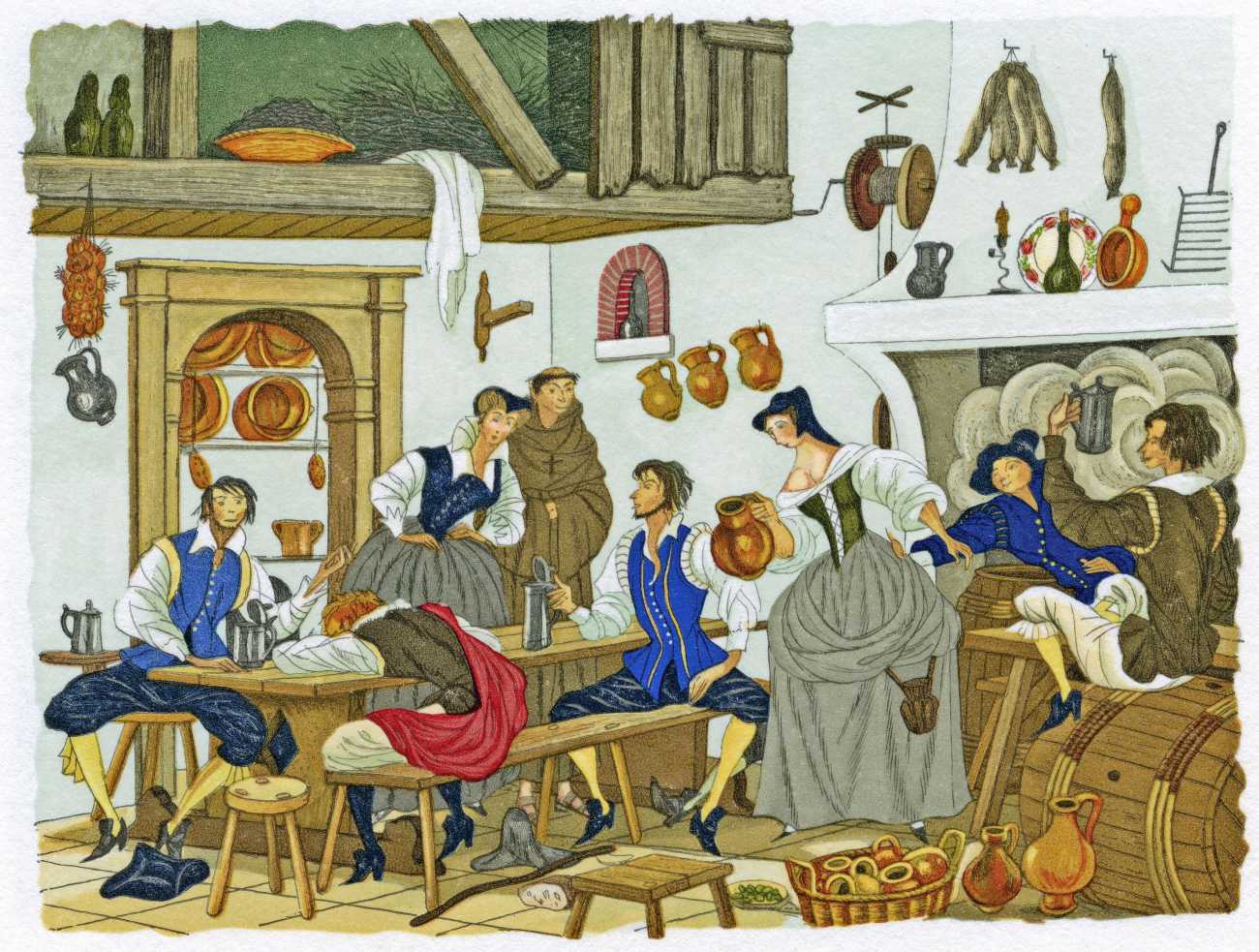
 Henry Lemarié is considered one of the great masters of French miniaturism in the mid-twentieth century, though his artistic skills also extended to larger-scale painting and engraving.
Lemarié grew up in Tours, a university city south-west of Paris, and from 1930 to 1936 he studied at the École des Beaux‑Arts in Paris under the painter and teacher Lucien Simon. During this formative period he travelled and discovered the Italian primitives, notably Fra Angelico, and Flemish painting such as Pieter Bruegel the Elder, which left a deep imprint on his technique and sensibility.
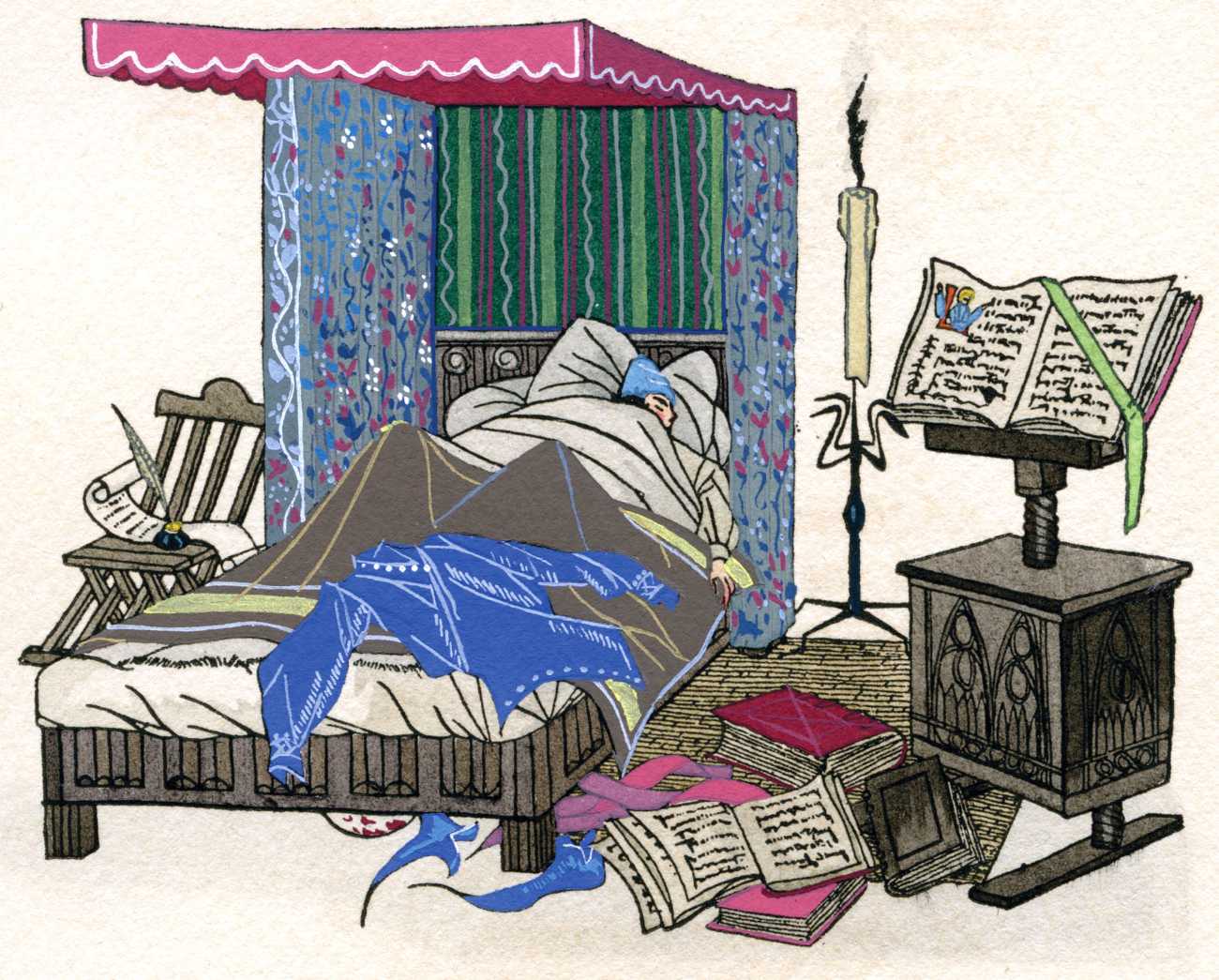
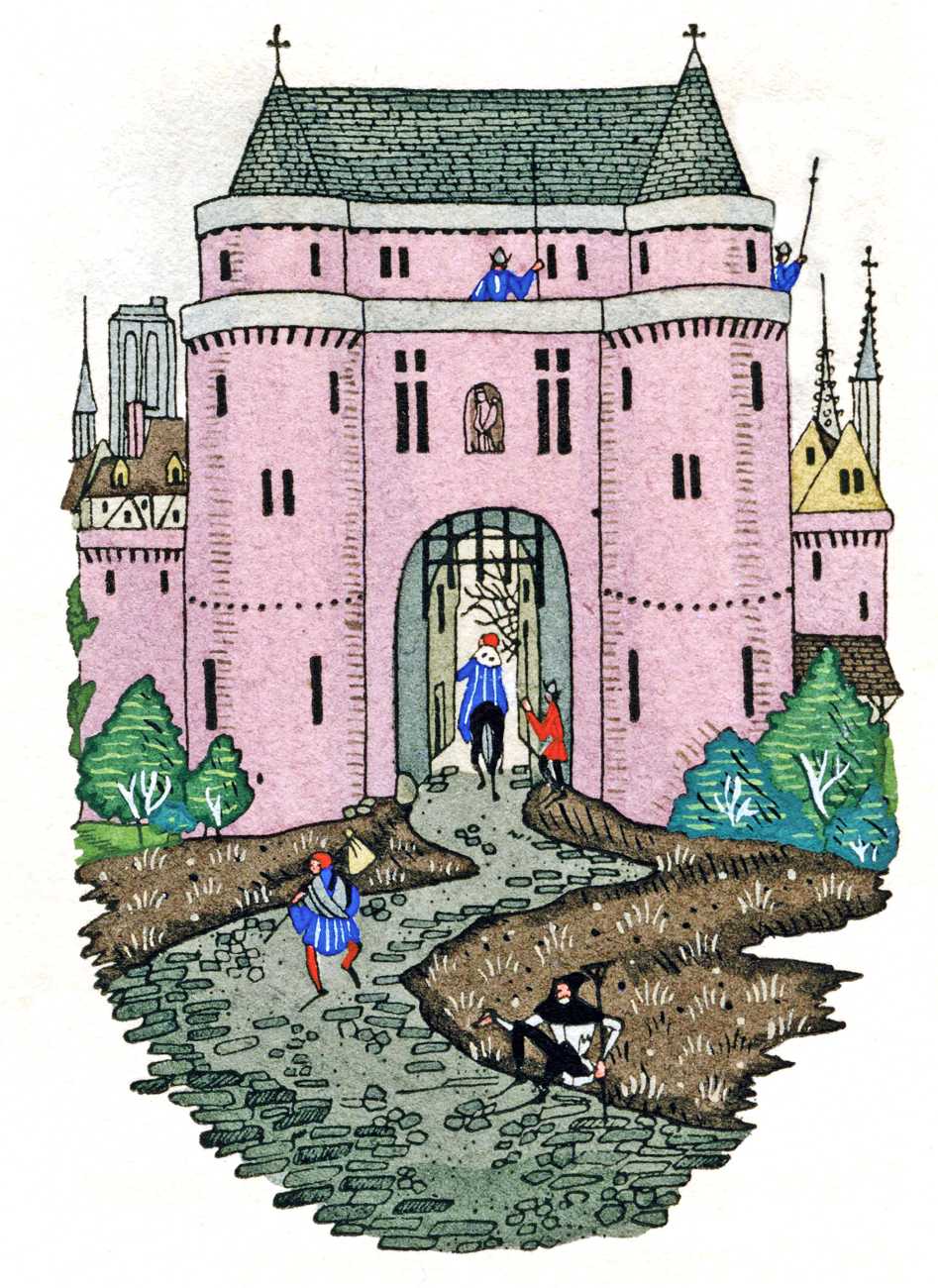
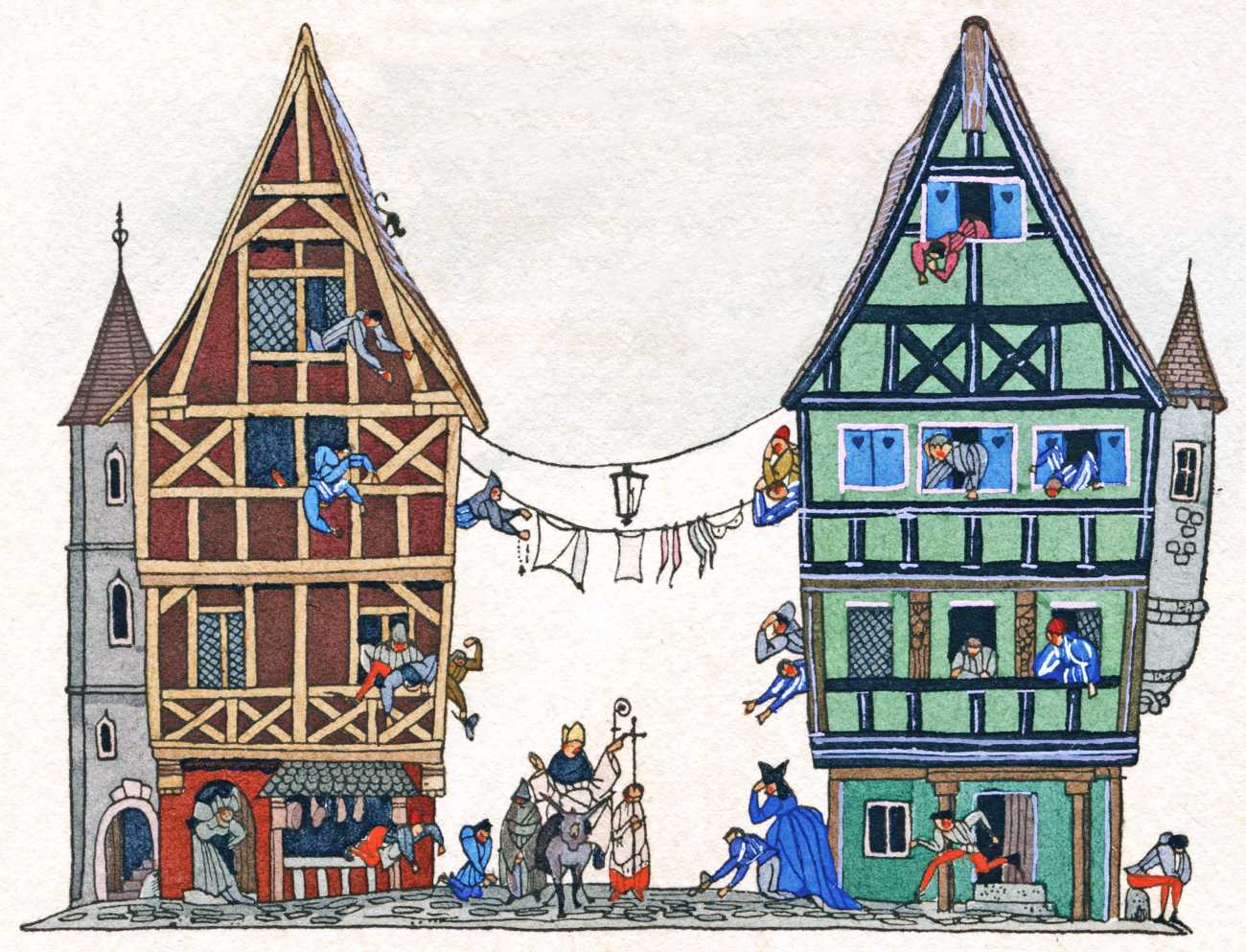
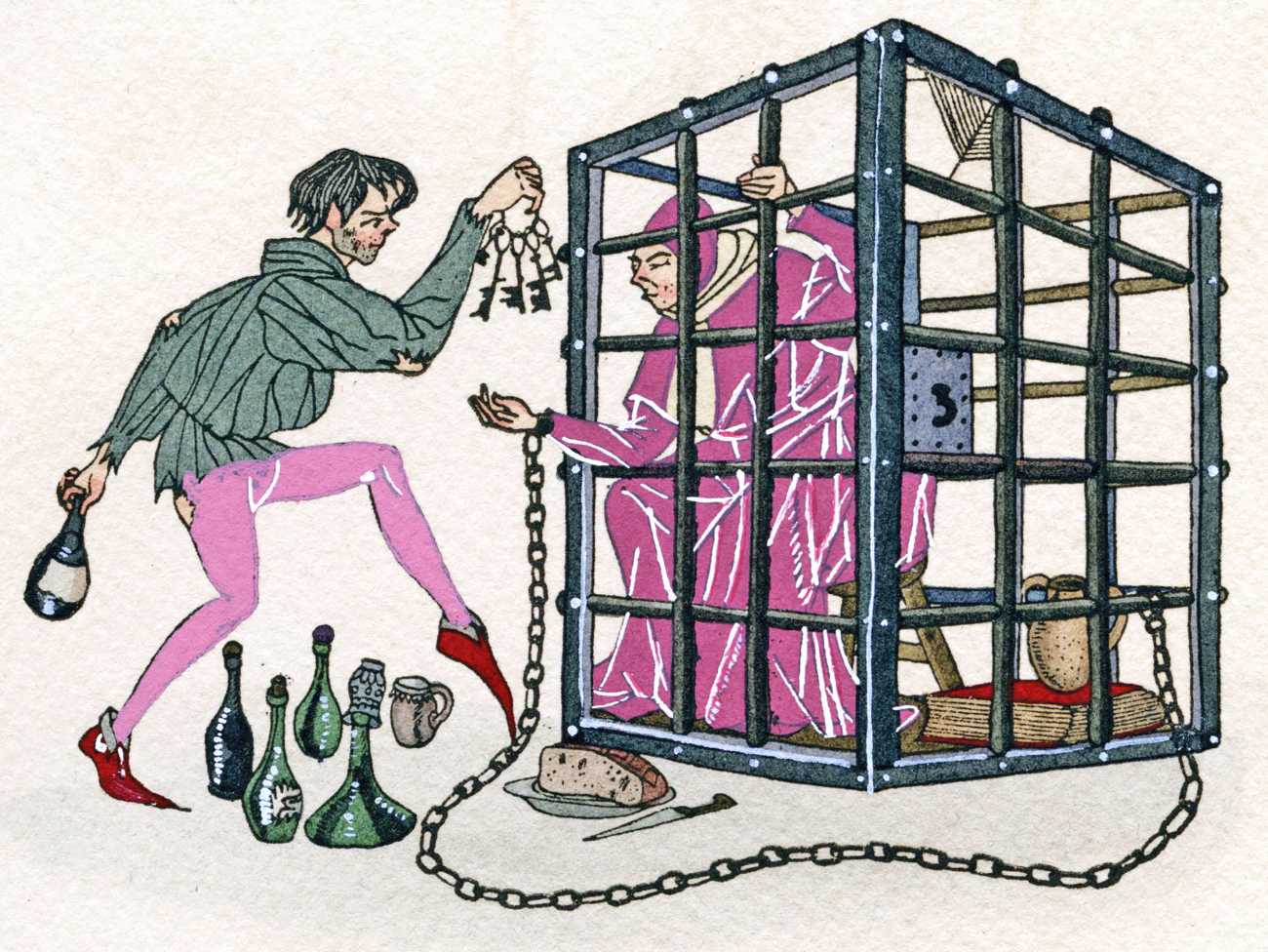
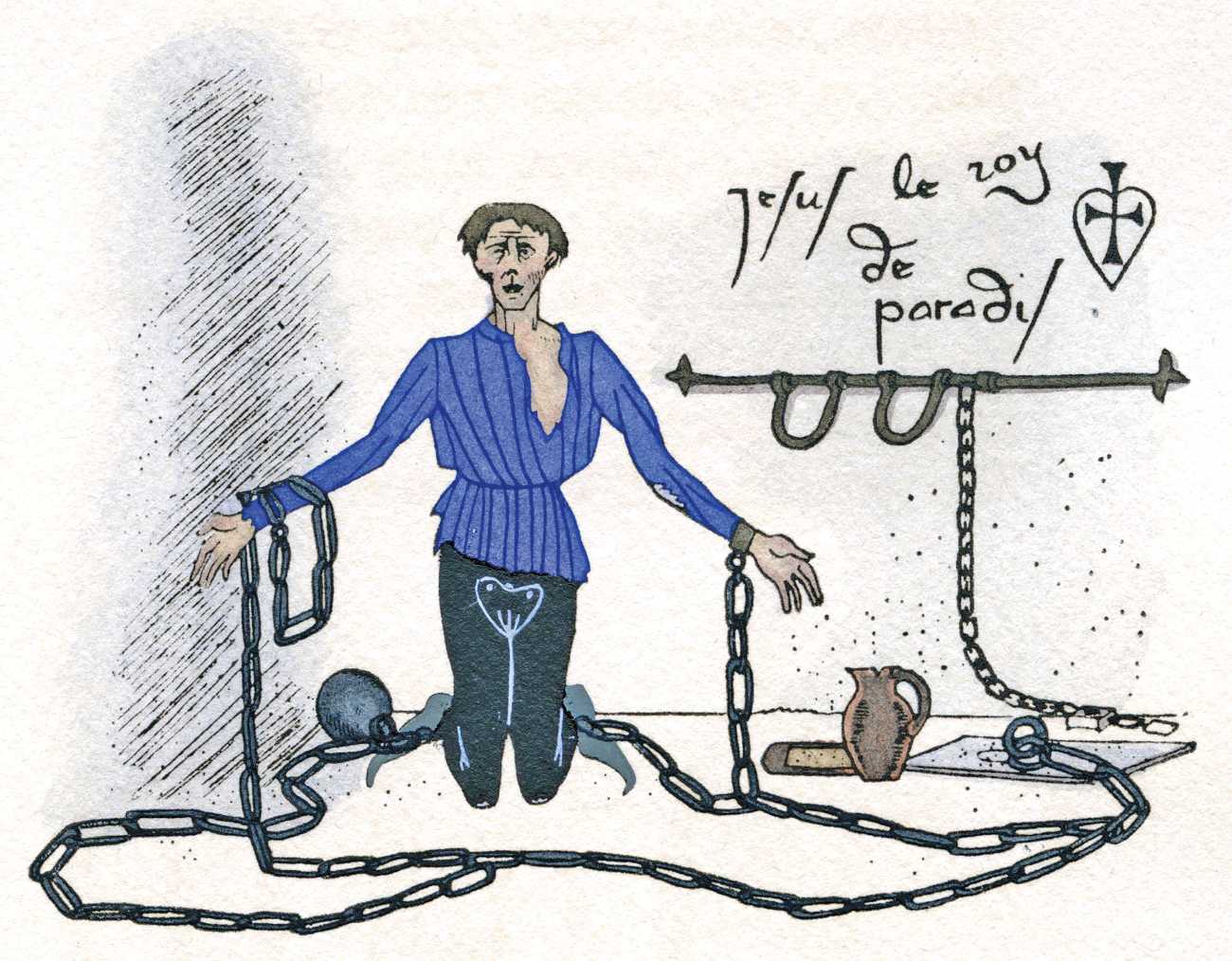
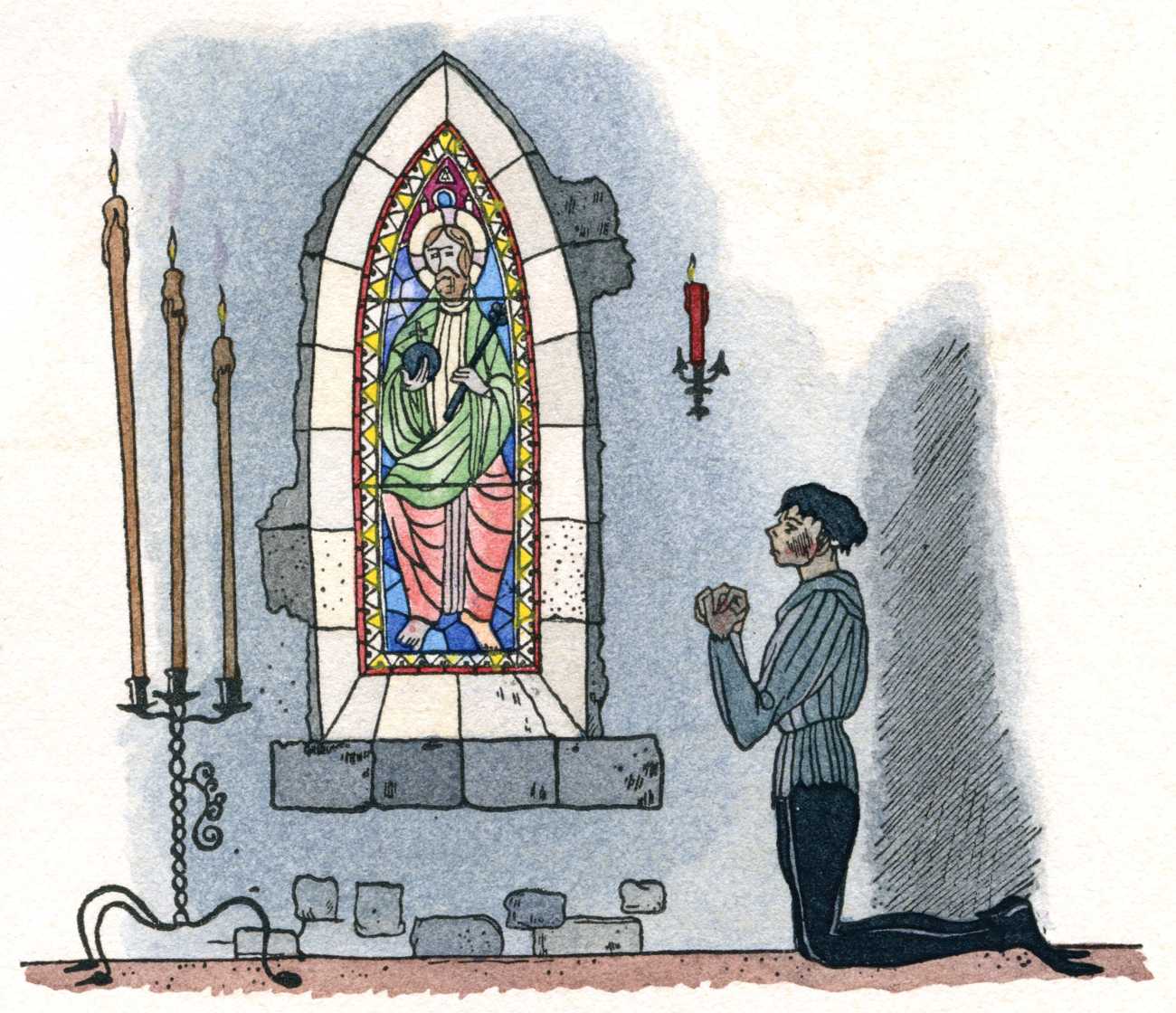
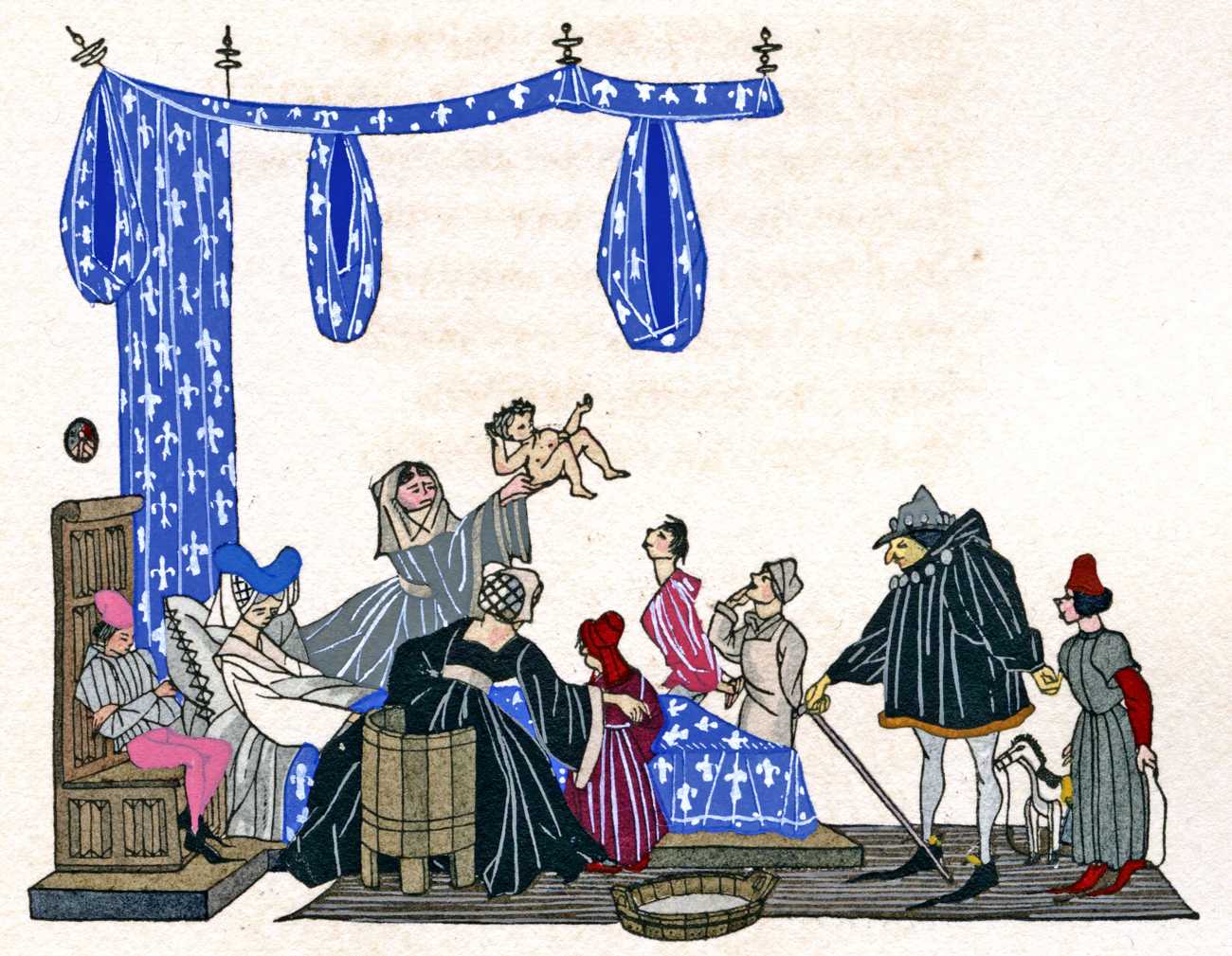
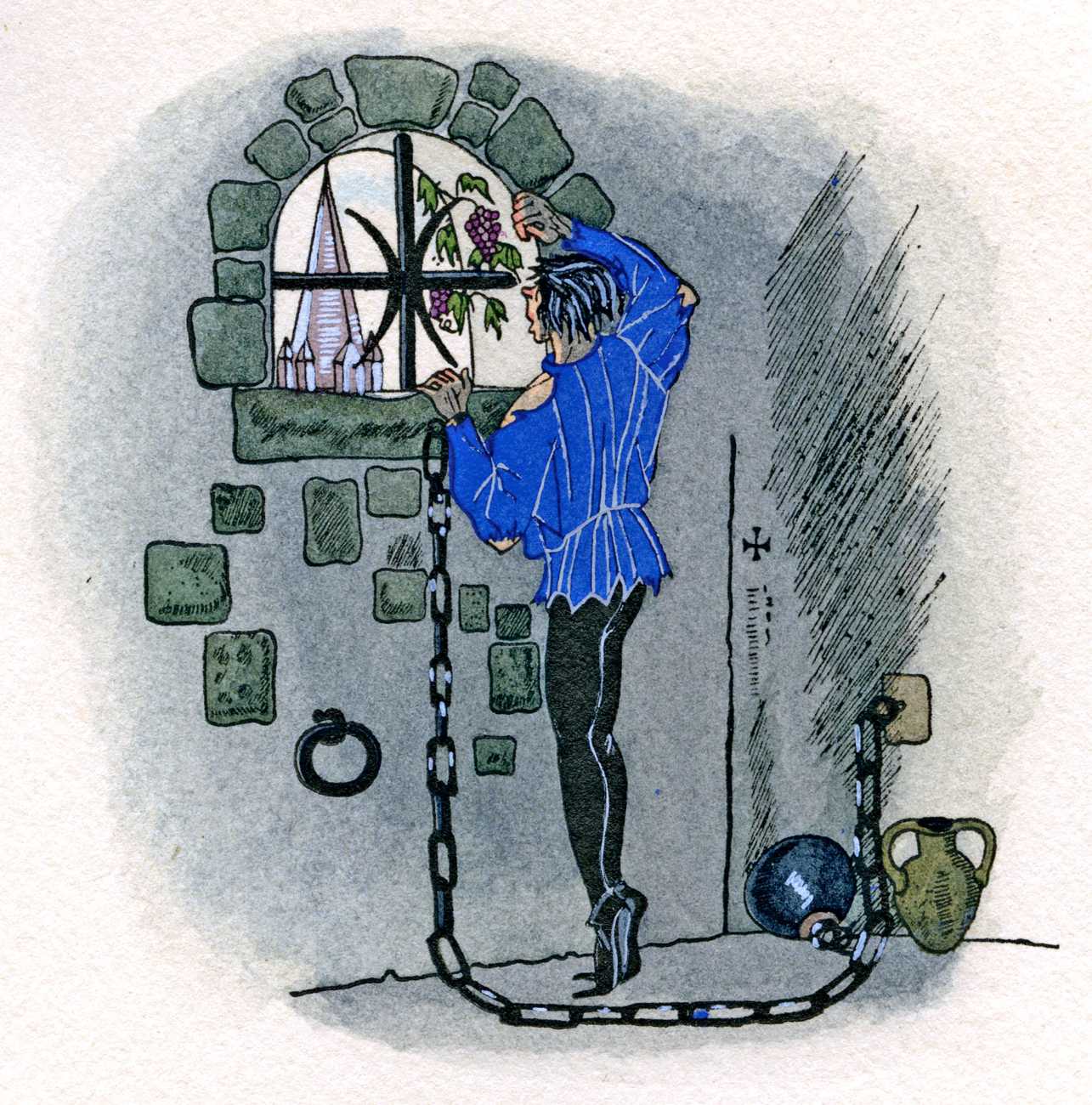
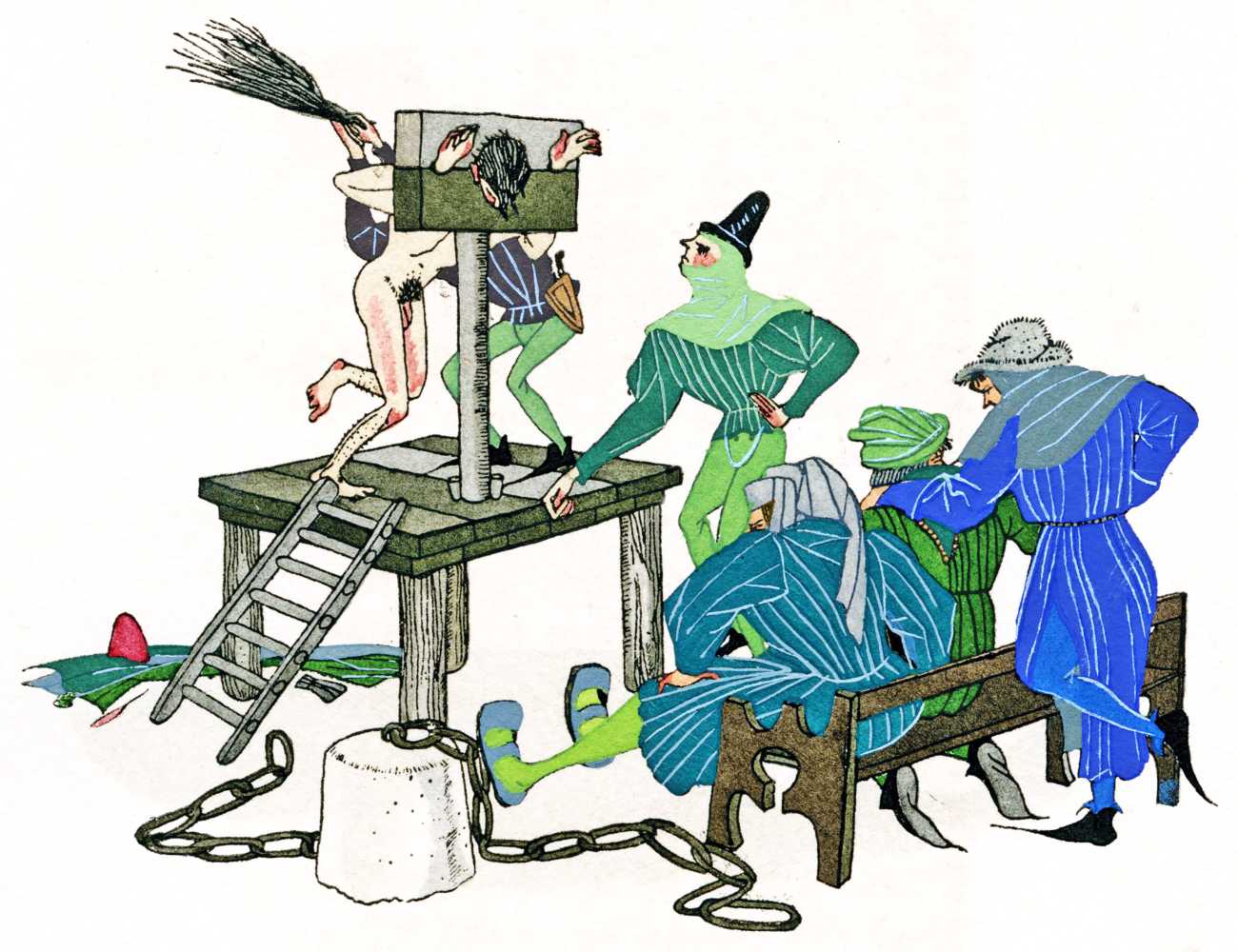
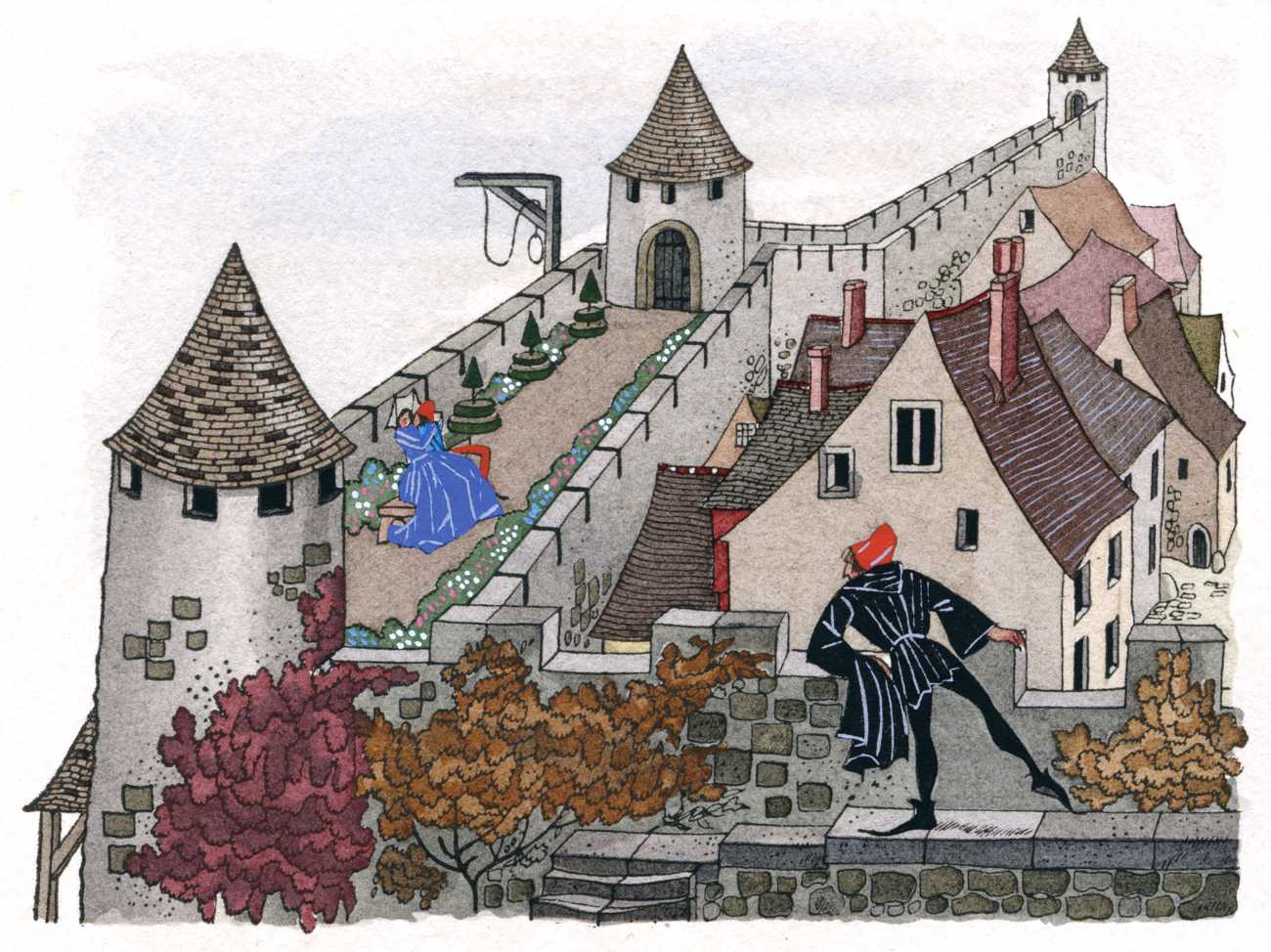
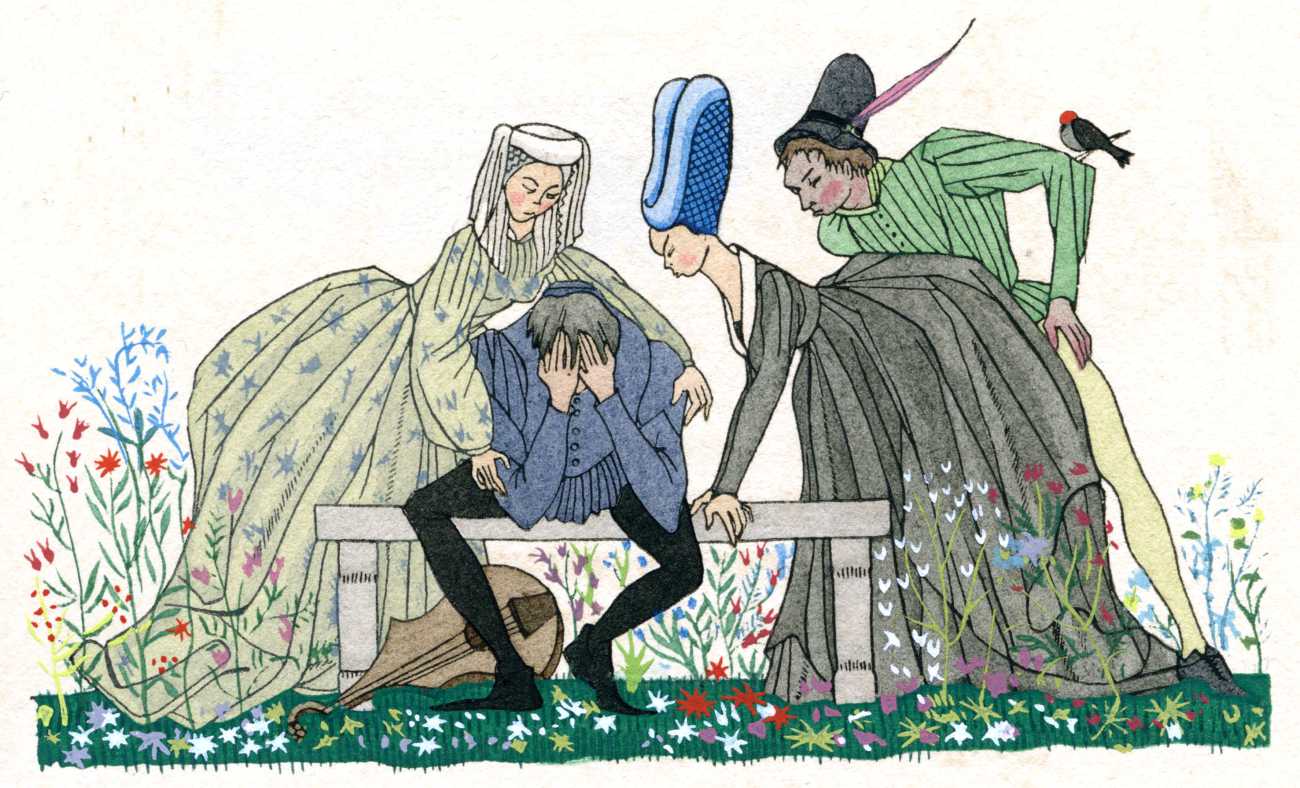
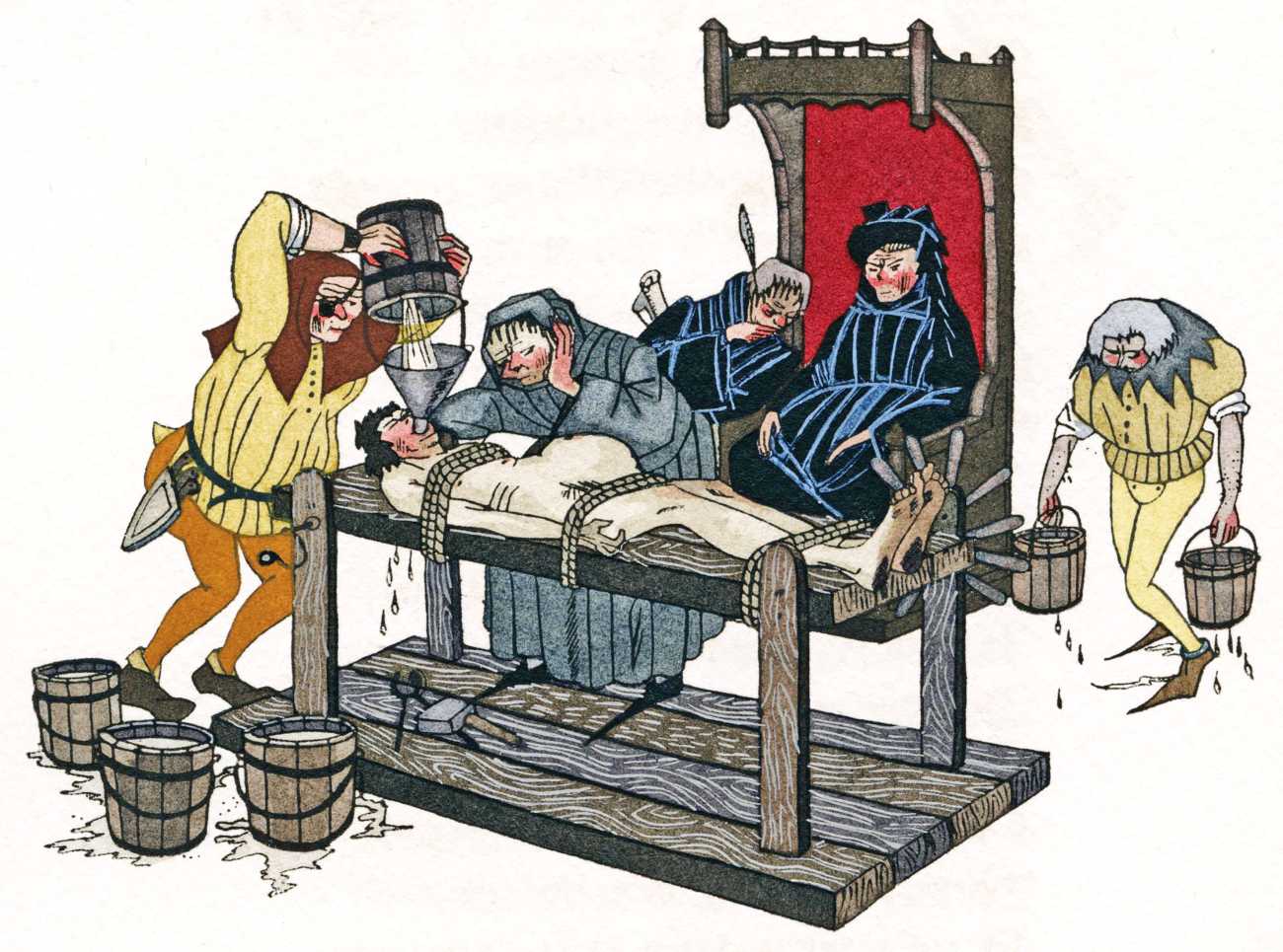
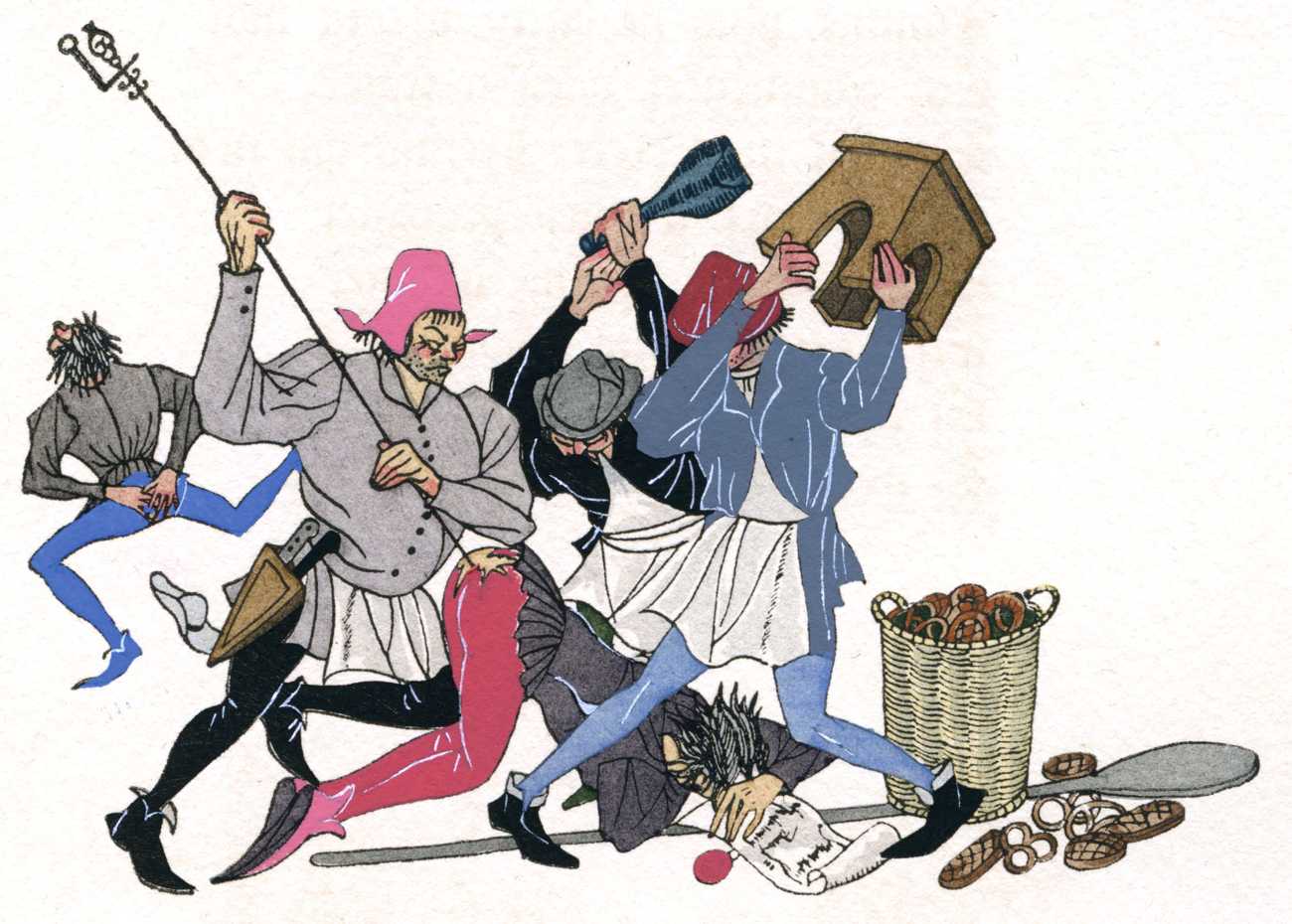
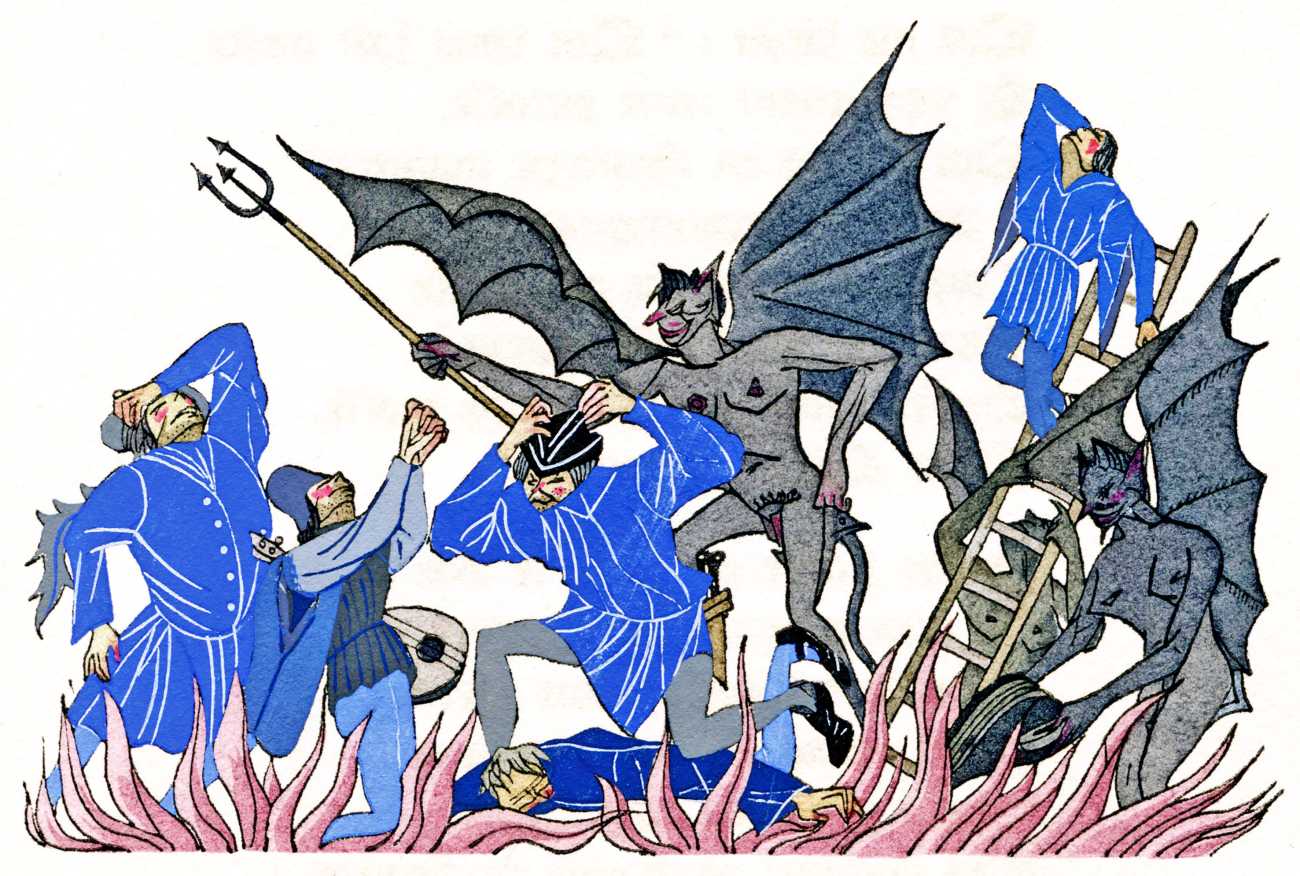
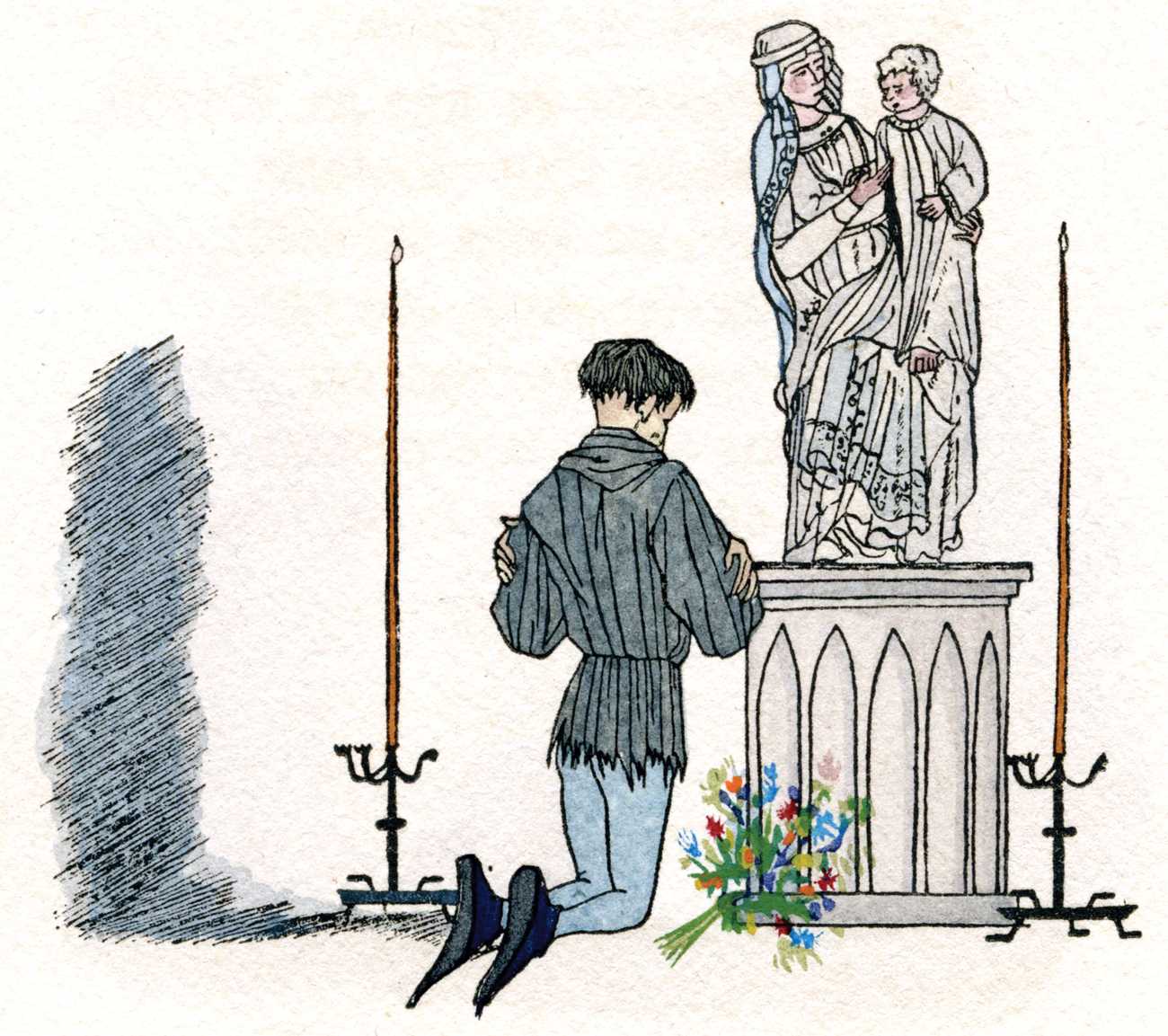
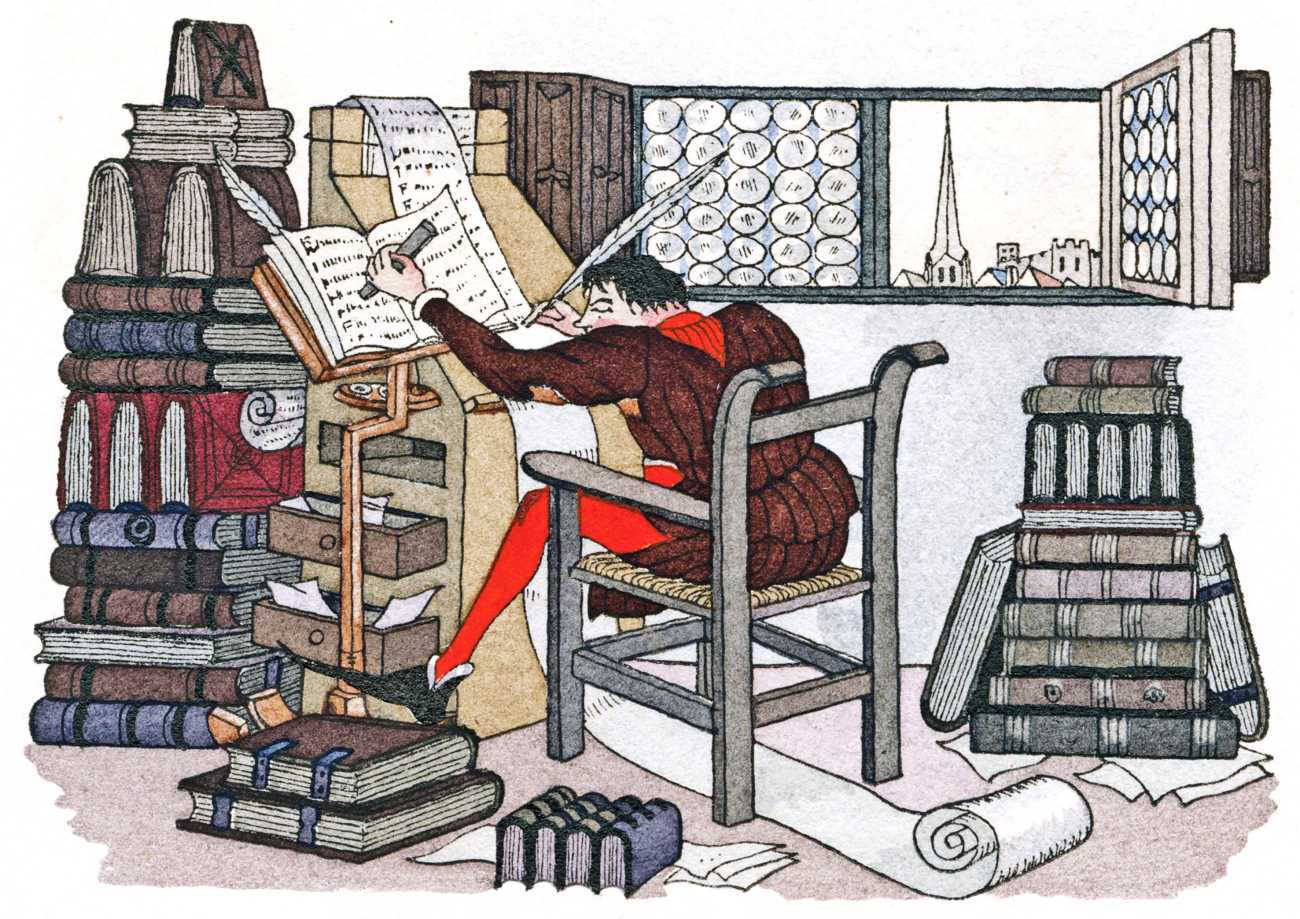
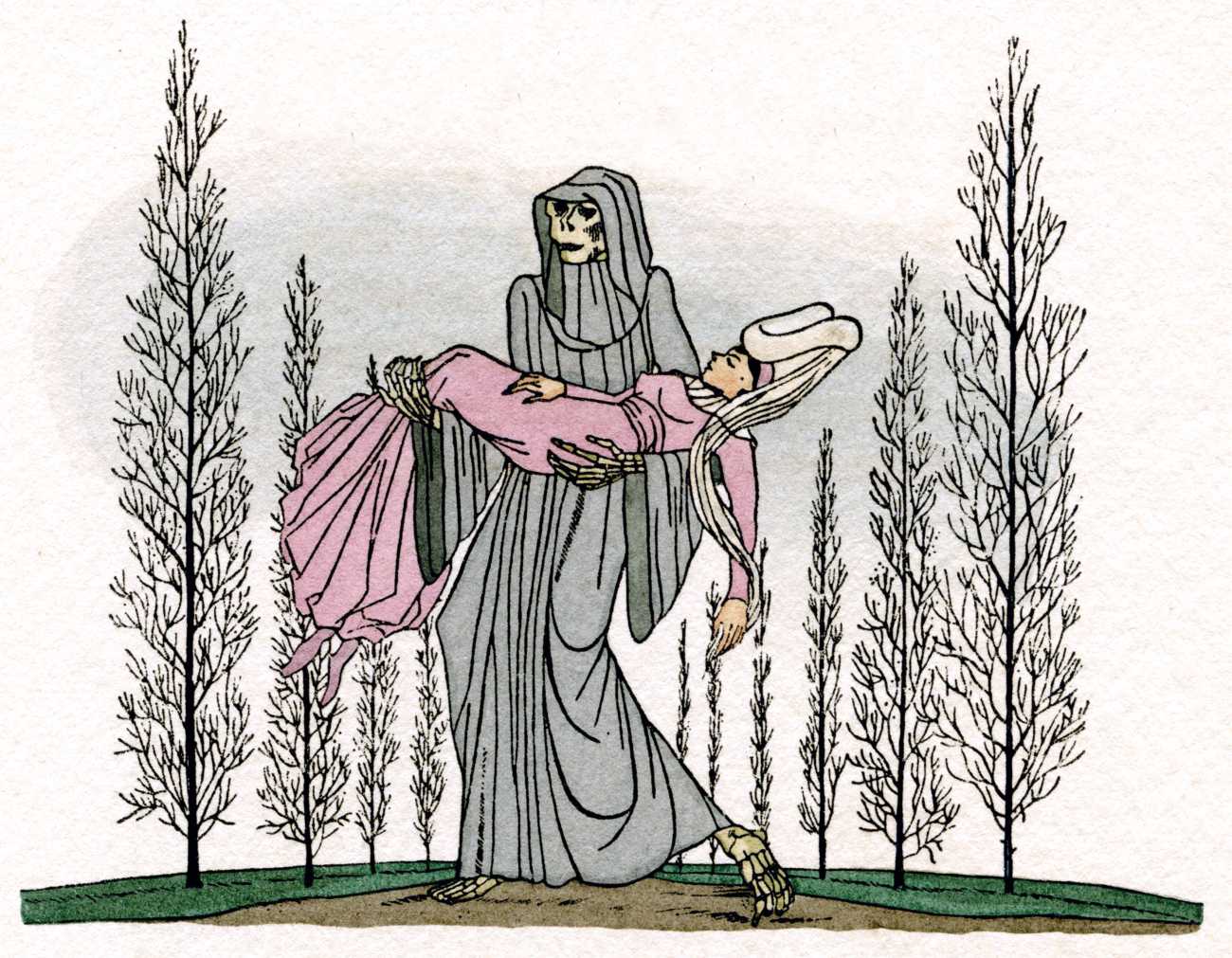
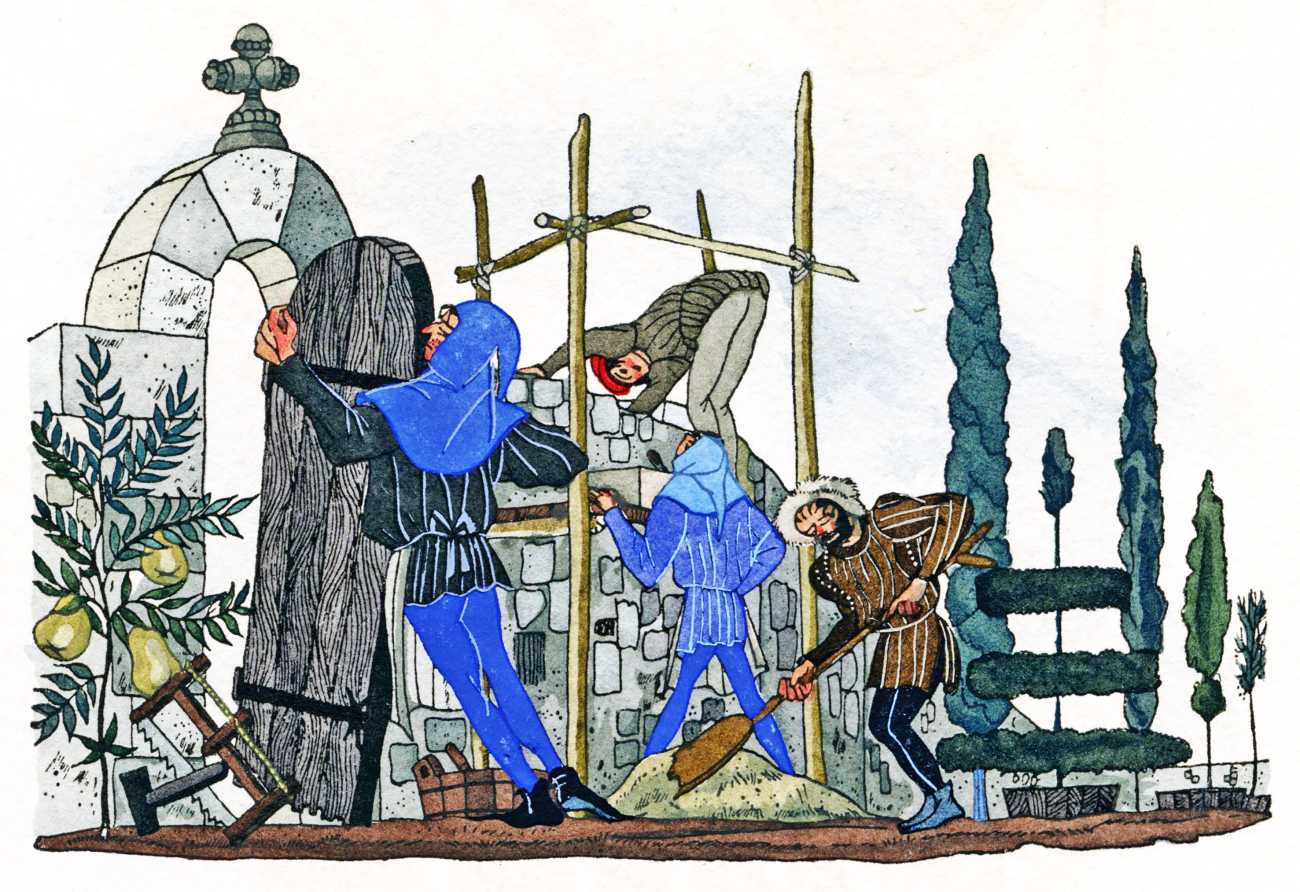
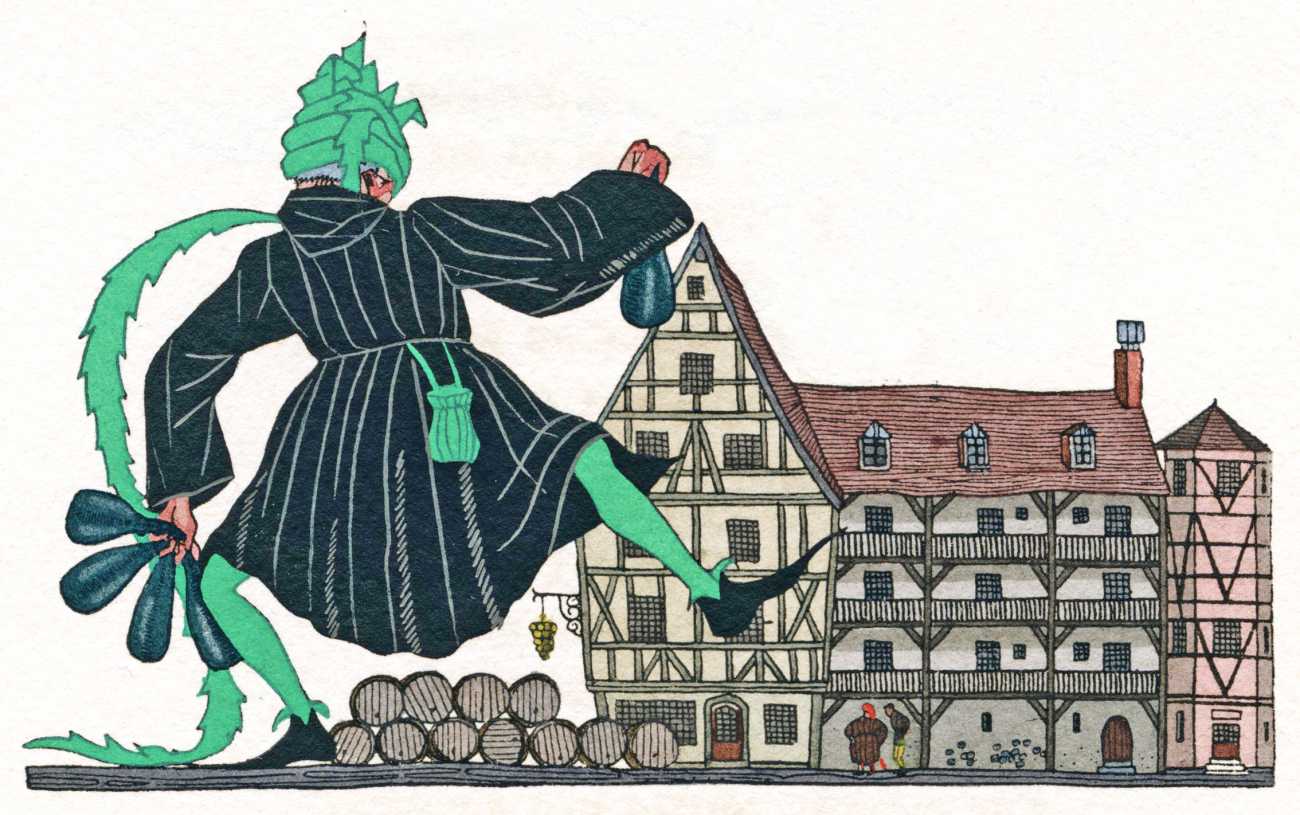
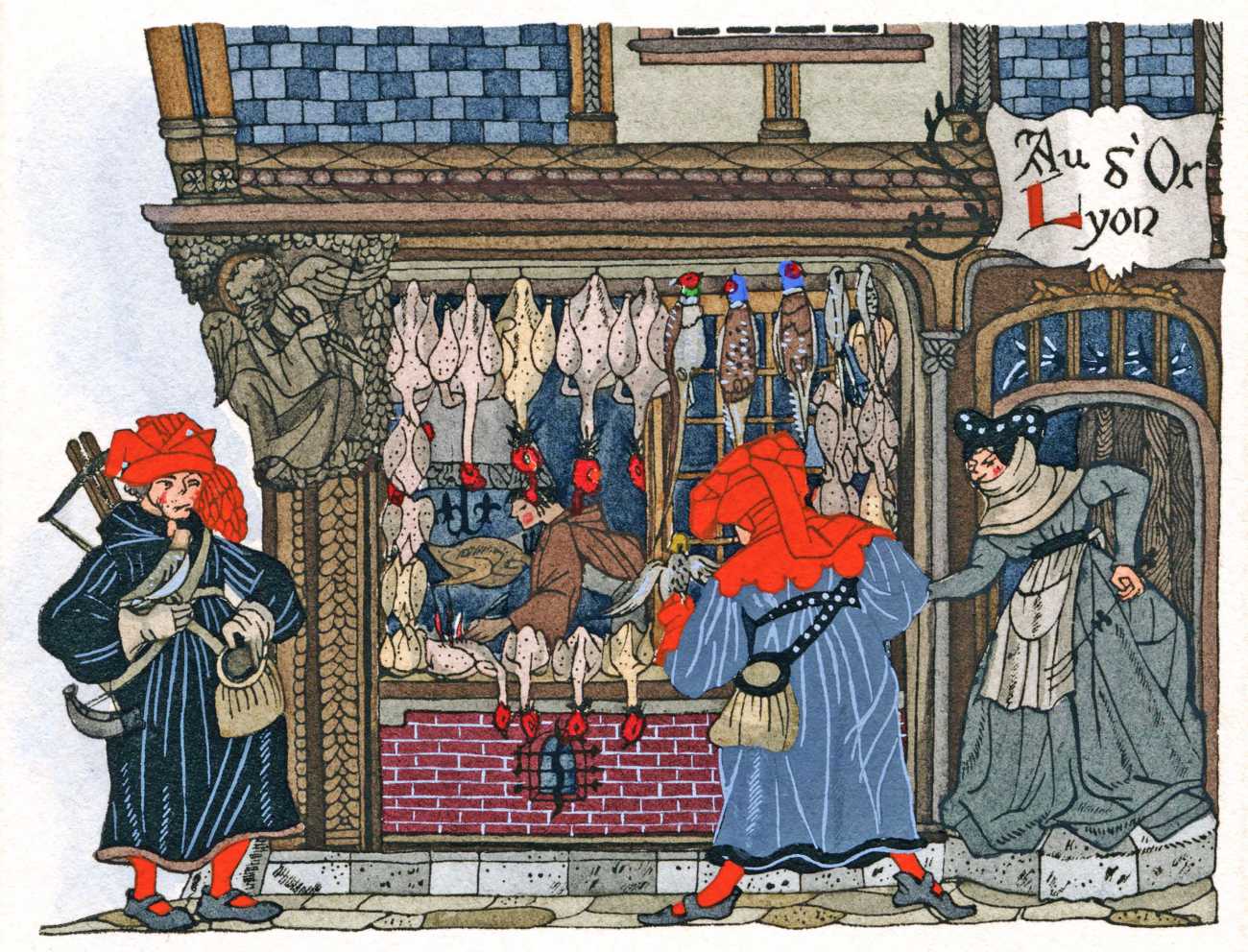
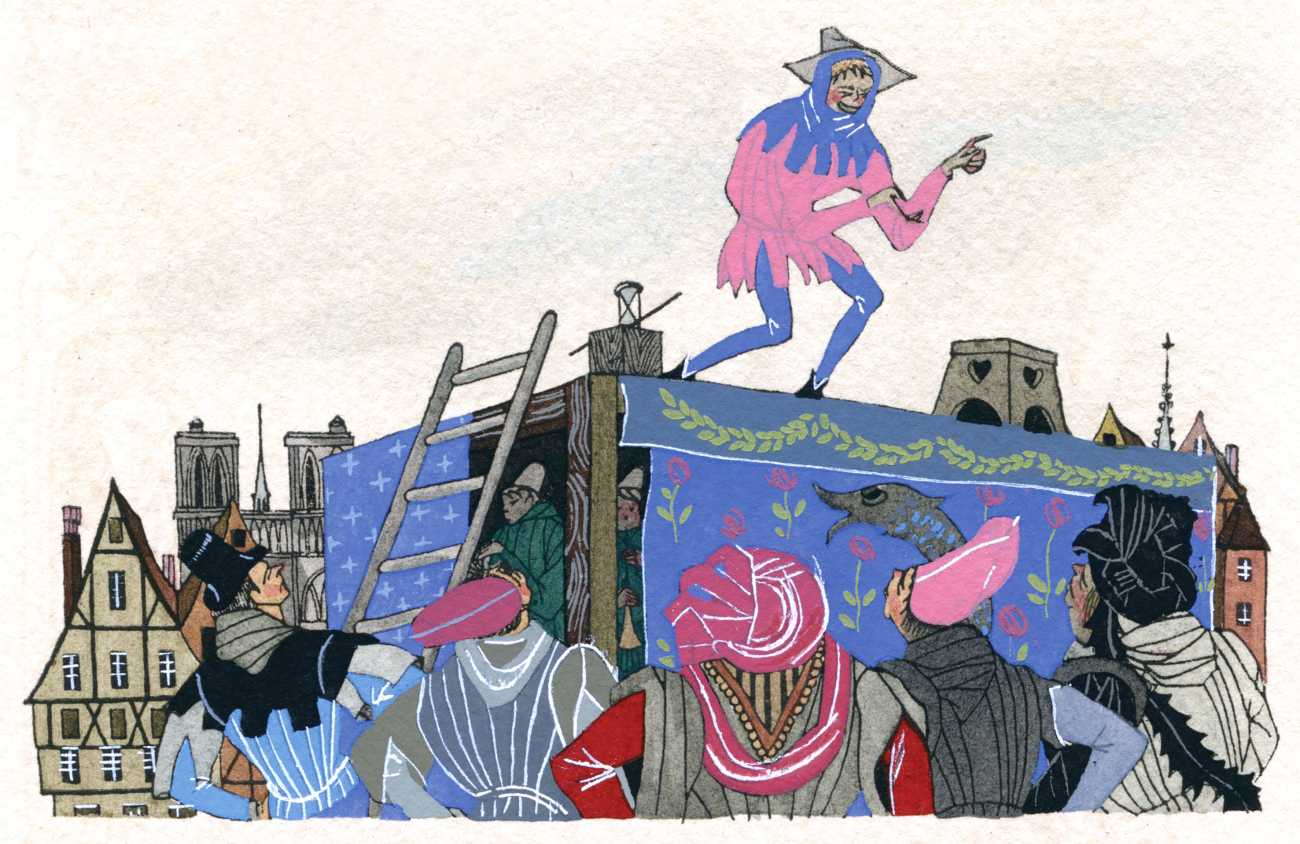
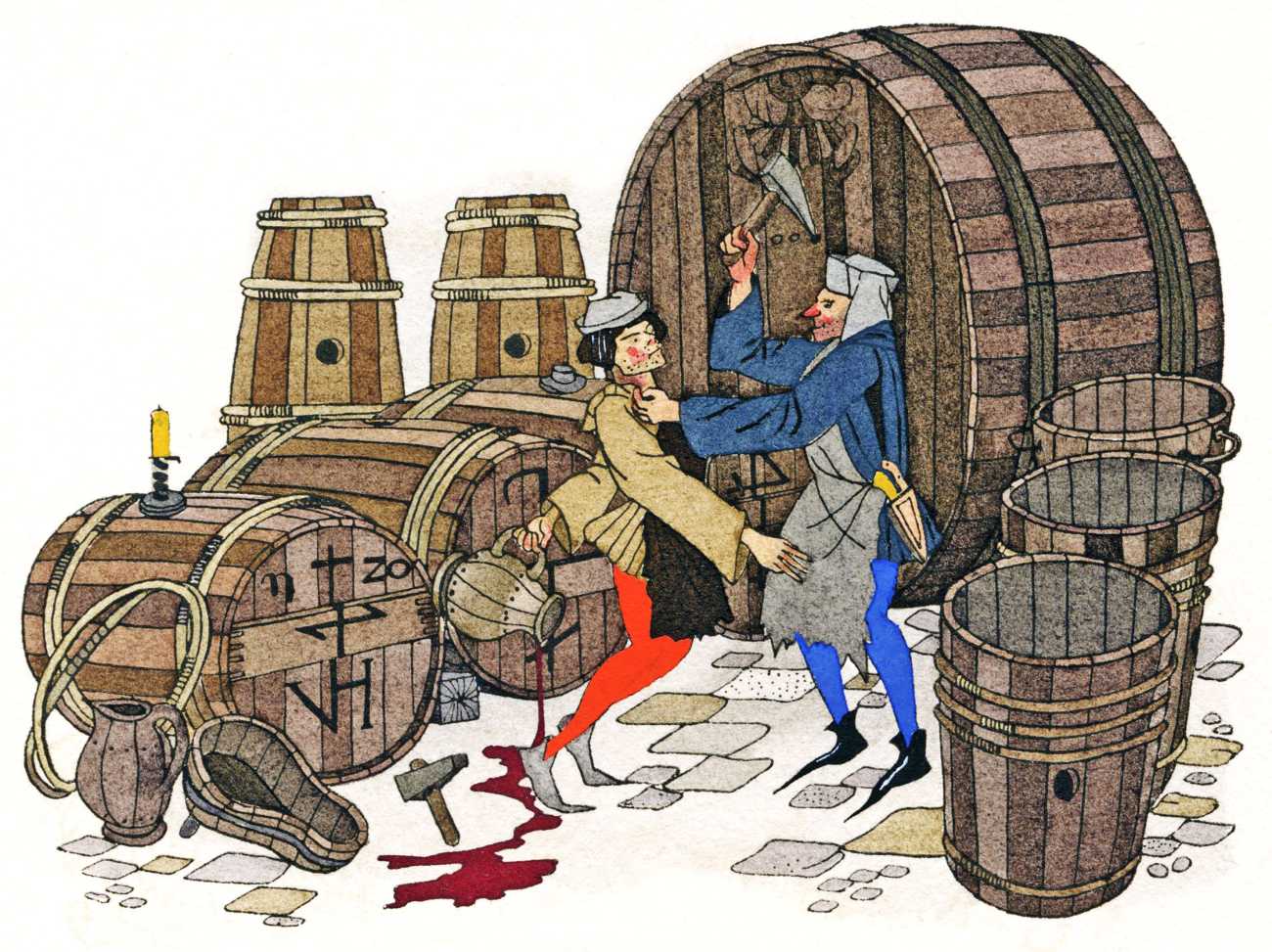
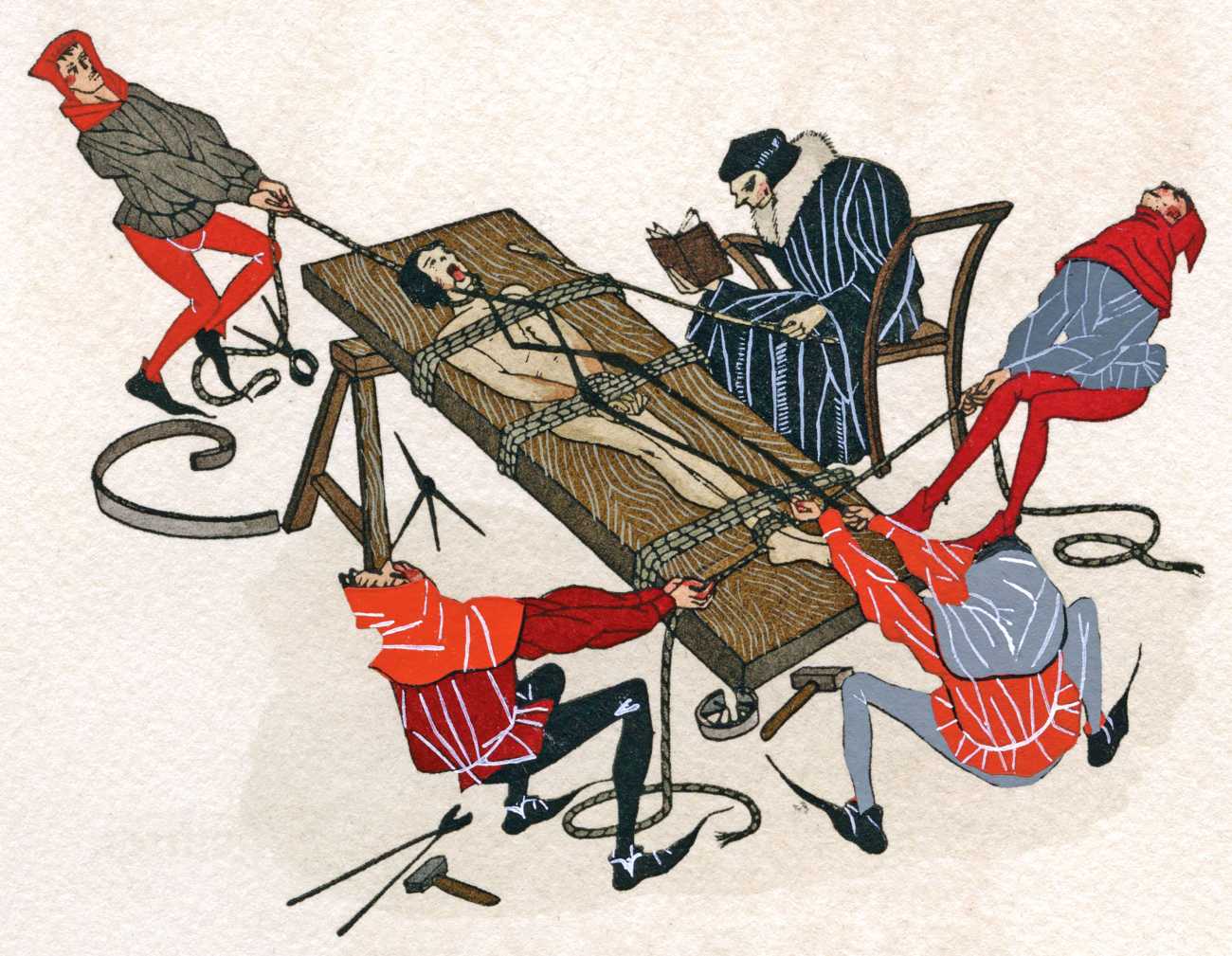
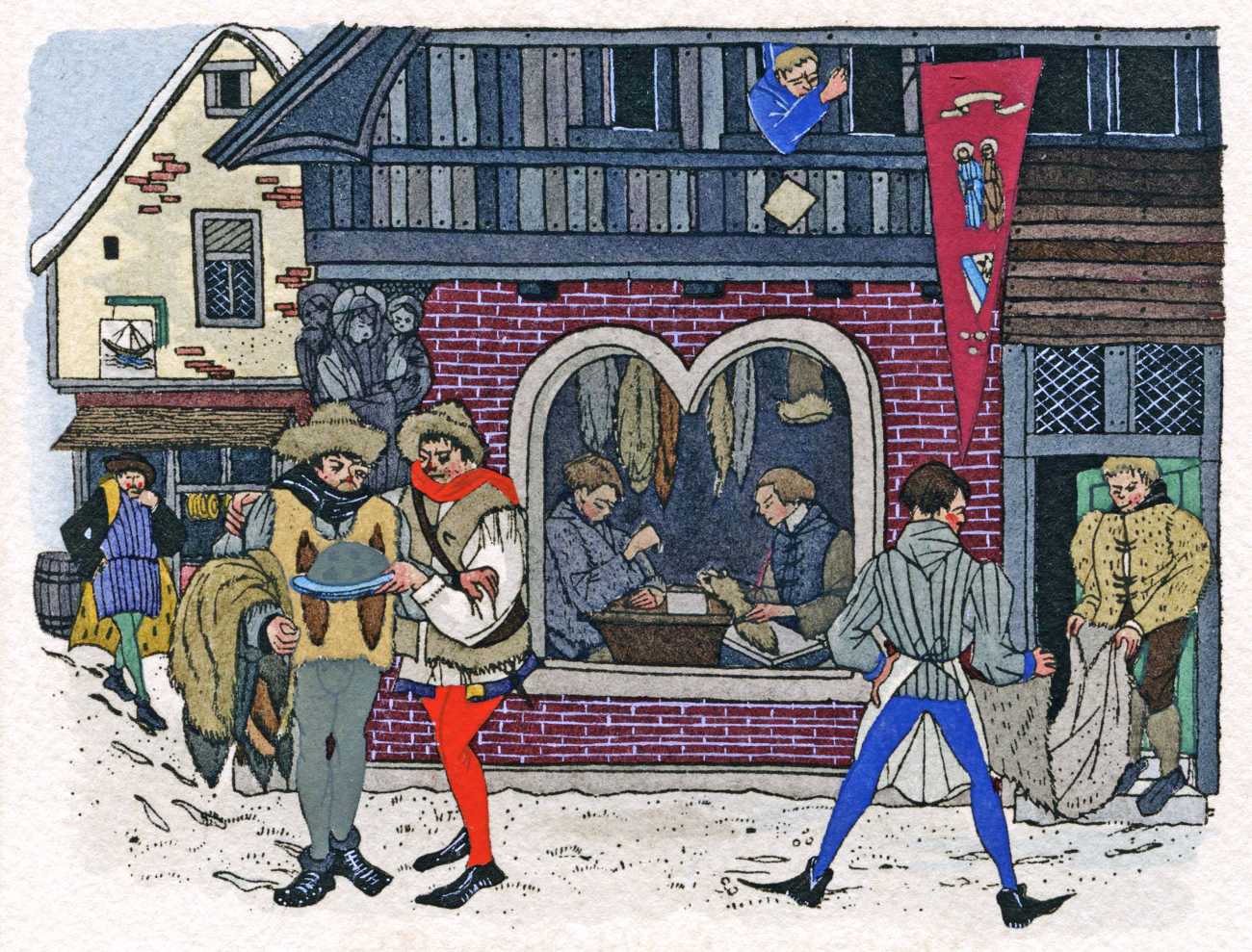
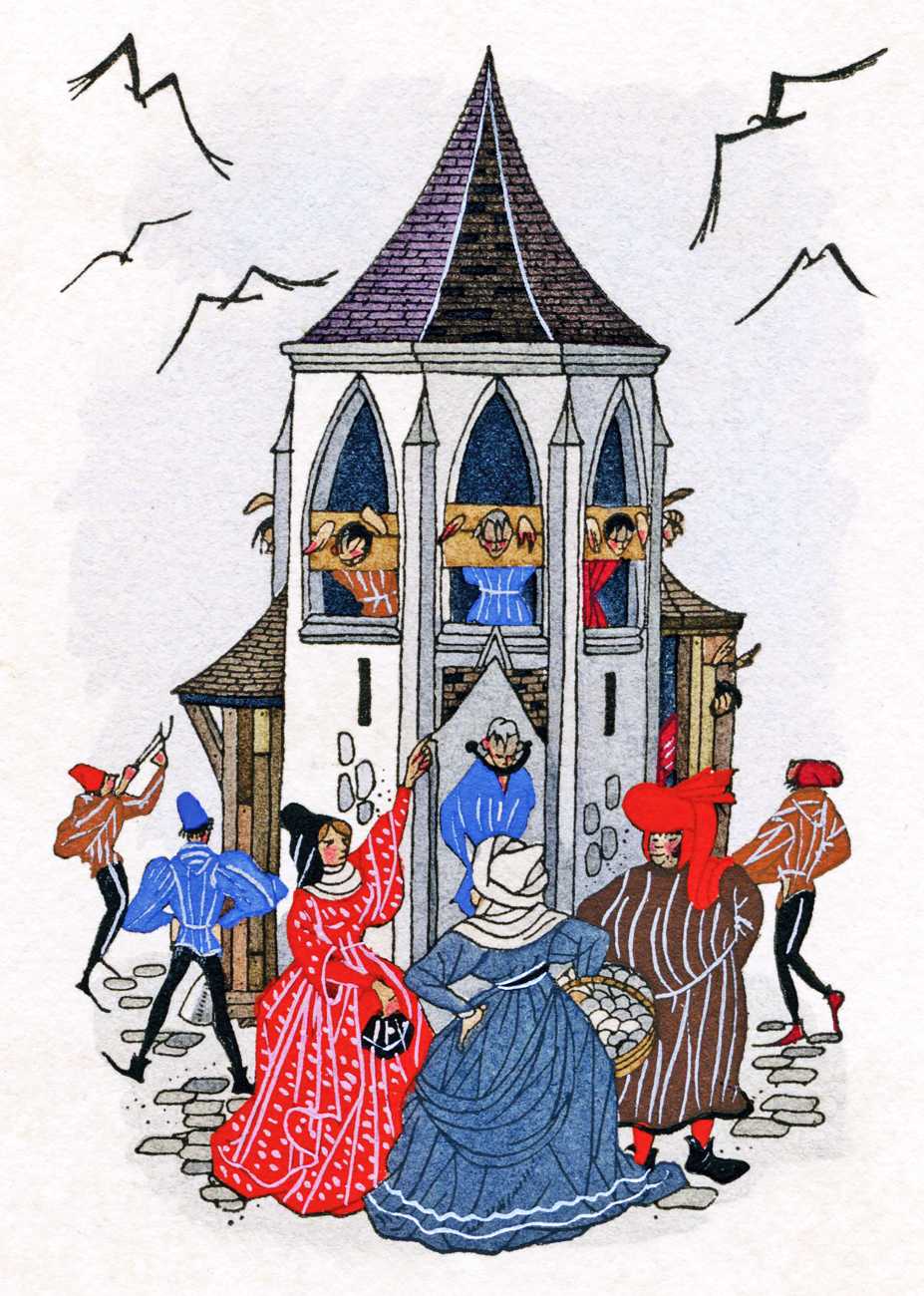
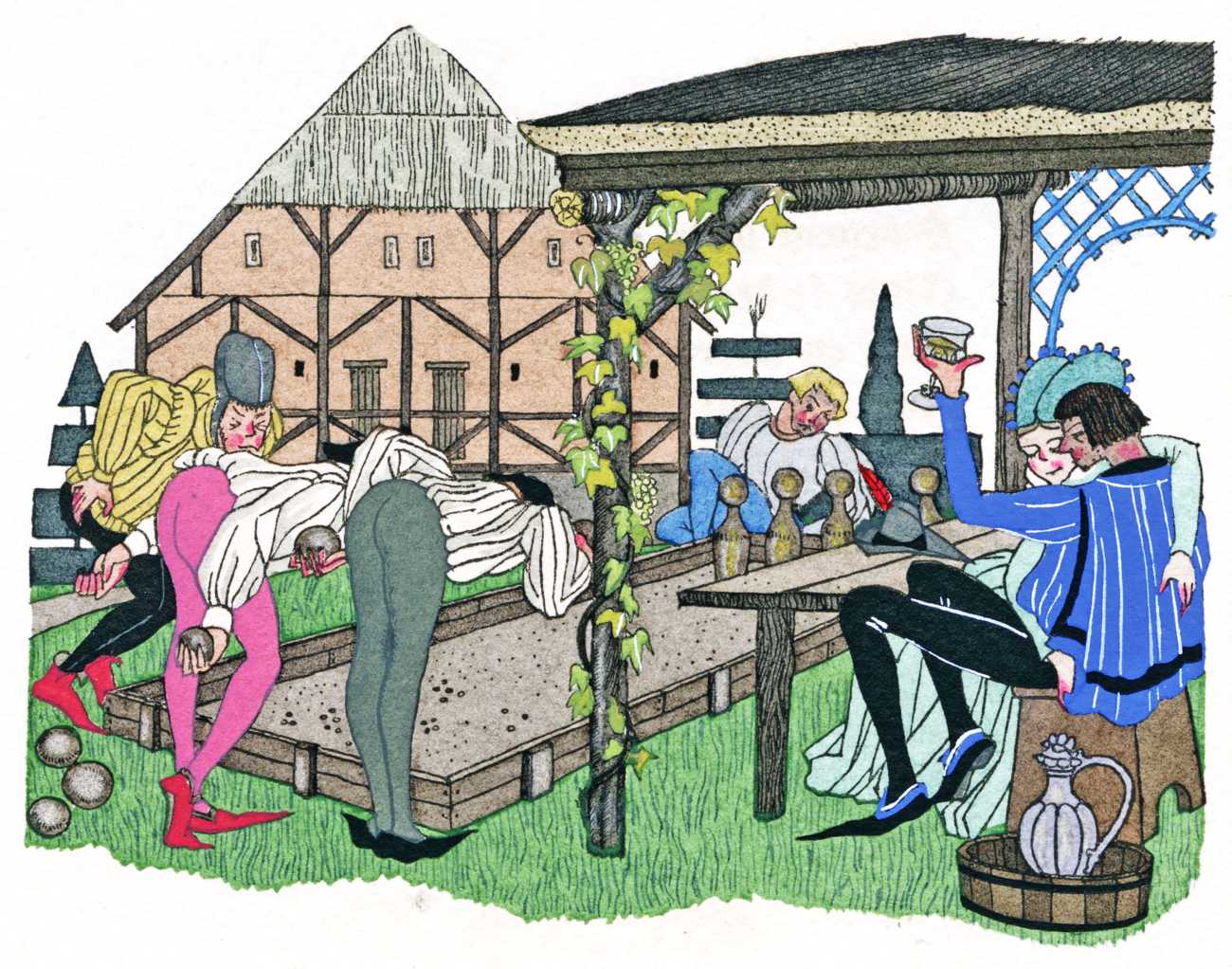
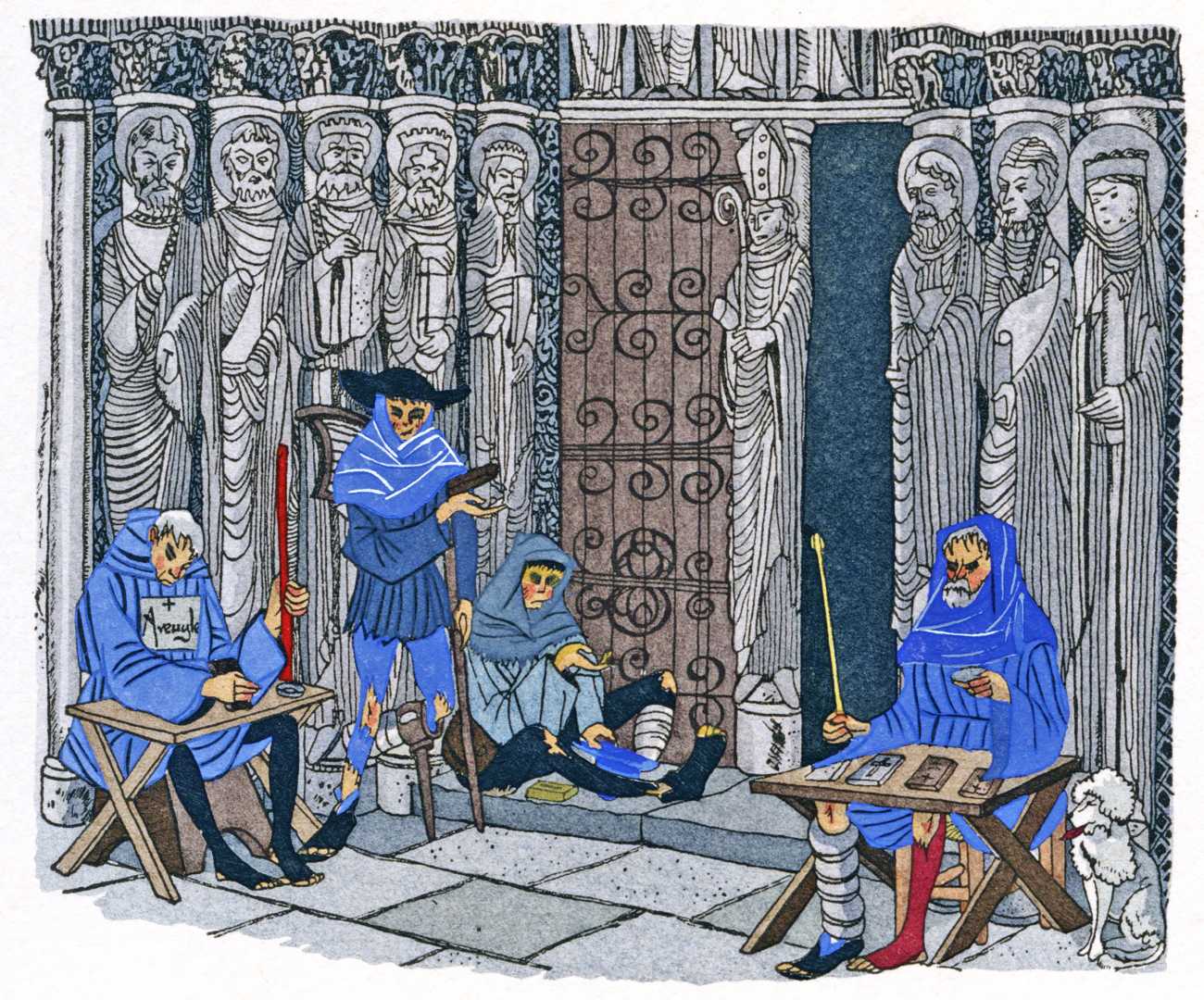
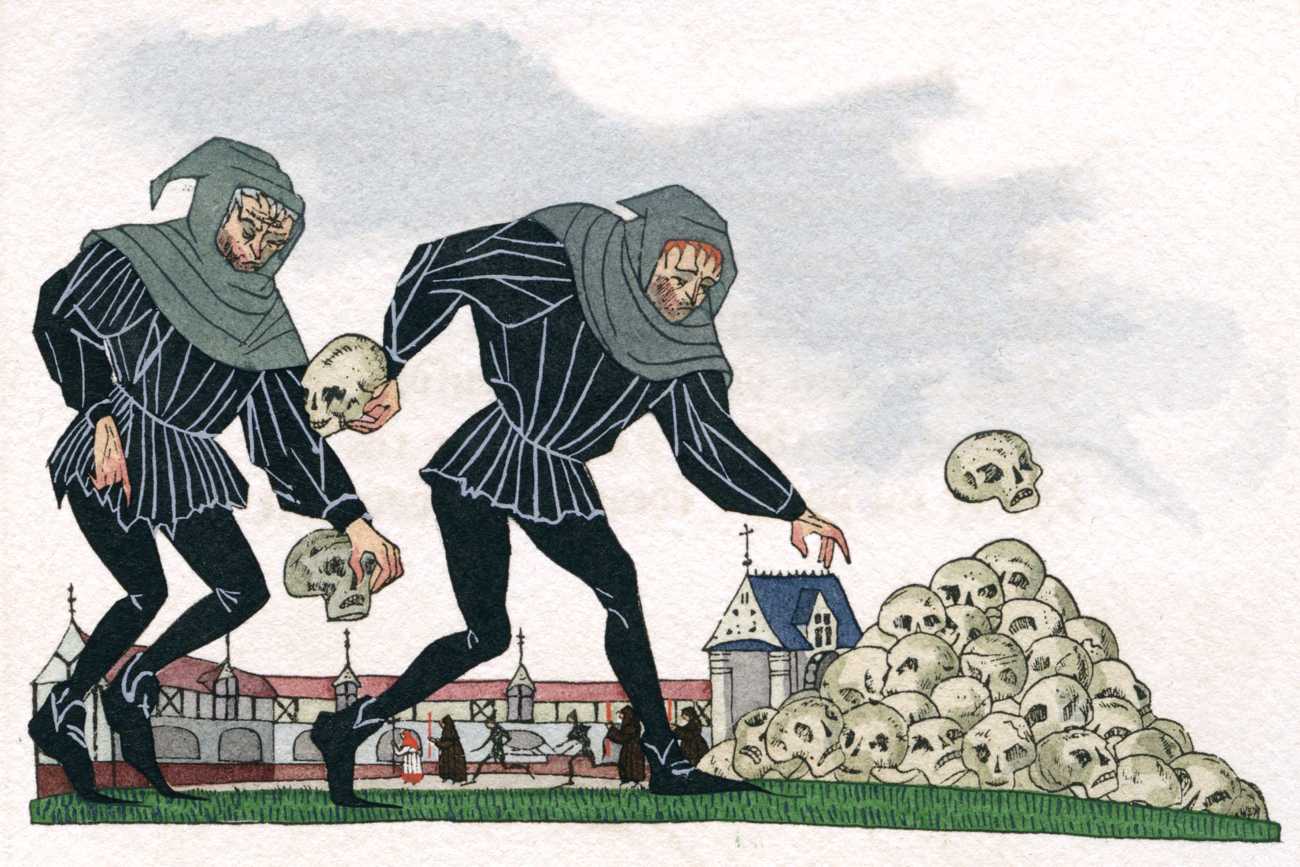
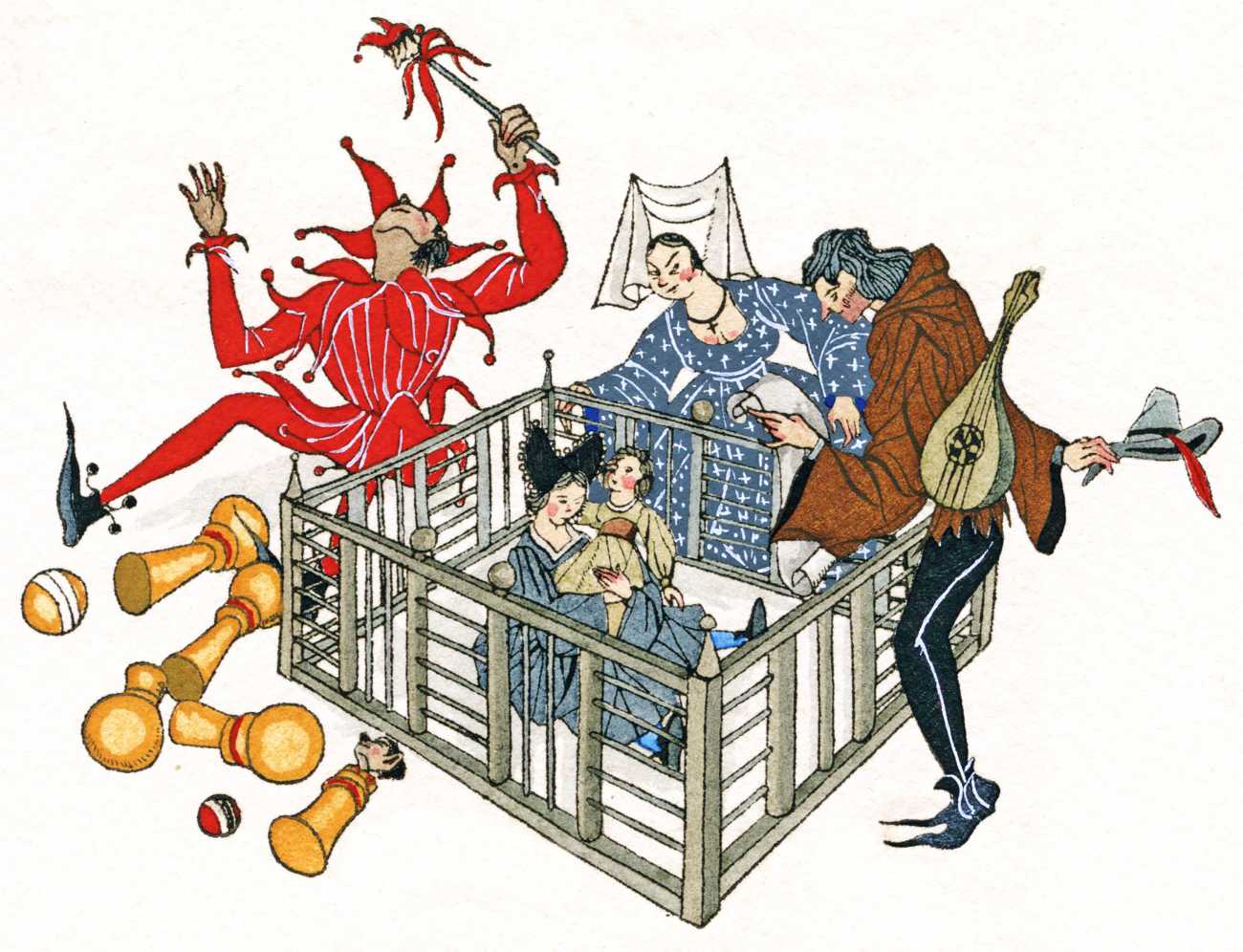
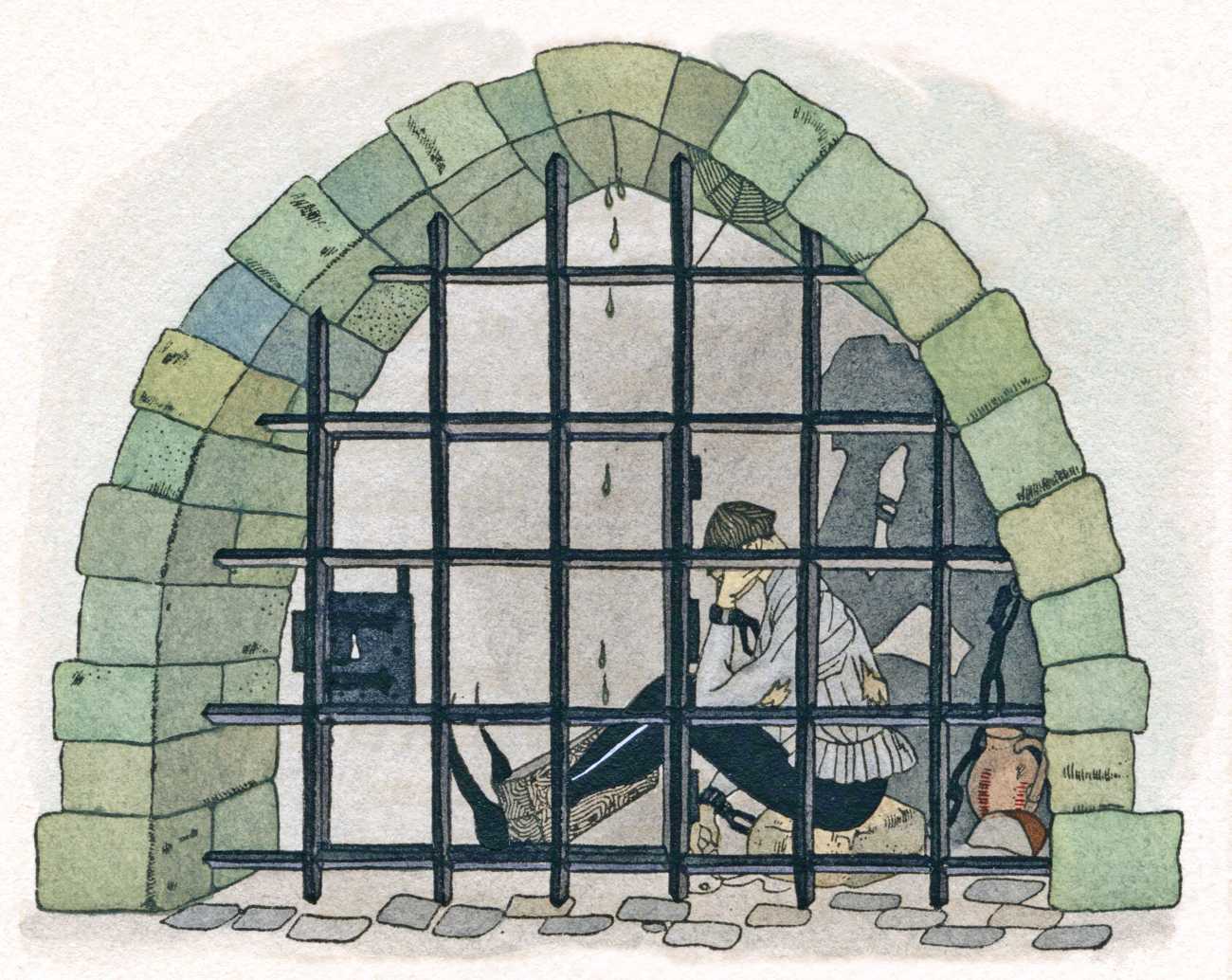
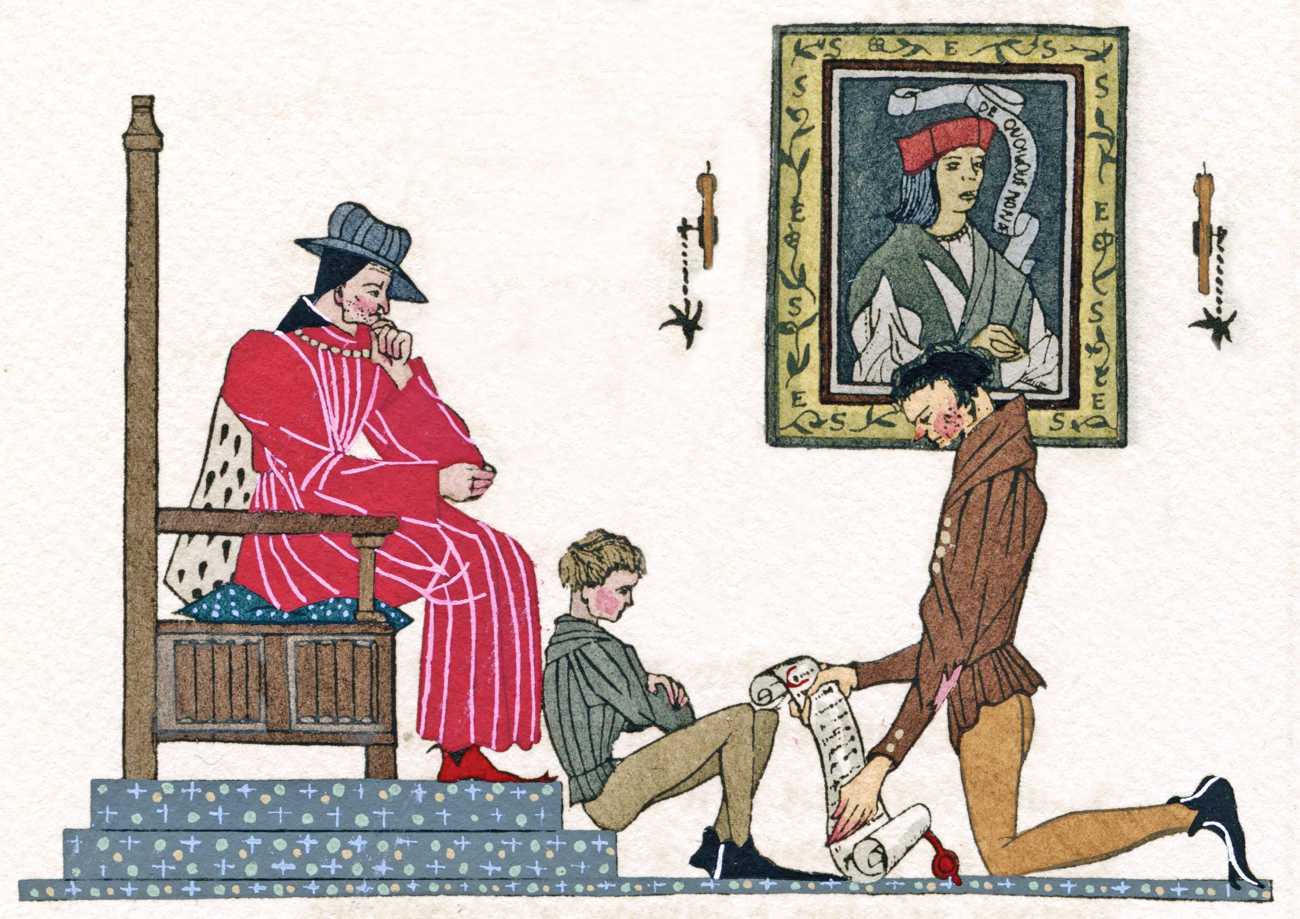
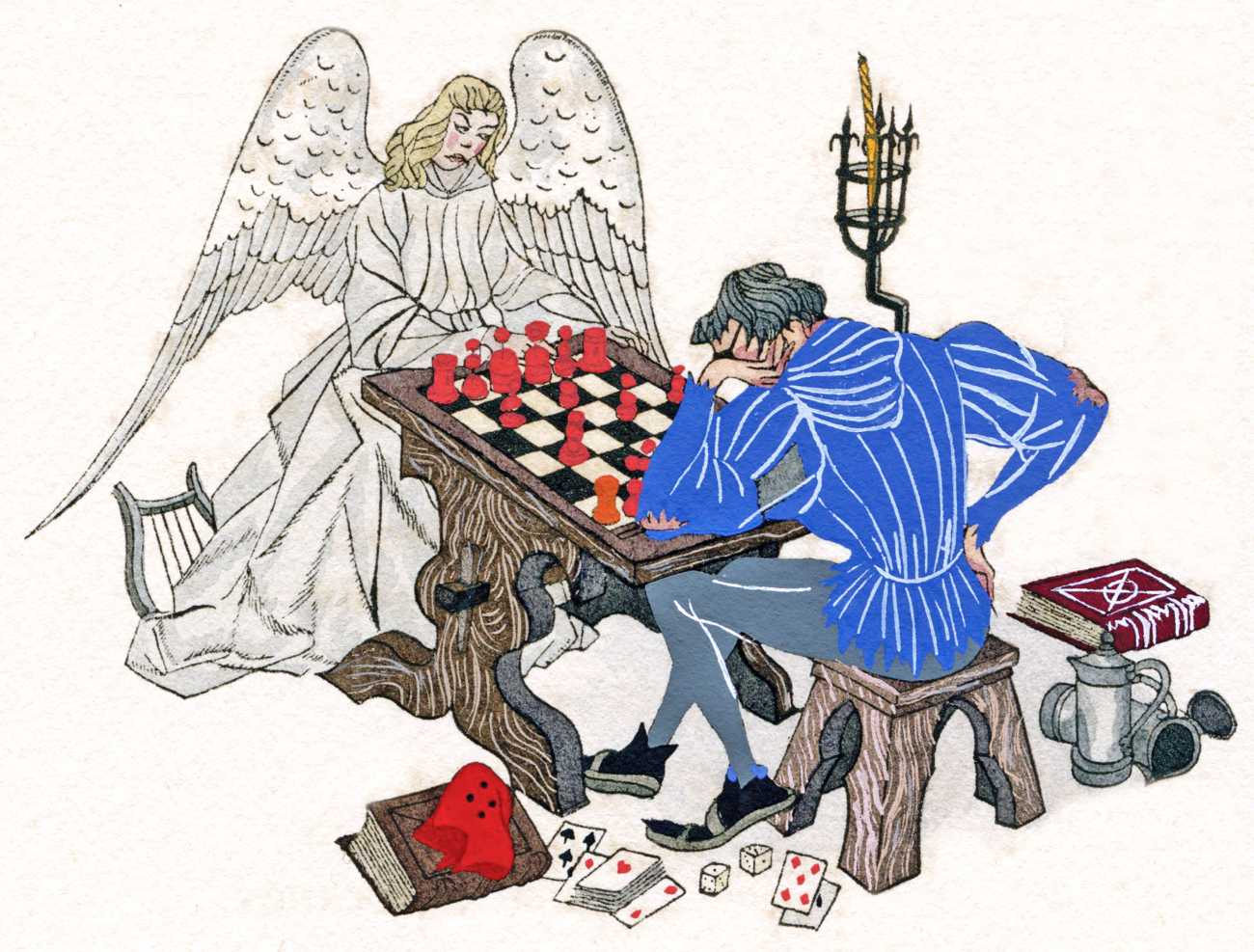
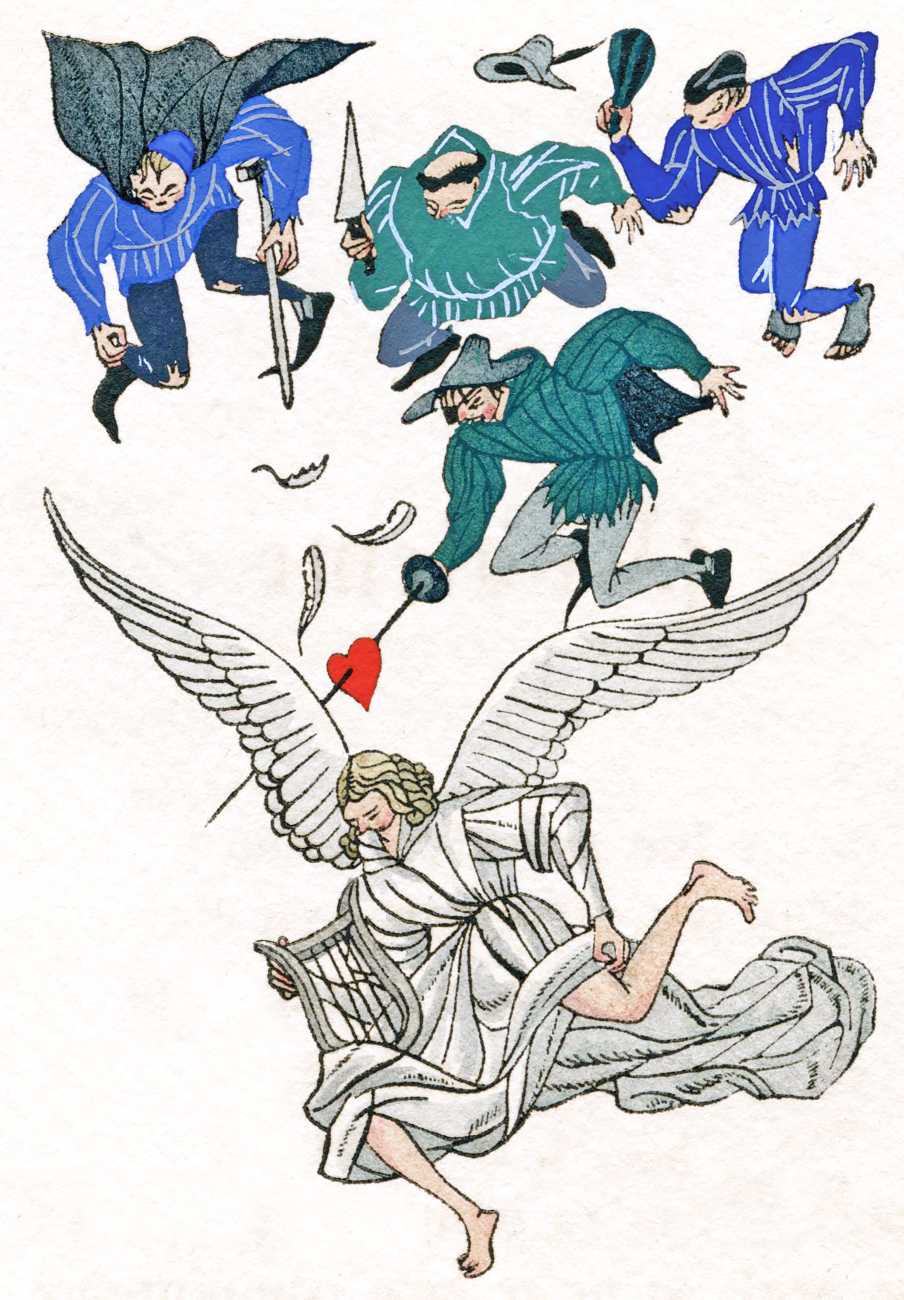
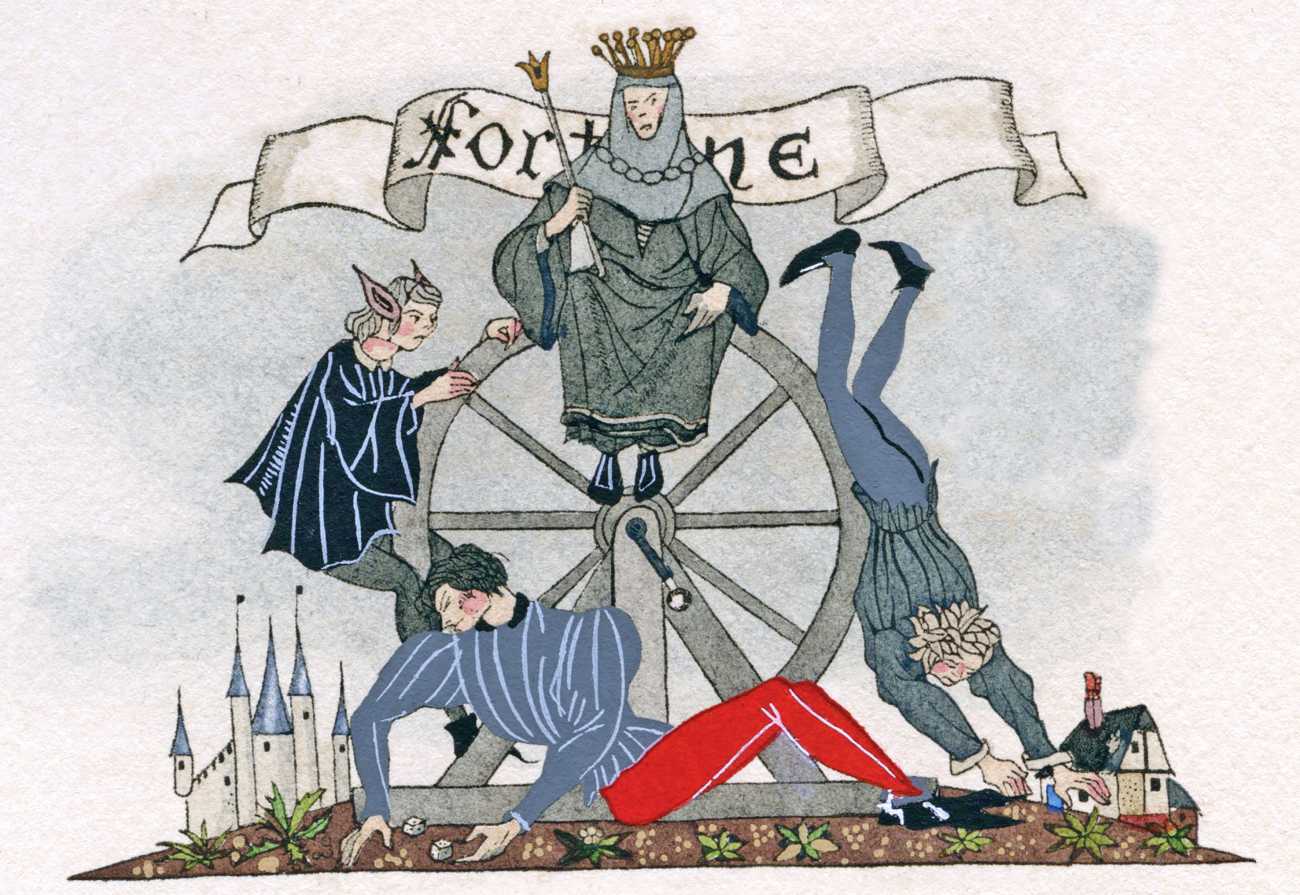
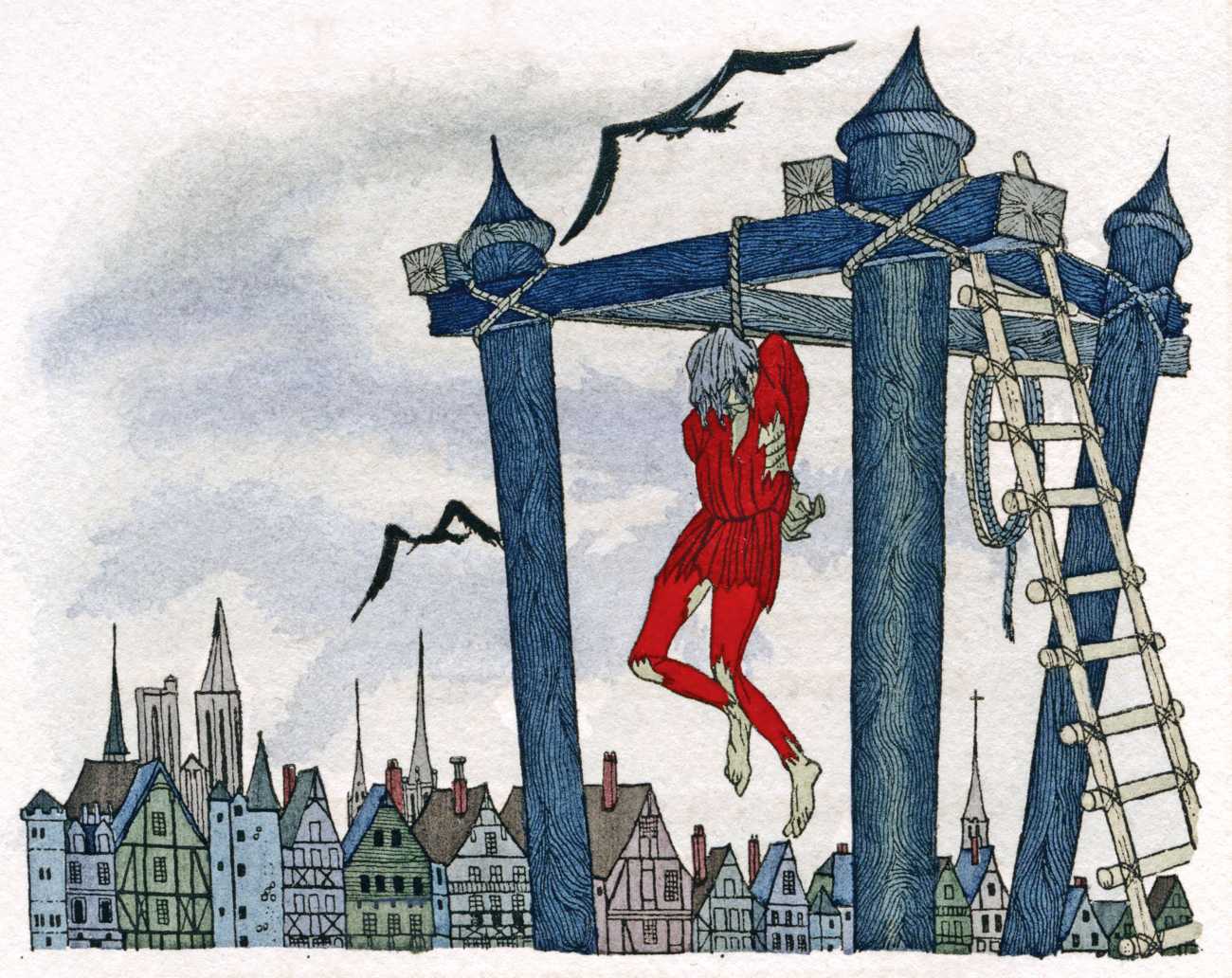
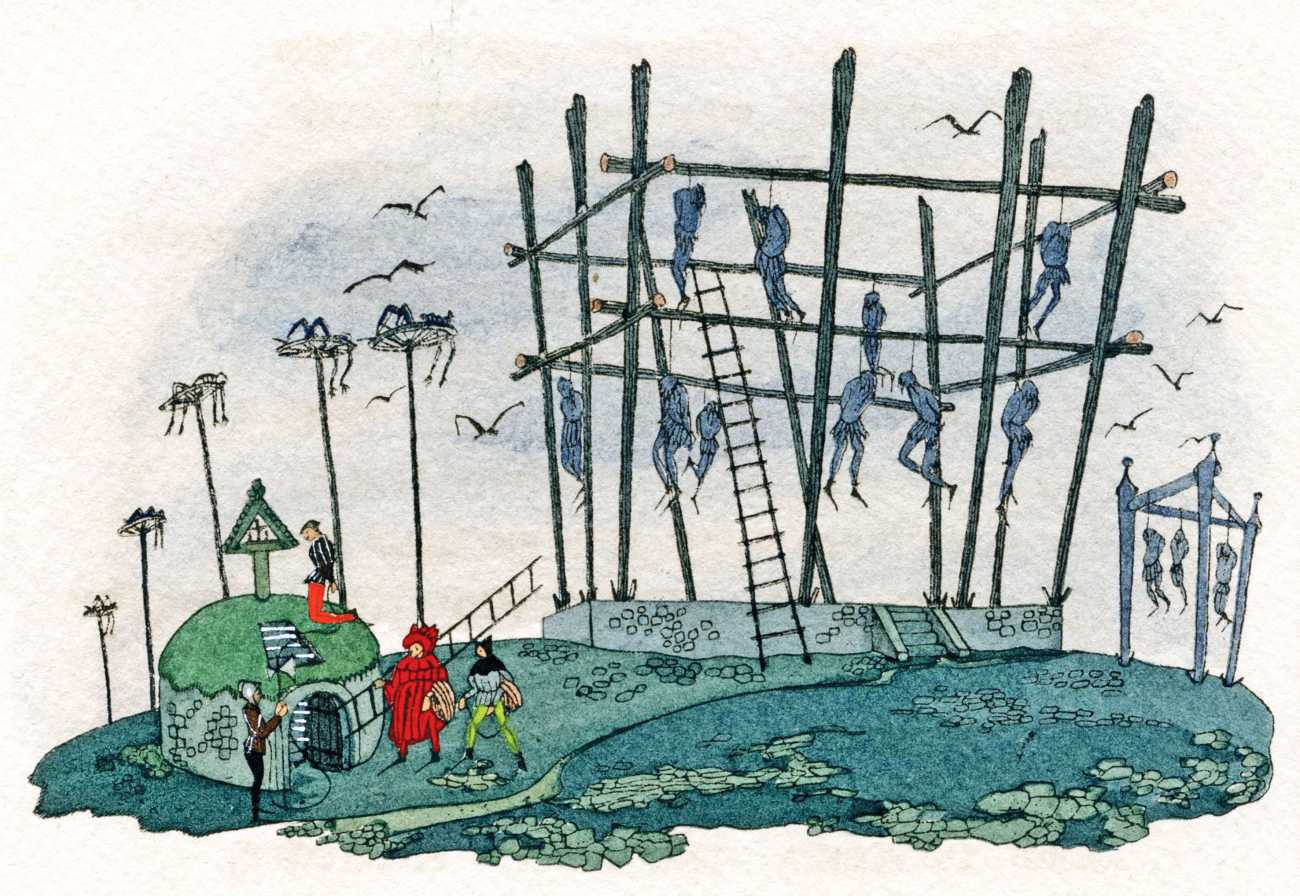
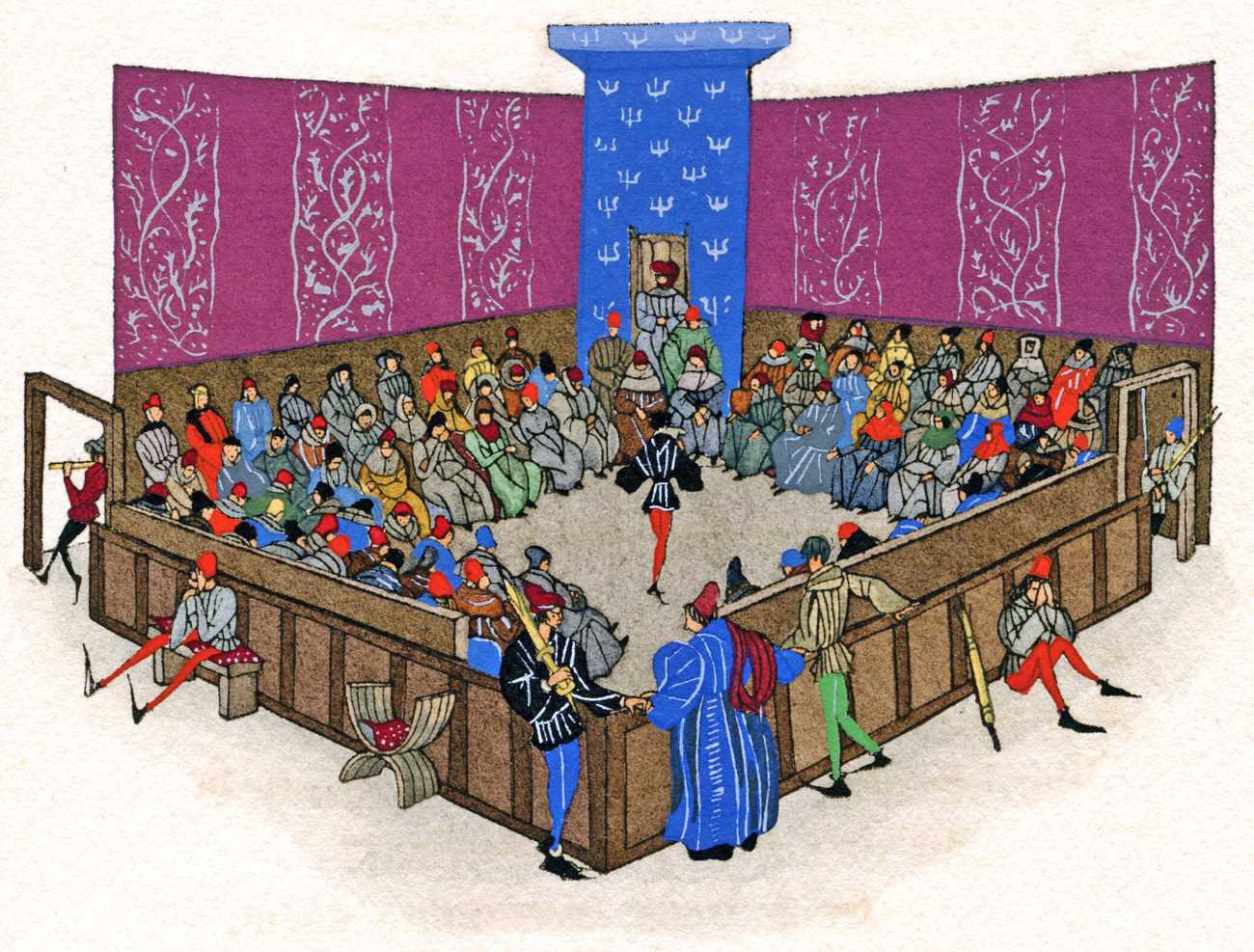
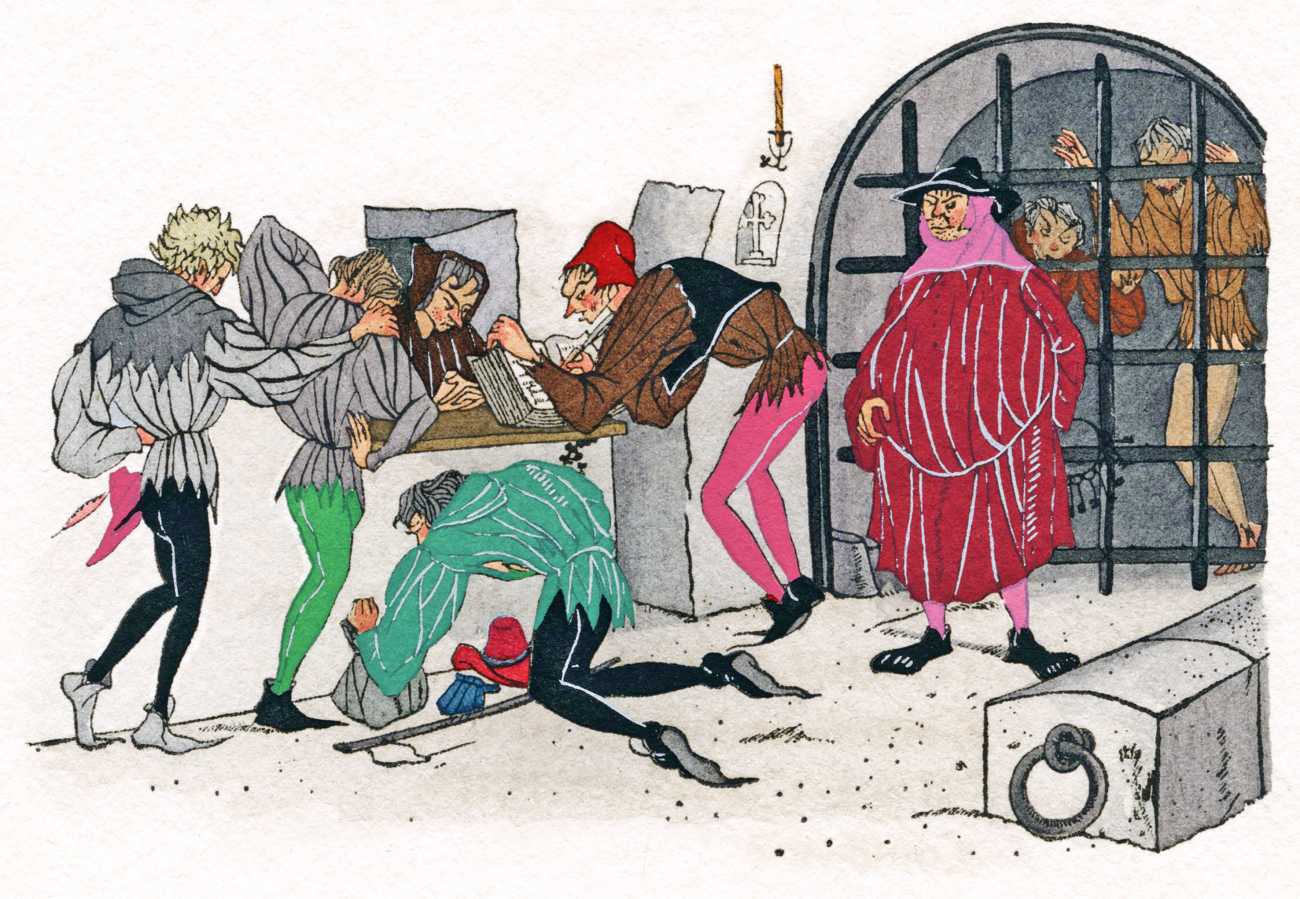
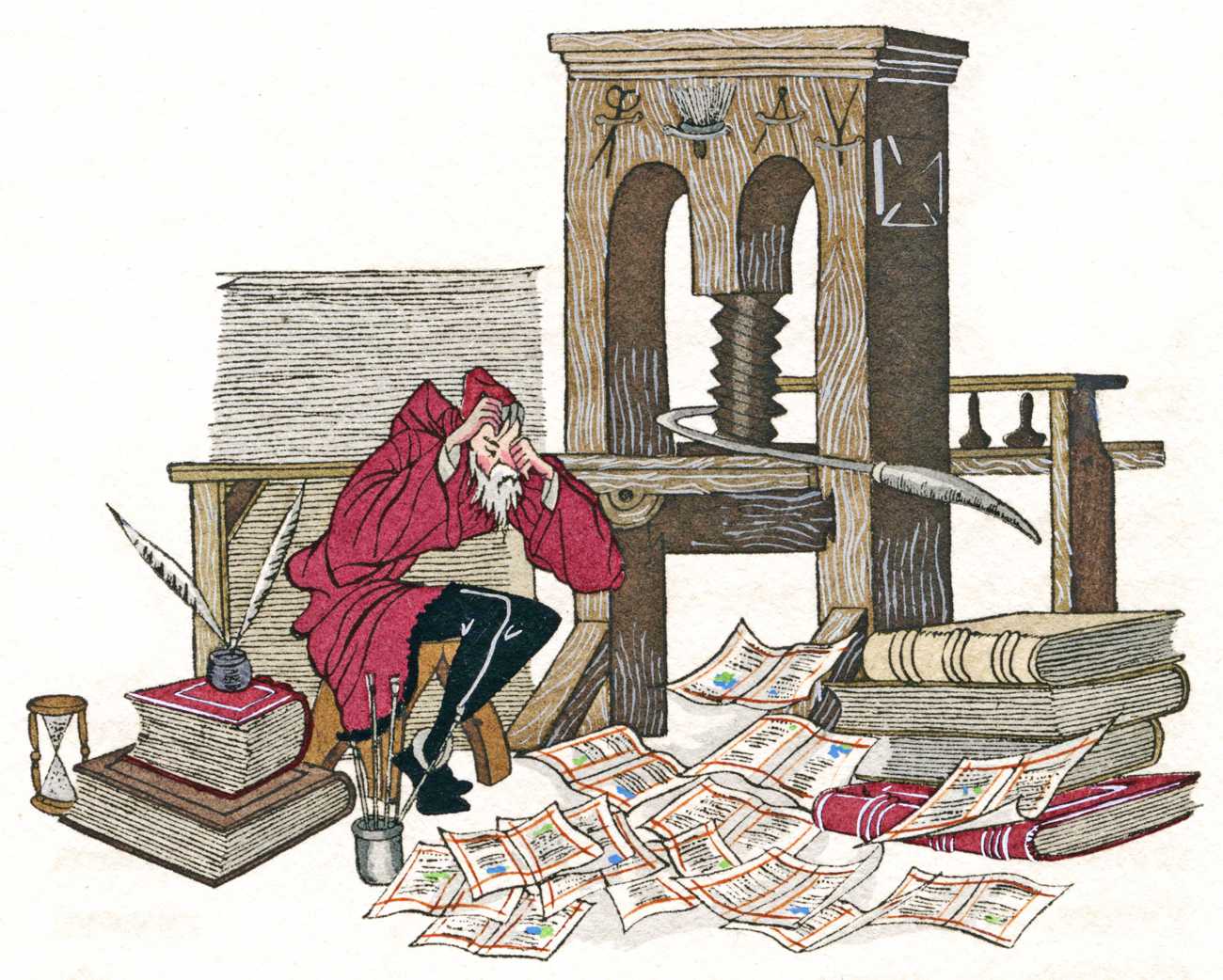
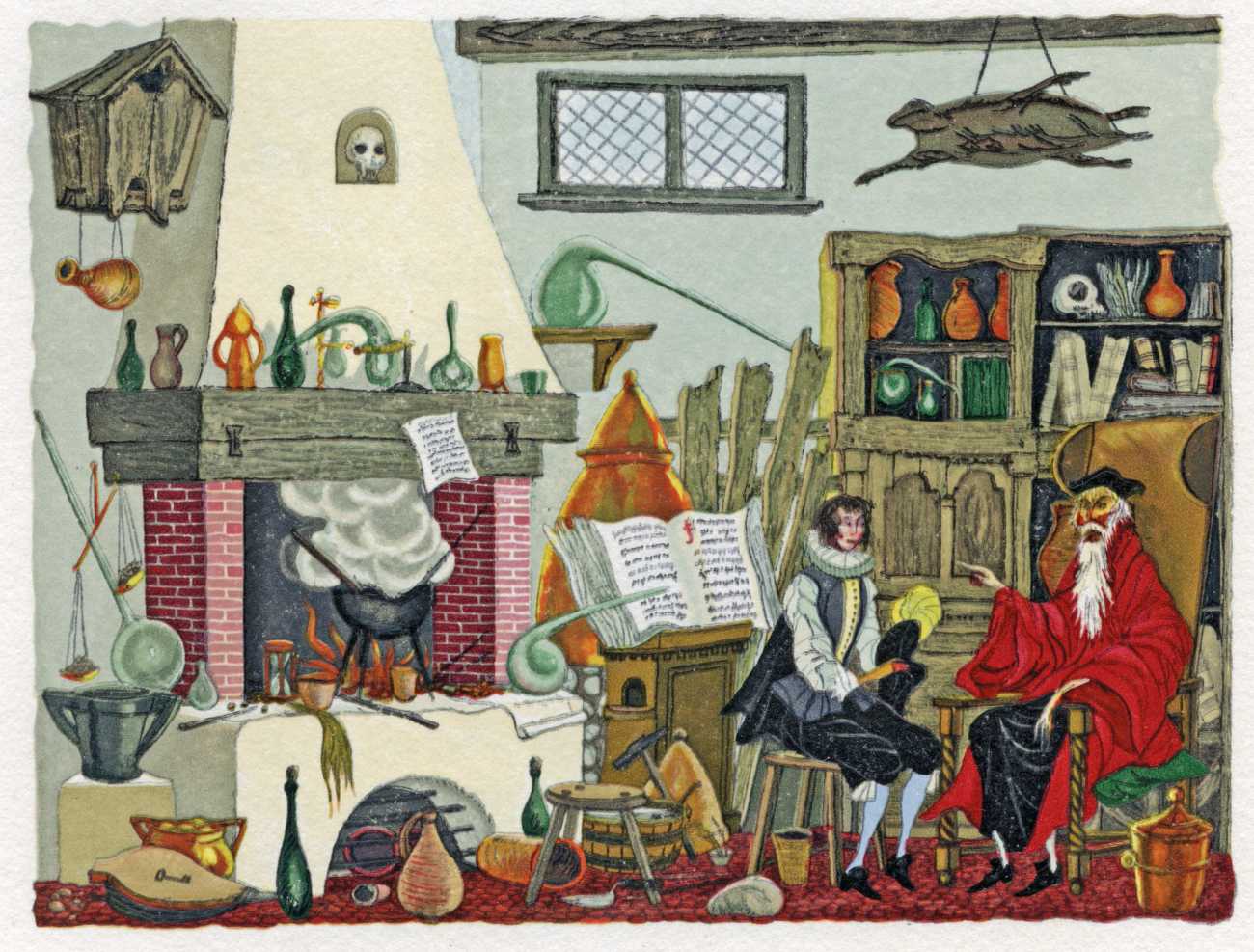
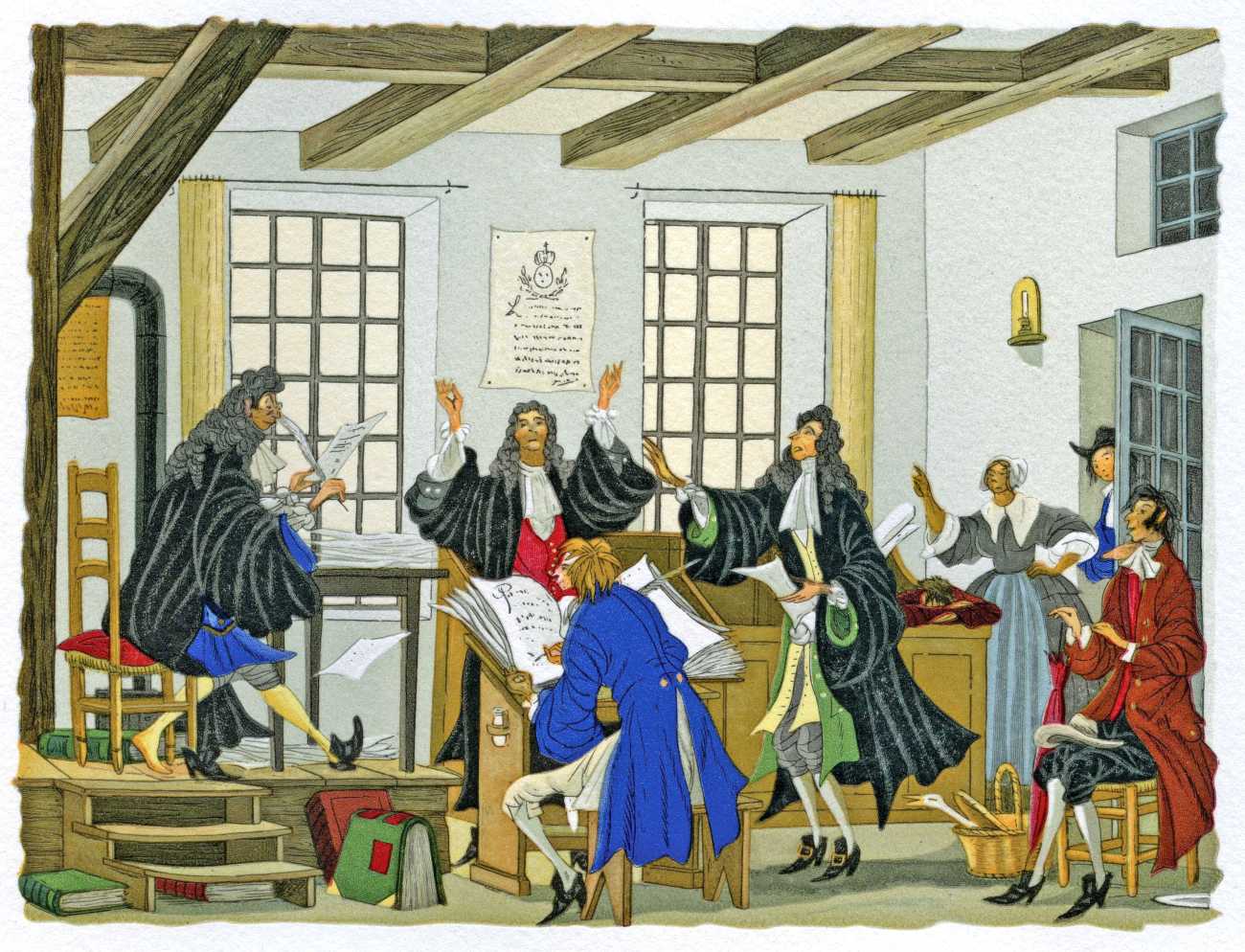
From the 1940s onwards Lemarié devoted himself to illustration and the revival of the miniaturist tradition. His early works included finely calligraphed and illustrated unique editions including Dickens’ A Christmas Carol. In 1944 he produced an edition of the works of François Villon adorned with 225 miniatures, then from 1946 to 1952 he illustrated volumes for works by Charles Perrault, Rabelais, Molière, Jean Racine and Gustave Flaubert. One of his landmark projects was an illustrated 1960 four-volume edition of Don Quichotte (Don Quixote) for the publisher Les Heures Claires, a work he researched in Spain and which solidified his reputation.
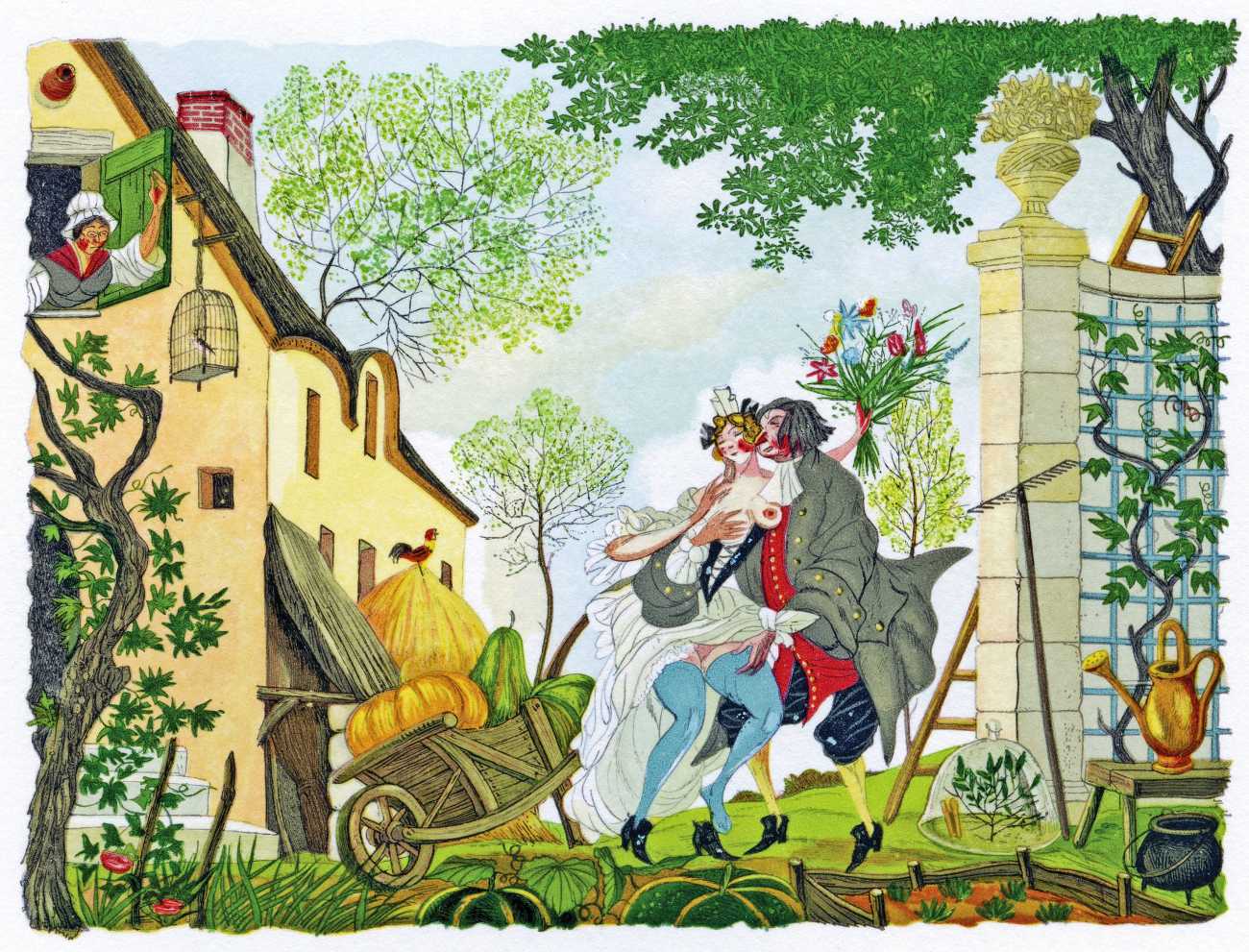
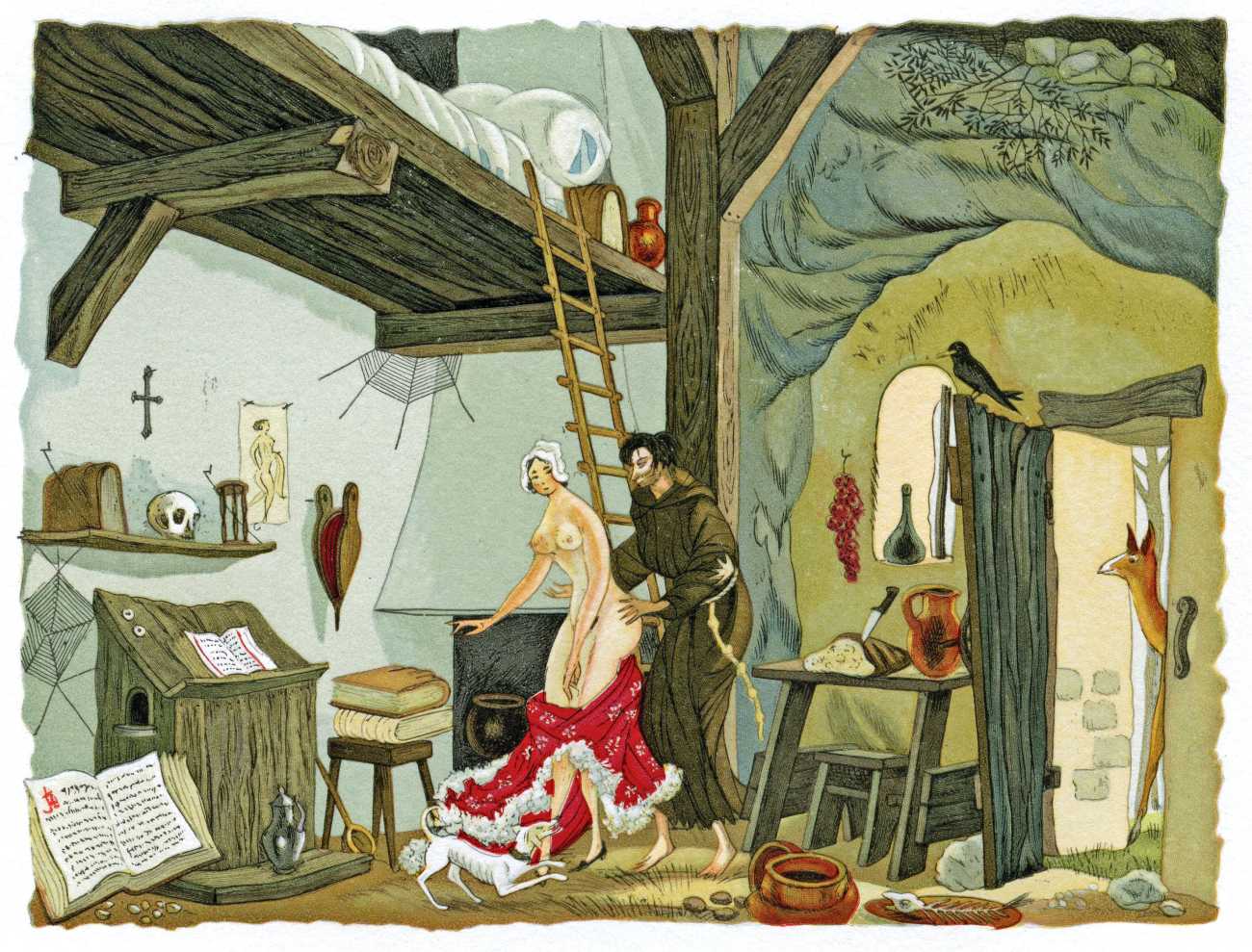
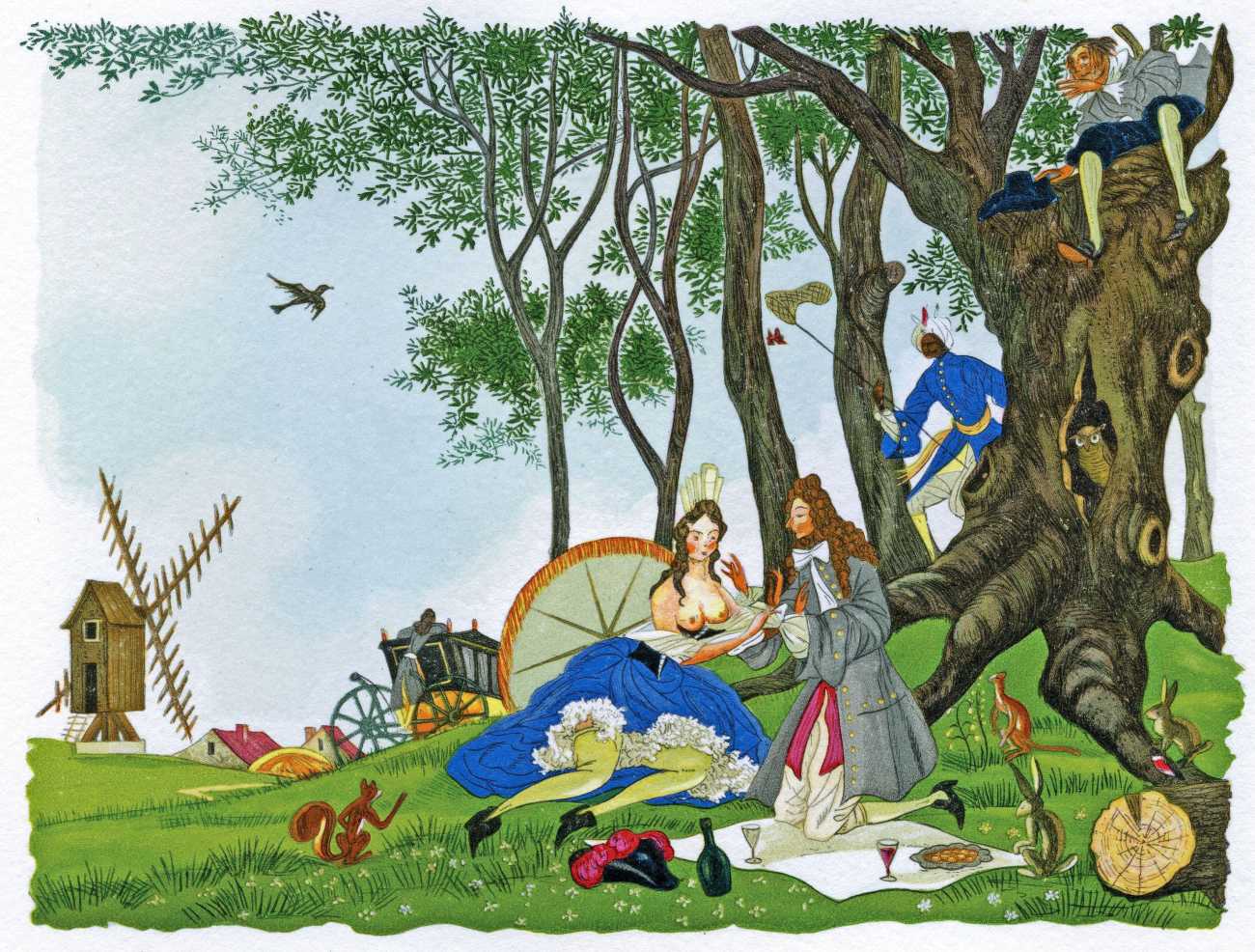
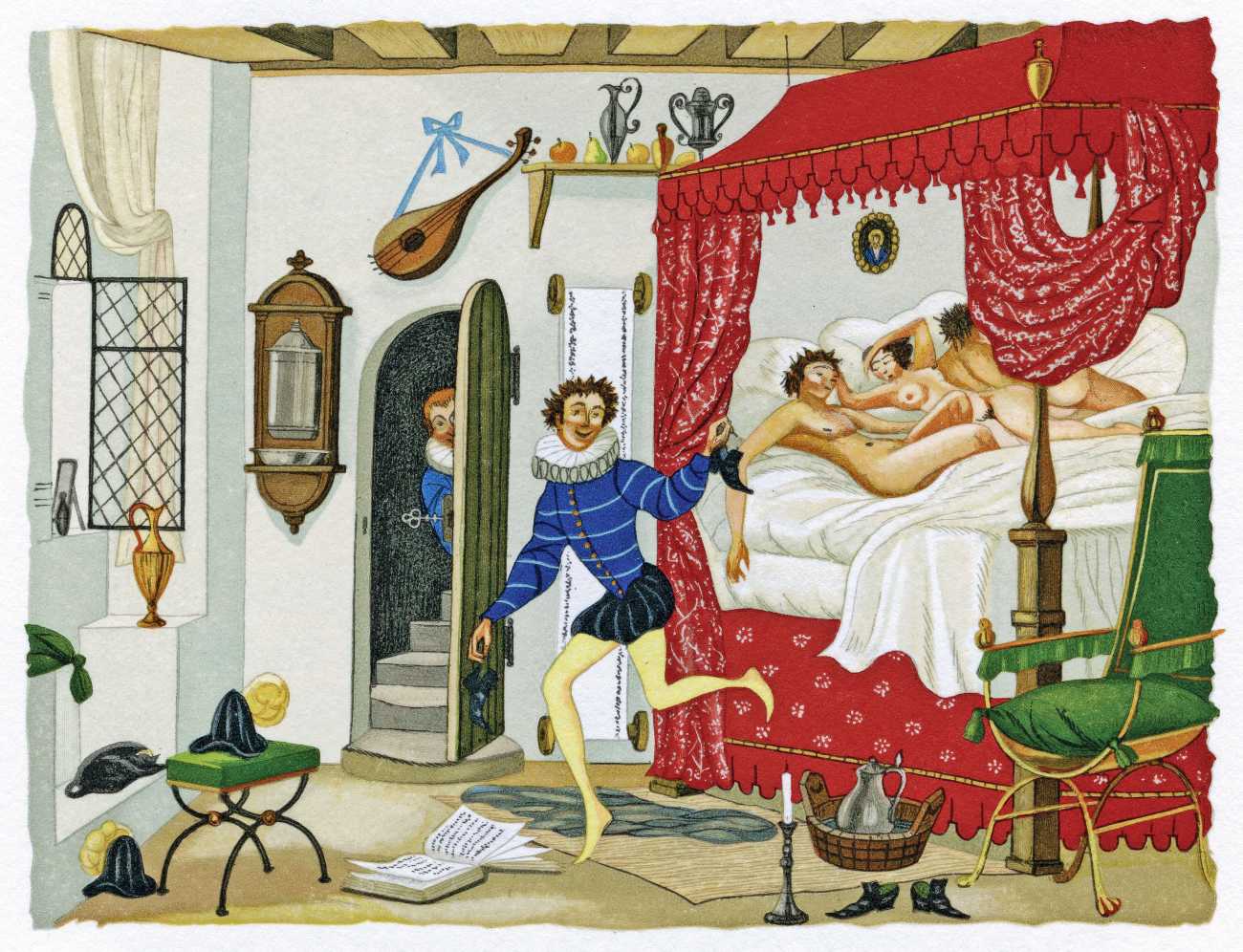
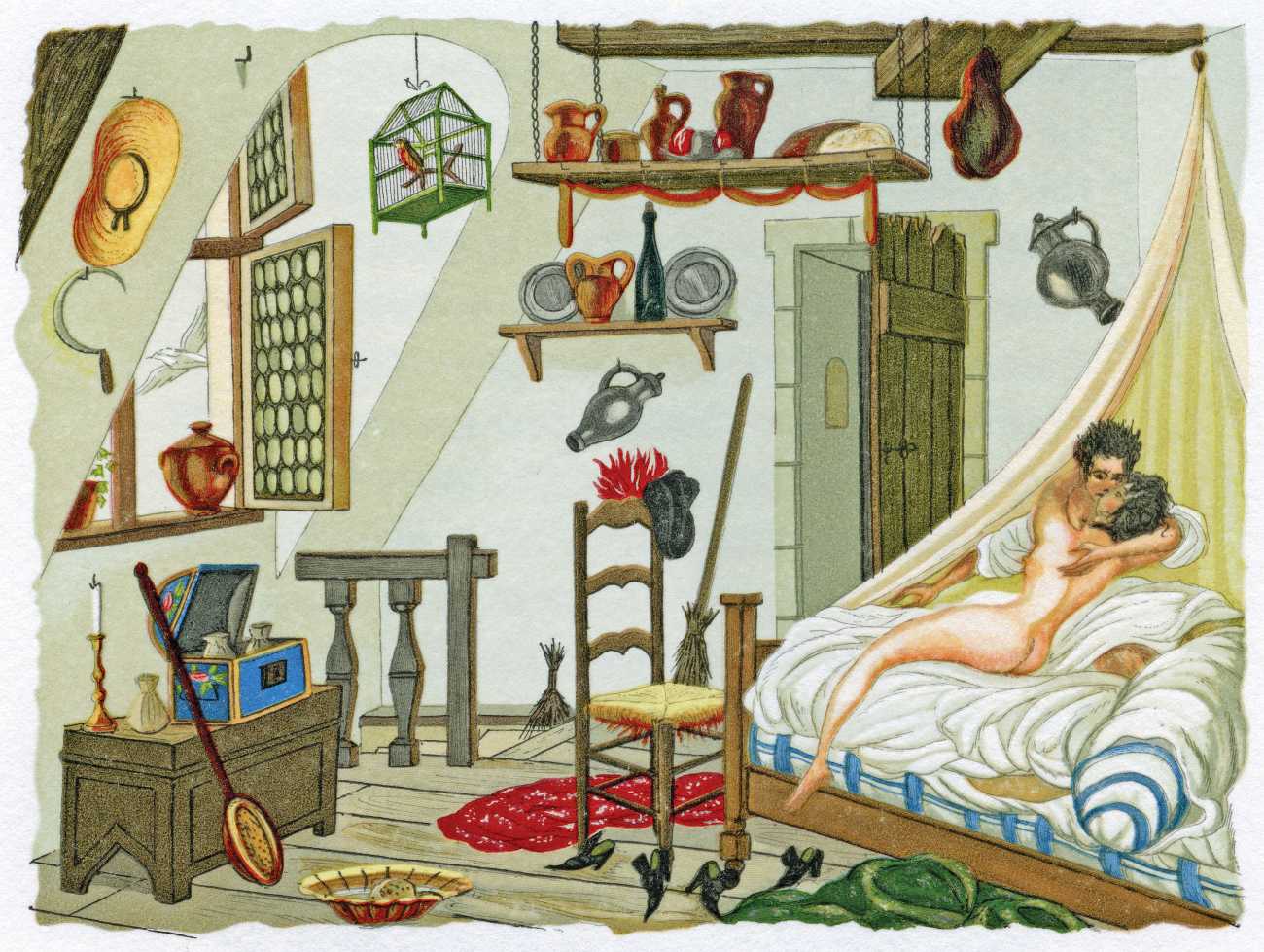
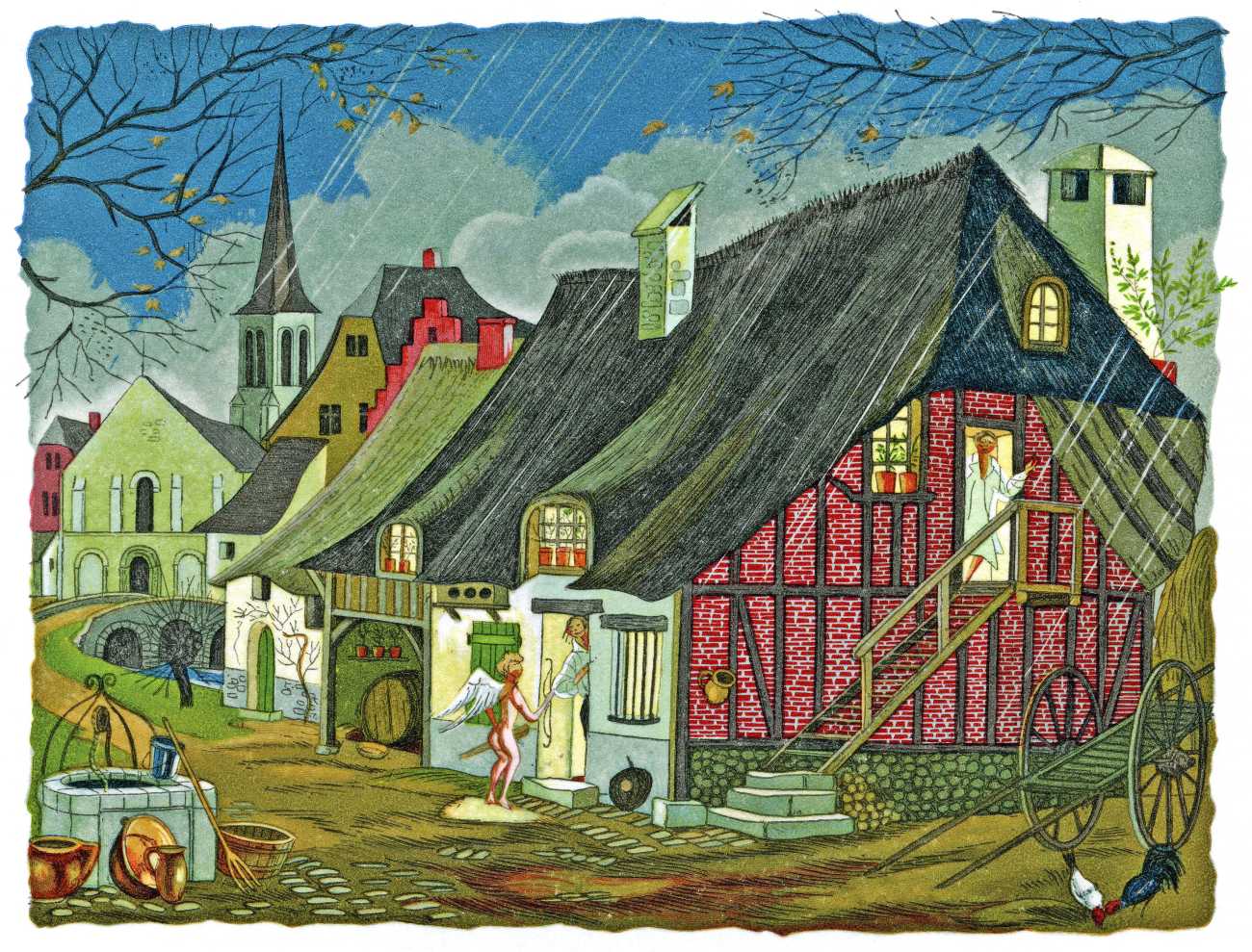
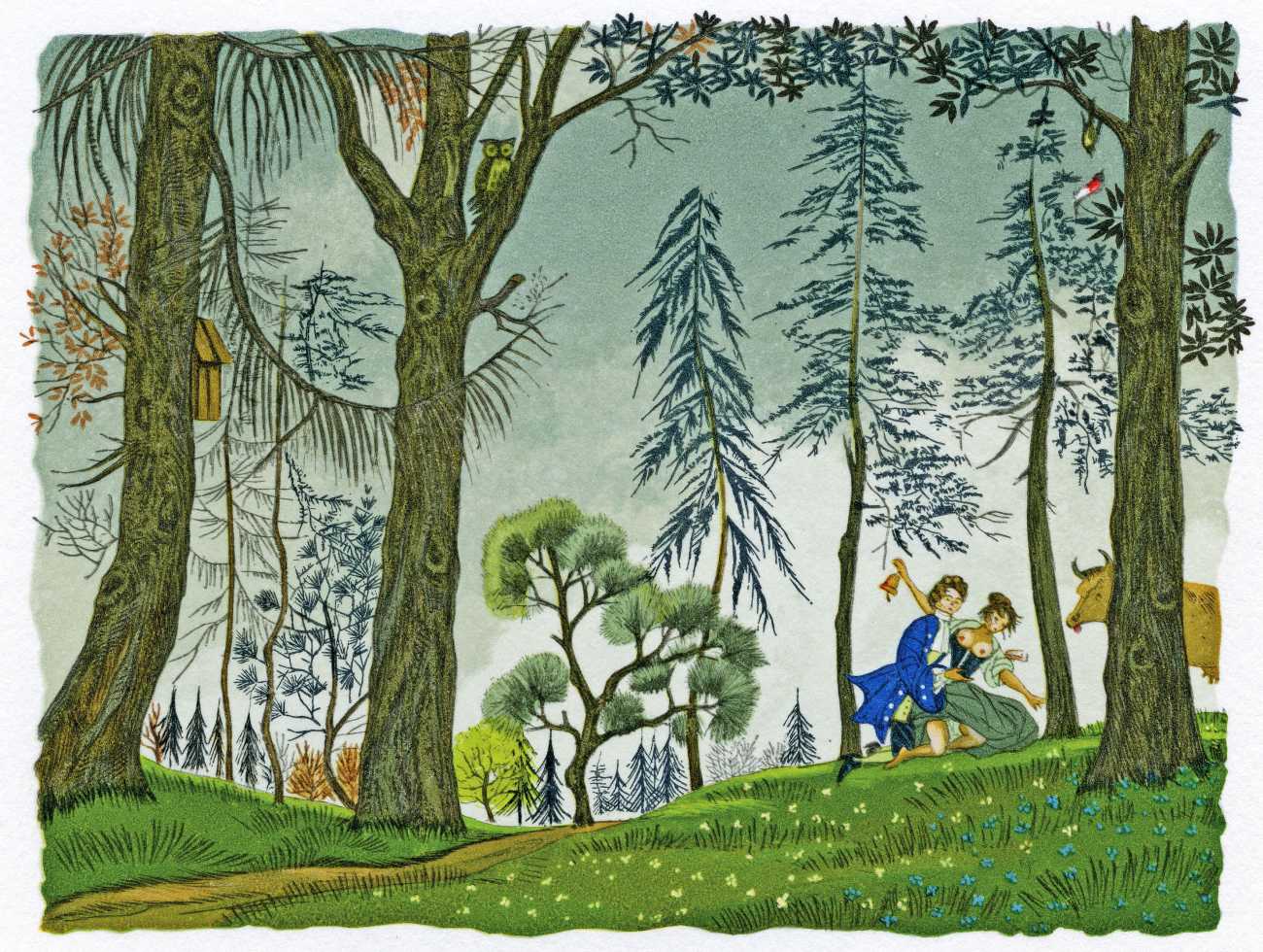
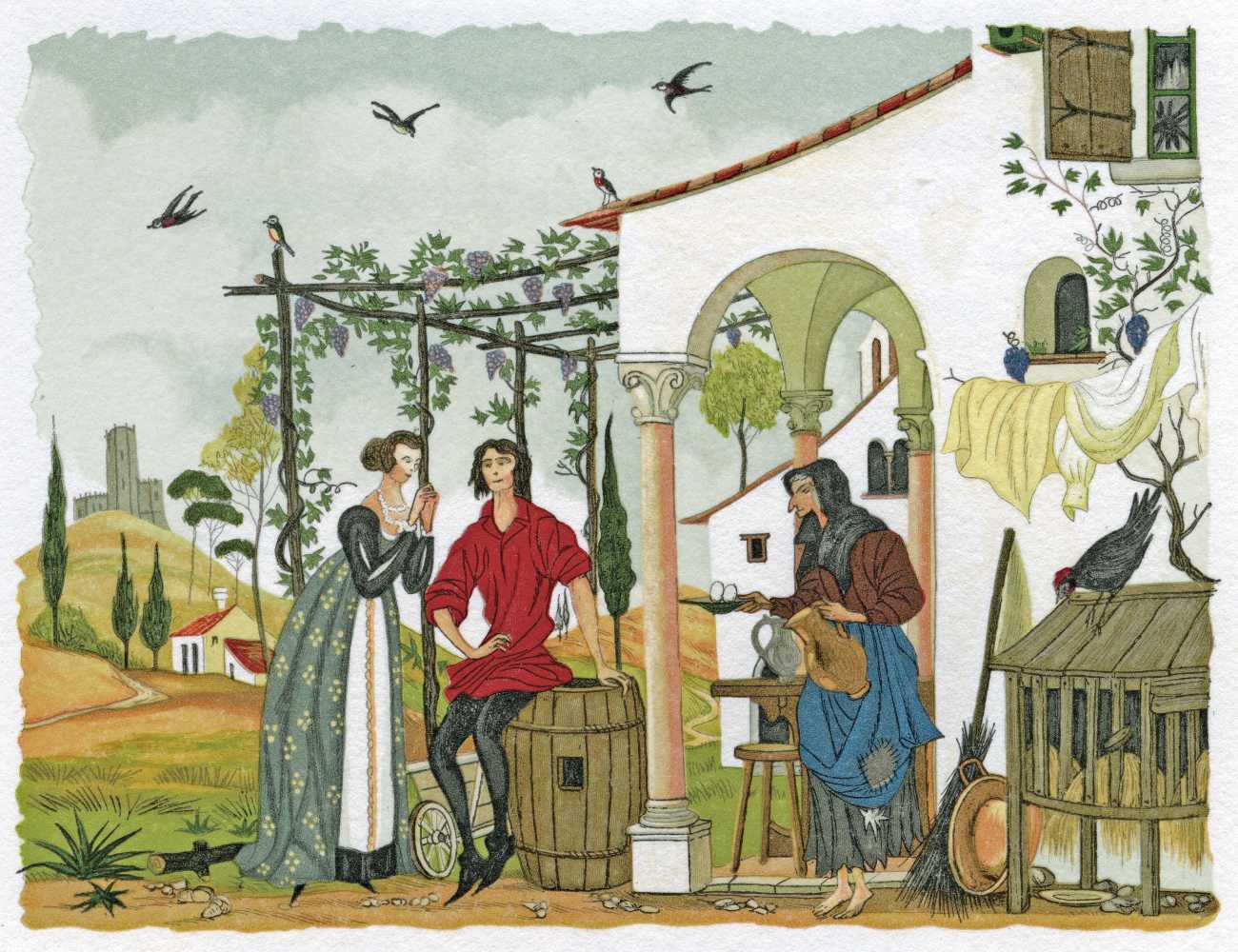
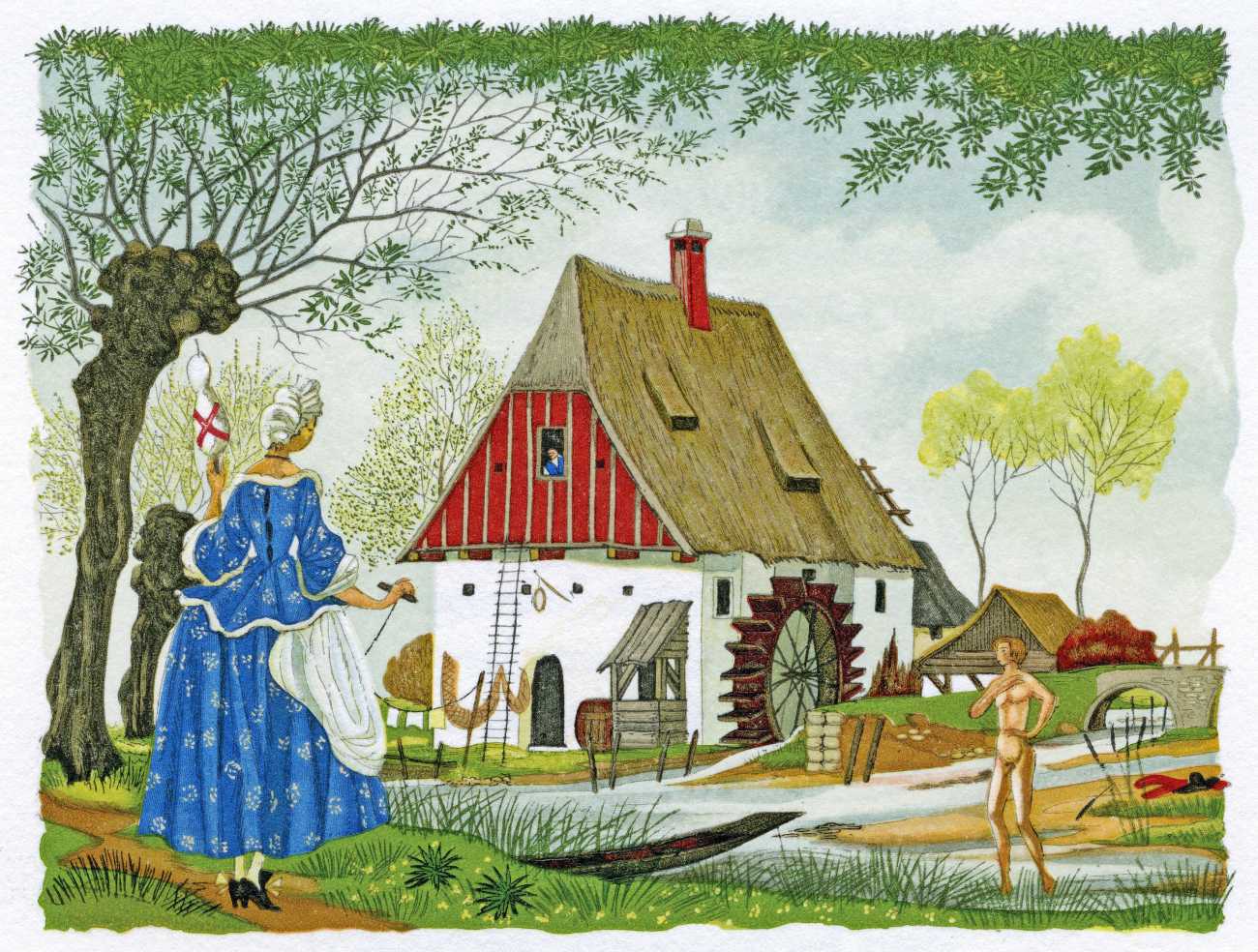
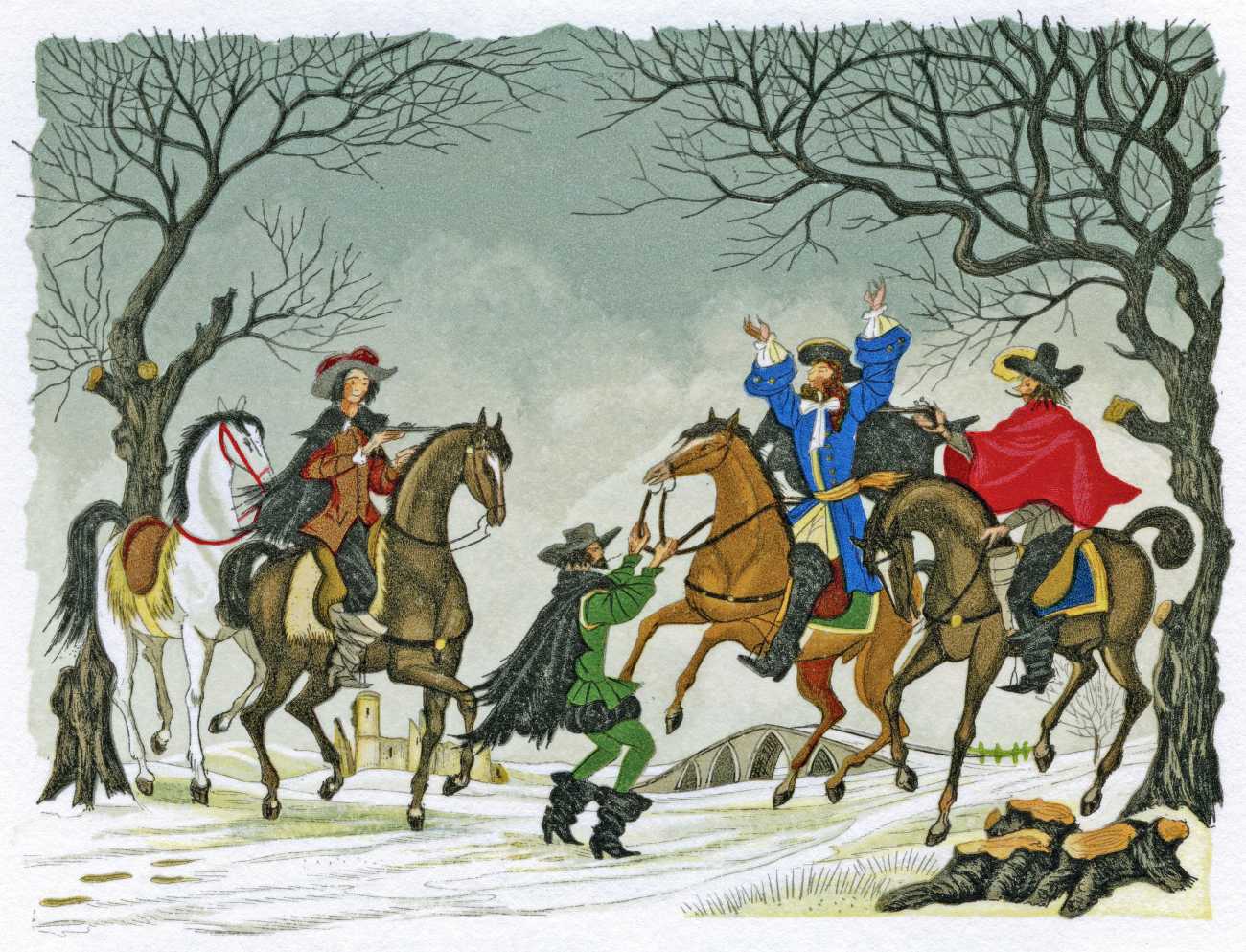
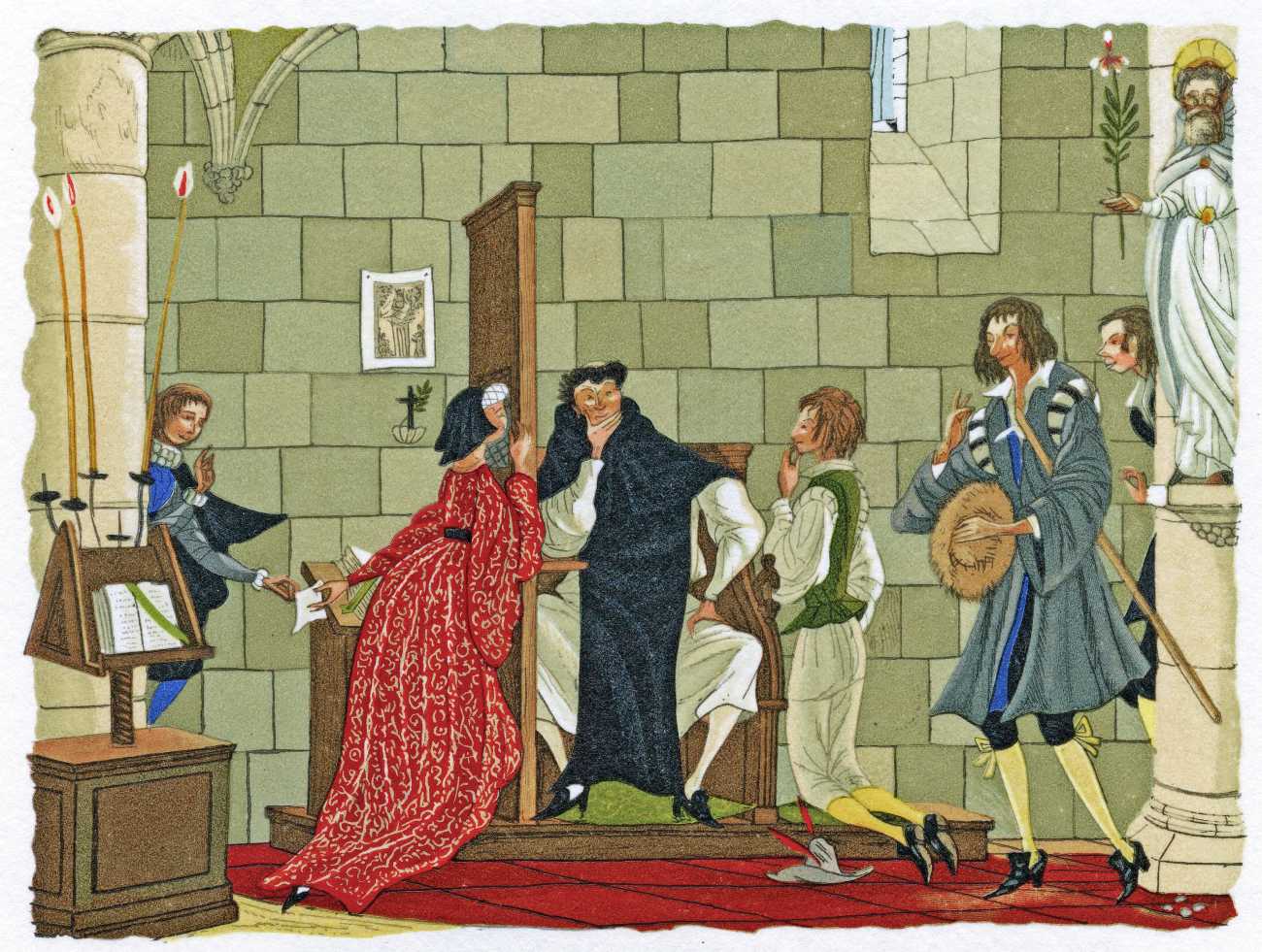
In the 1960s he illustrated Jean de La Fontaine’s Contes, and in the 1970s editions of Daudet’s Lettres de mon moulin, Tartarin de Tarascon, and Contes du Lundi. A highlight of the 1980s was a 1986 illustrated edition of Jules Verne’s Le tour du monde en quatre‑vingt jours (Round the World in Eighty Days).
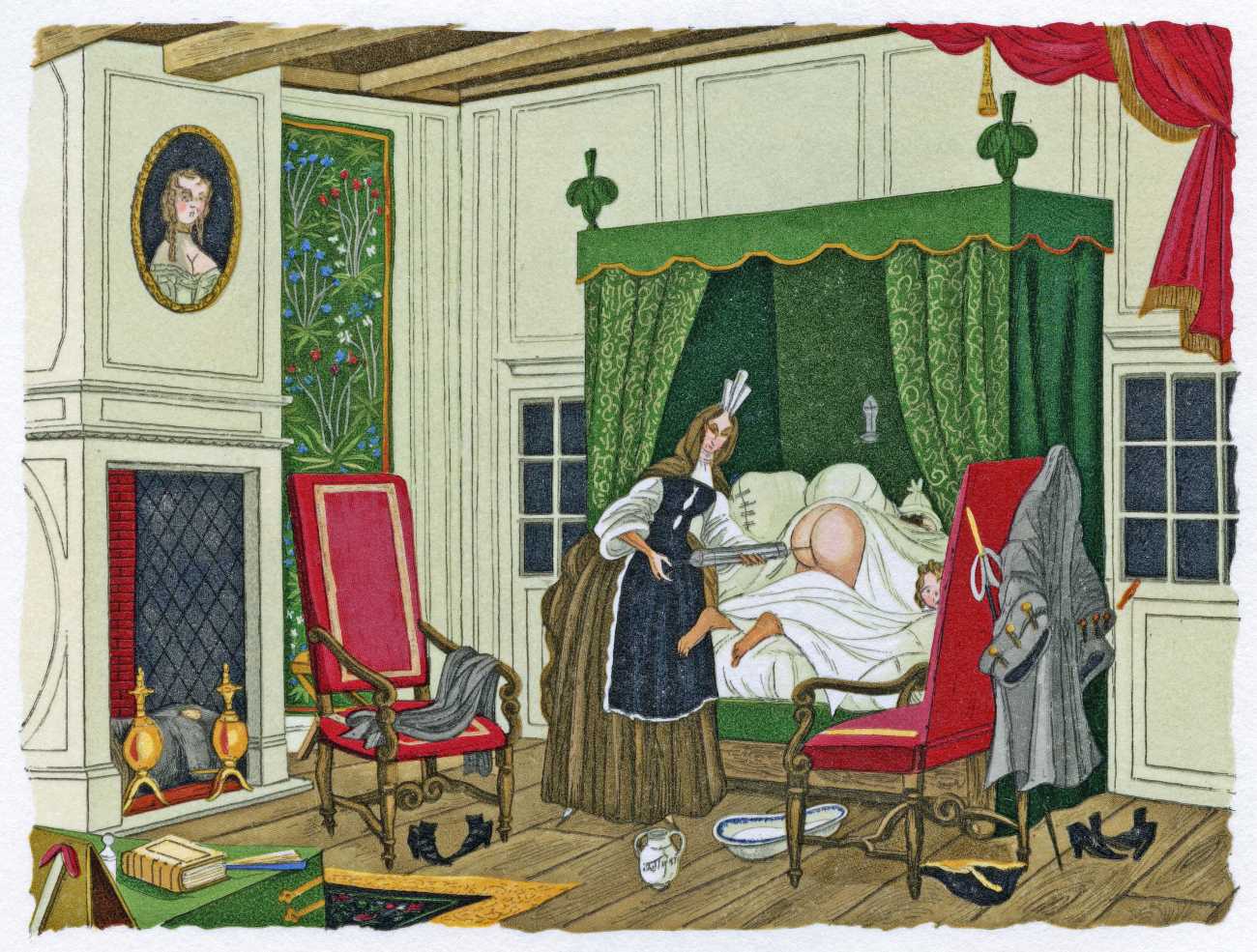
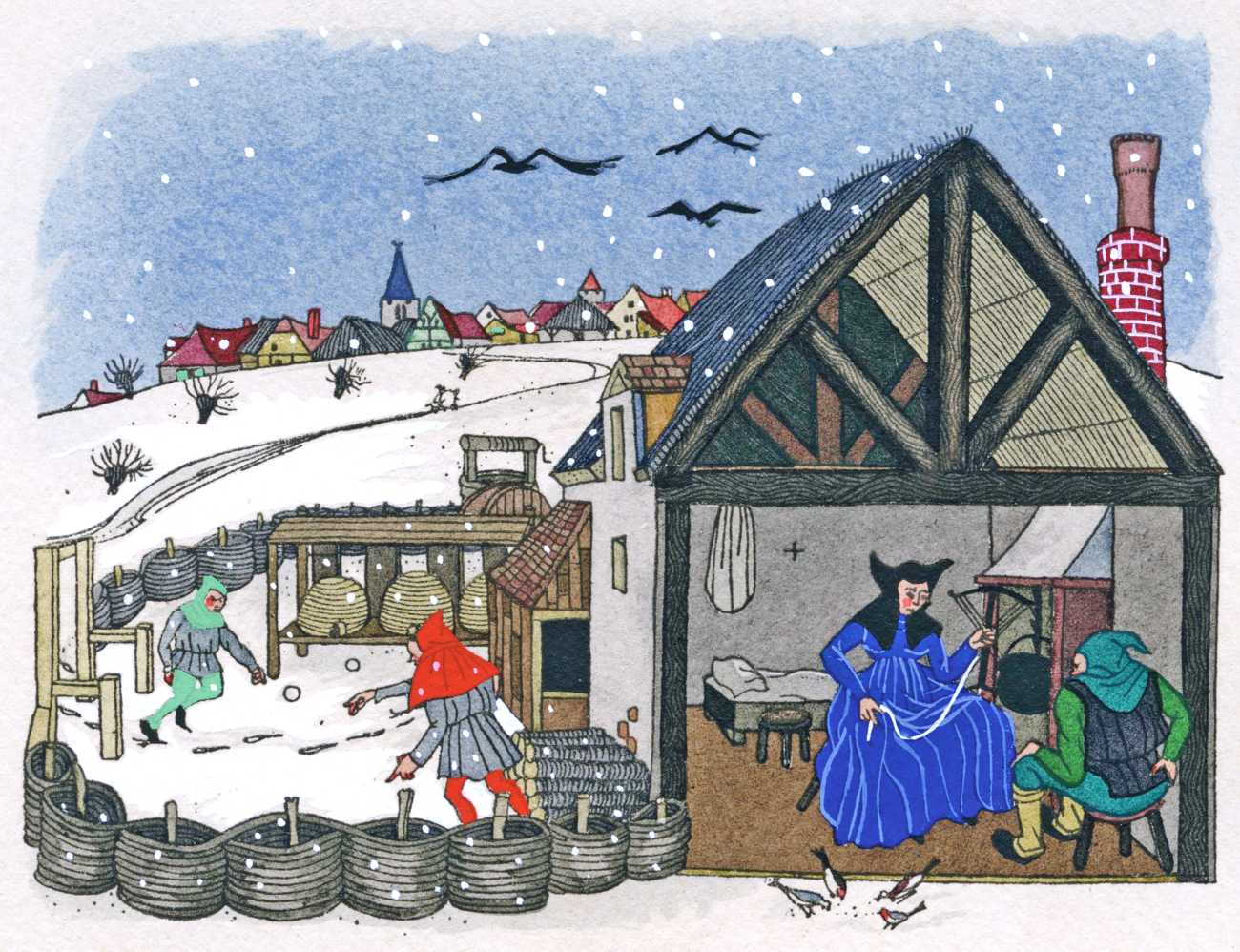
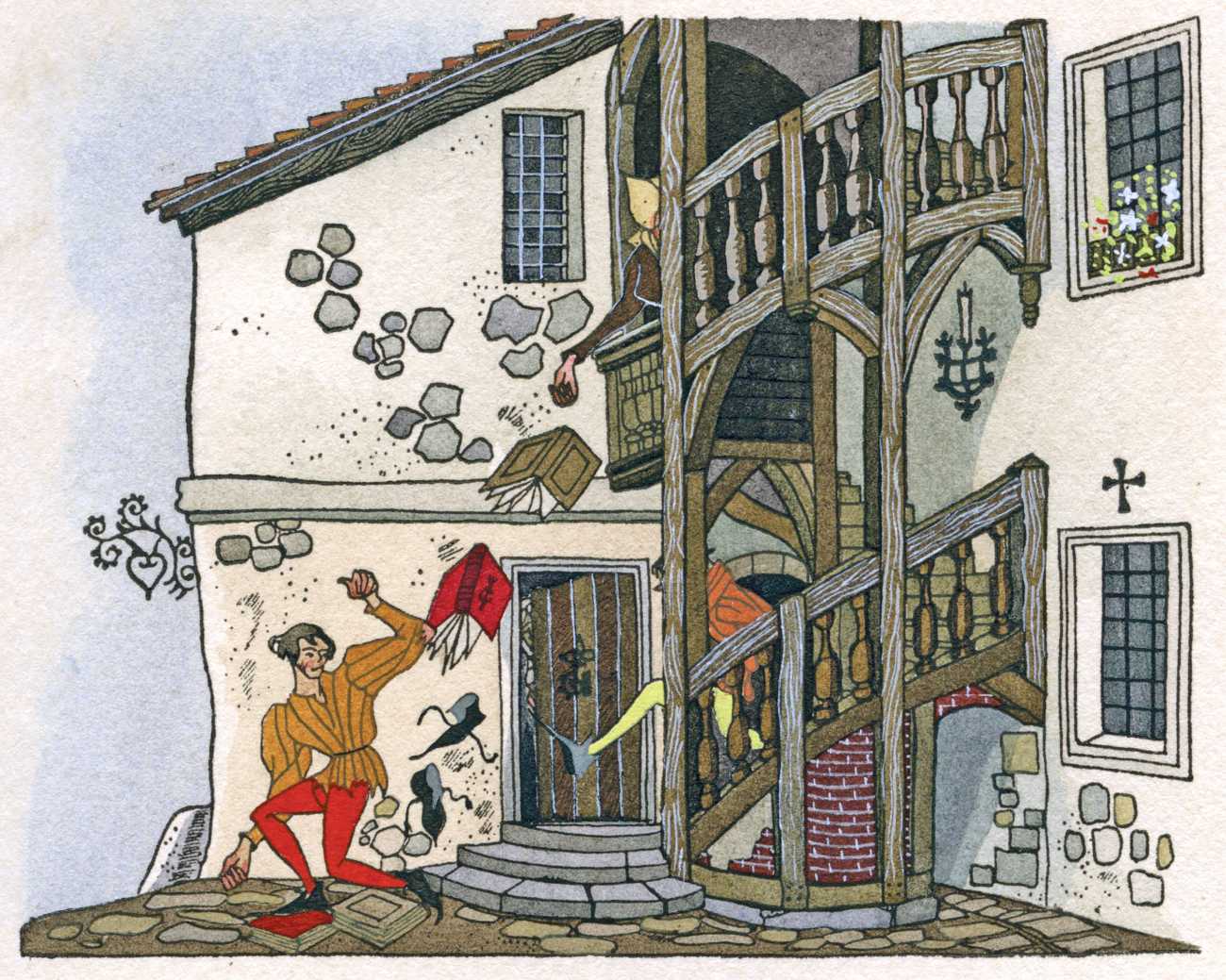
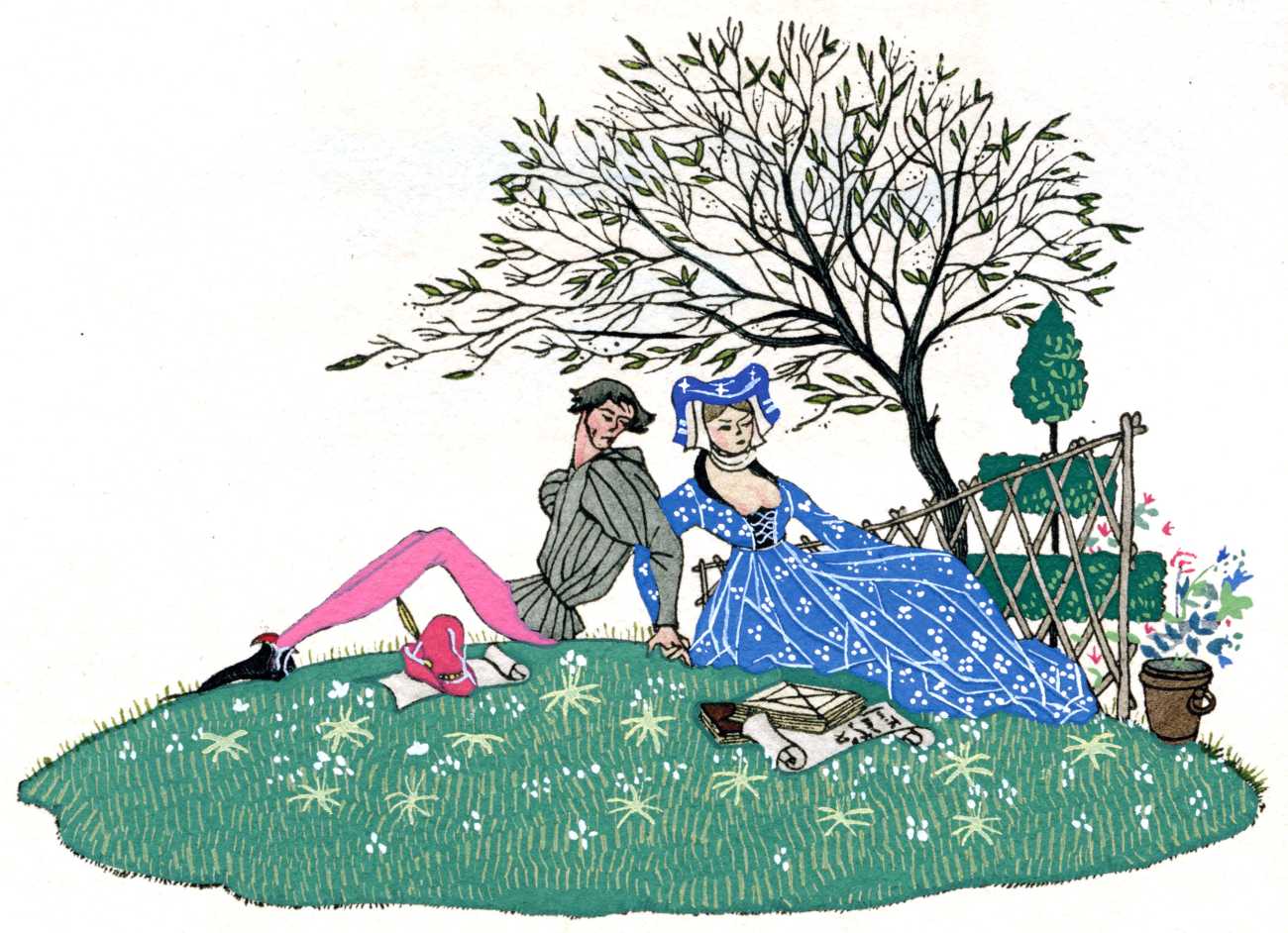
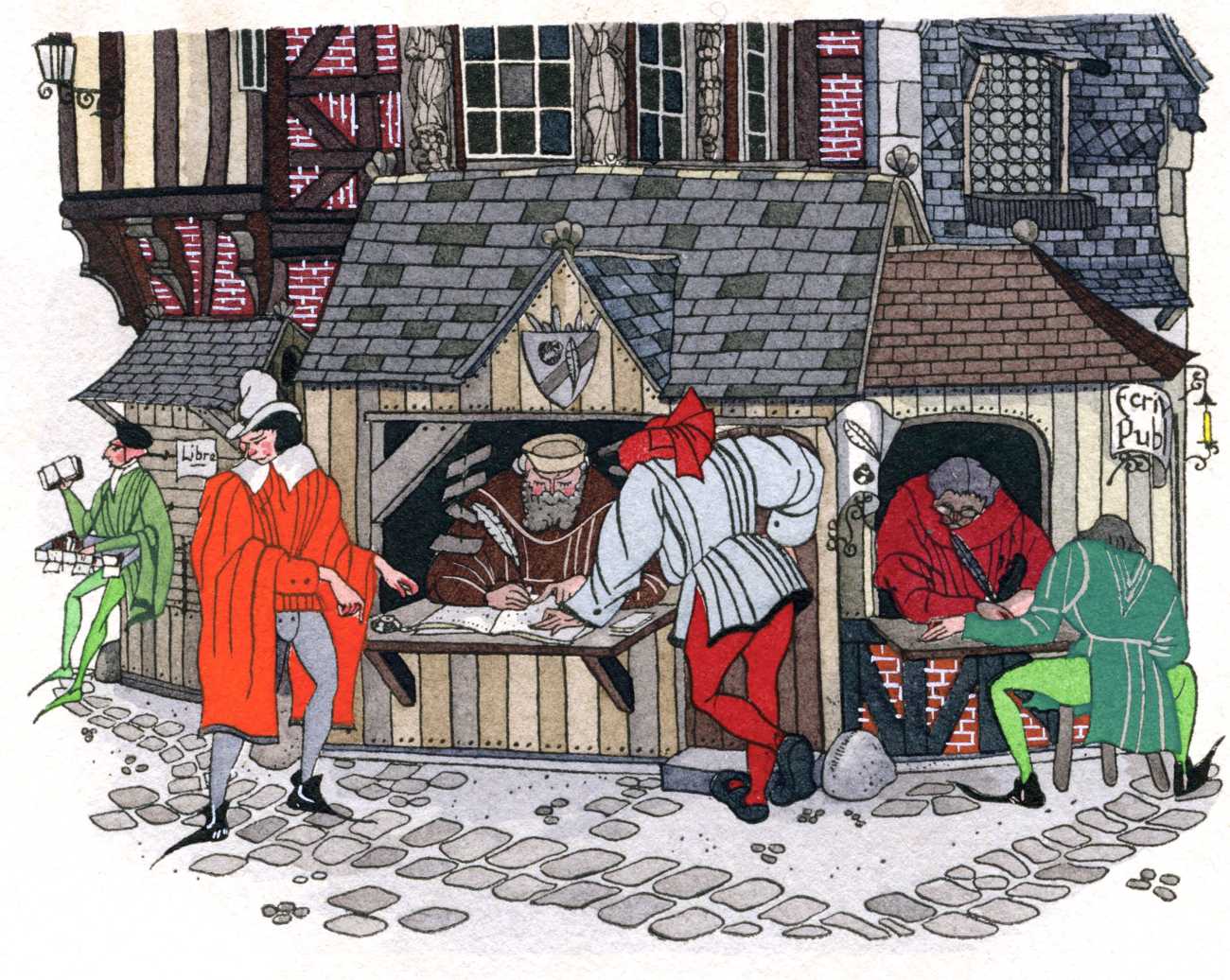
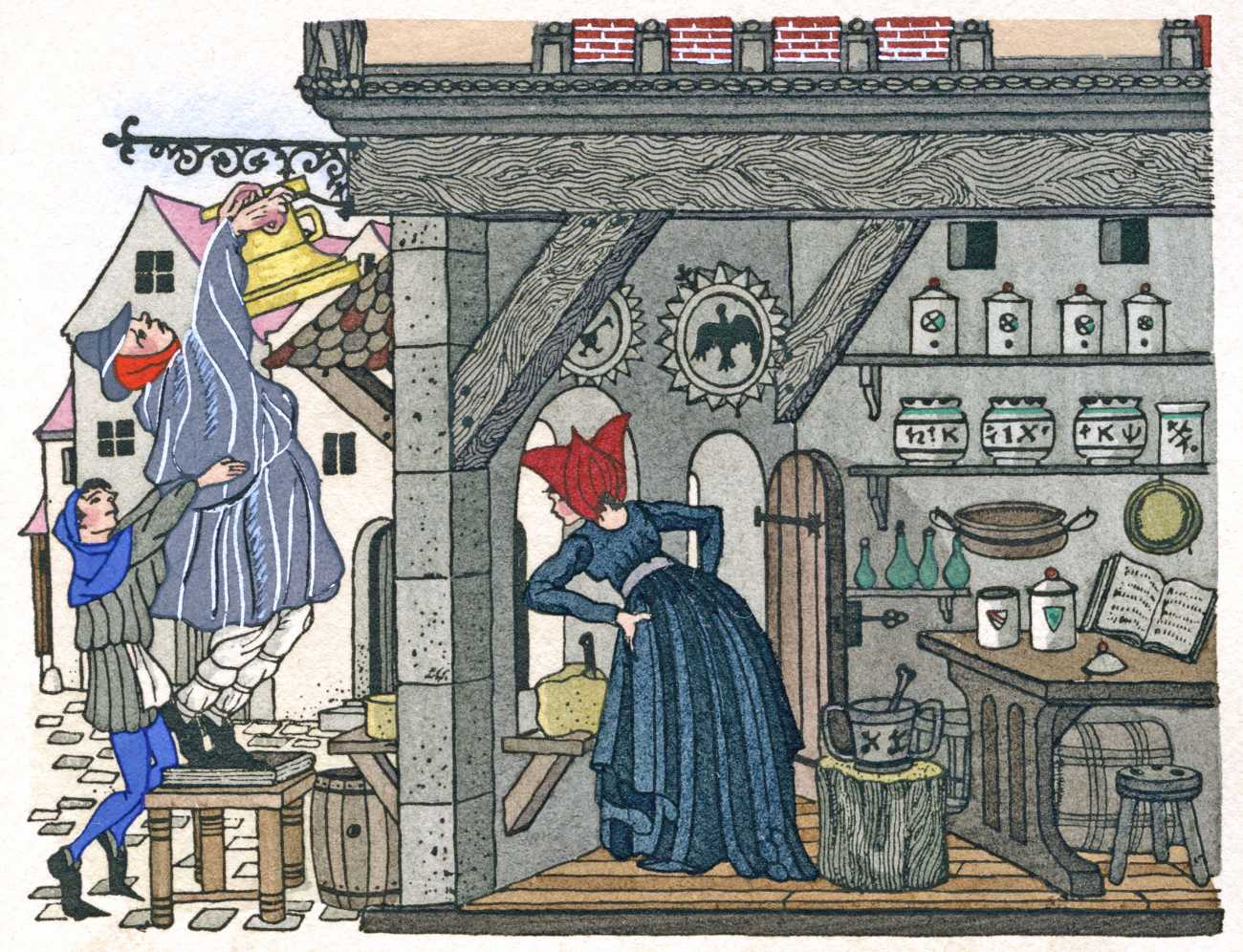
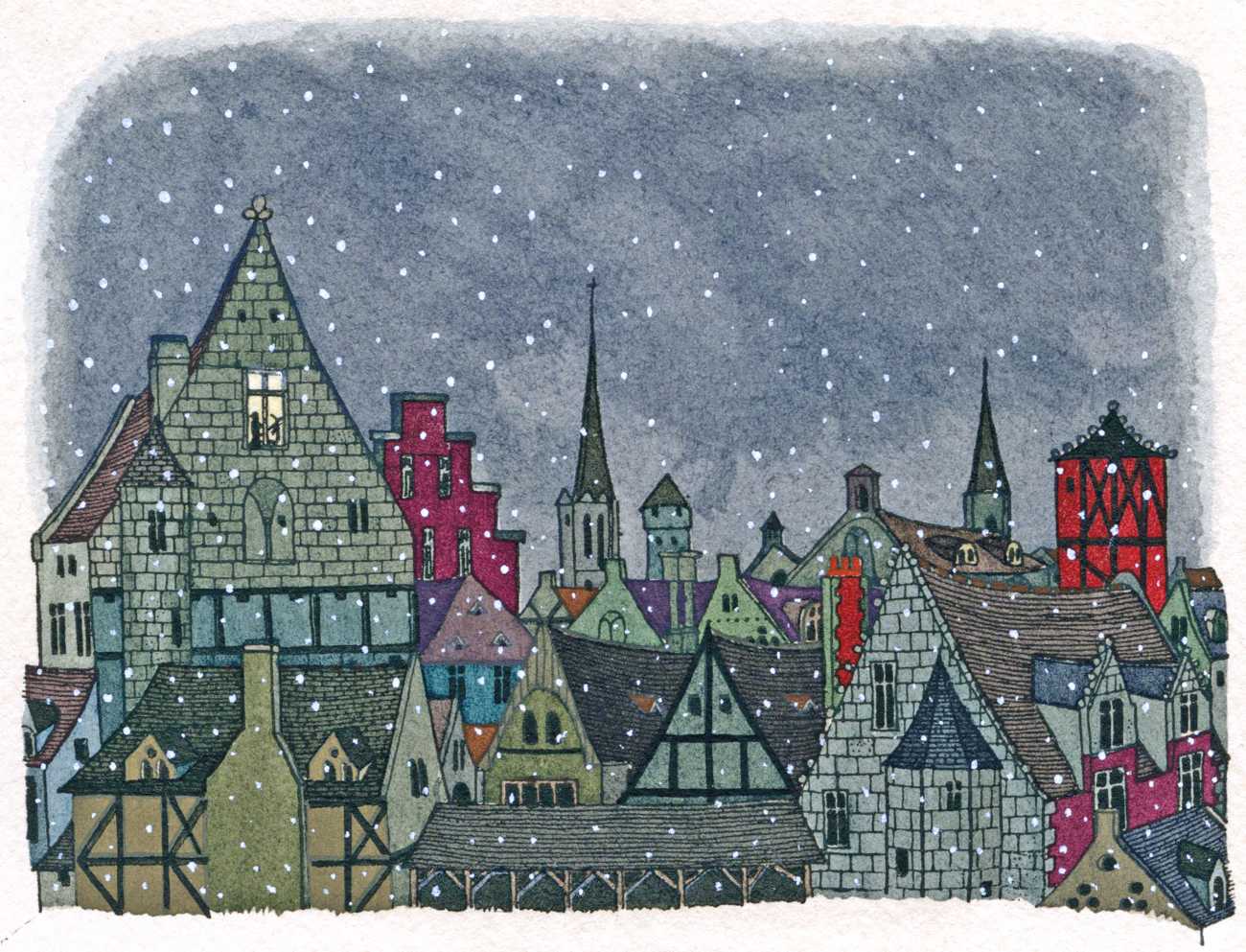
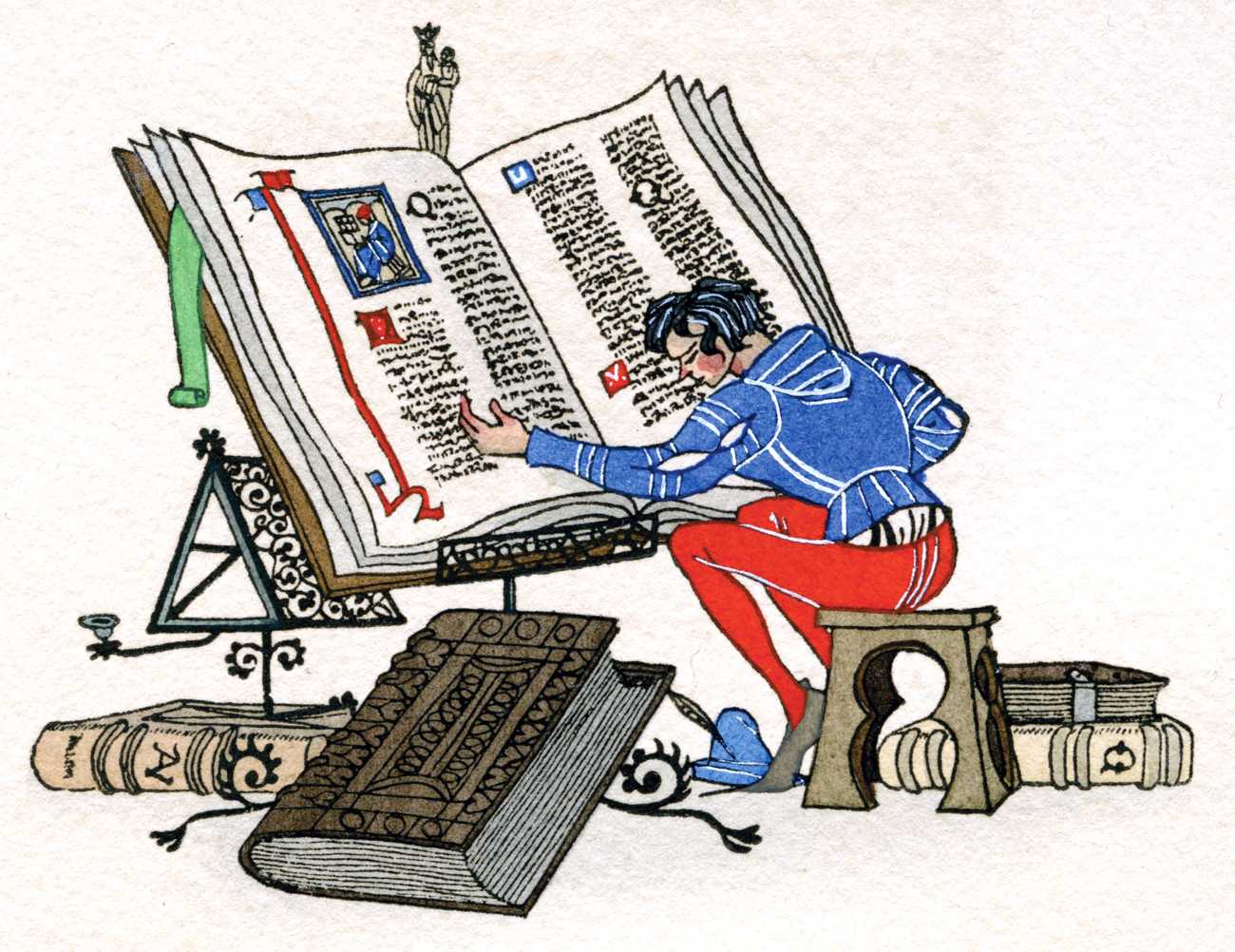
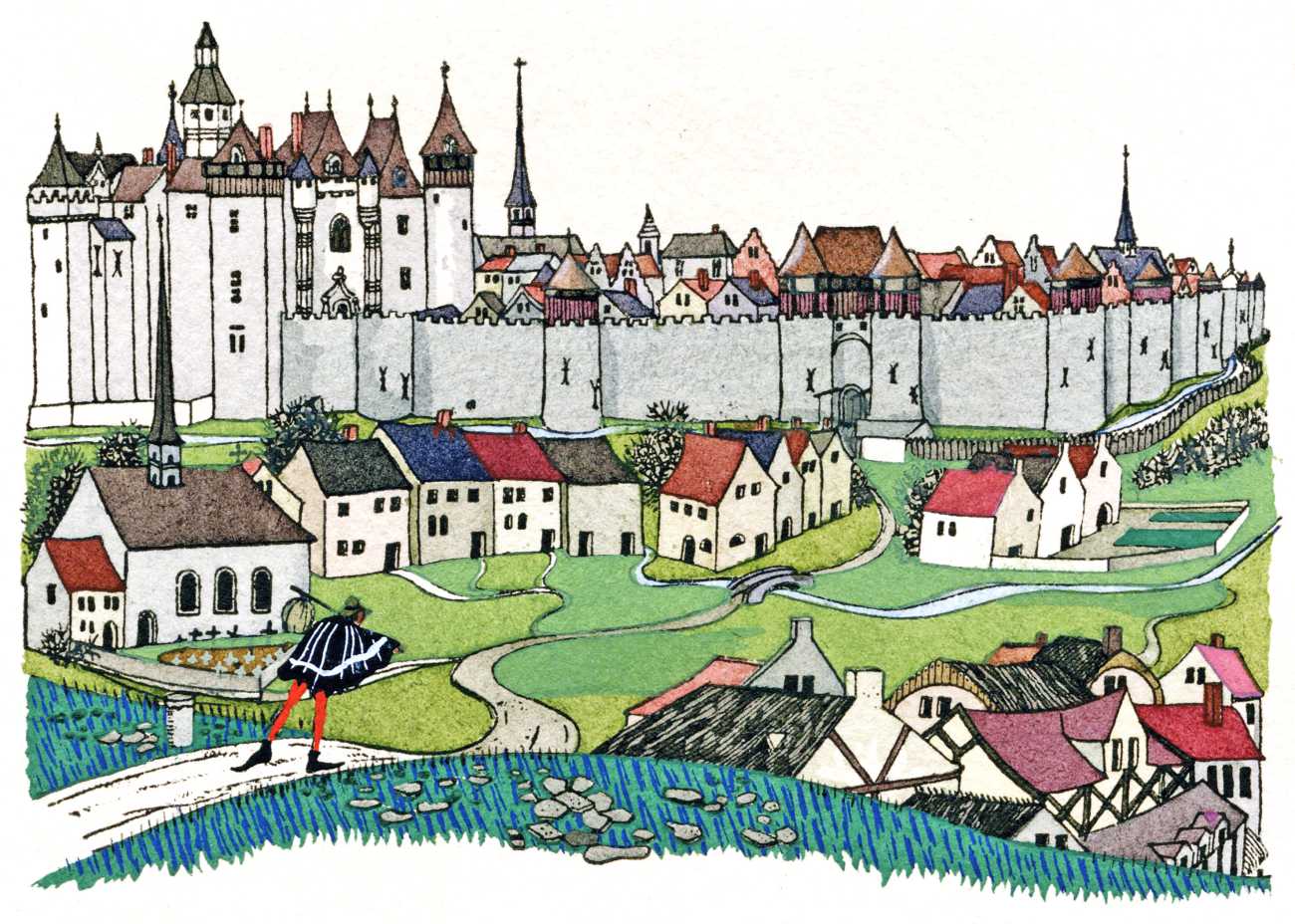
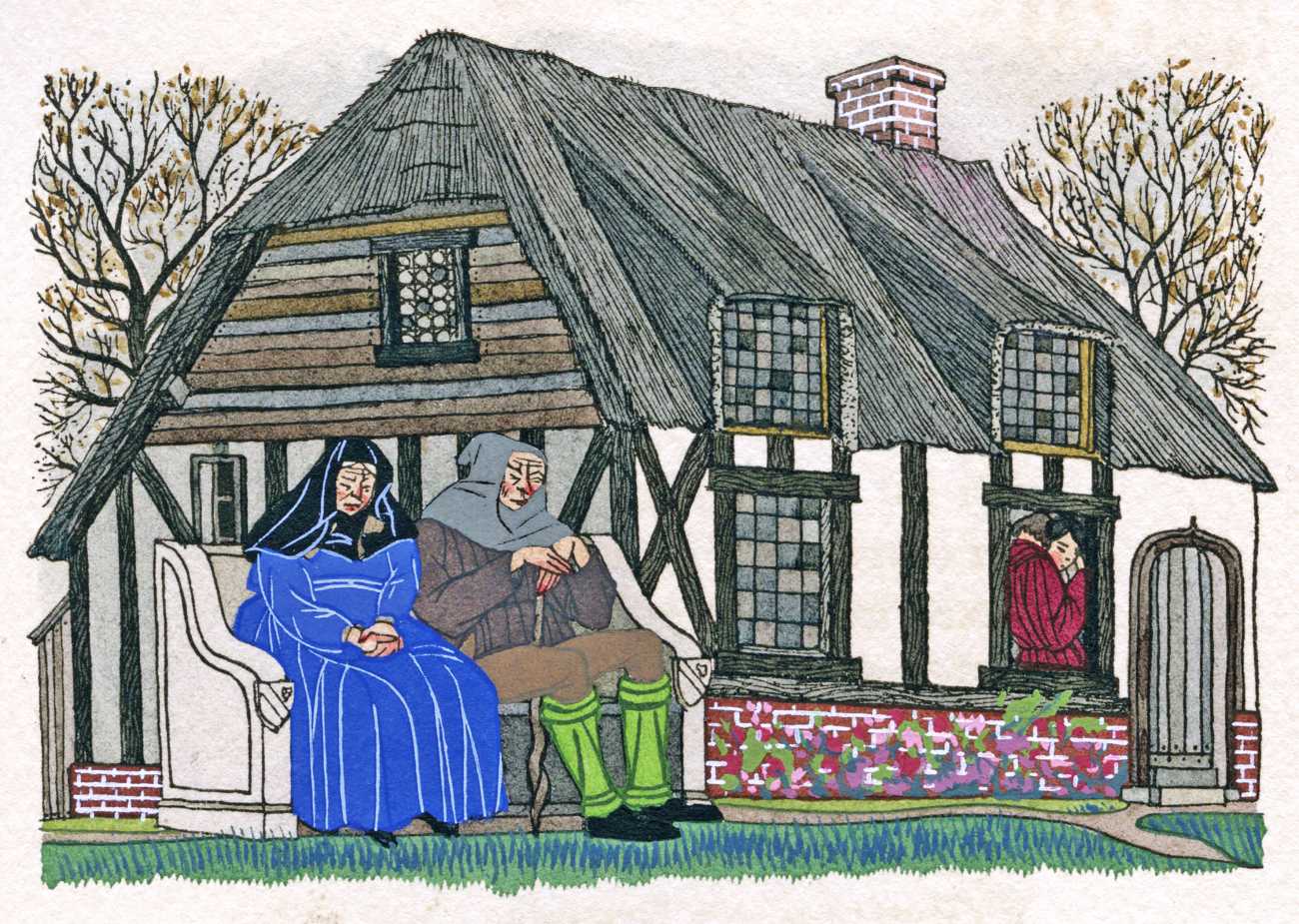
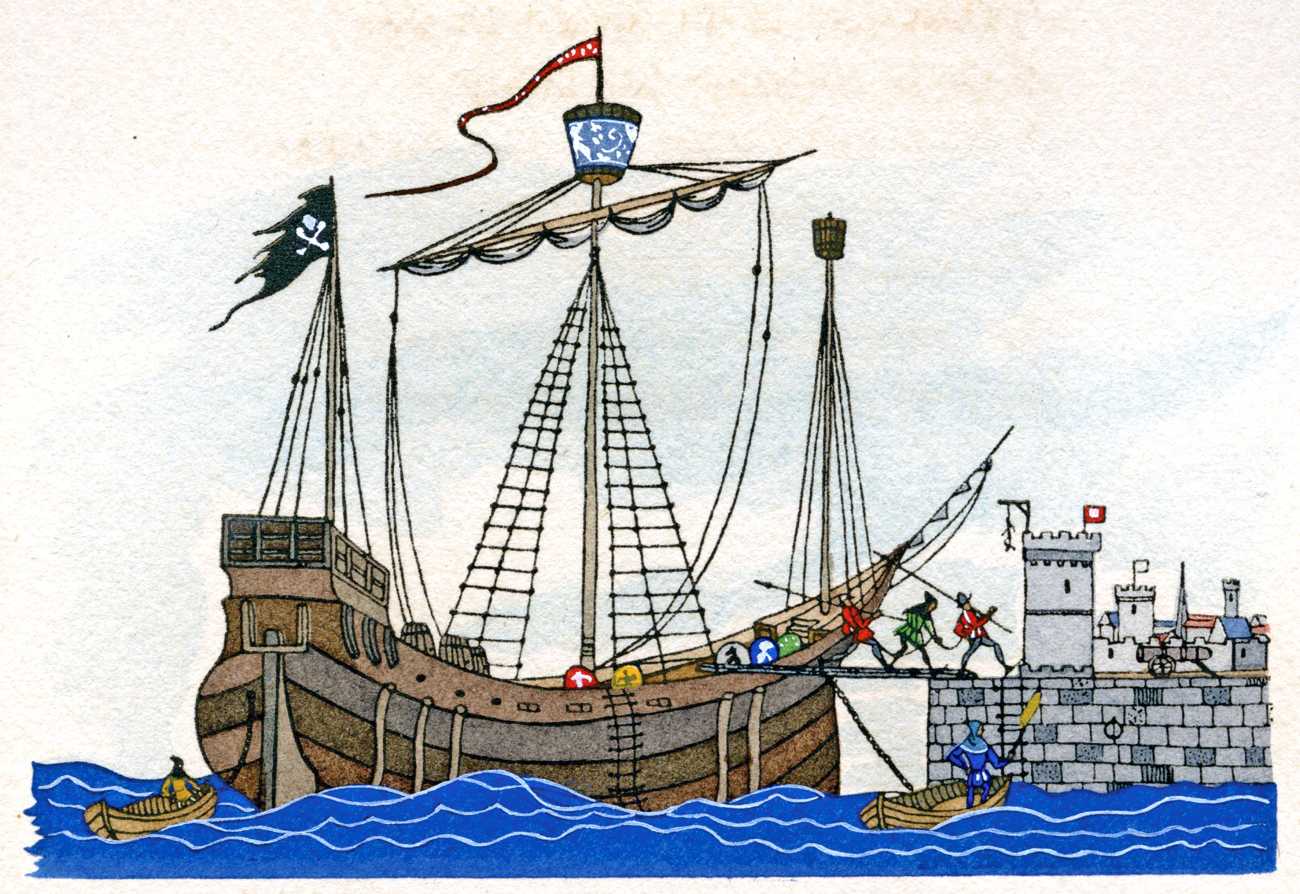
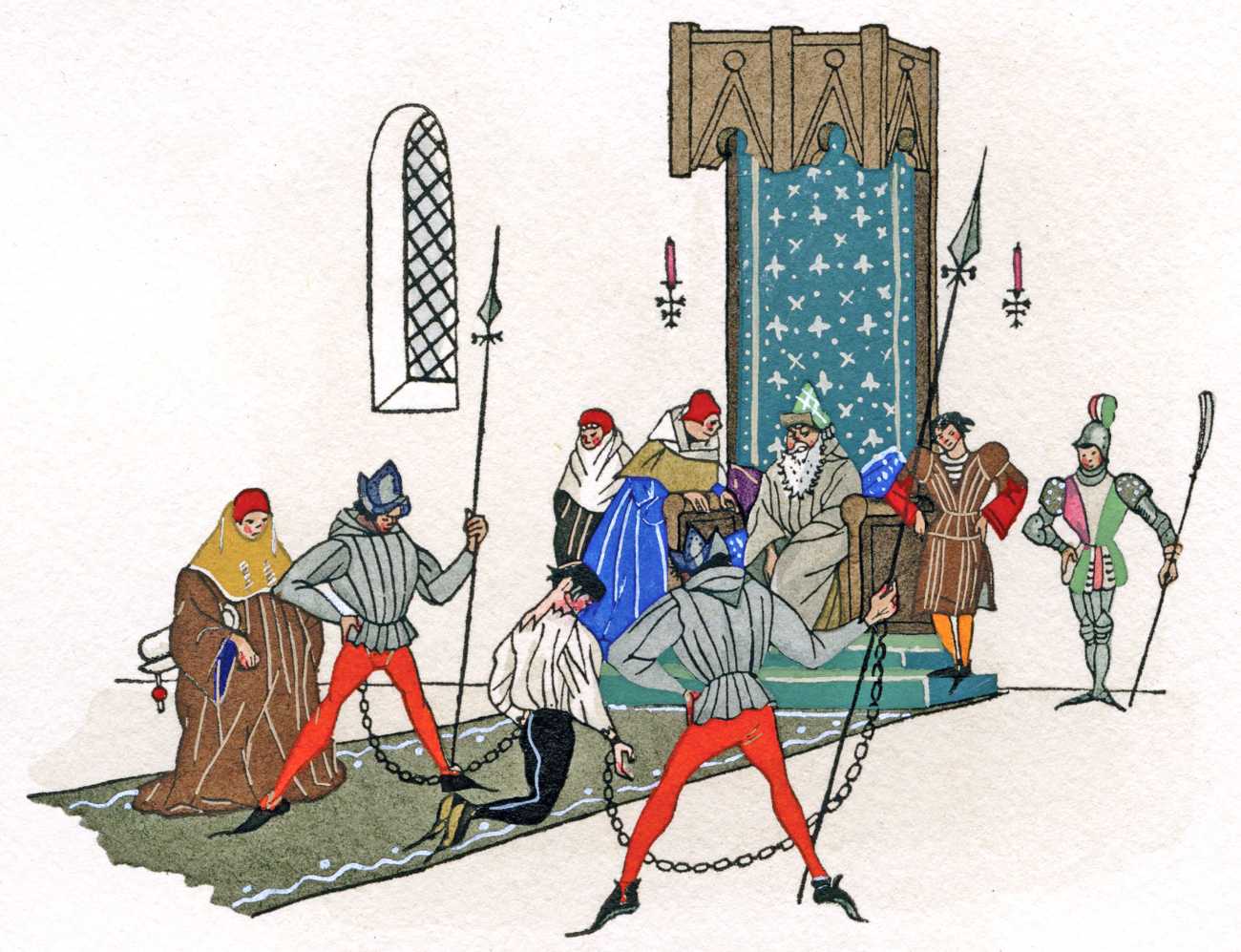
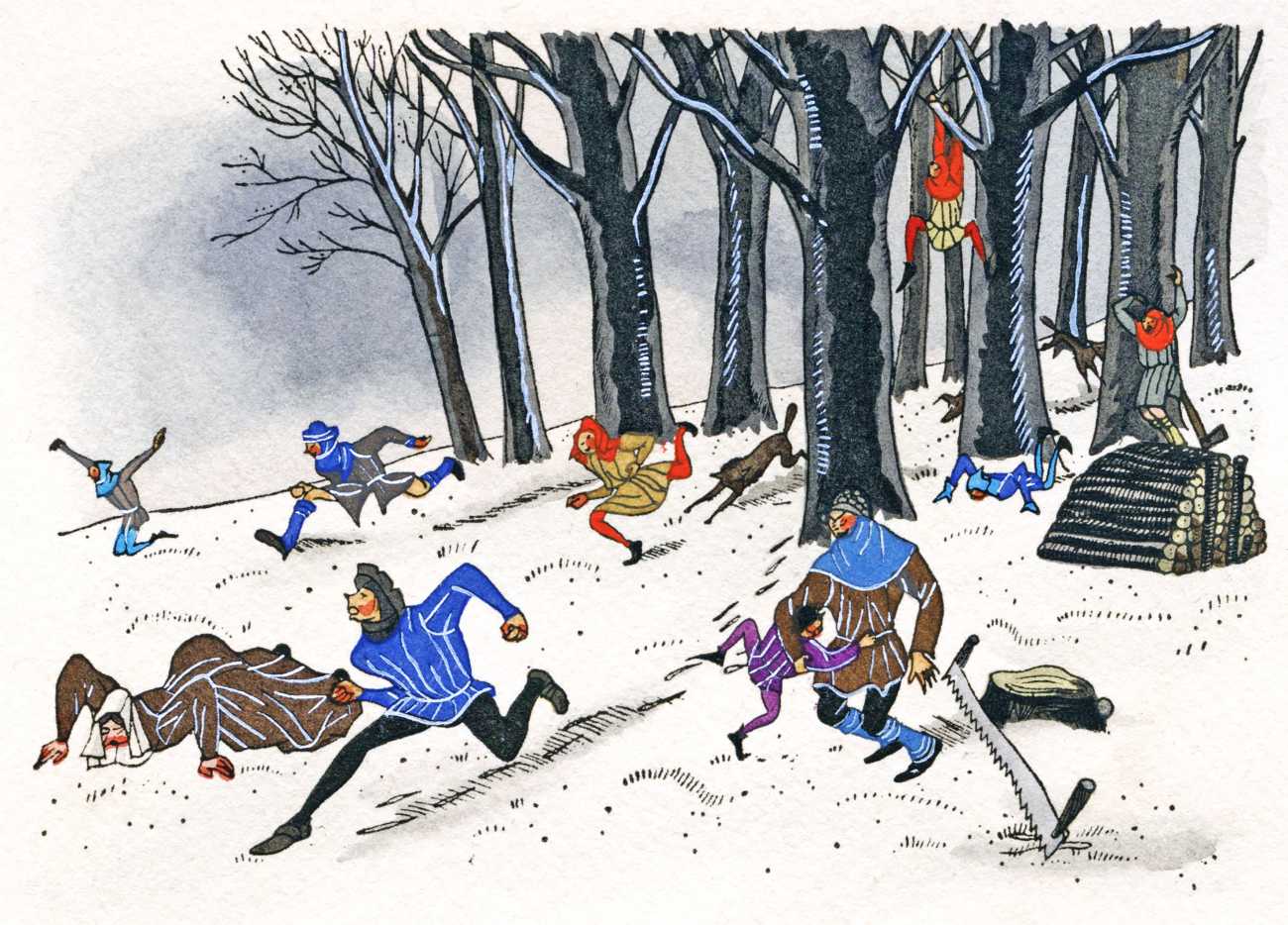
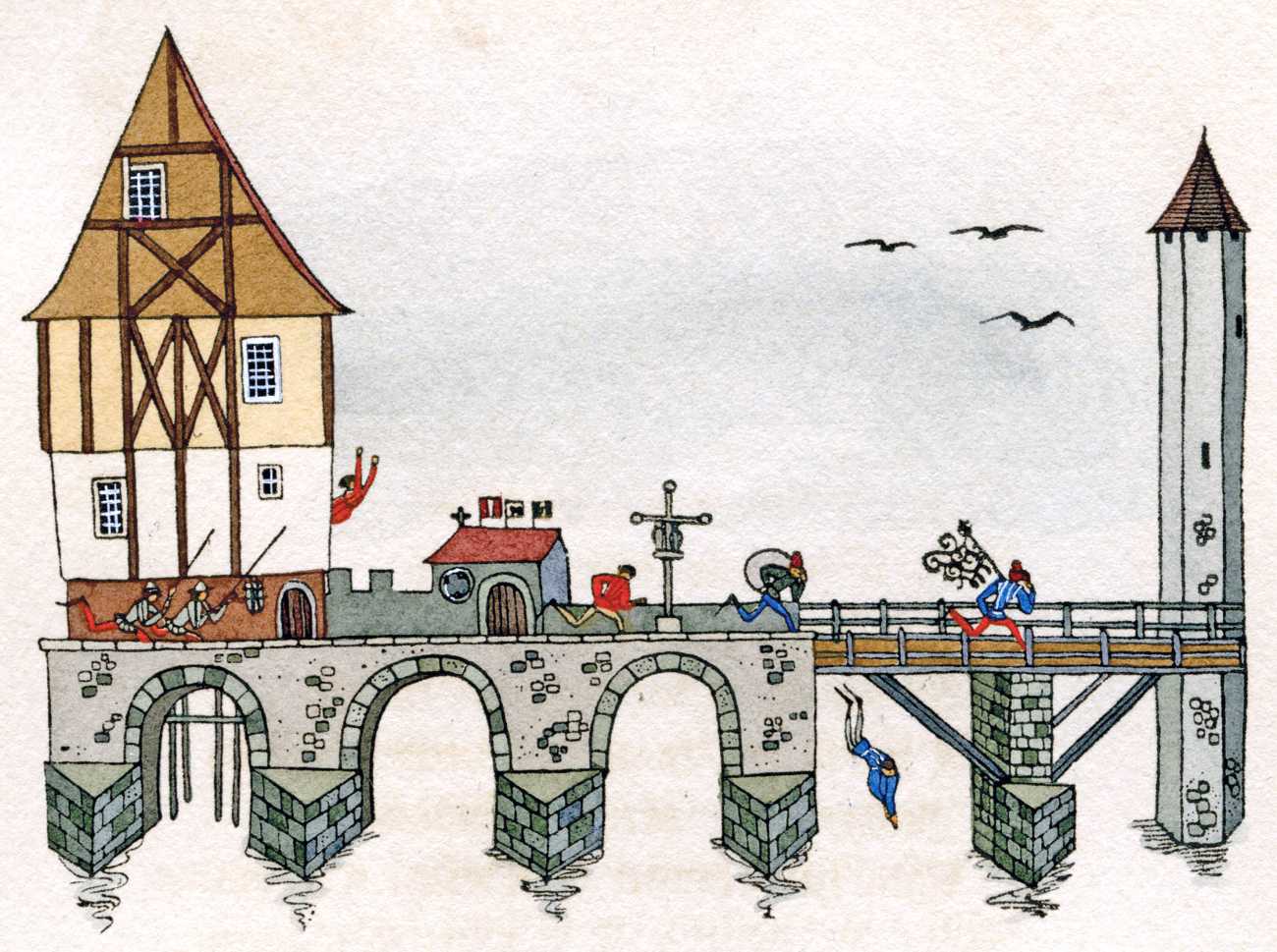
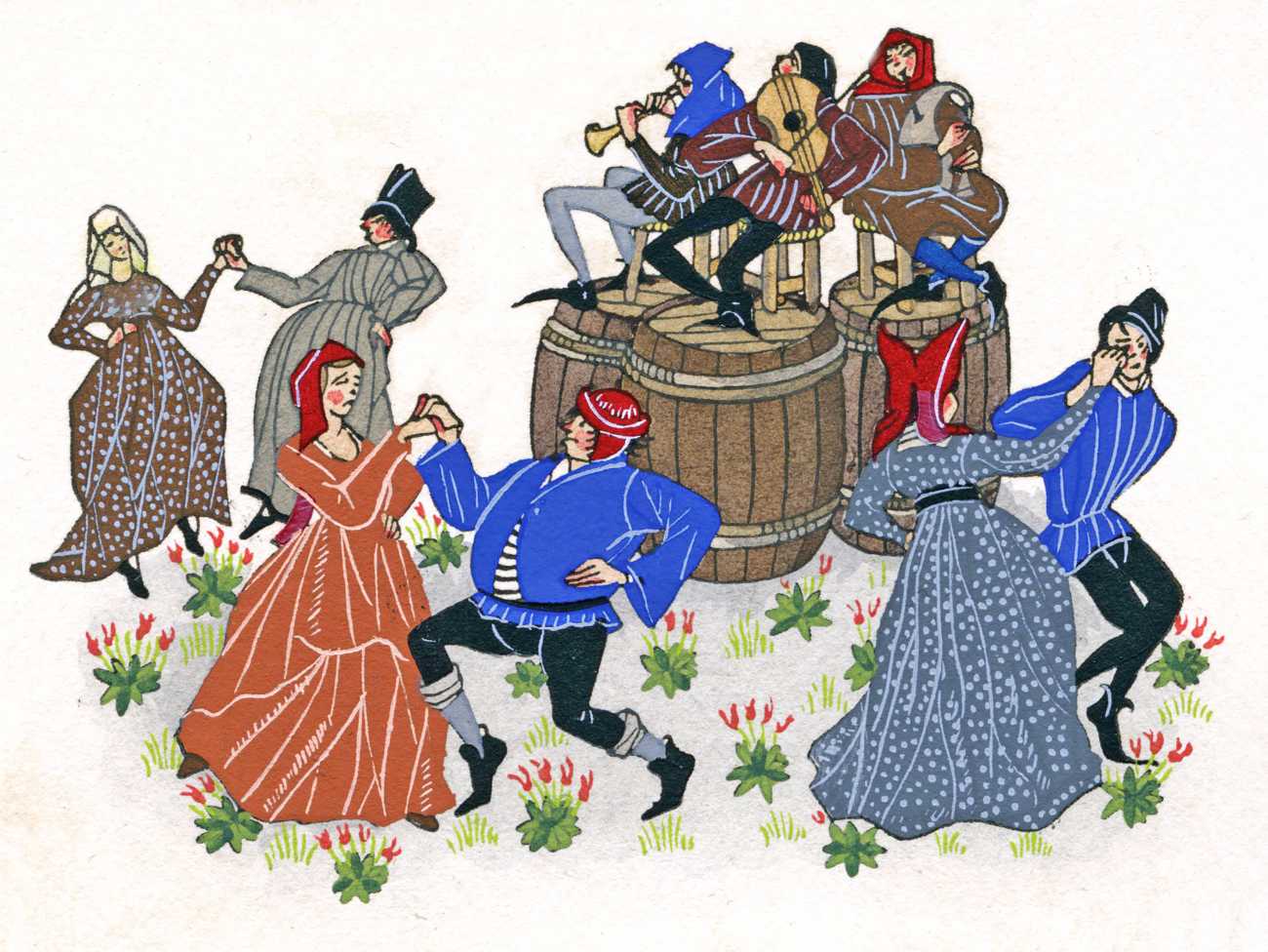
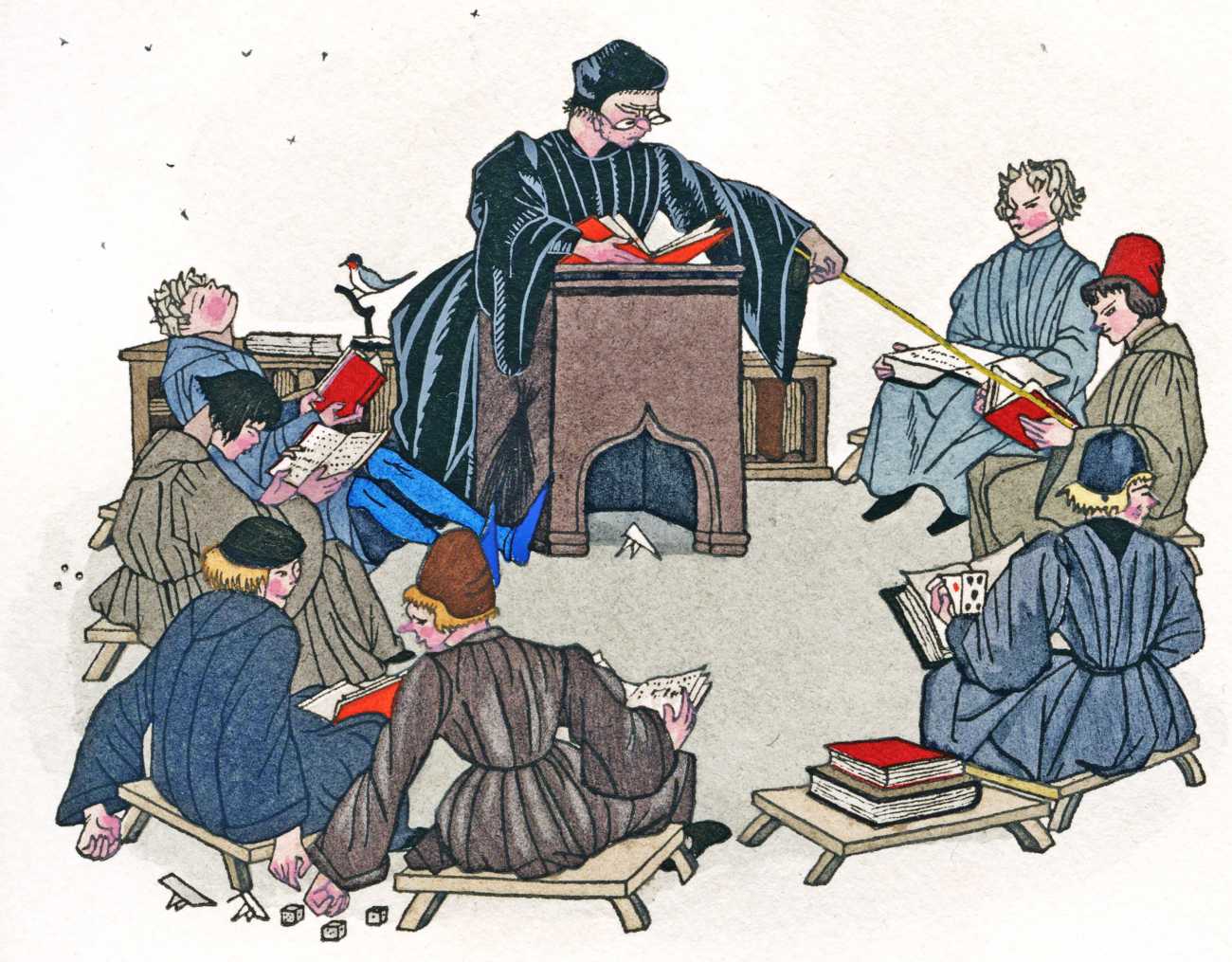
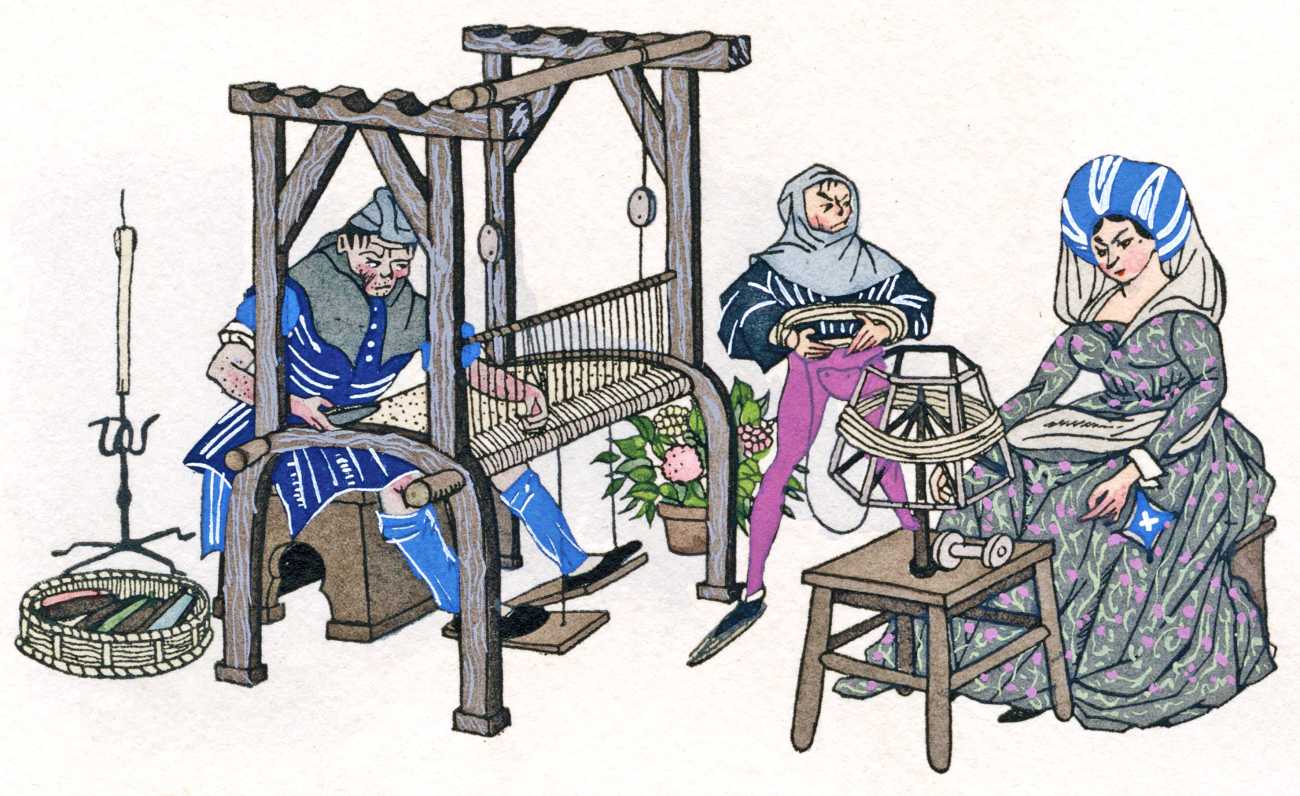
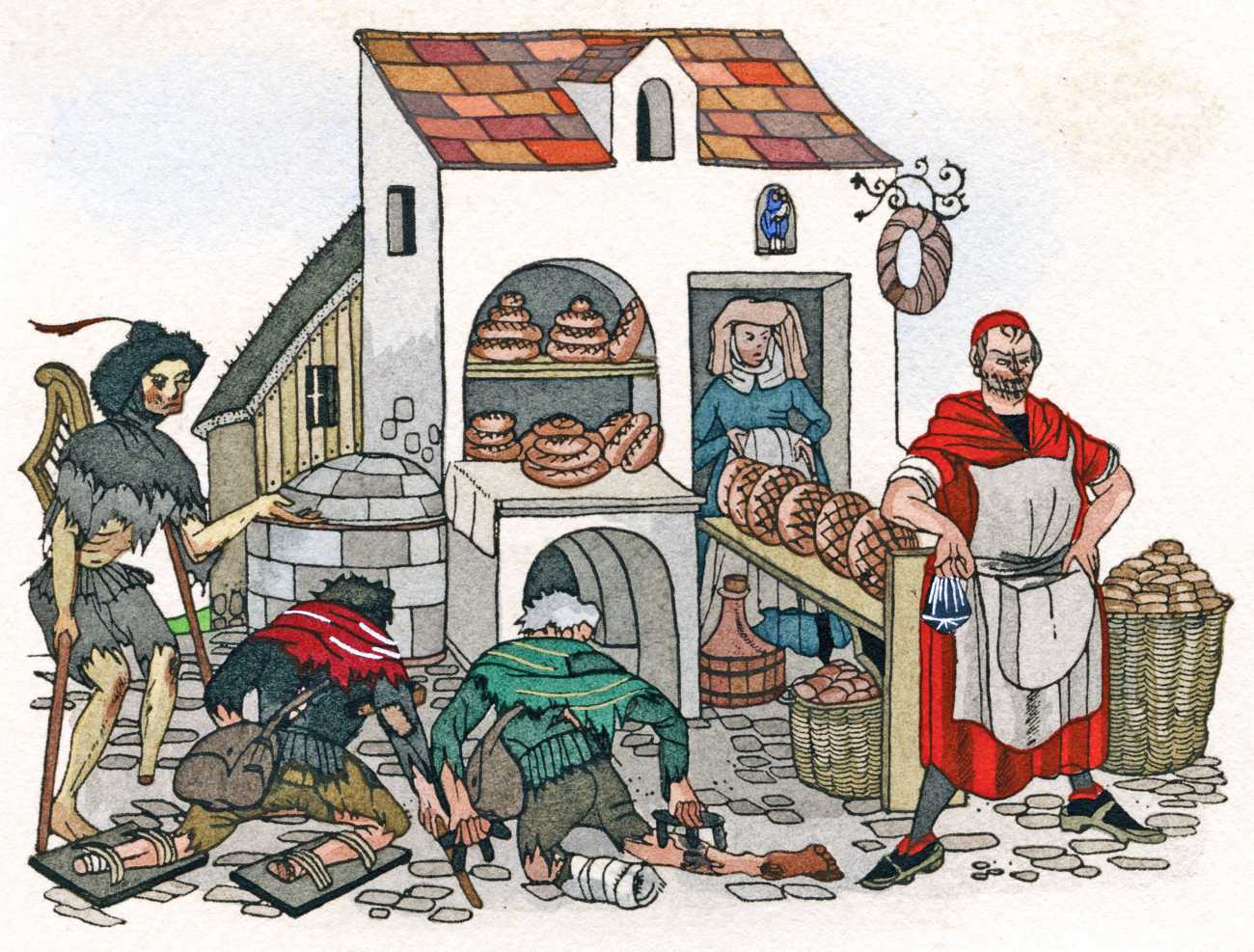
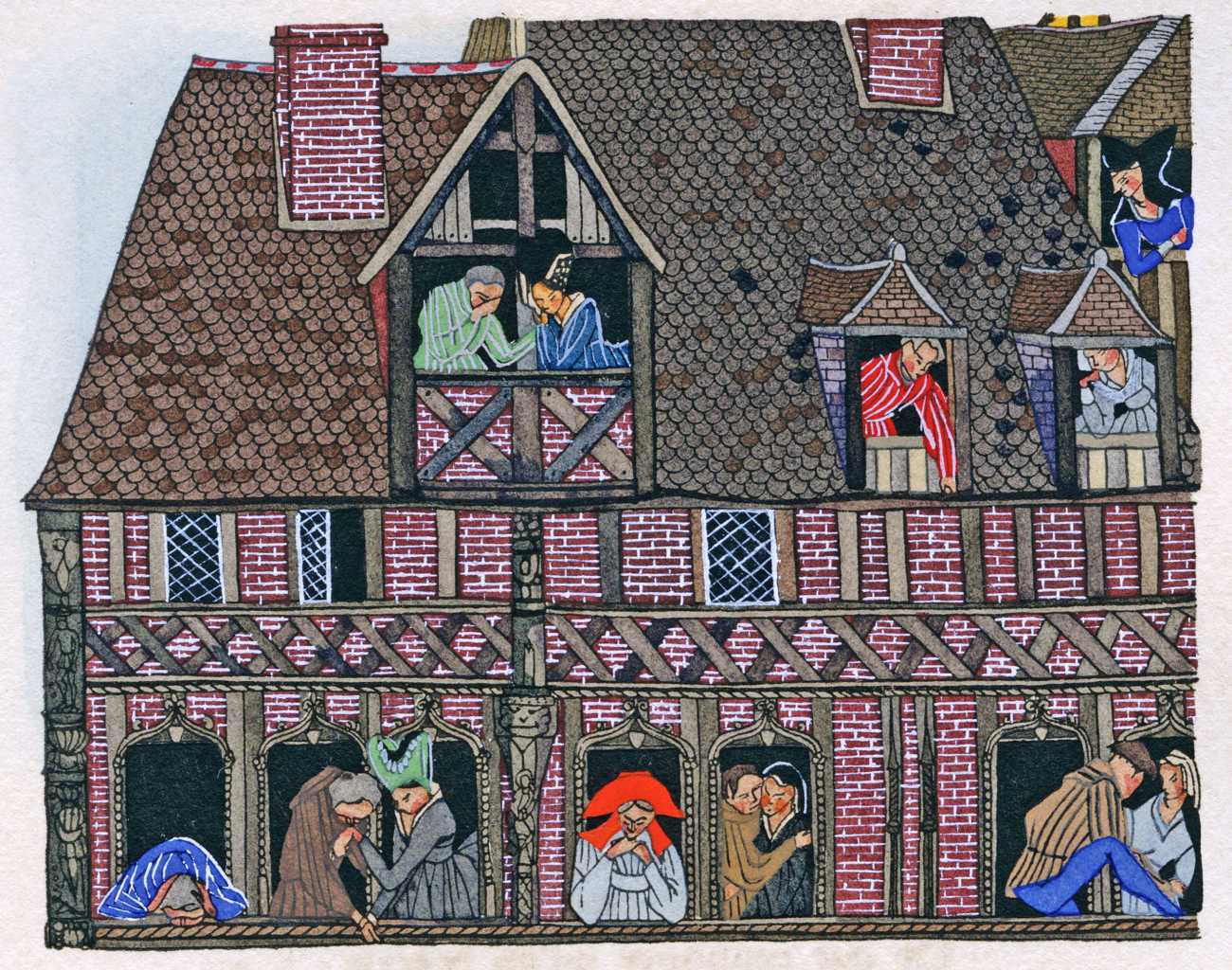
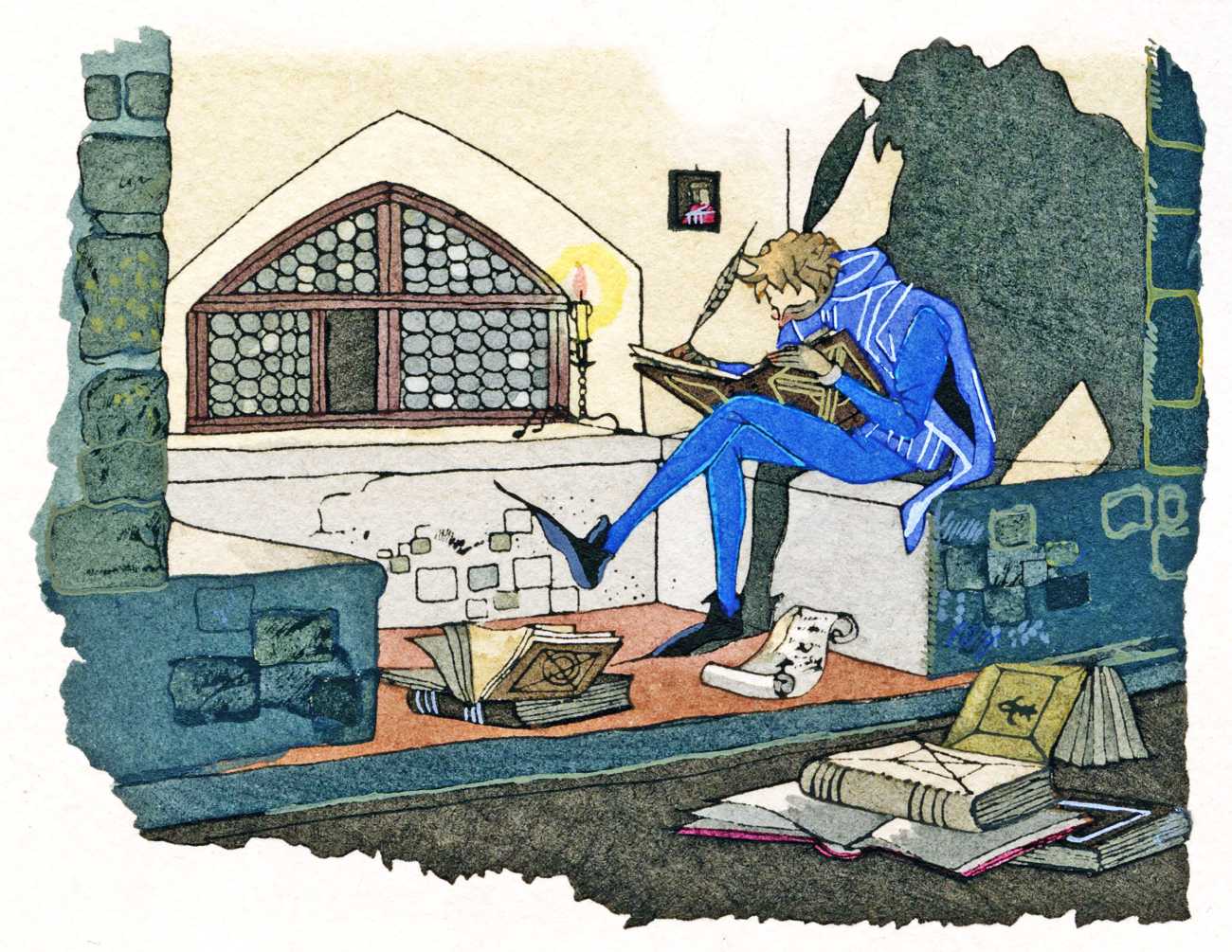
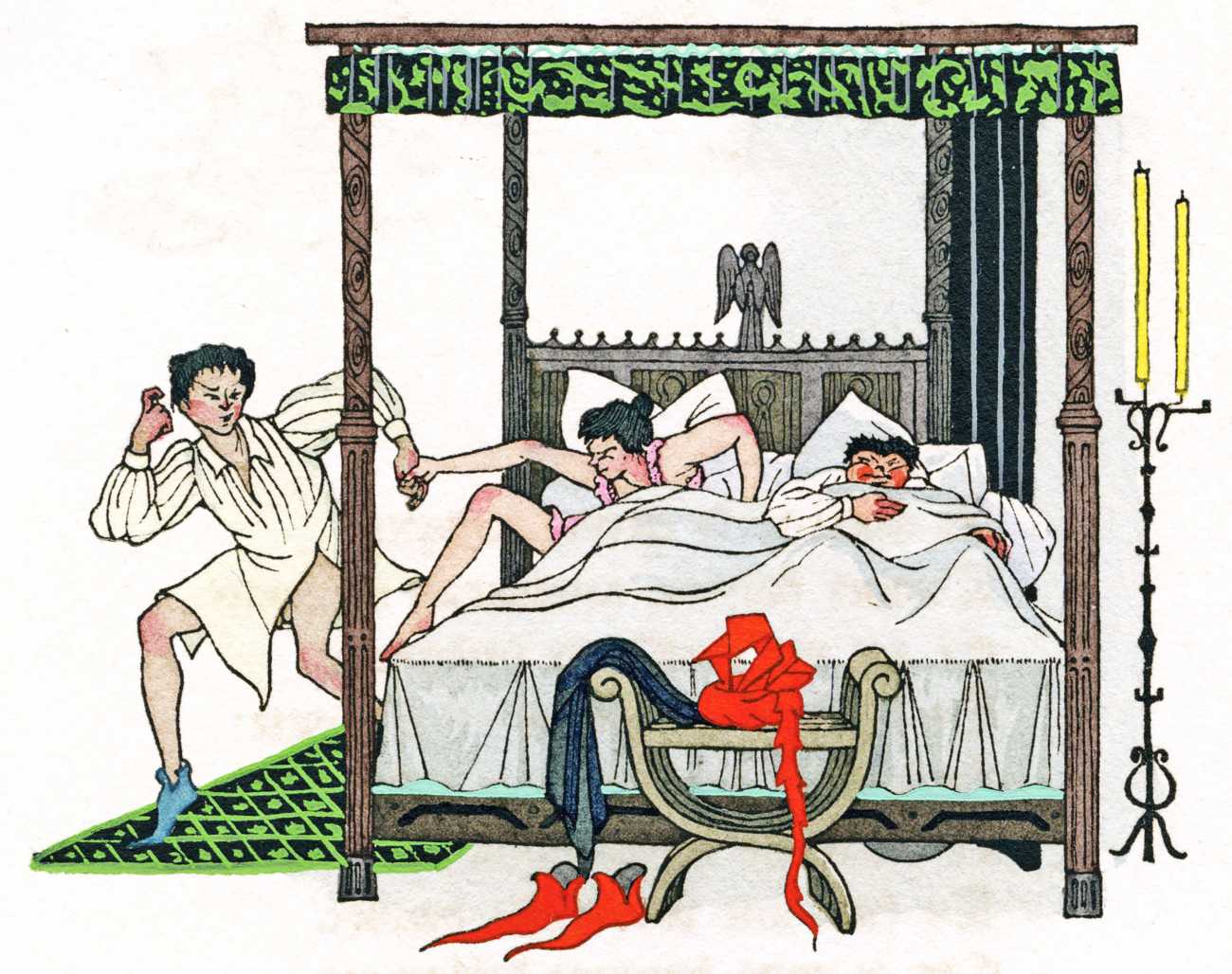
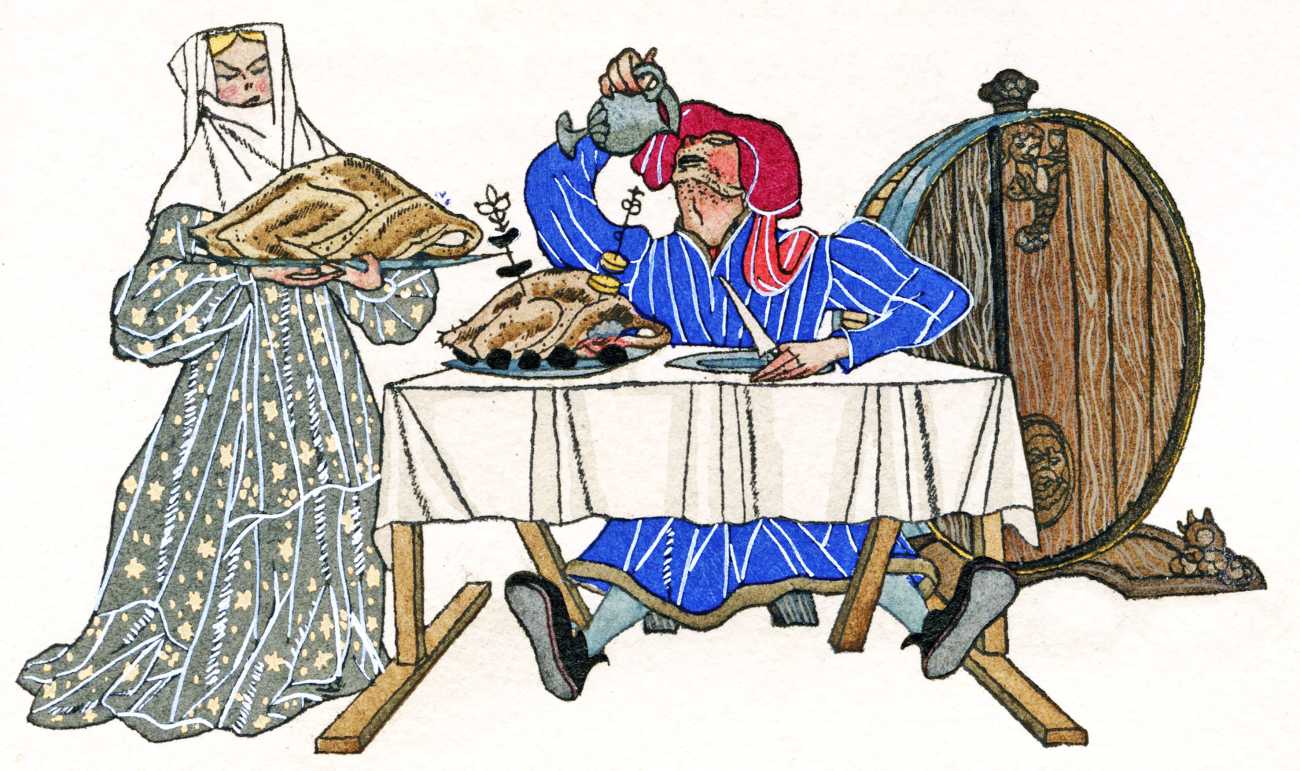
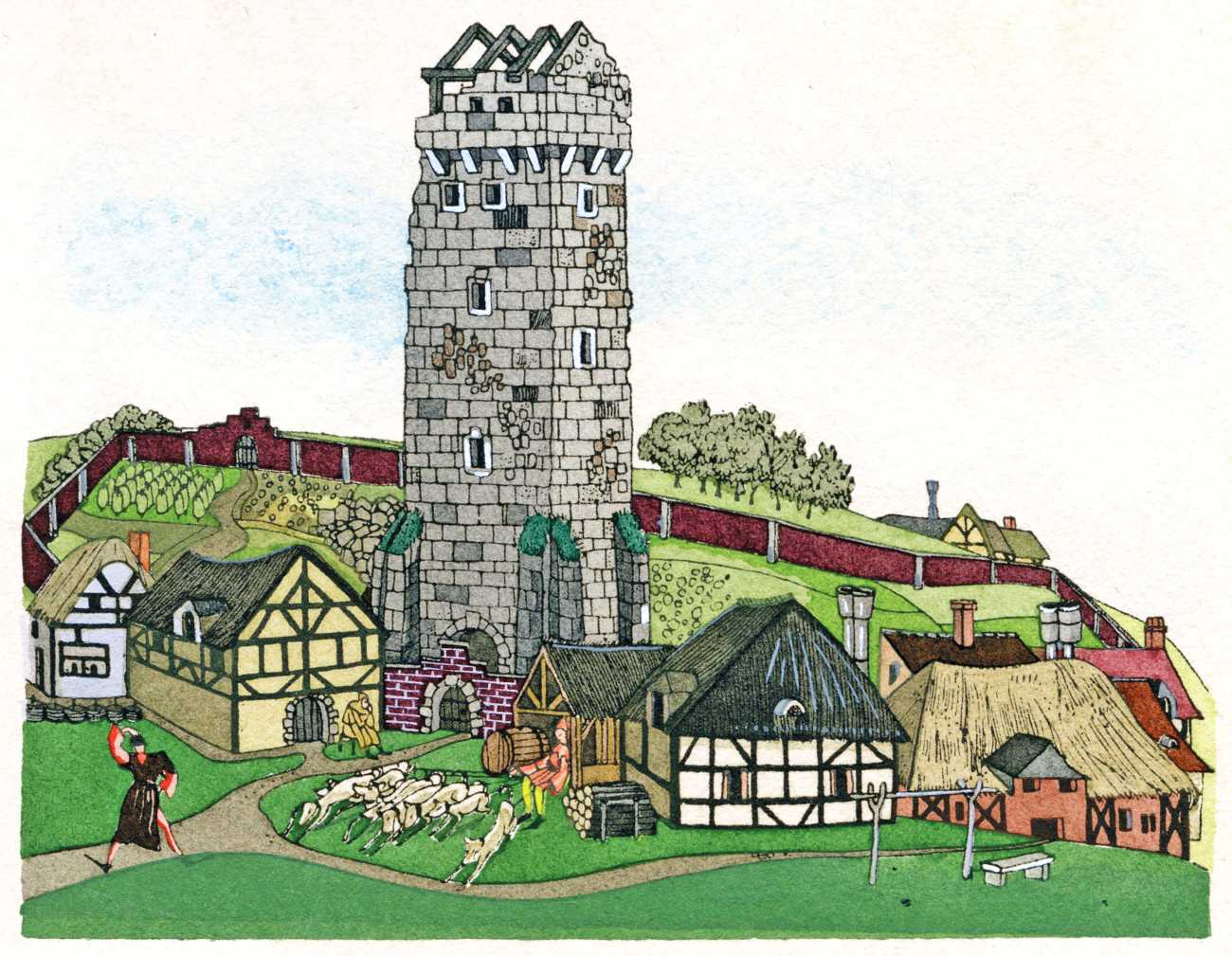
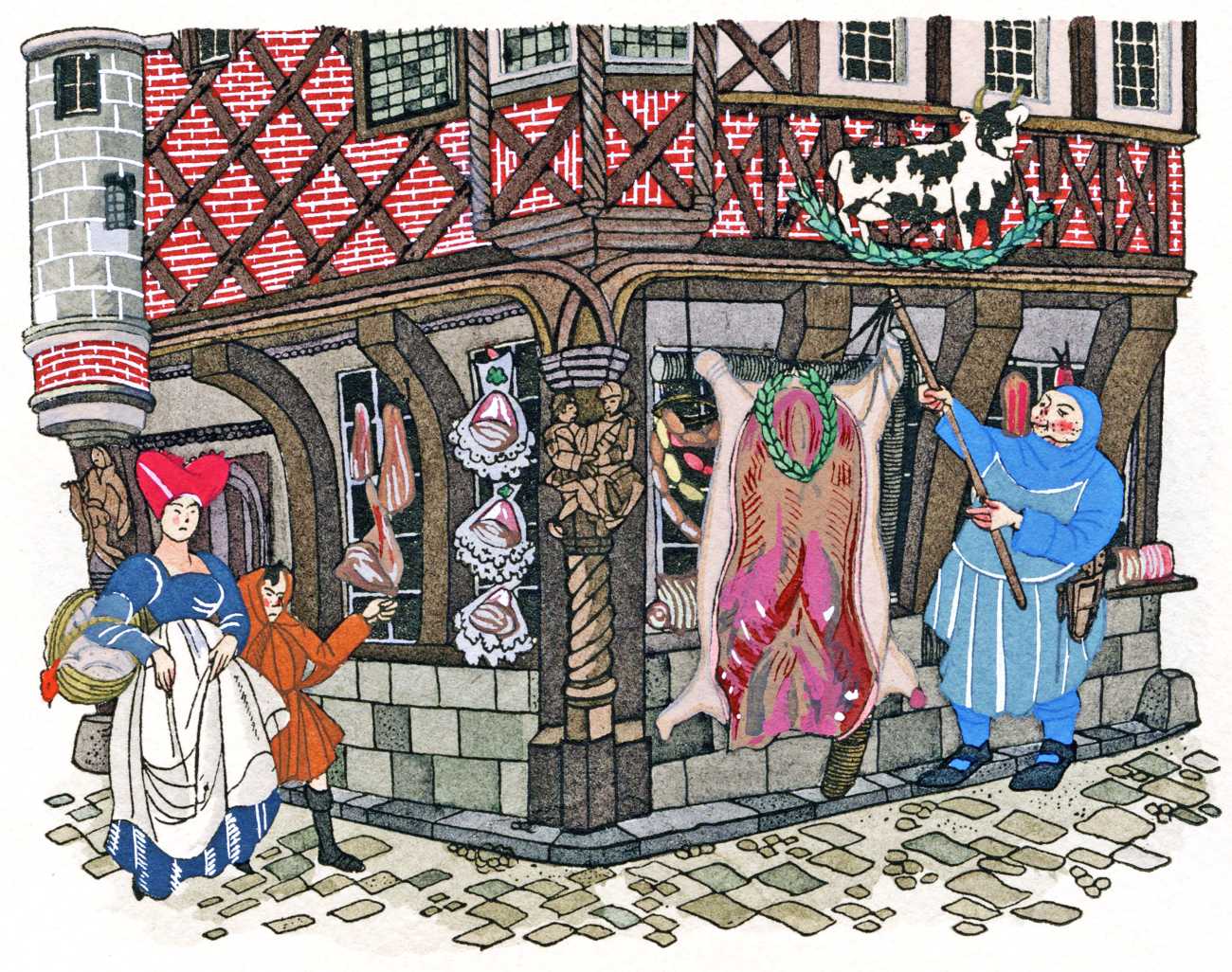
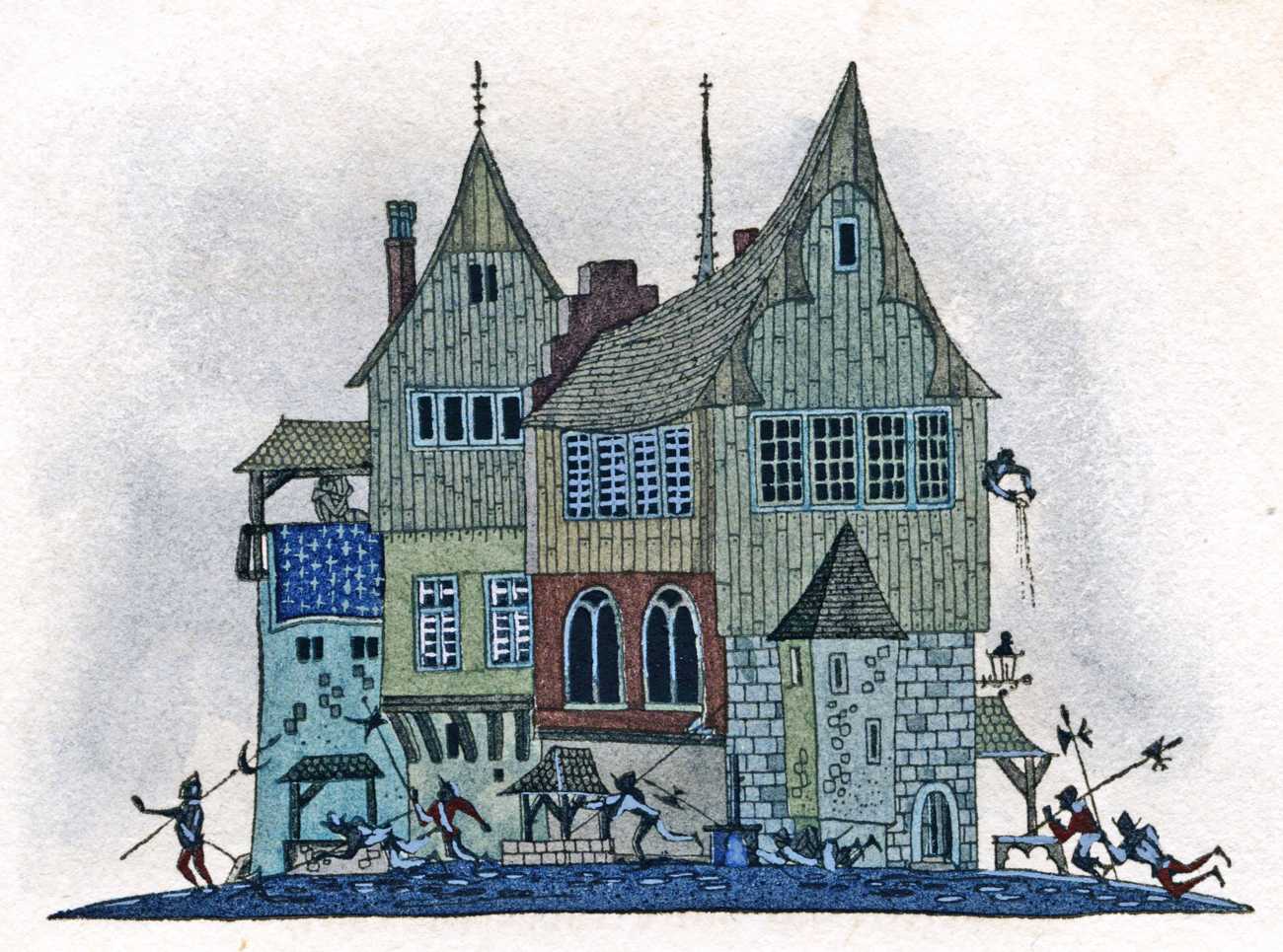
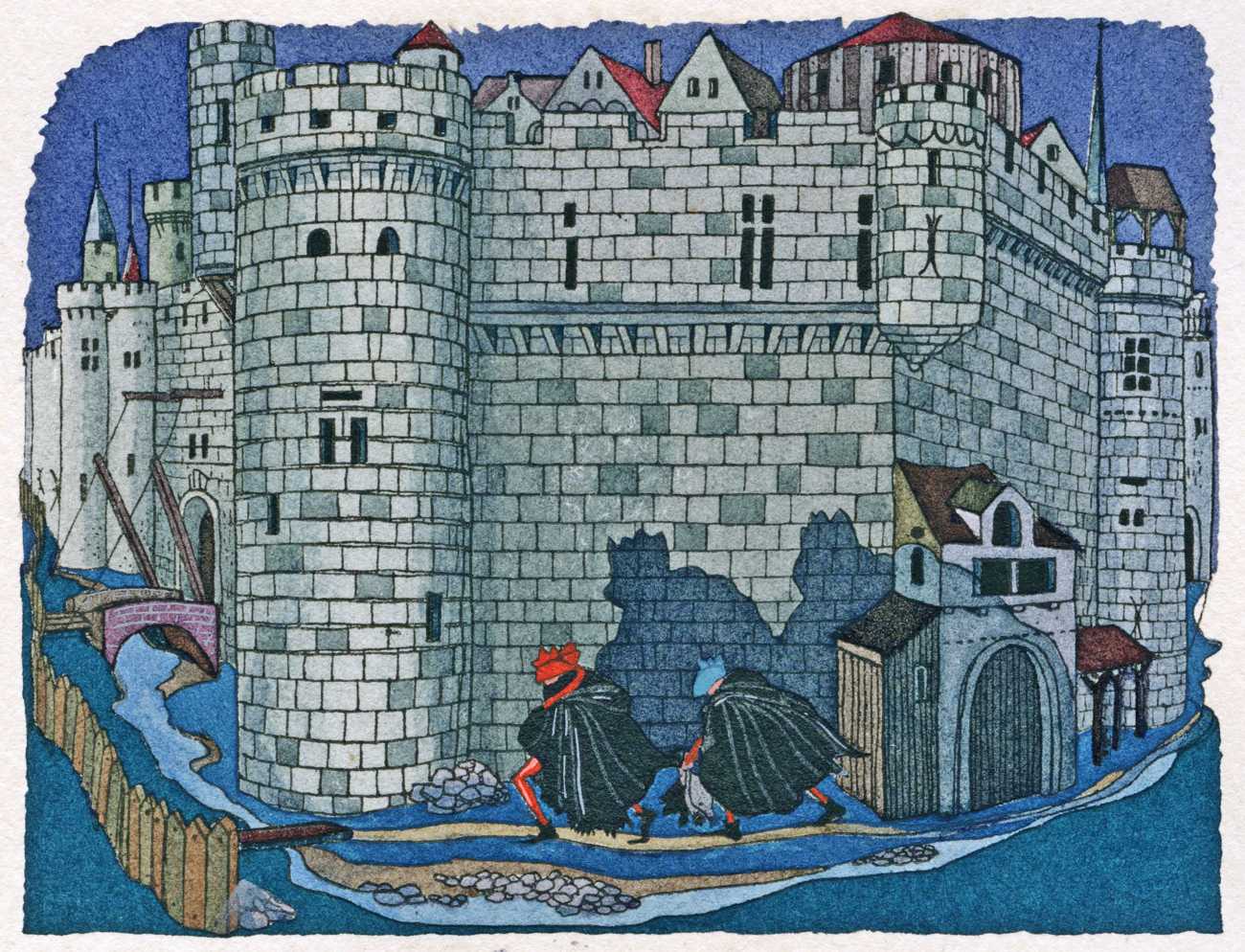
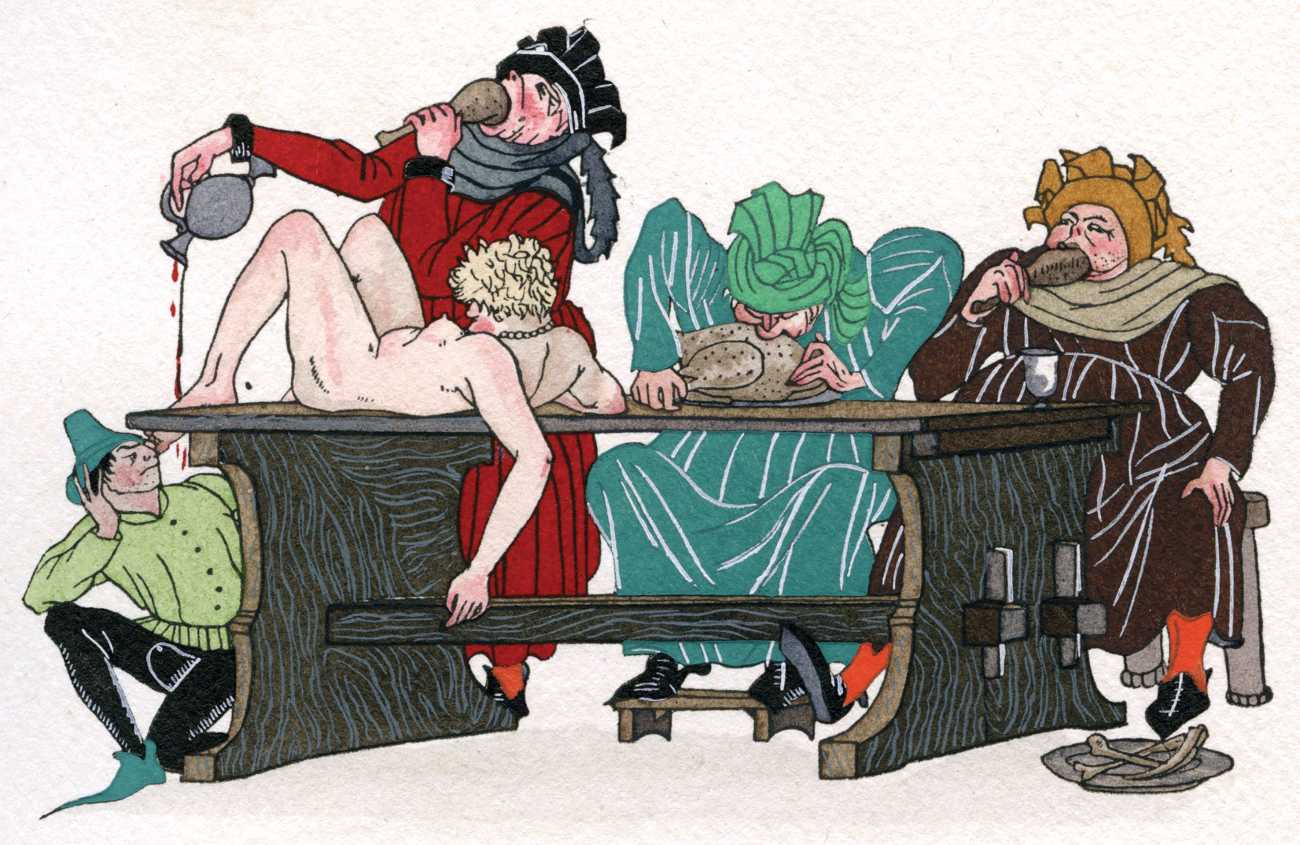
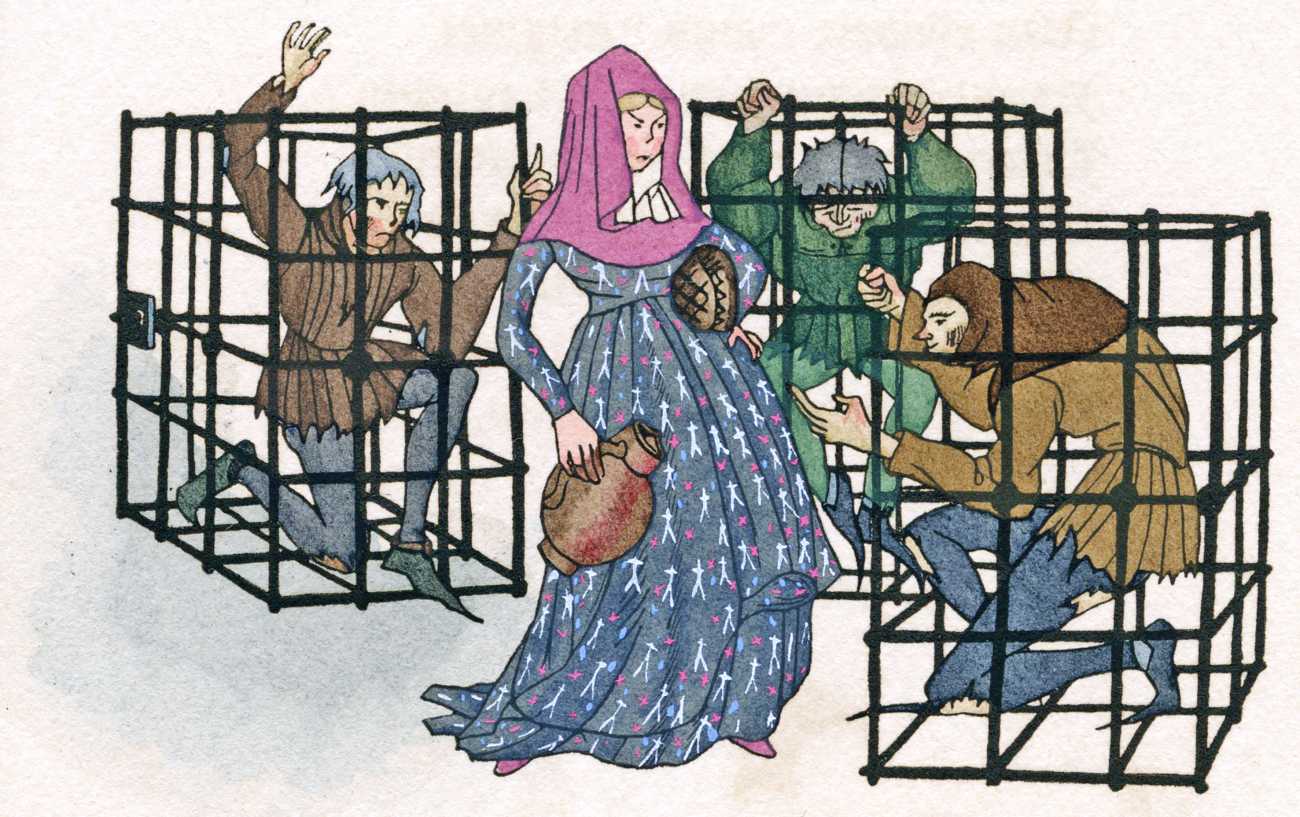
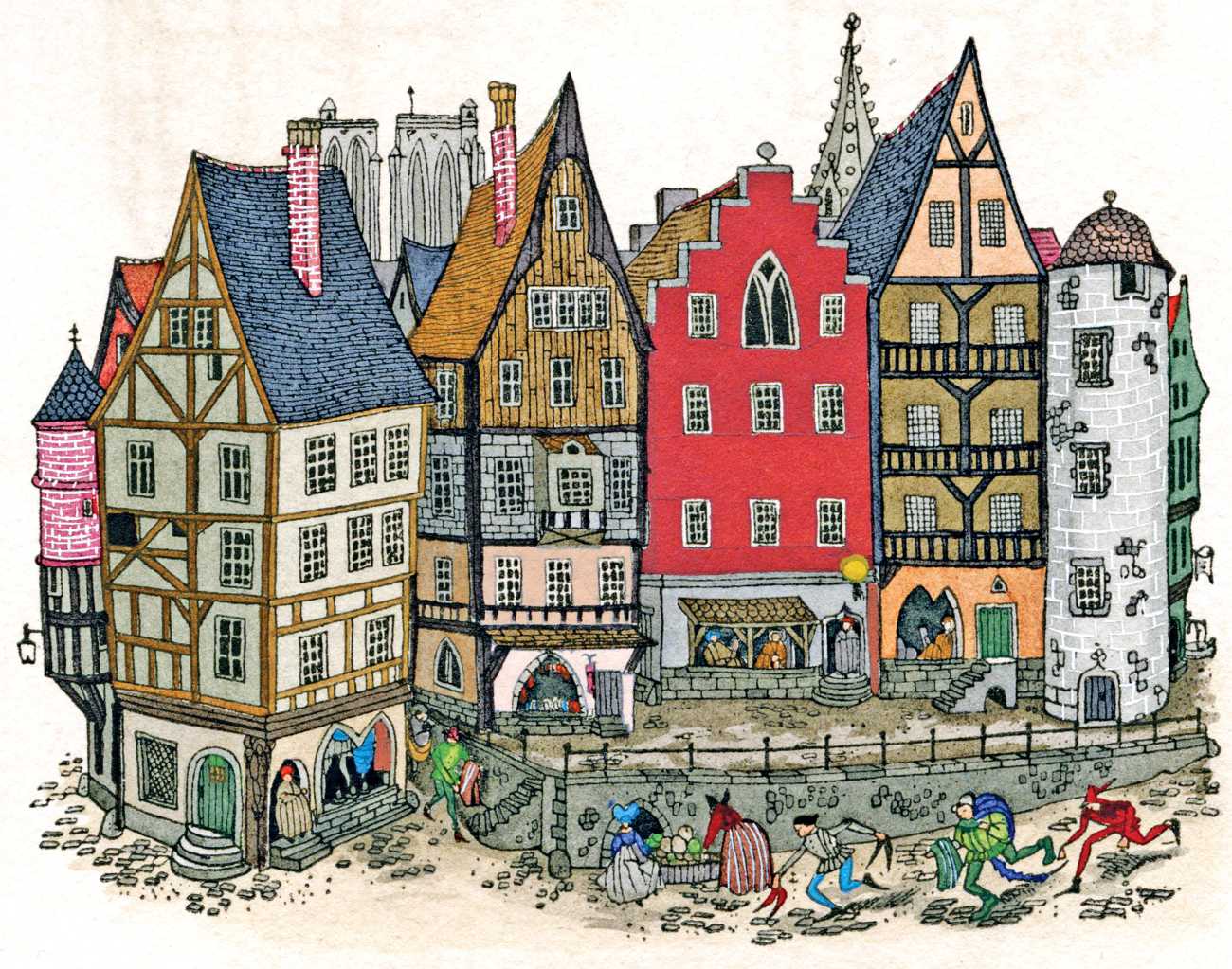
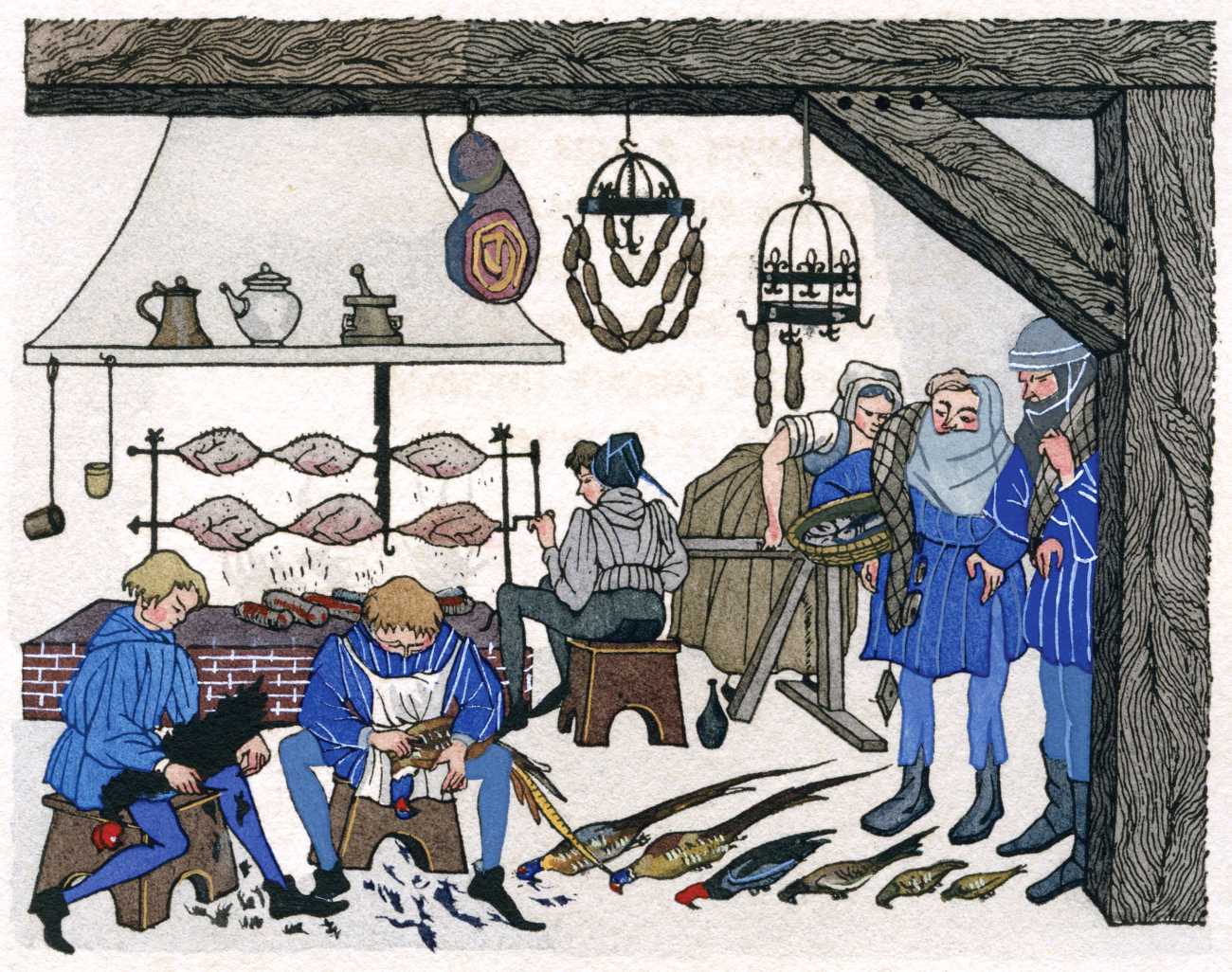
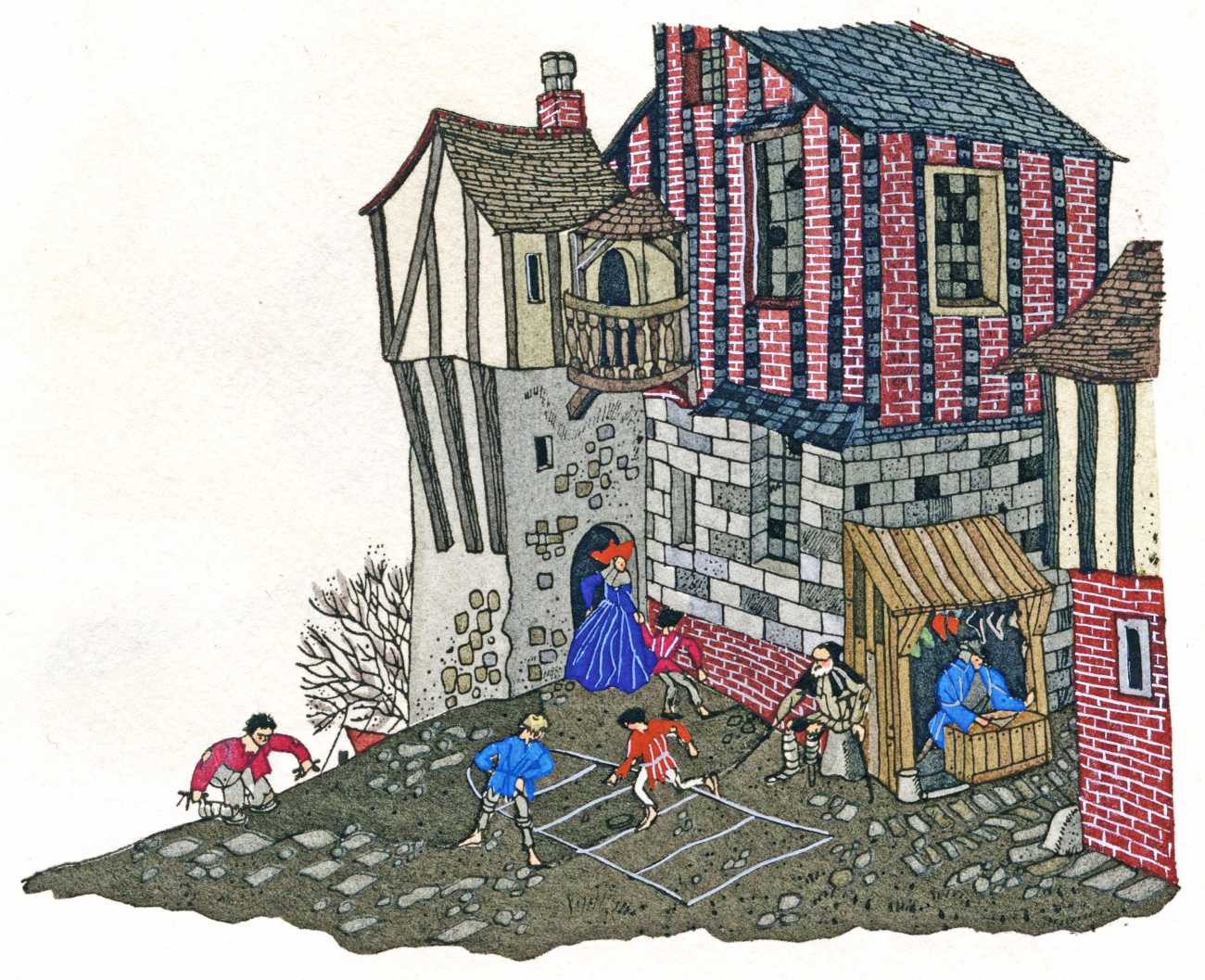
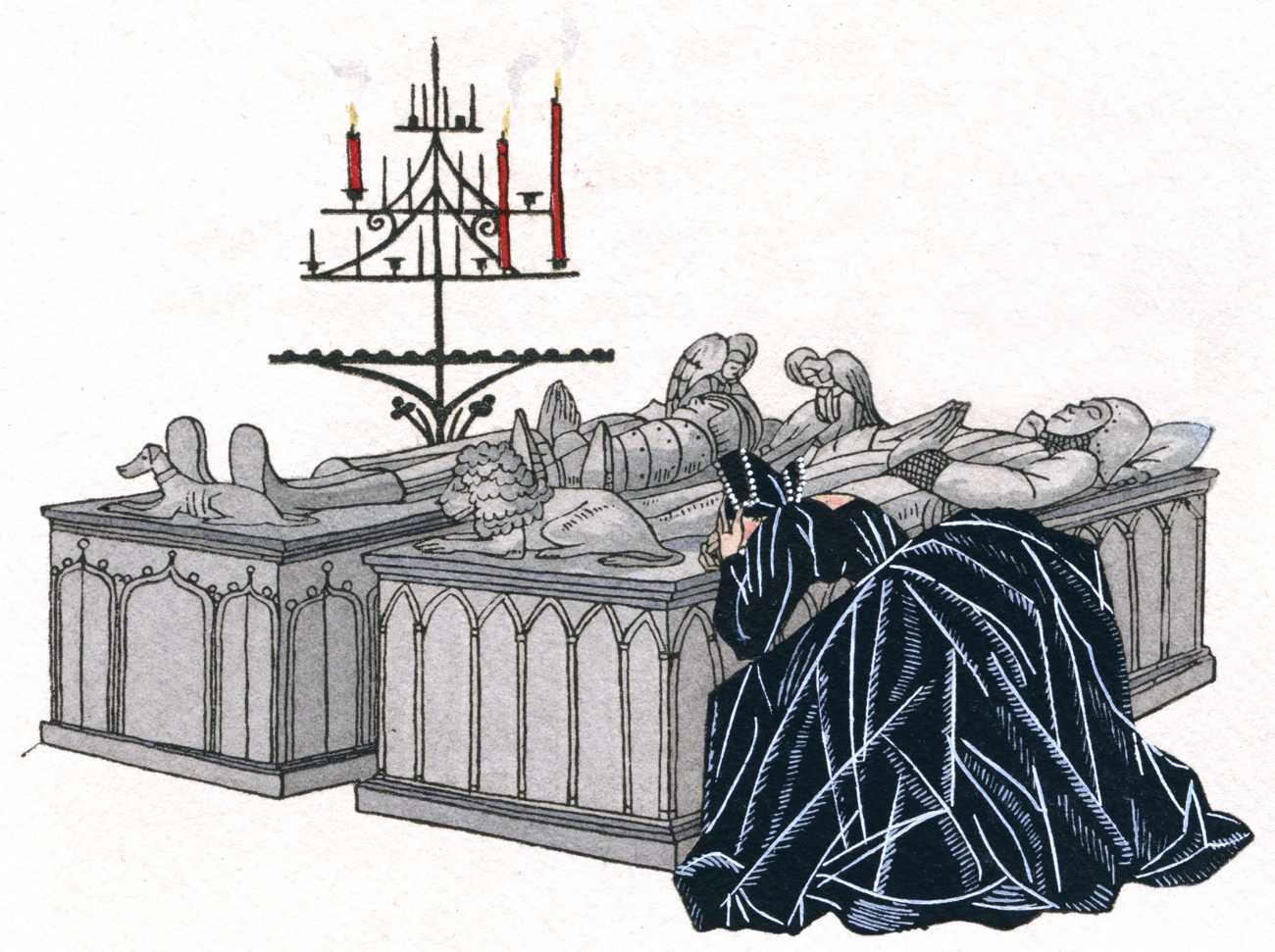
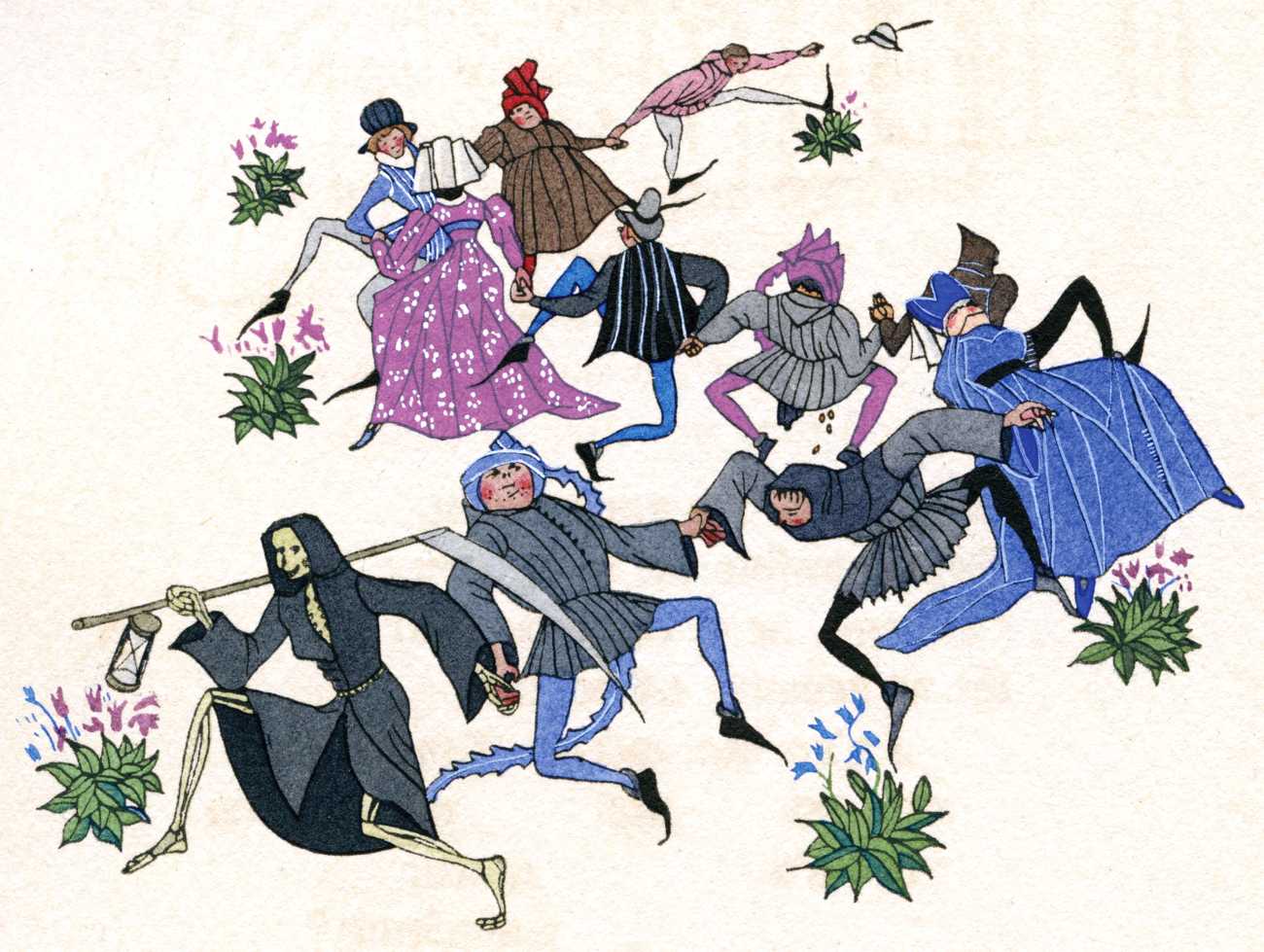
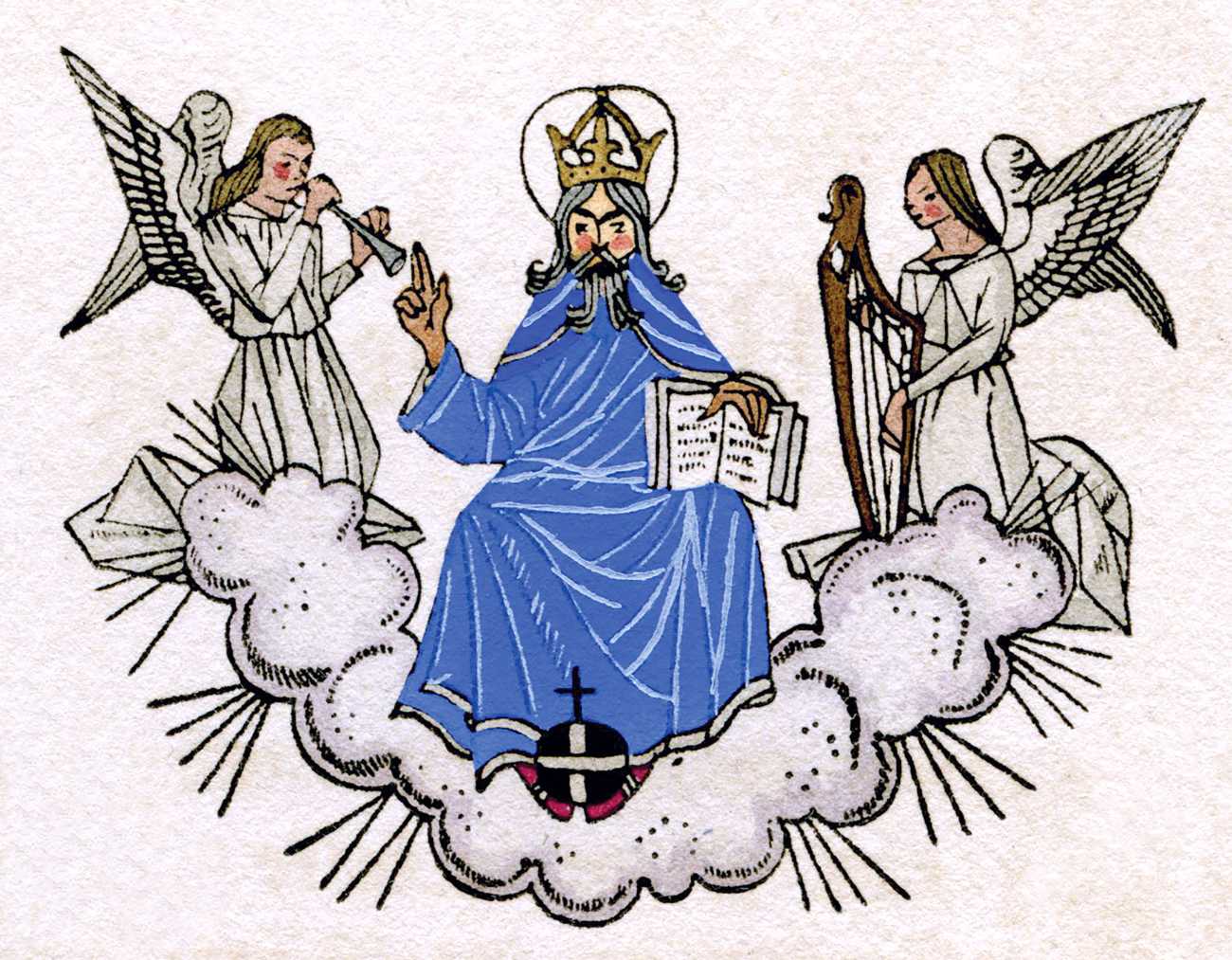
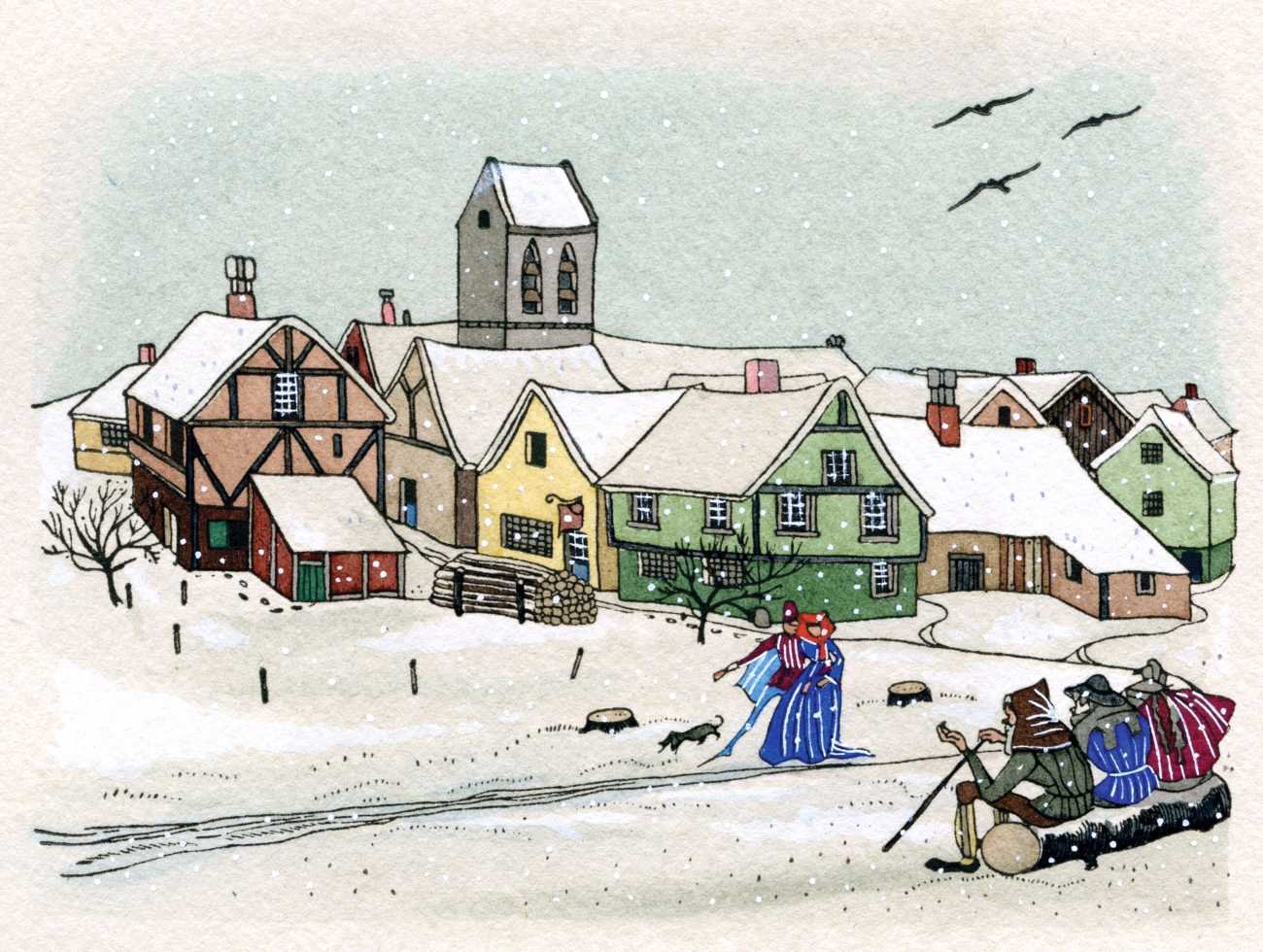
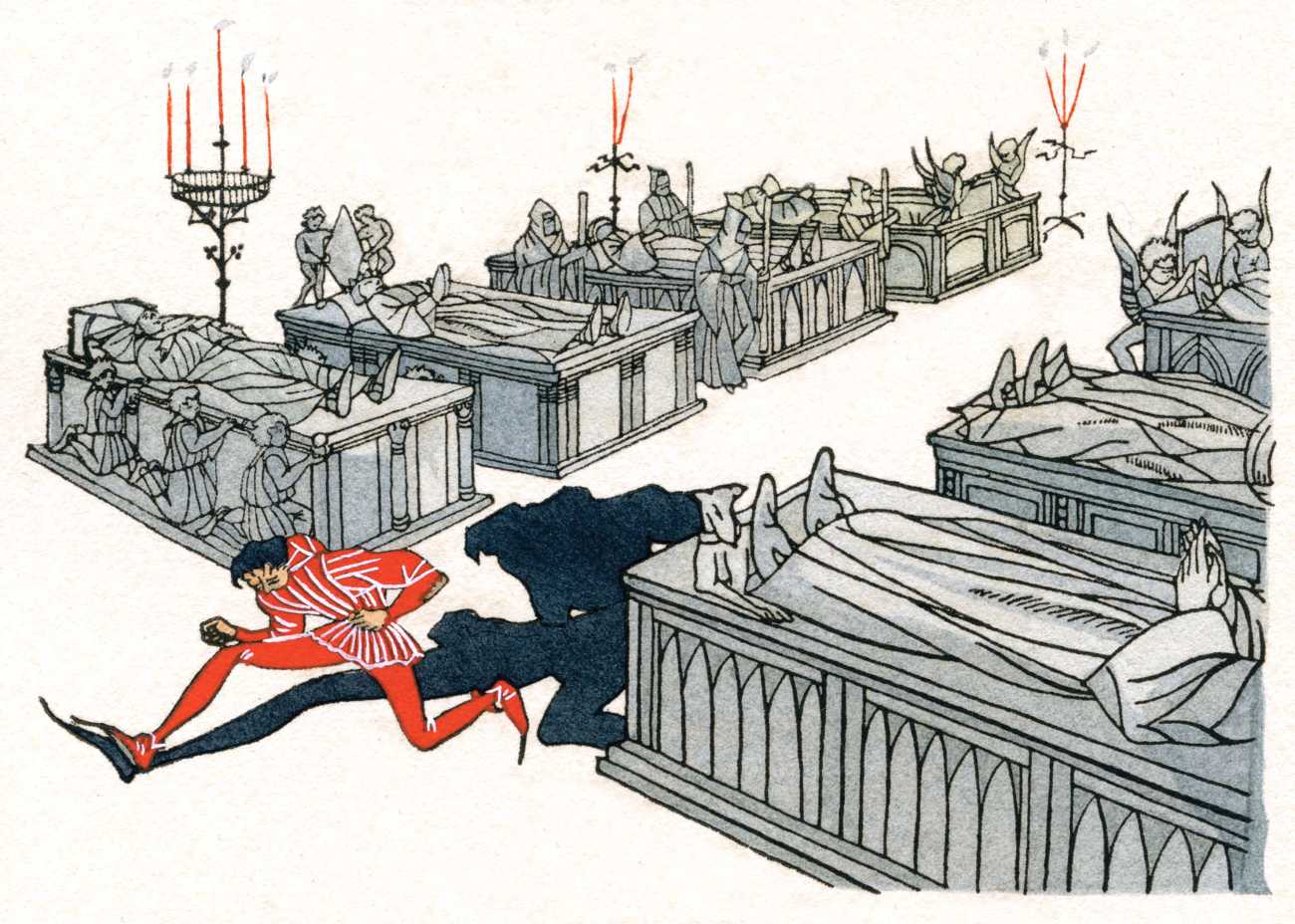
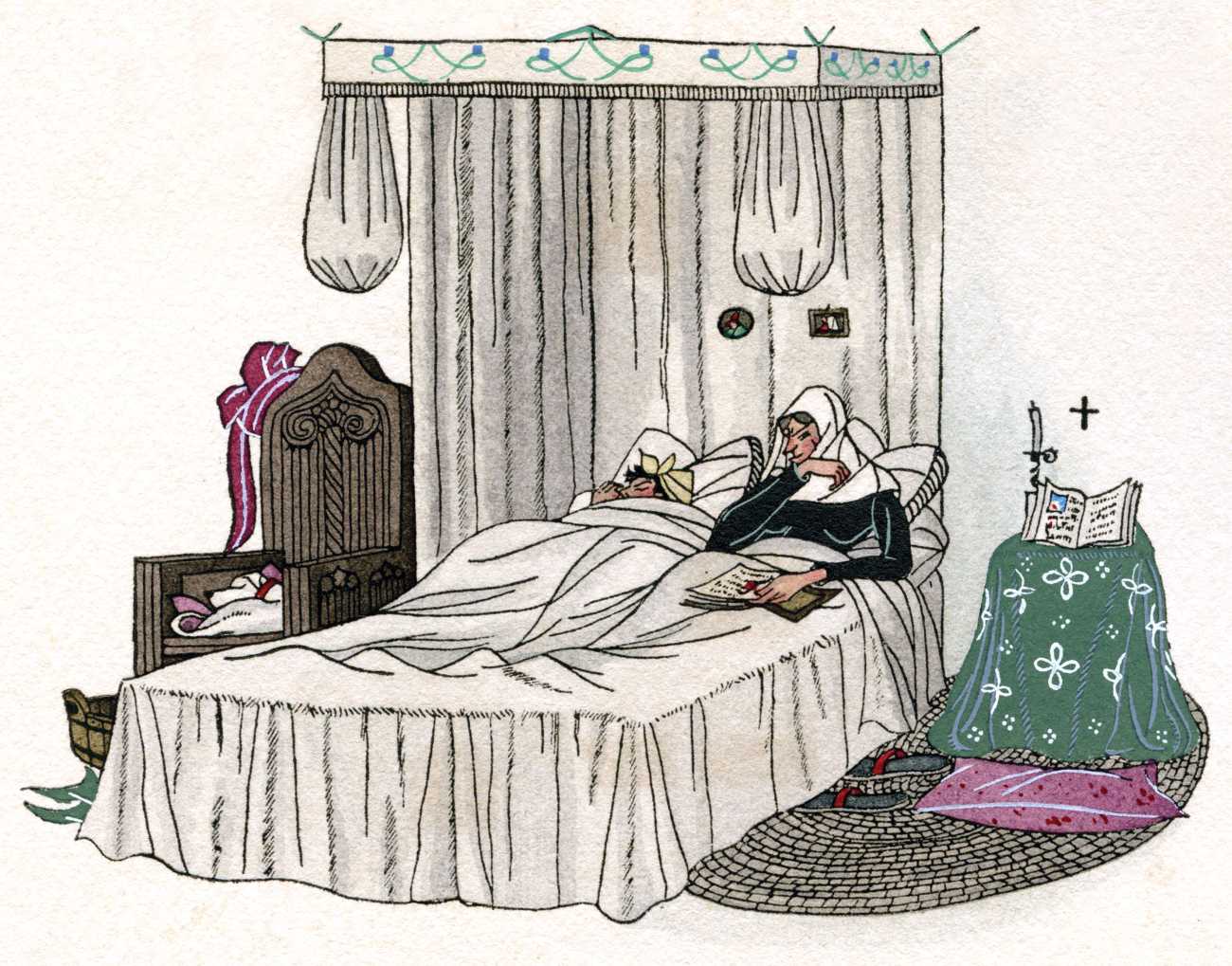
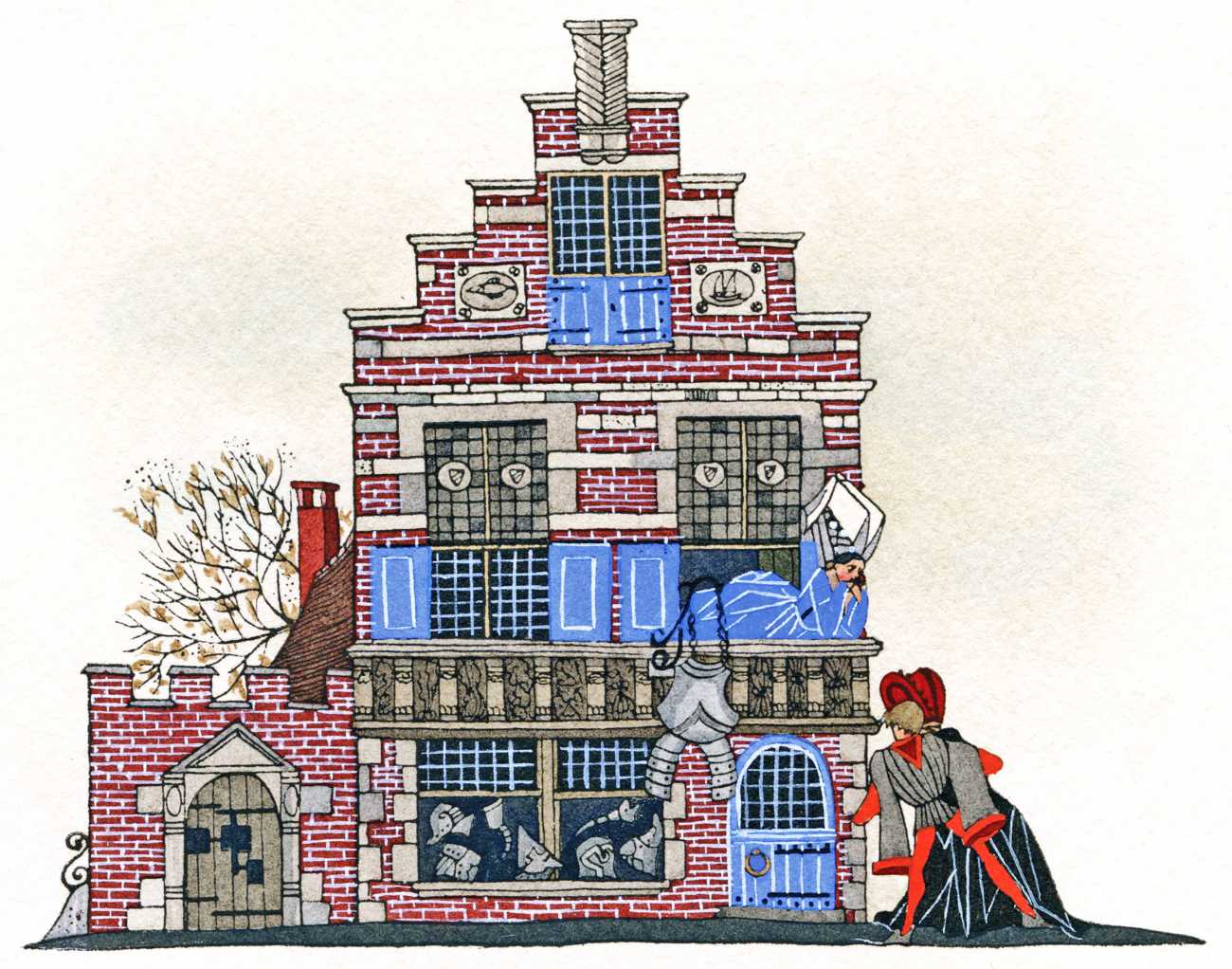
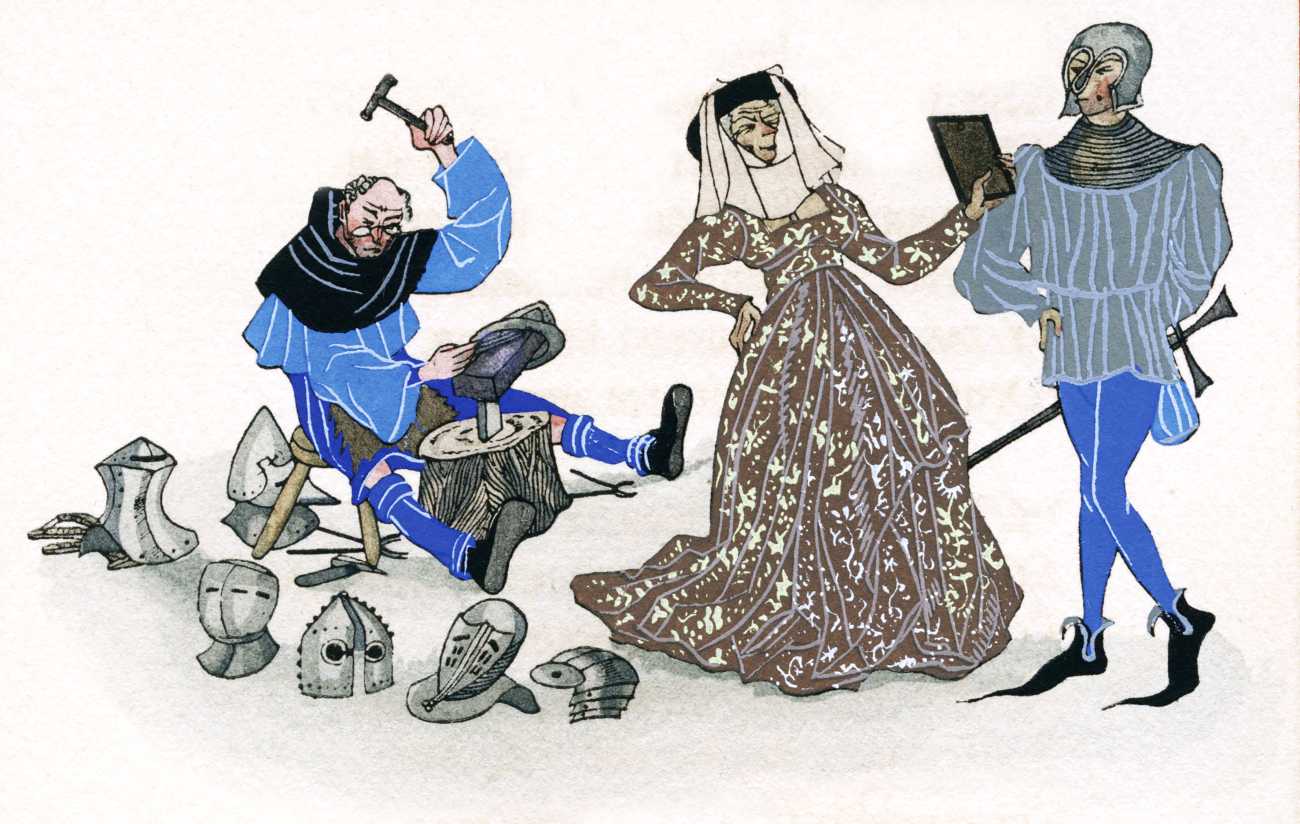
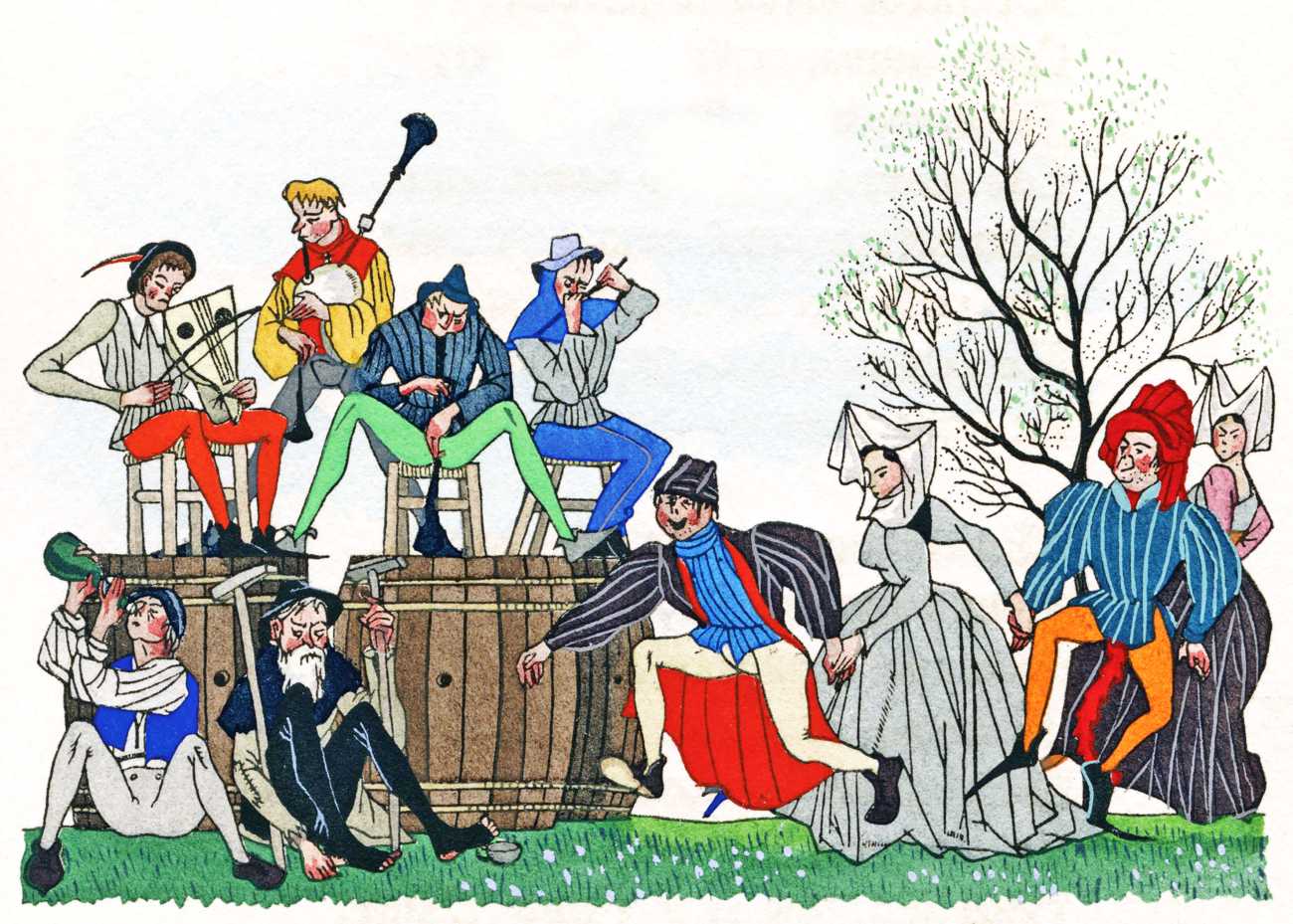
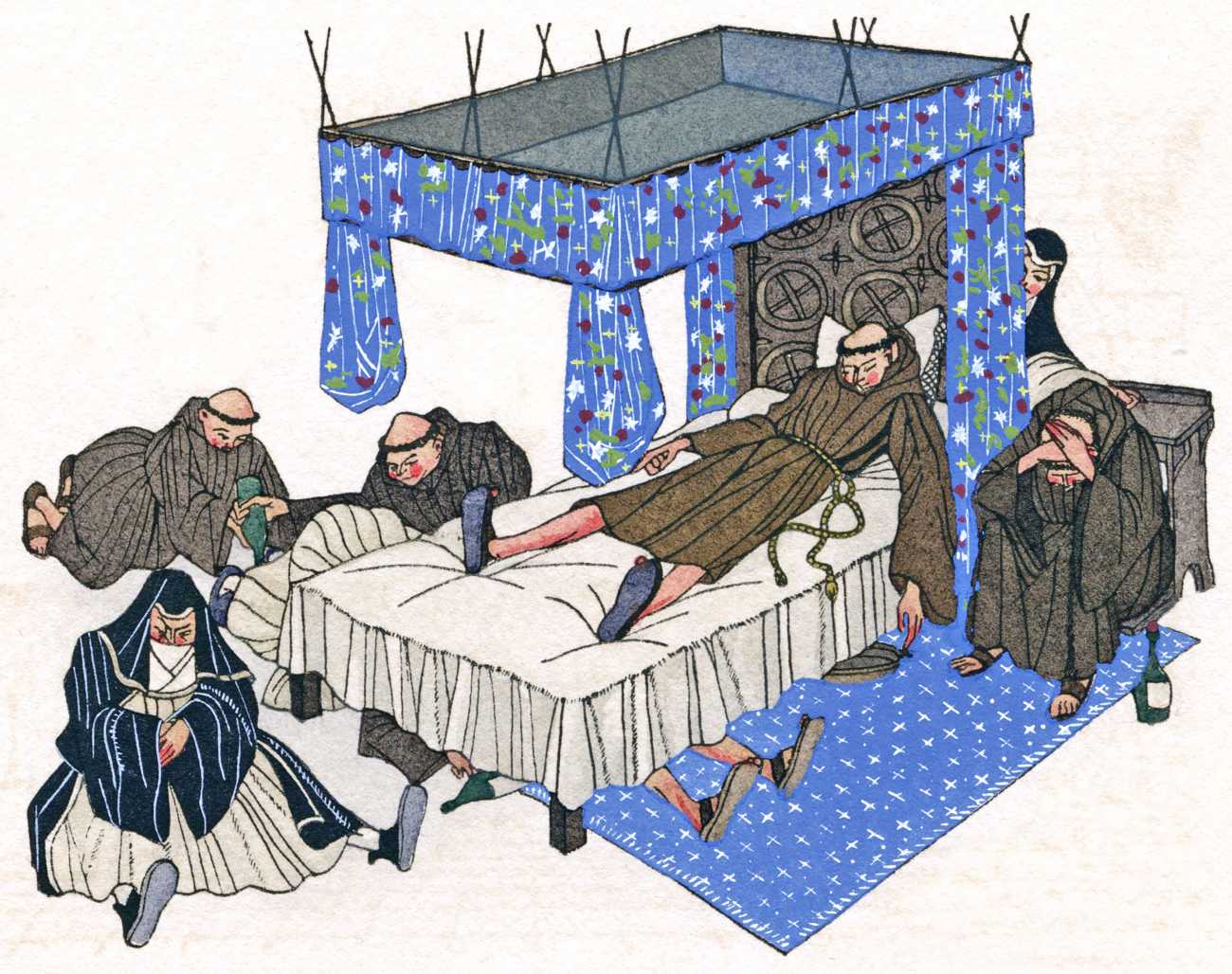
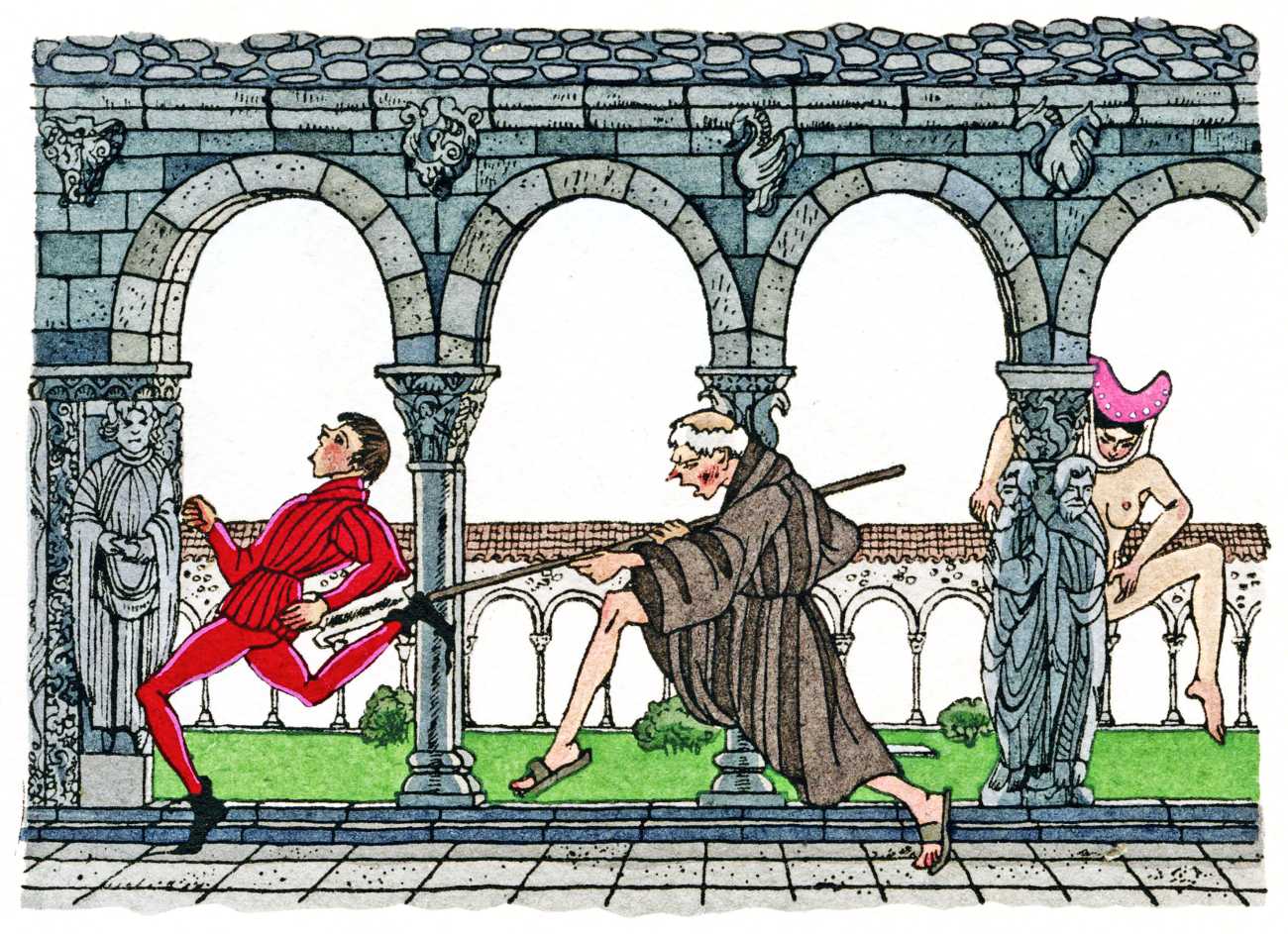
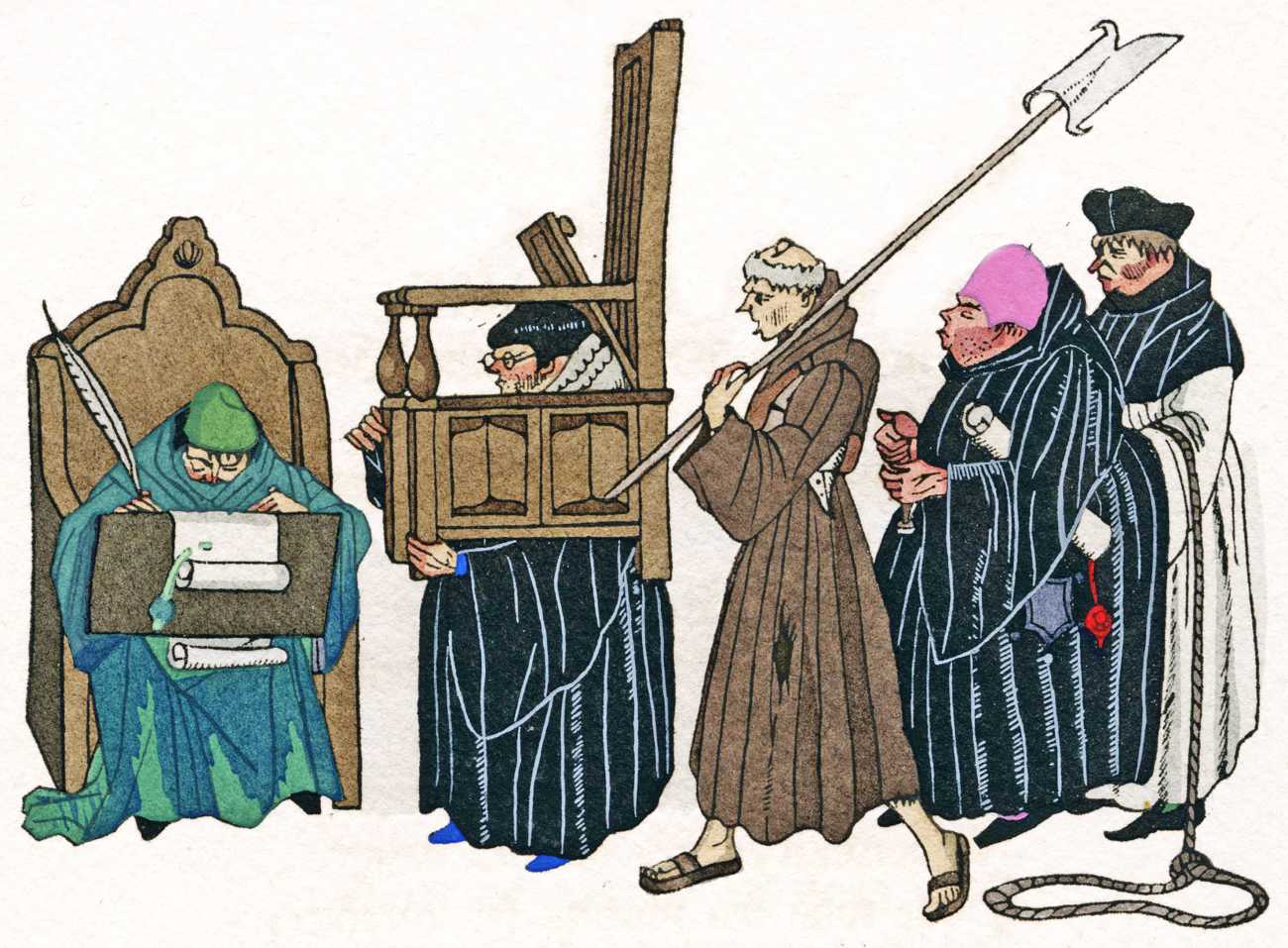
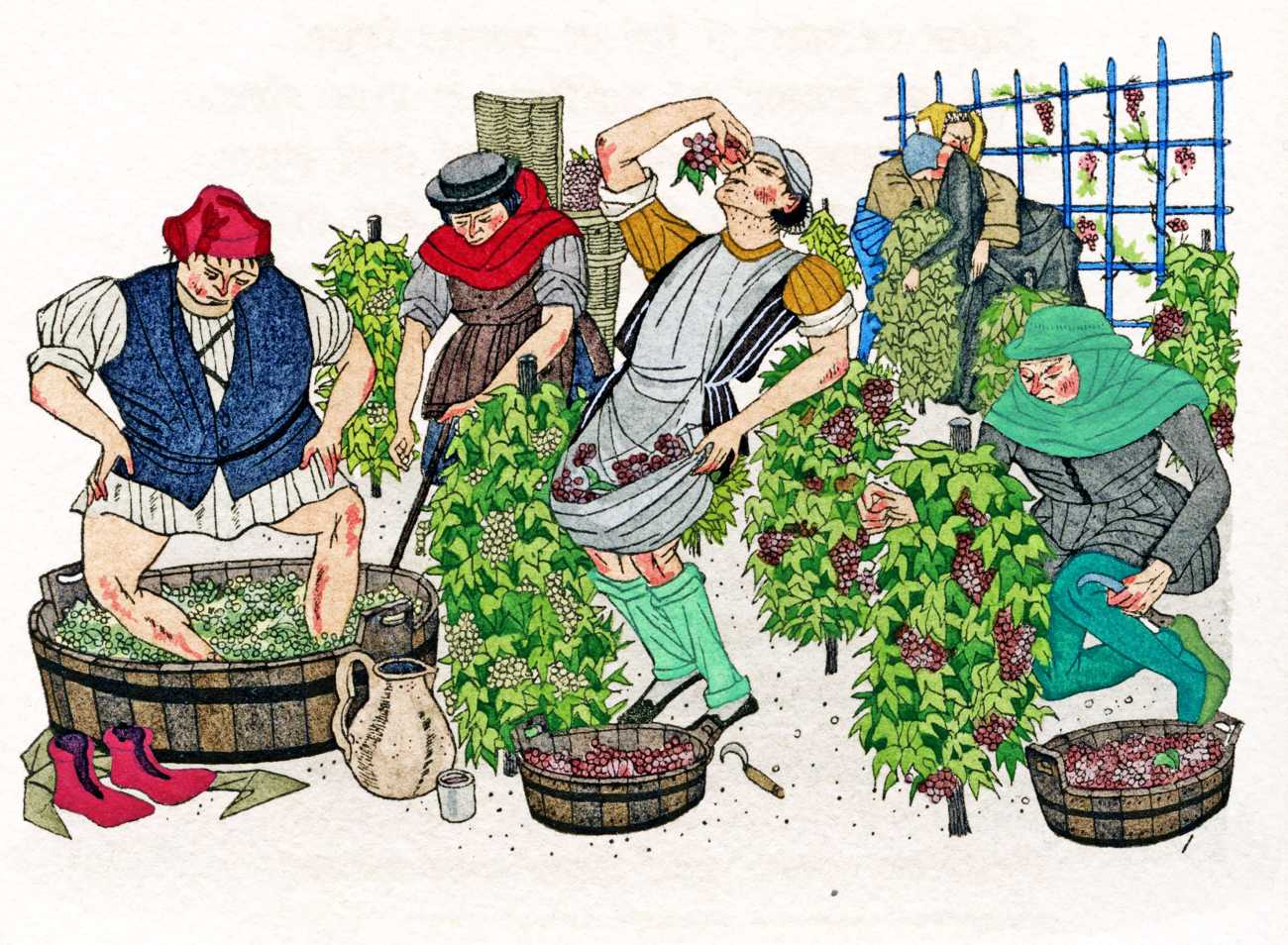
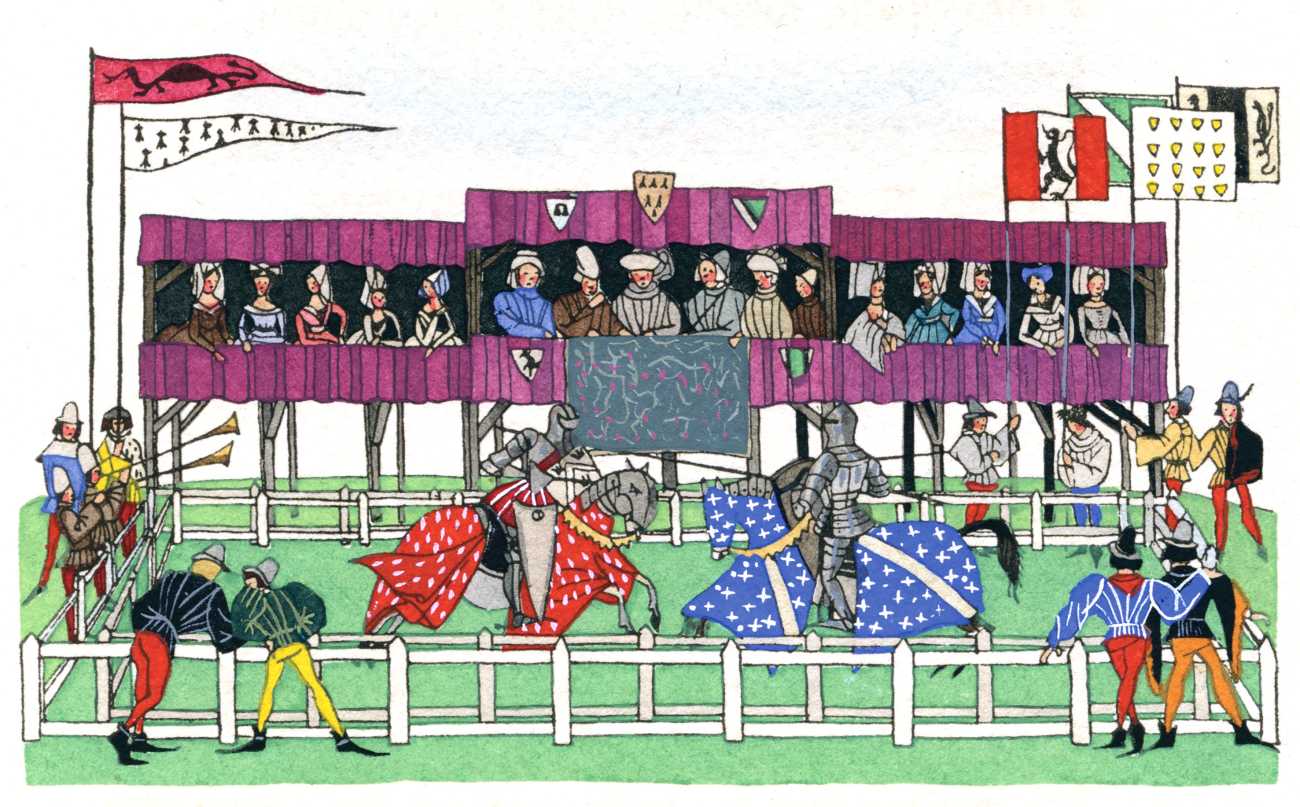
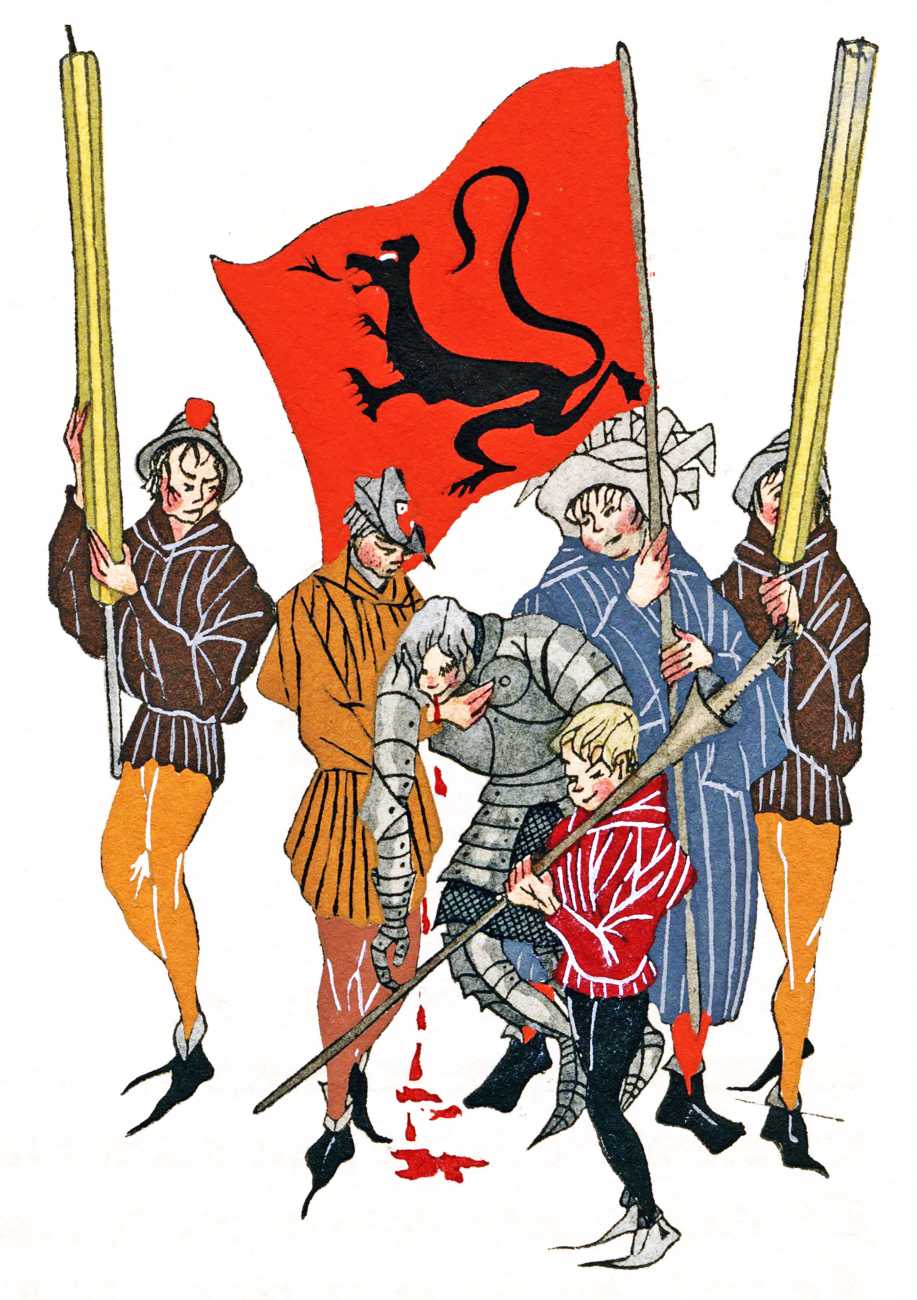
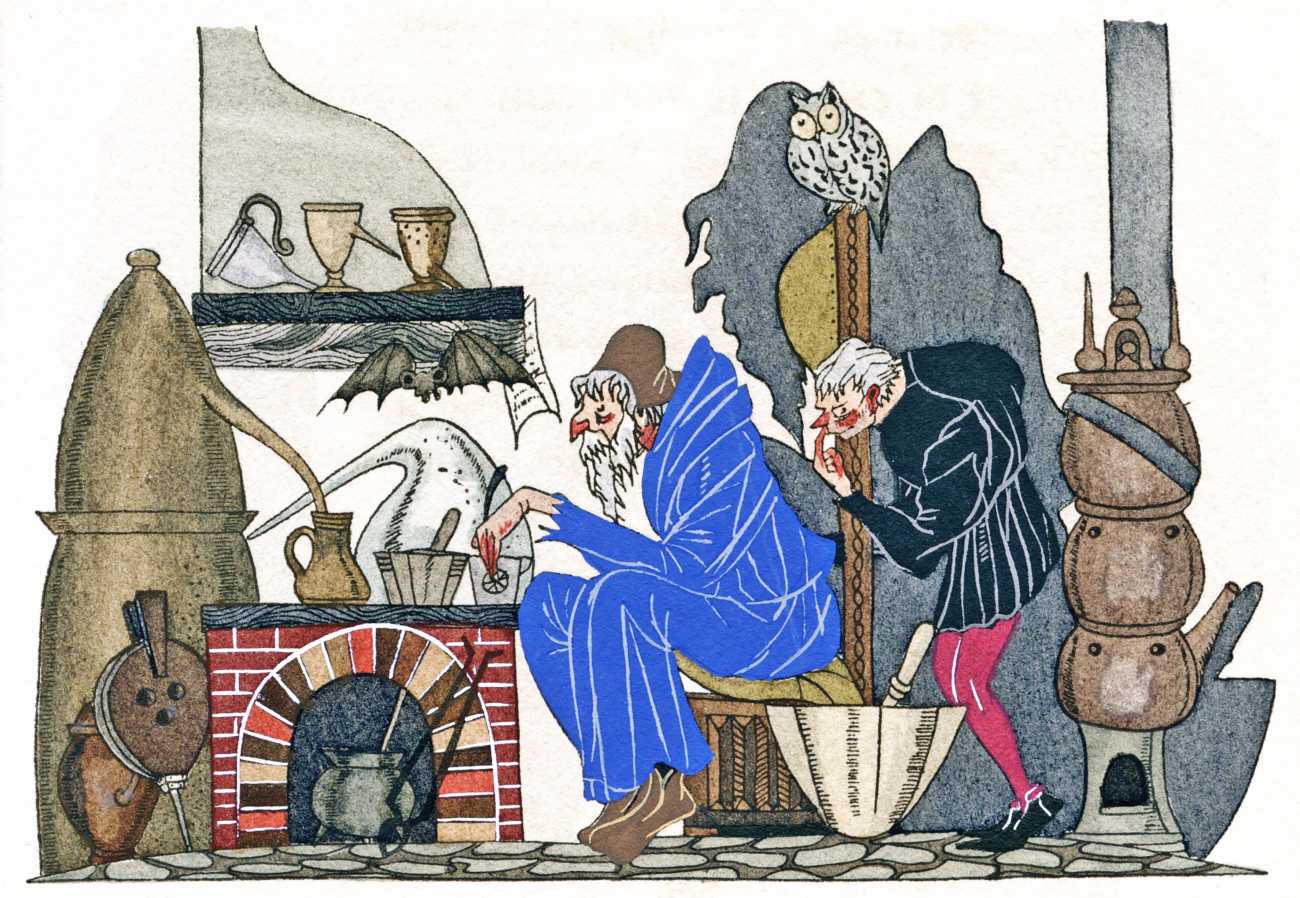
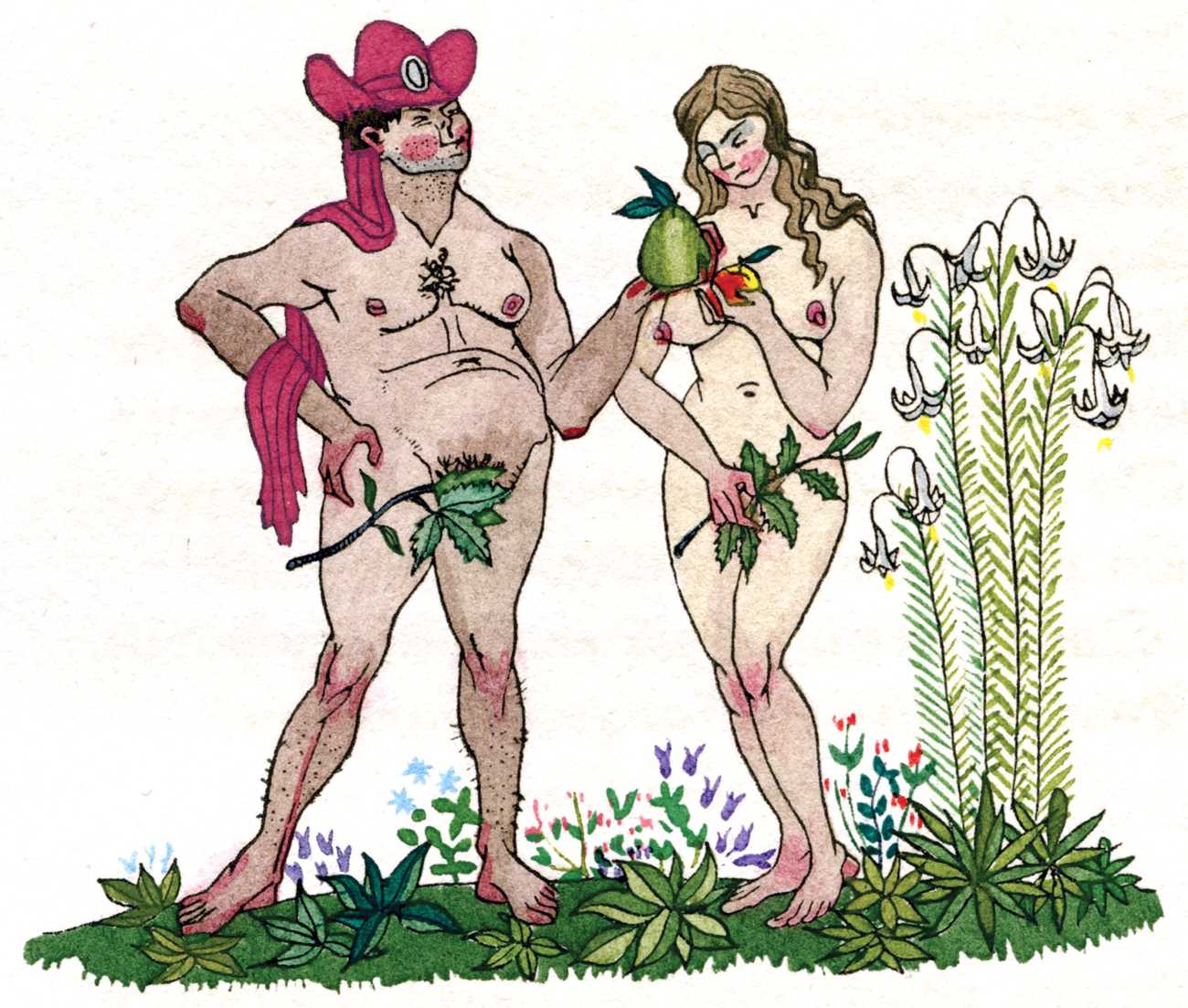
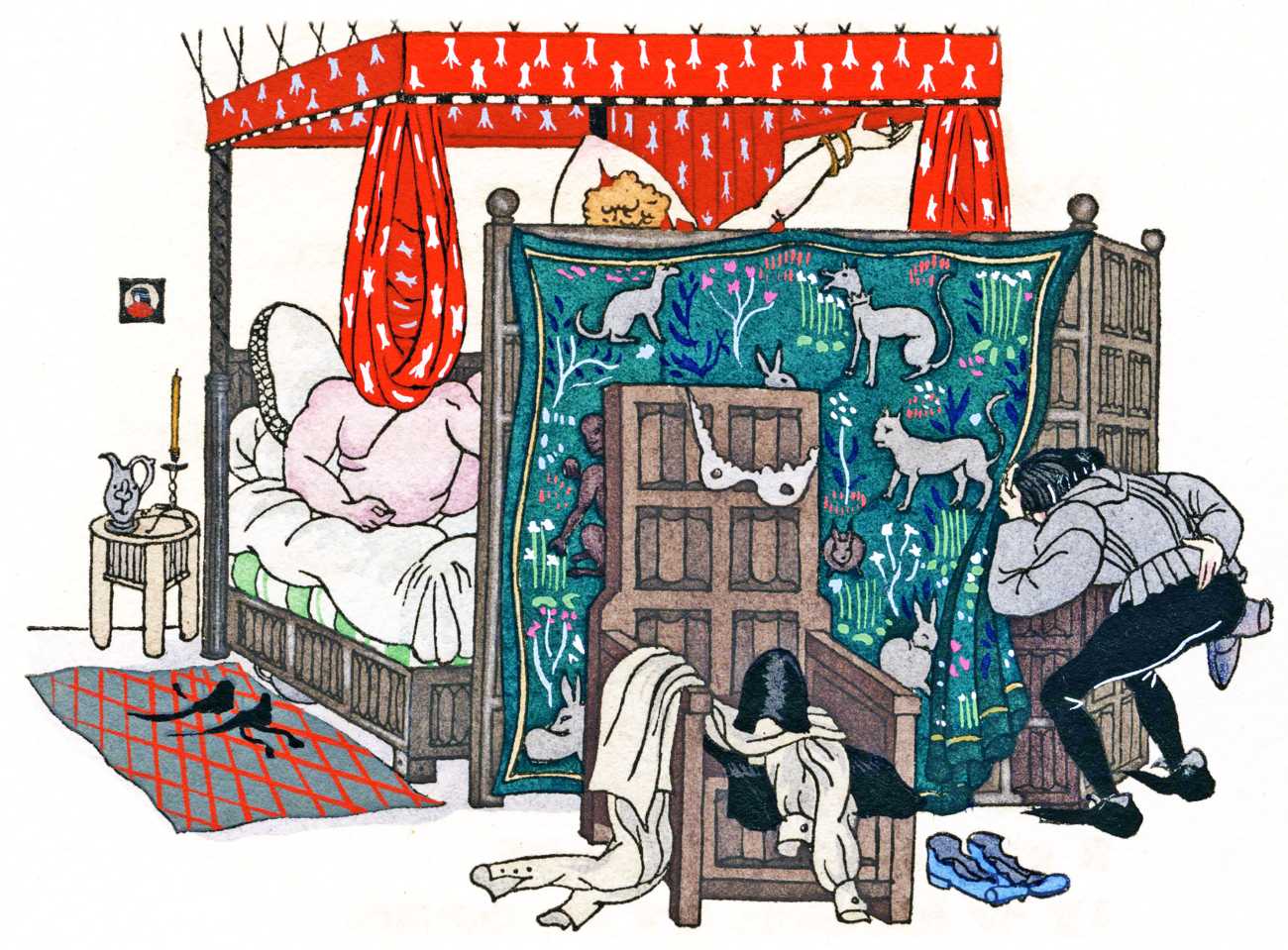
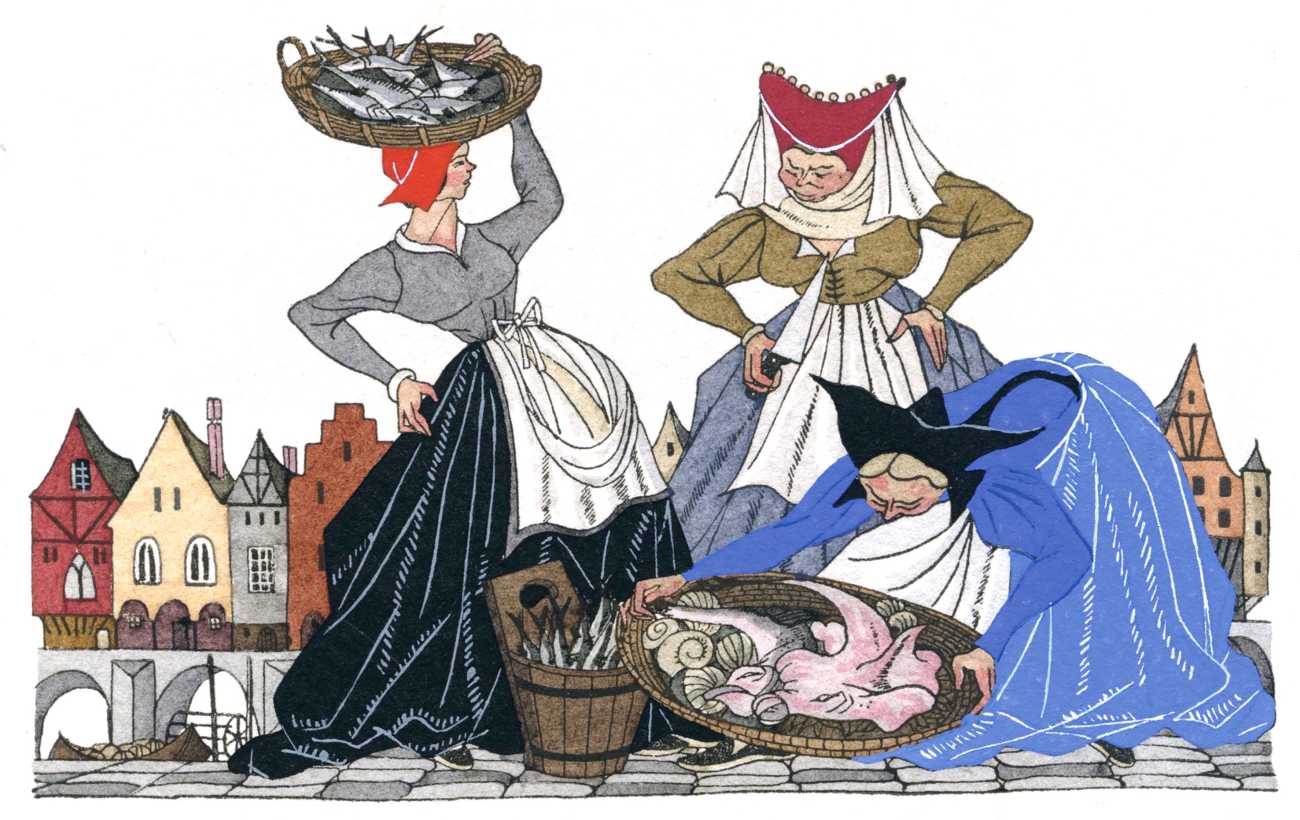
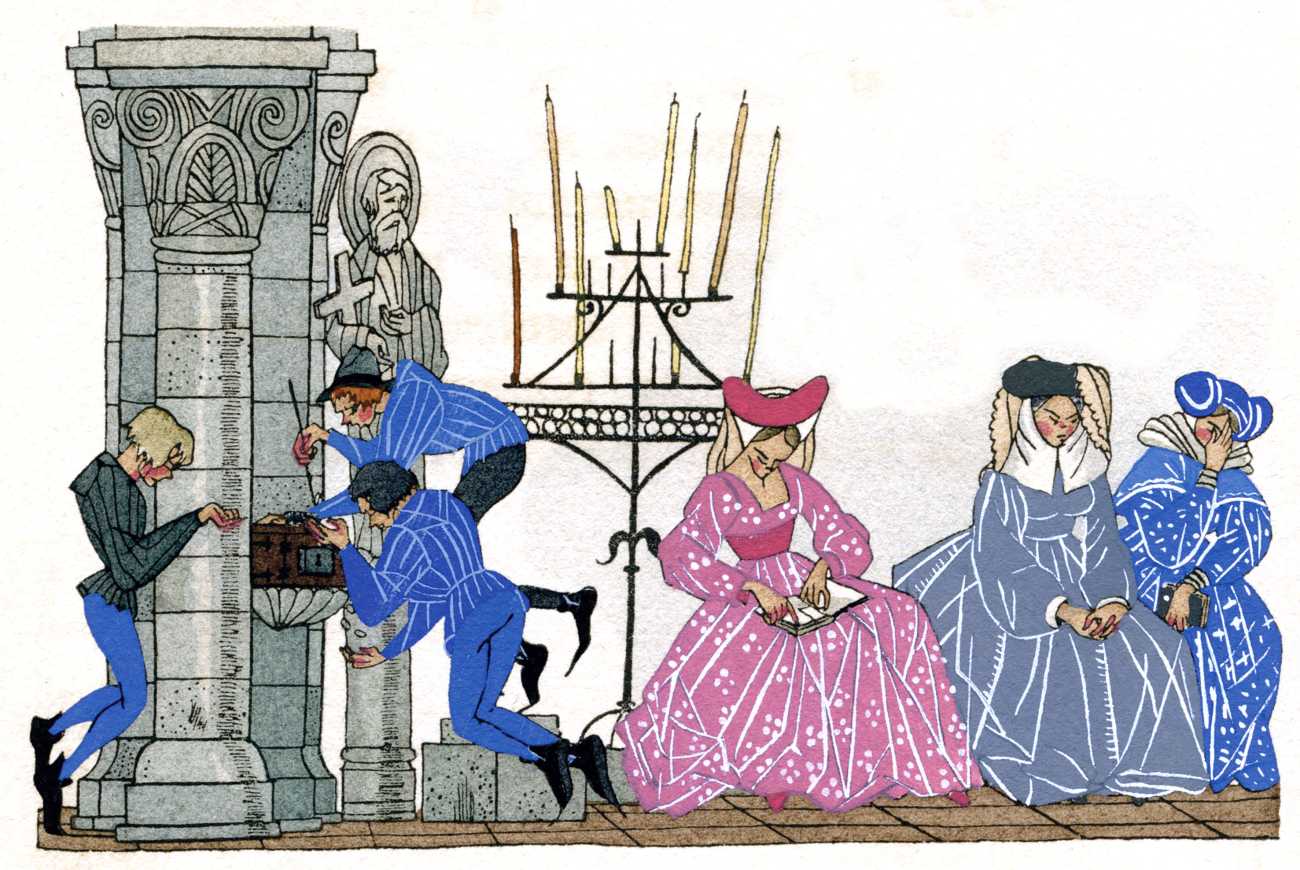
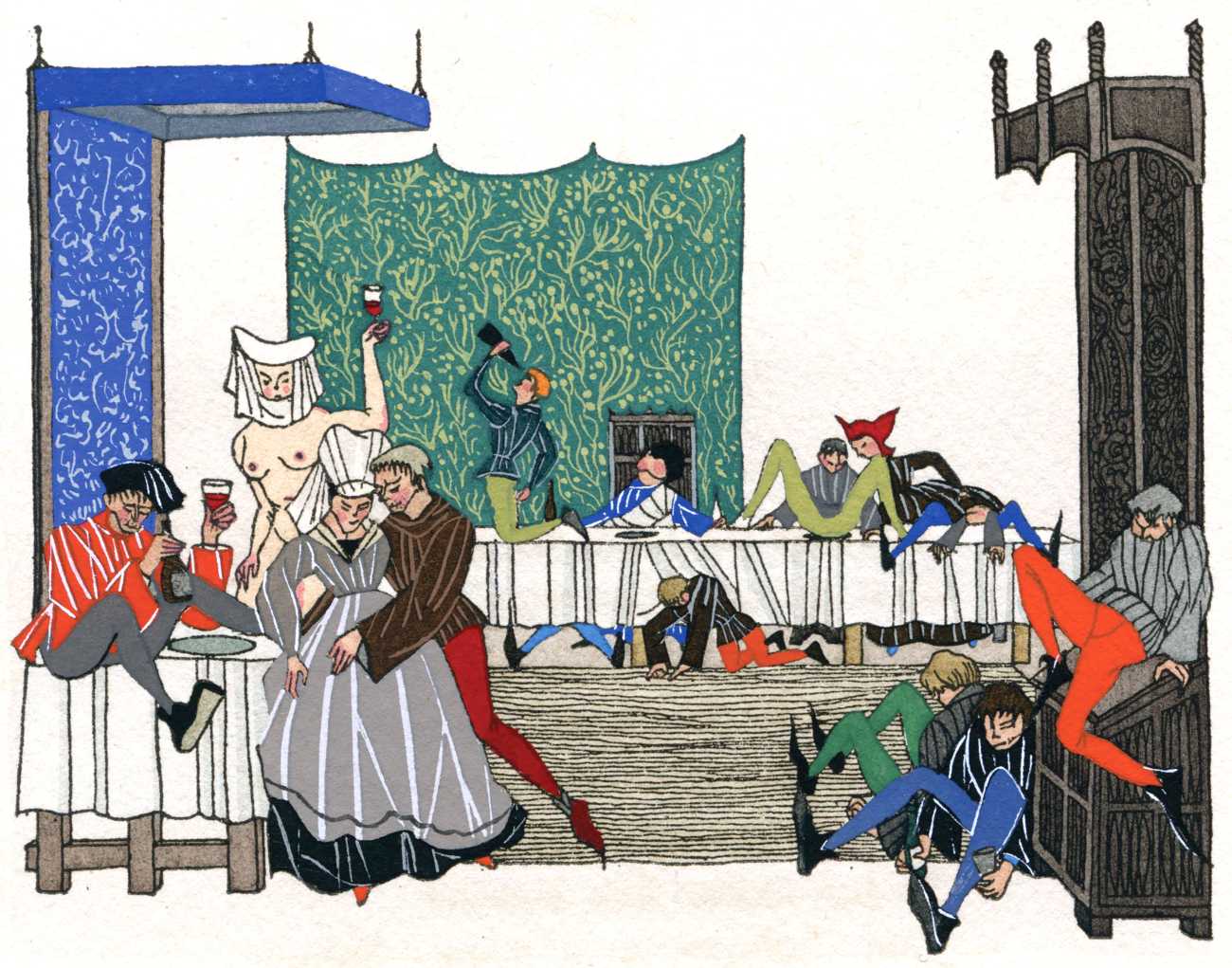
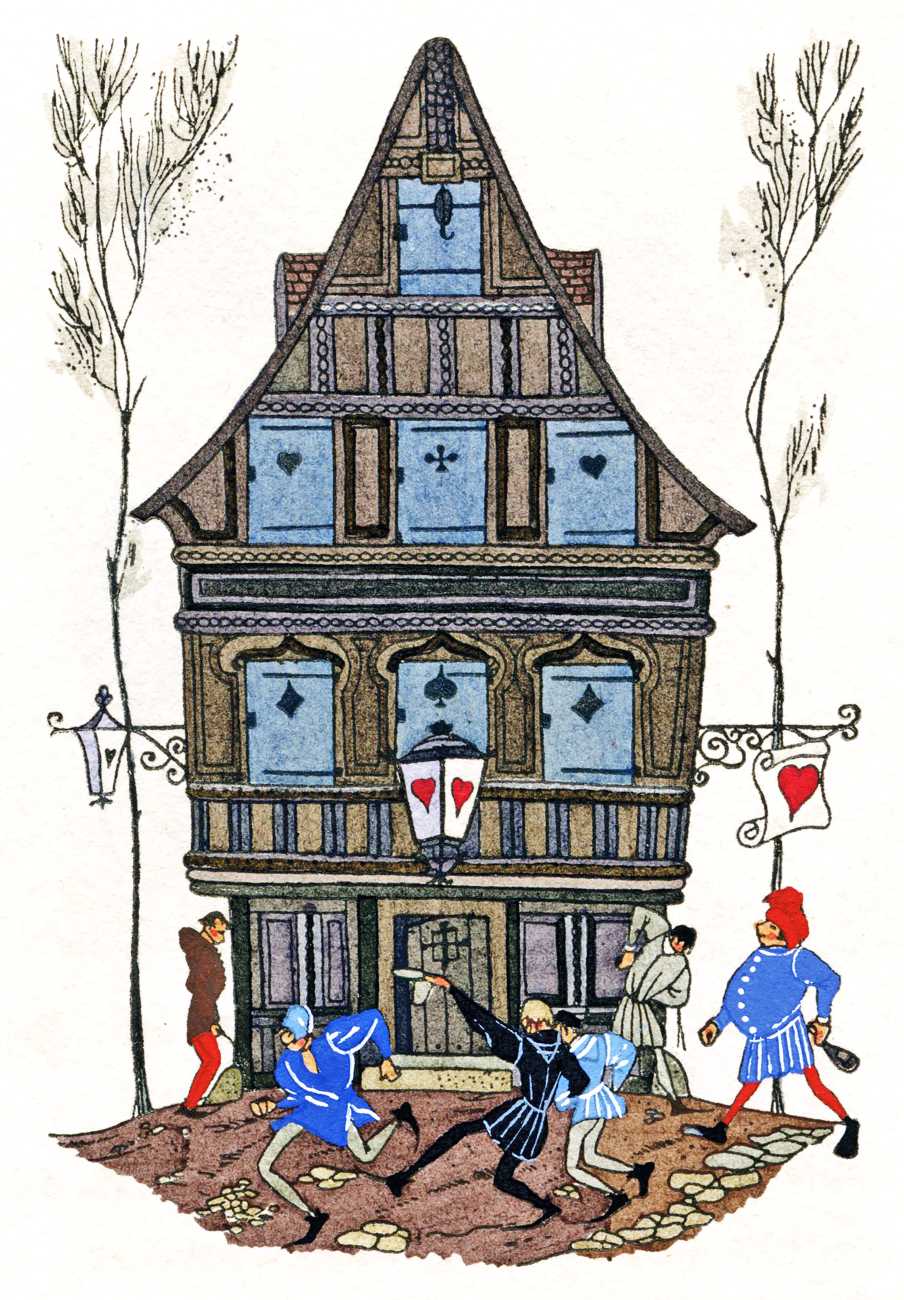
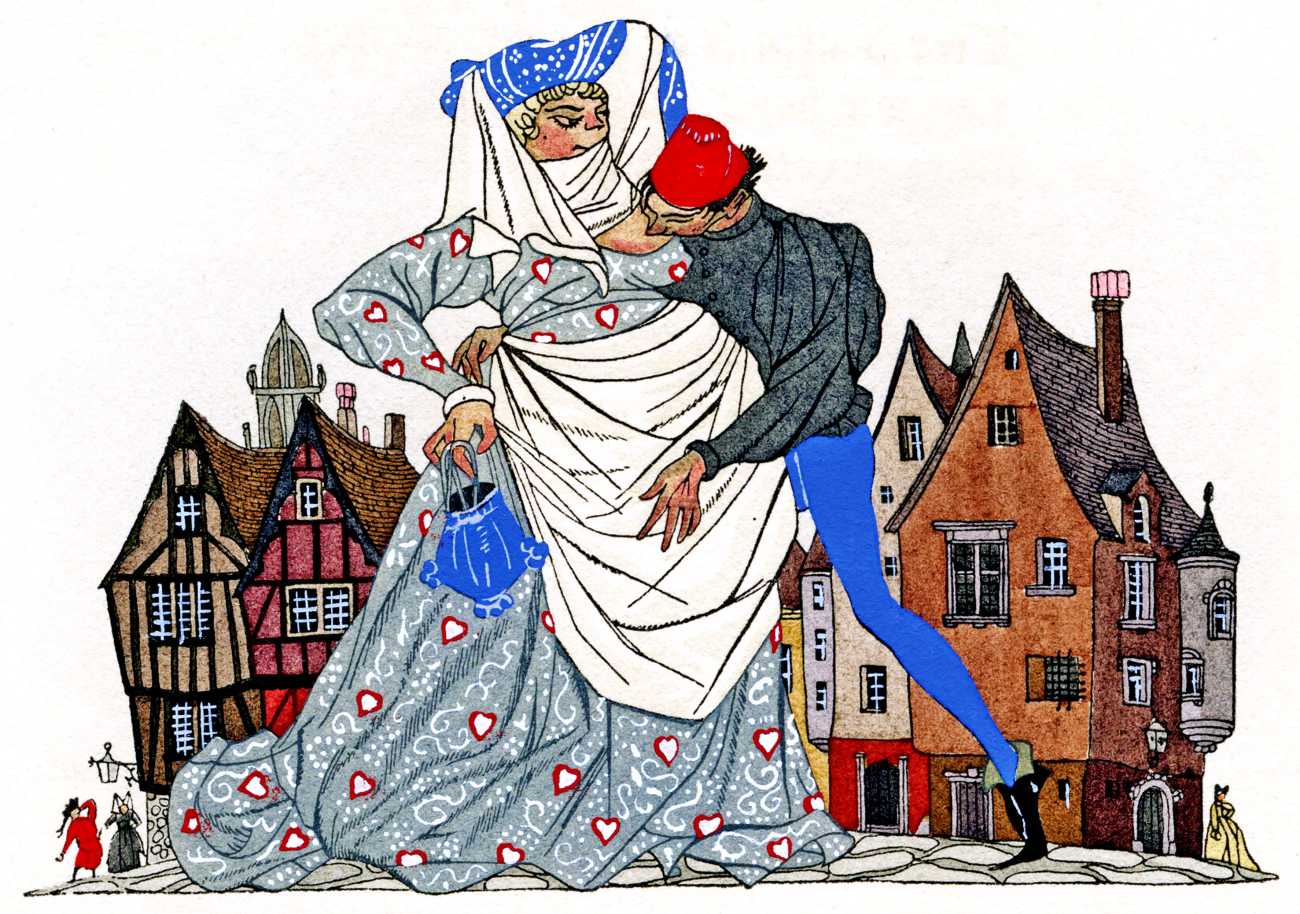
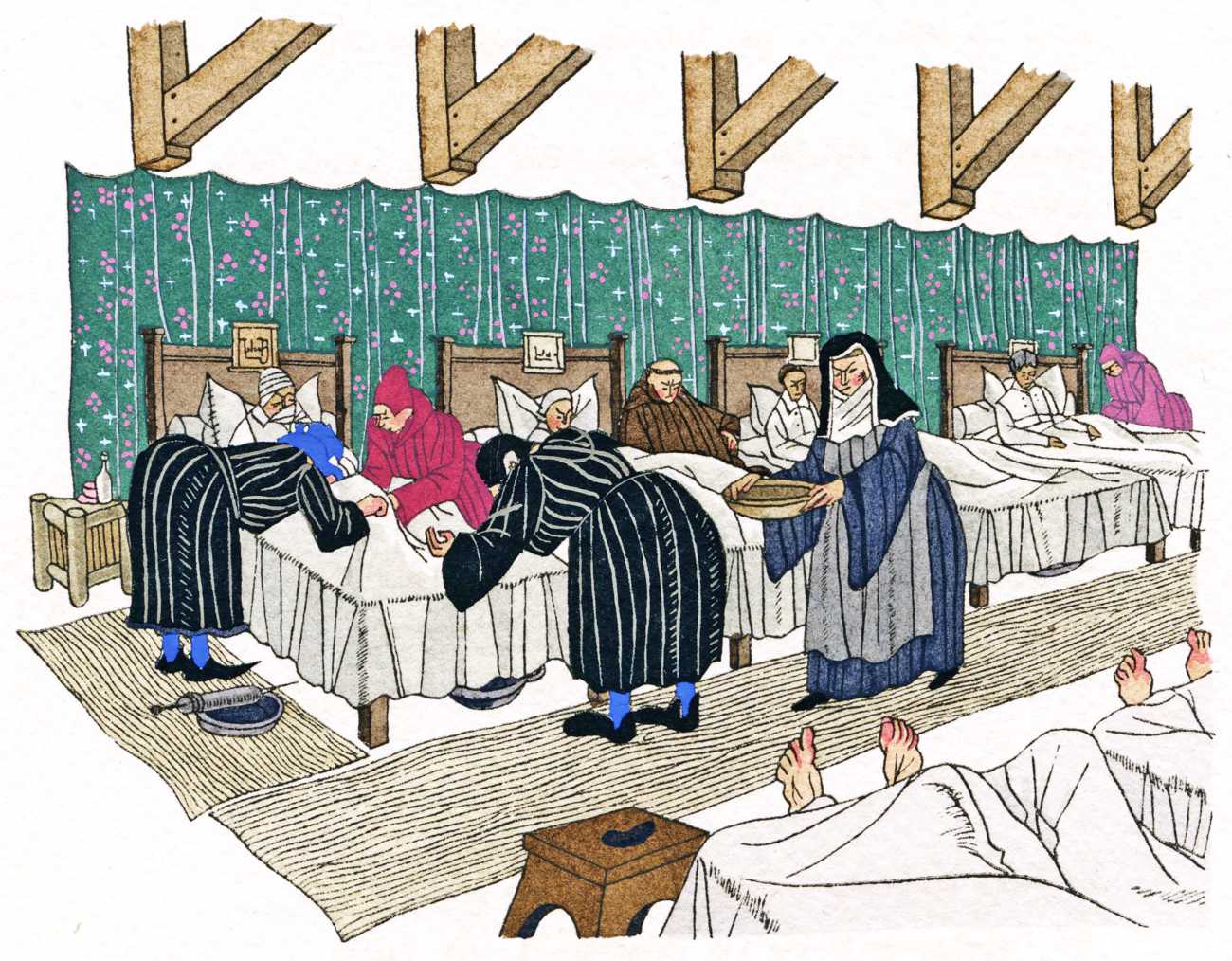
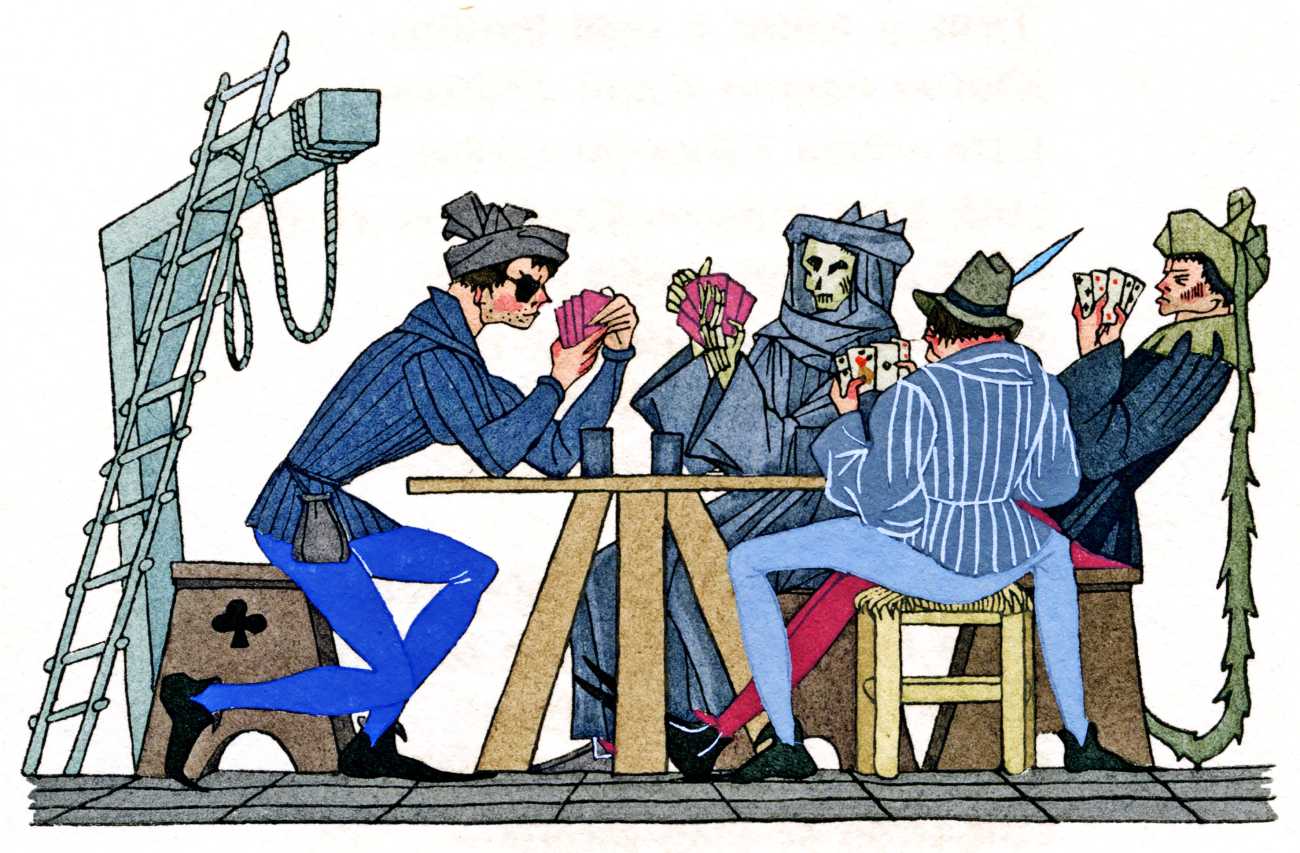
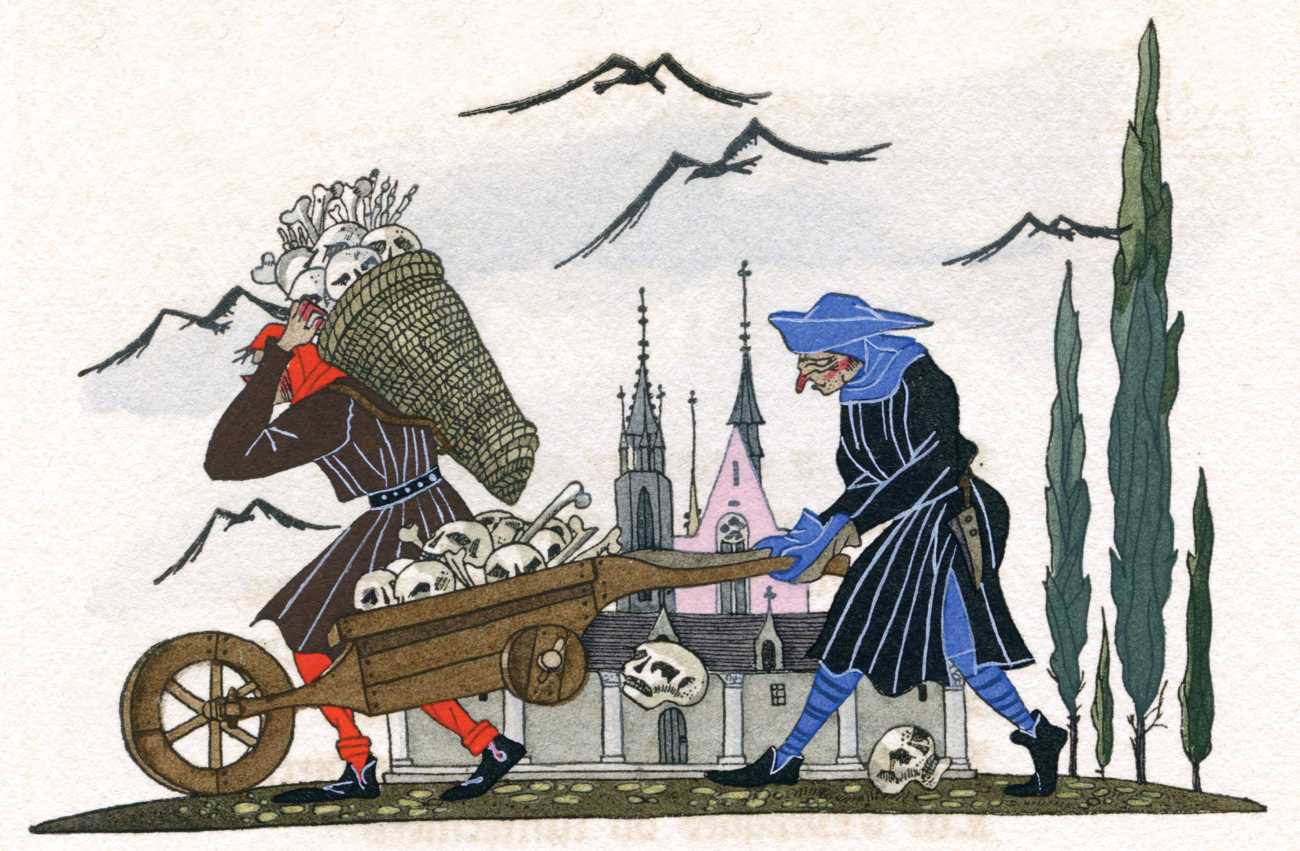
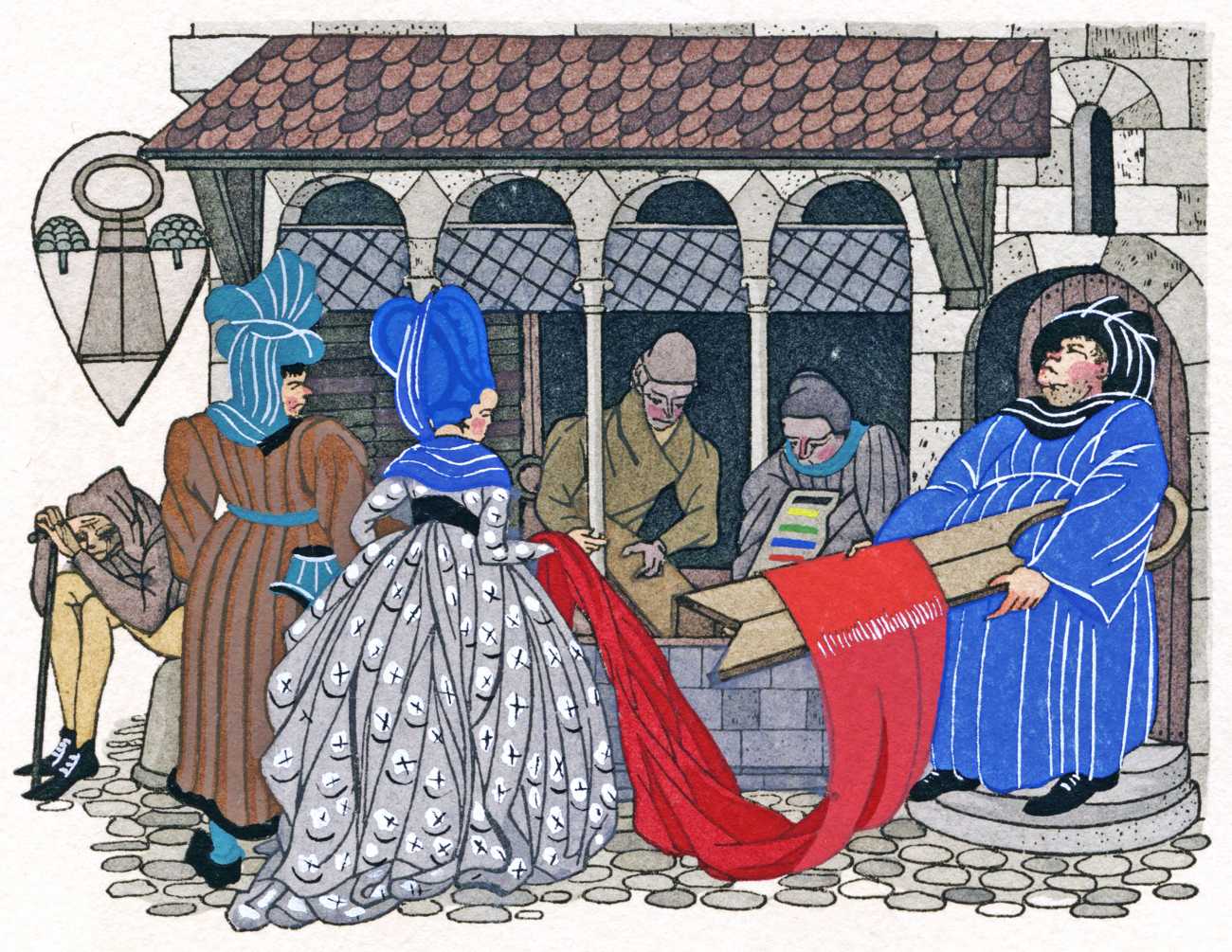
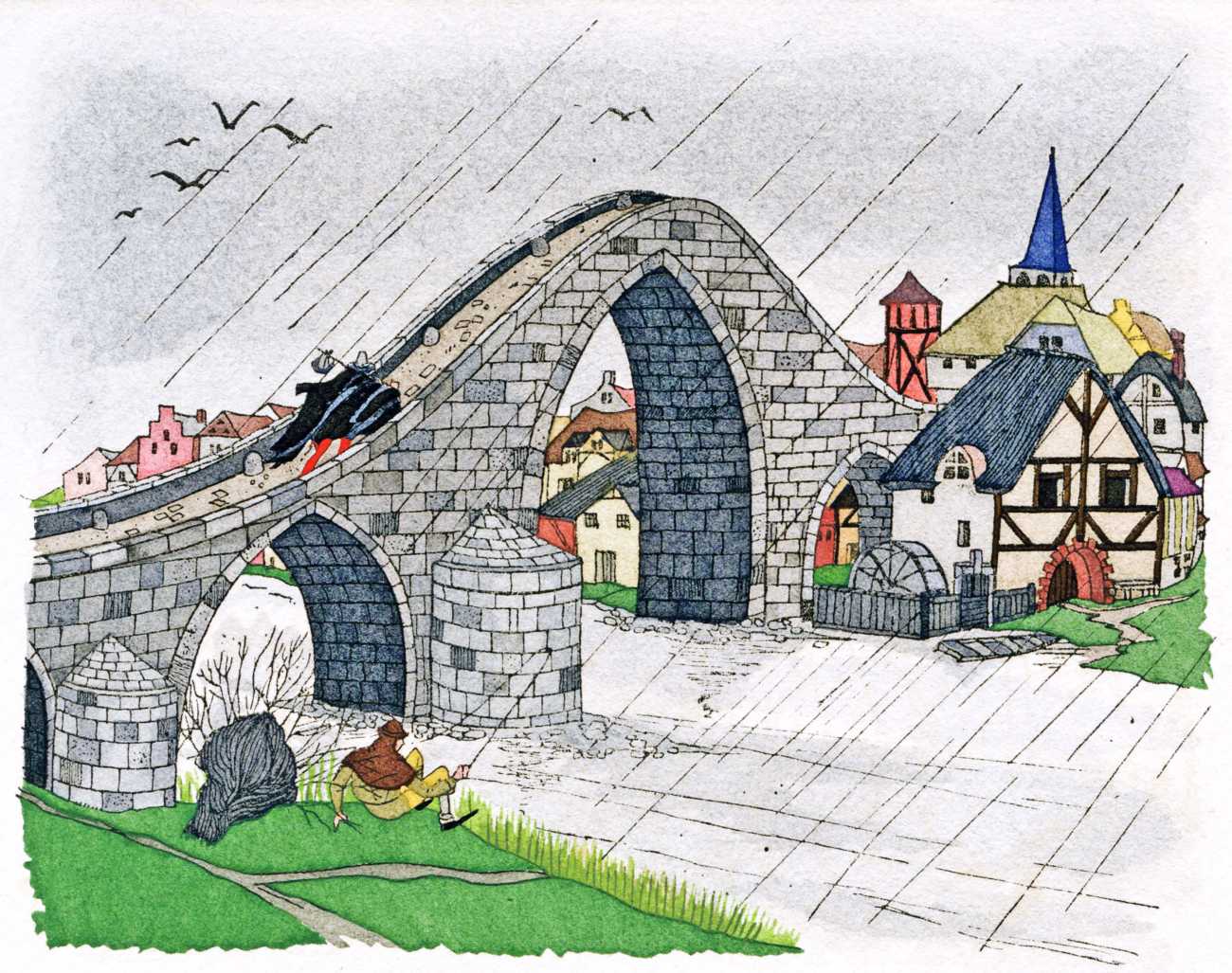
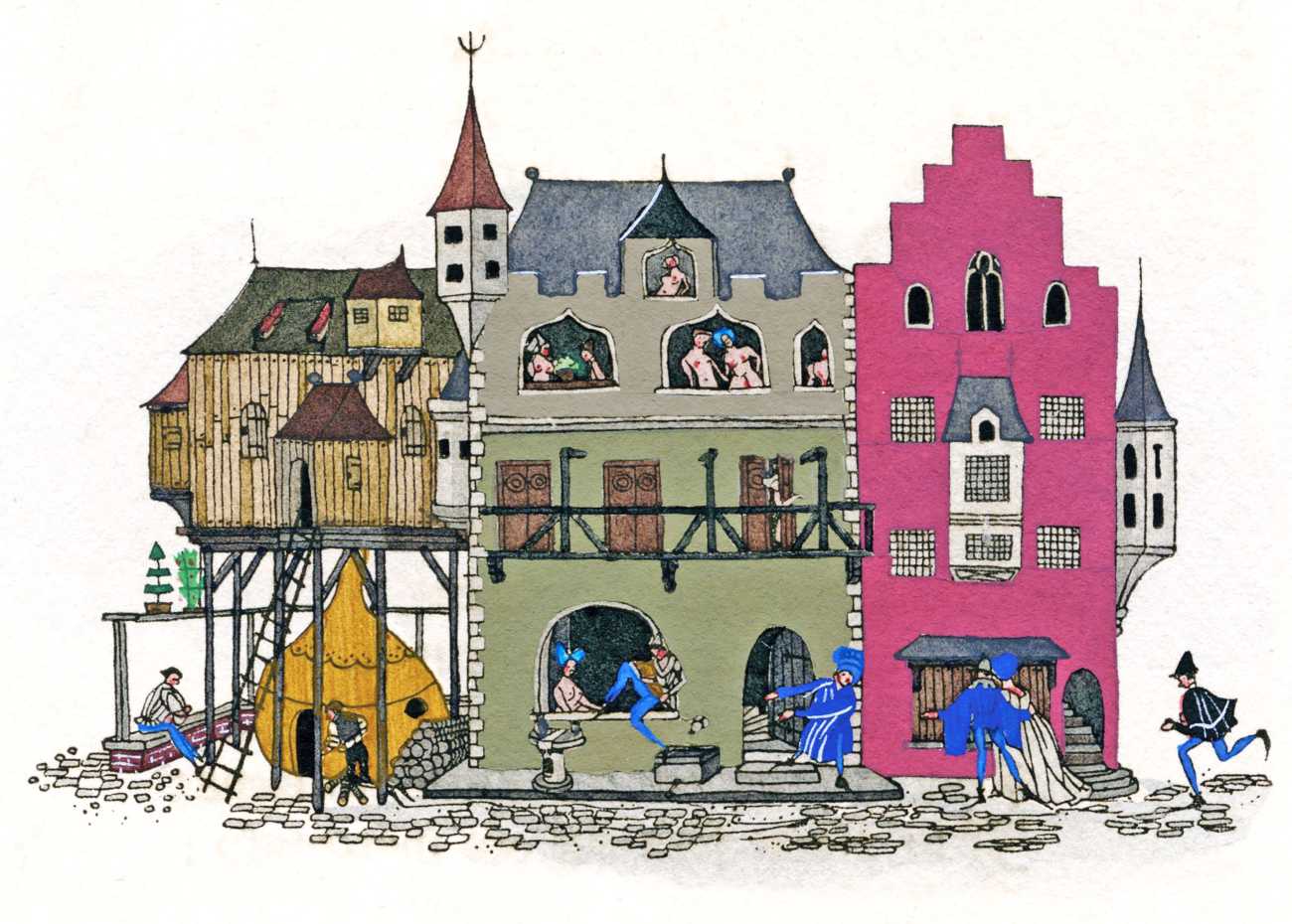
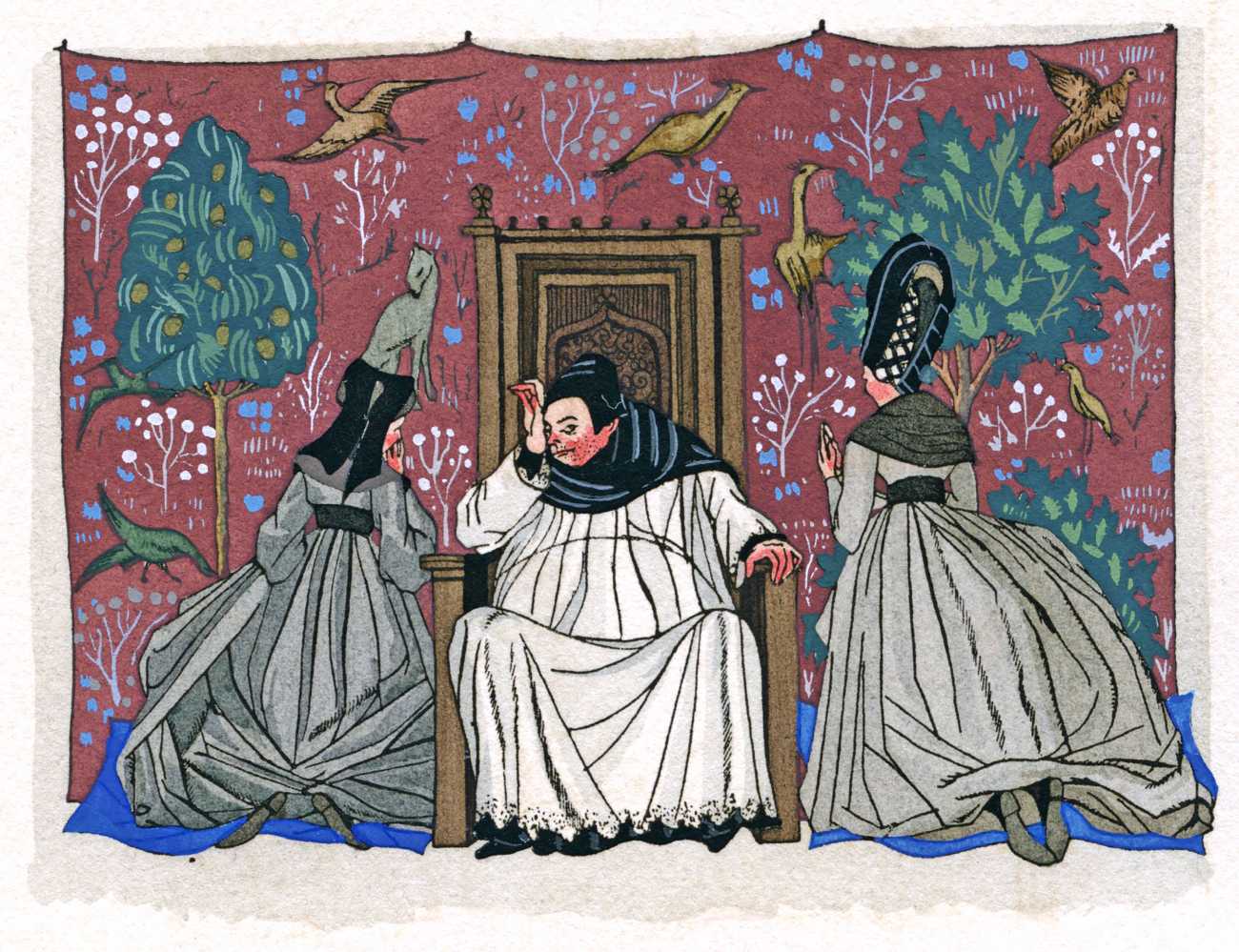
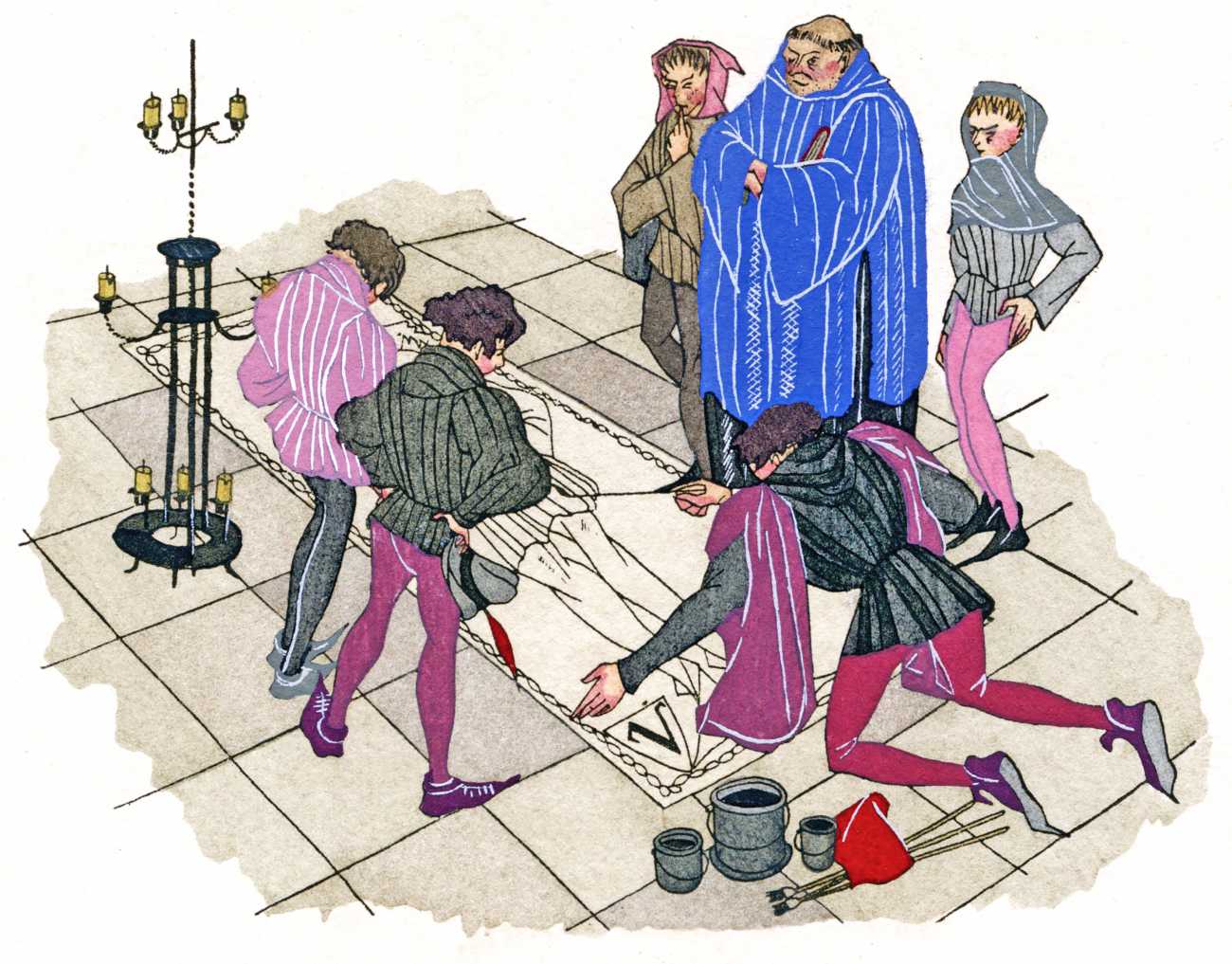
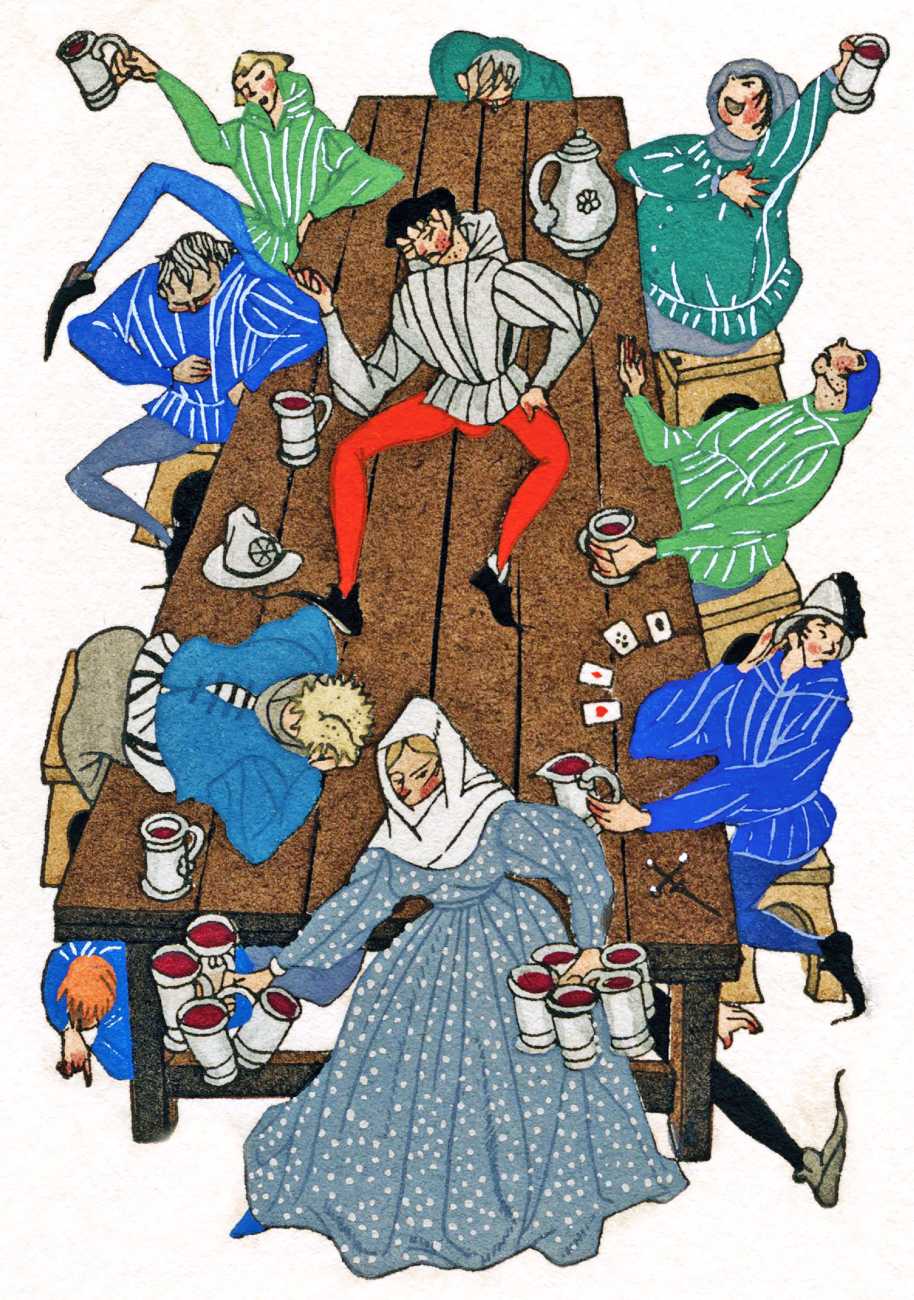
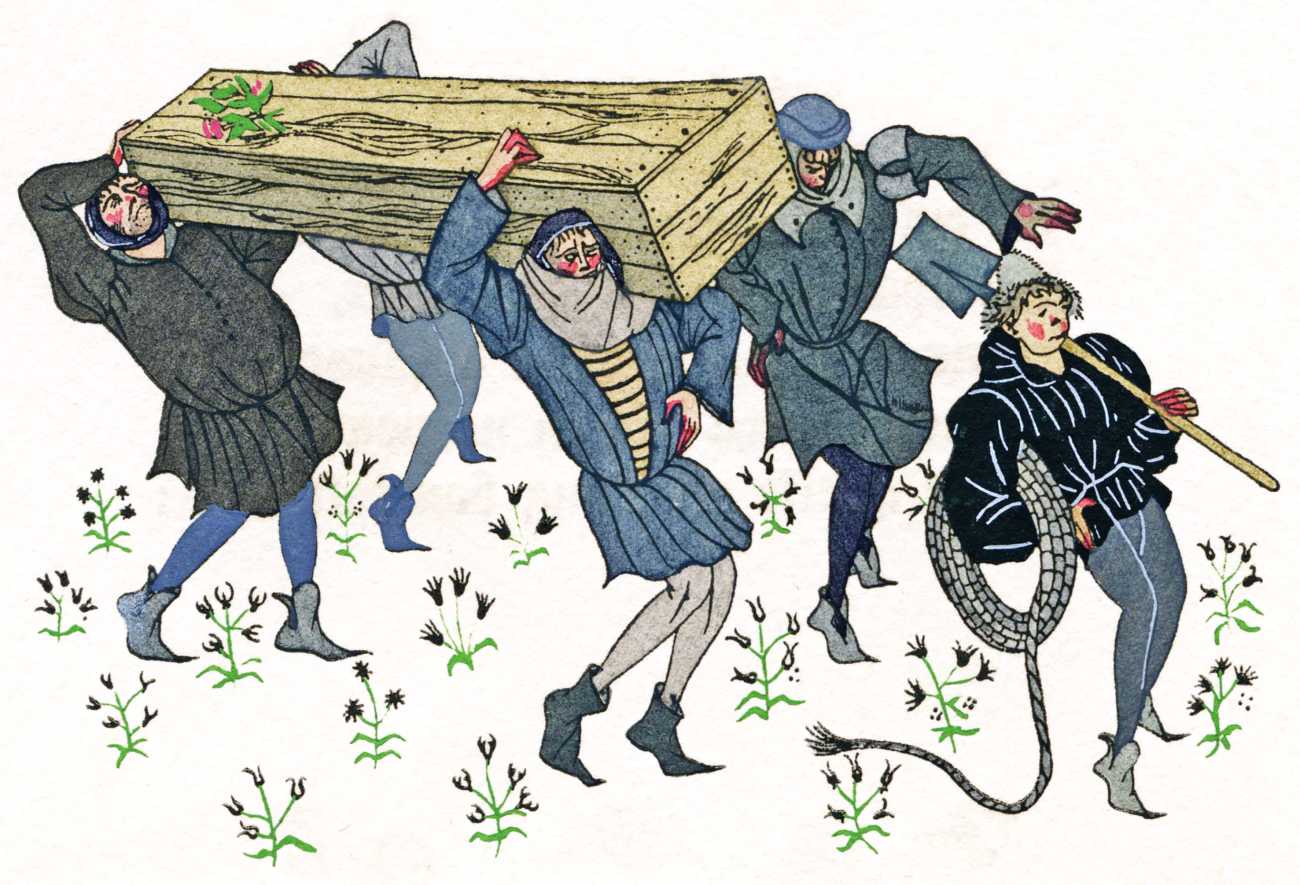
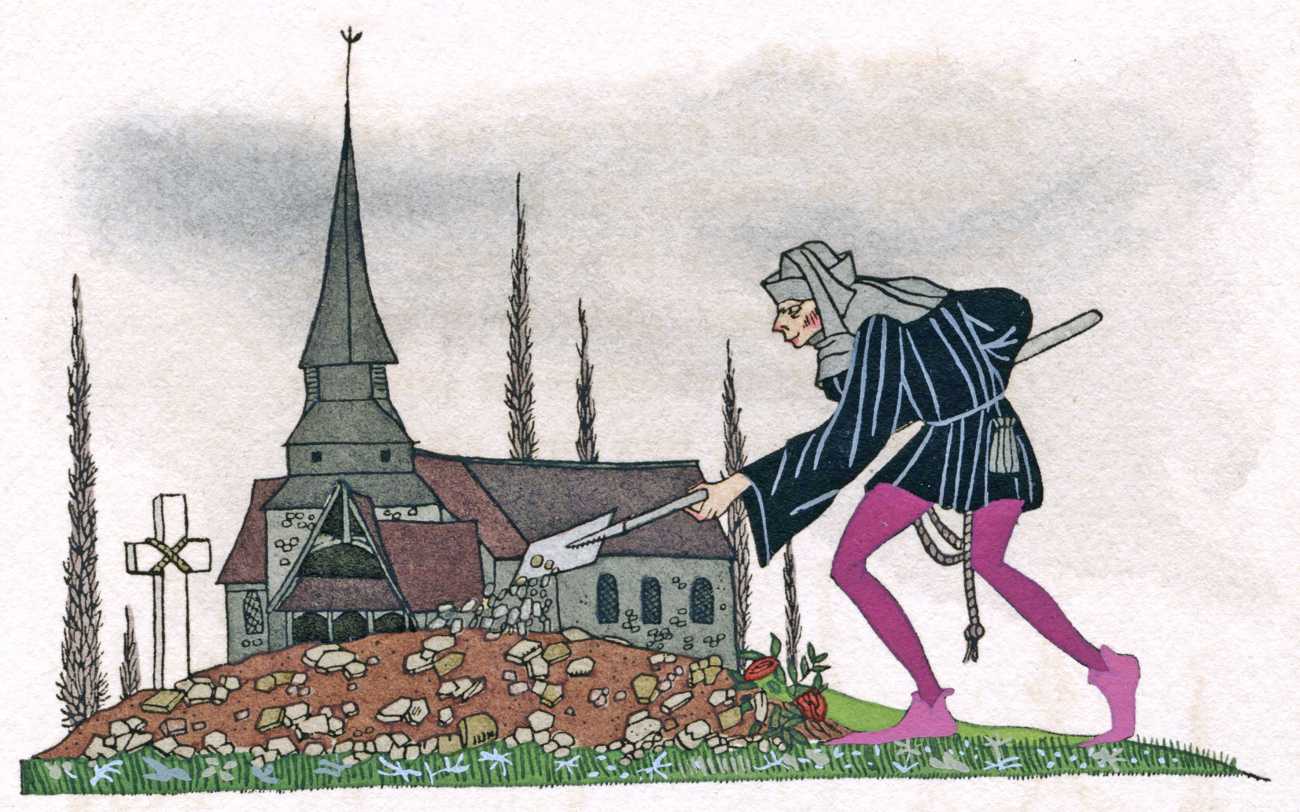
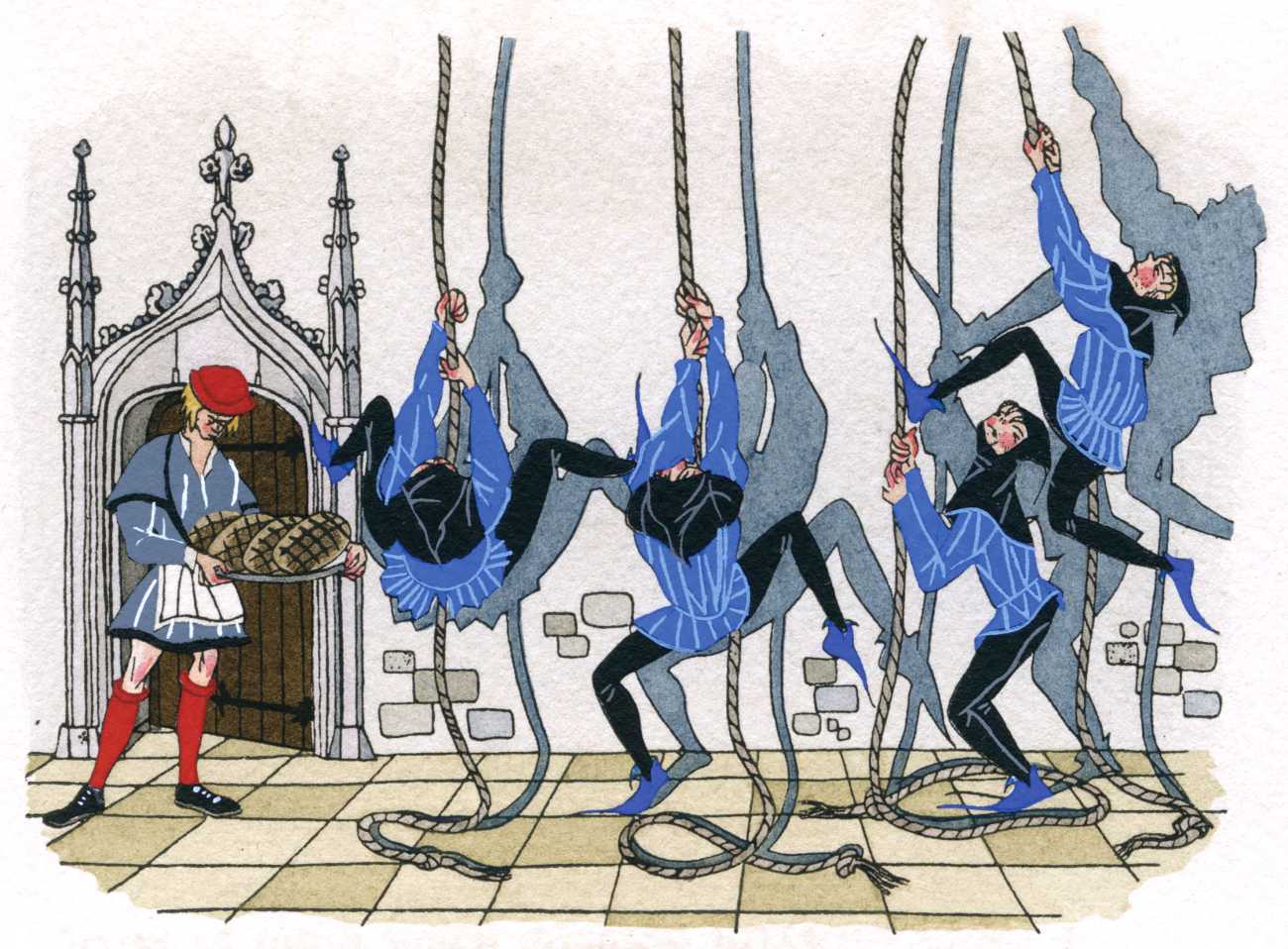
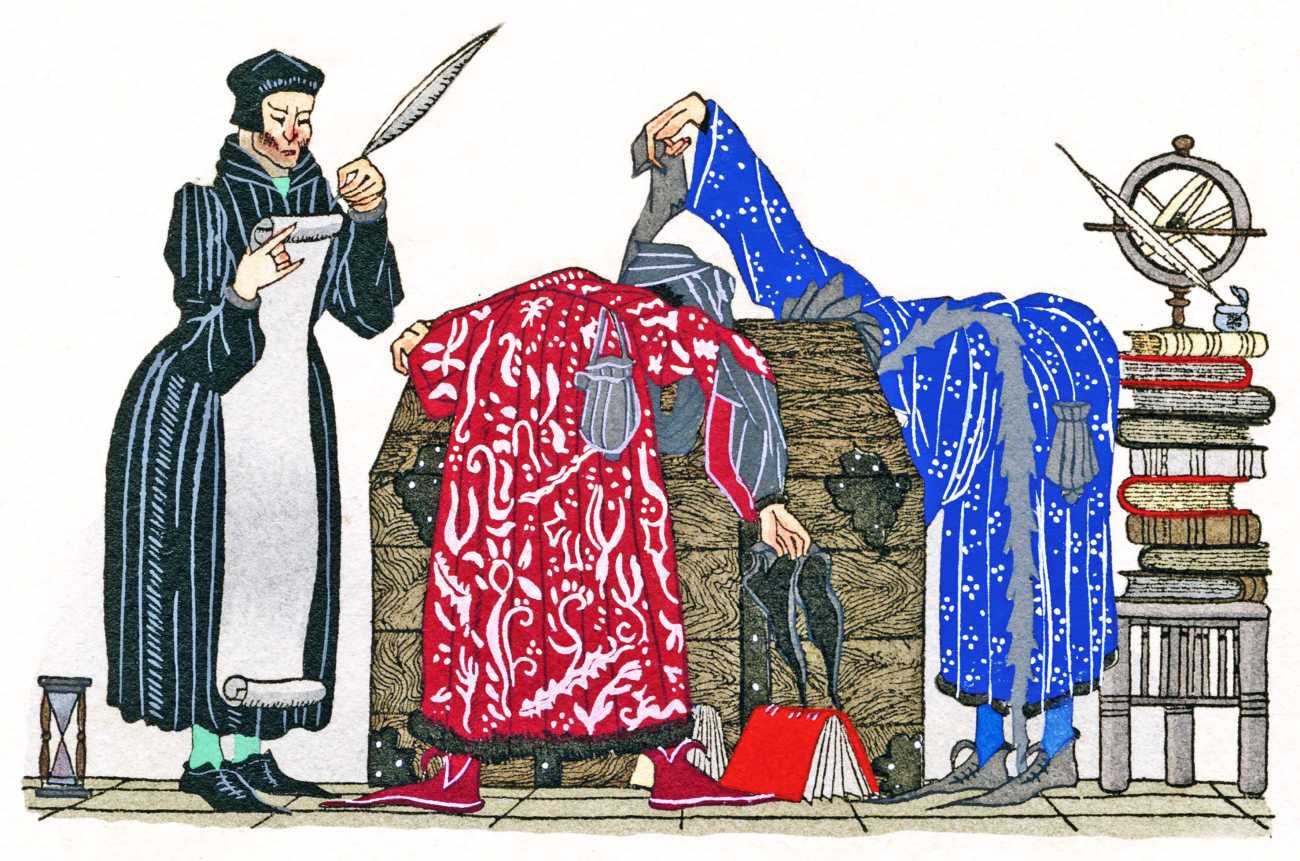
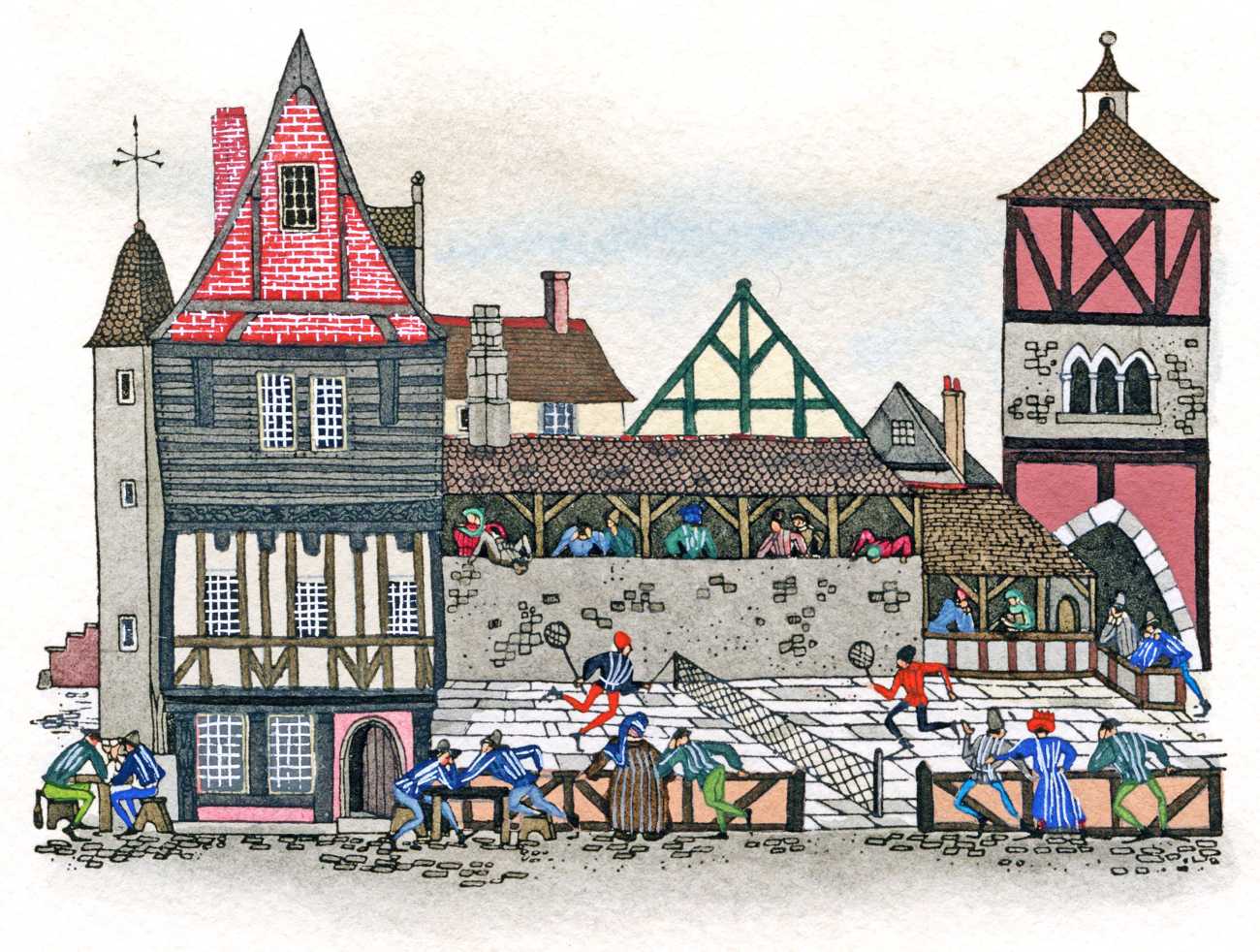
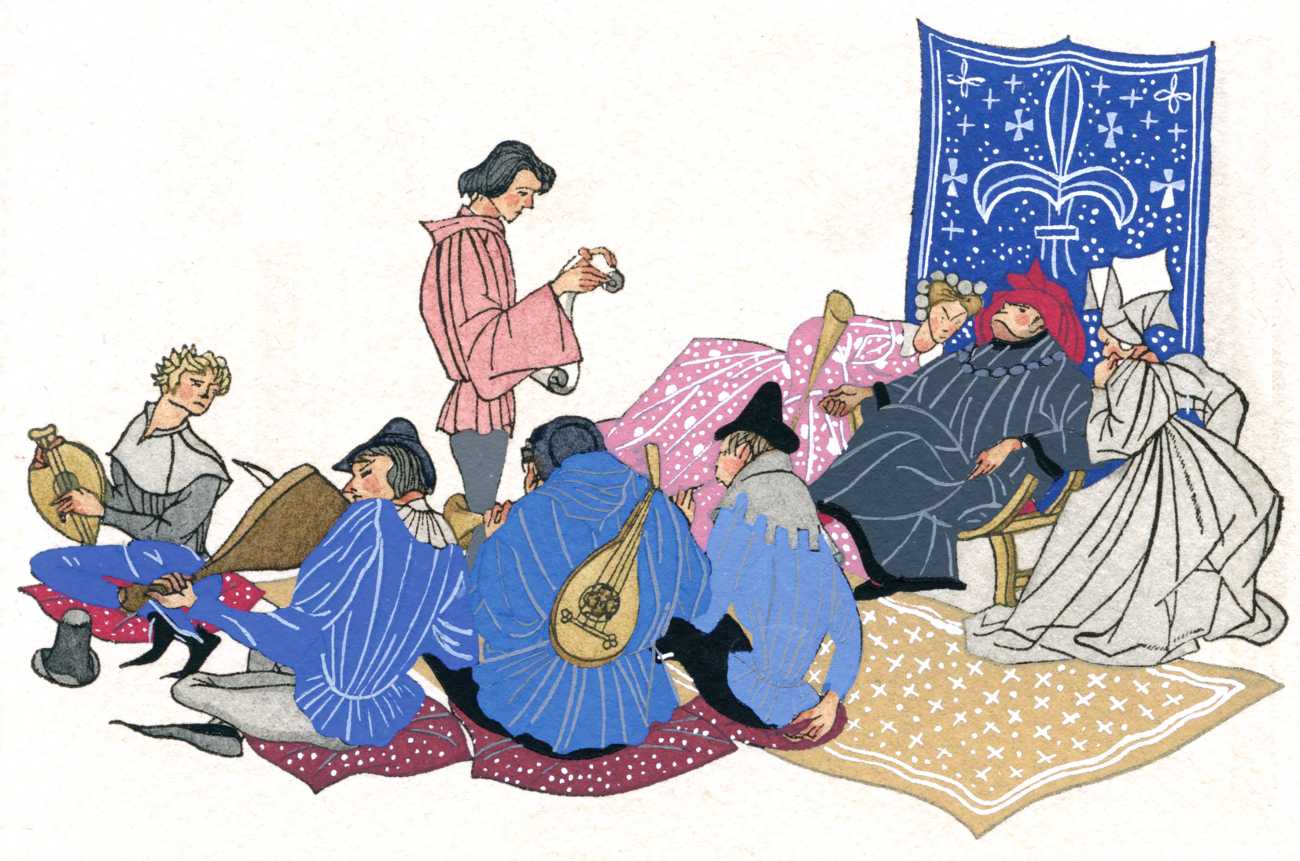
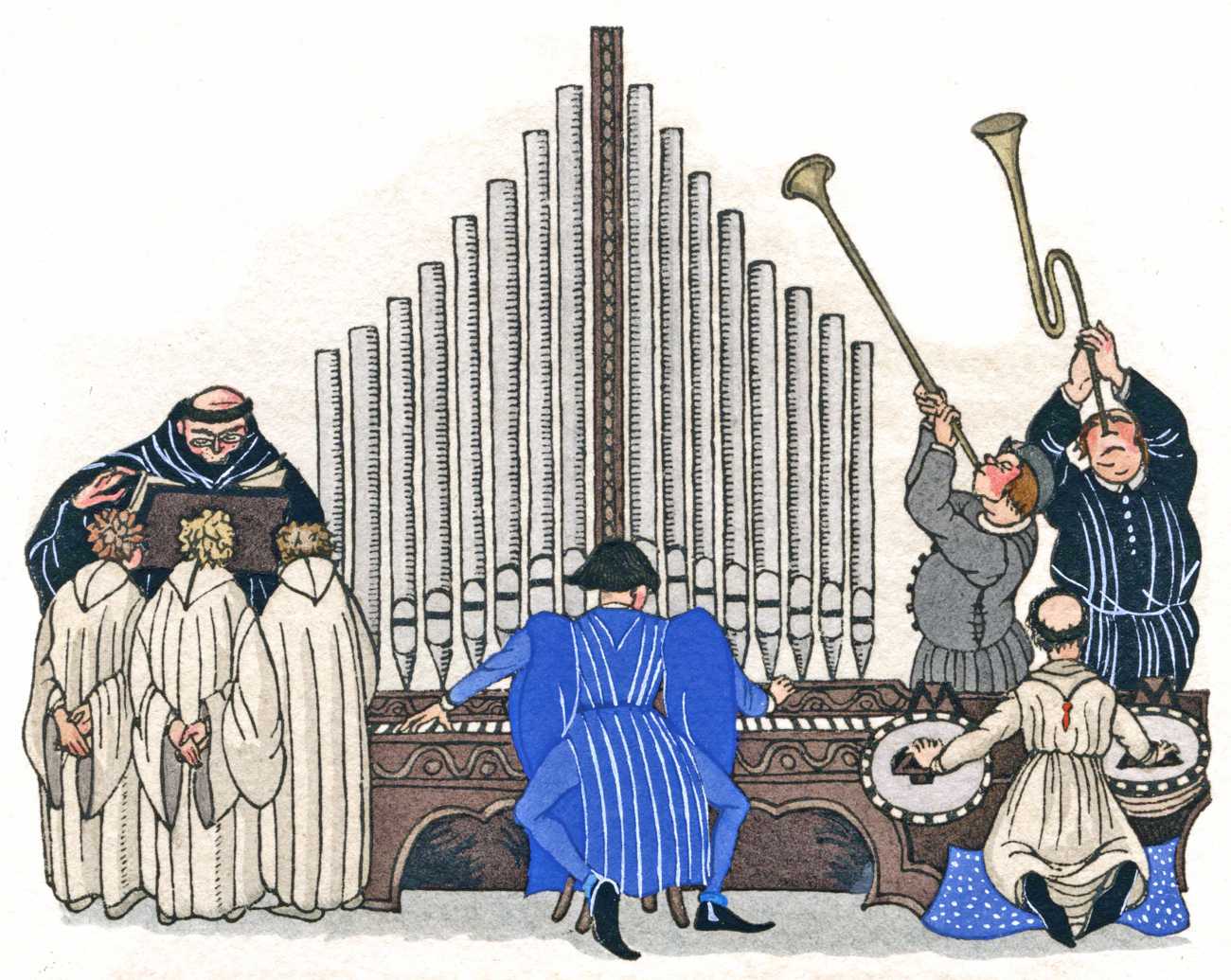
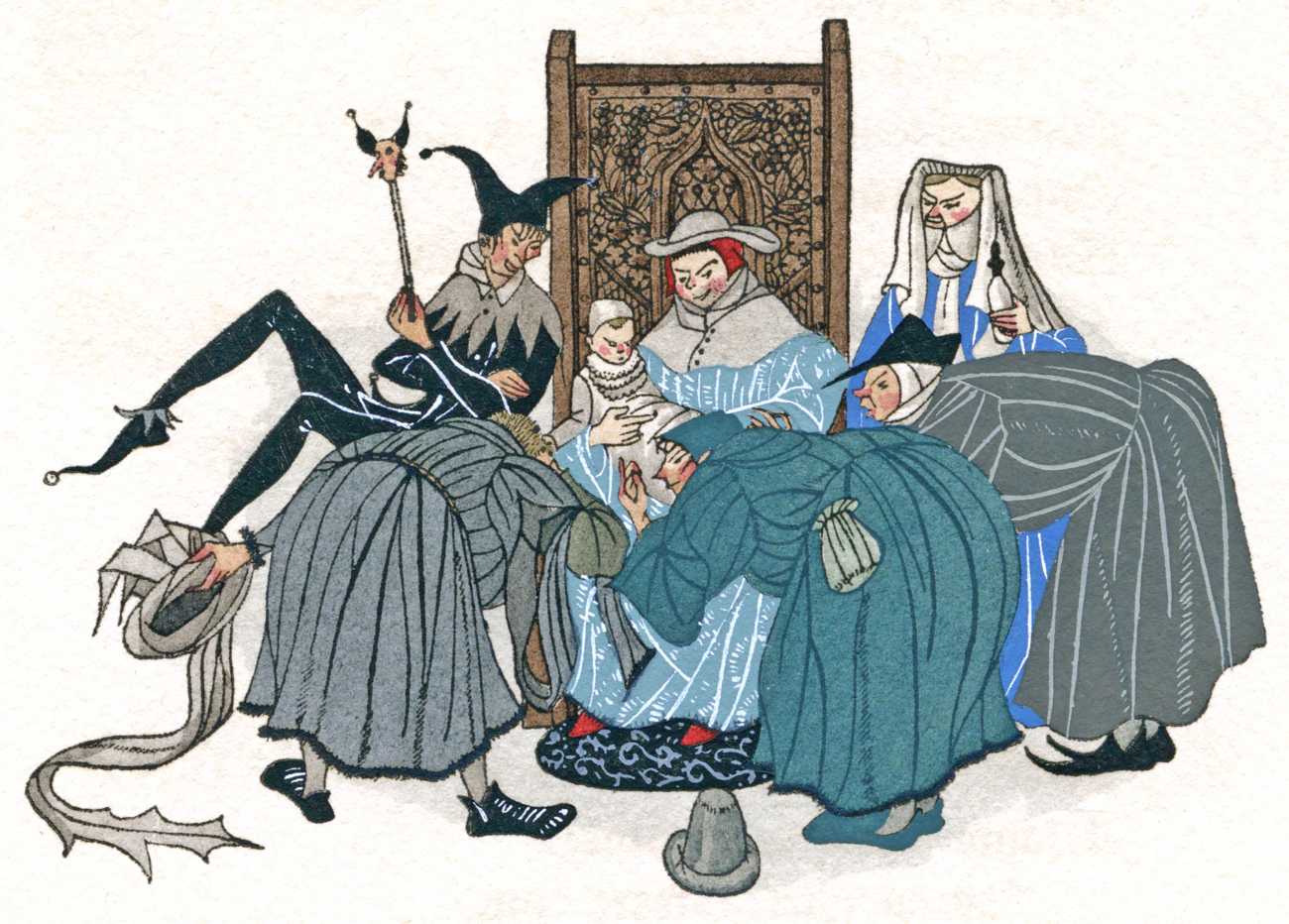
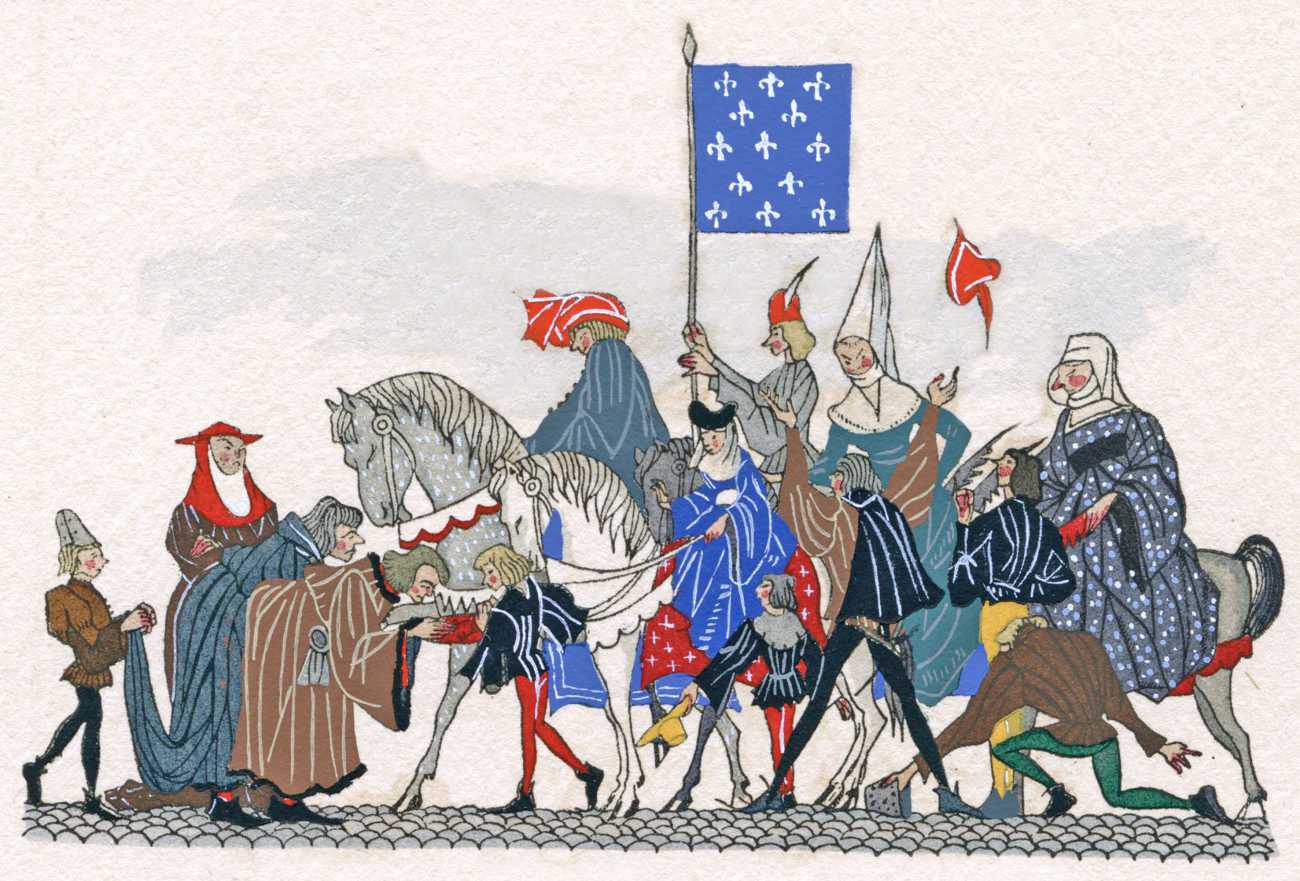
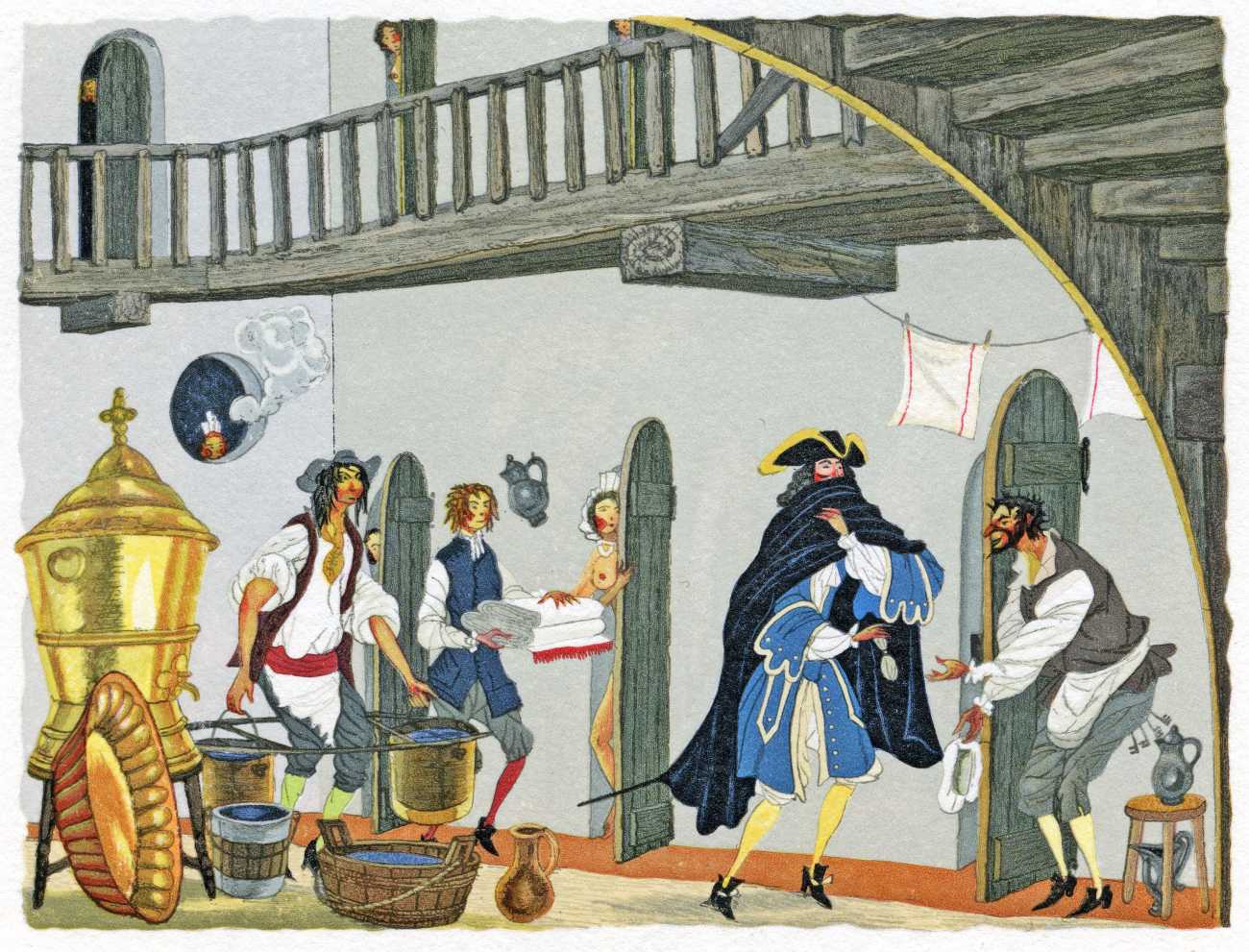
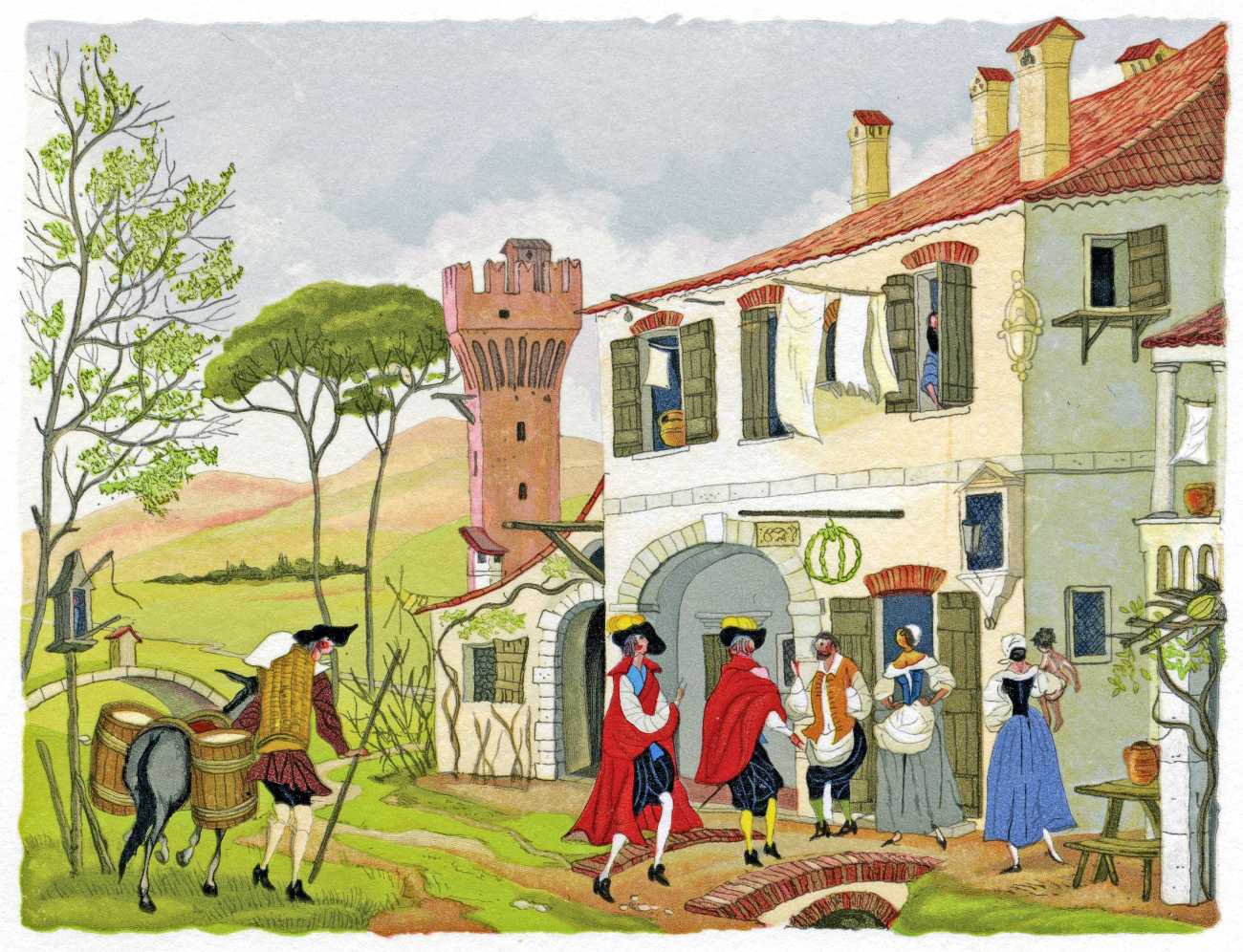
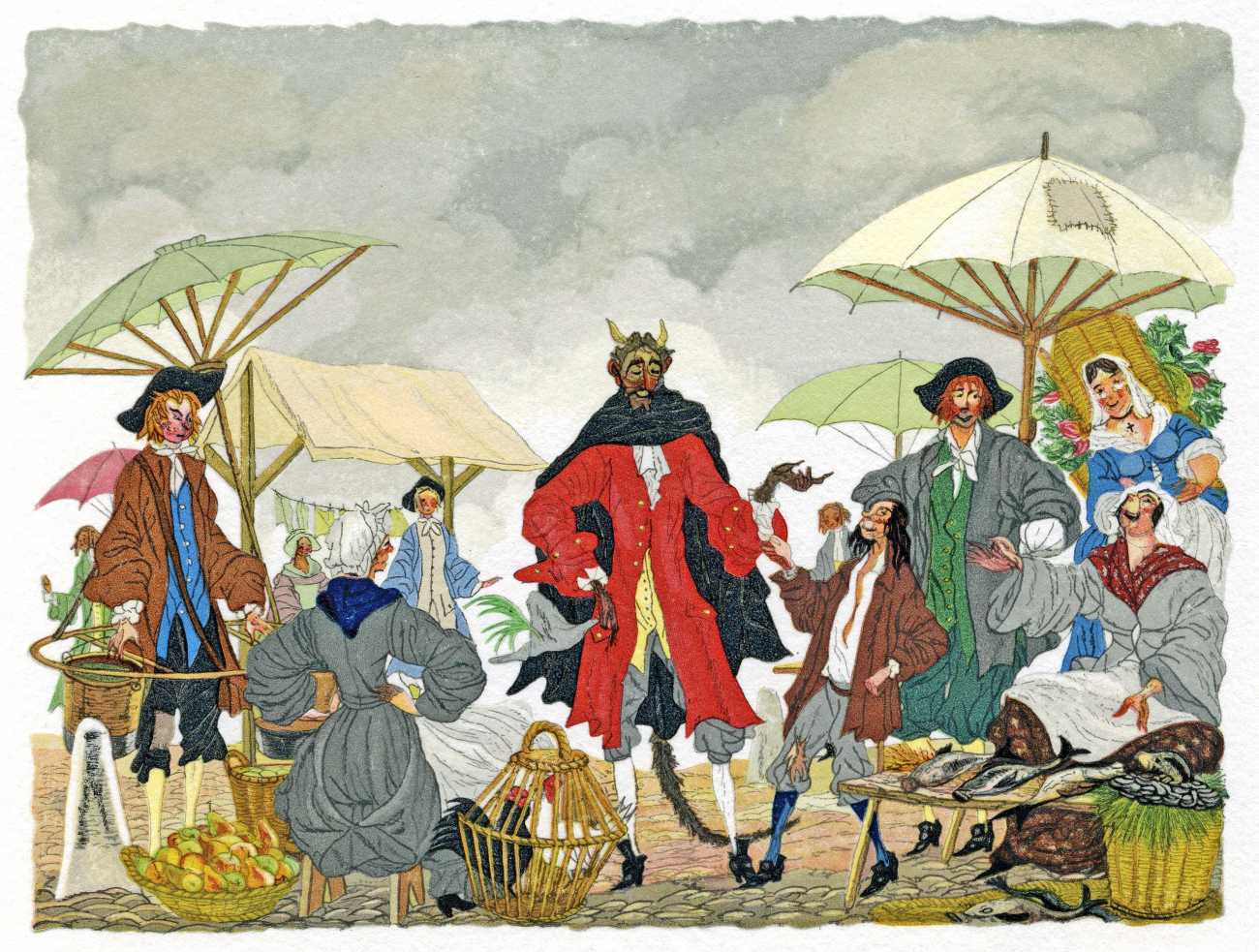
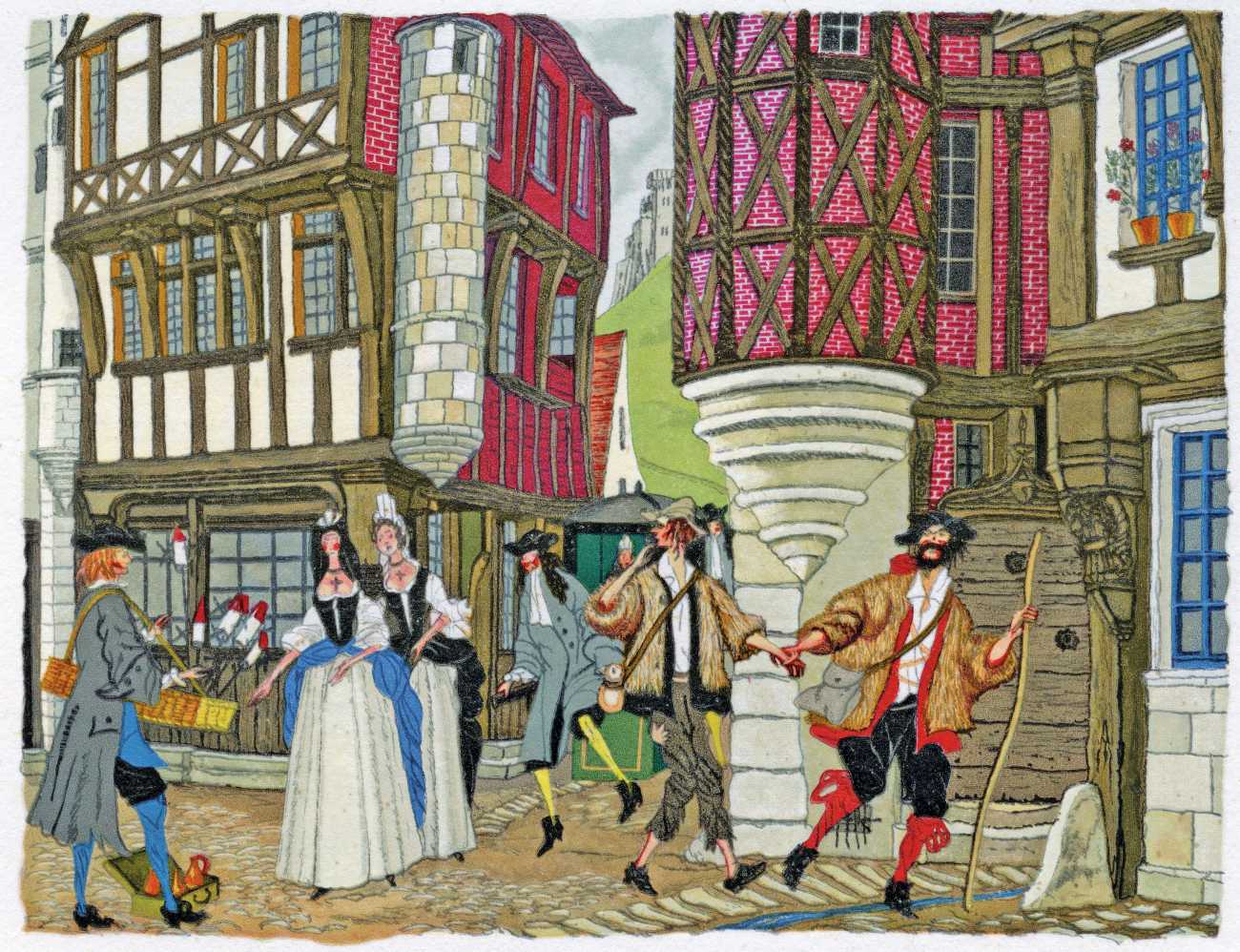
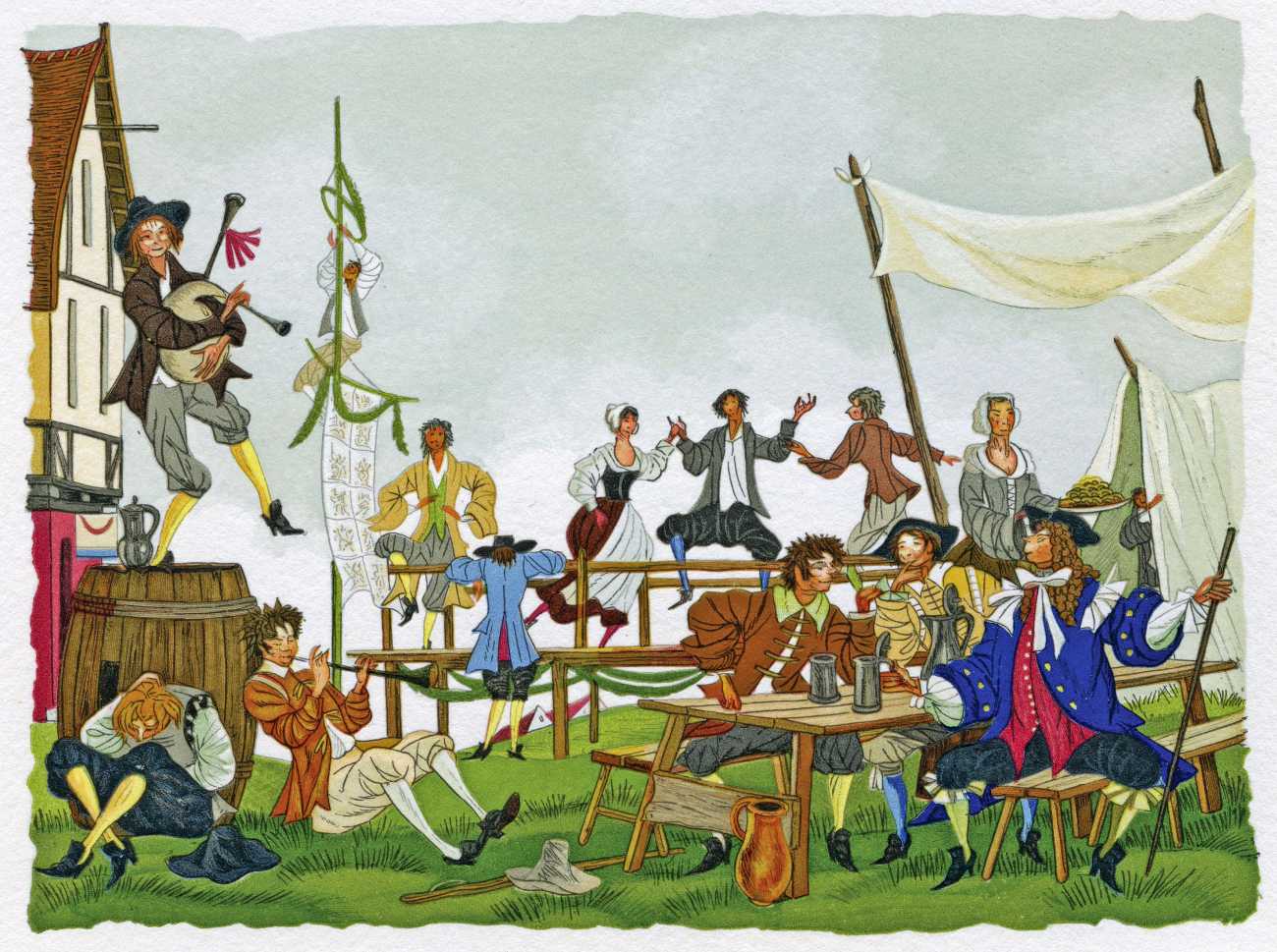
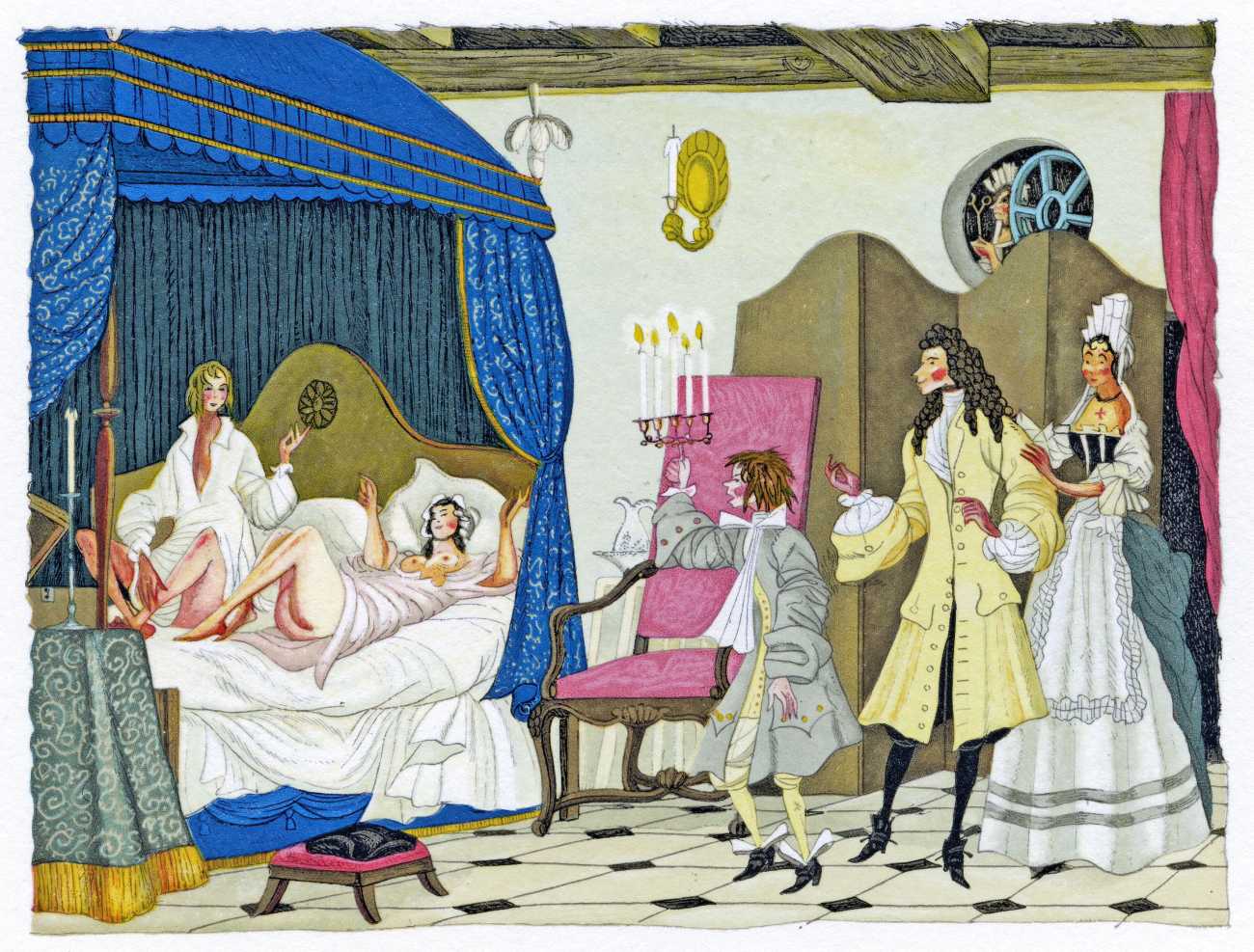
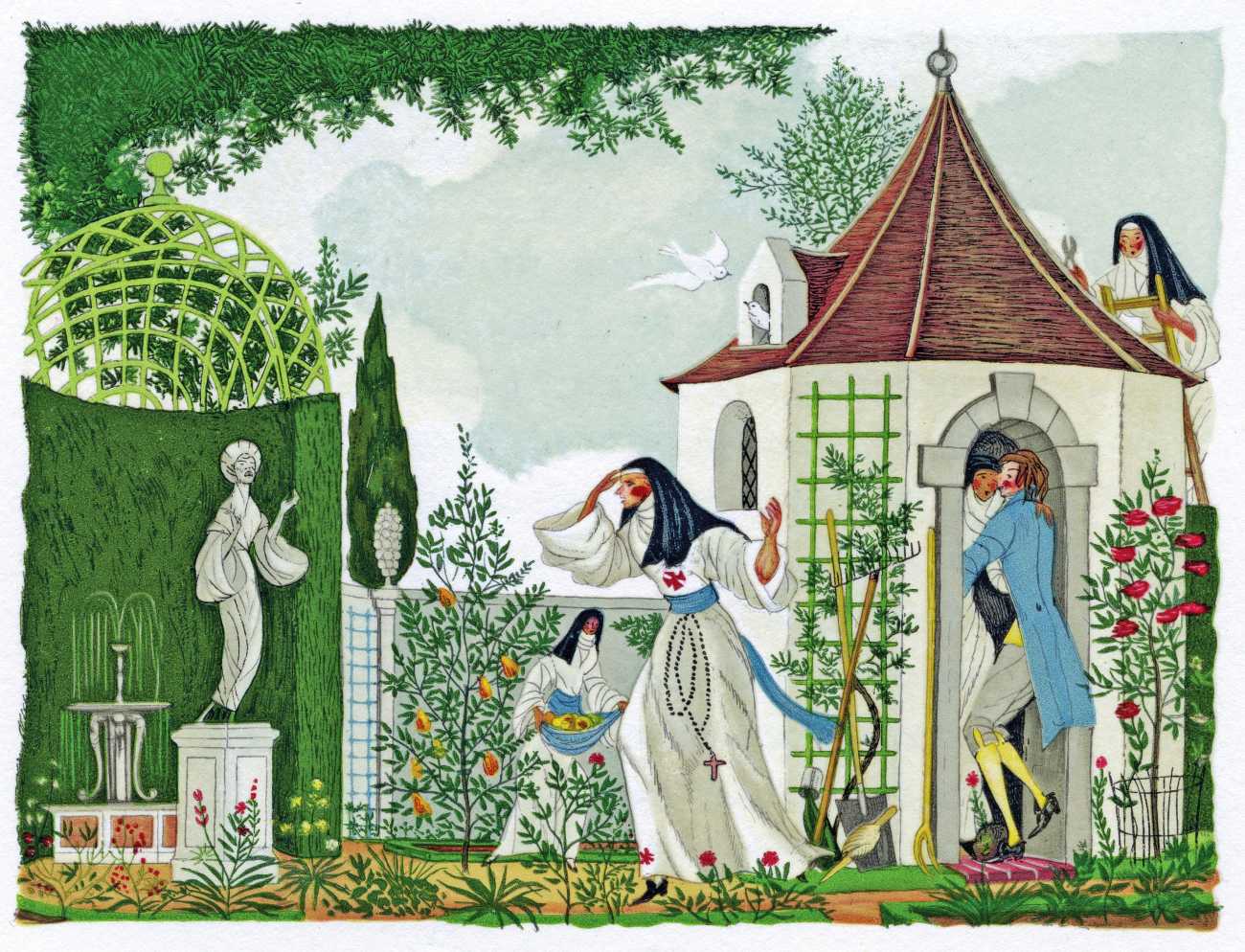
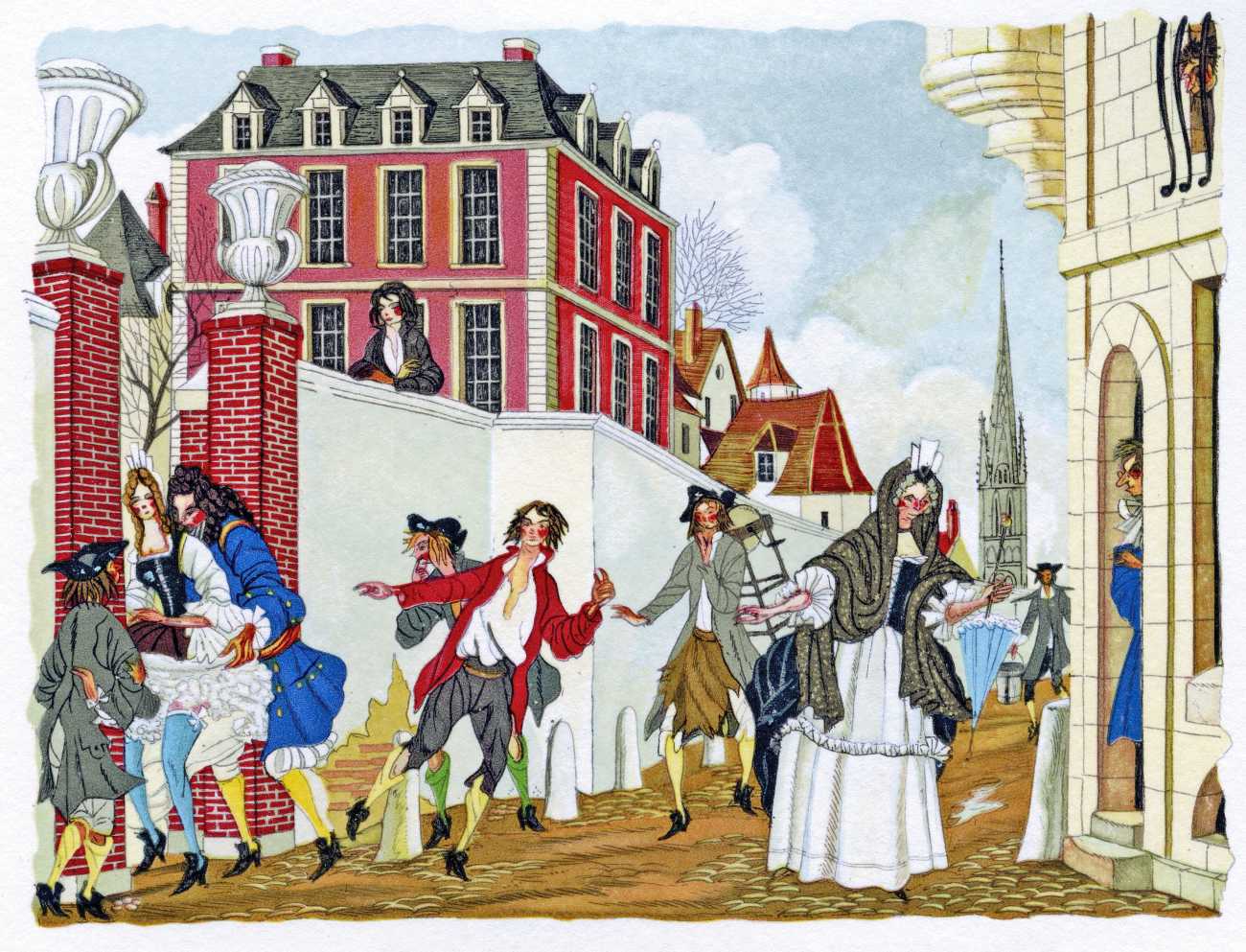
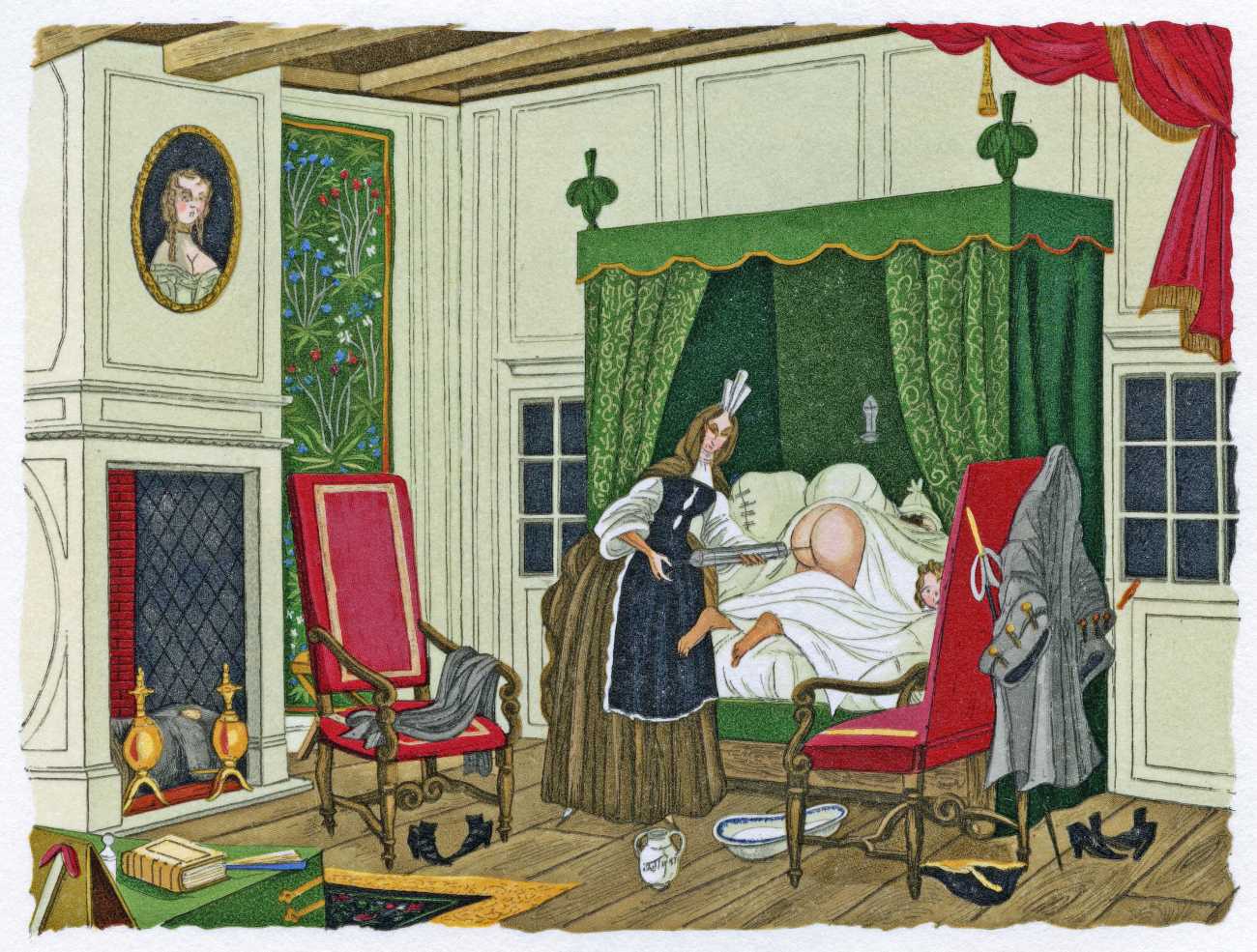
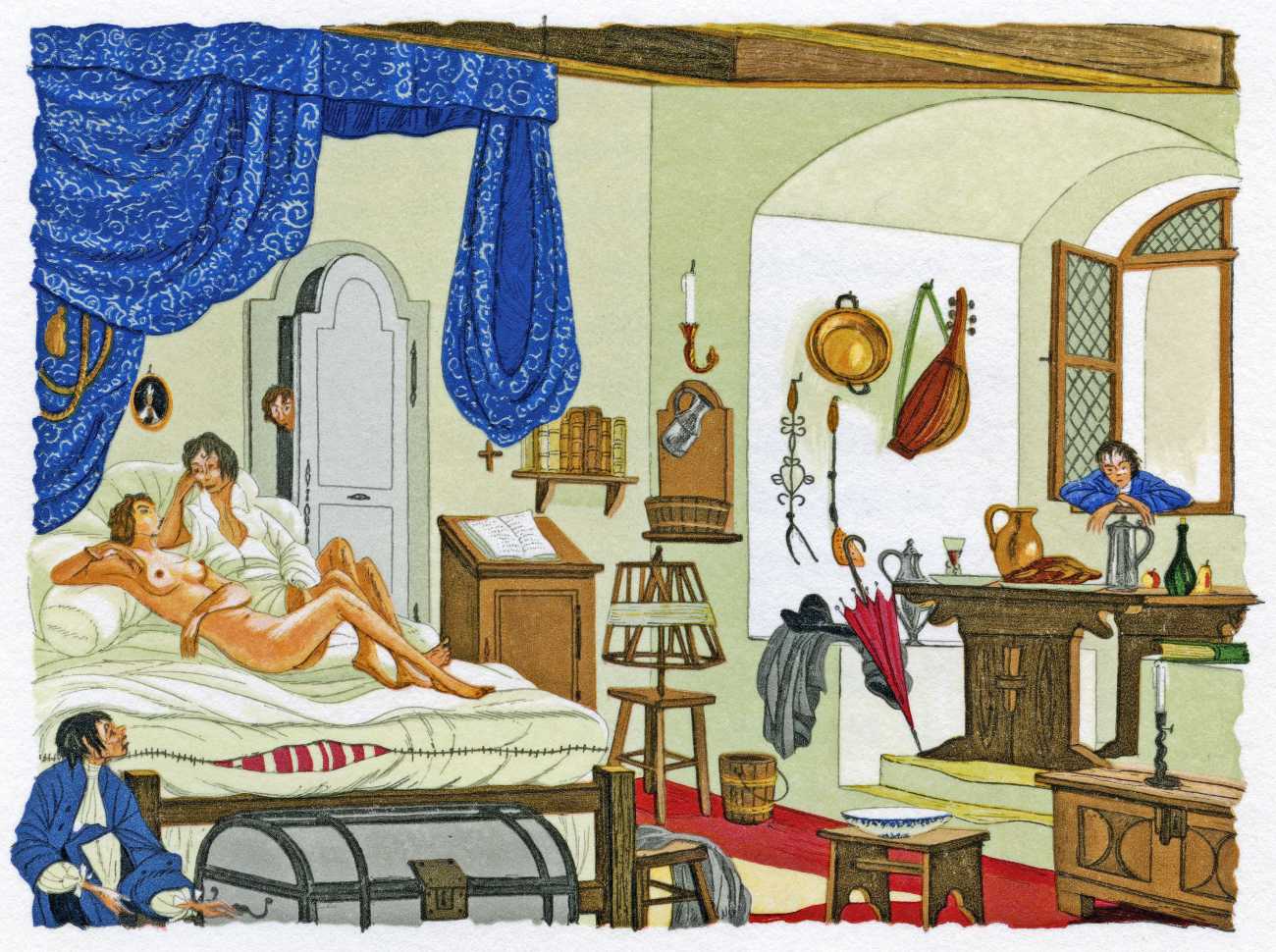
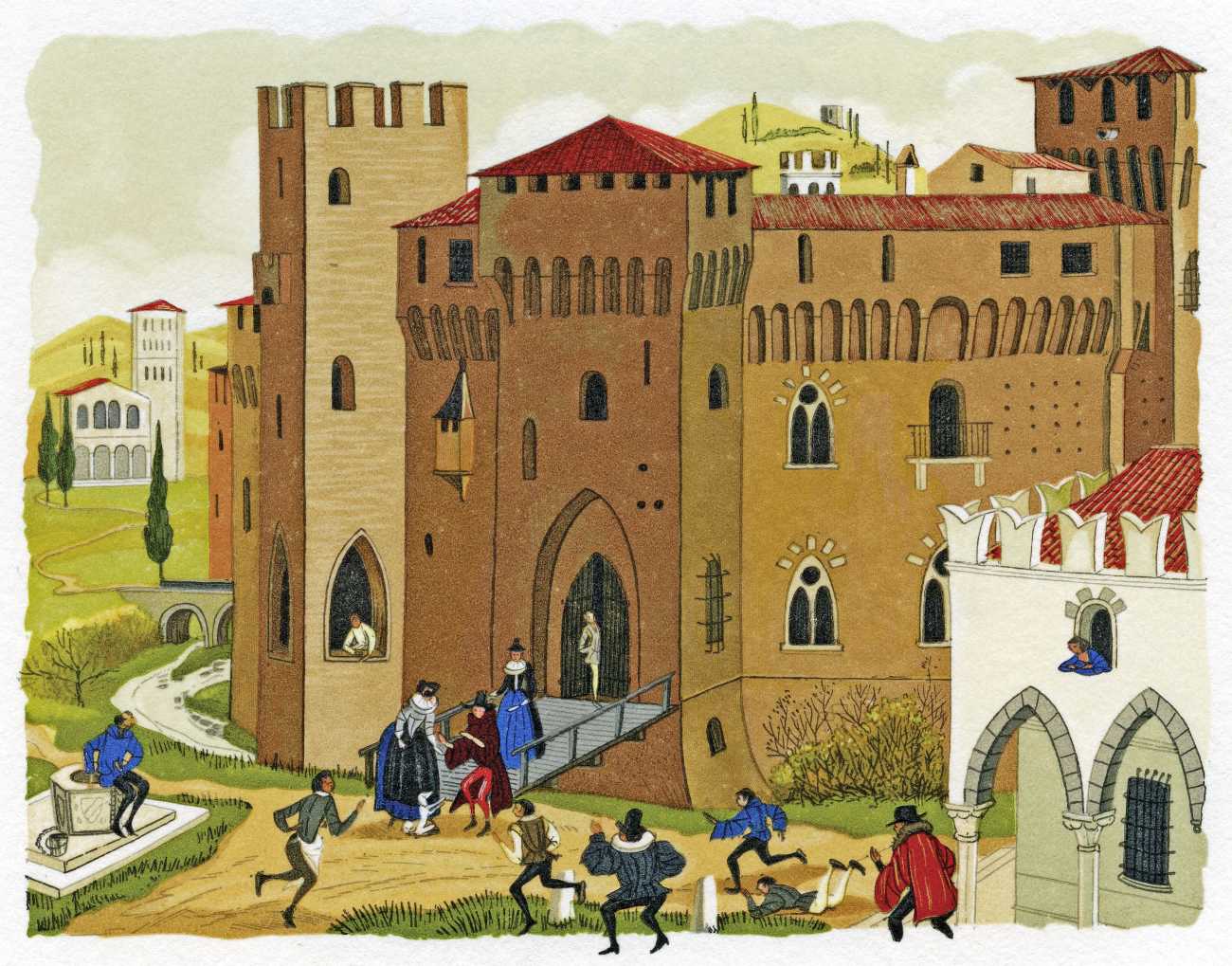
Lemarié is noted for his mastery of miniature illustration in colour. His technique involves richly detailed scenes, producing works that are as much fine art objects as book illustrations. His style shows the influence of early renaissance manuscript illumination, Flemish woodcuts, and classical French literary illustration. He often selected literary, mythic and rural French themes, giving them a poetic, richly textured visual life.
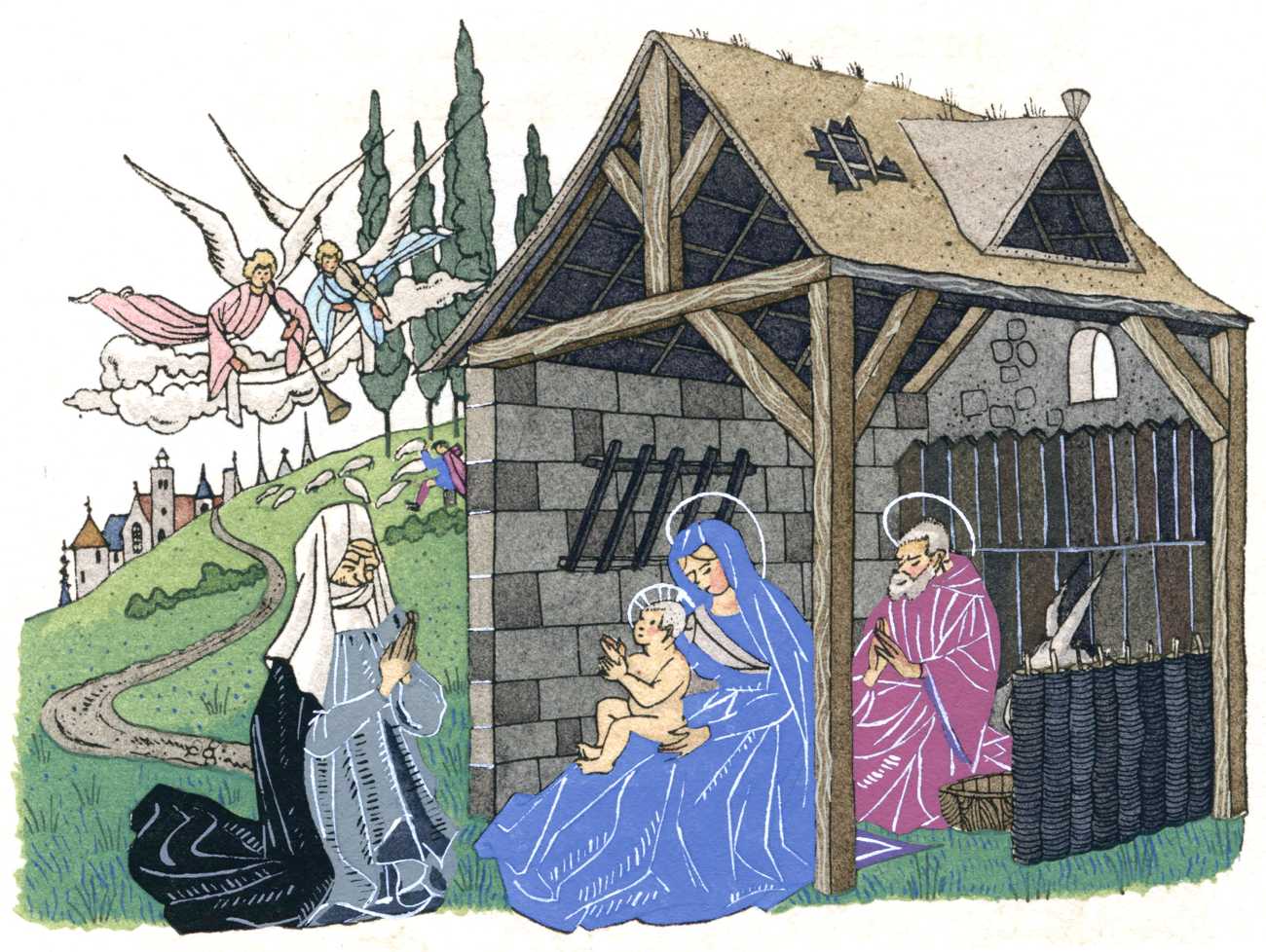
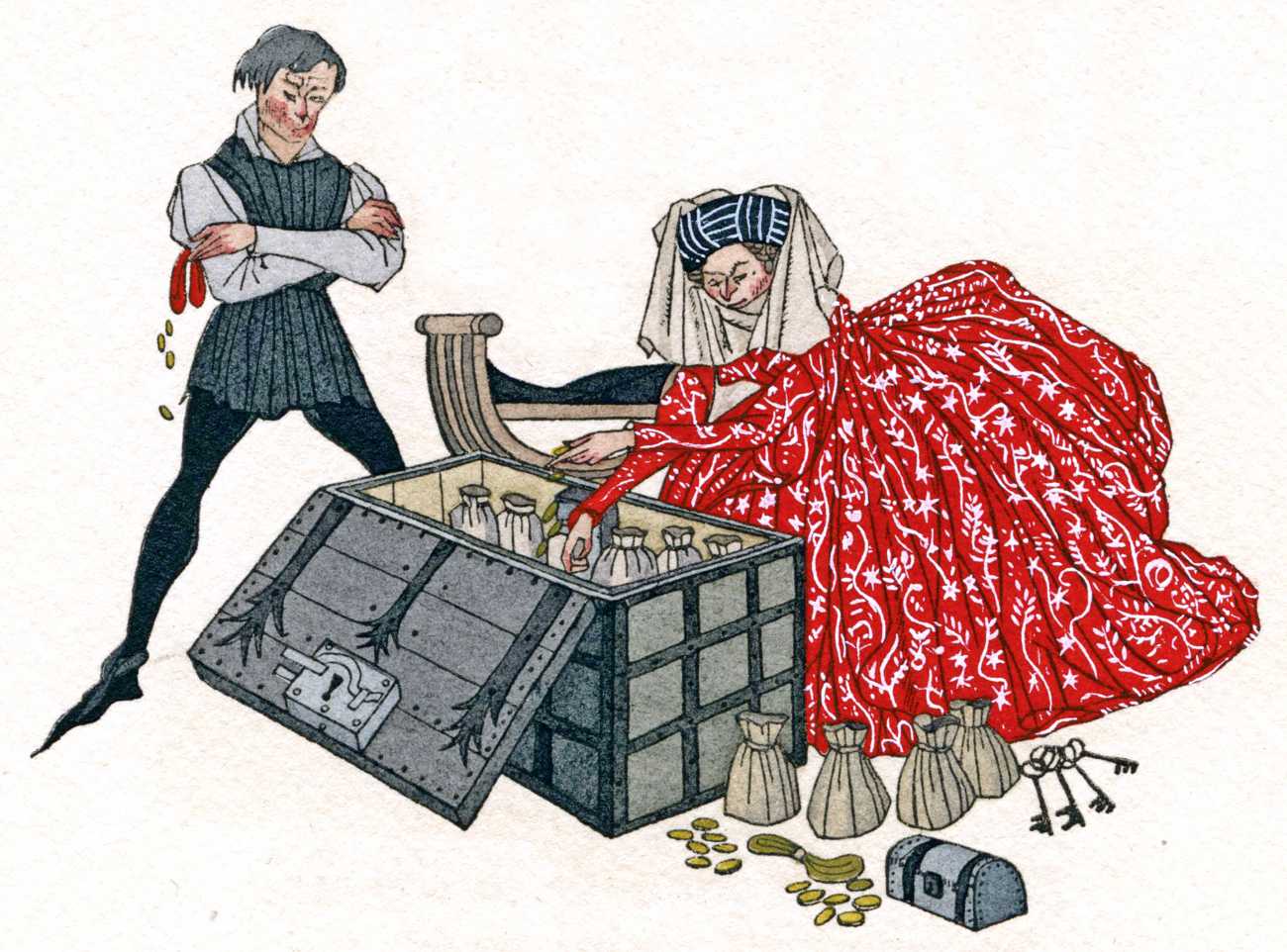
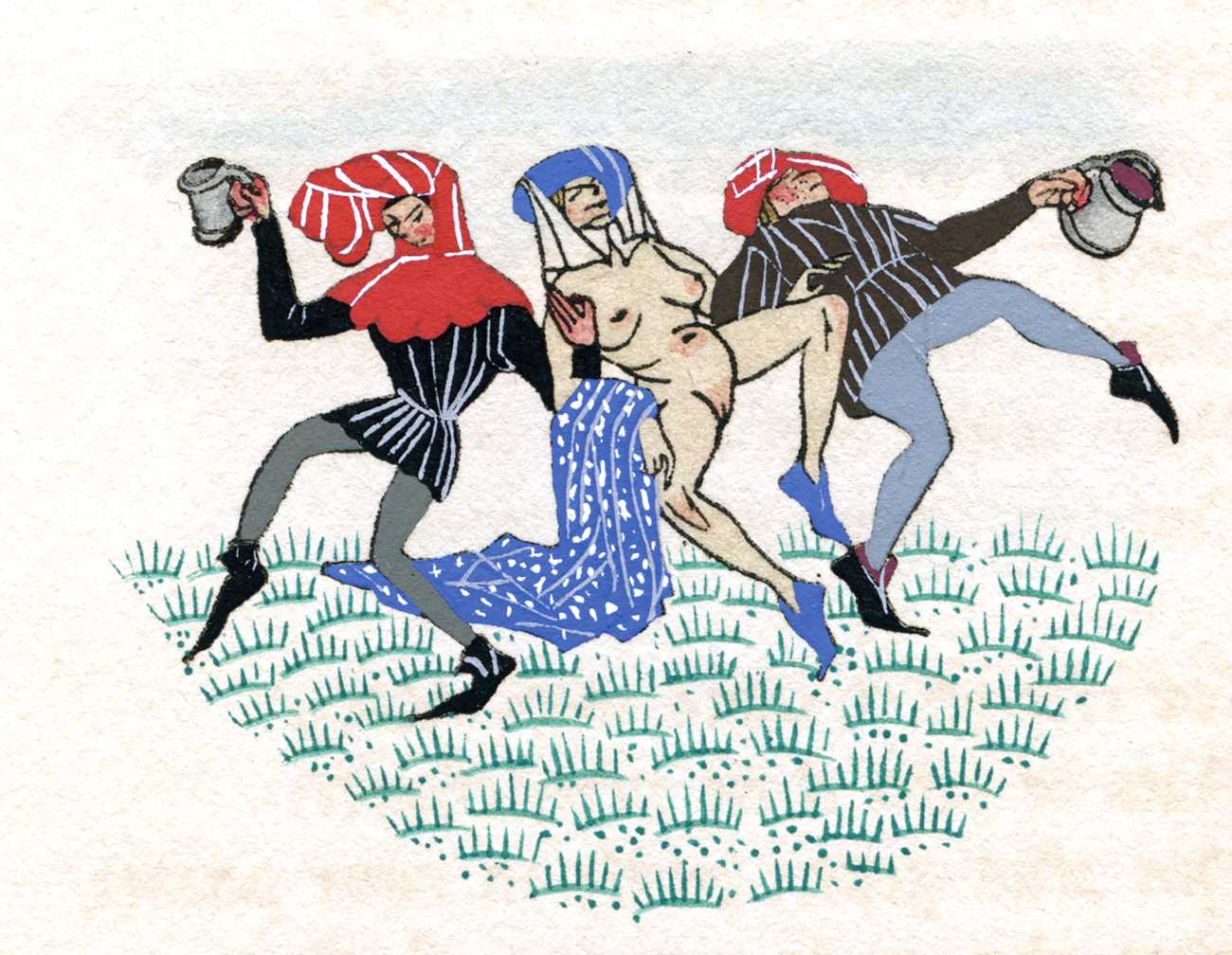
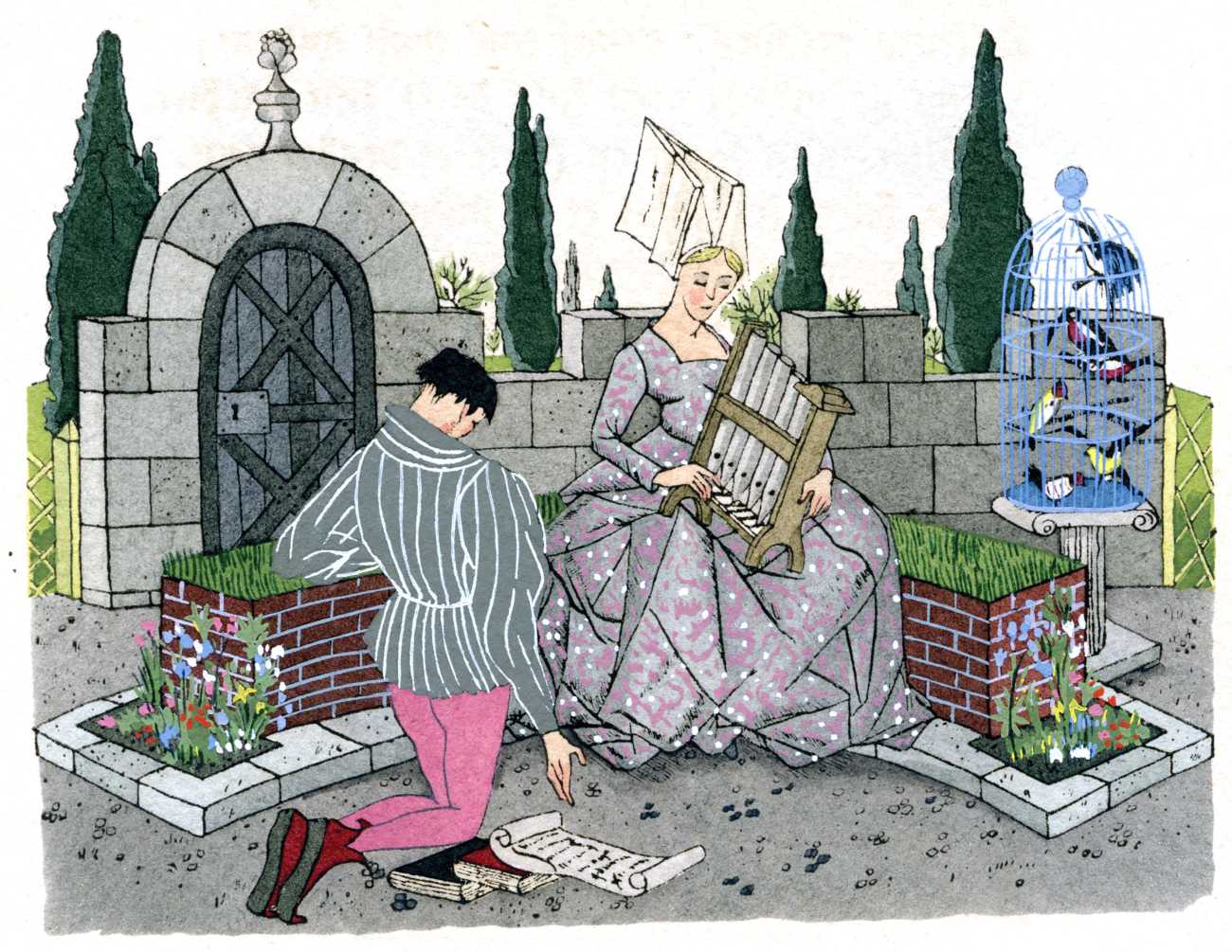
Example illustration