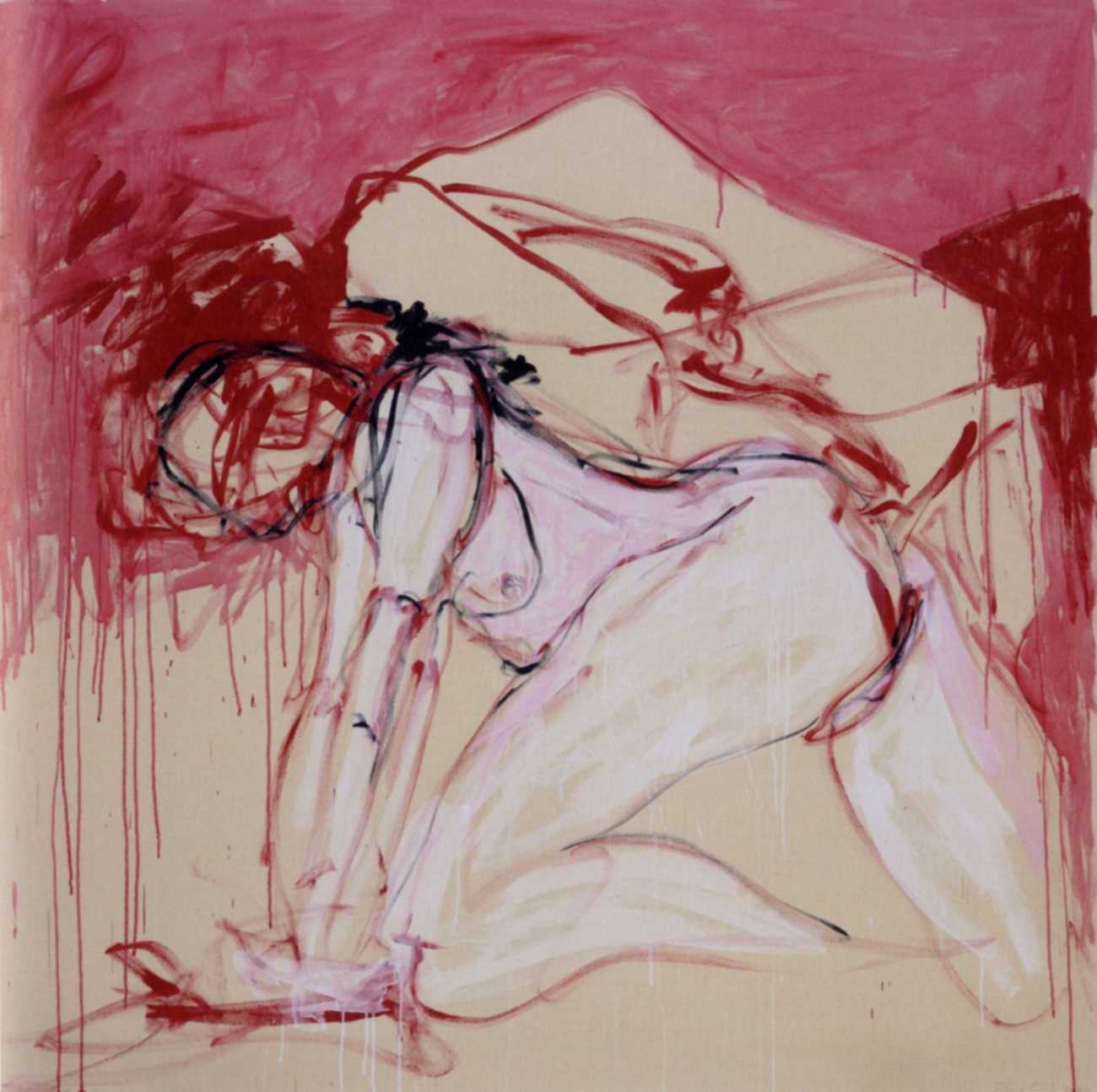
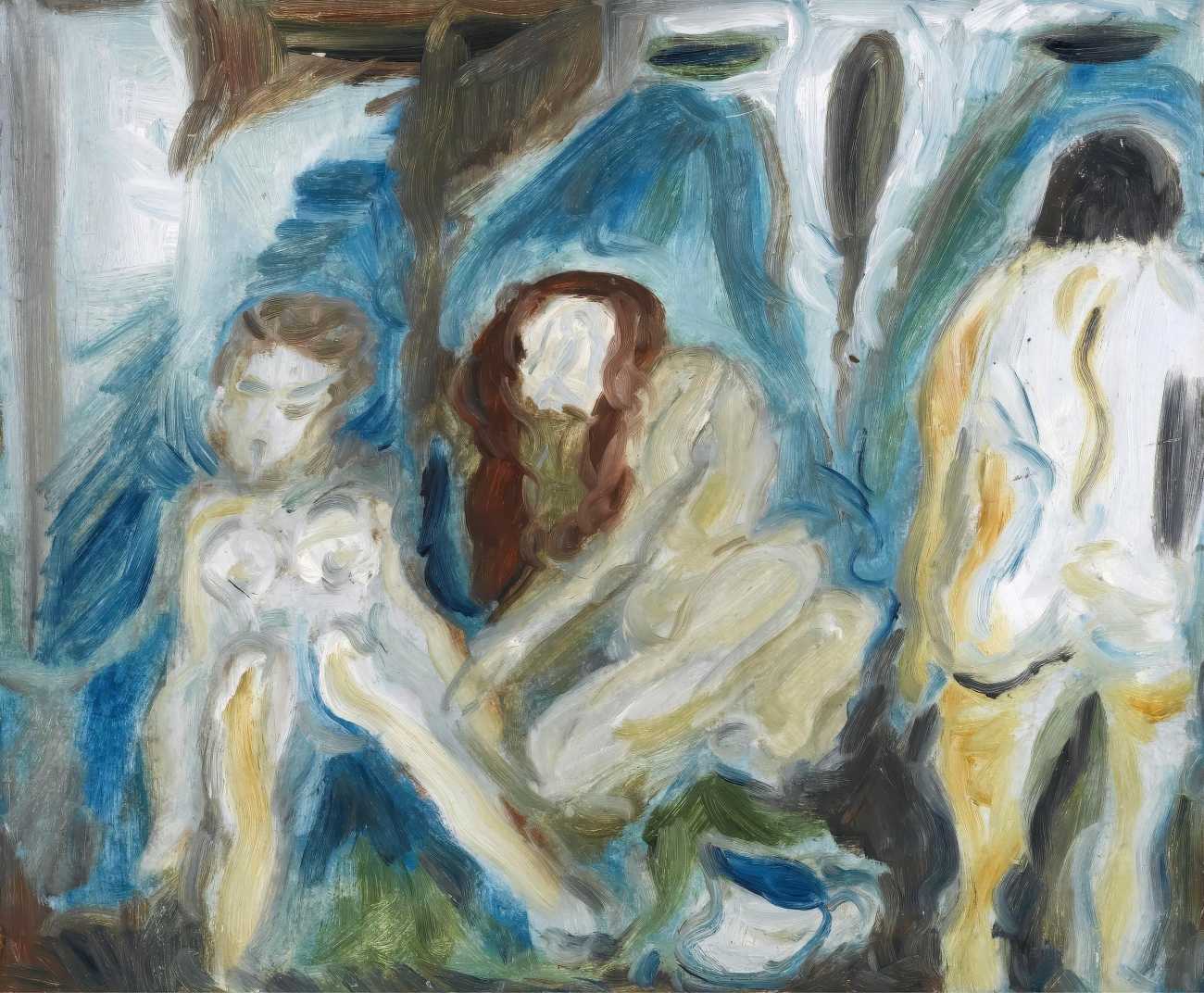
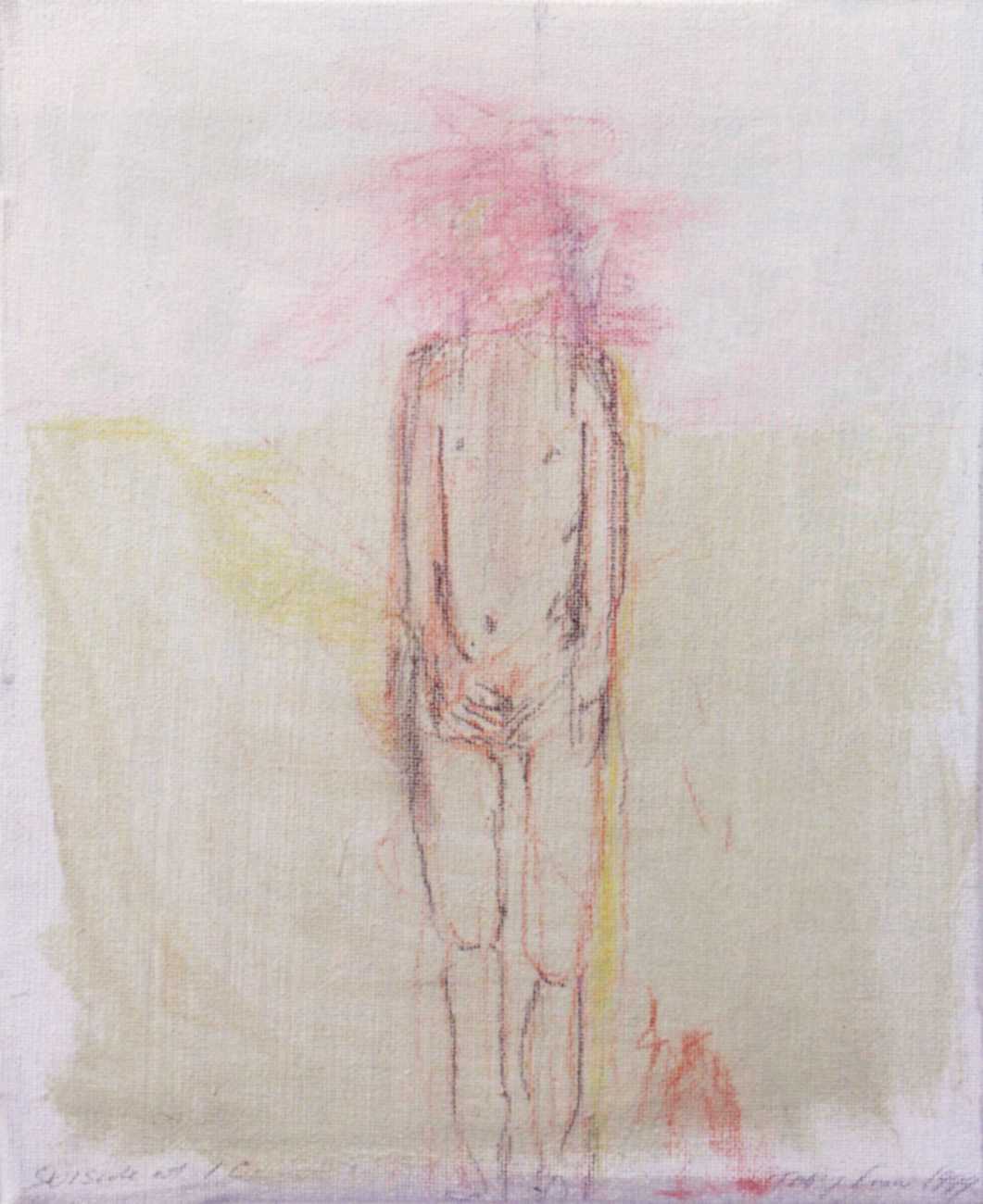
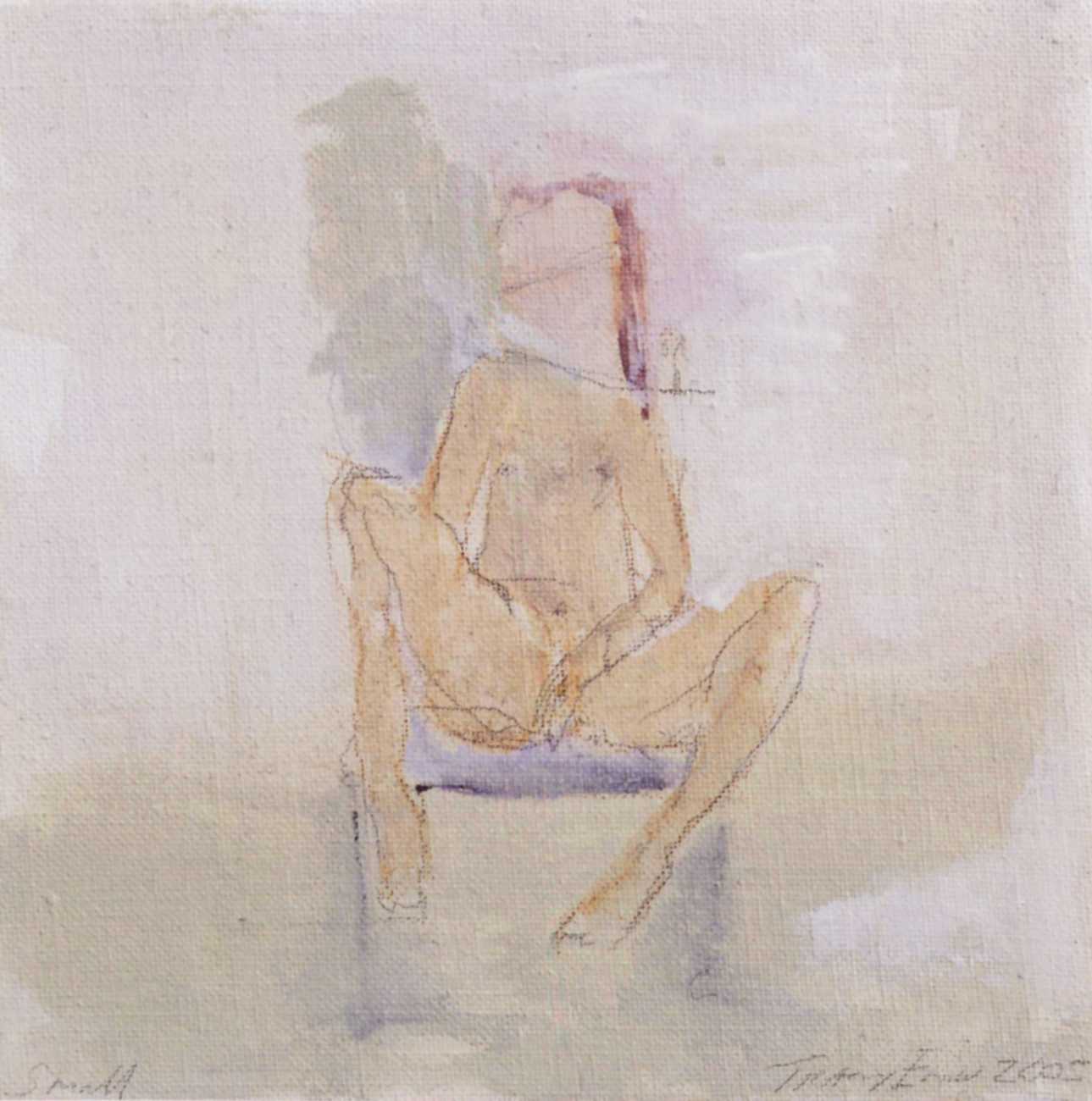
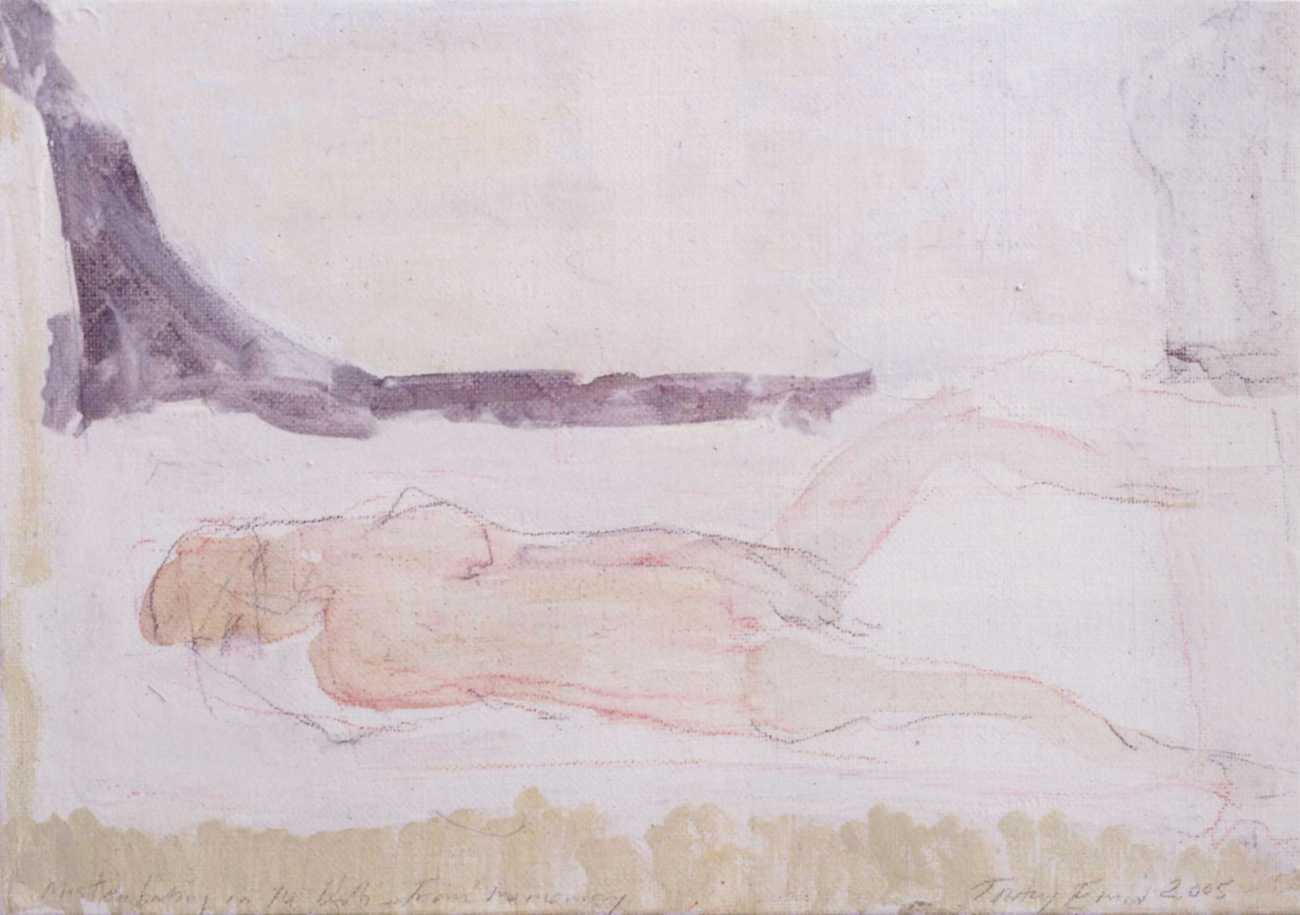
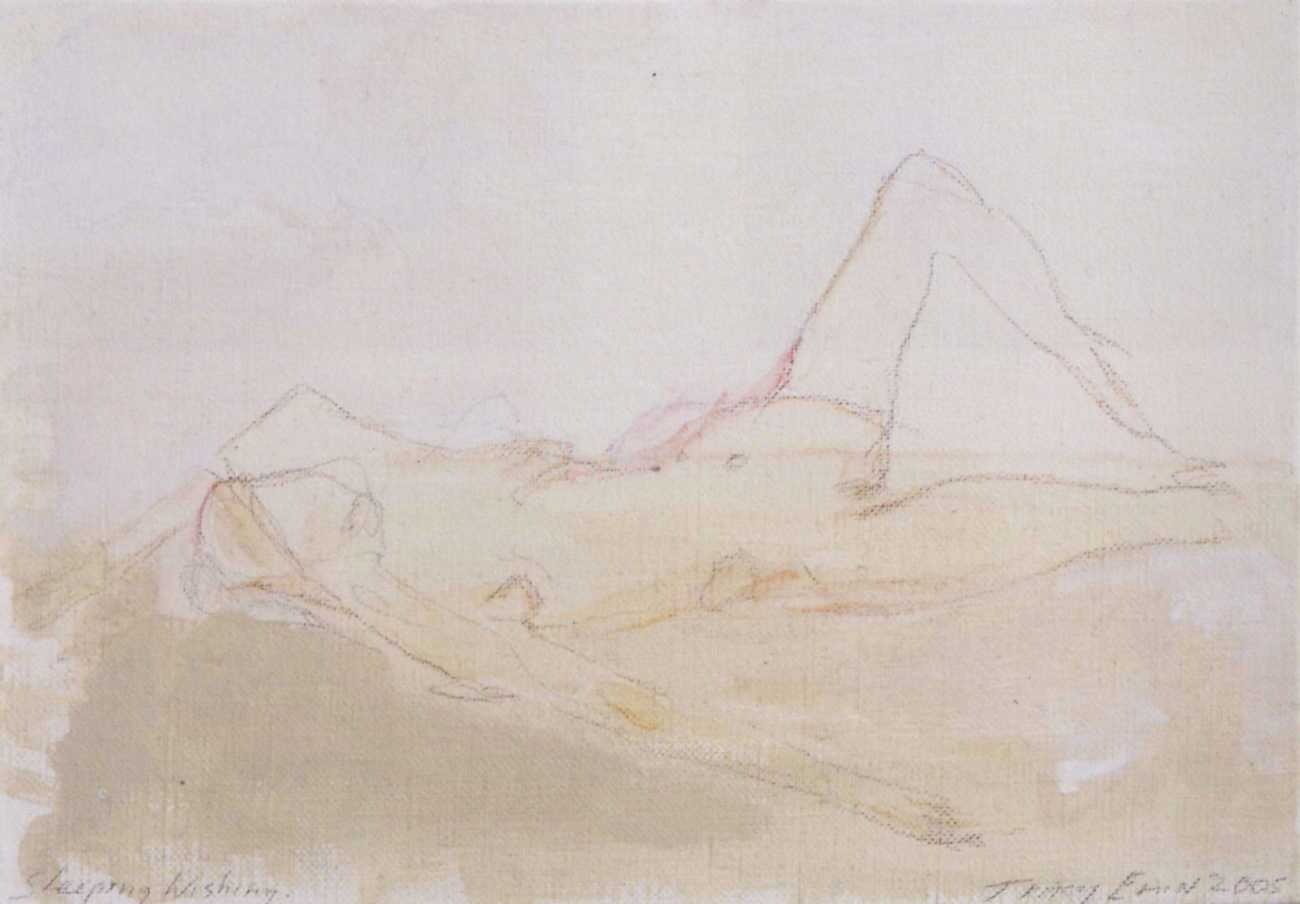
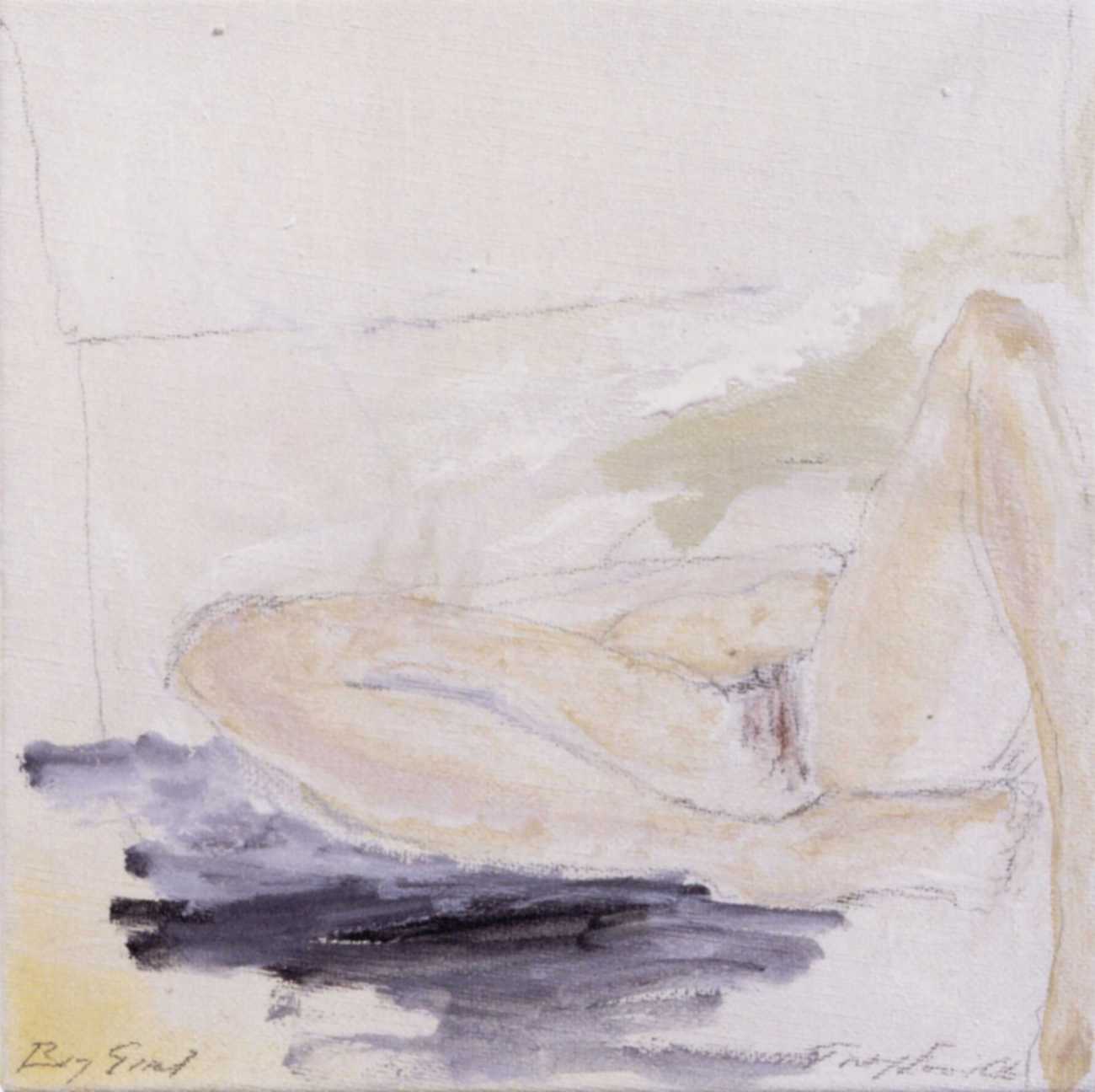
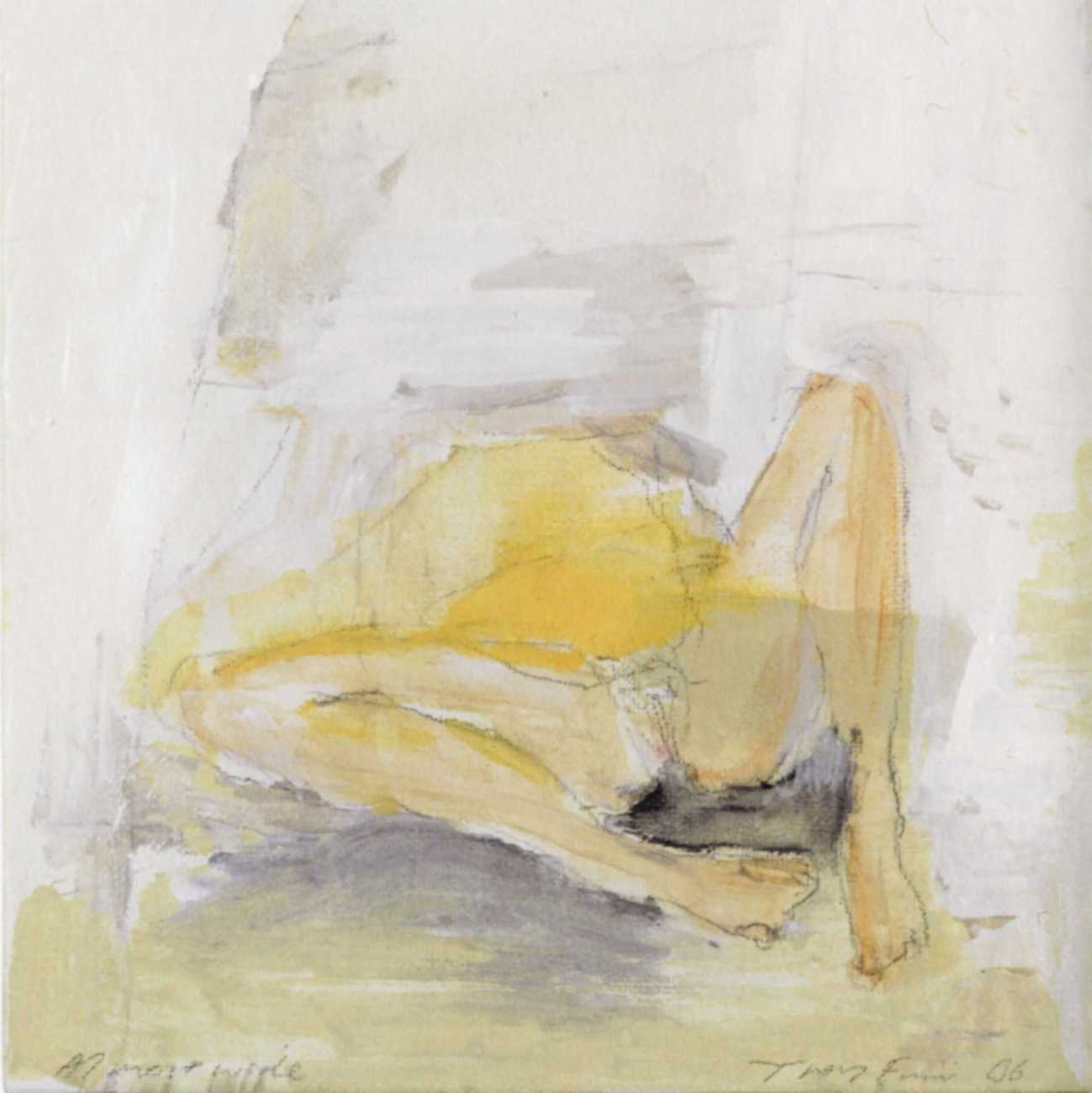
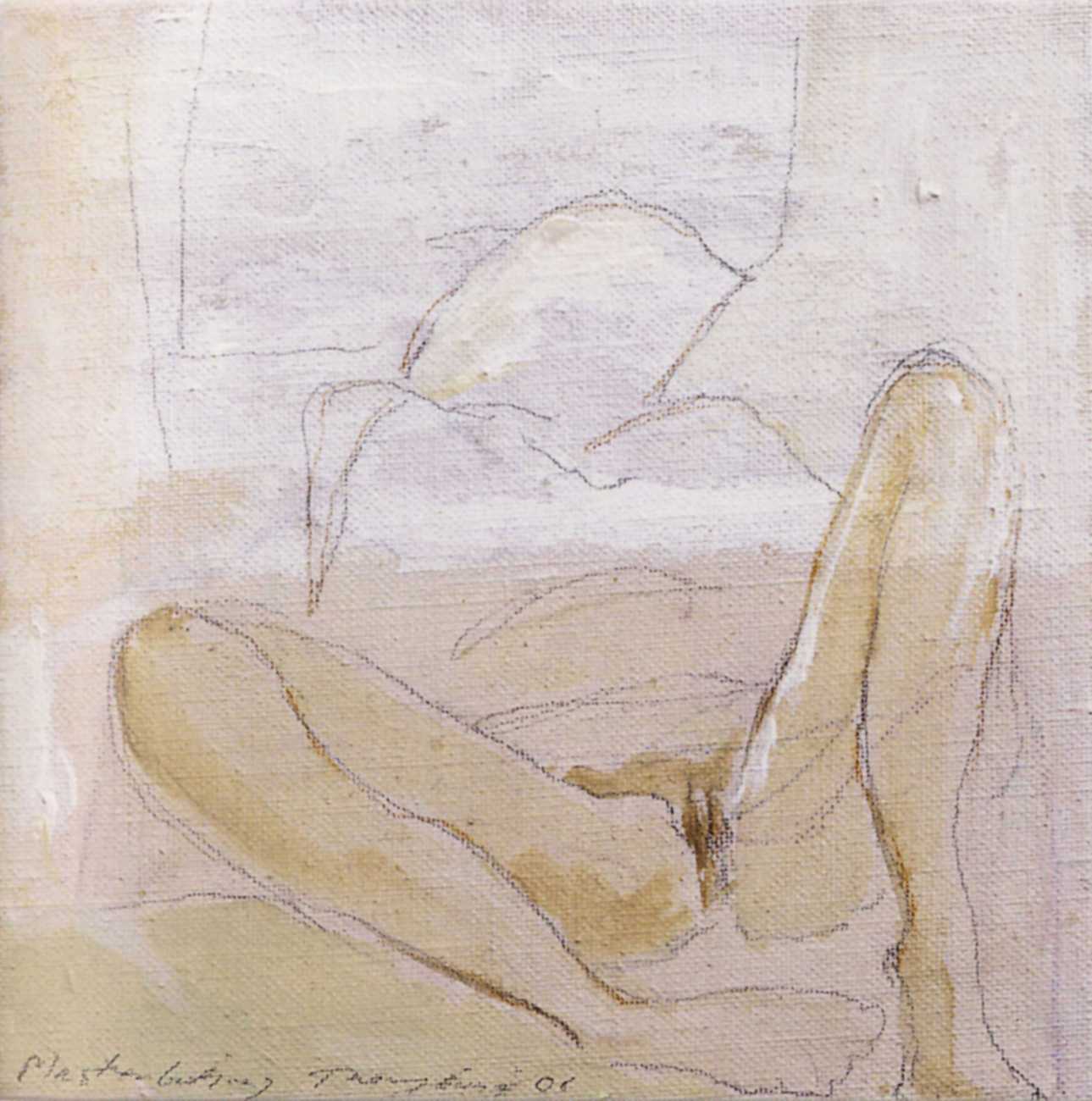
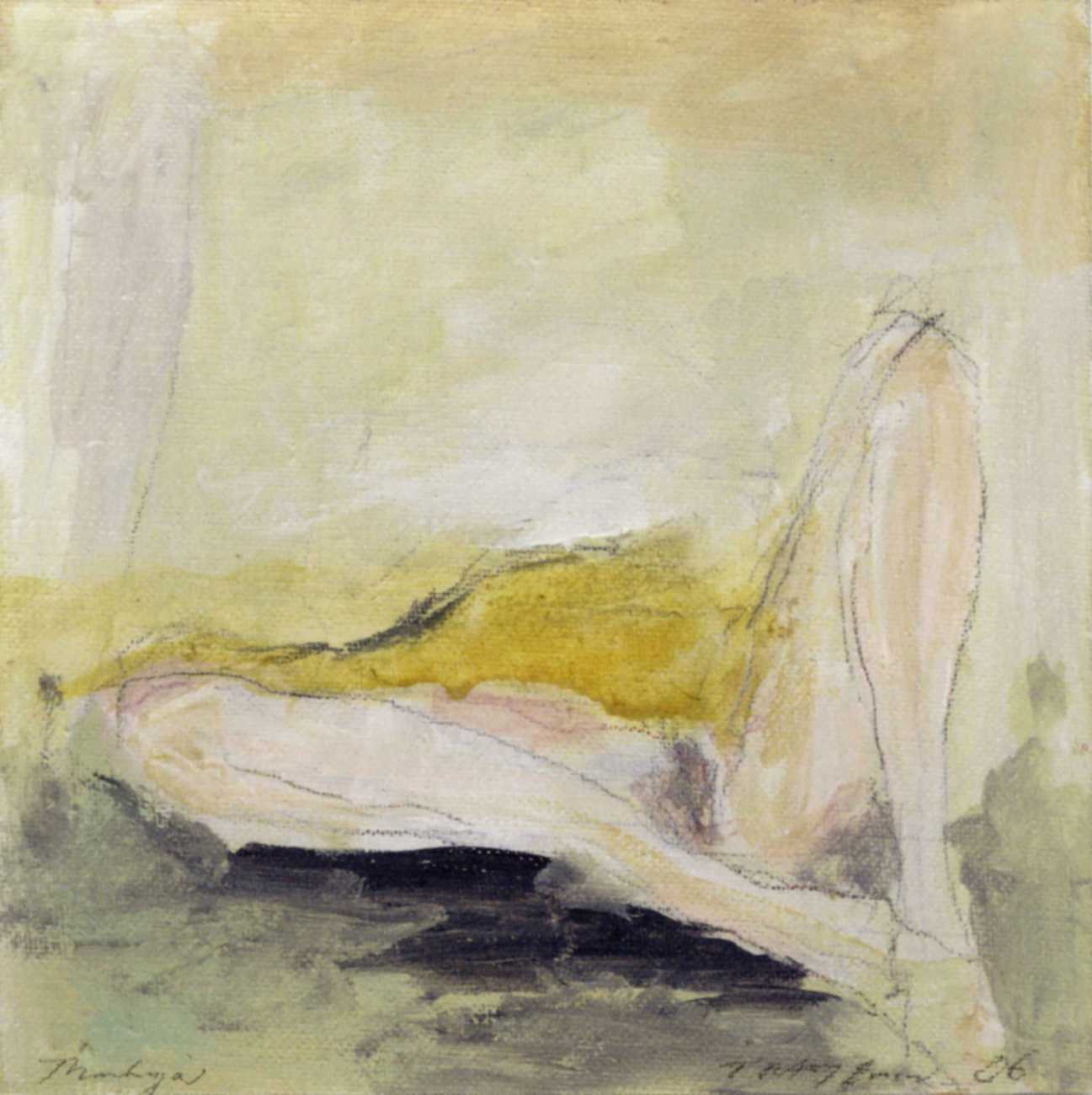
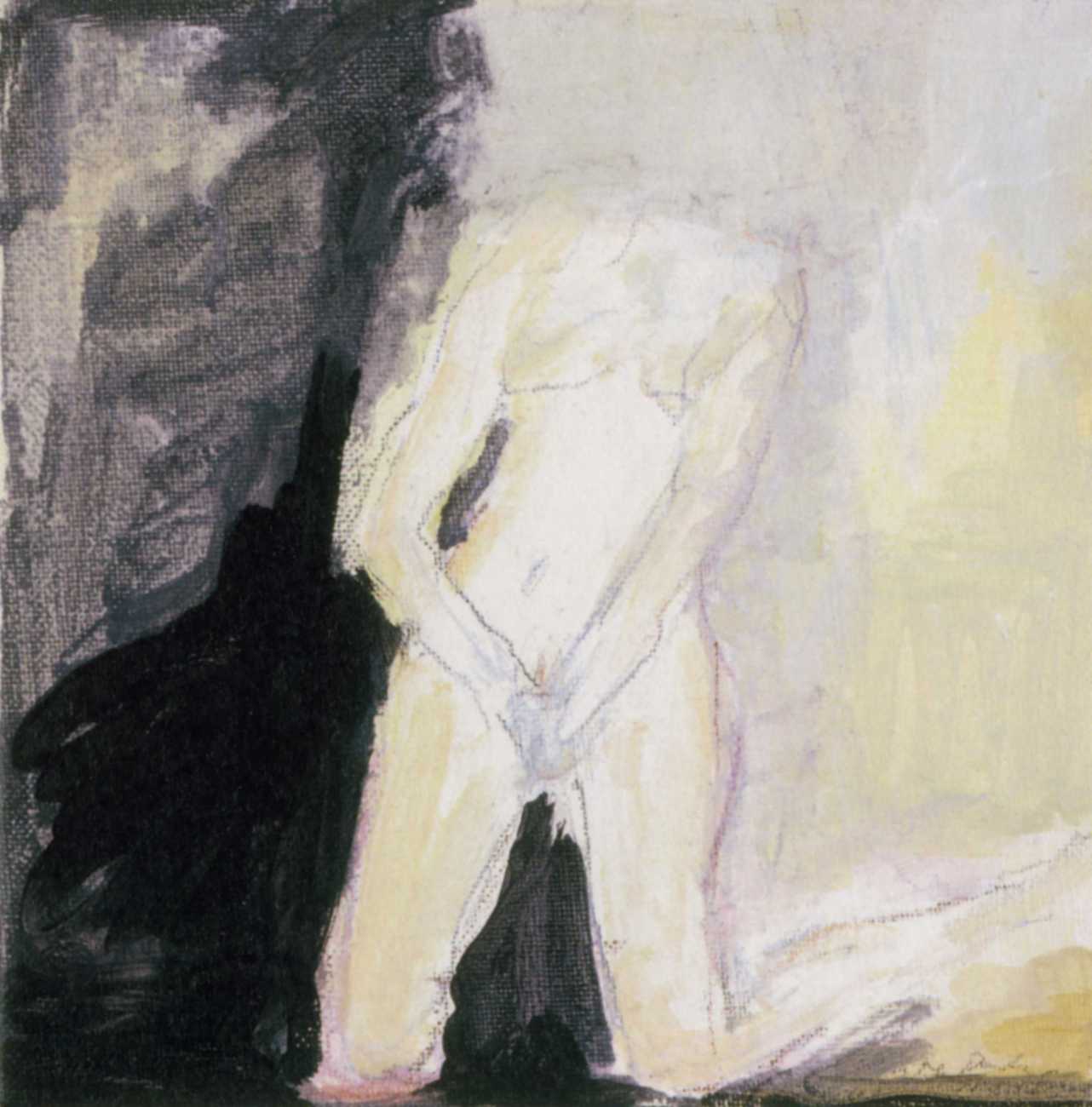
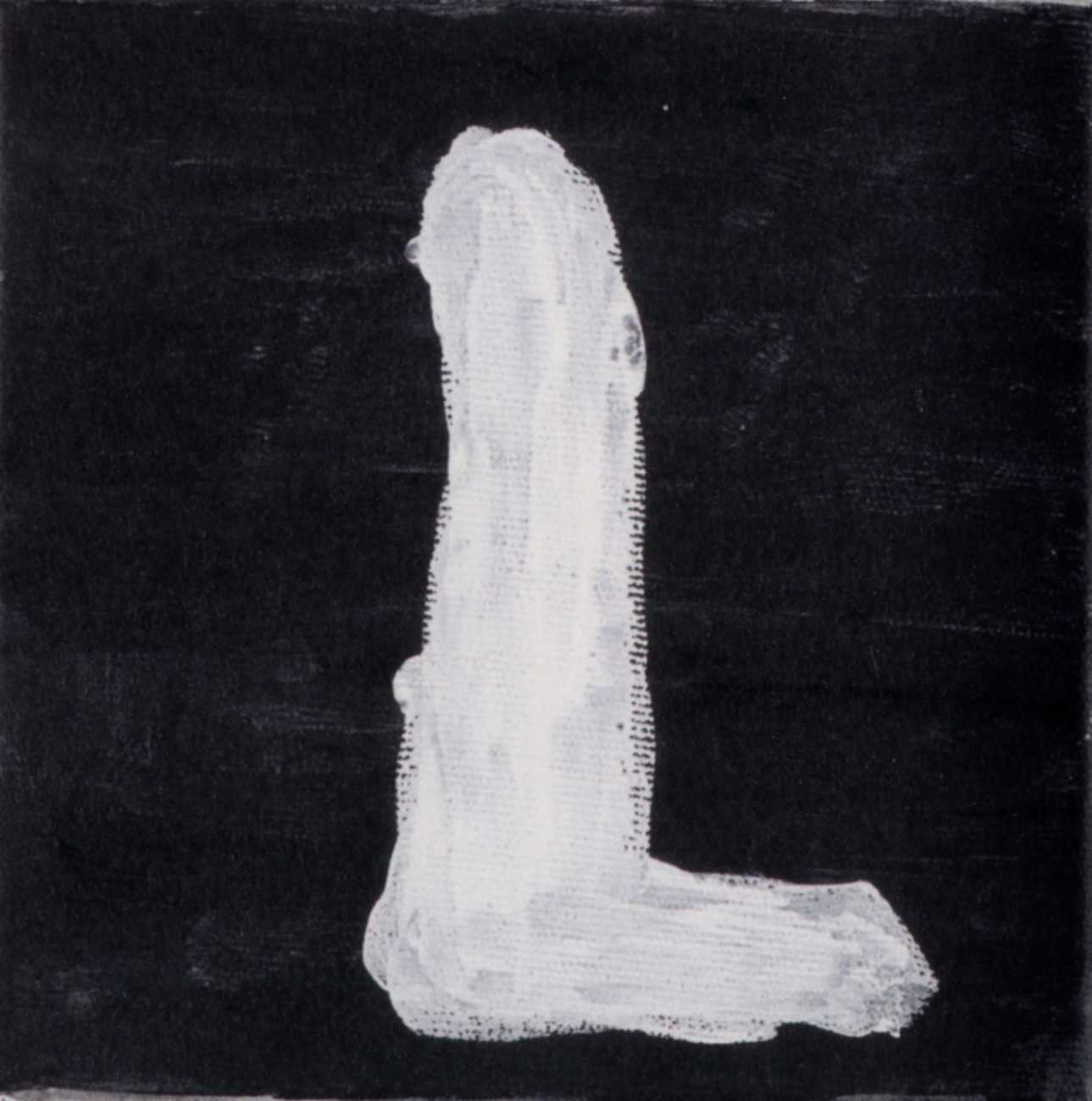
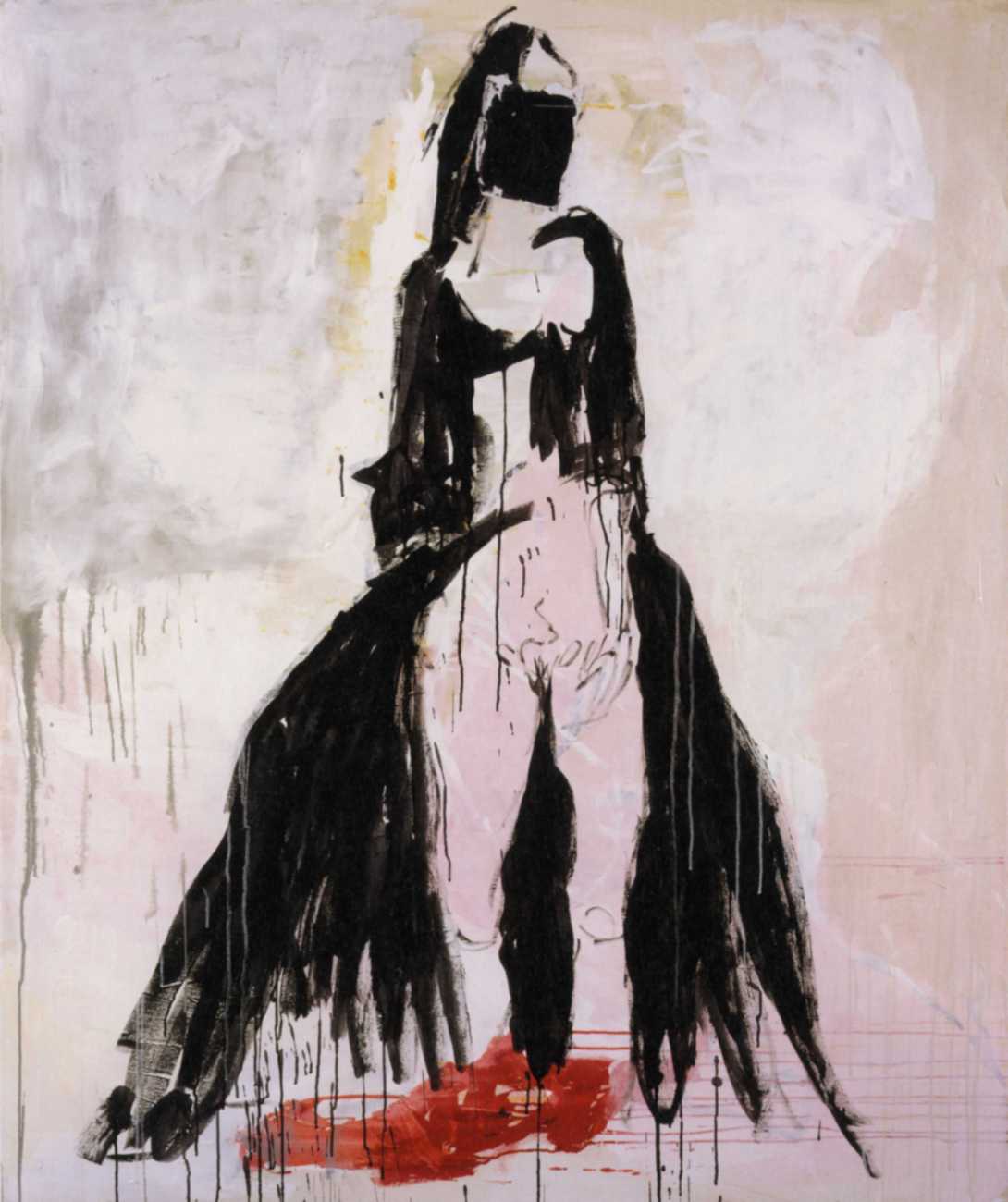
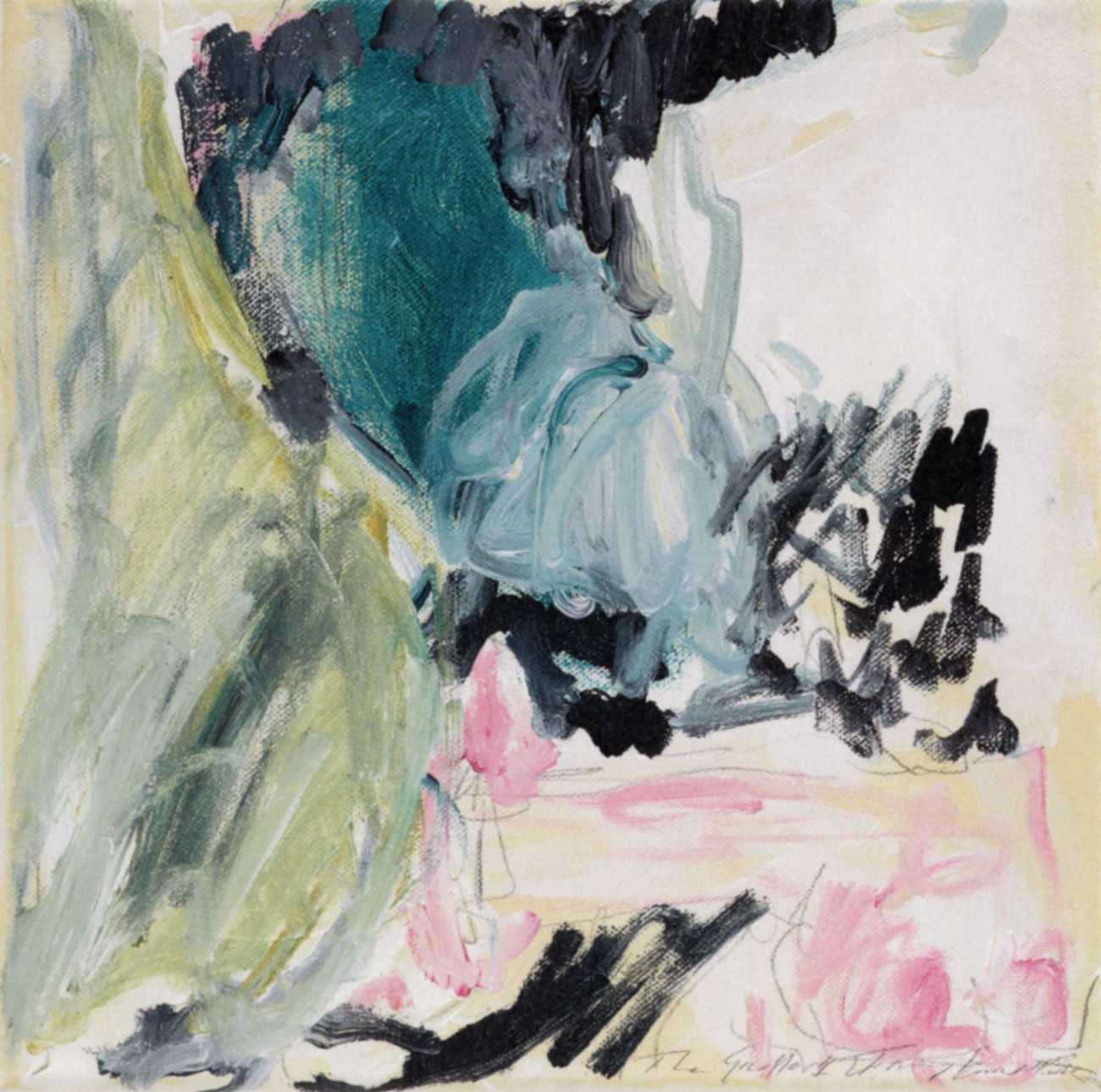
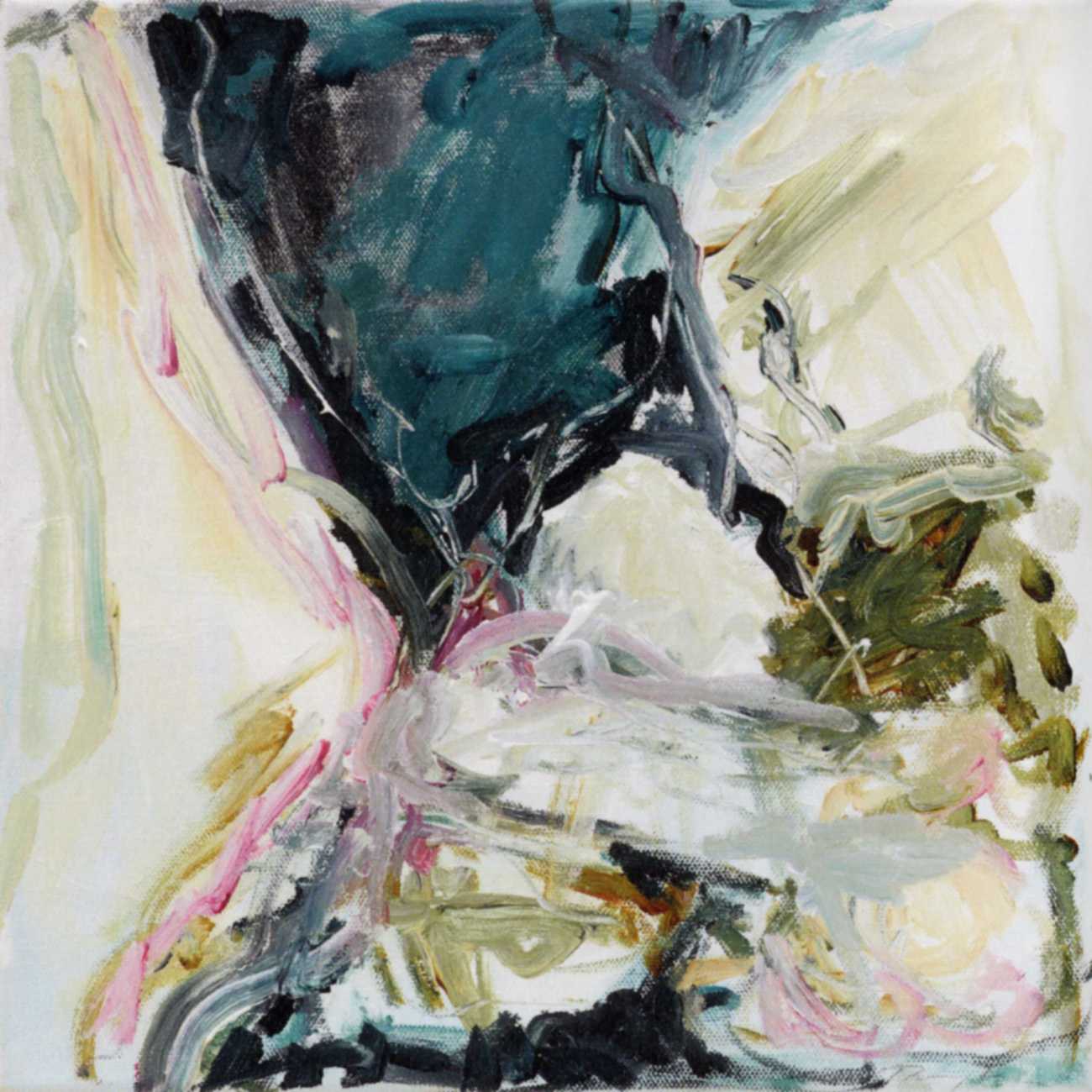
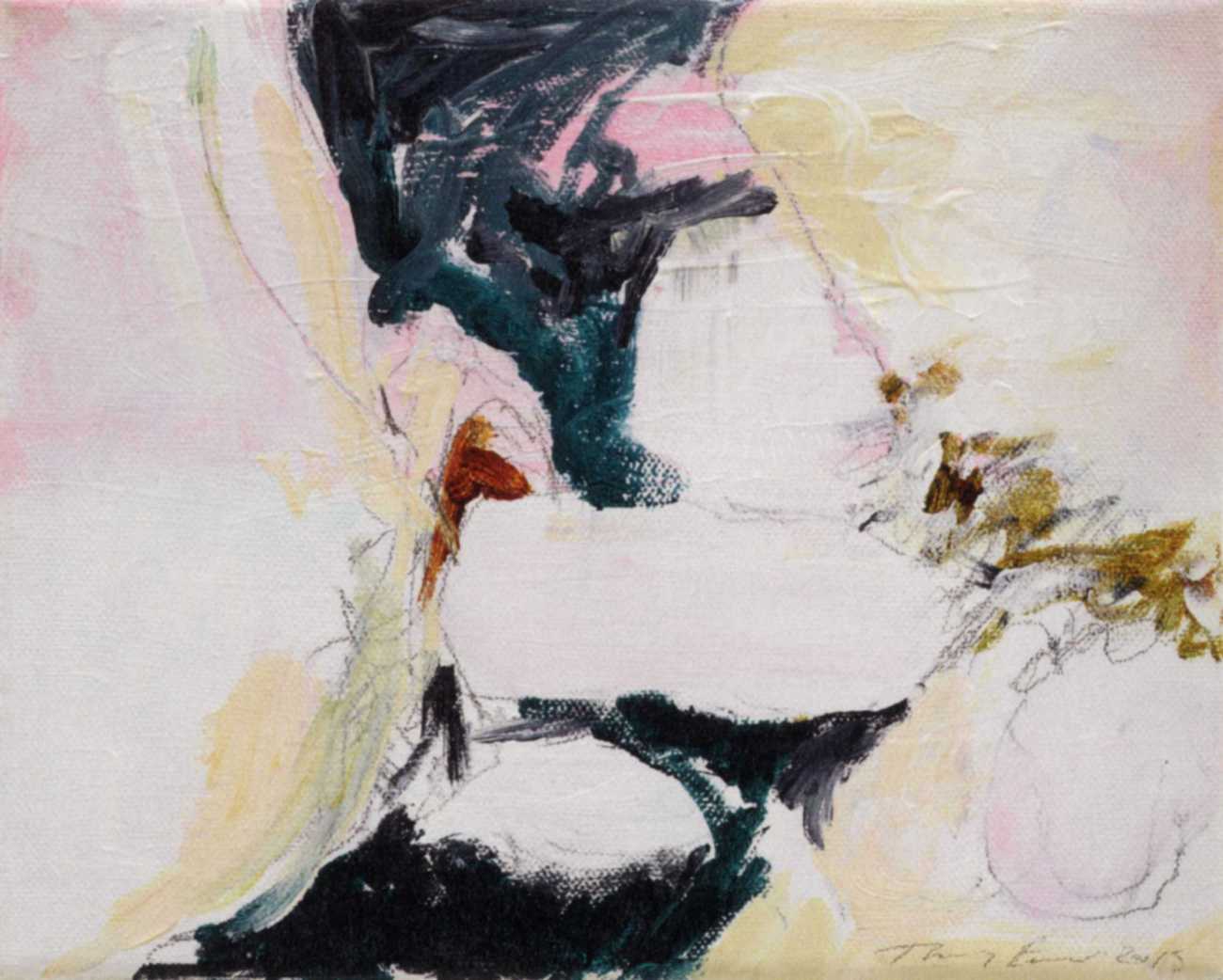
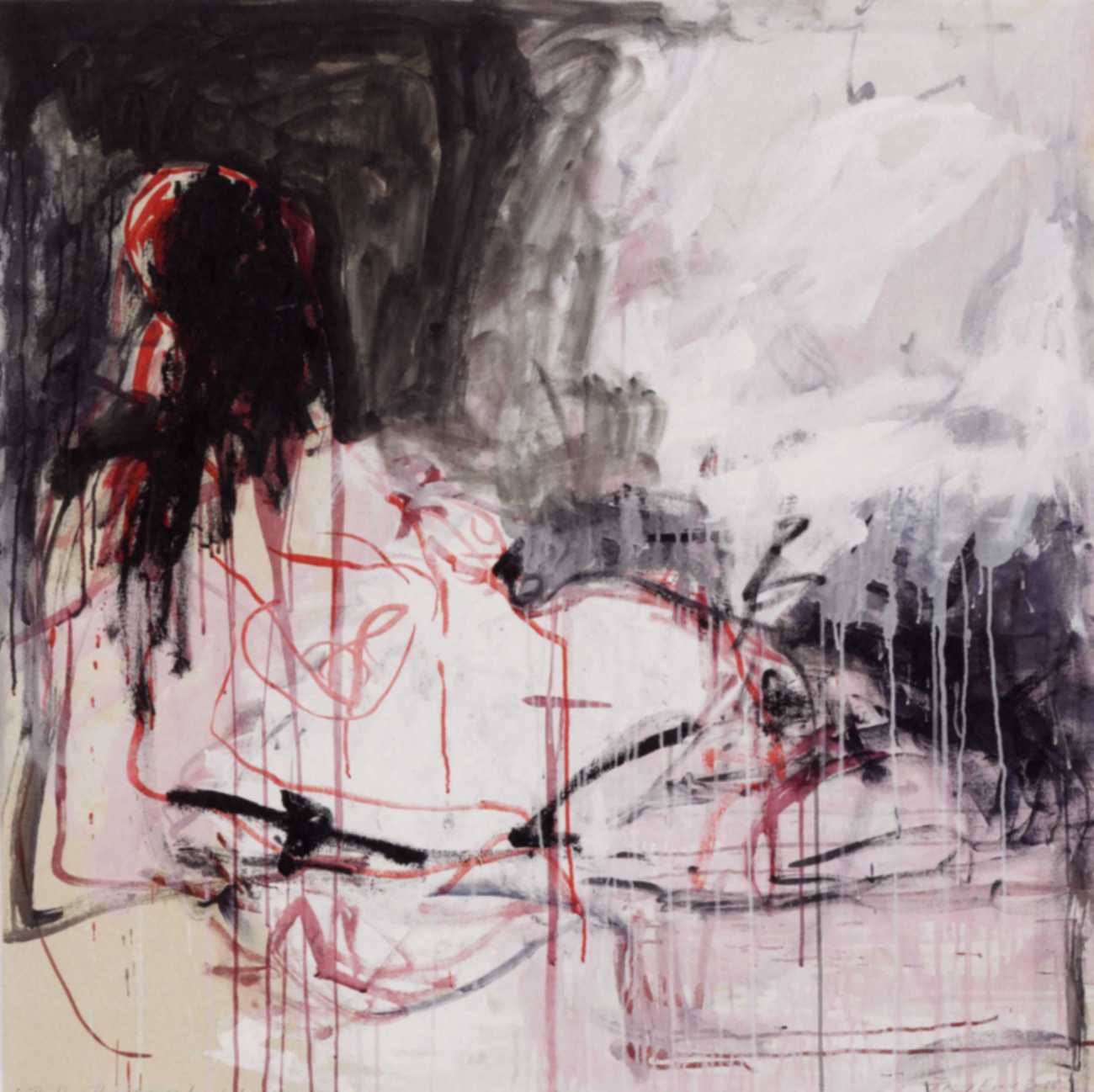
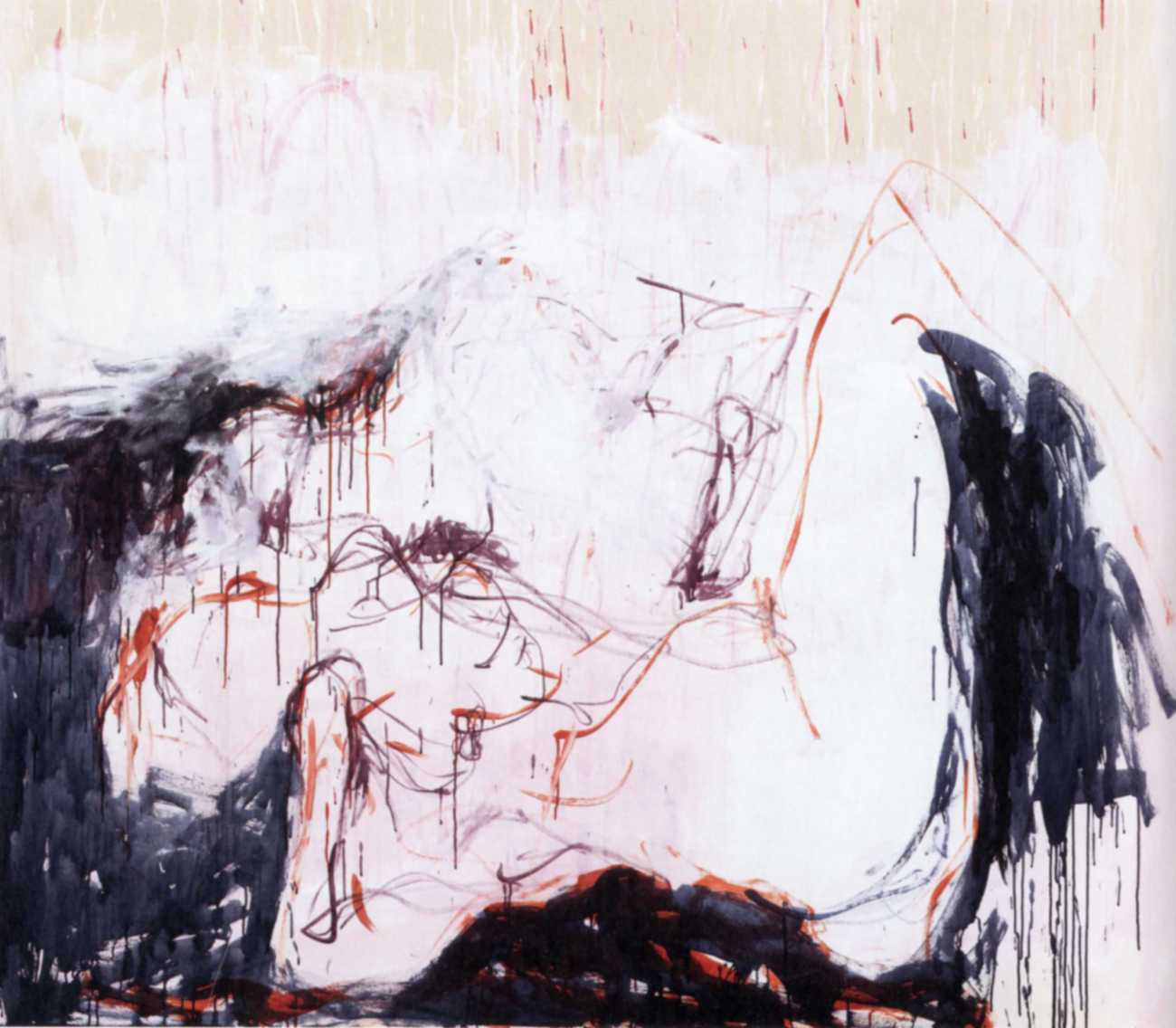
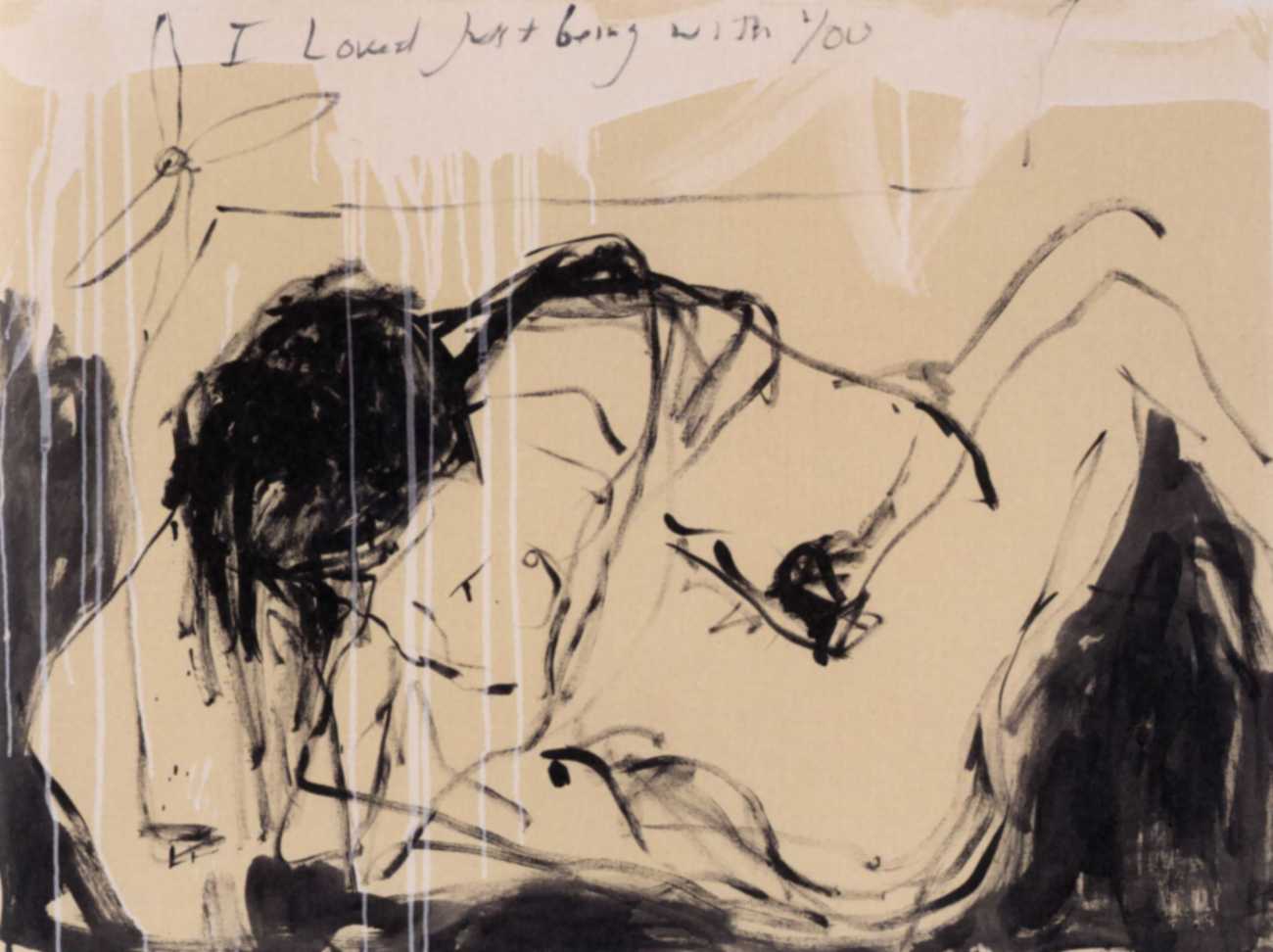
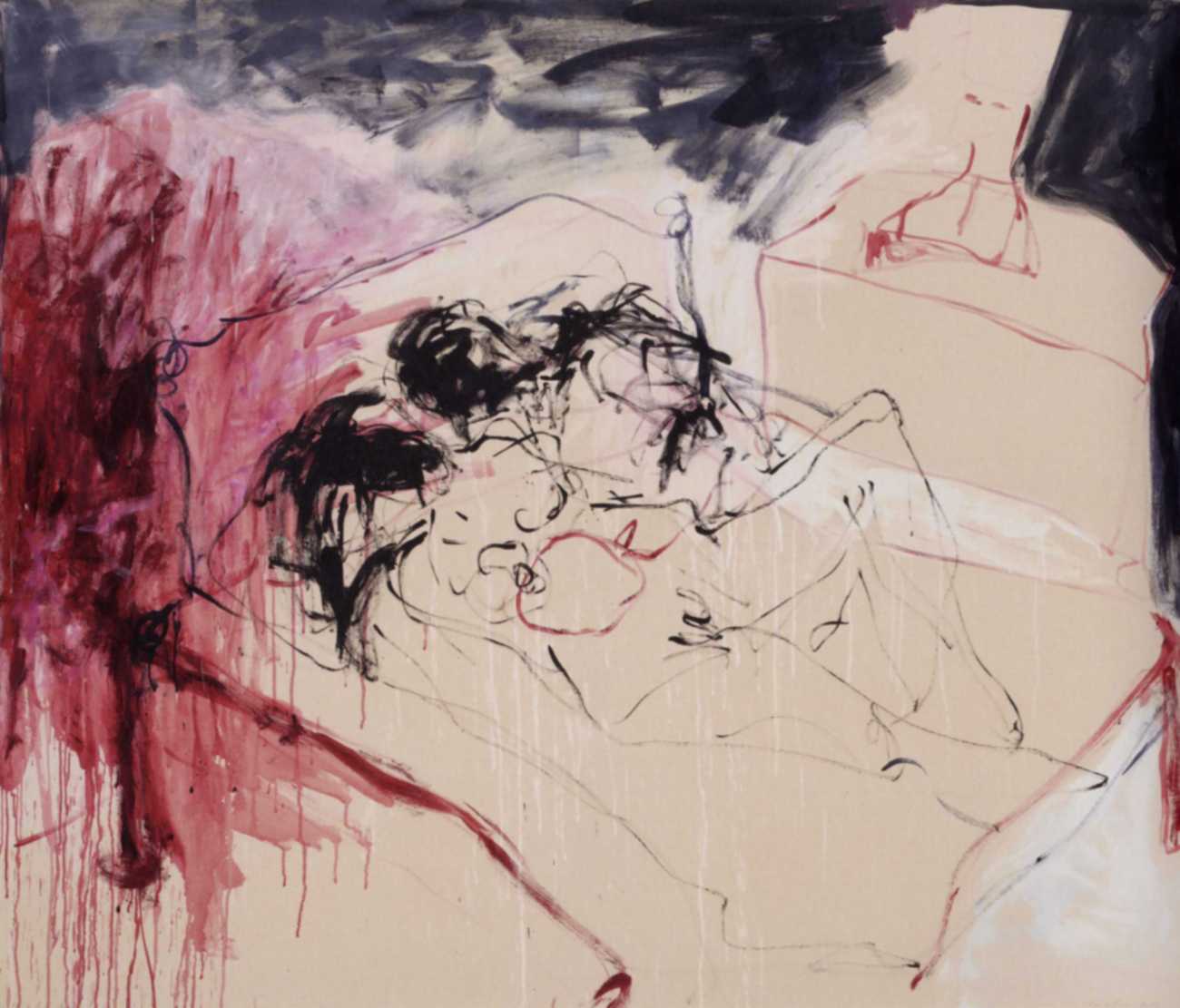
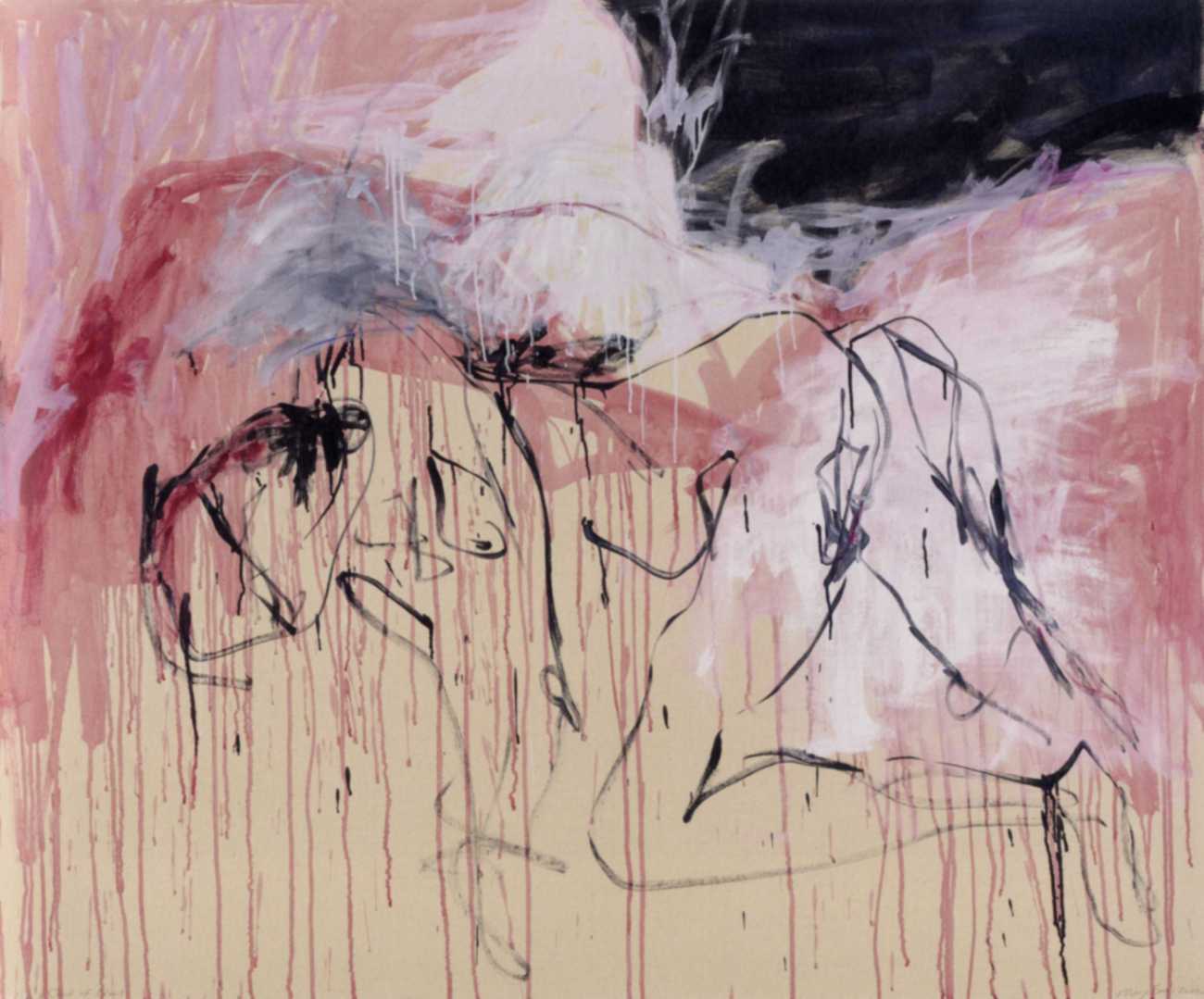
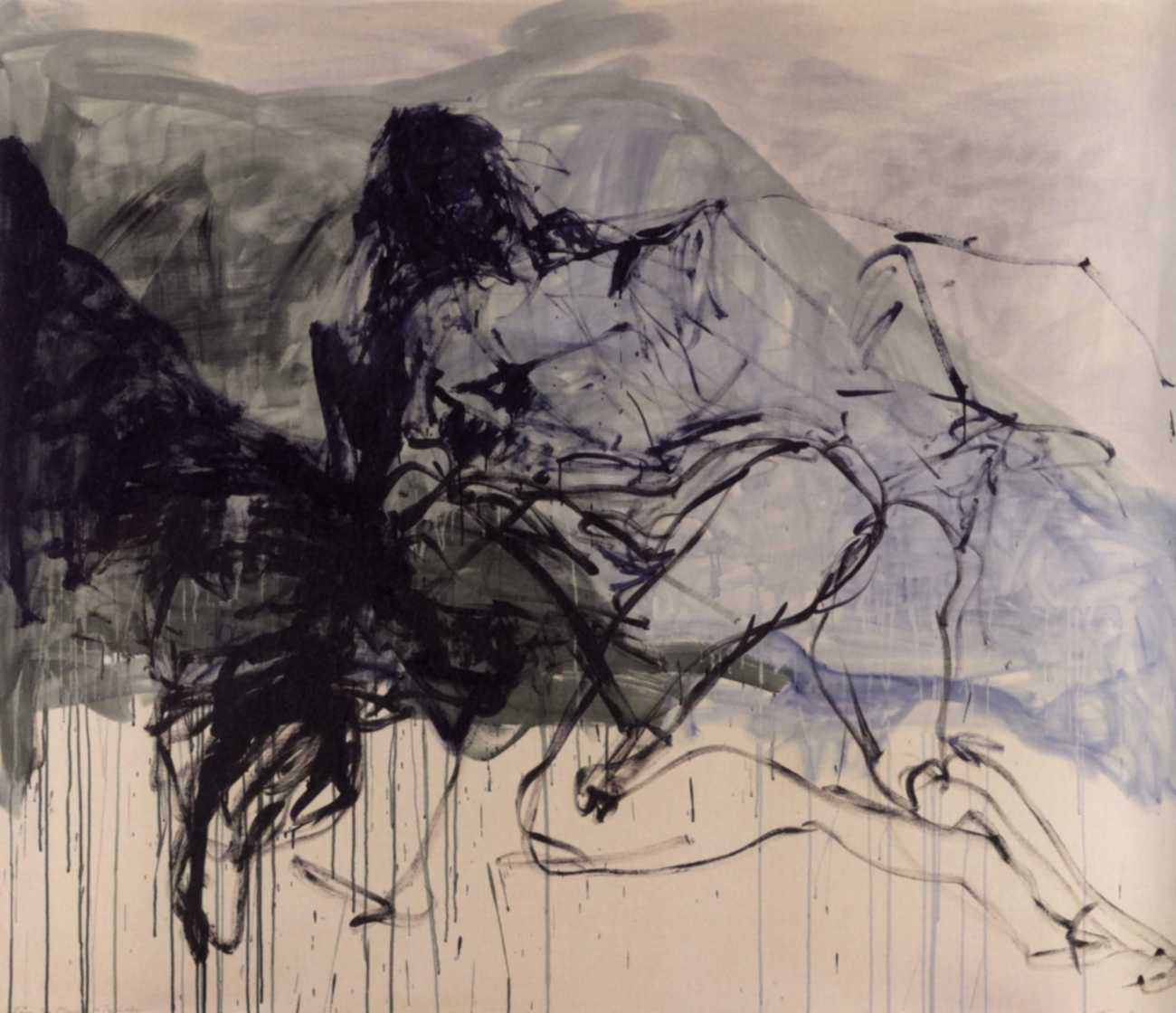
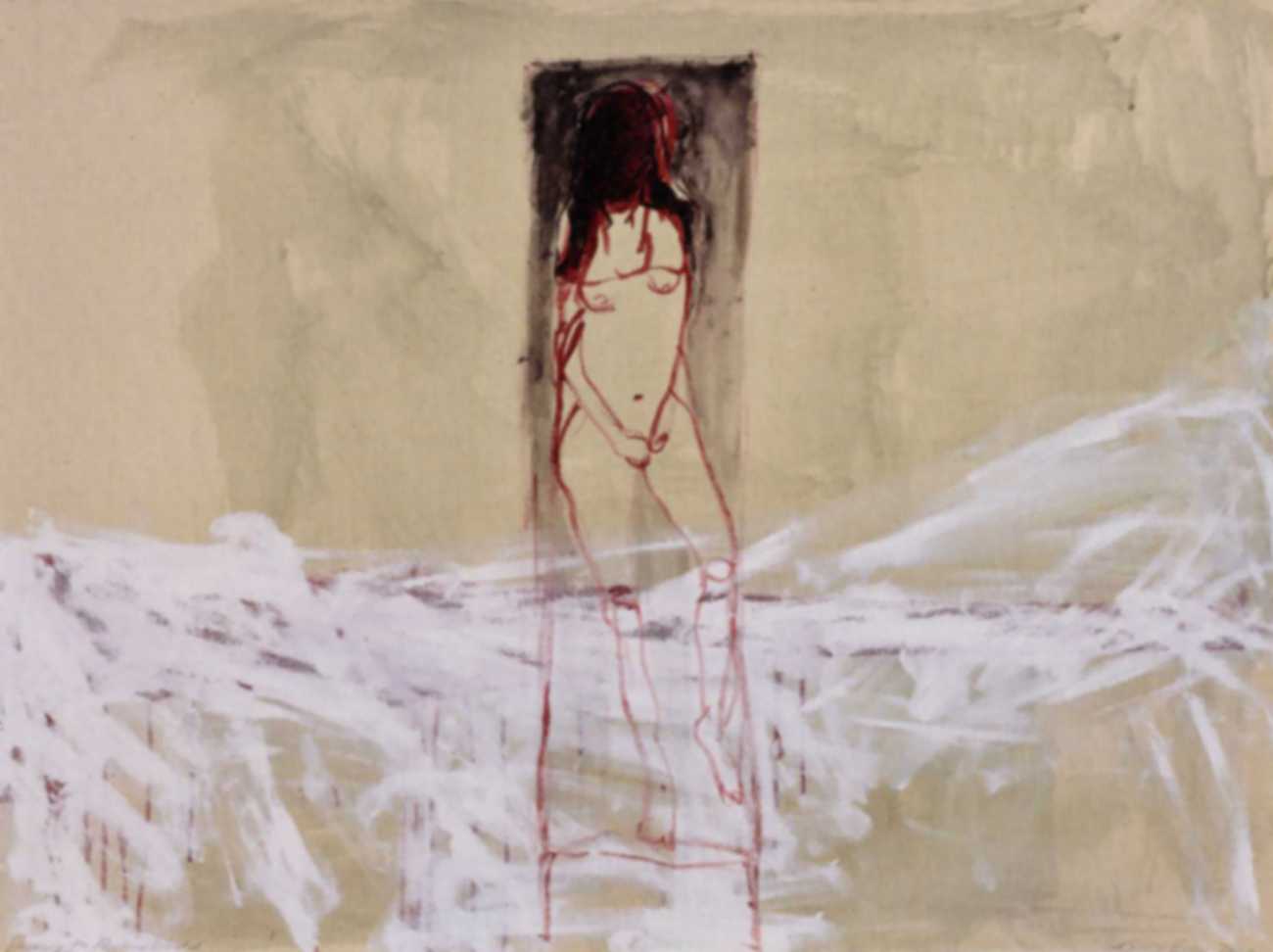
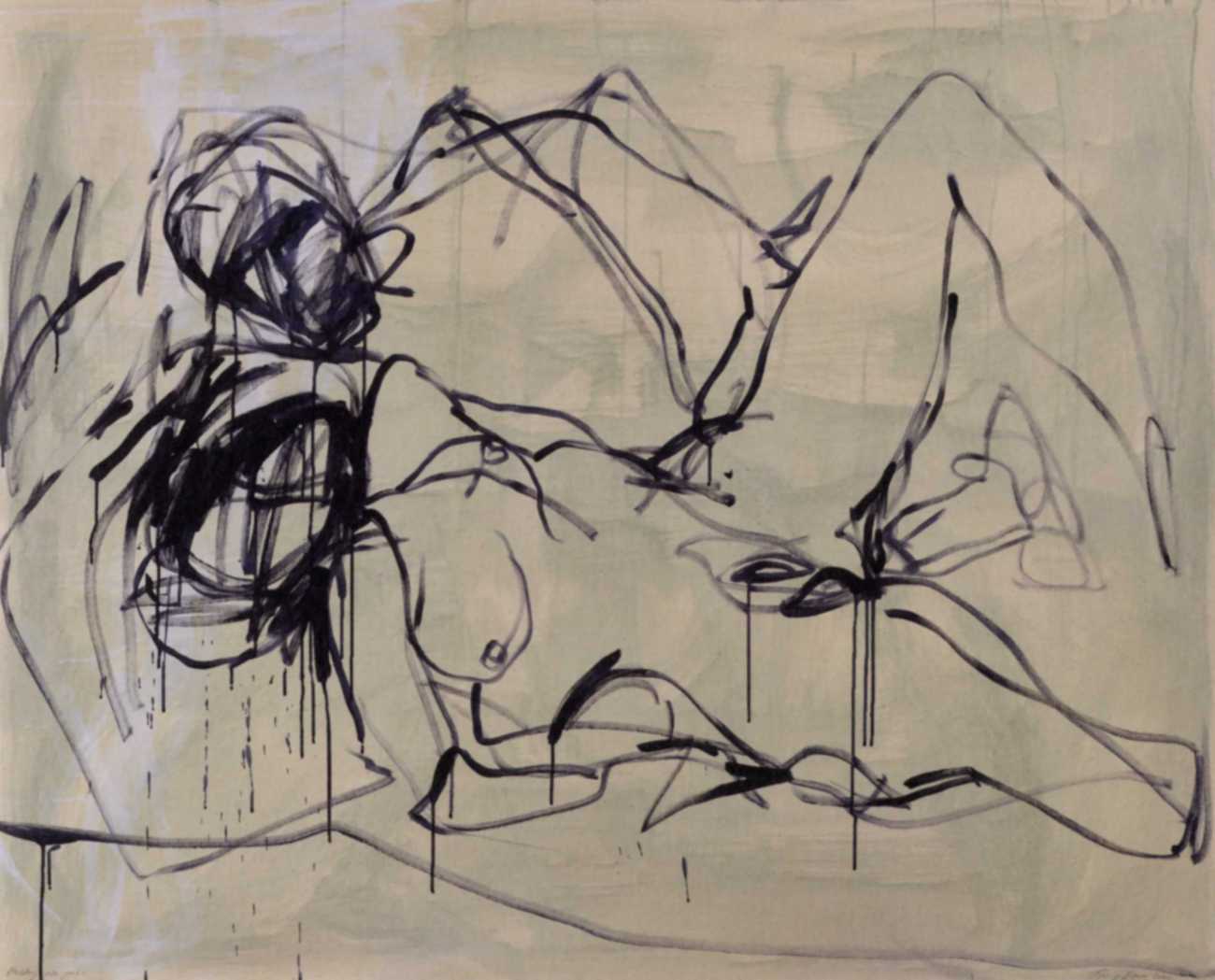
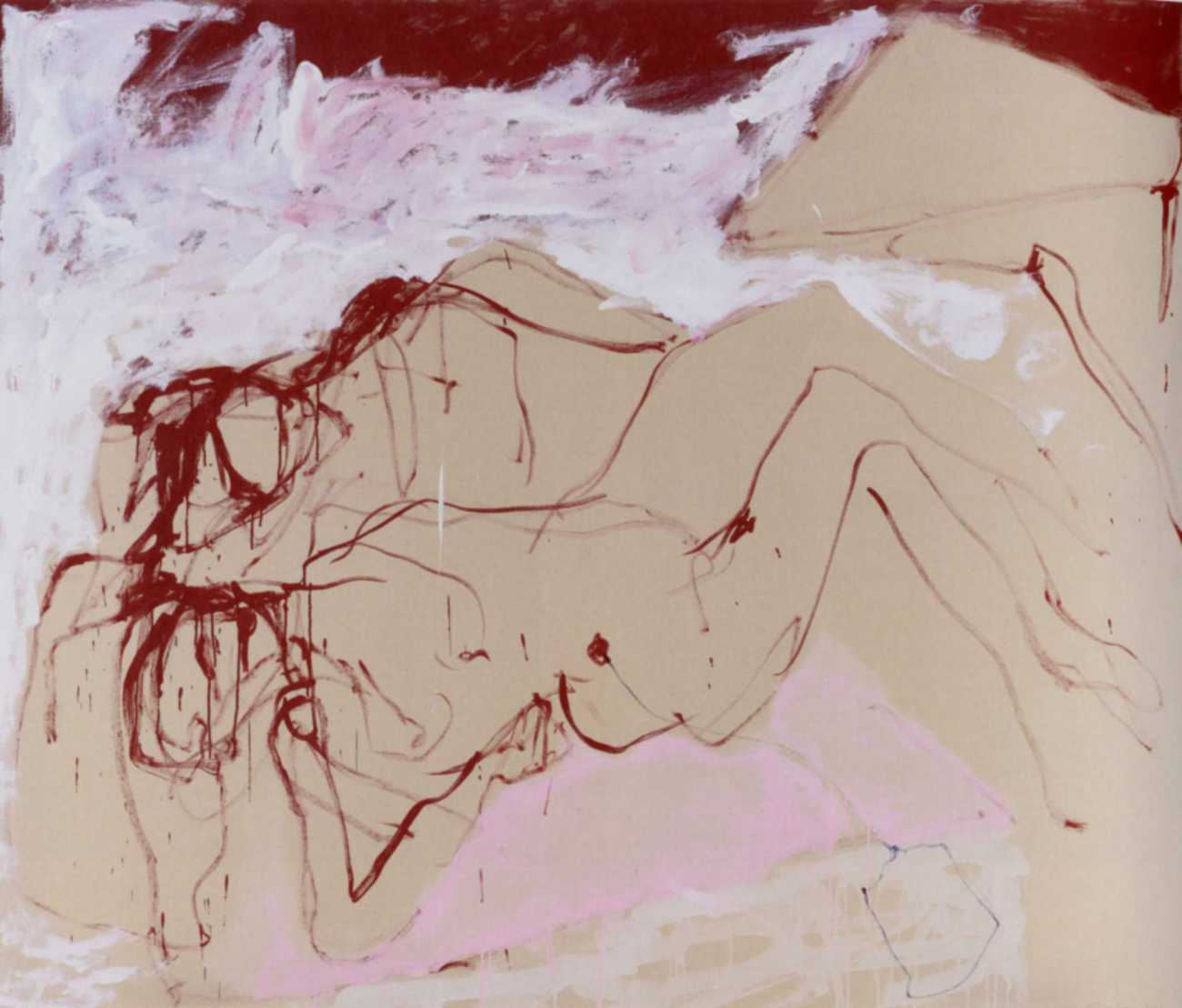
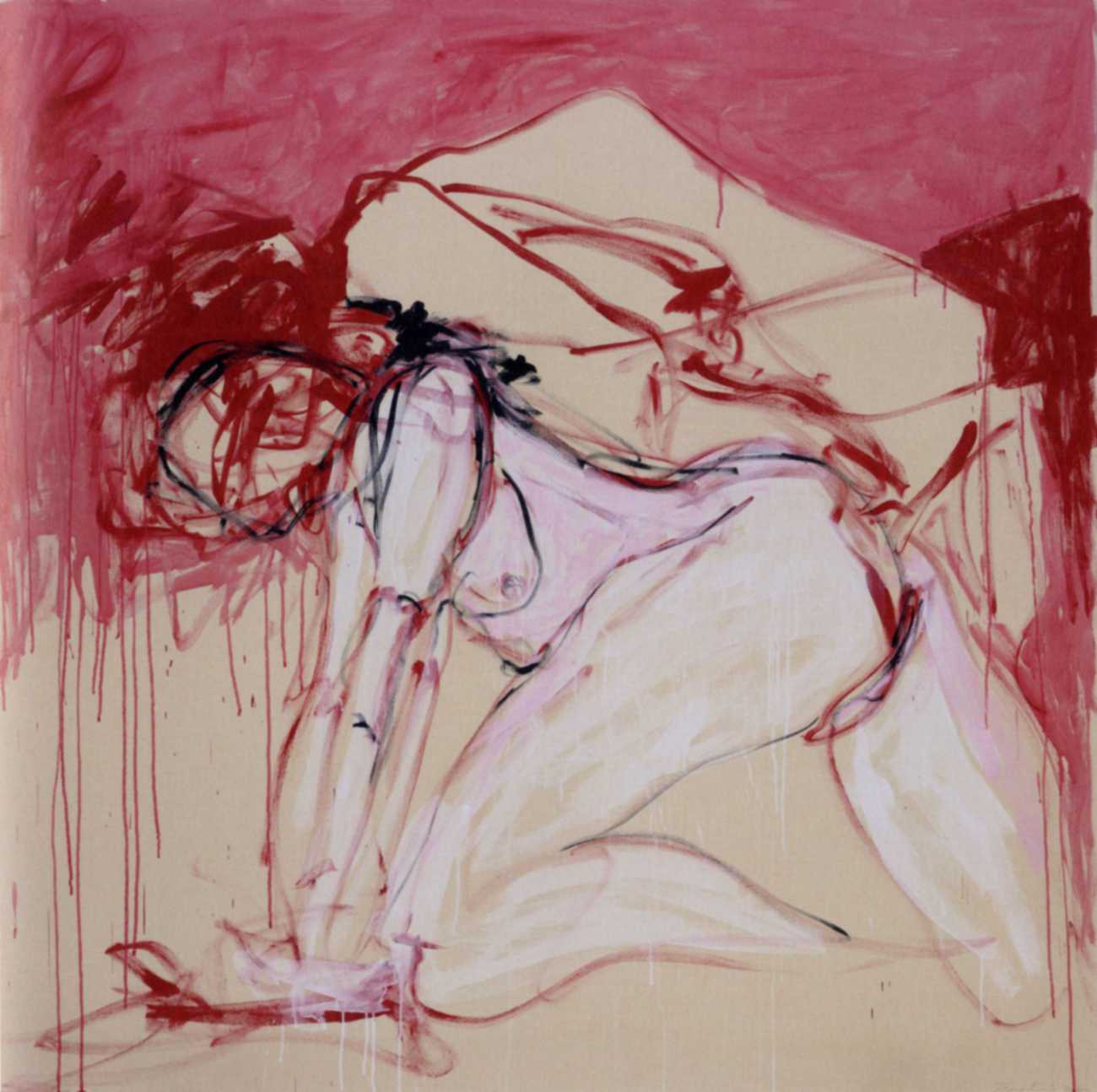
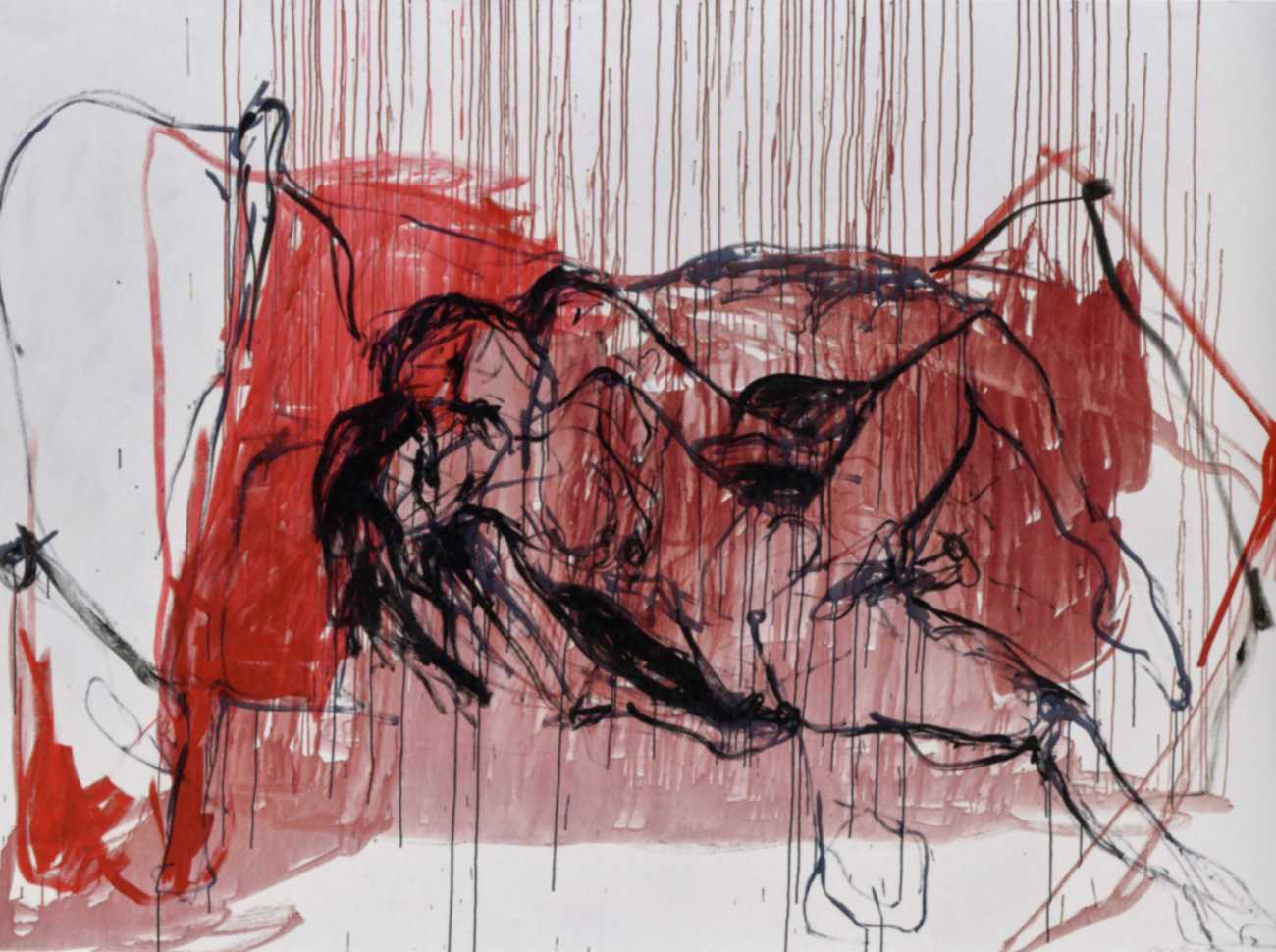
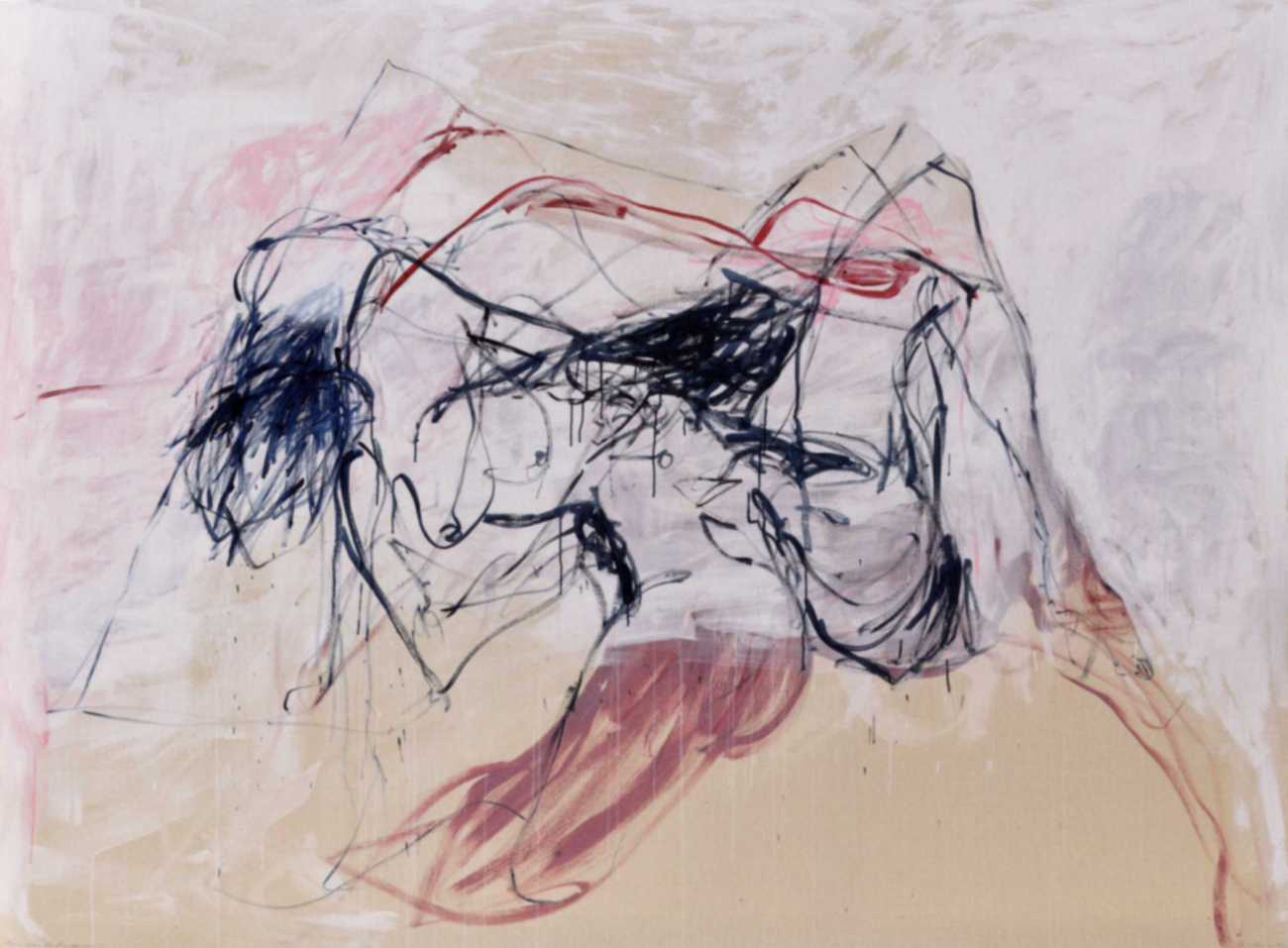
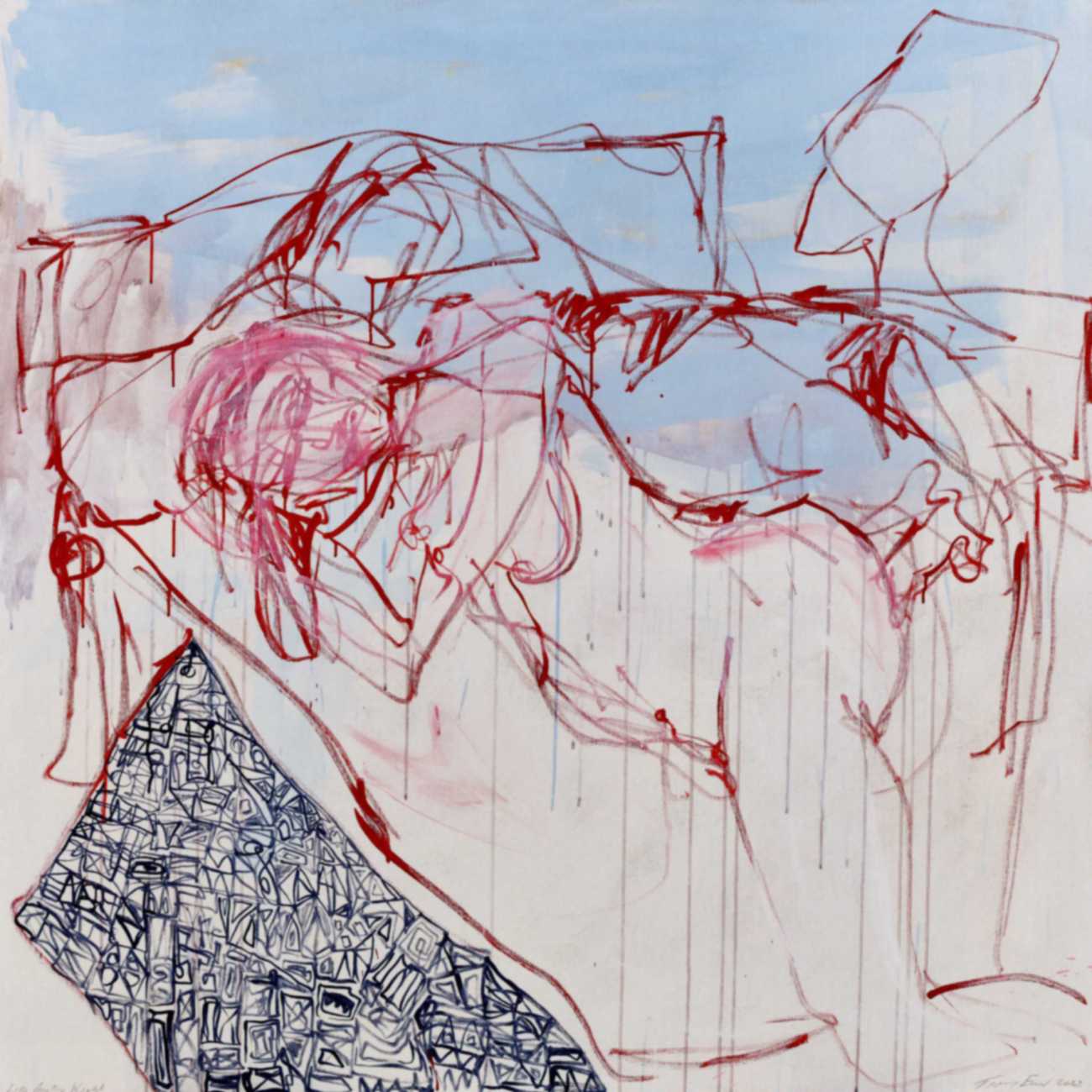
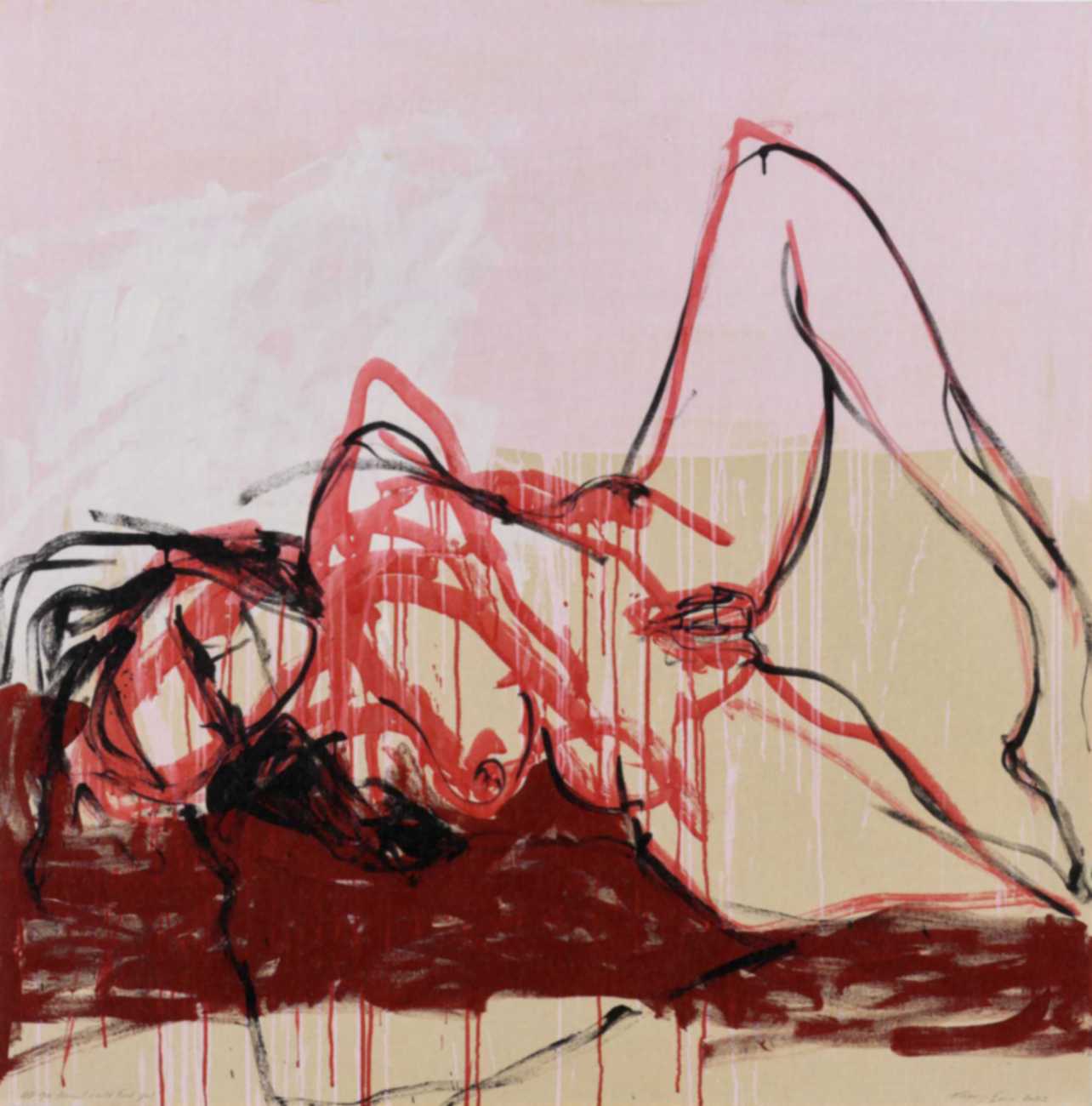
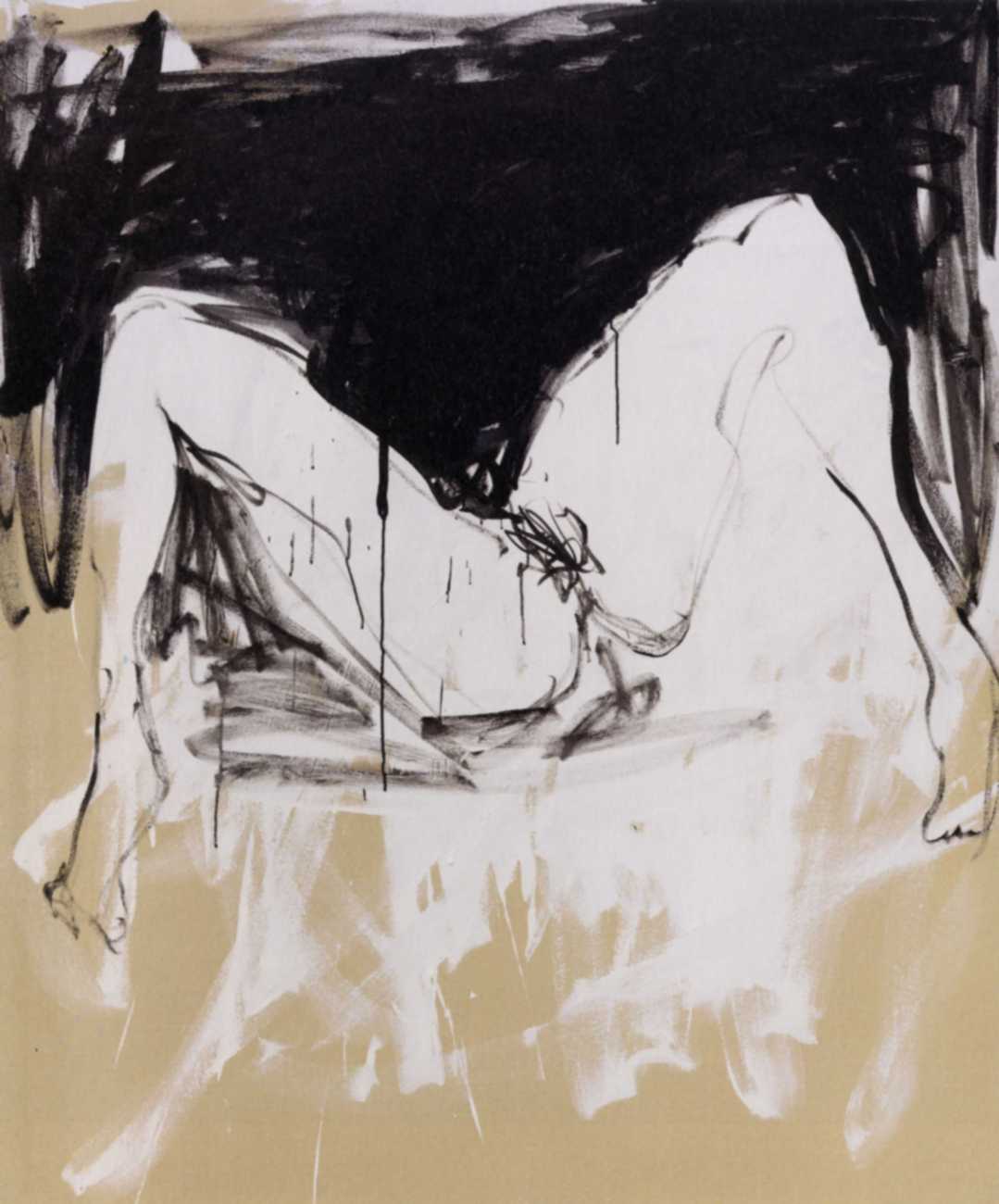
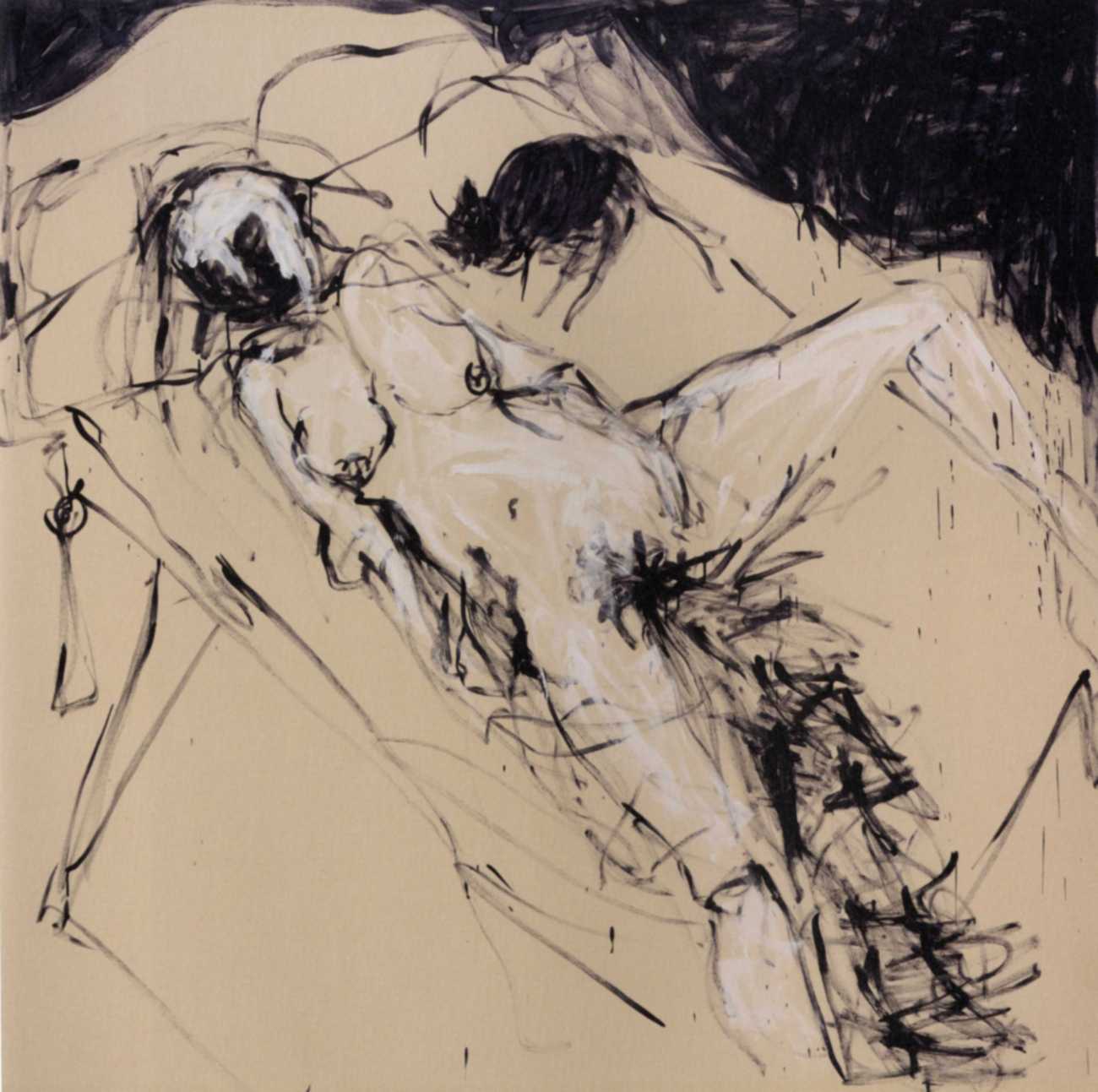
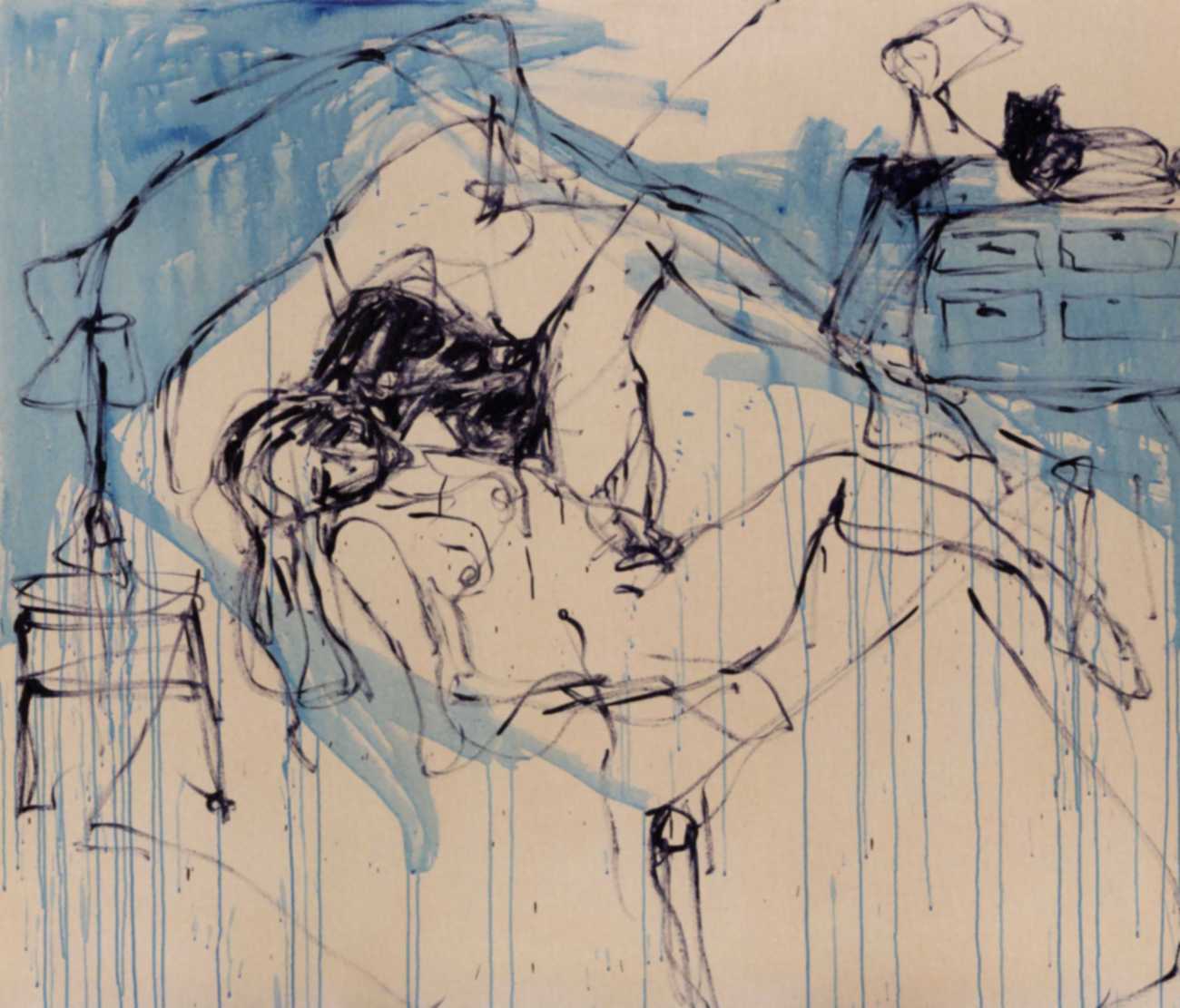
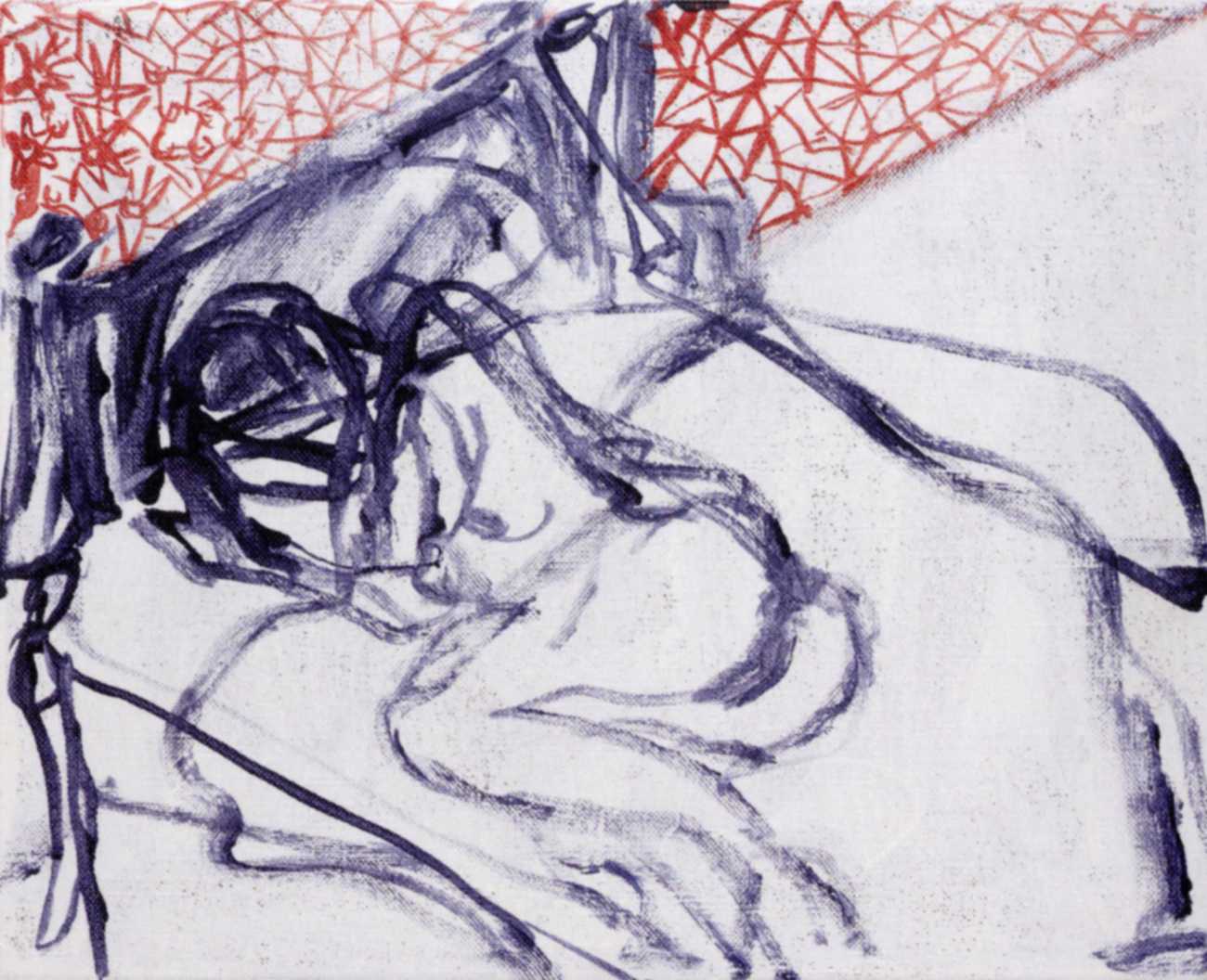
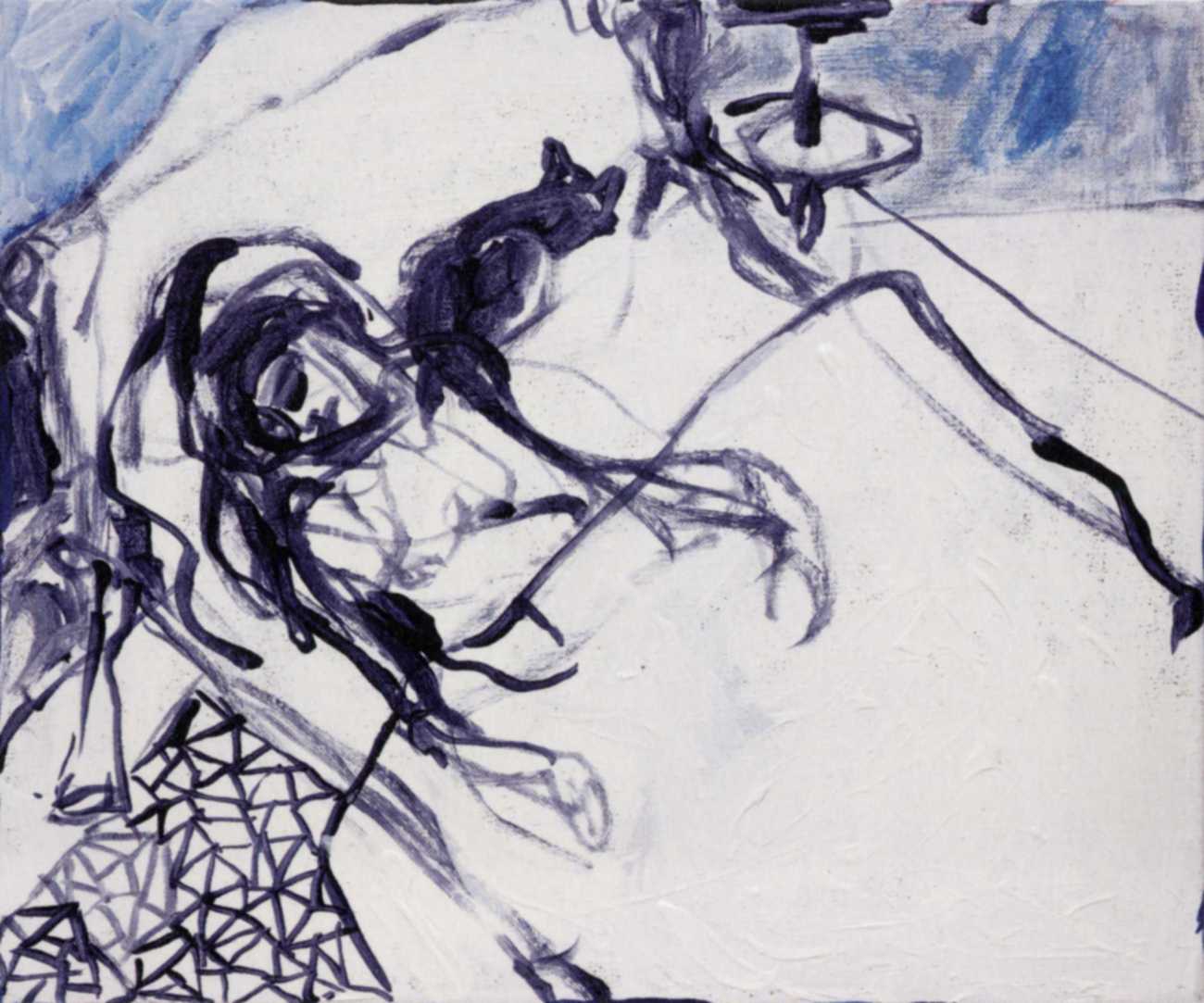
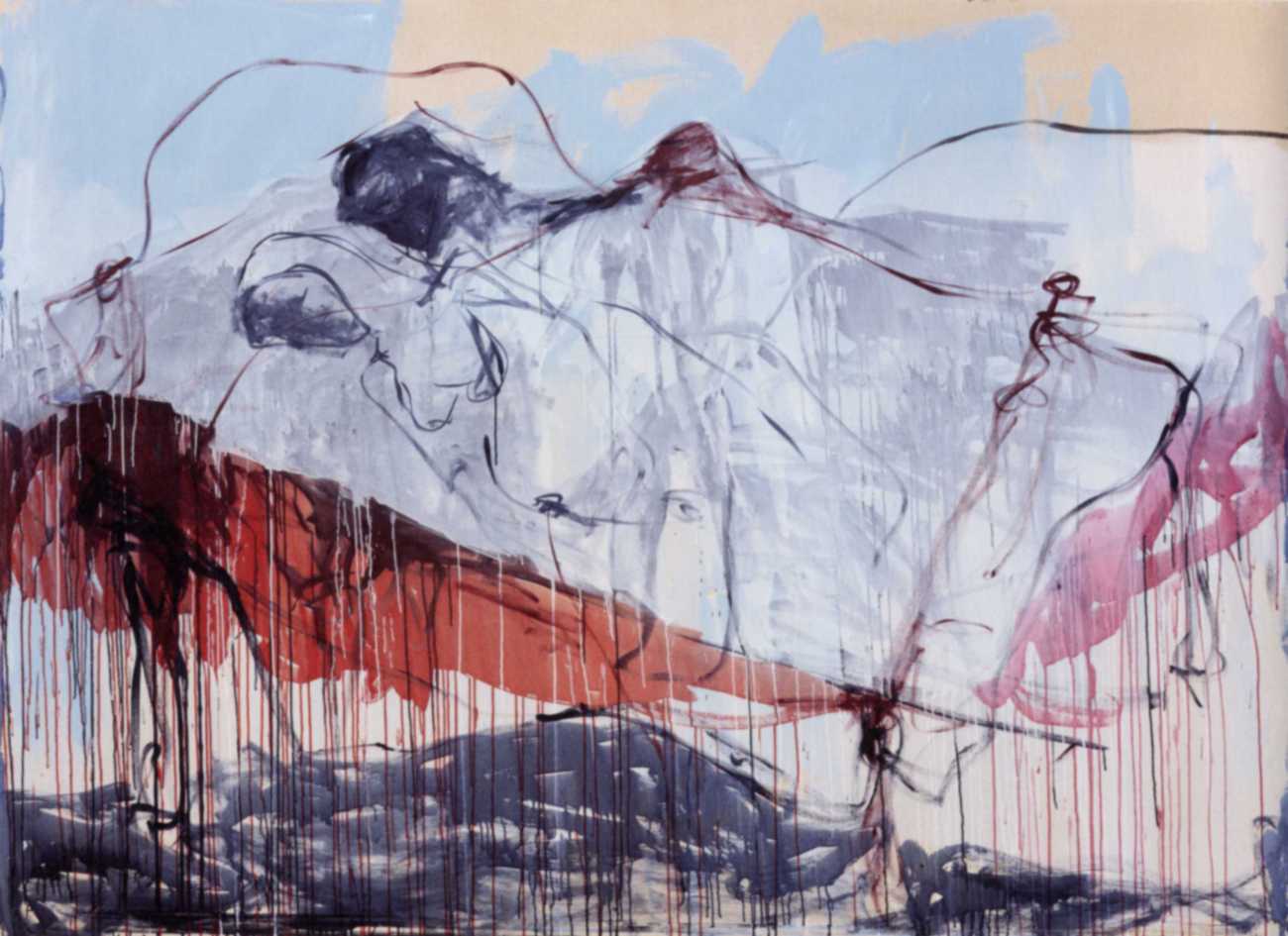
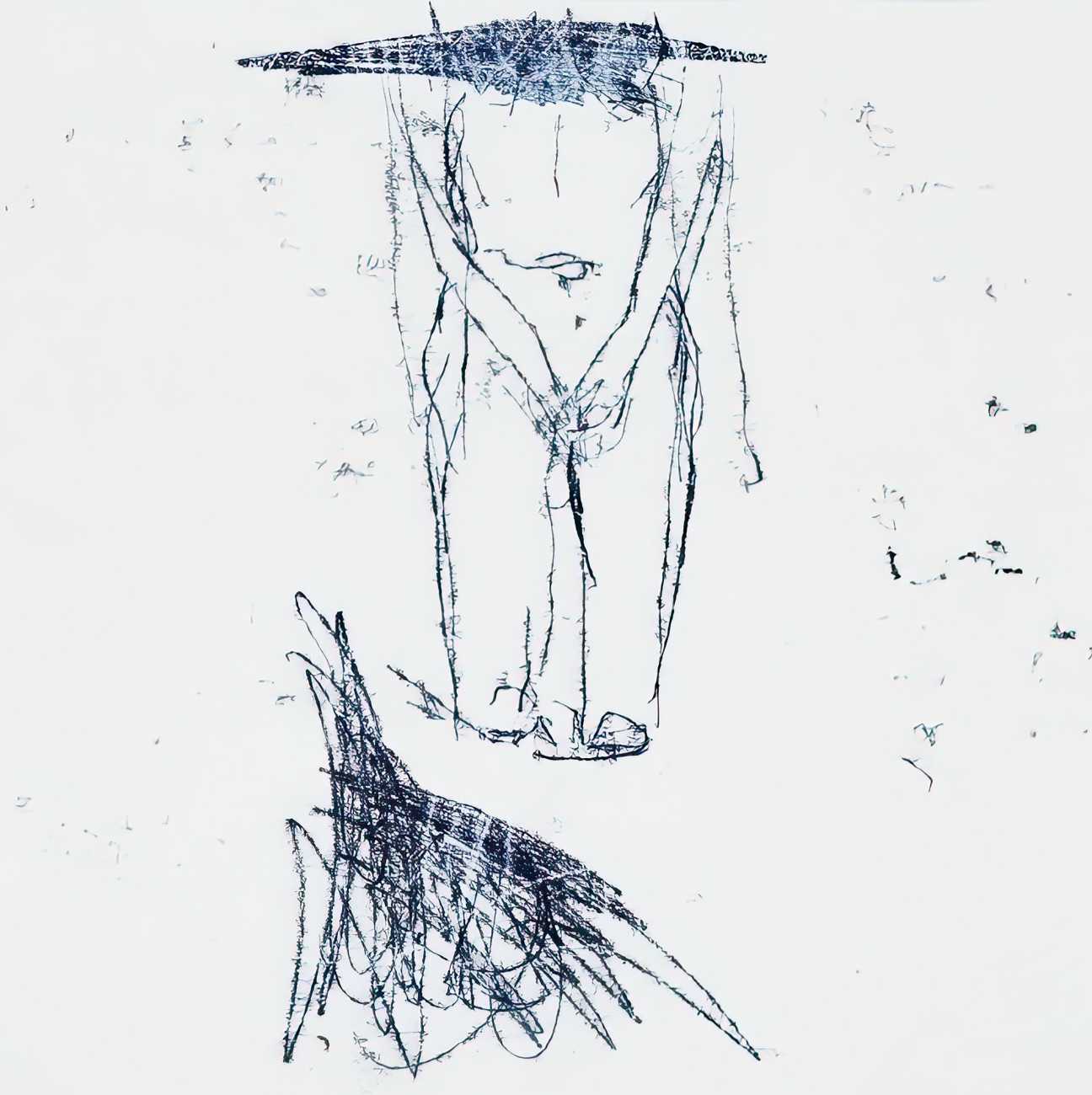
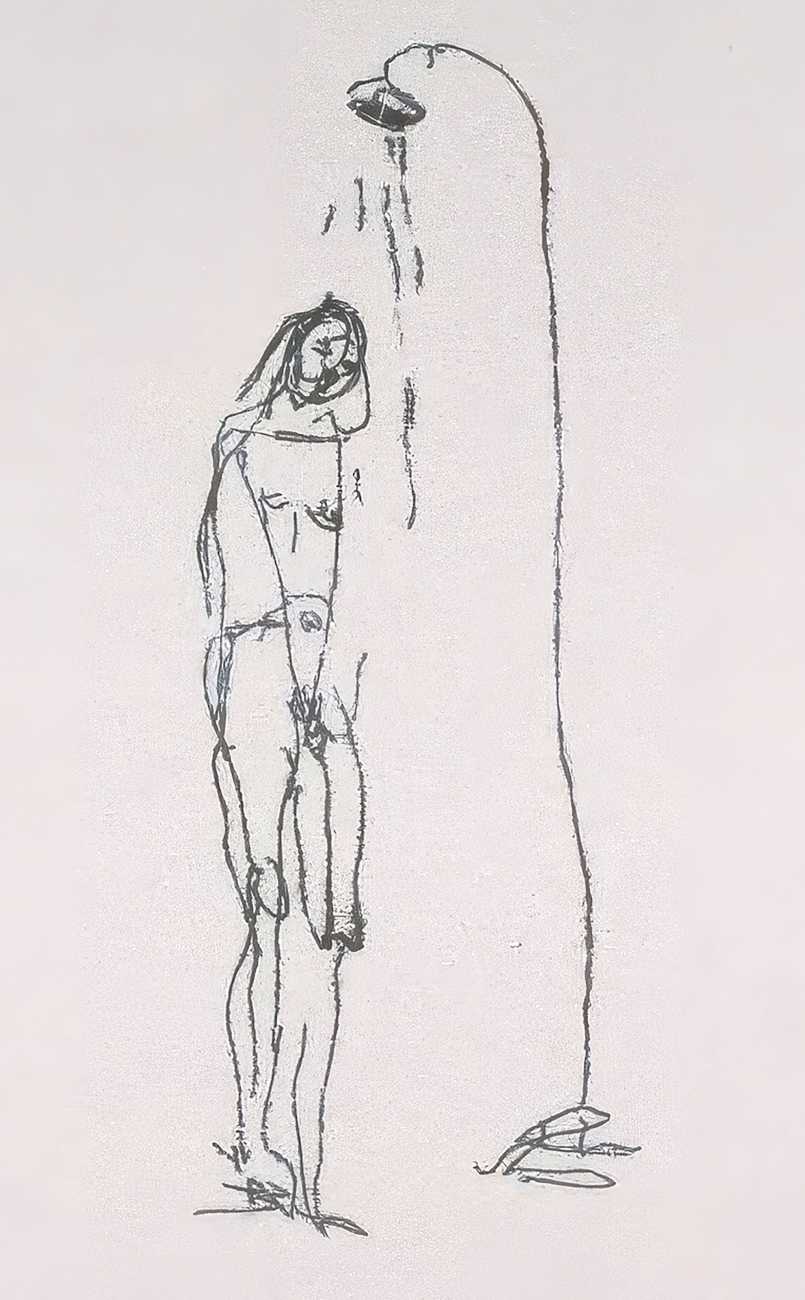
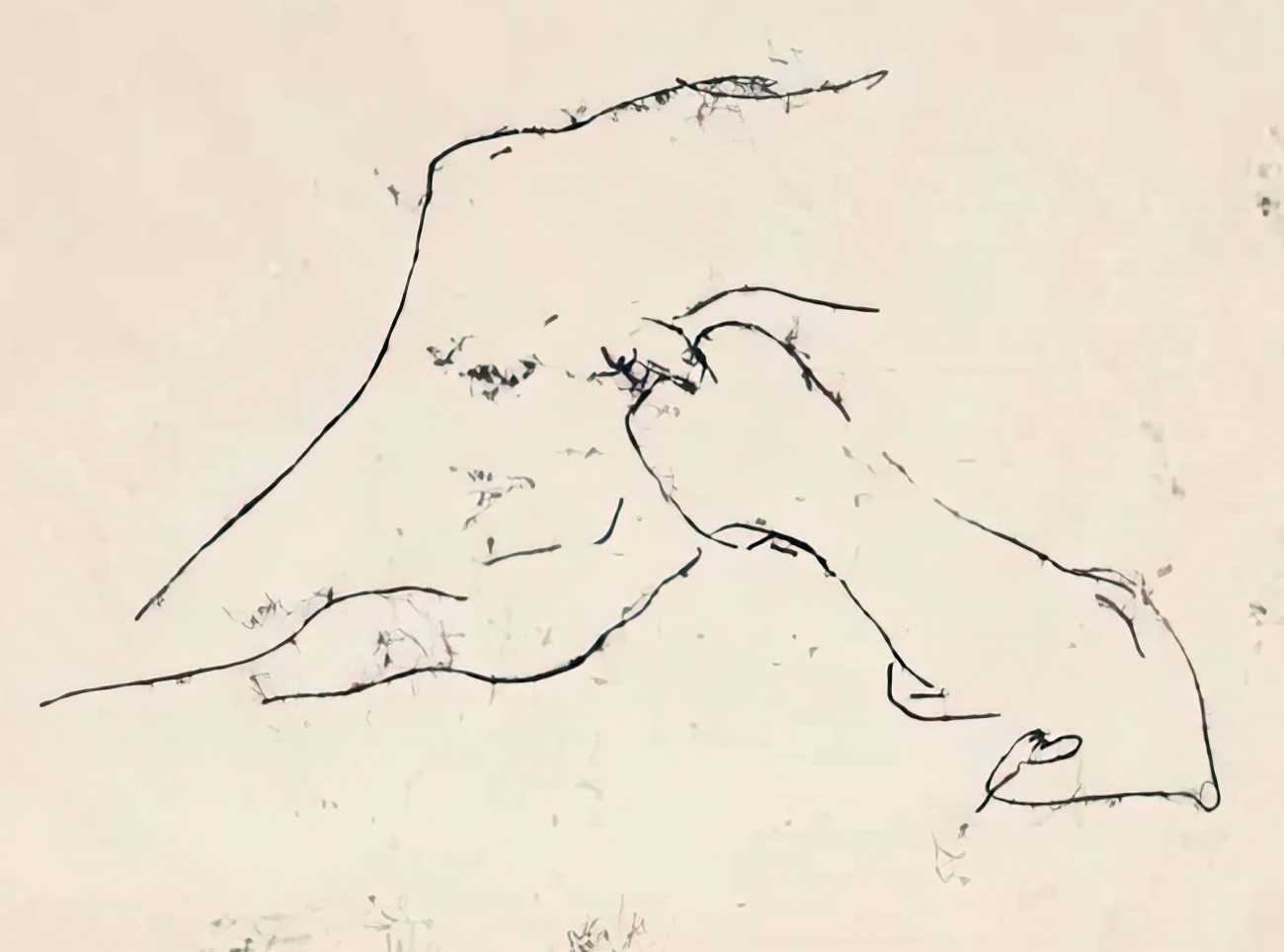
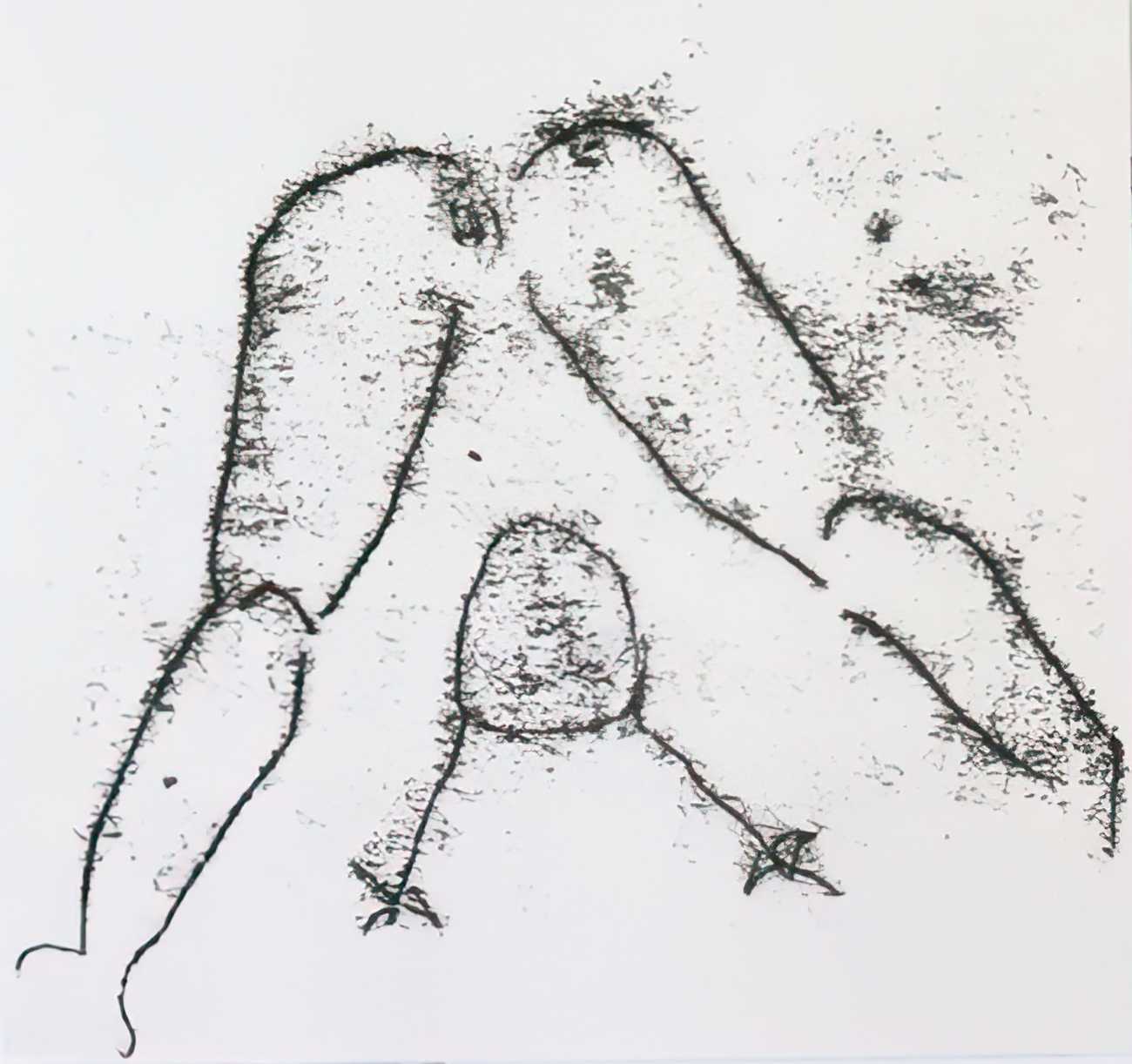
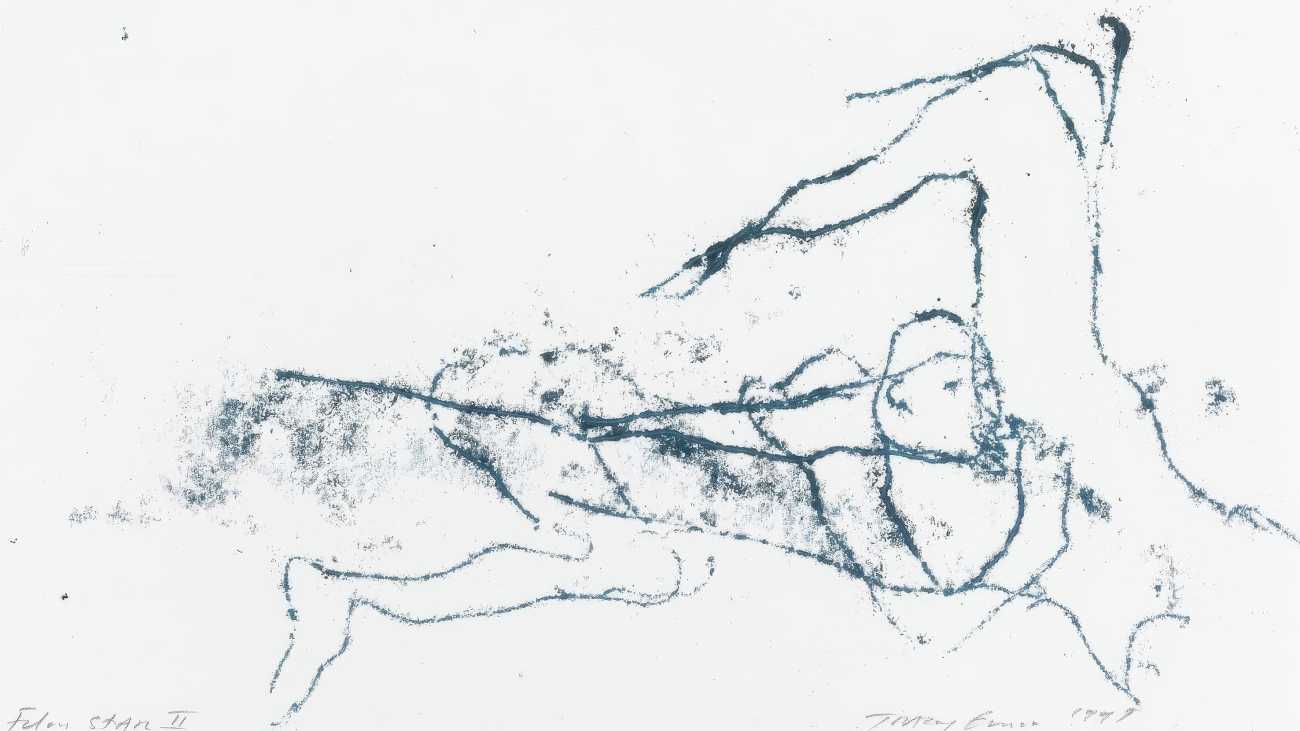
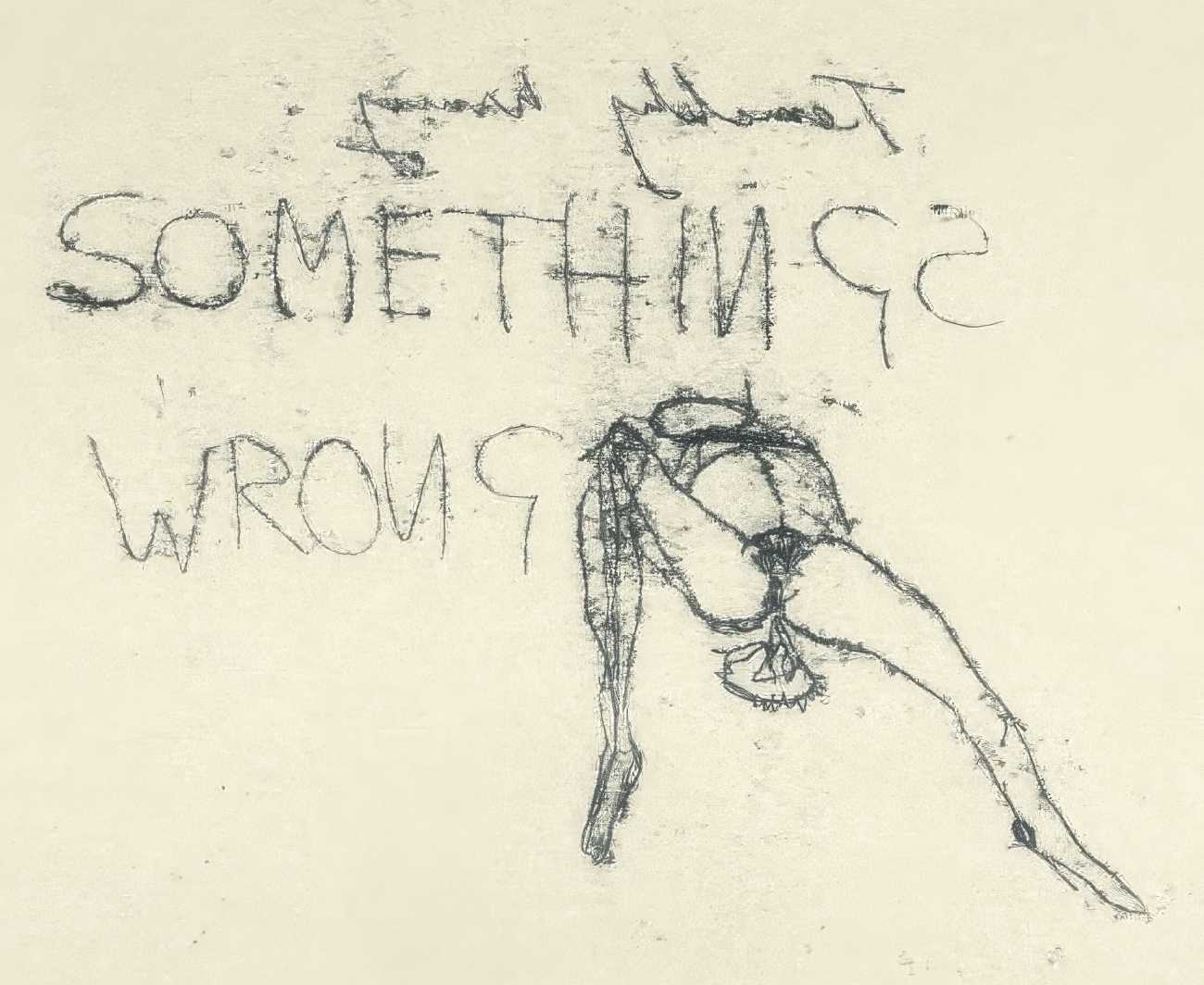
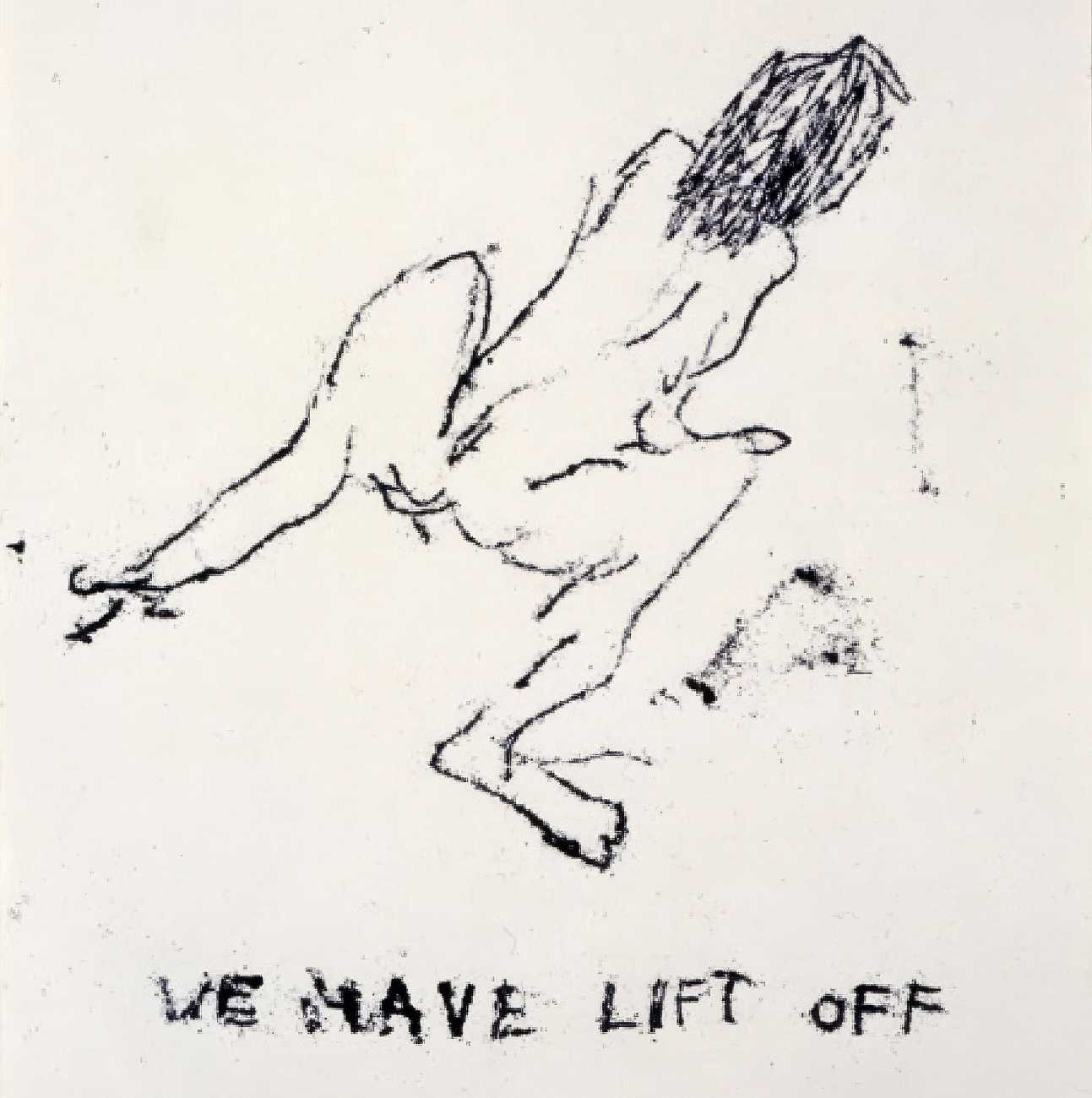
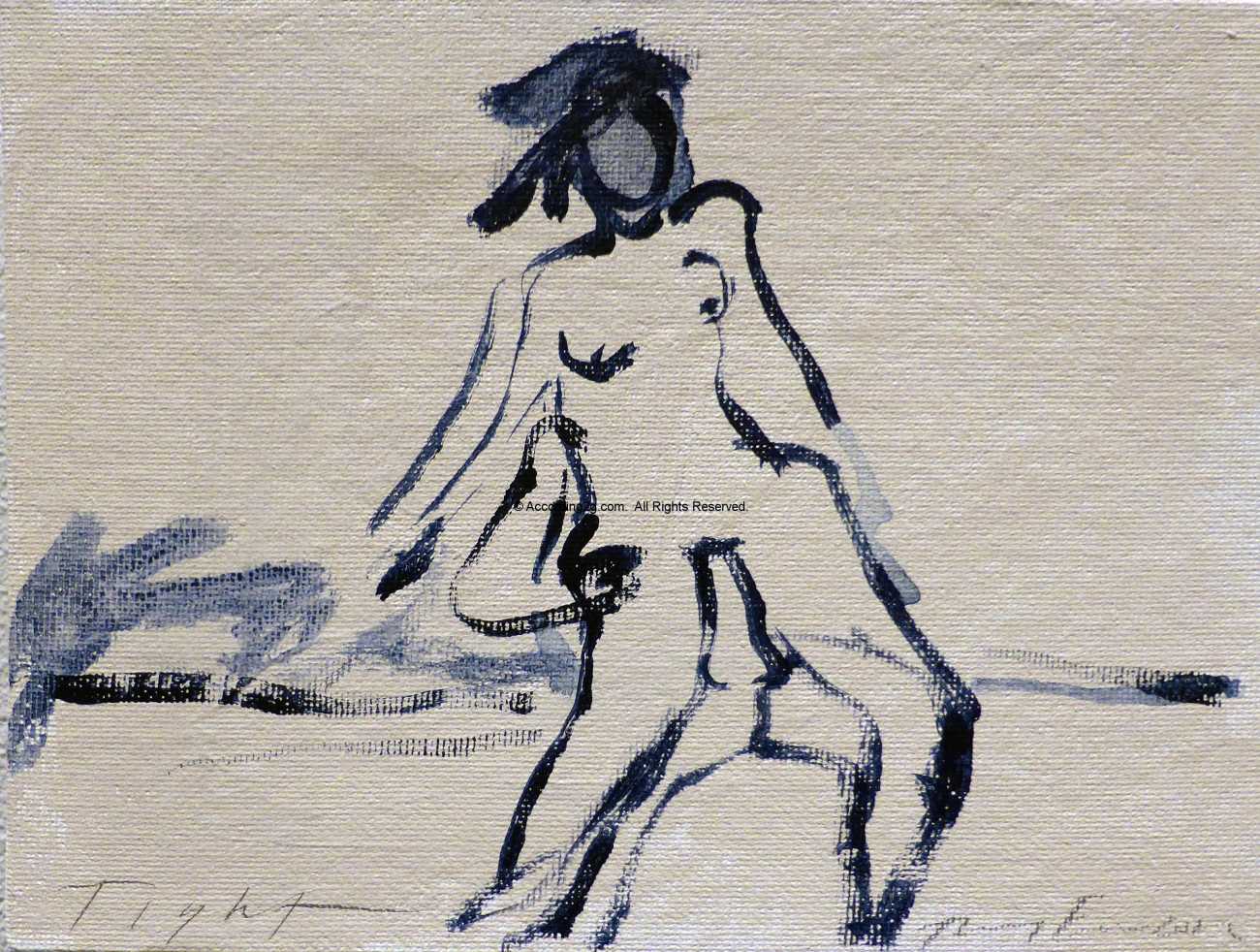
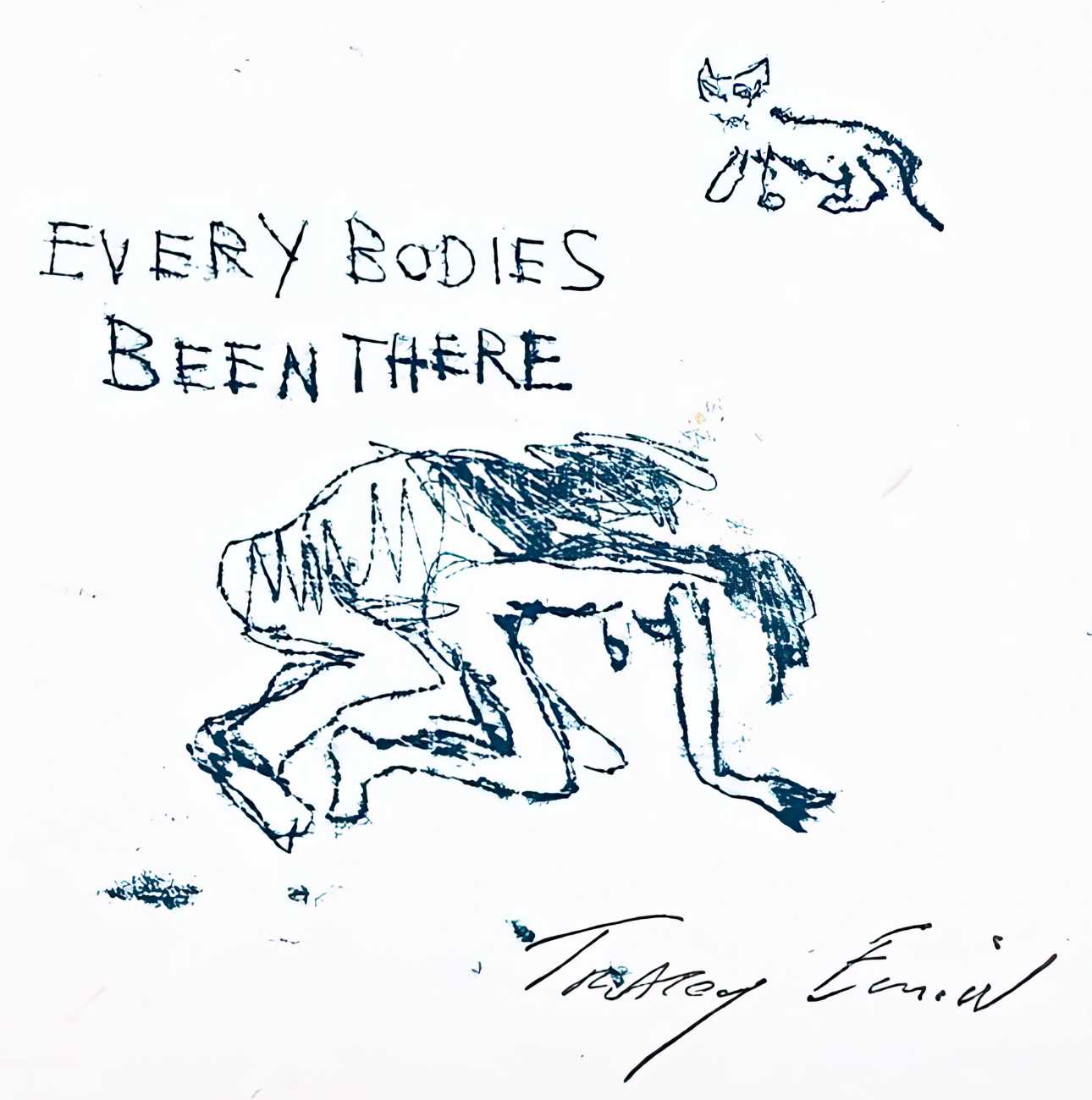
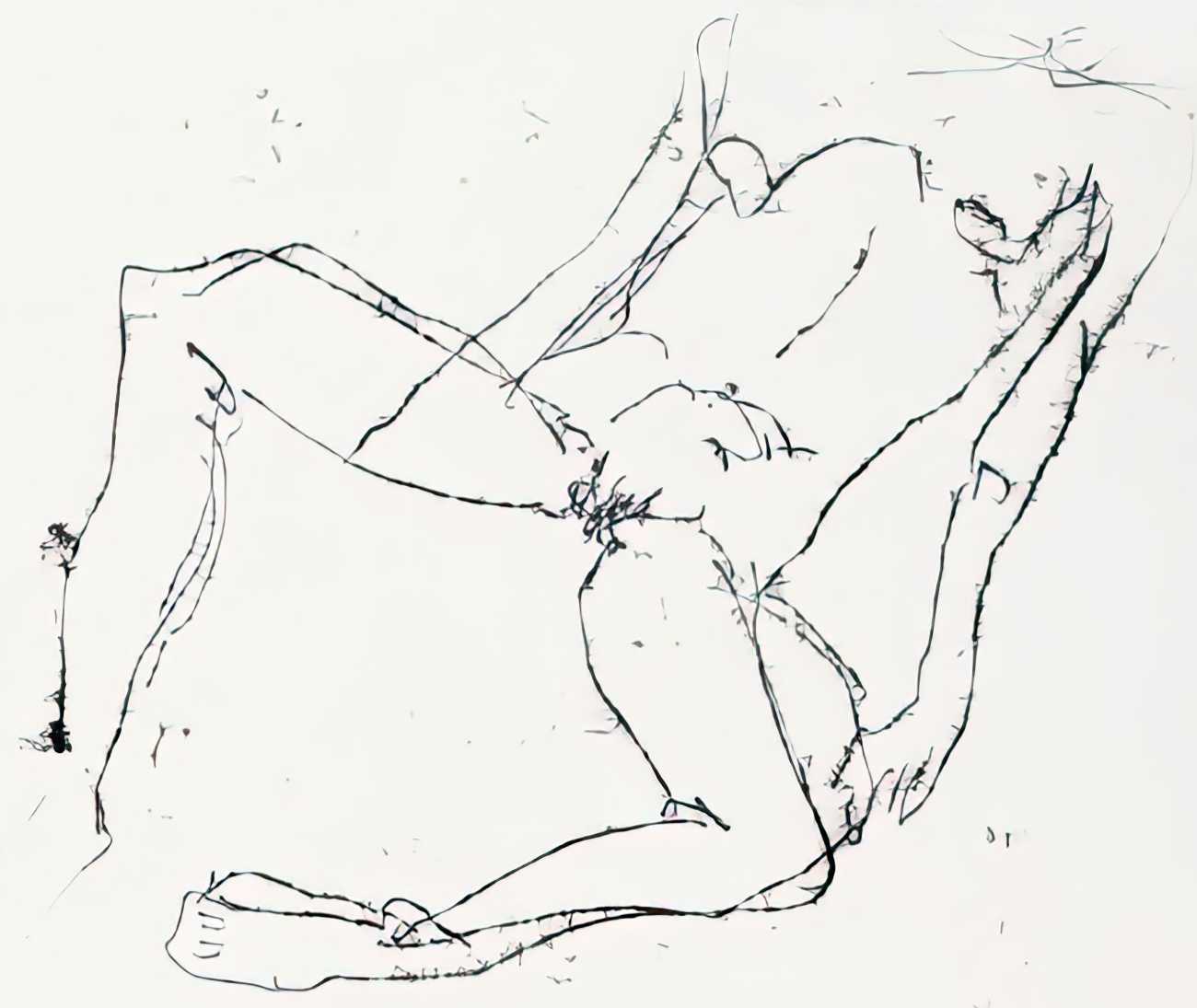
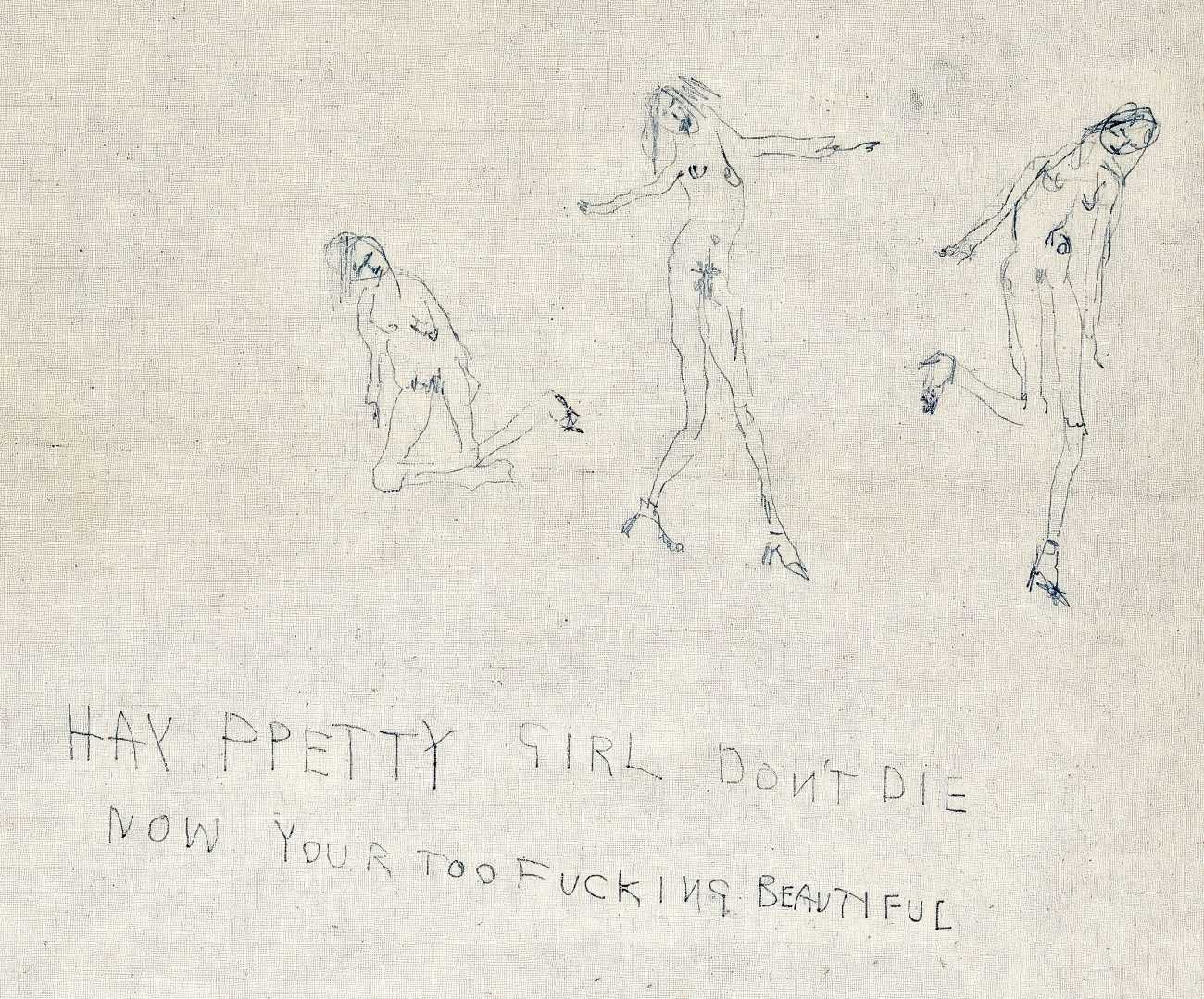
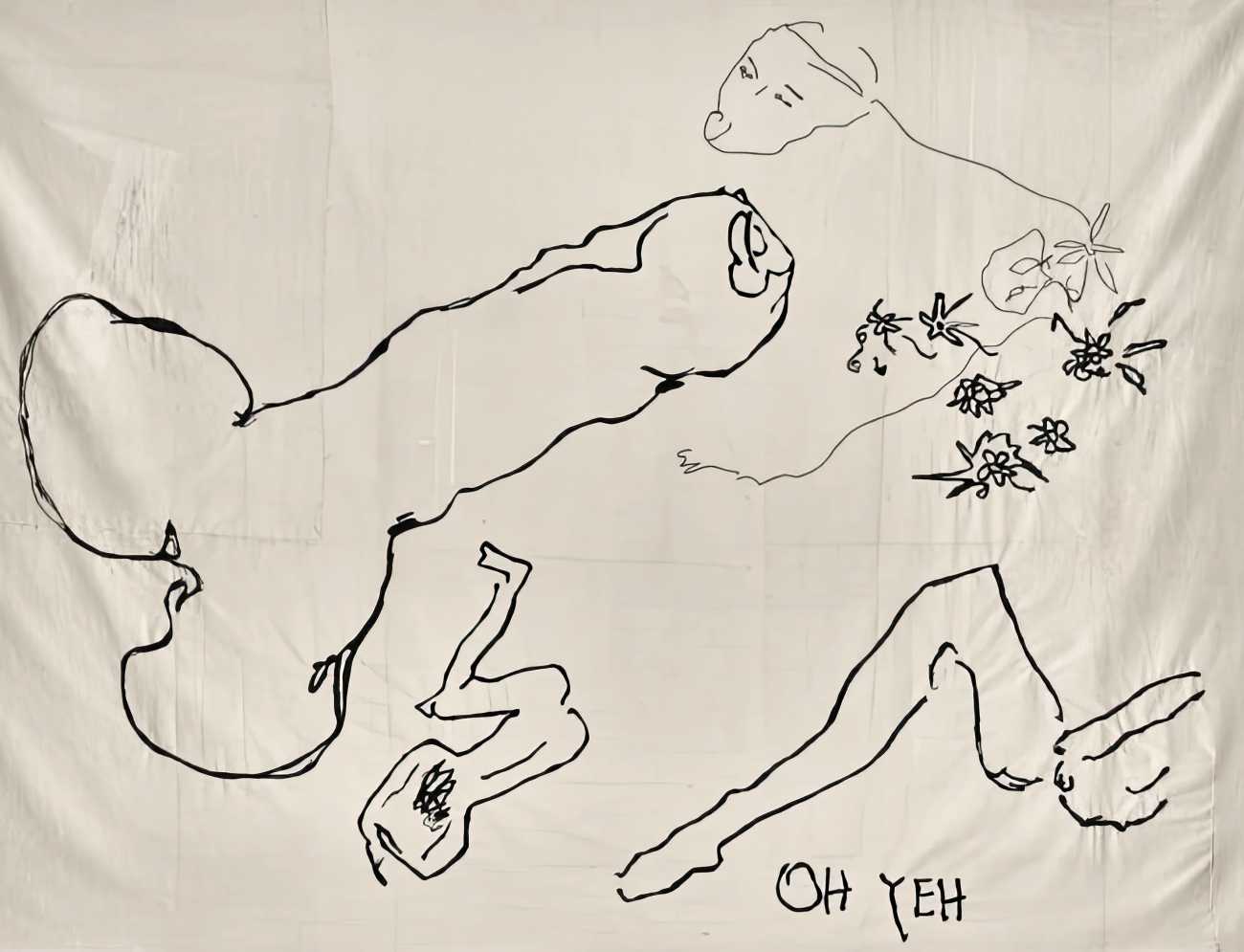
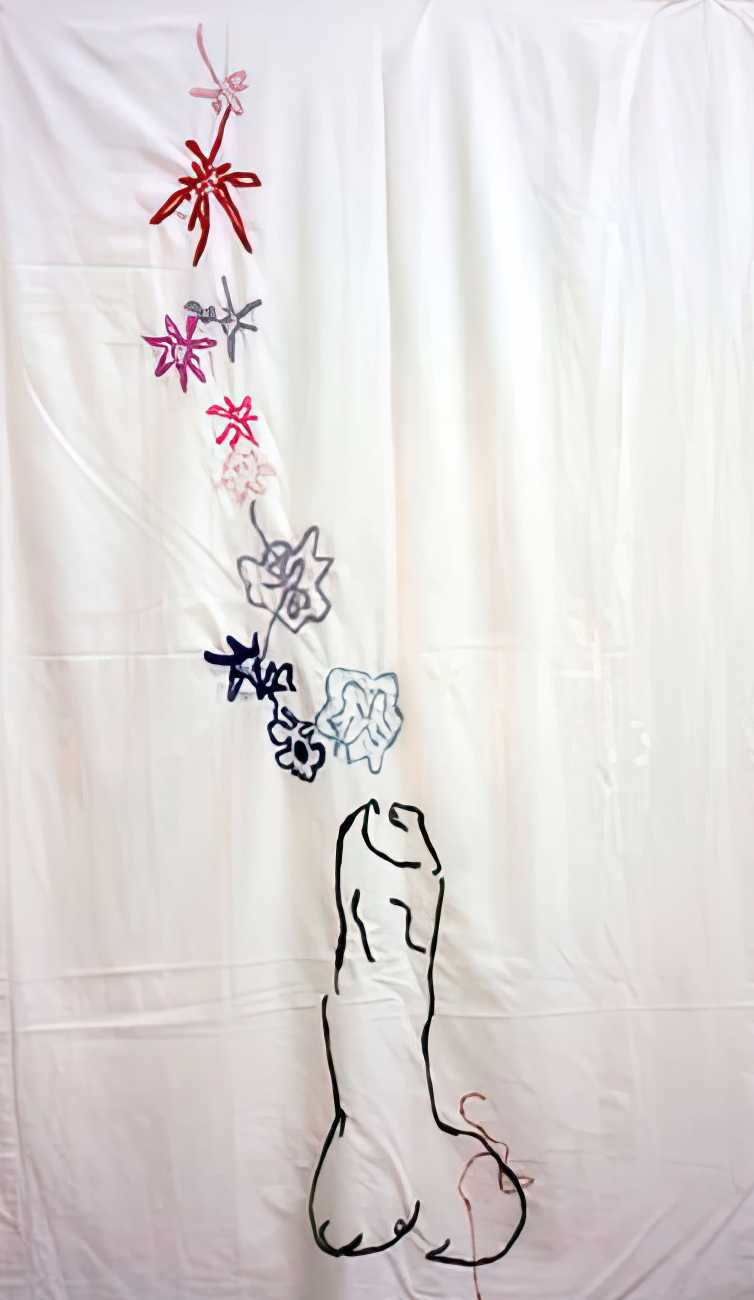
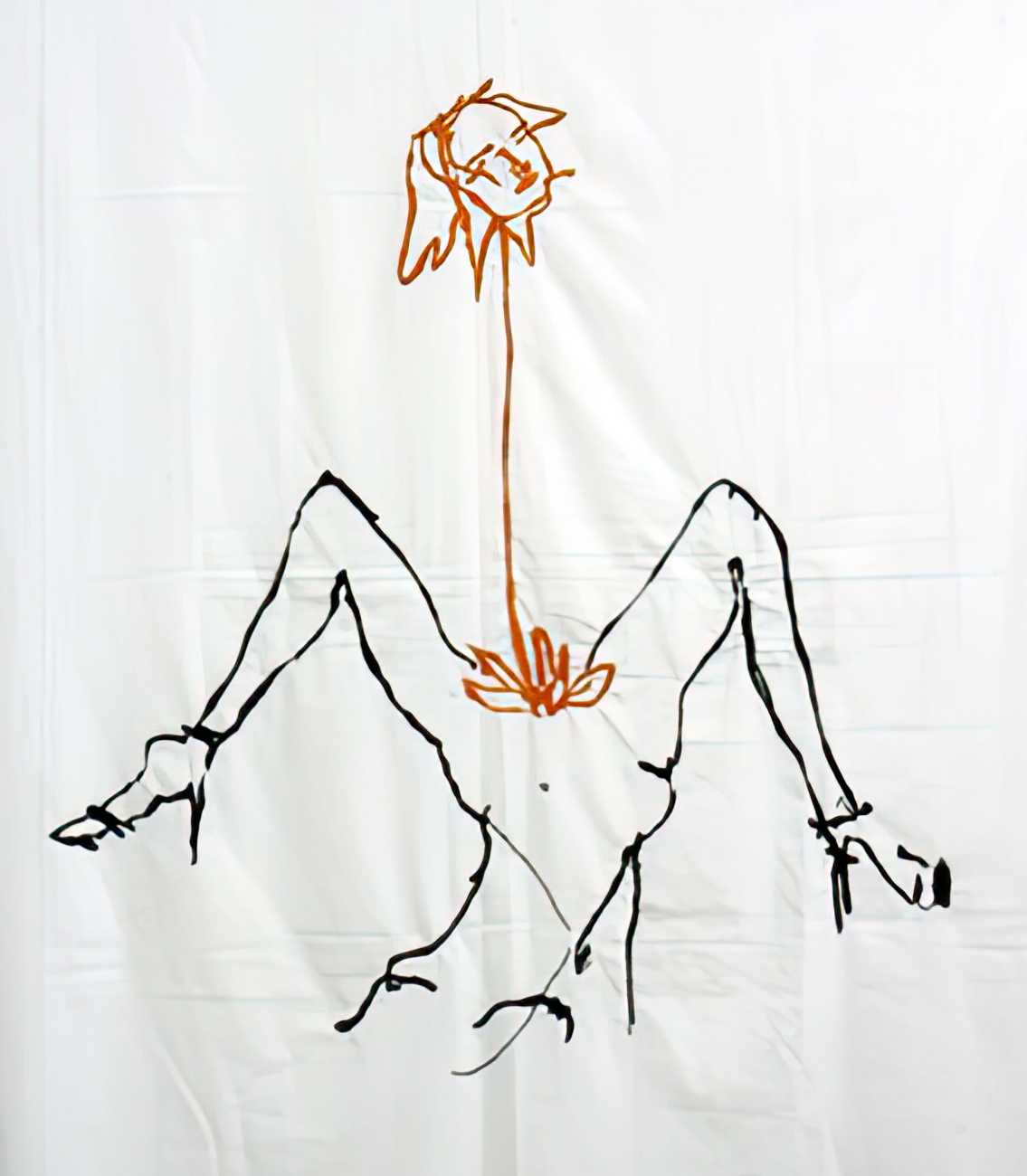
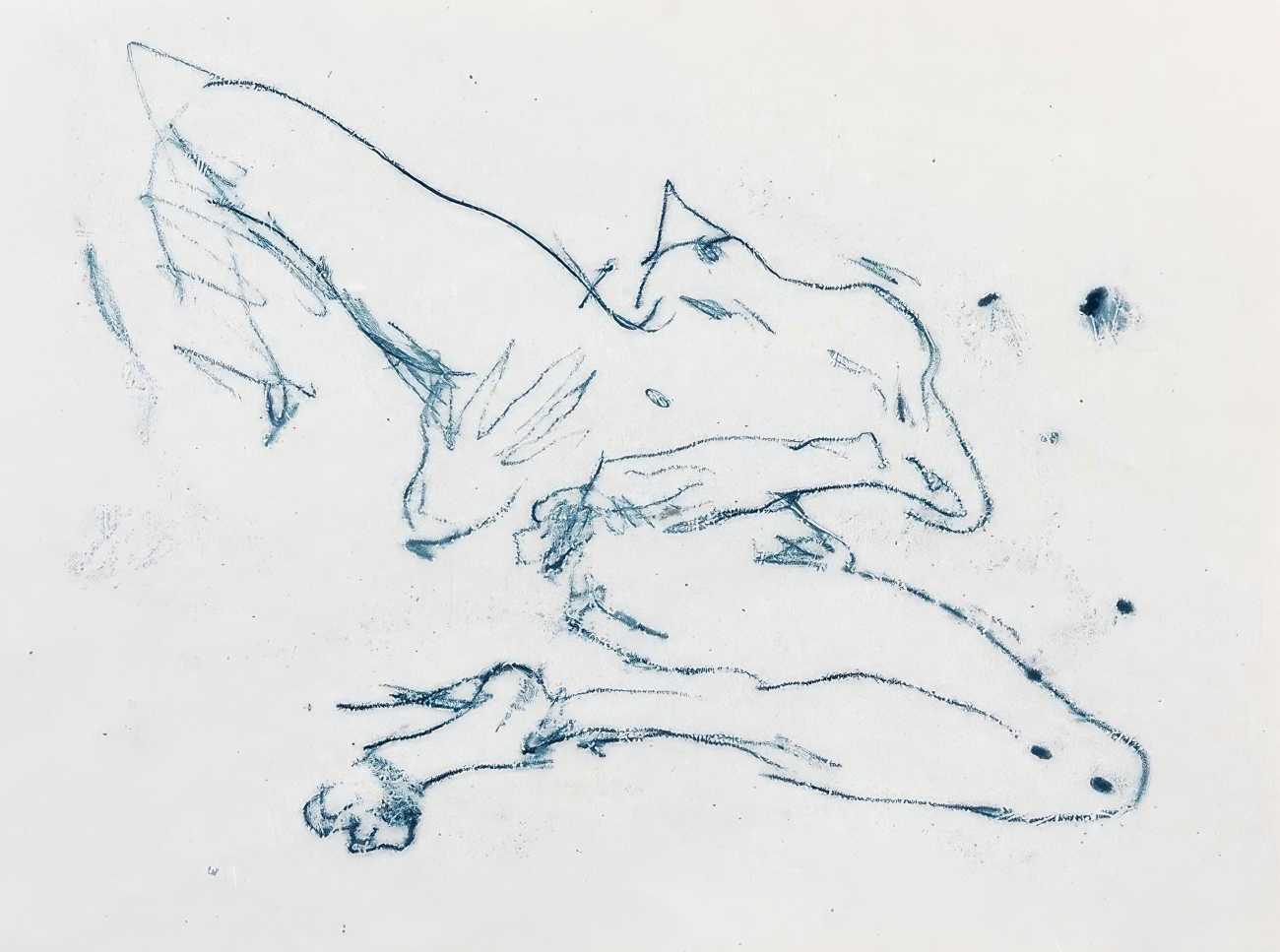
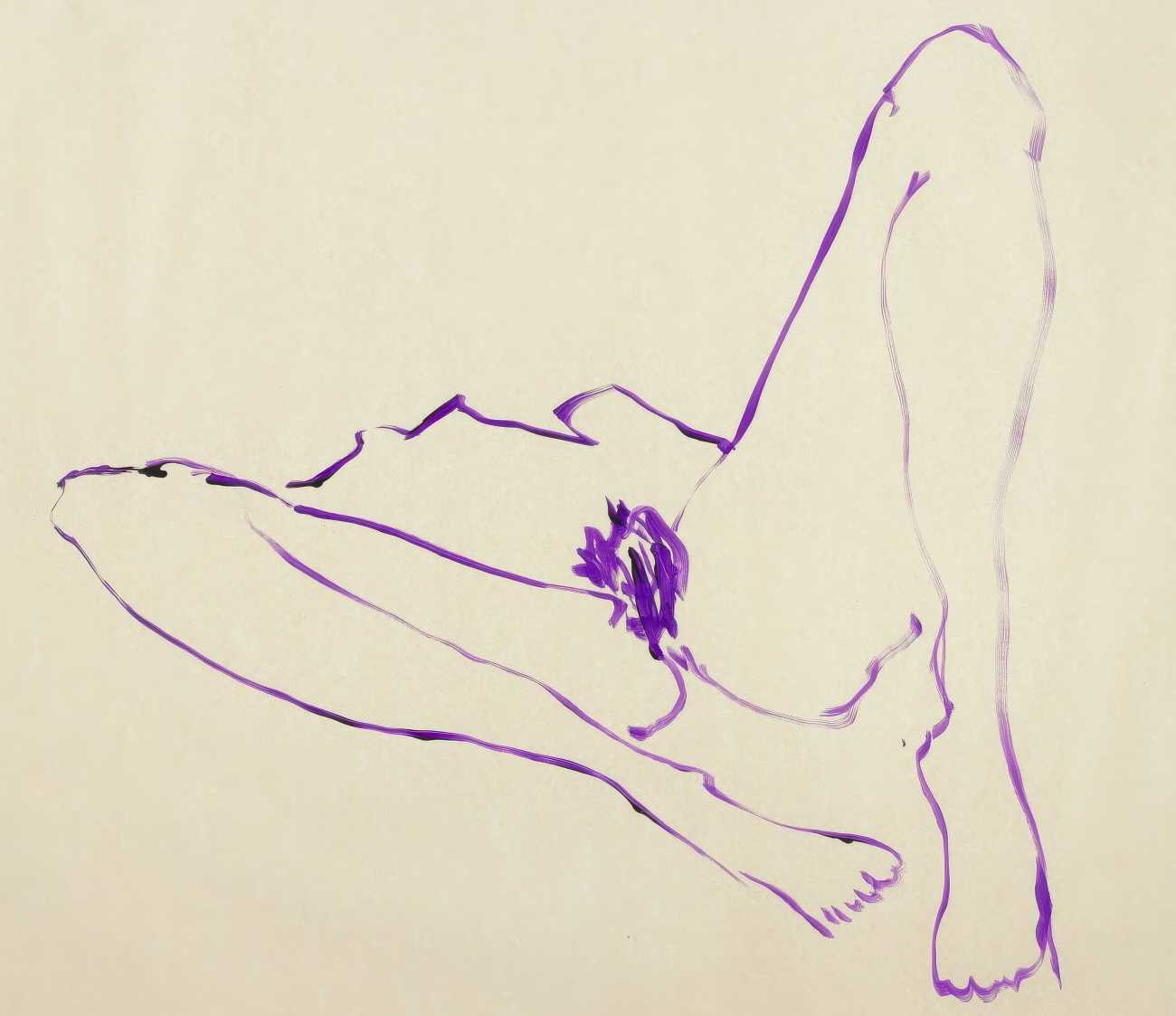
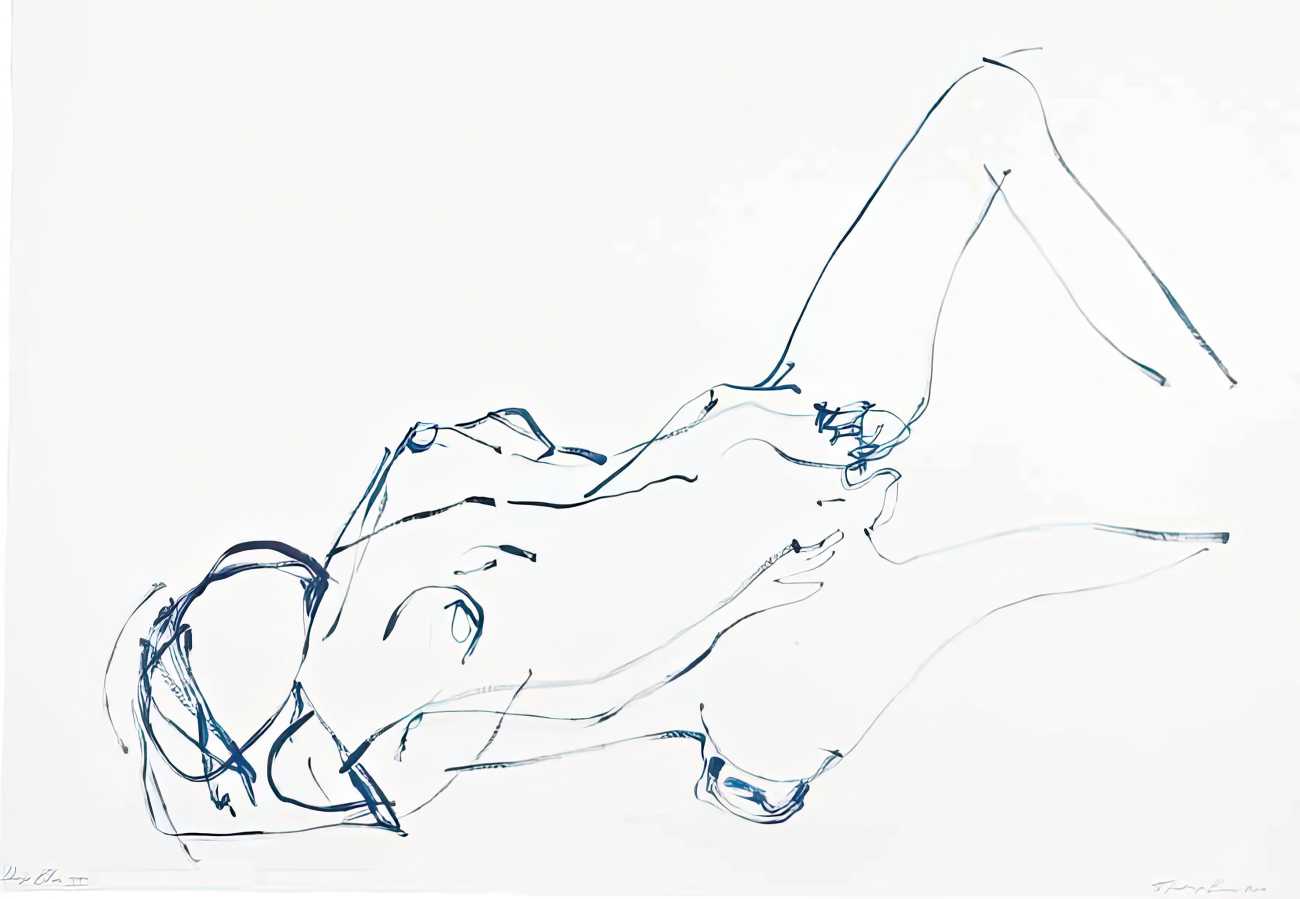
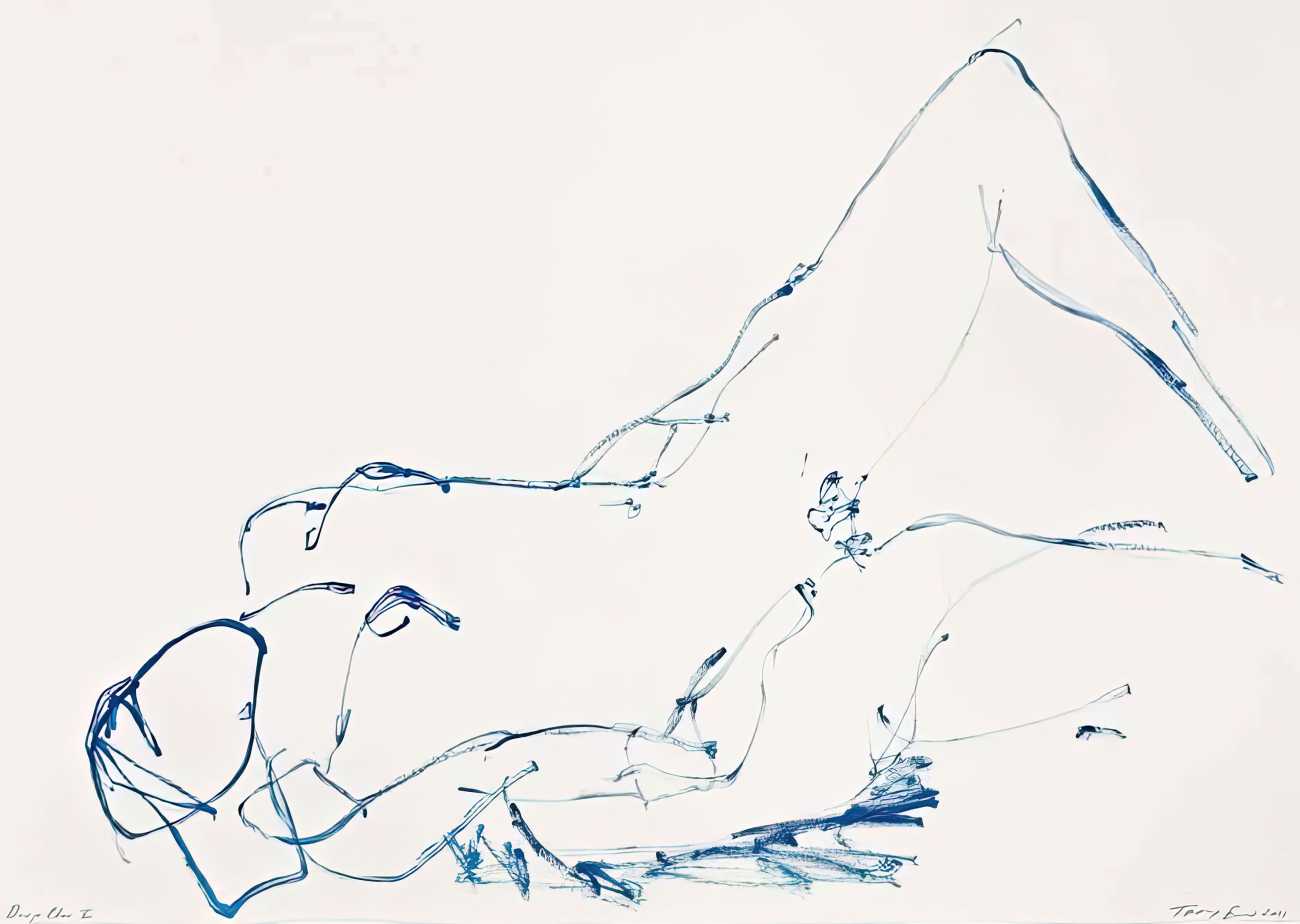
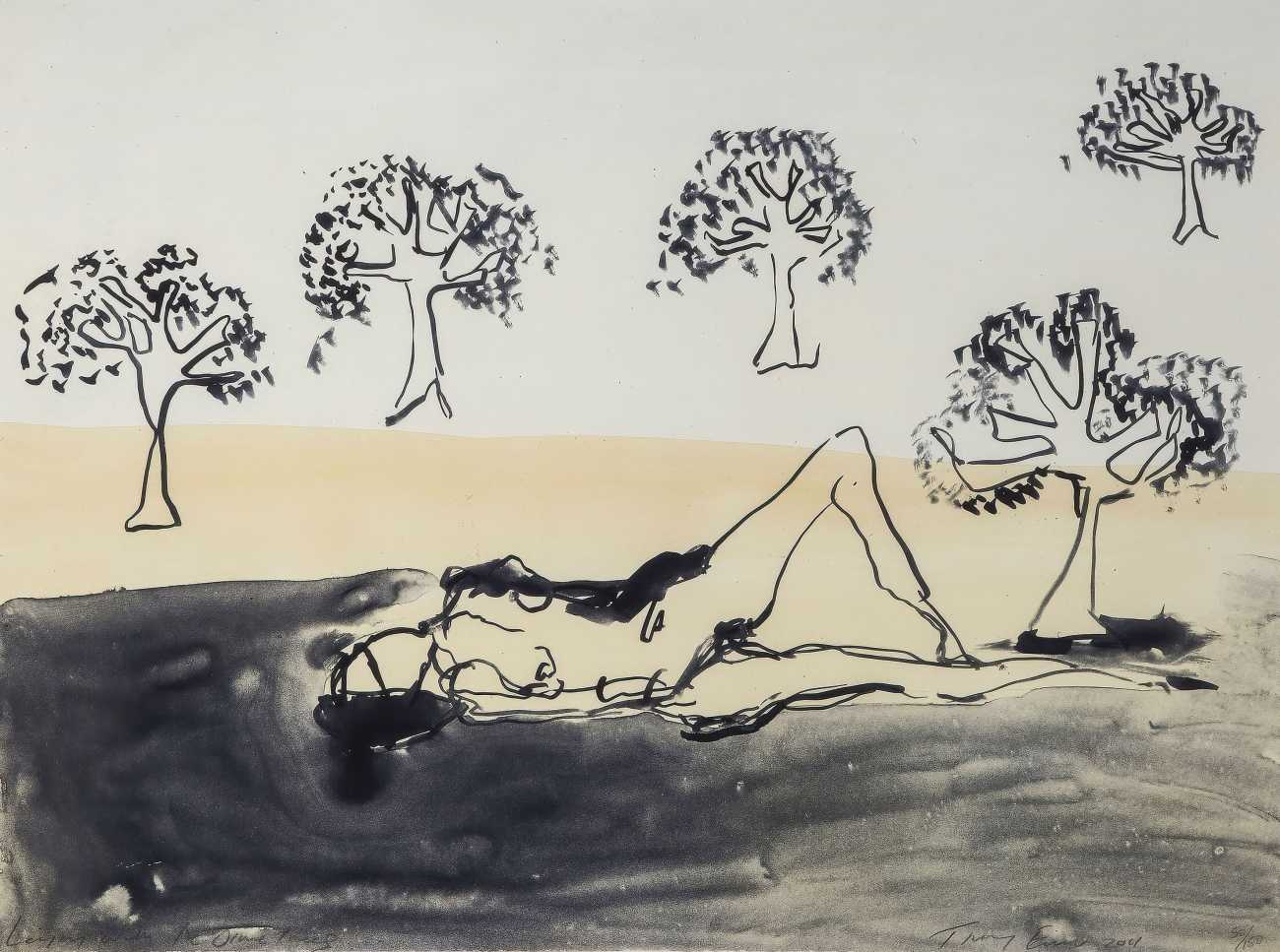
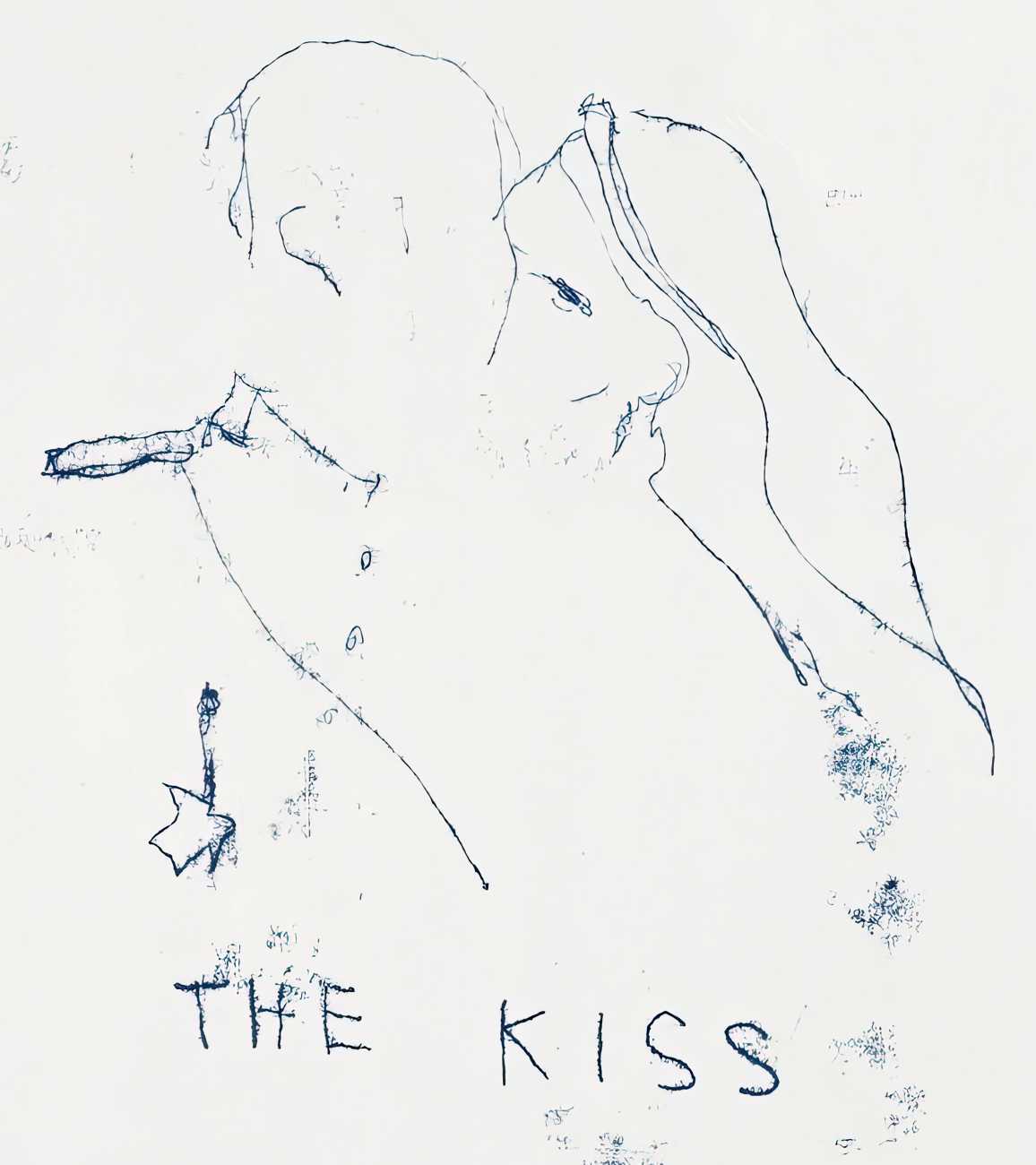
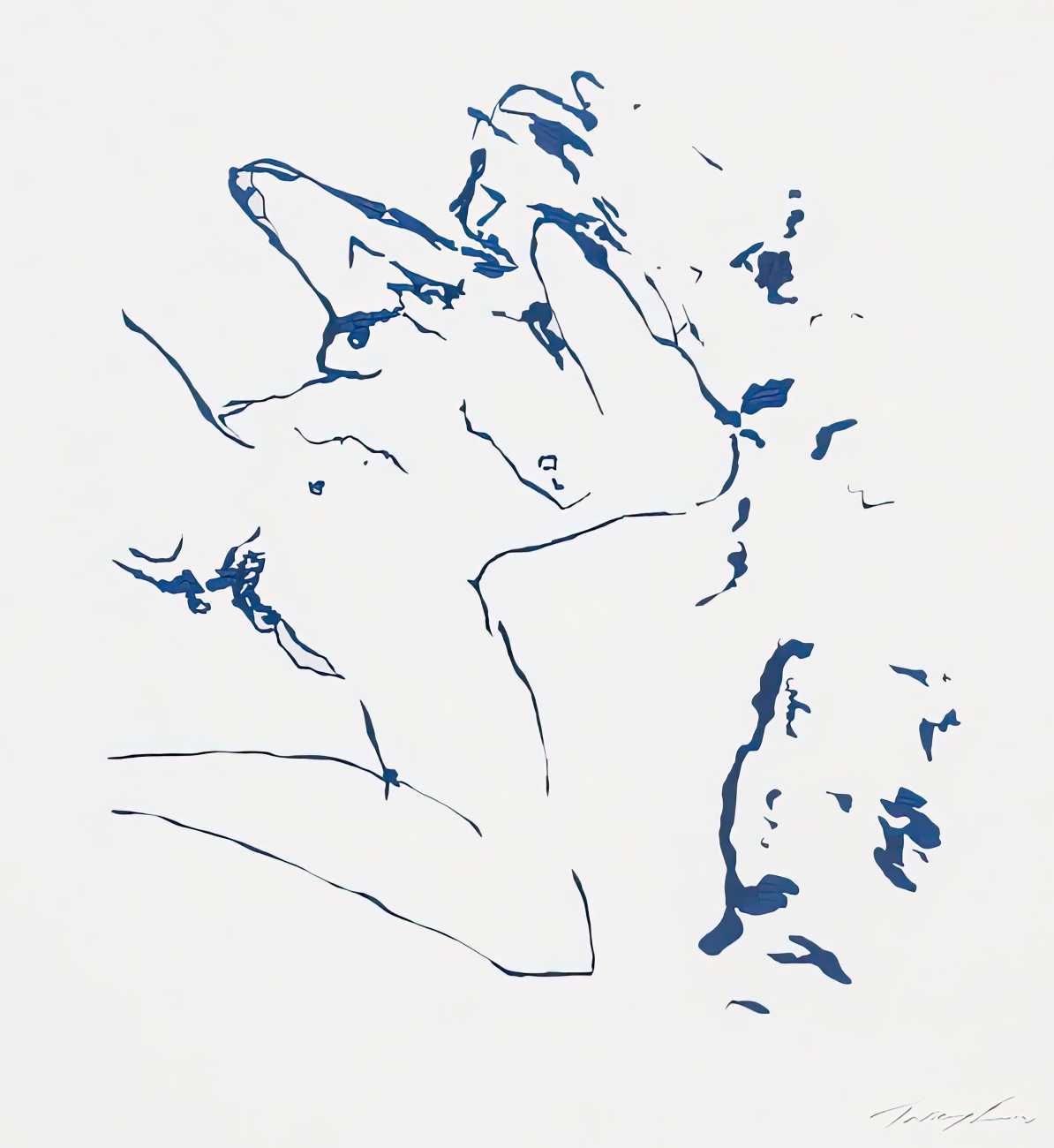
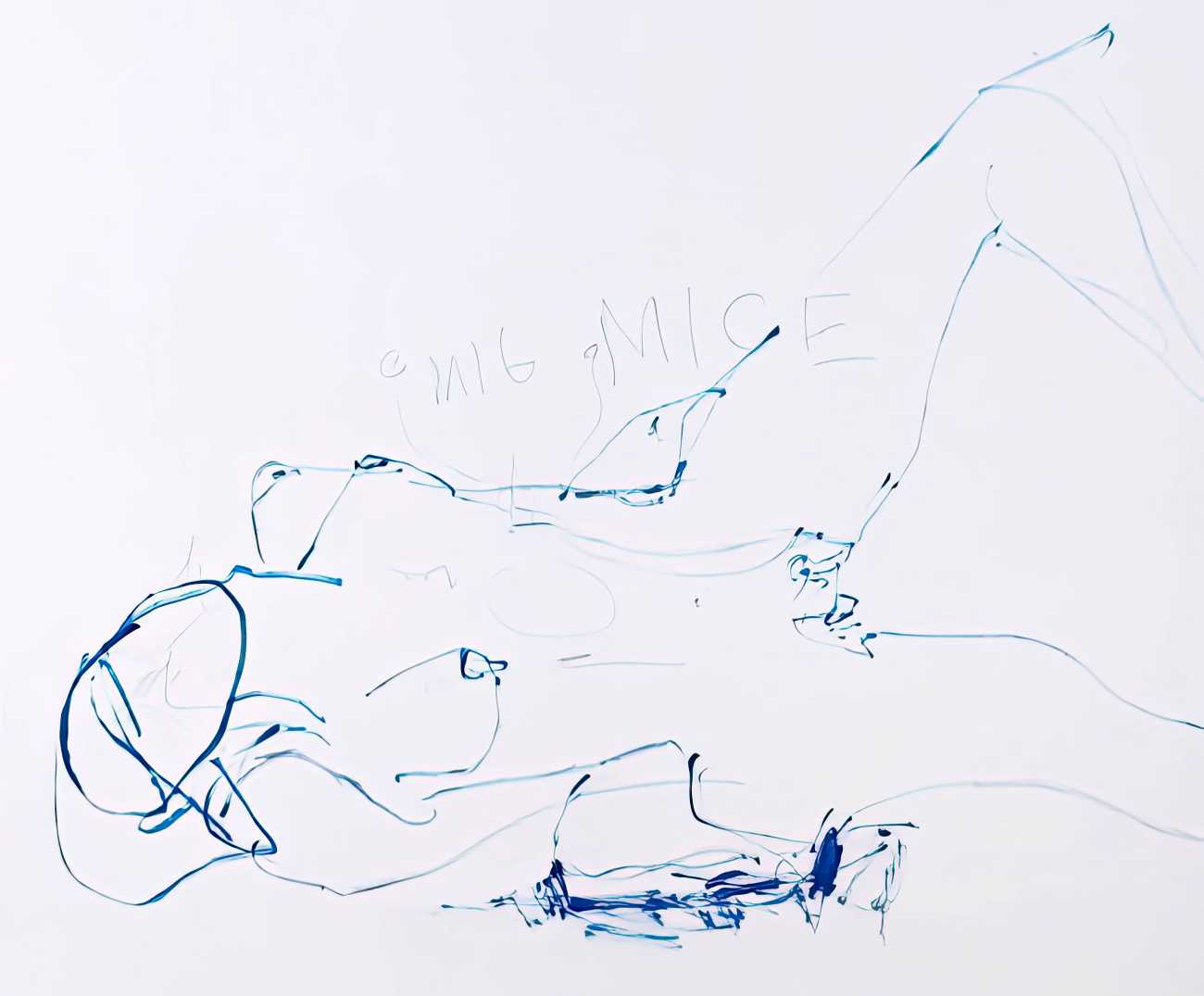
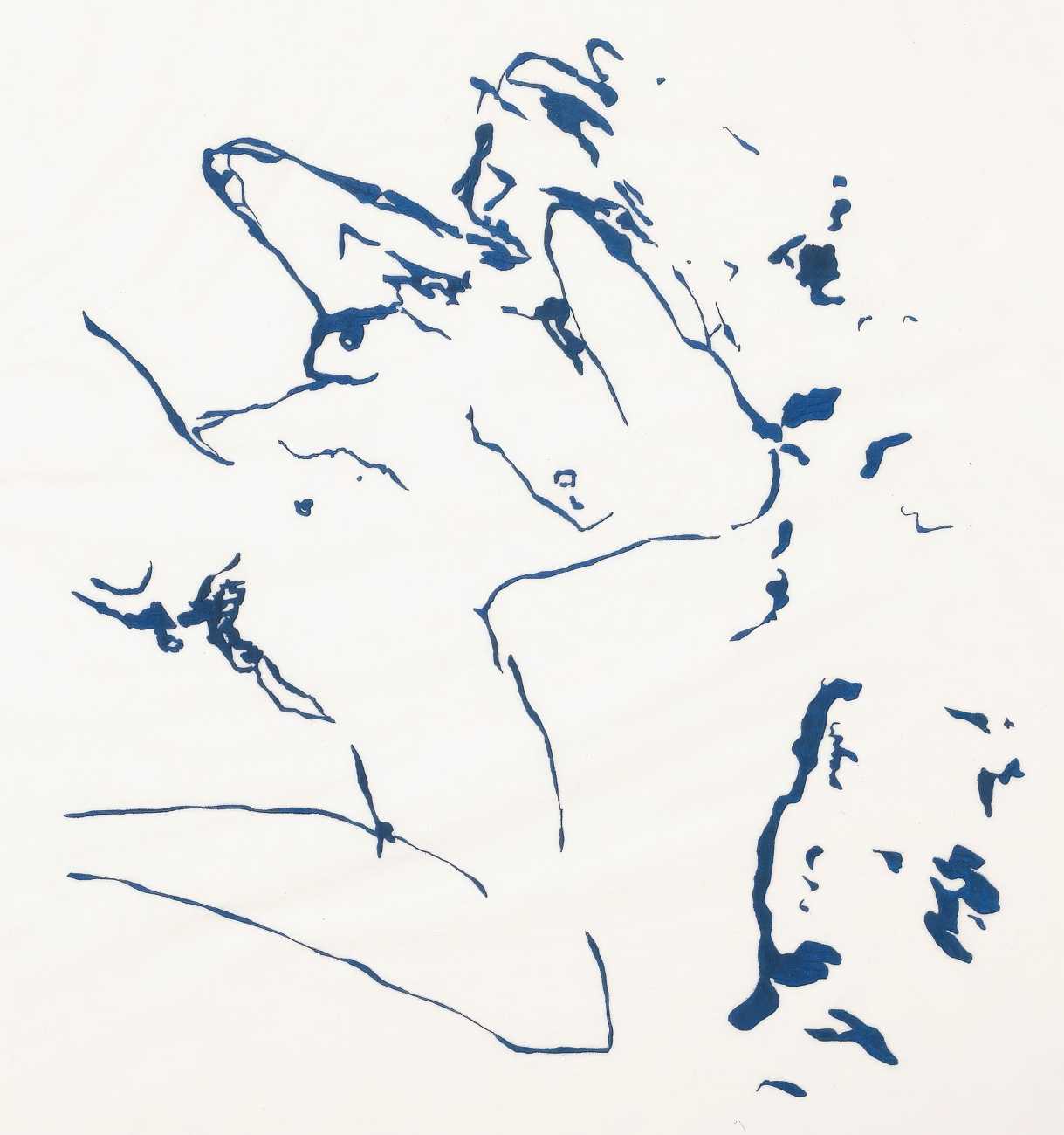
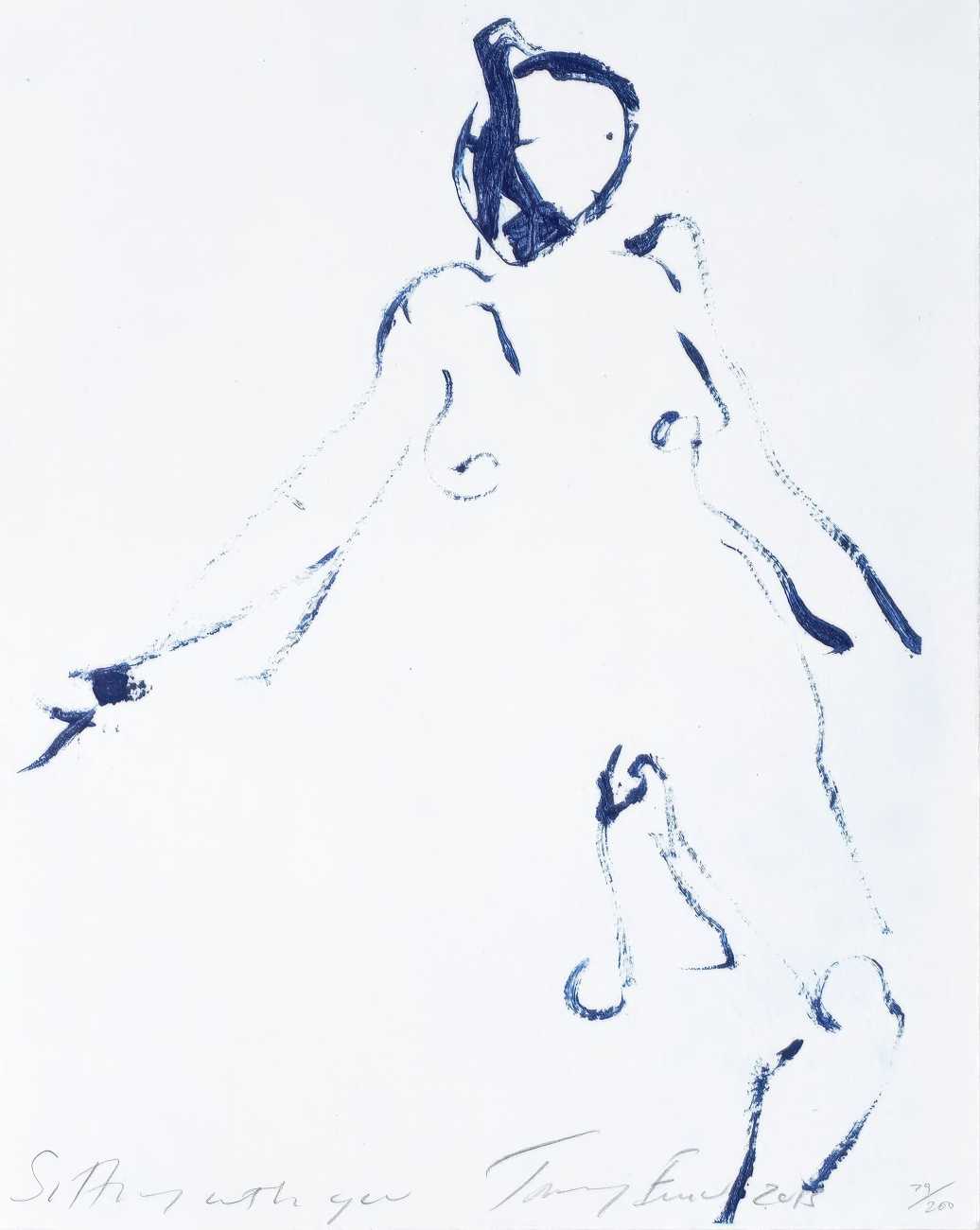
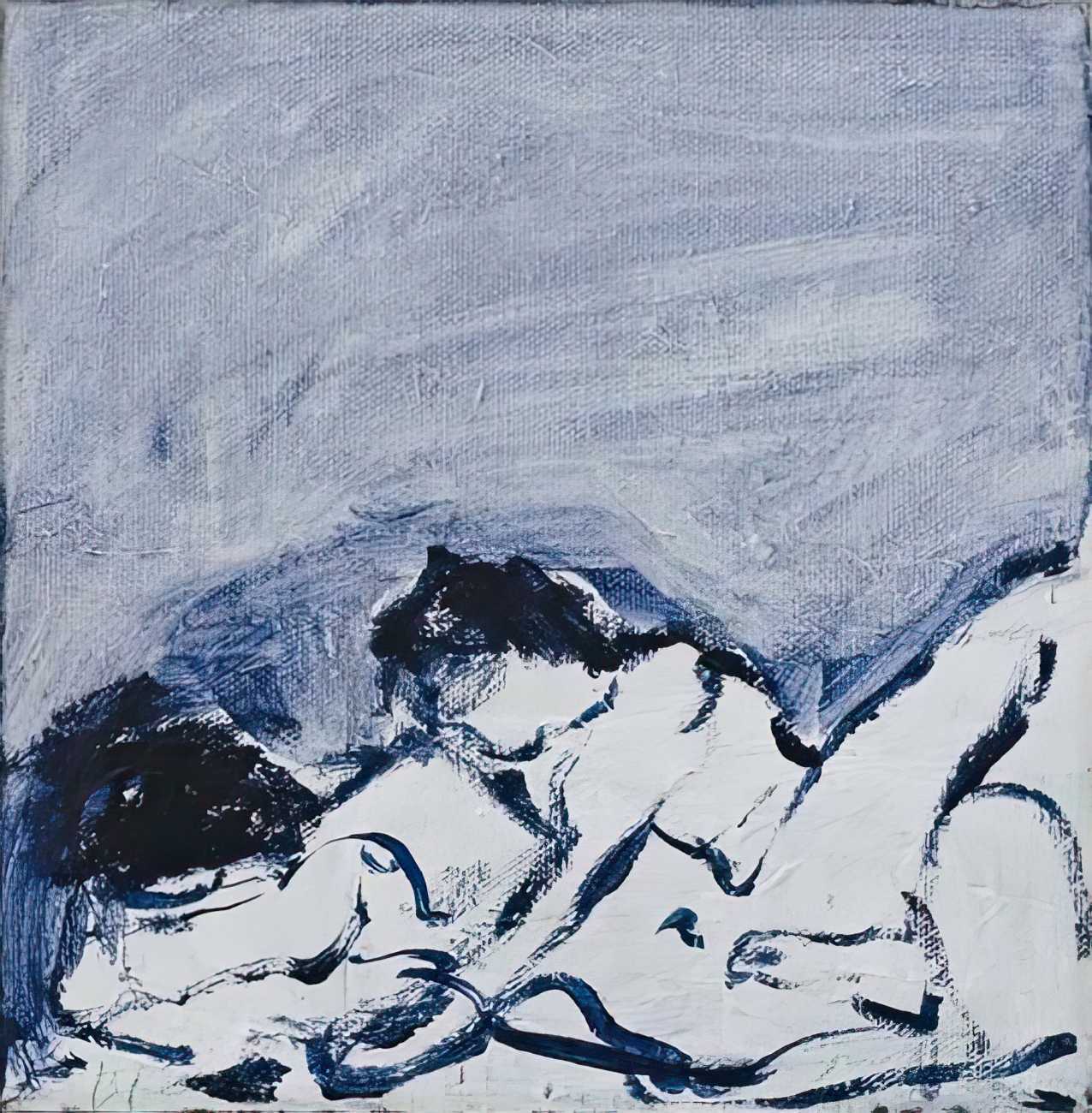
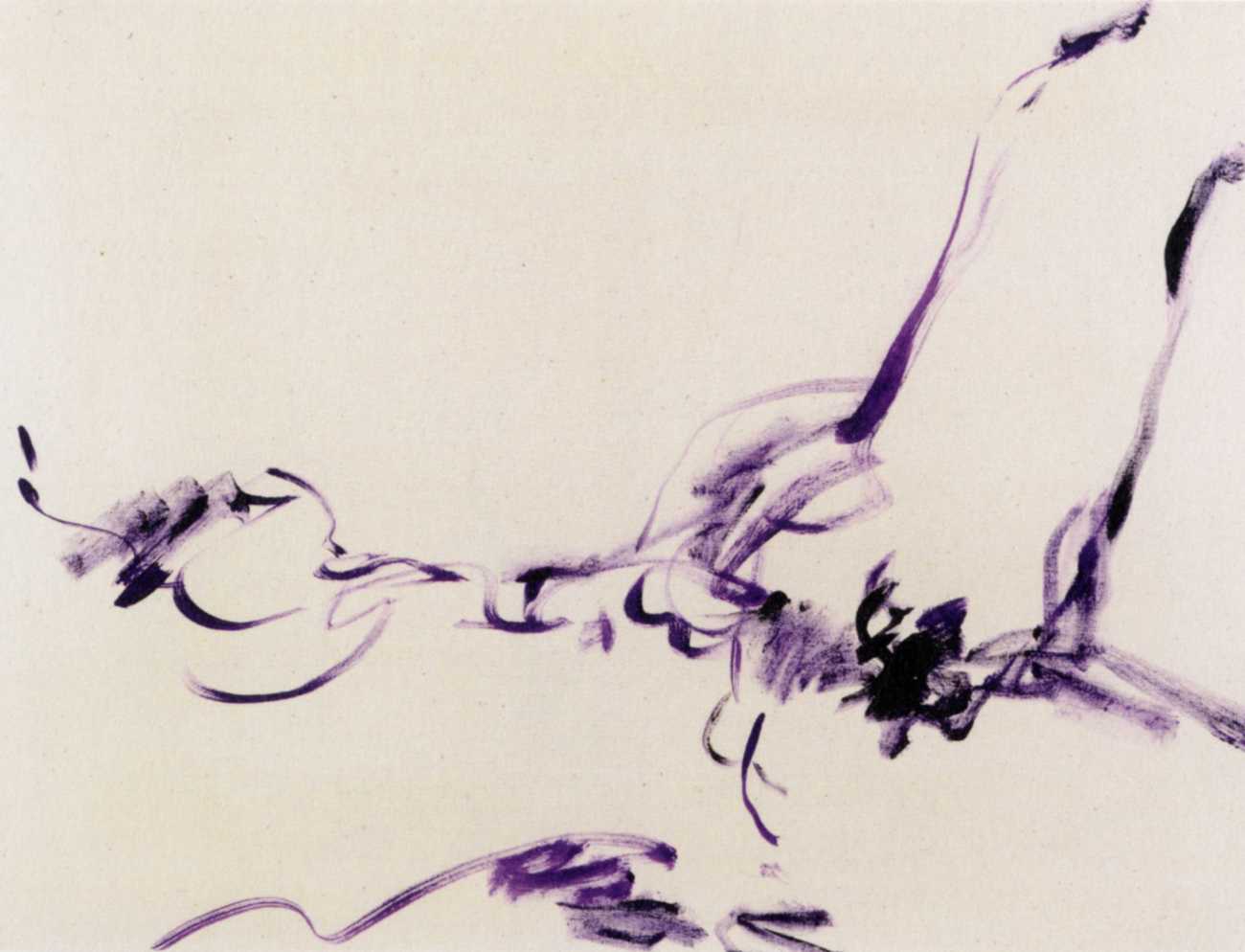
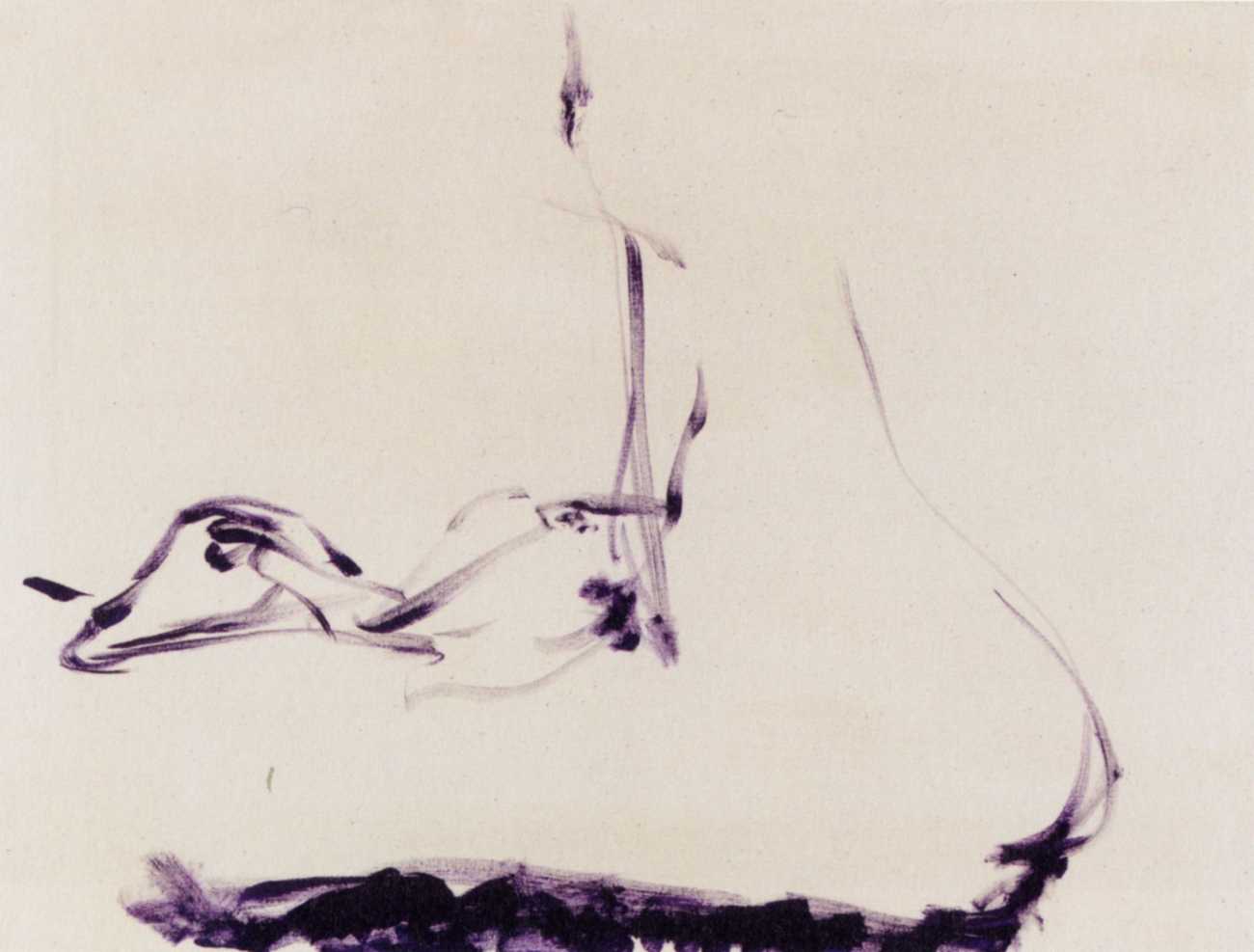
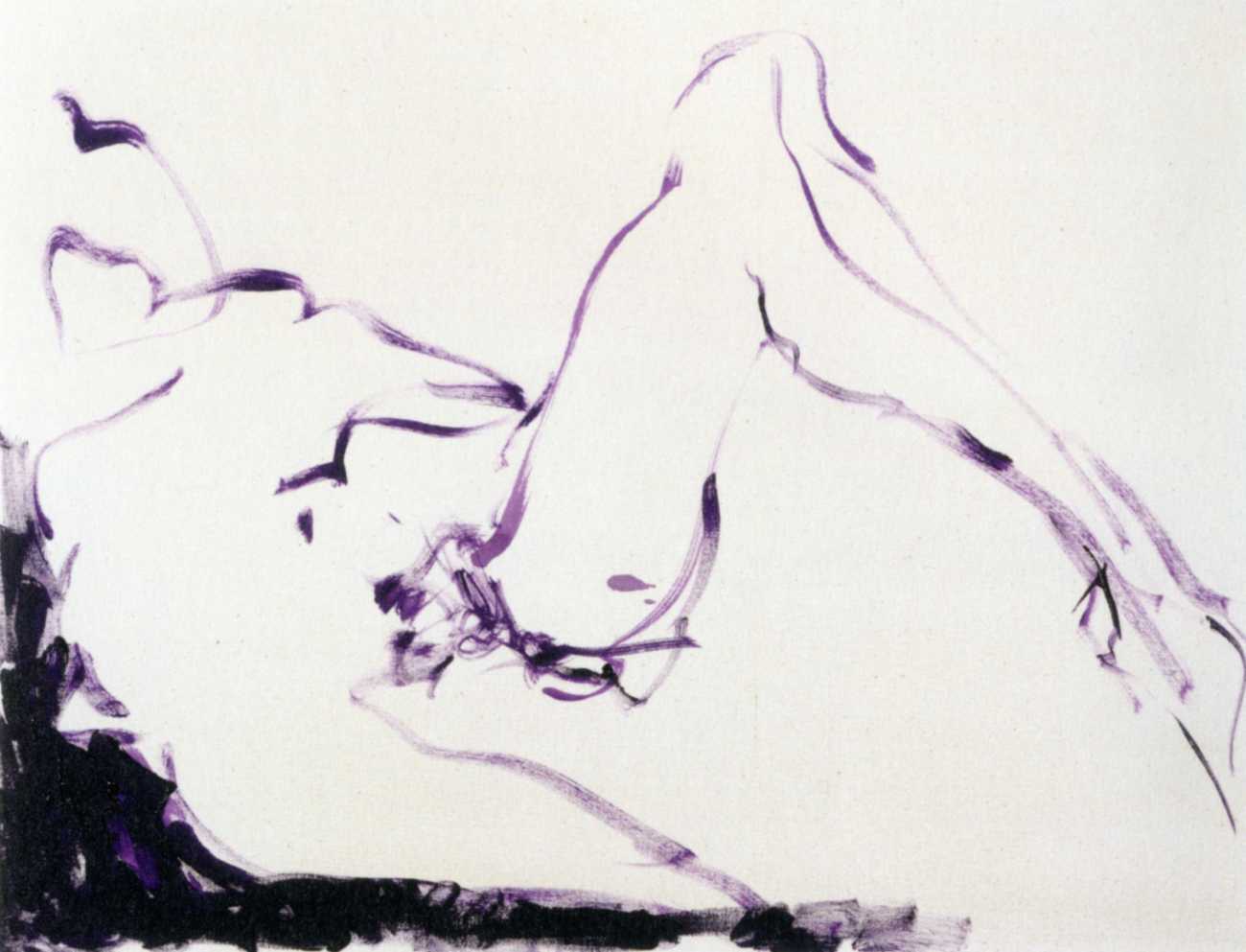
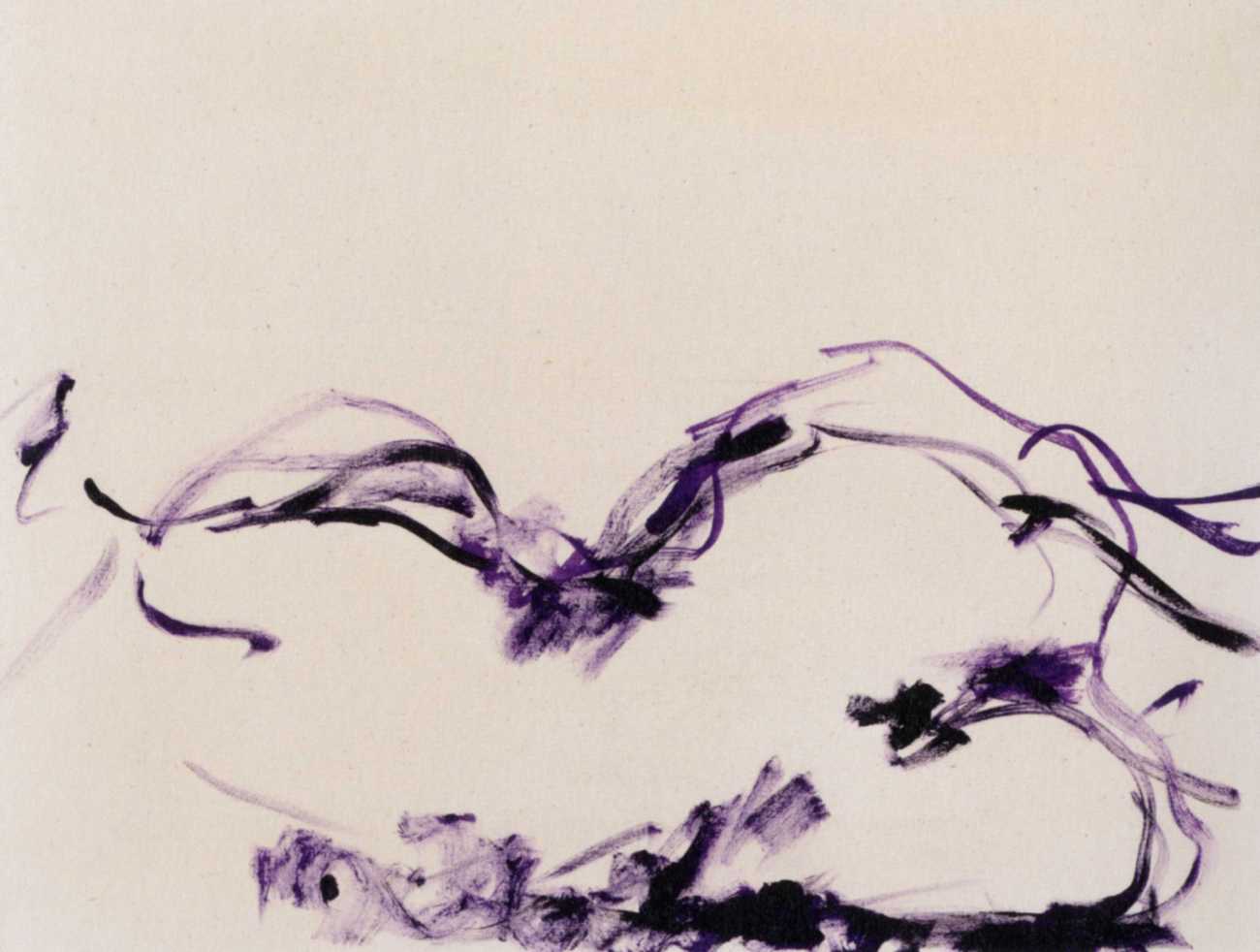
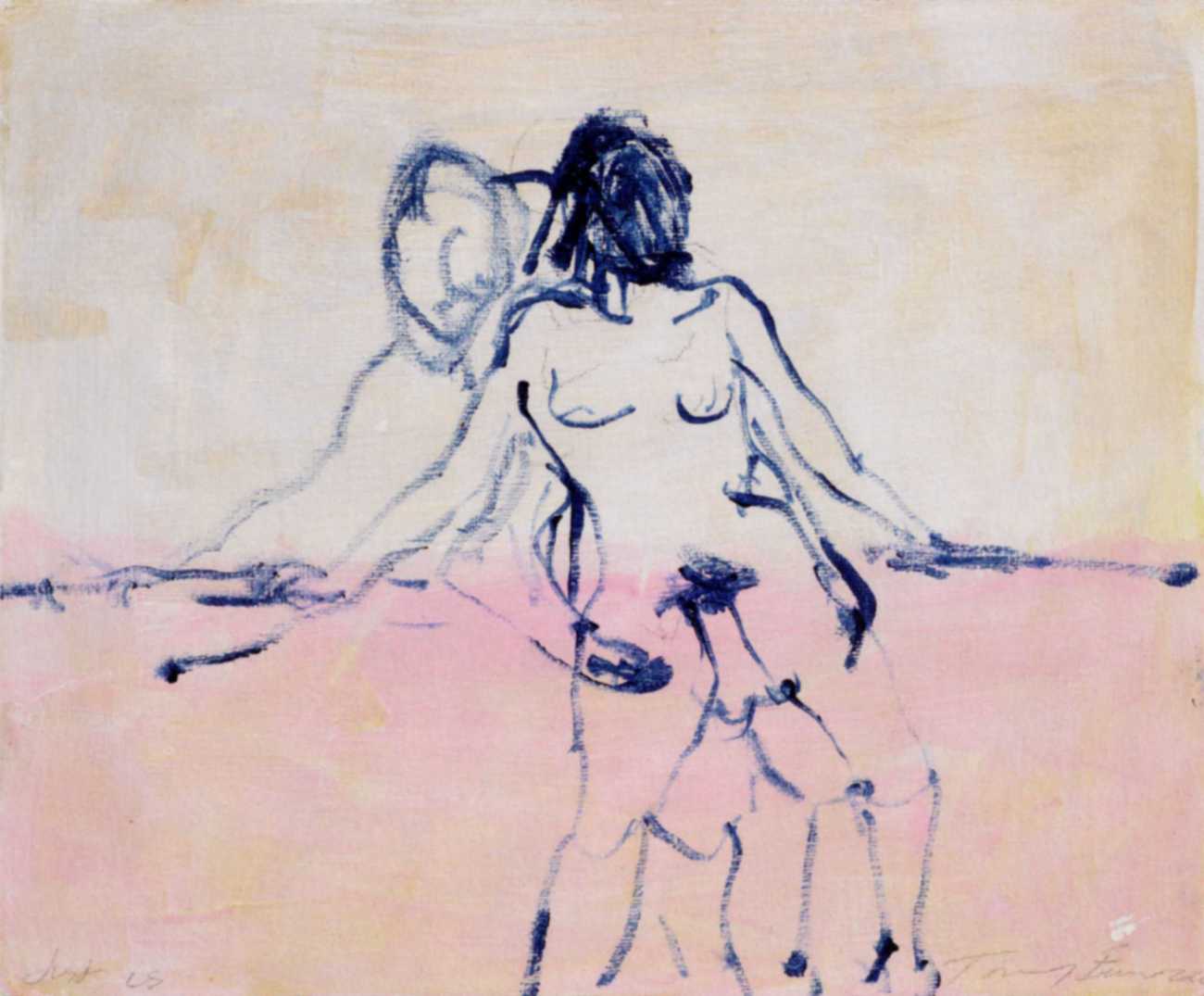
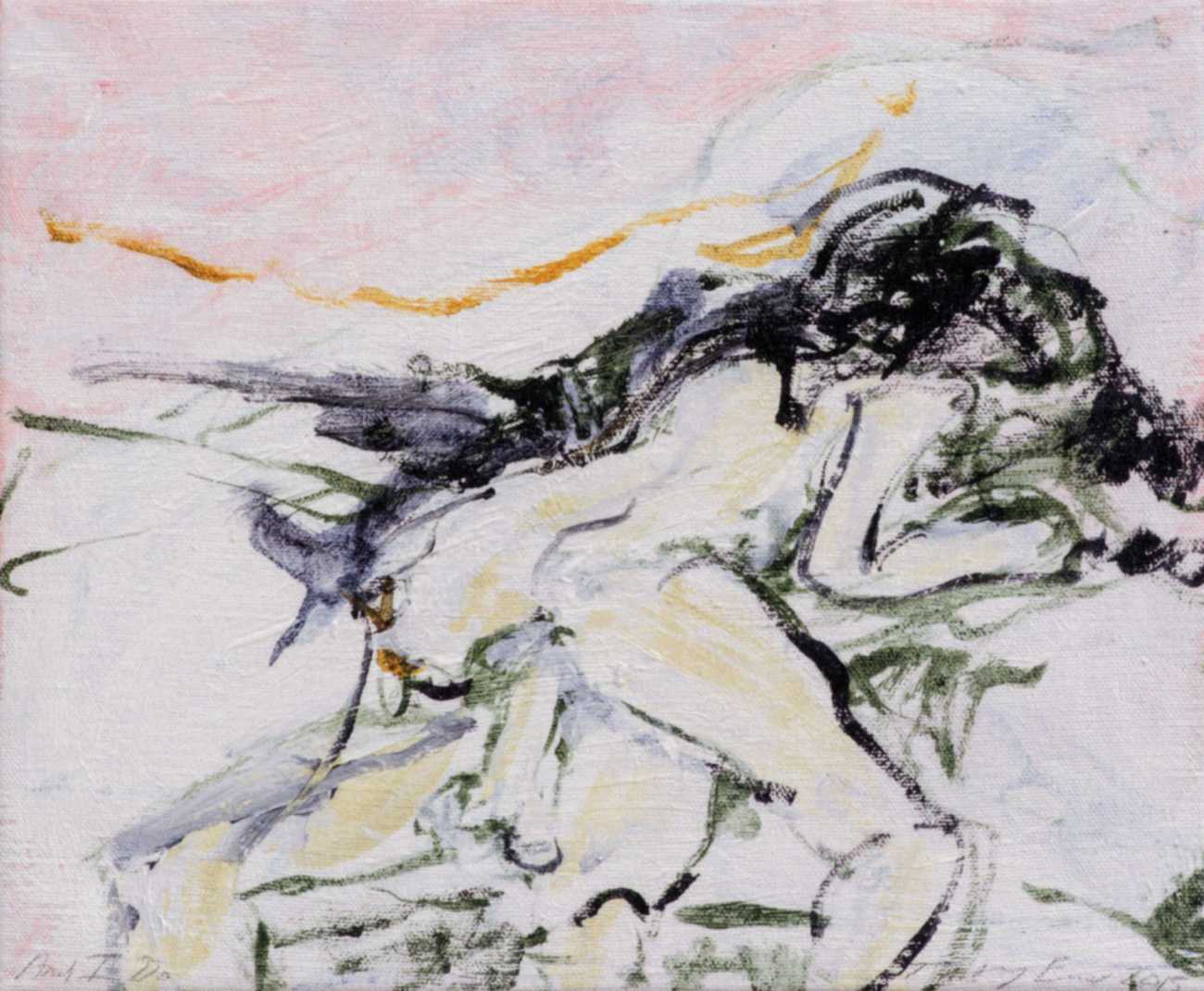
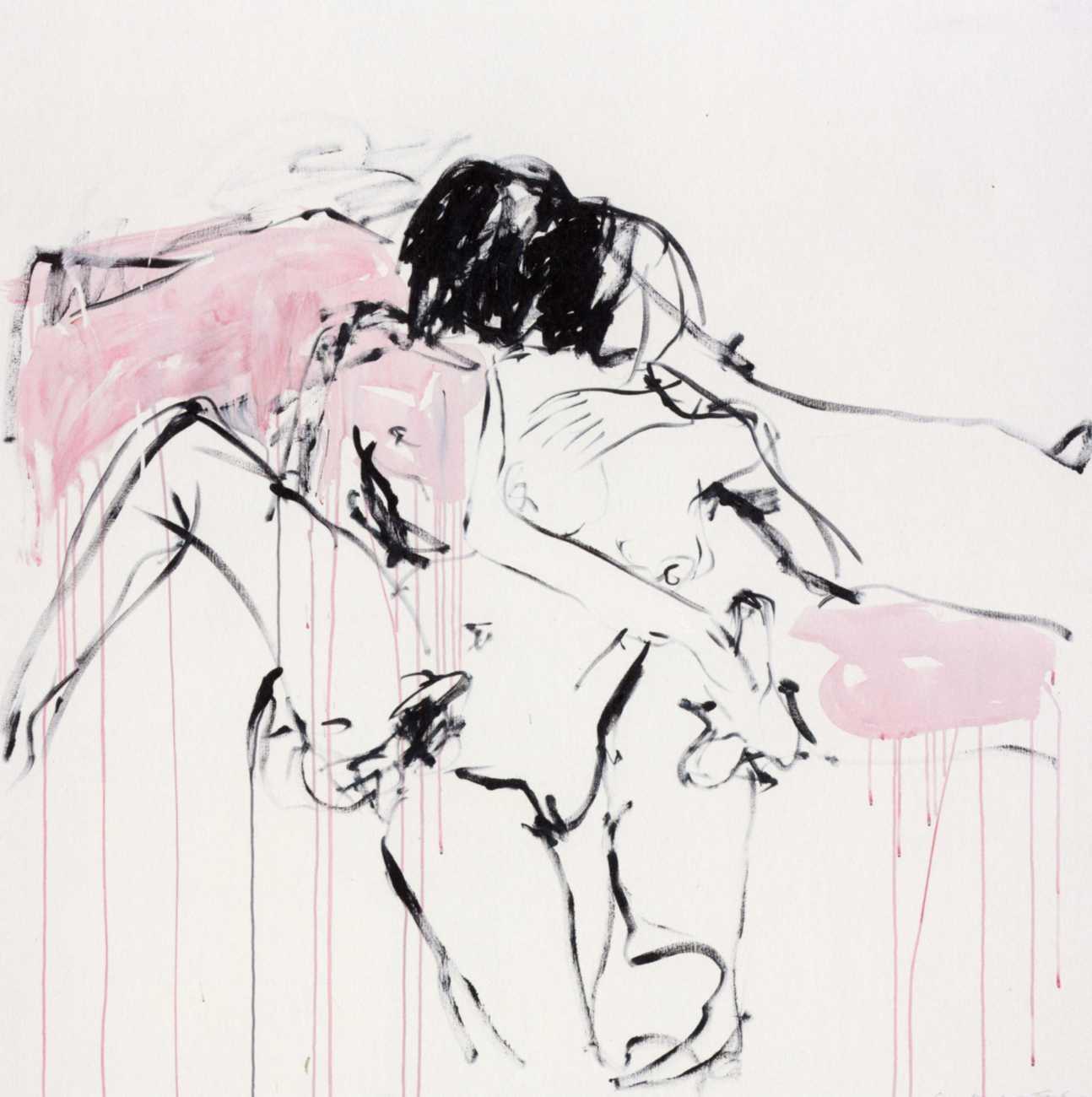
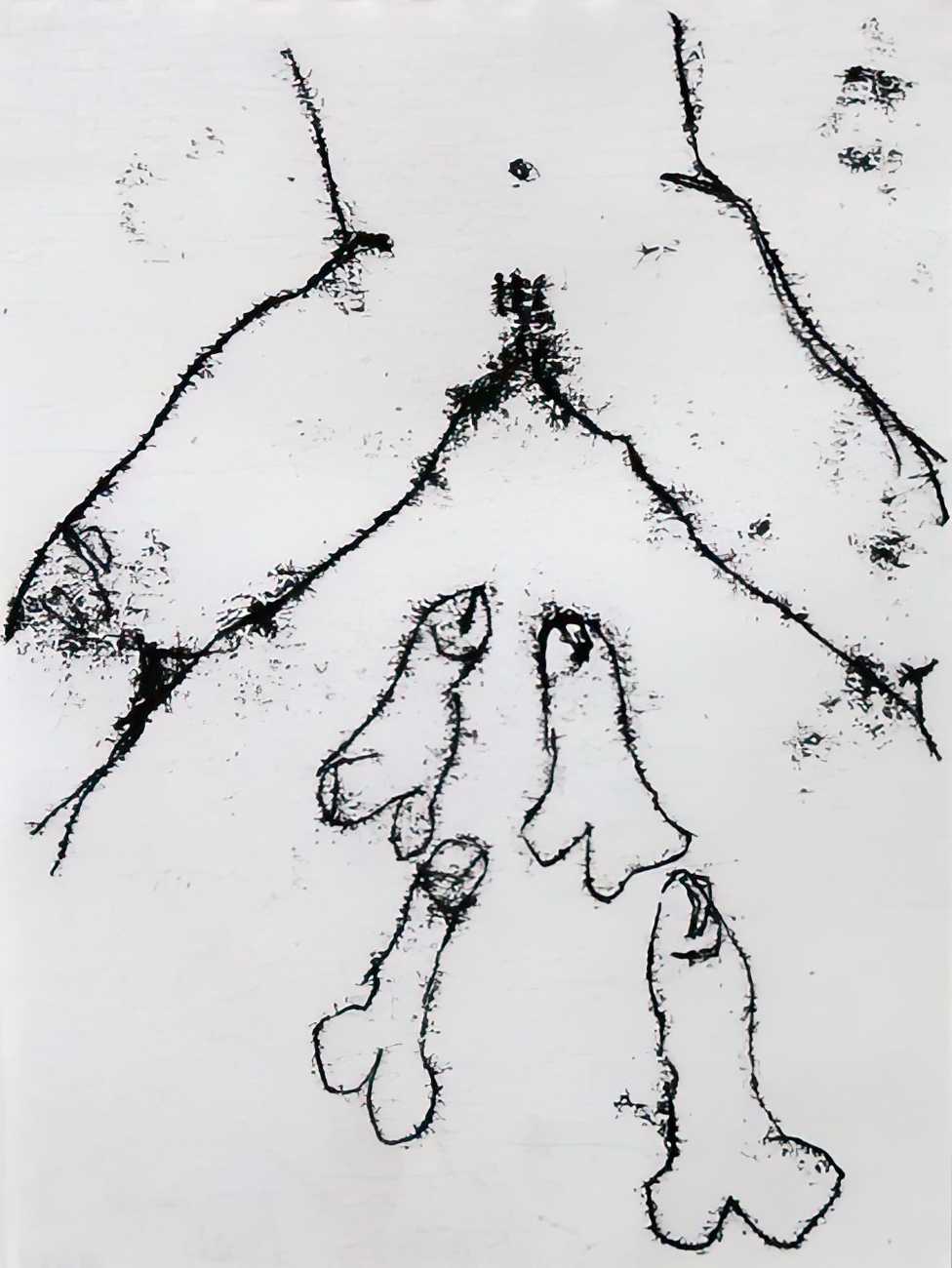
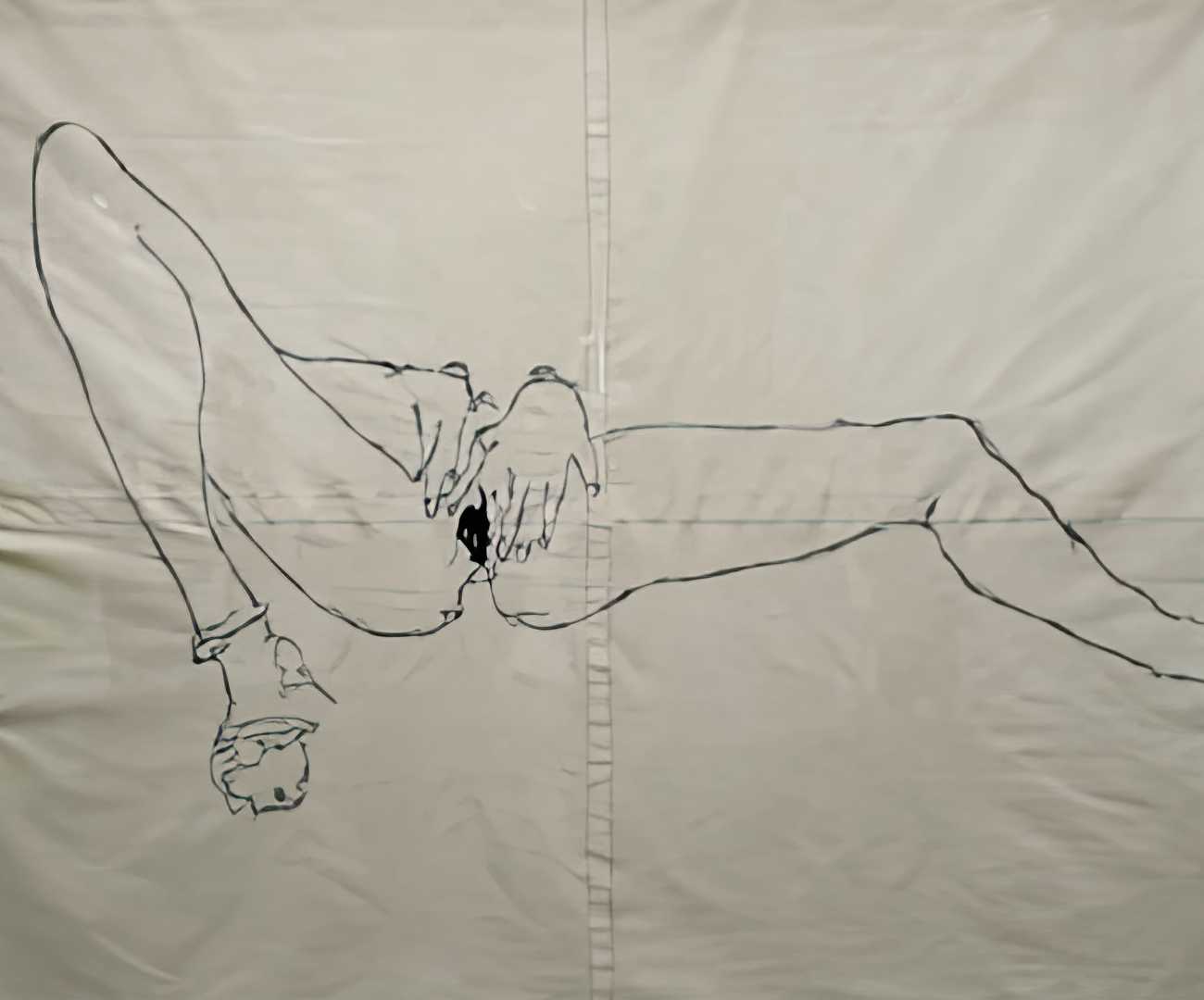
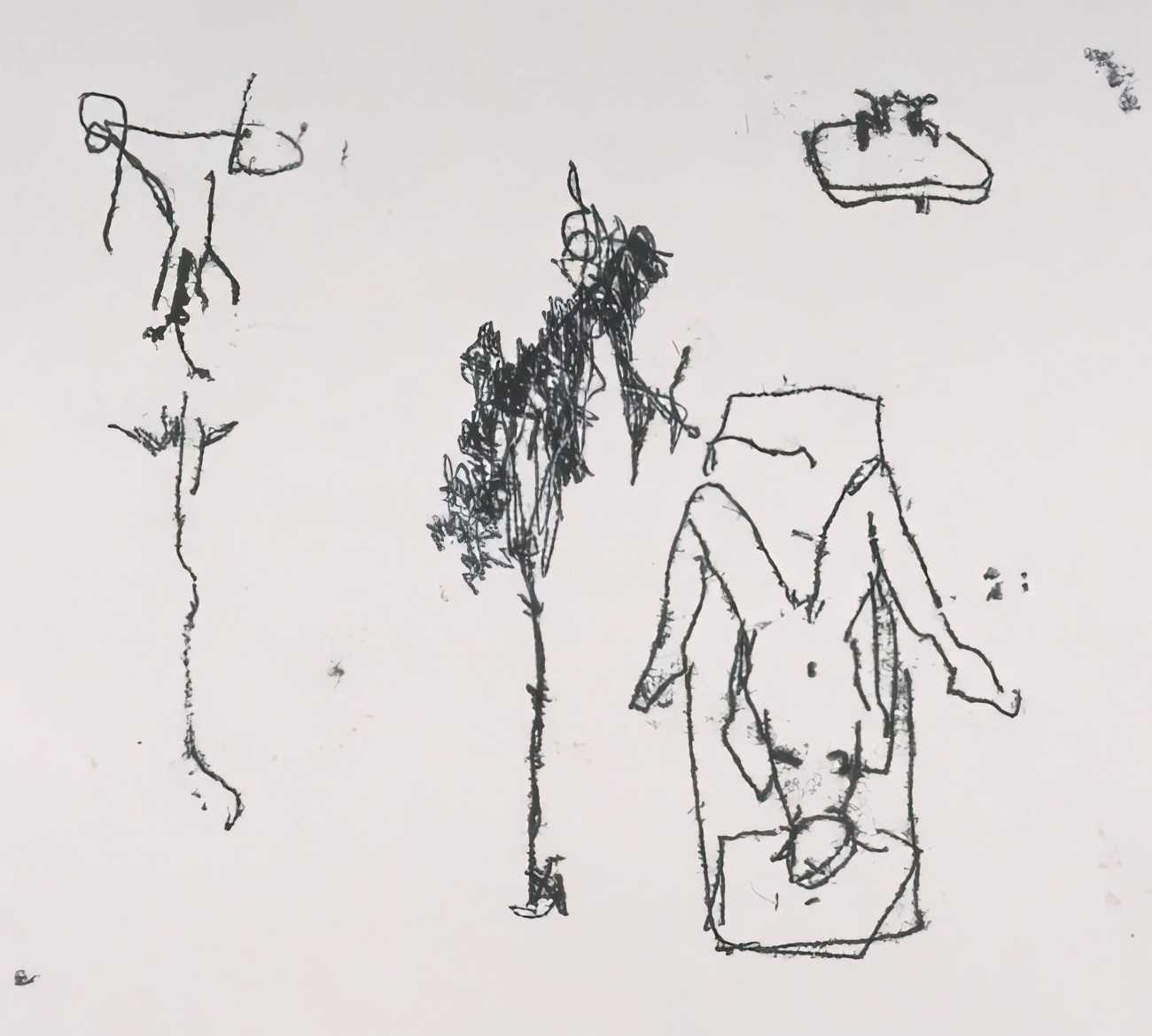
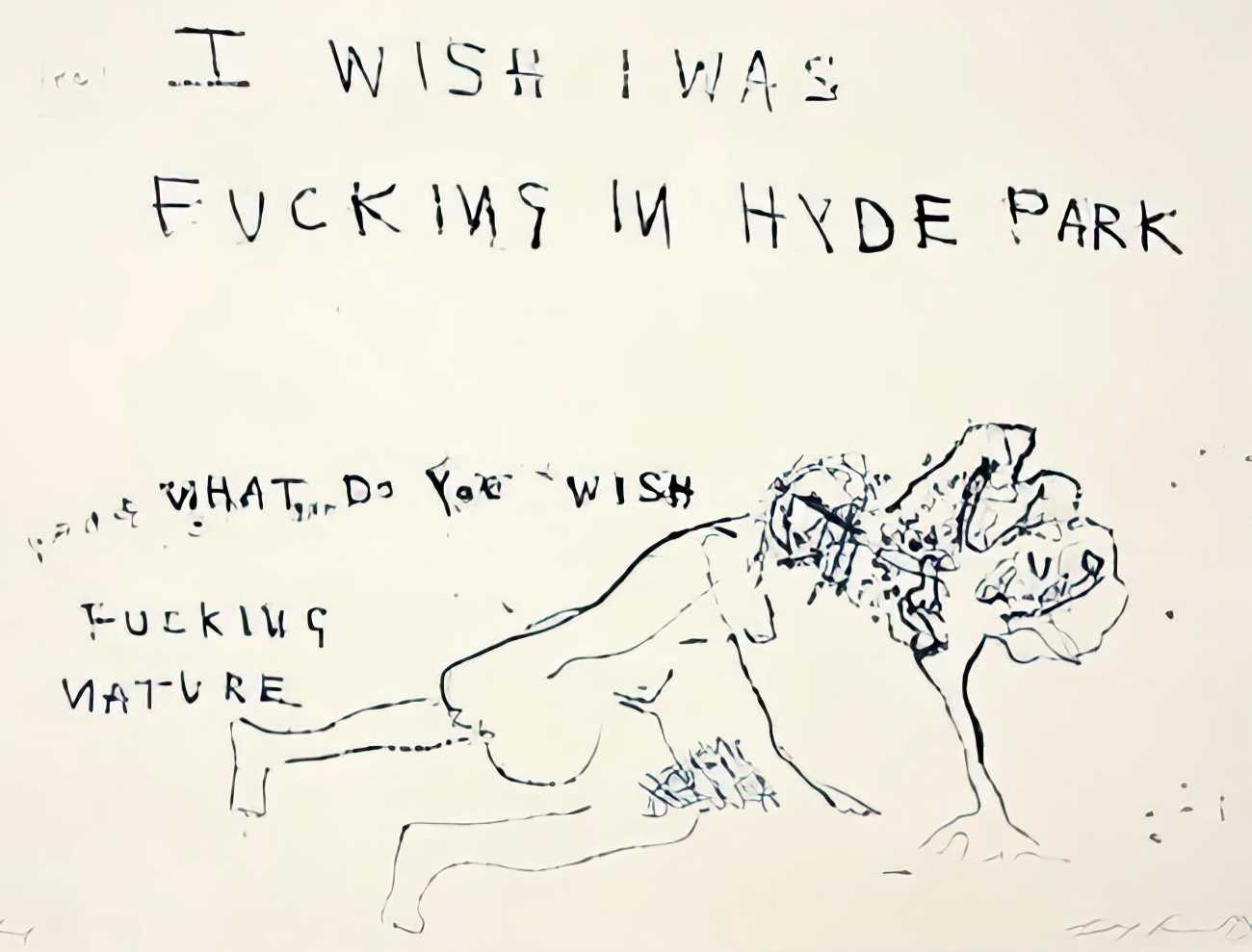
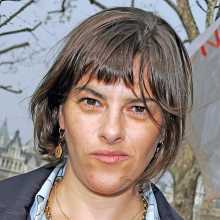
 Privacy is nonexistent in Tracey Emin’s artistic universe. Her work focuses on sexual liaisons and misadventures, heartbreak and childhood trauma, among many other things that most people avoid discussing. The shockingly intimate nature of Emin’s extraordinarily honest work has put her at the forefront of contemporary art. Even if her unruly public appearances have occasionally overshadowed her more worthy achievements – Emin is only the second woman ever to be appointed professor at the Royal Academy – her career has produced art that is truly unforgettable.
Emin’s childhood photographs show her as a happy little girl, but it wasn’t long before all that would change. At the age of thirteen, sexuality became a major part of her life when she was raped by someone she knew. From then on Emin was constantly thinking about what sex meant to her, and she would later go on to use art to exorcise her demons. Her 2004 film Top Spot, a semi-autobiographical account of a teenage girl’s life in Margate, Emin’s hometown on the southeast coast of England, depicts some of the horrors she faced as a child.
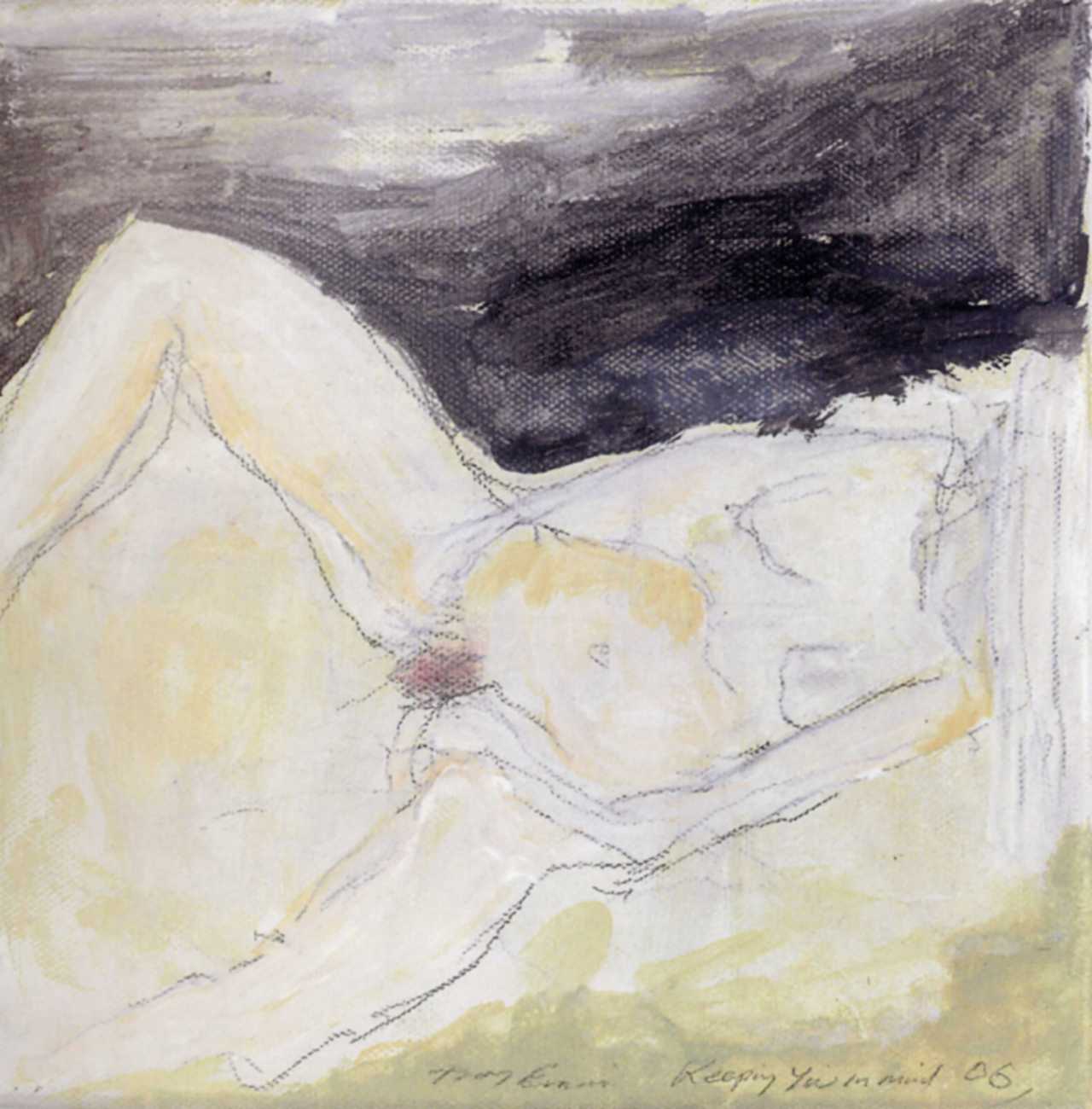
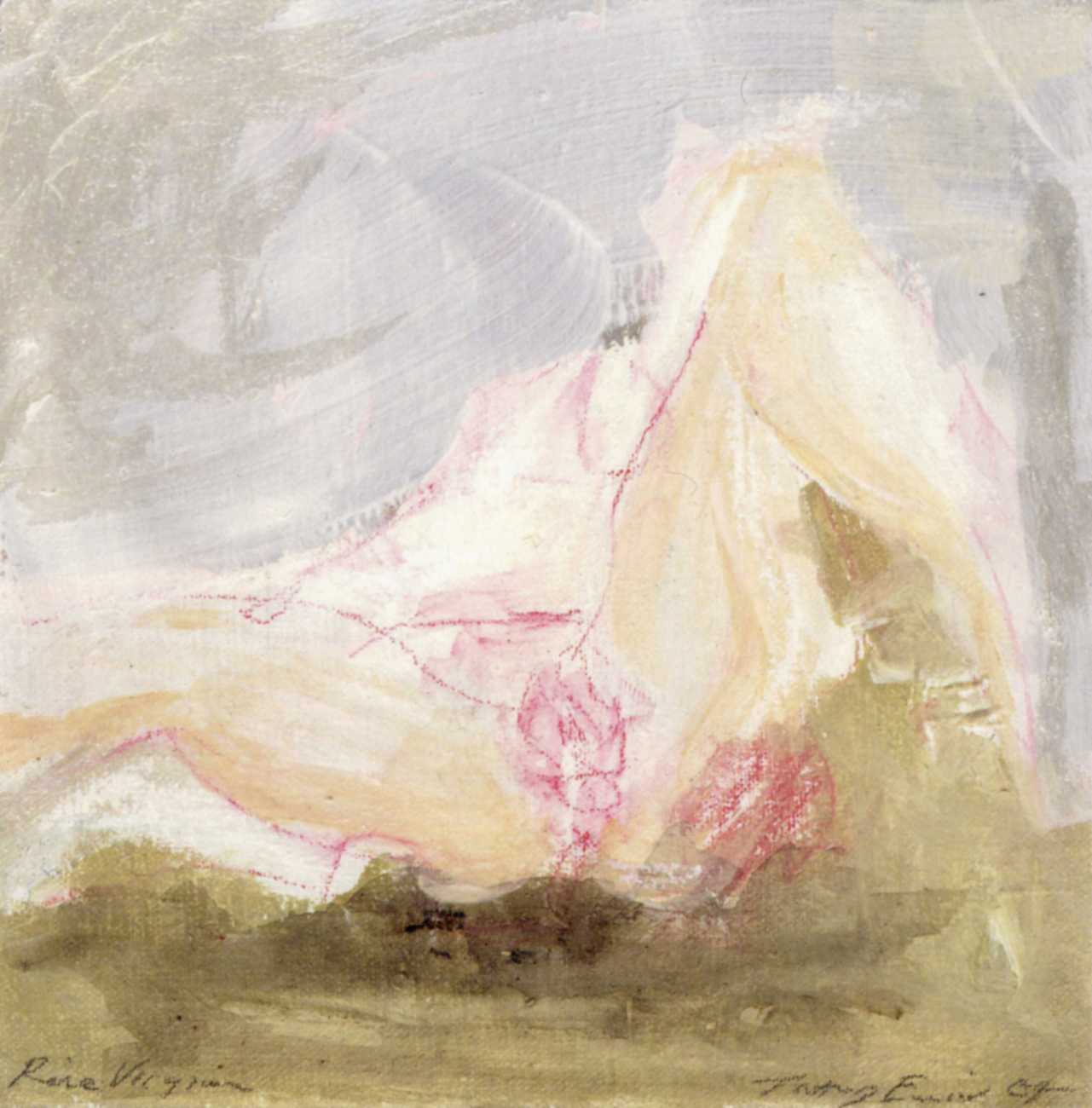
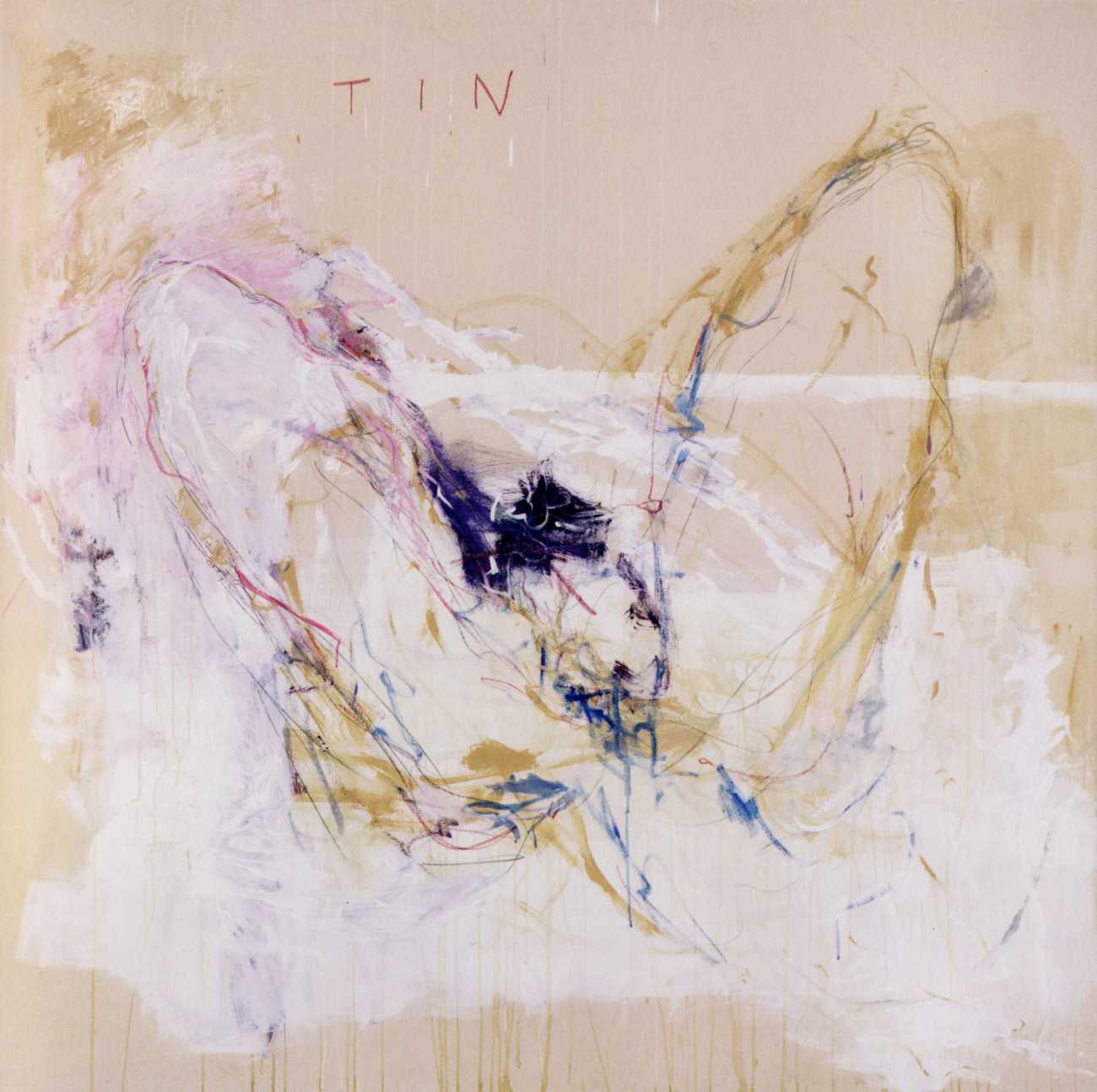
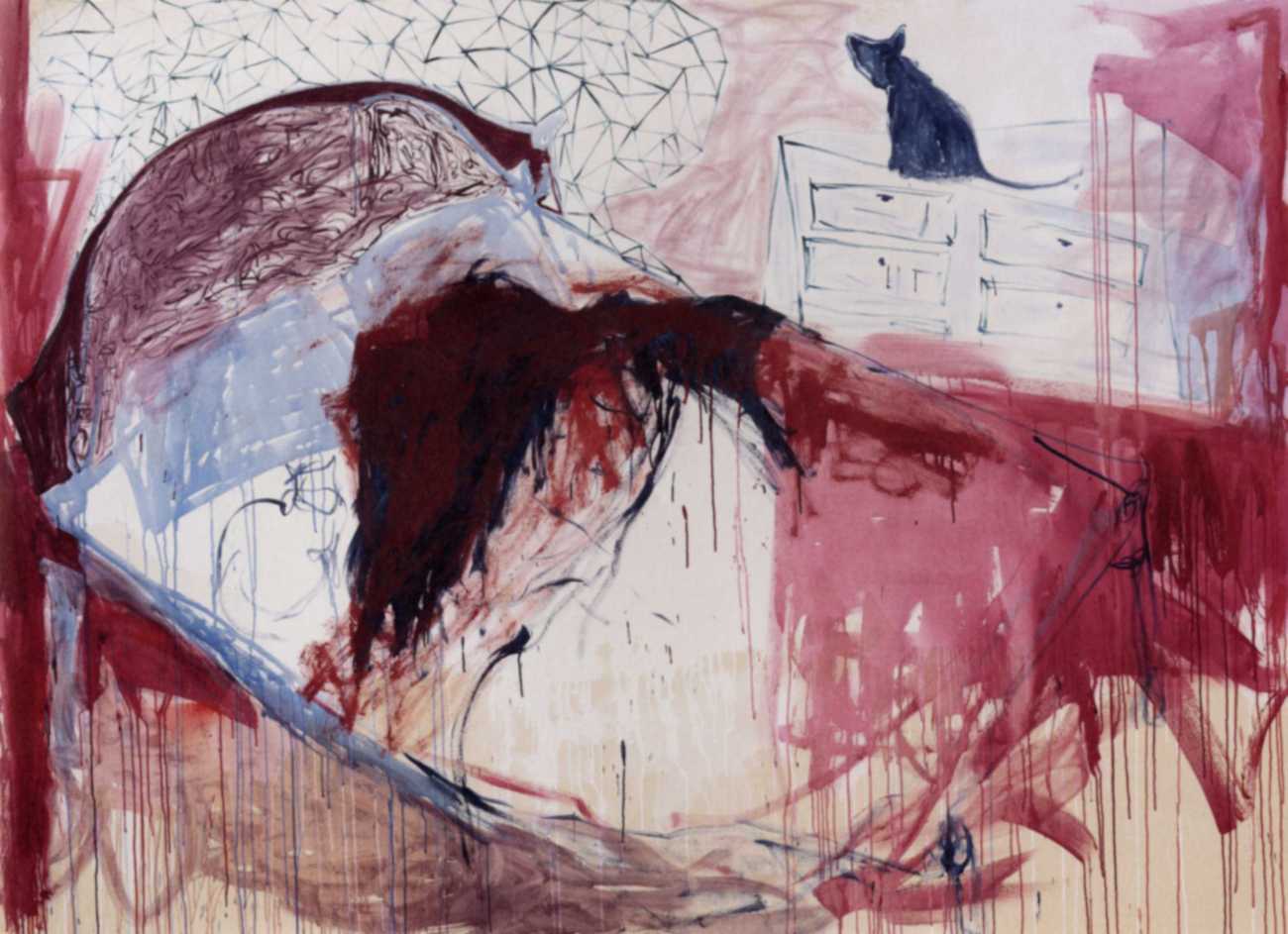
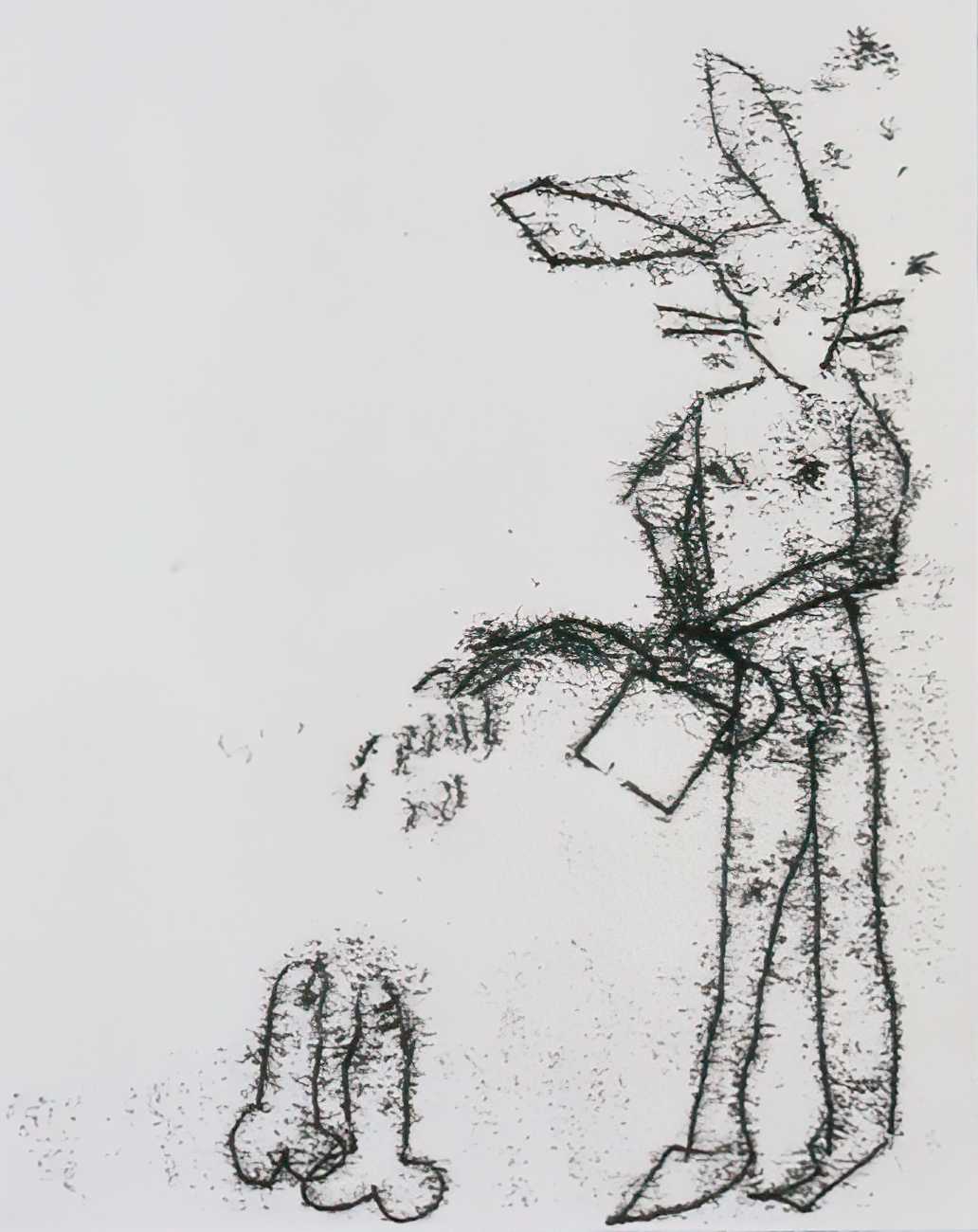
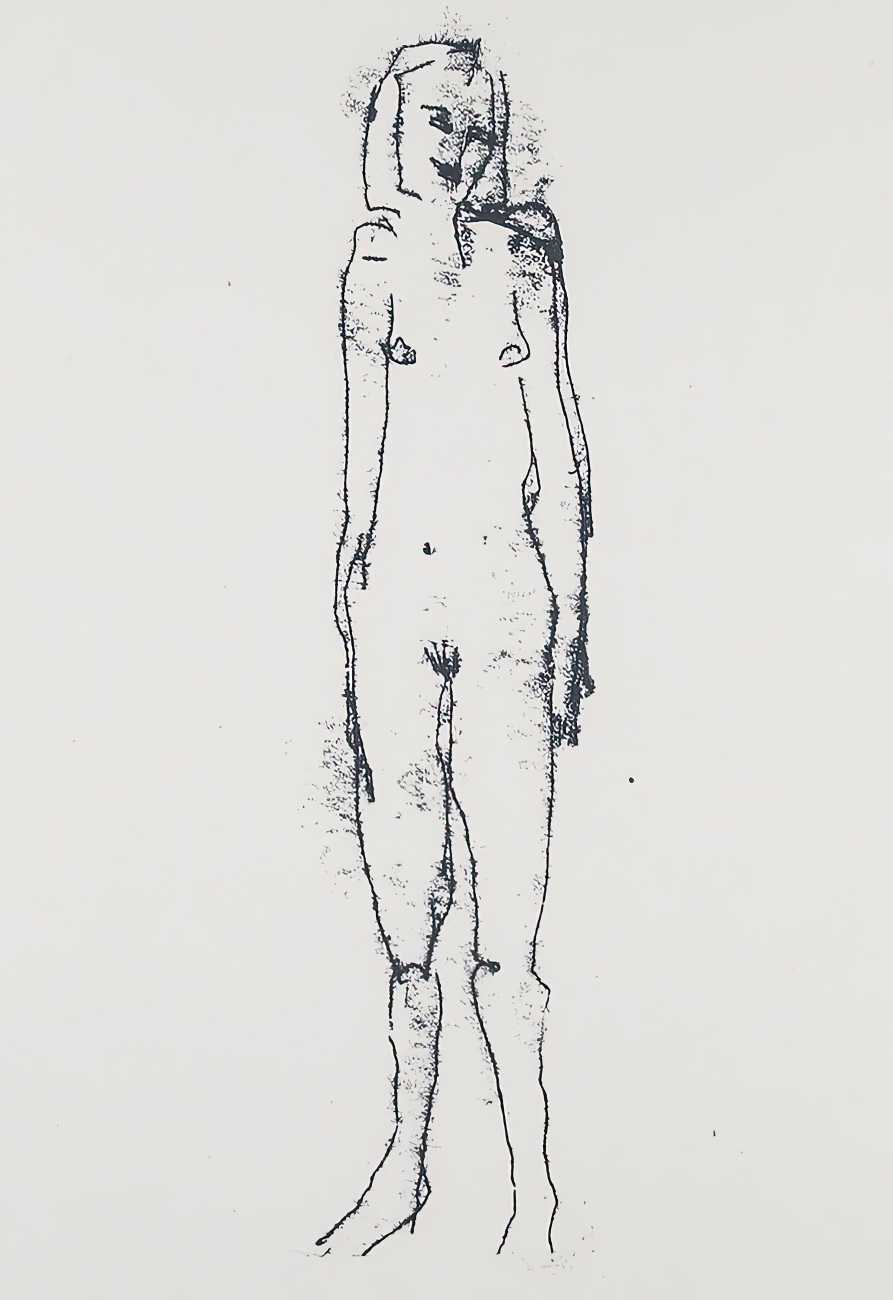
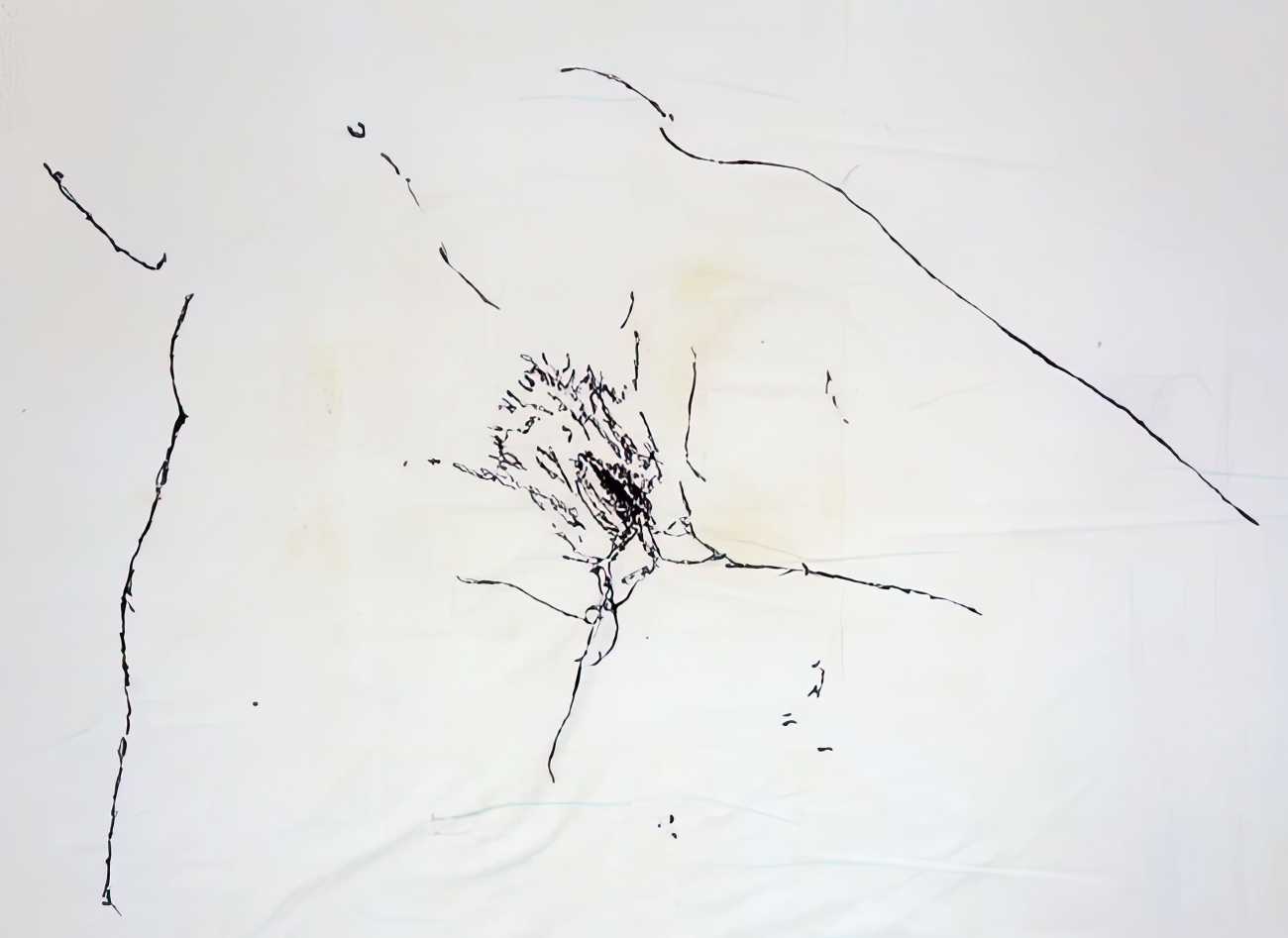
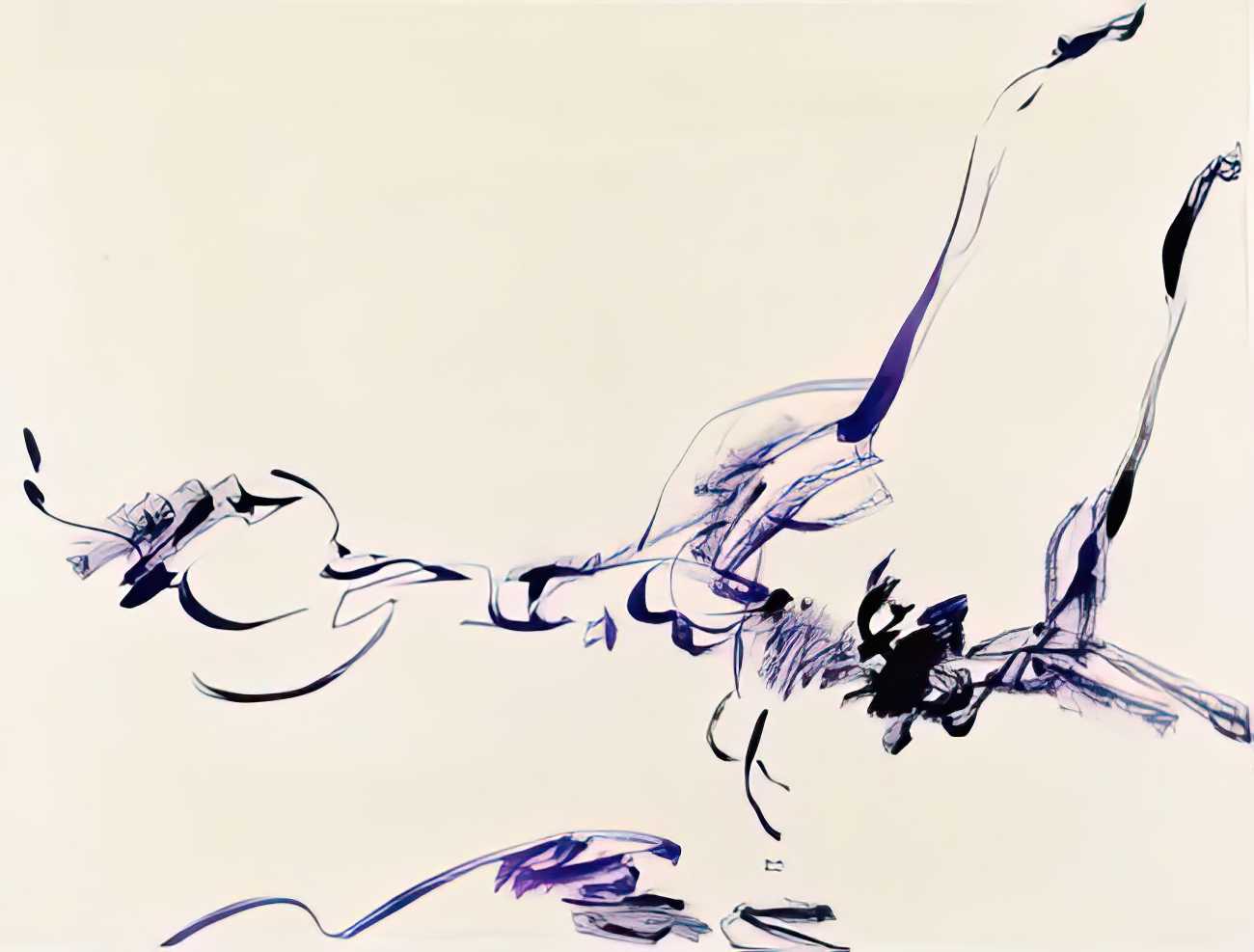
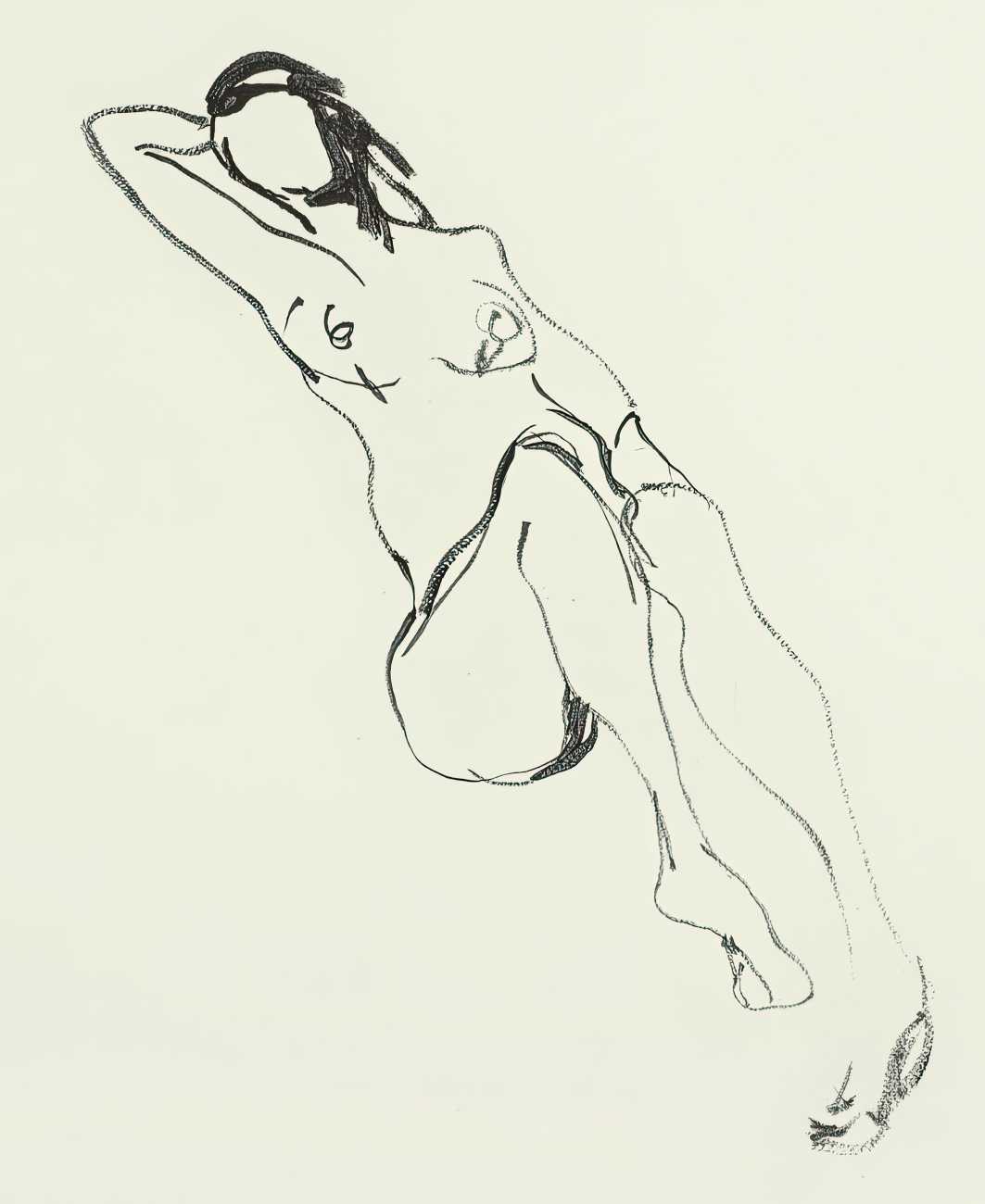
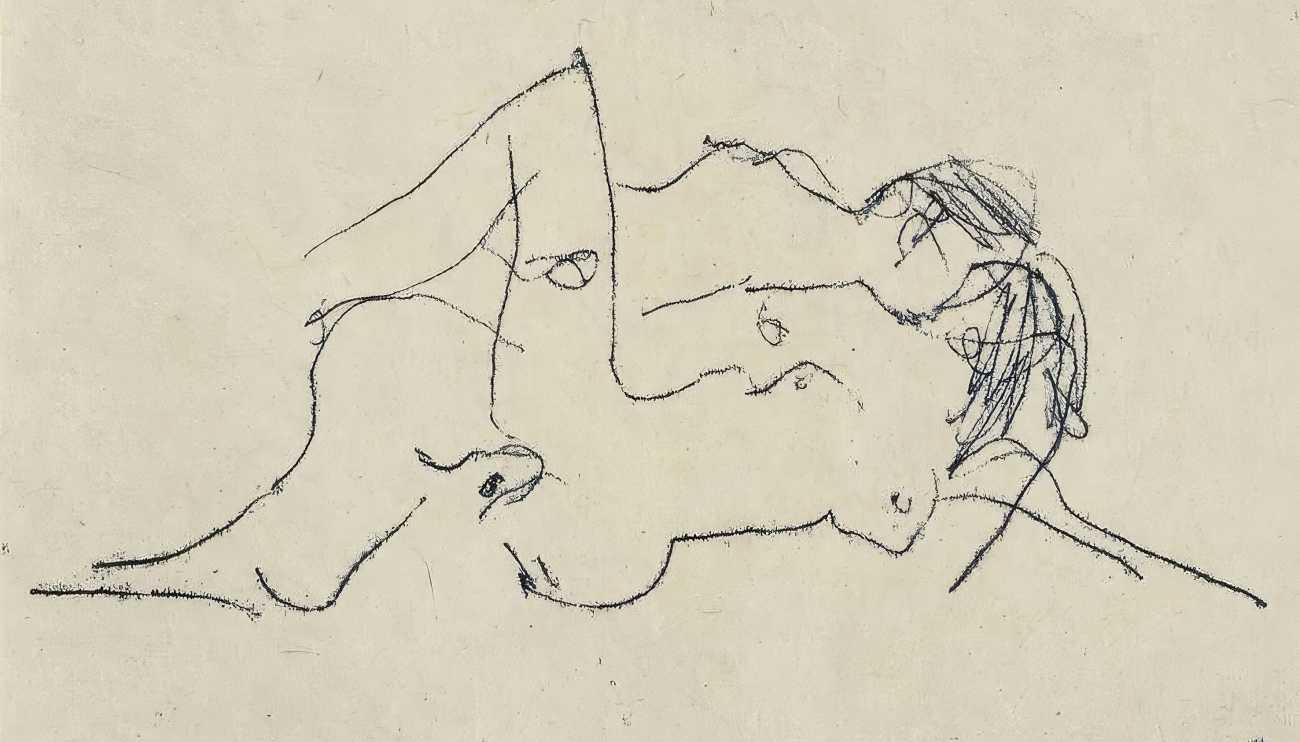
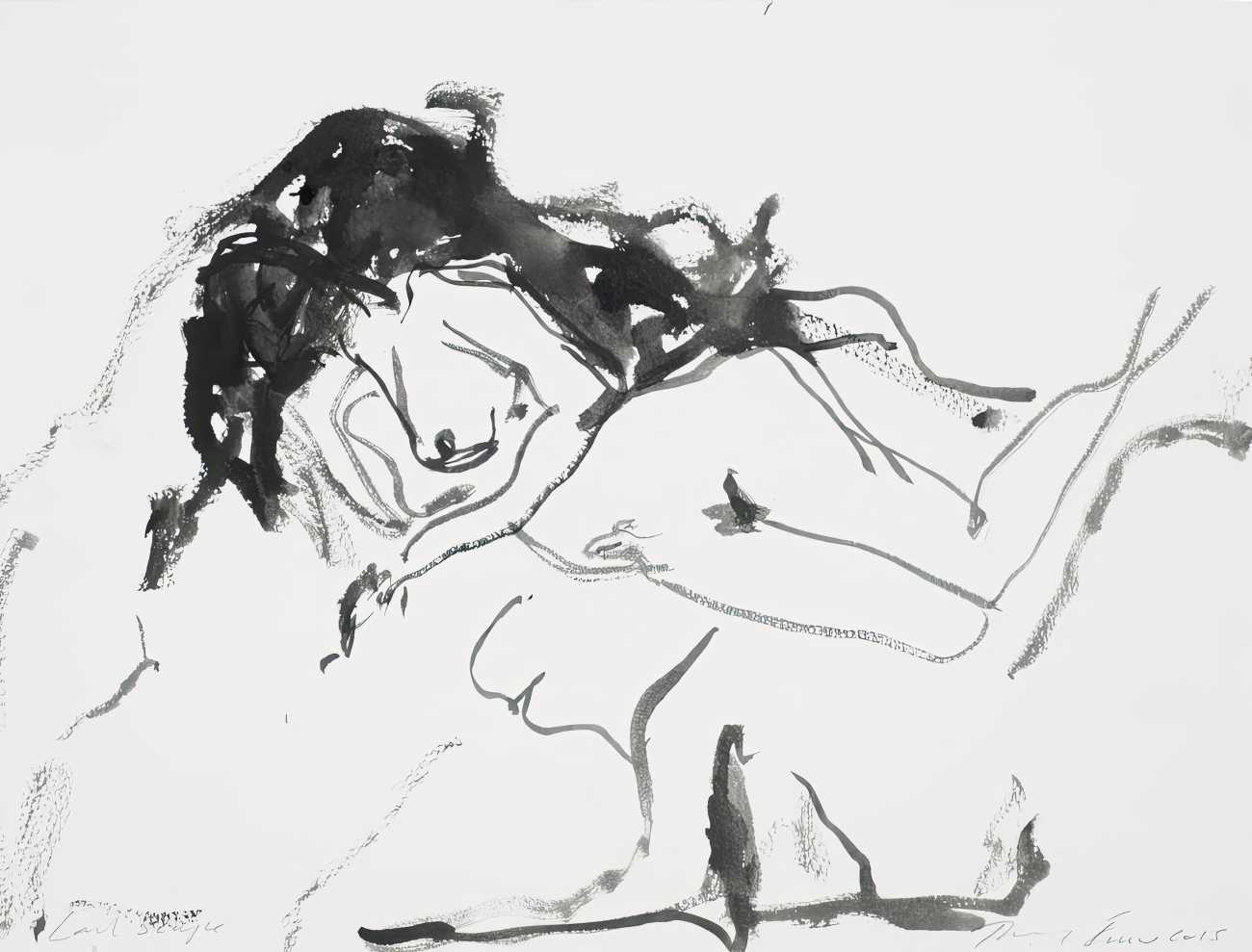
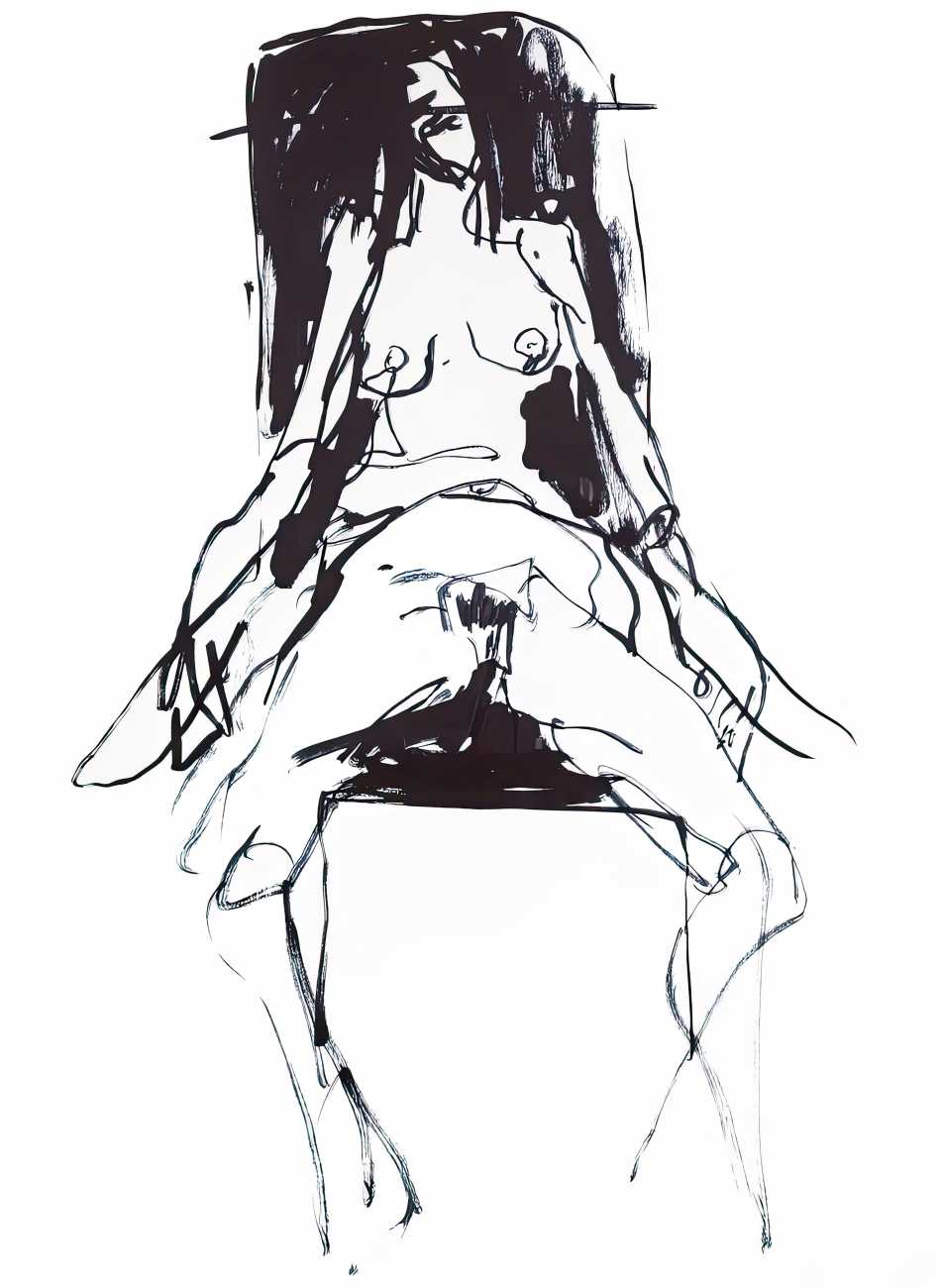
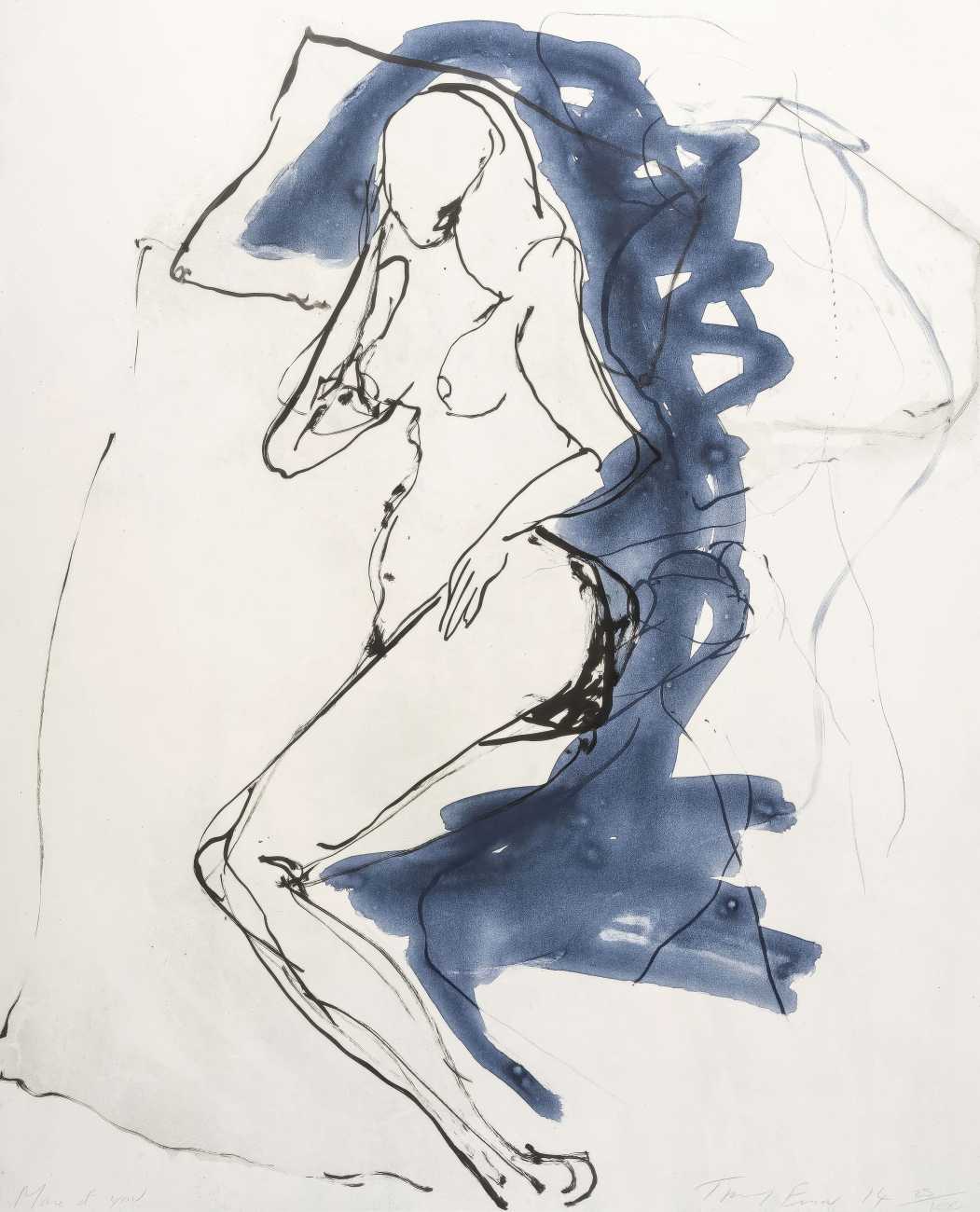
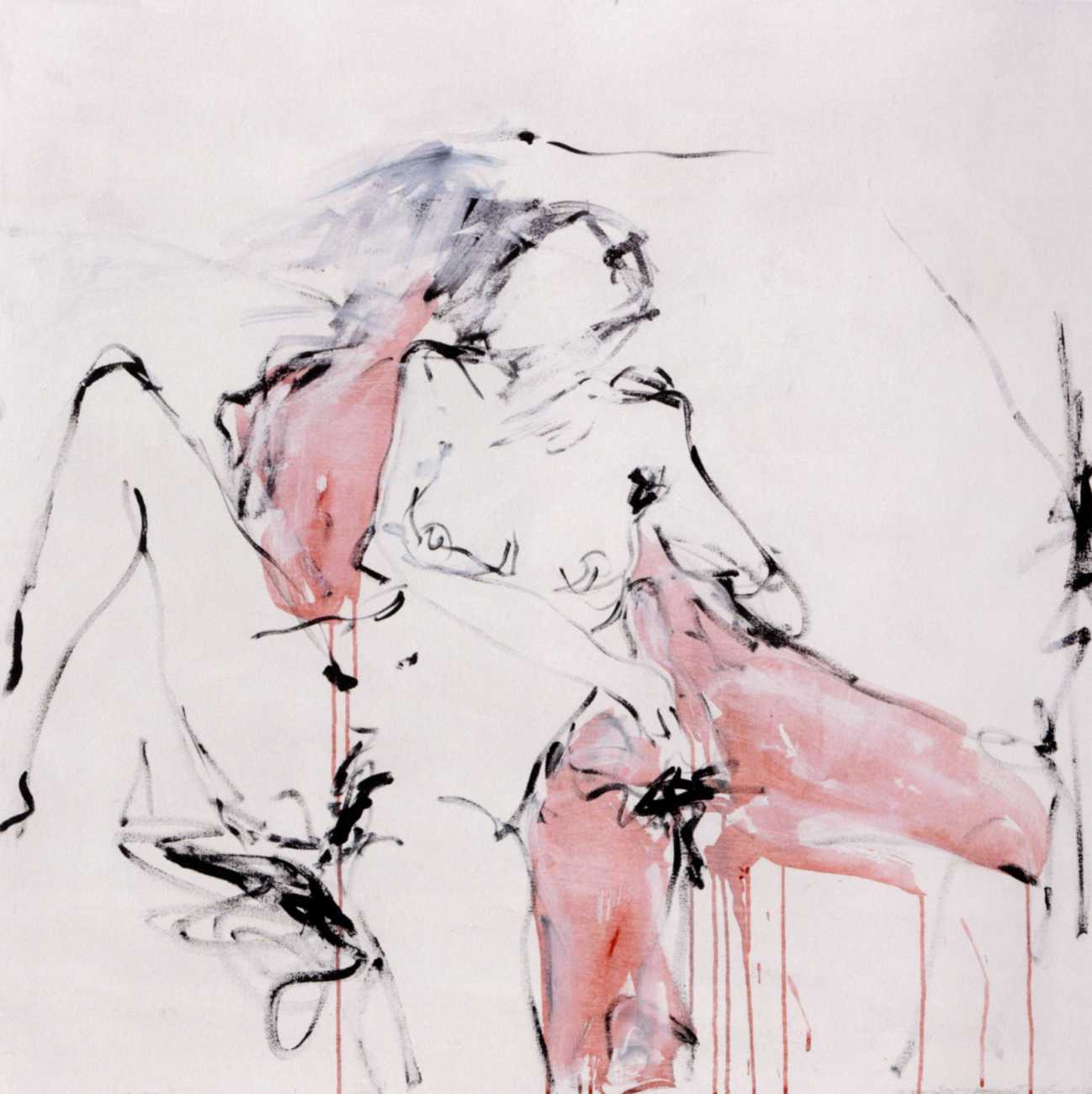
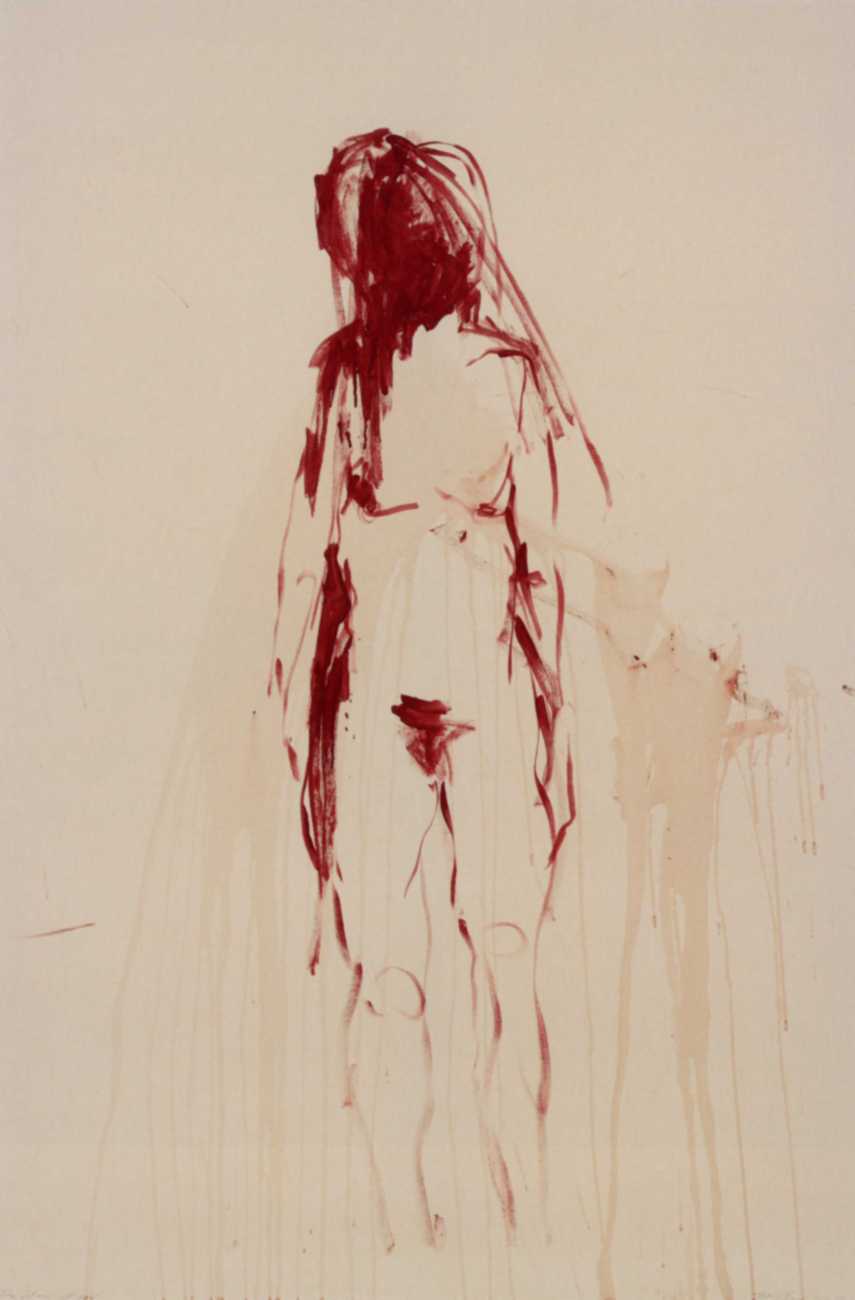
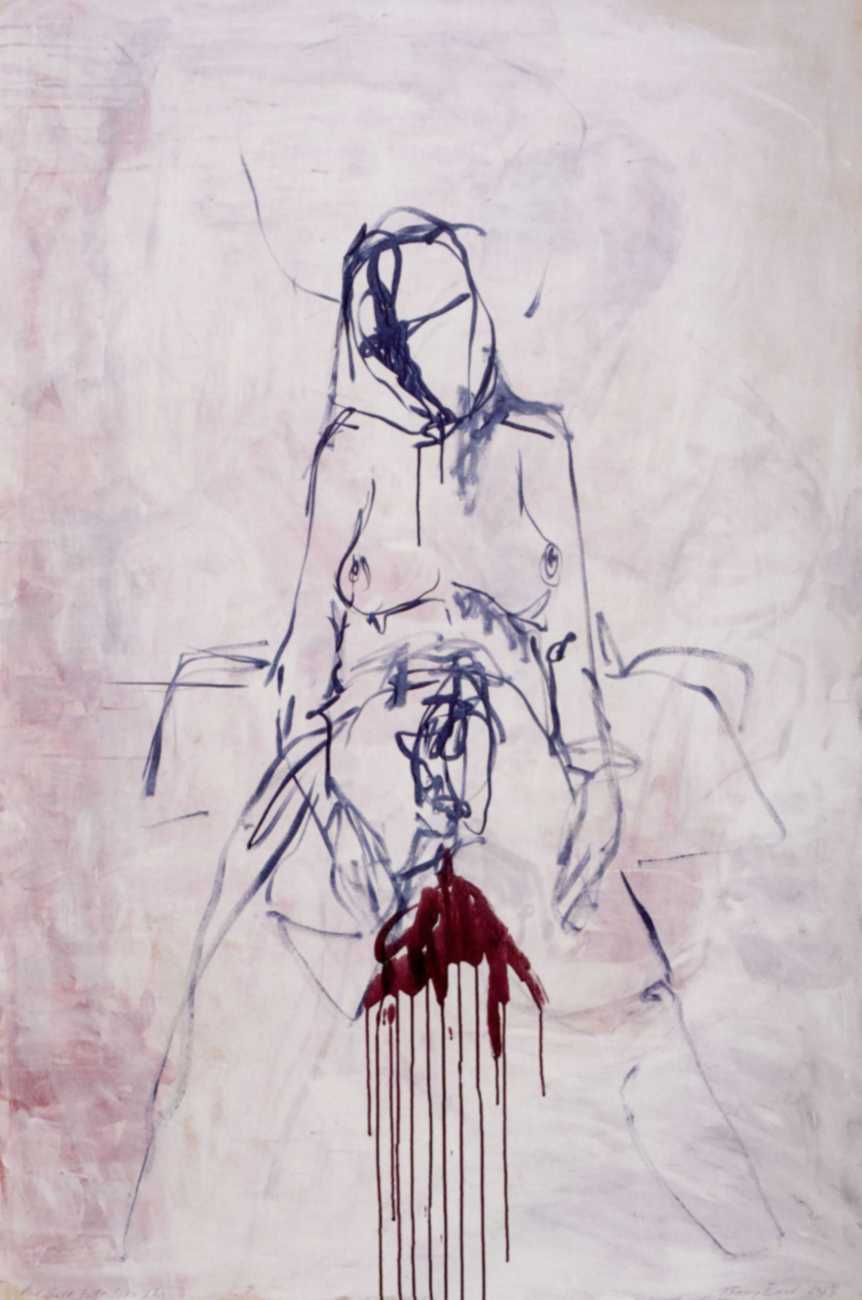
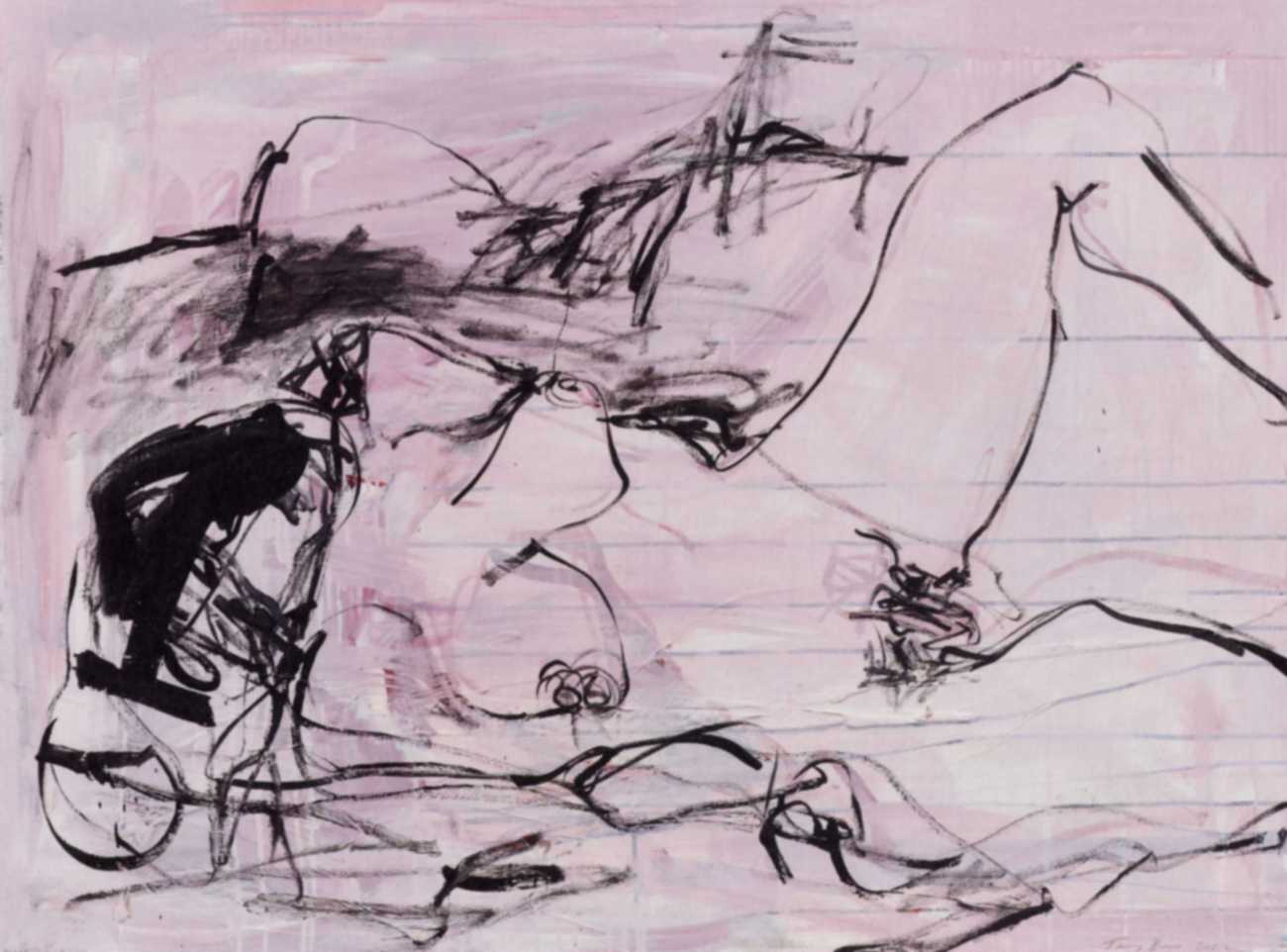
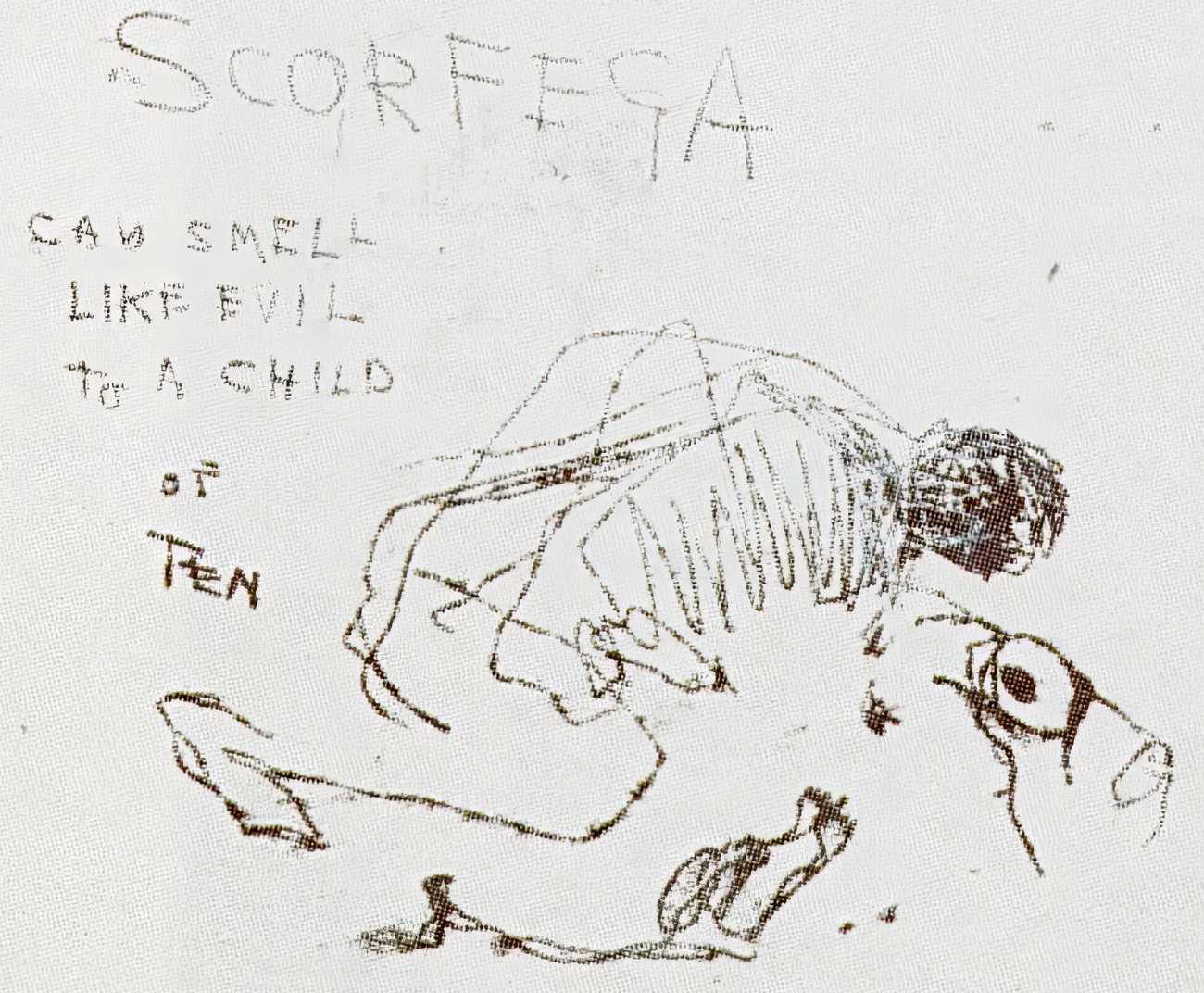
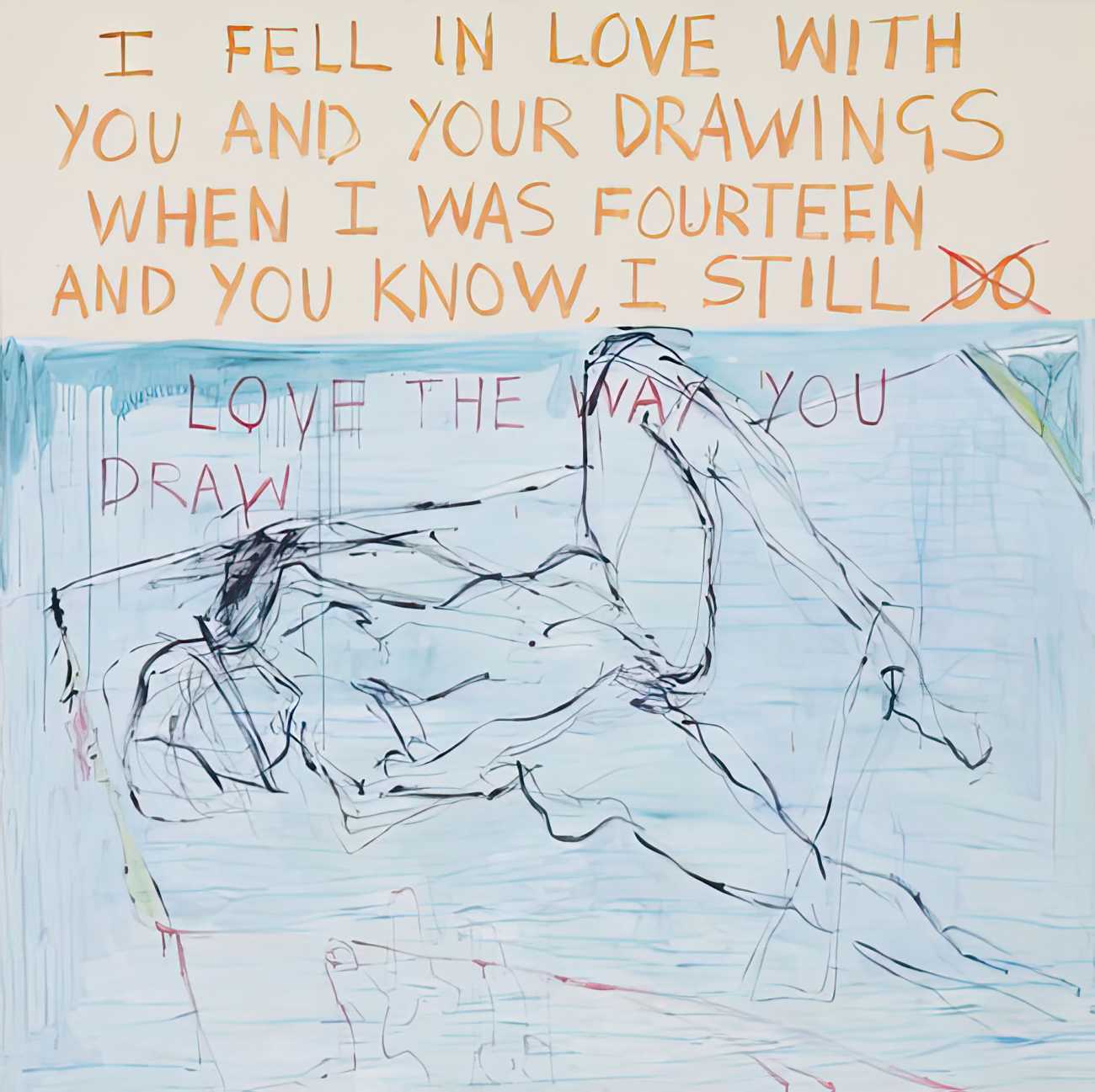
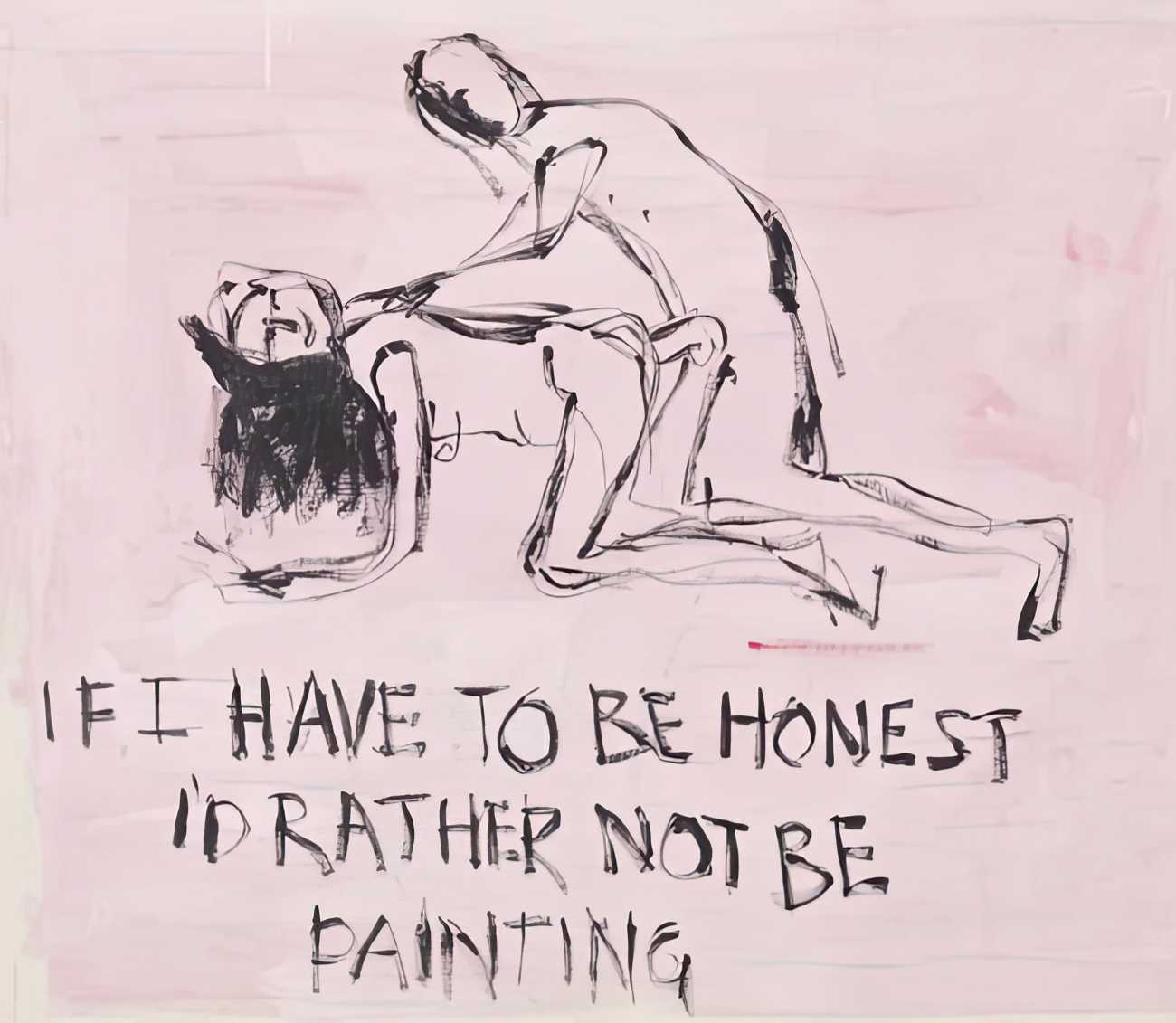
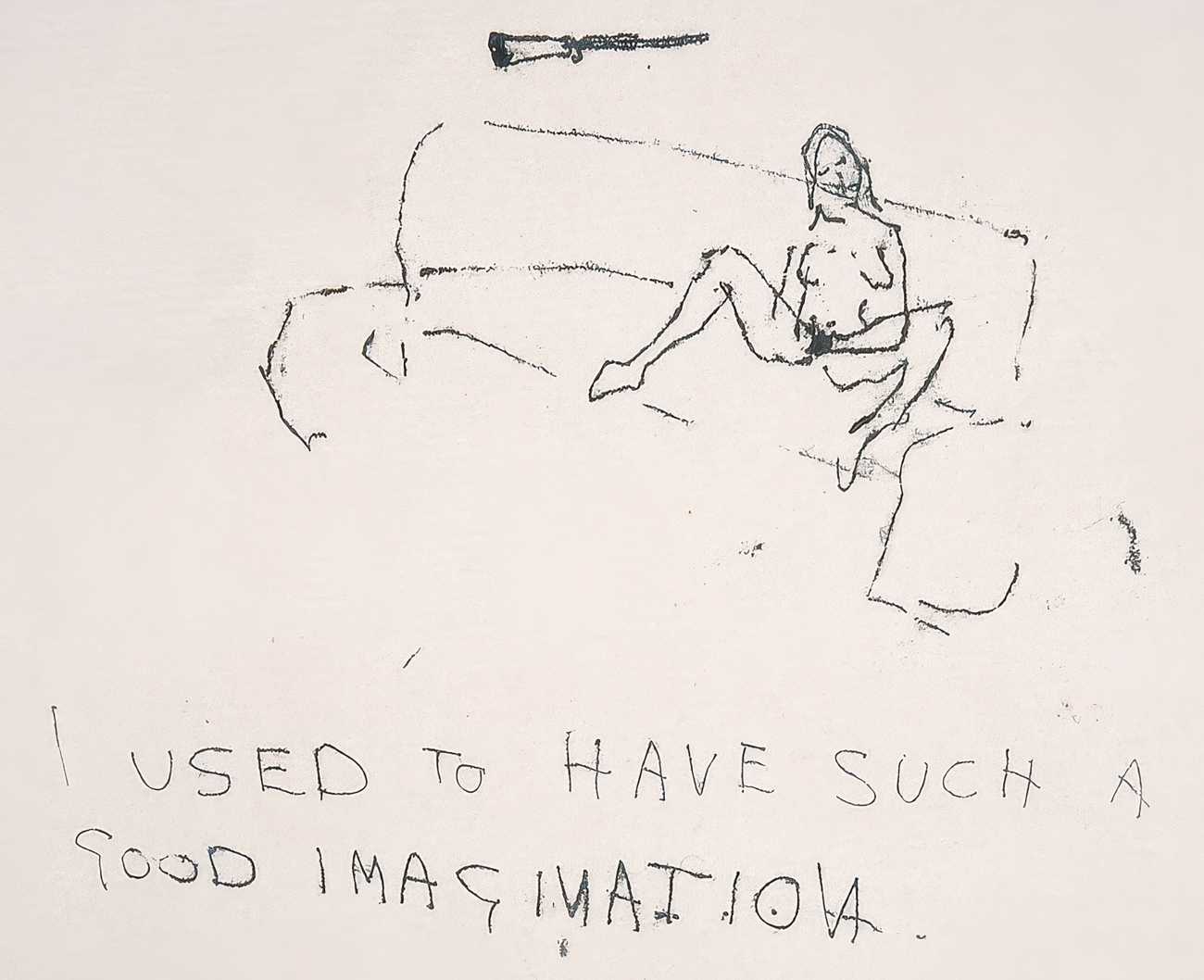
She studied painting at Maidstone Art College and London’s Royal College of Art, where she earned her MA in 1989. She gained early accolades for her drawing, which from early on exhibited raw emotions. In her 1995 series ‘From the Week of Hell’, Emin used drawings done in a spontaneous, sketchy style to work through the depression she faced when she had dental surgery, broke up with her boyfriend, and had an abortion, all in the course of a single week.

Then came the infamous tent installation ‘Everyone I Have Ever Slept With 1963–1995’, where Emin embroidered the names of the 32 people she had been with (as well as the other 80 that she had literally slept beside) on the inside of a store-bought tent, thereby forcing viewers to crawl inside to experience the work. Even more (in)famous was ‘My Bed’, the Turner Prize-nominated work for which Emin bared all by exhibiting her bed just as she had left it after a week’s depression – used cigarettes, condoms, stains and all.
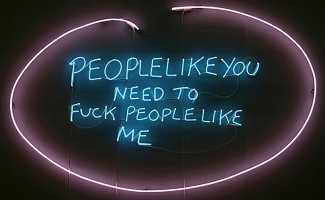
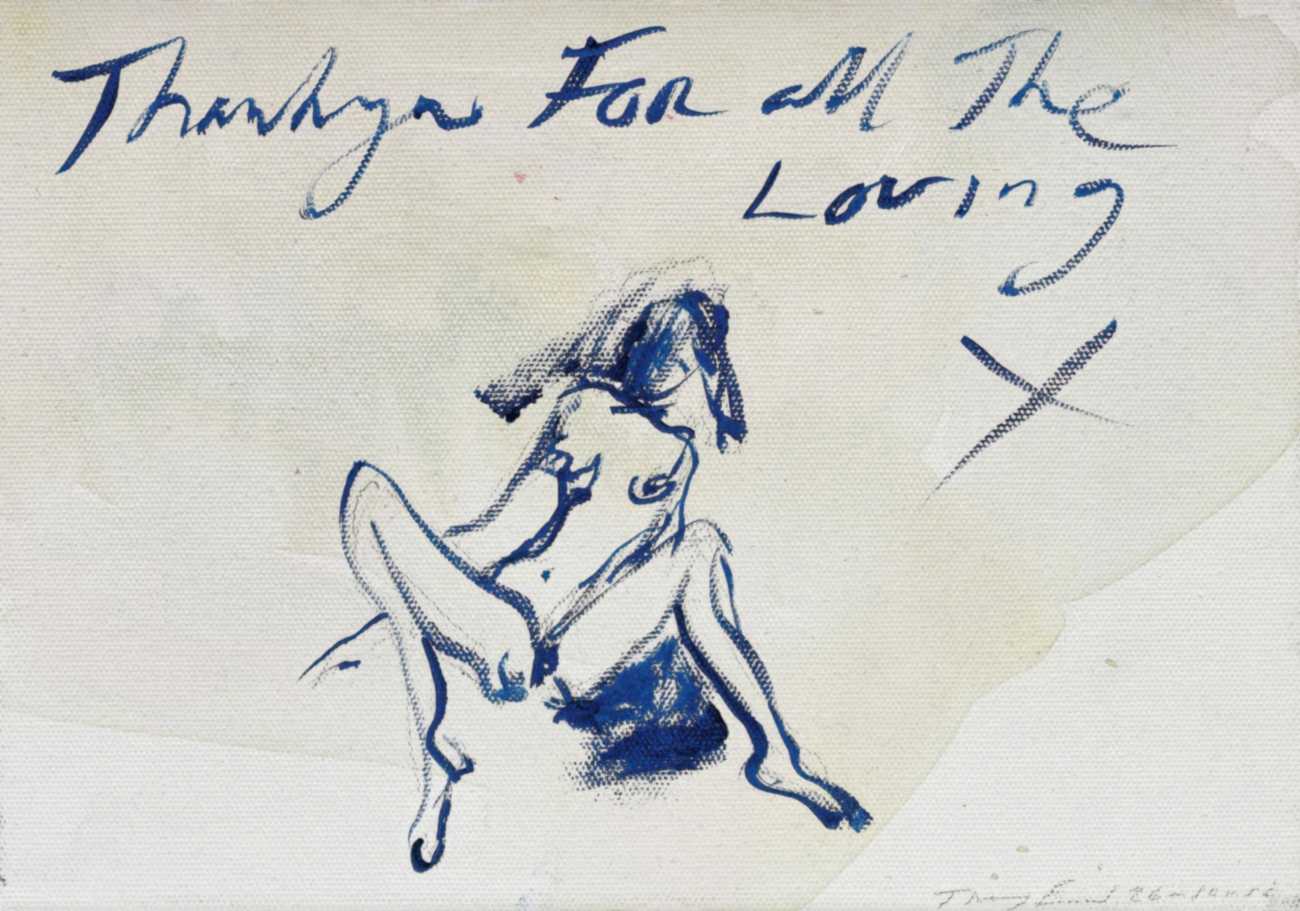
‘People like you need to fuck people like me’, reads one of Emin’s neon works, done in a script reminiscent of her drawing style. Many of her other neon works are less confrontational, but all are still extremely personal. Each includes a deeply heartfelt message about love nearly always tinged with sadness or anger – they might be seen as a more honest version of the sort of aphorisms found in Valentine’s Day cards. The medium alludes to the neon signs of Margate, adding a layer autobiography to the works.
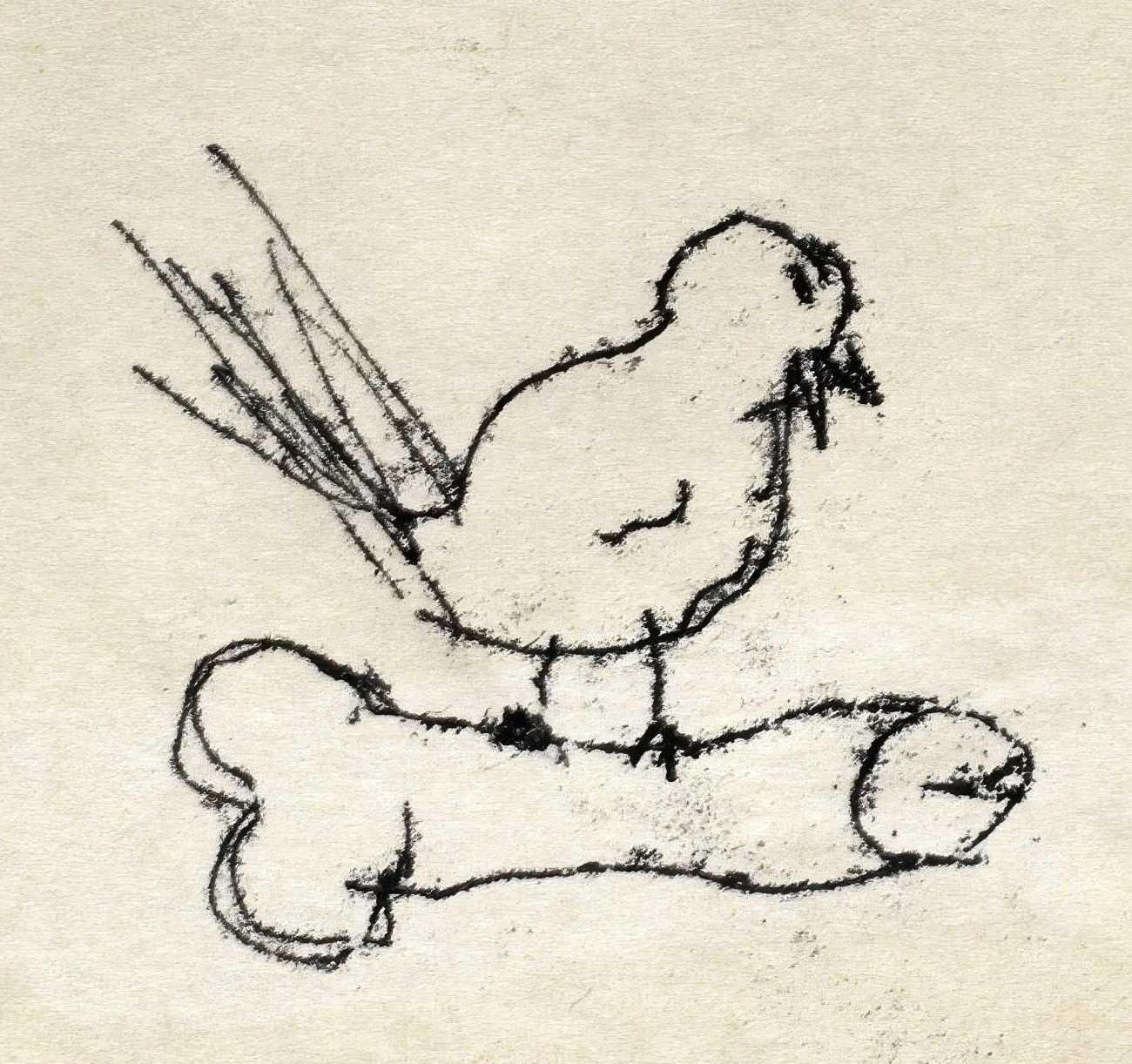
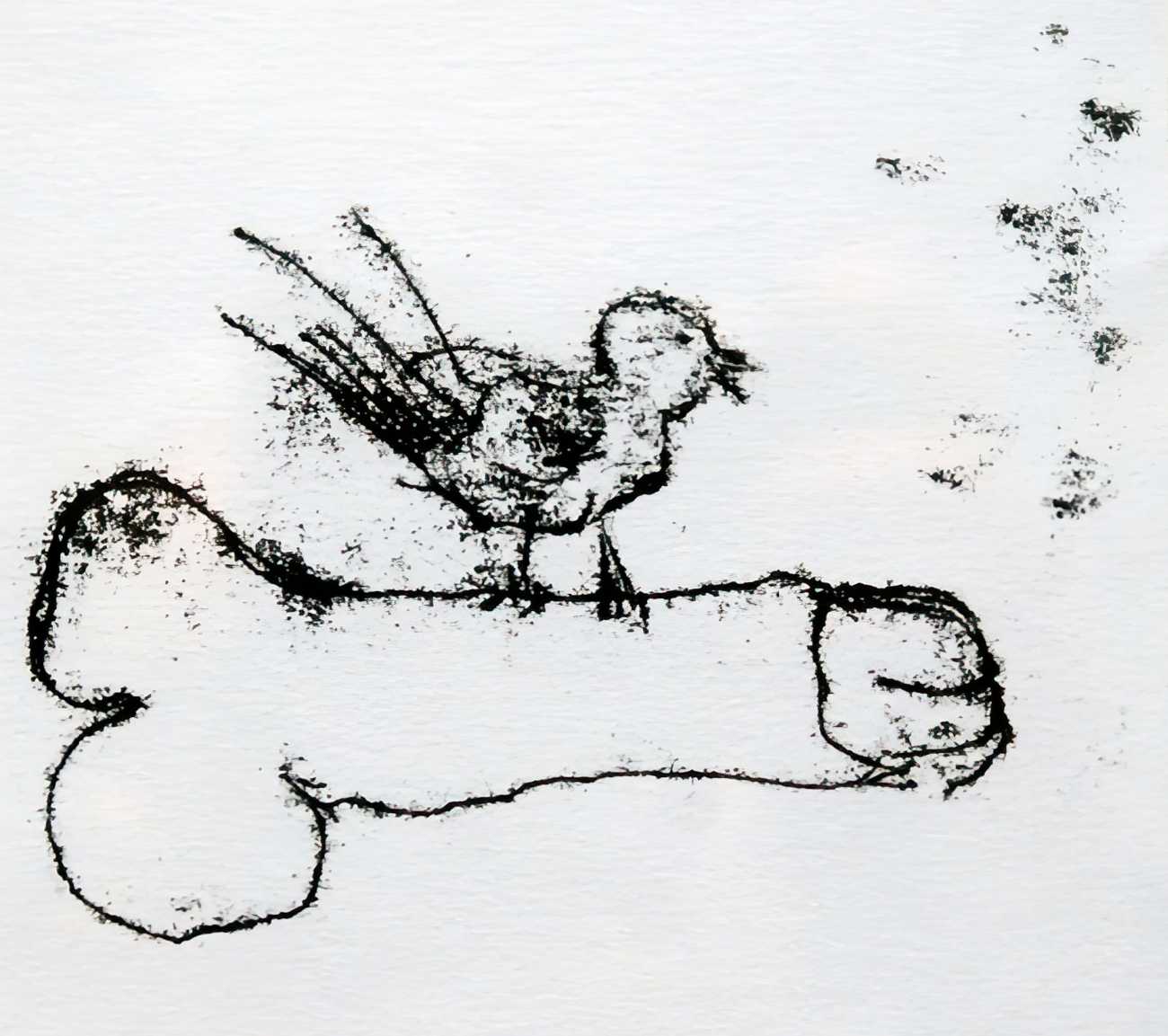
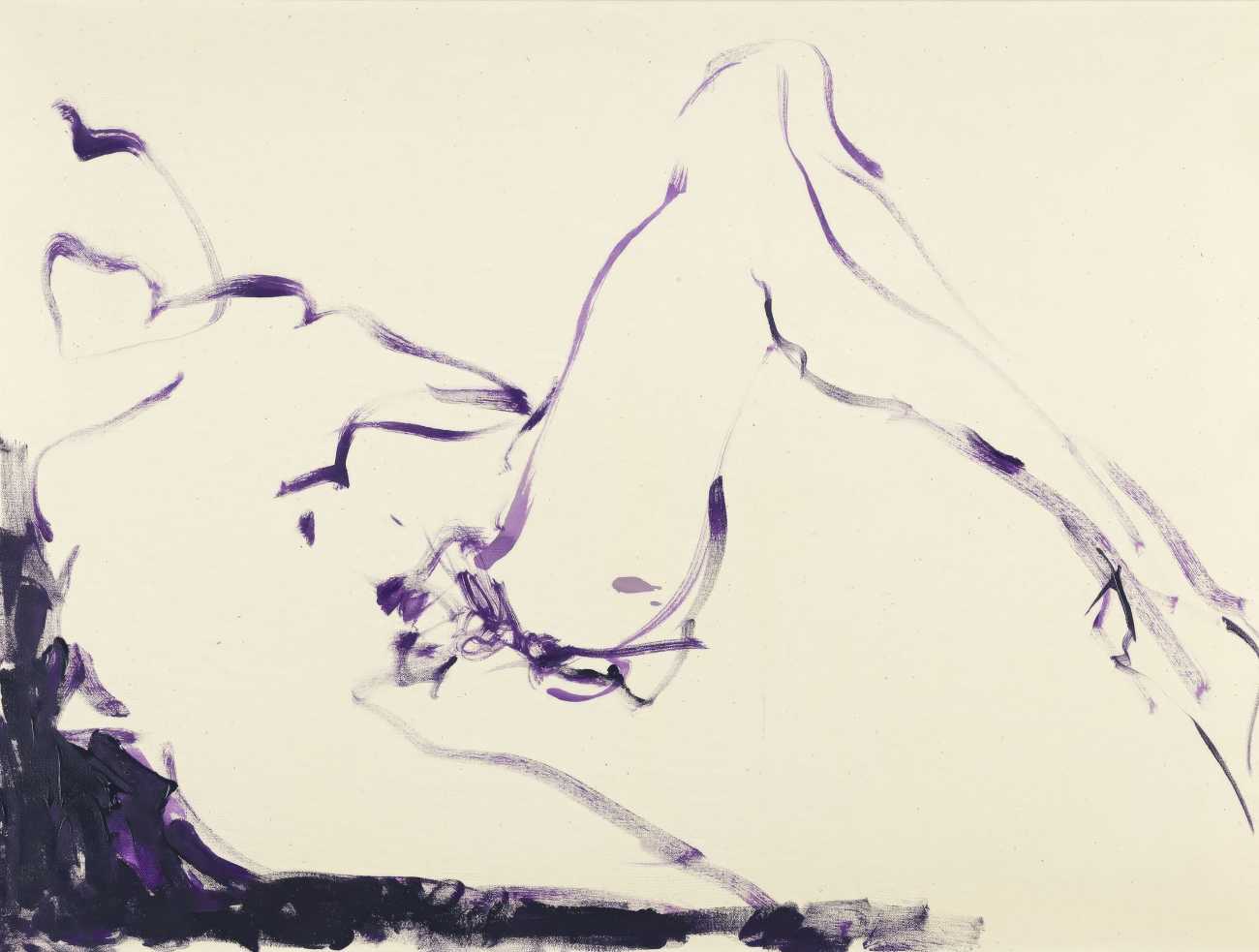
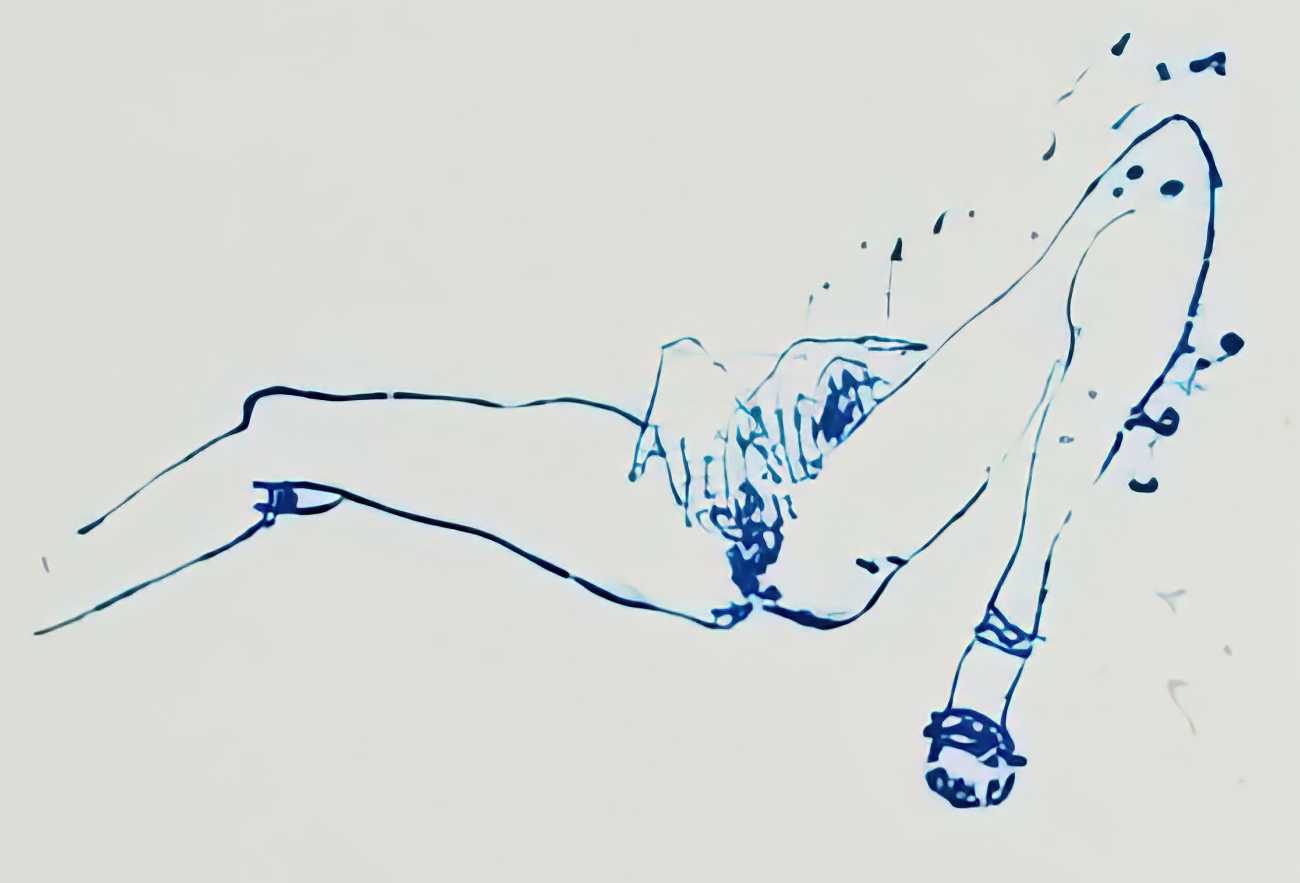
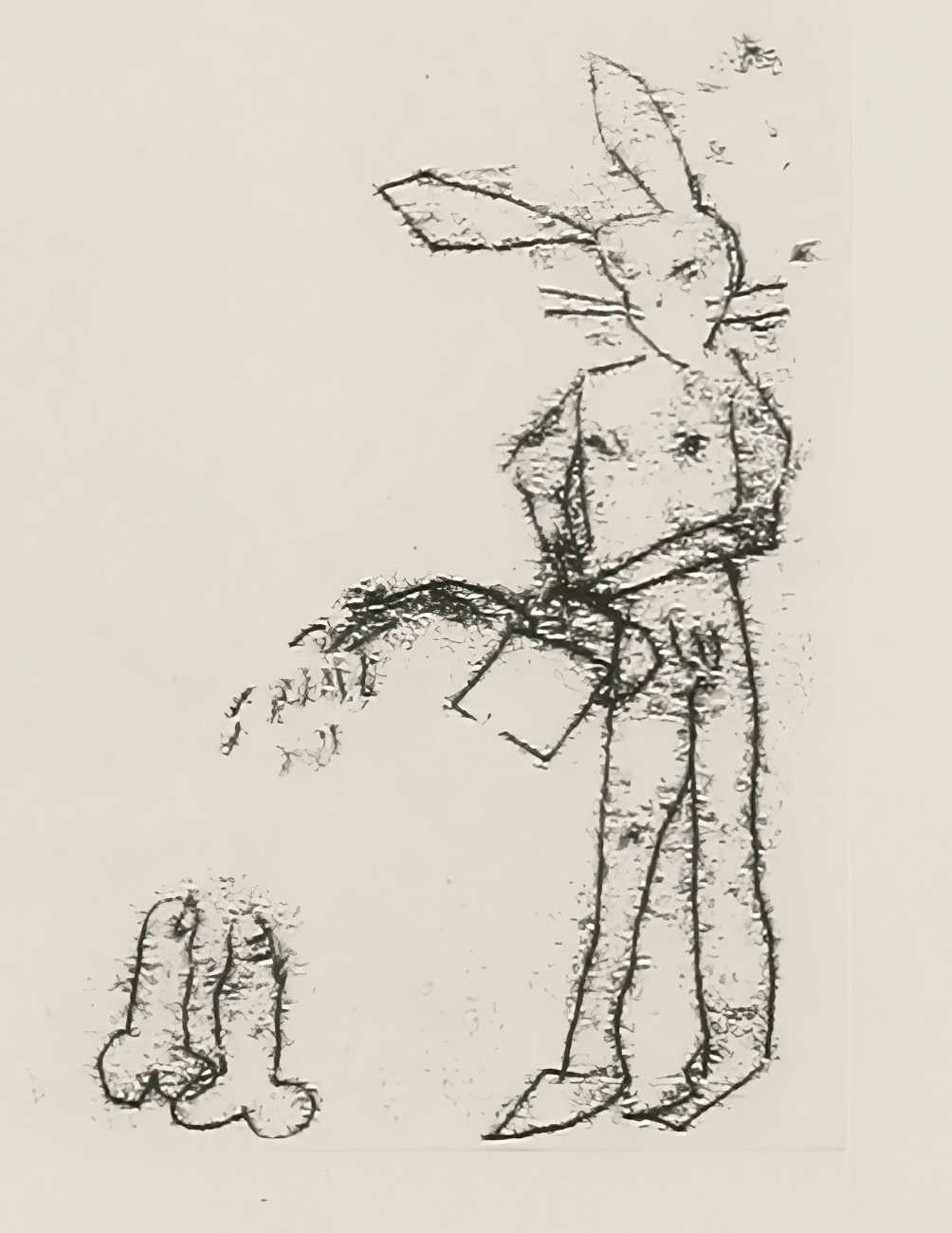
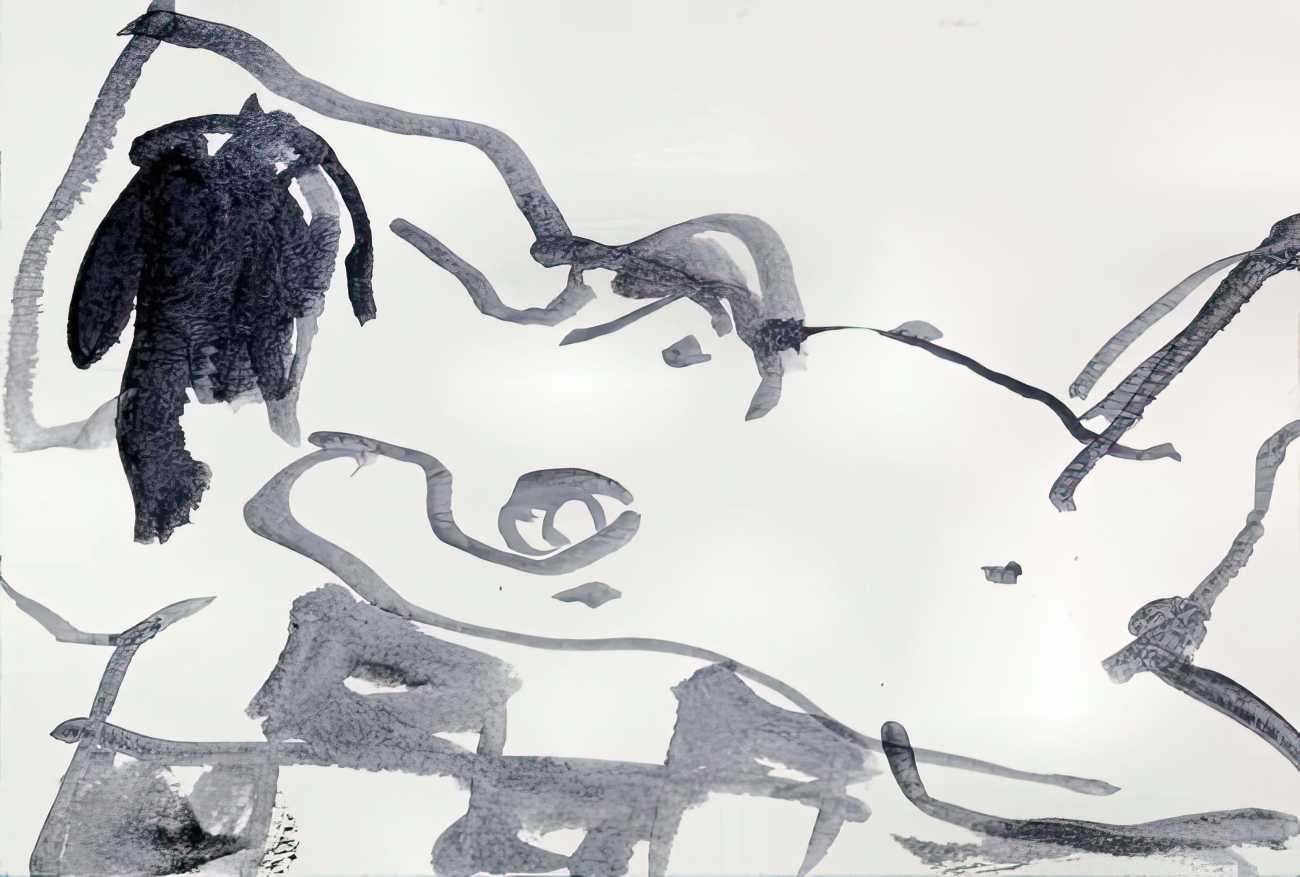
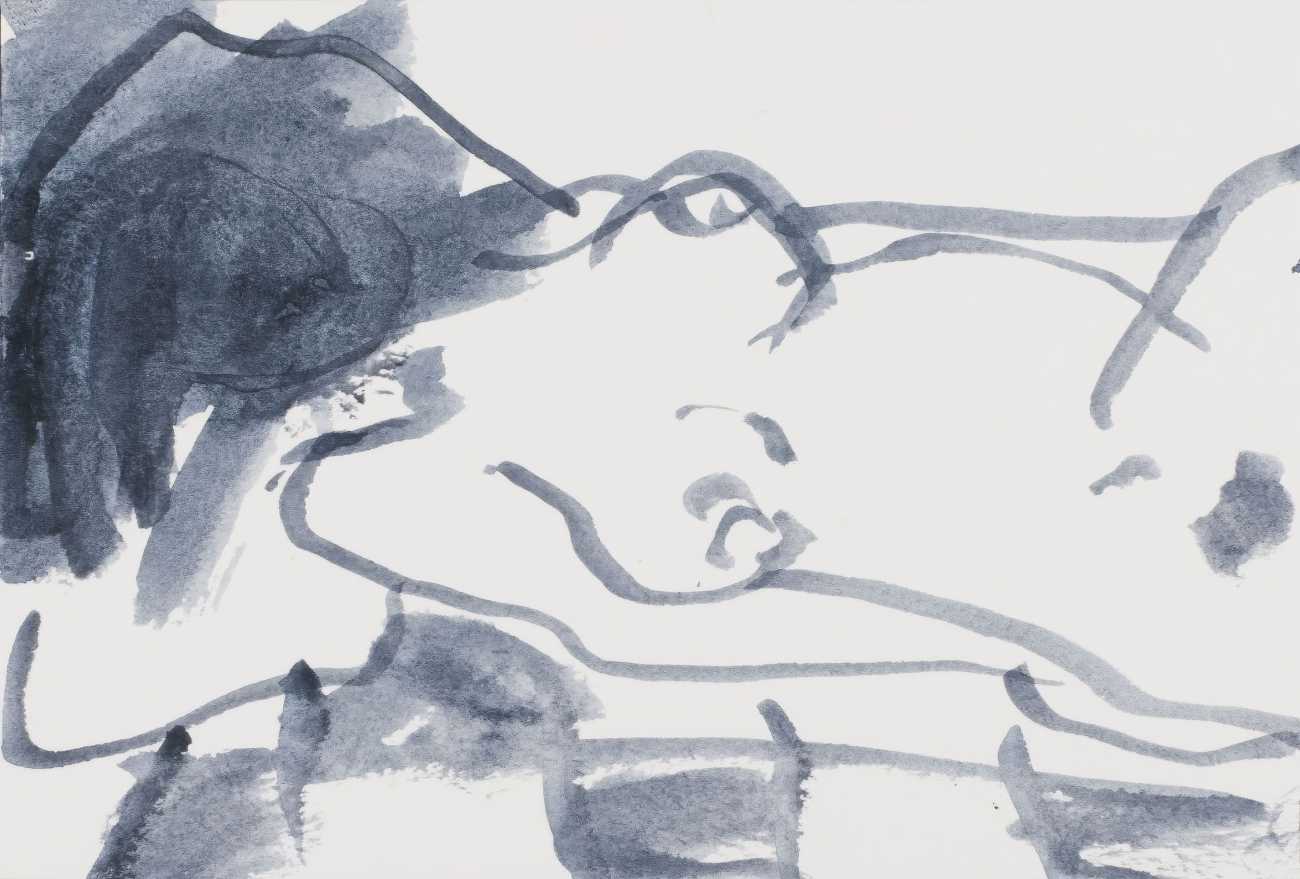
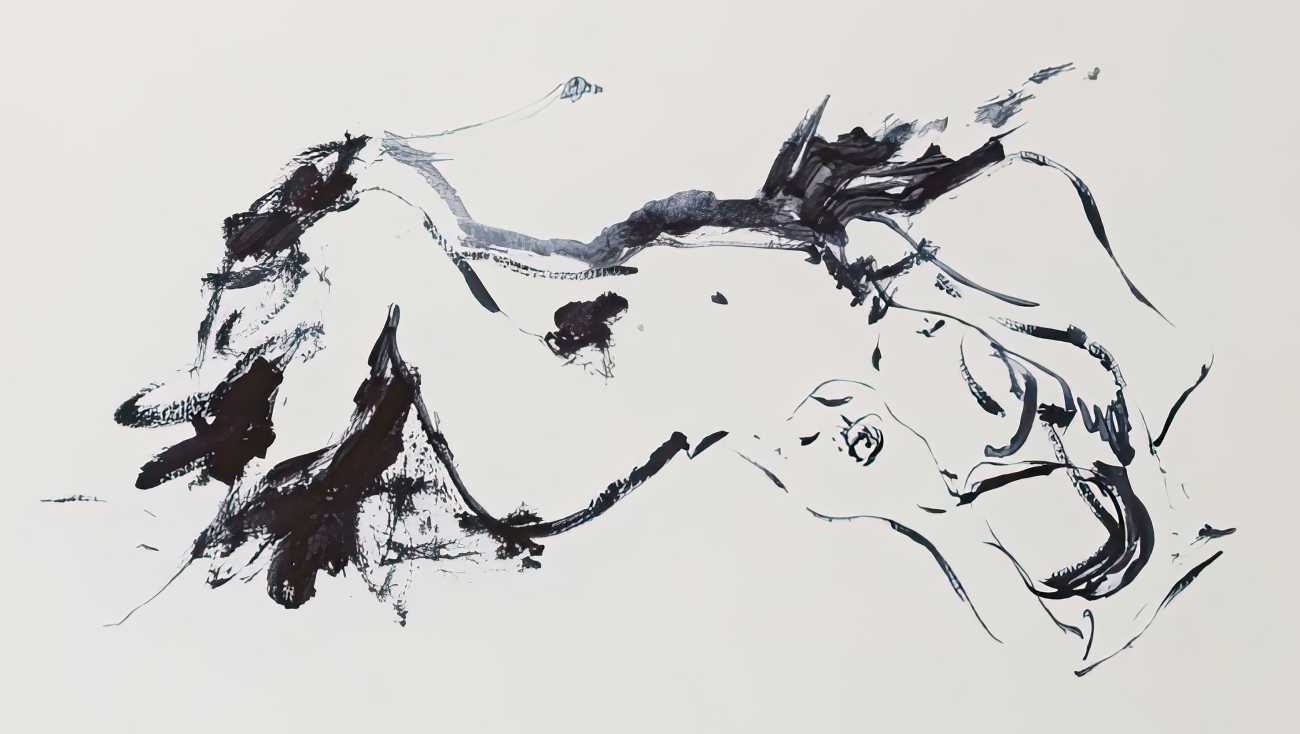
What makes Tracey Emin a unique erotic artist is that her work honours the totality of erotic existence, its tenderness, shame, confusion, courage, and desire for connection. She treats the erotic as a field of emotional truth rather than bodily display. By doing so, she offers something rare – erotic art that does not seduce the viewer’s gaze so much as compel their empathy.
Tracey Emin has always been a controversial and challenging figure, not just on the artistic scene but also in a wide range of social and political activities, from her charity work to political activism, and most recently her work with the Tracey Emin Foundation, supporting the work of a suite of subsidised professional artist’s studios in Margate, with an additional twenty residencies including a free arts educational programme.
Tracey Emin doesn’t have an official website, but her long and detailed Wikipedia entry, which you can find here, includes almost everything about her you could want to know, including links to external sources and interviews.
Example illustration