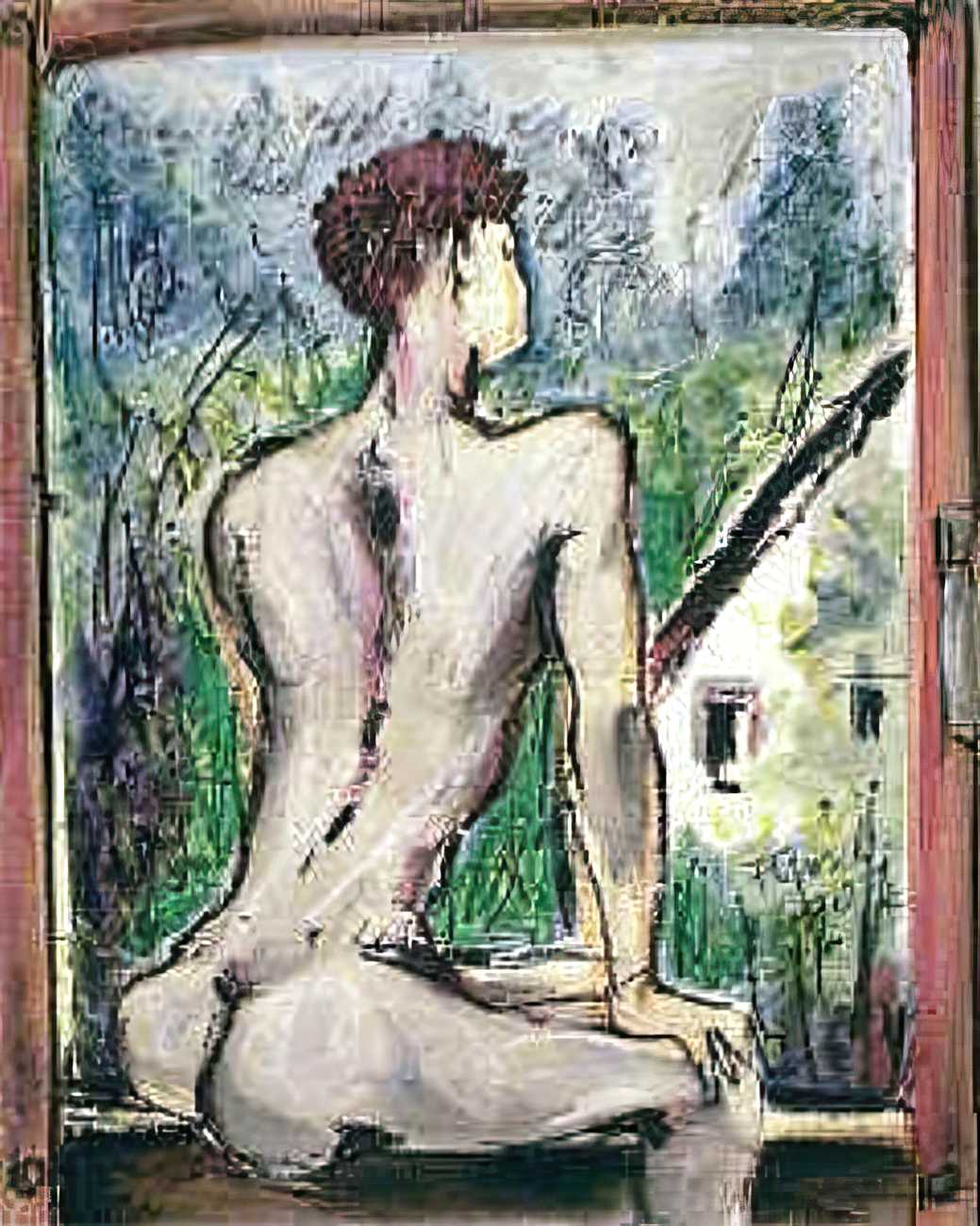
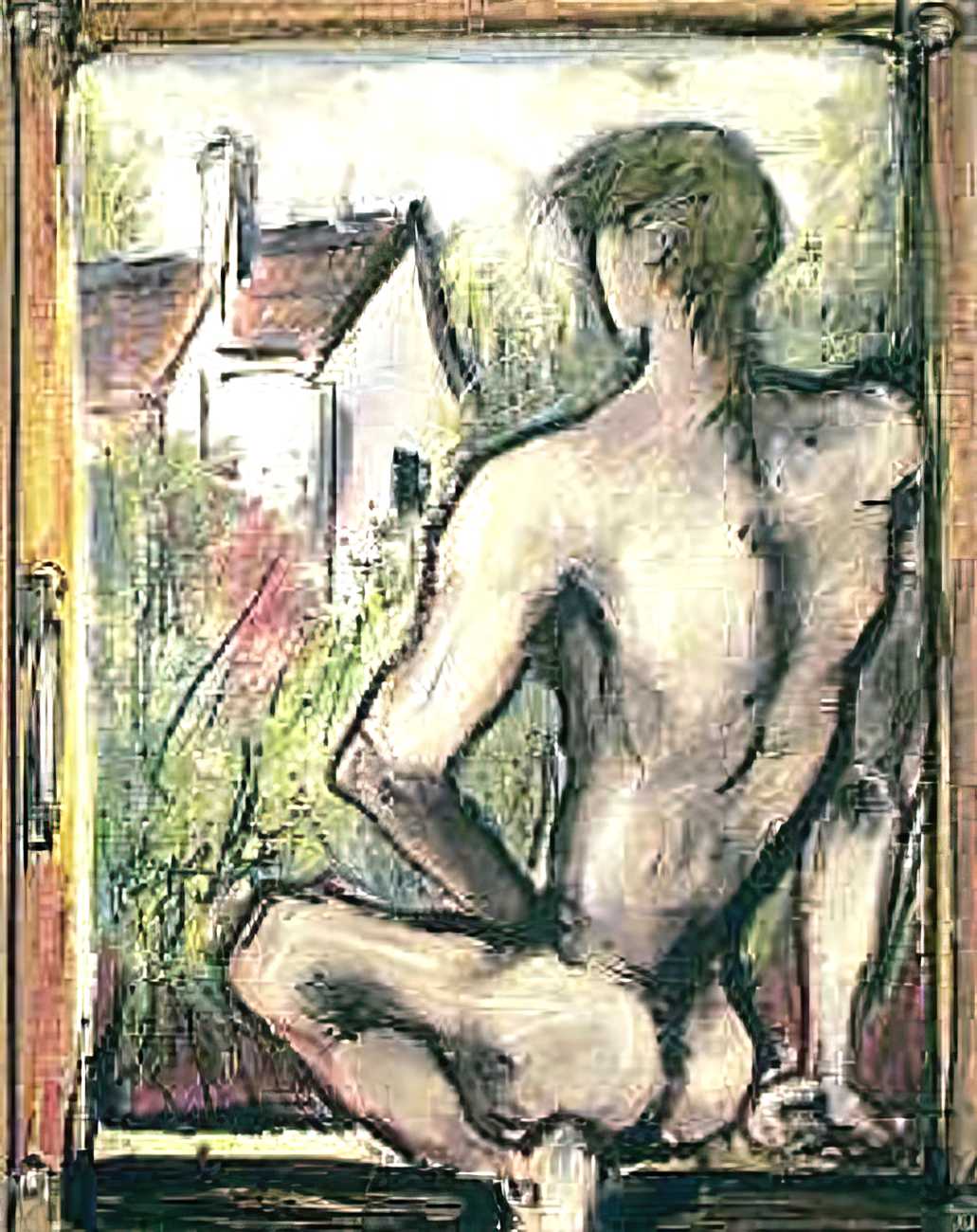
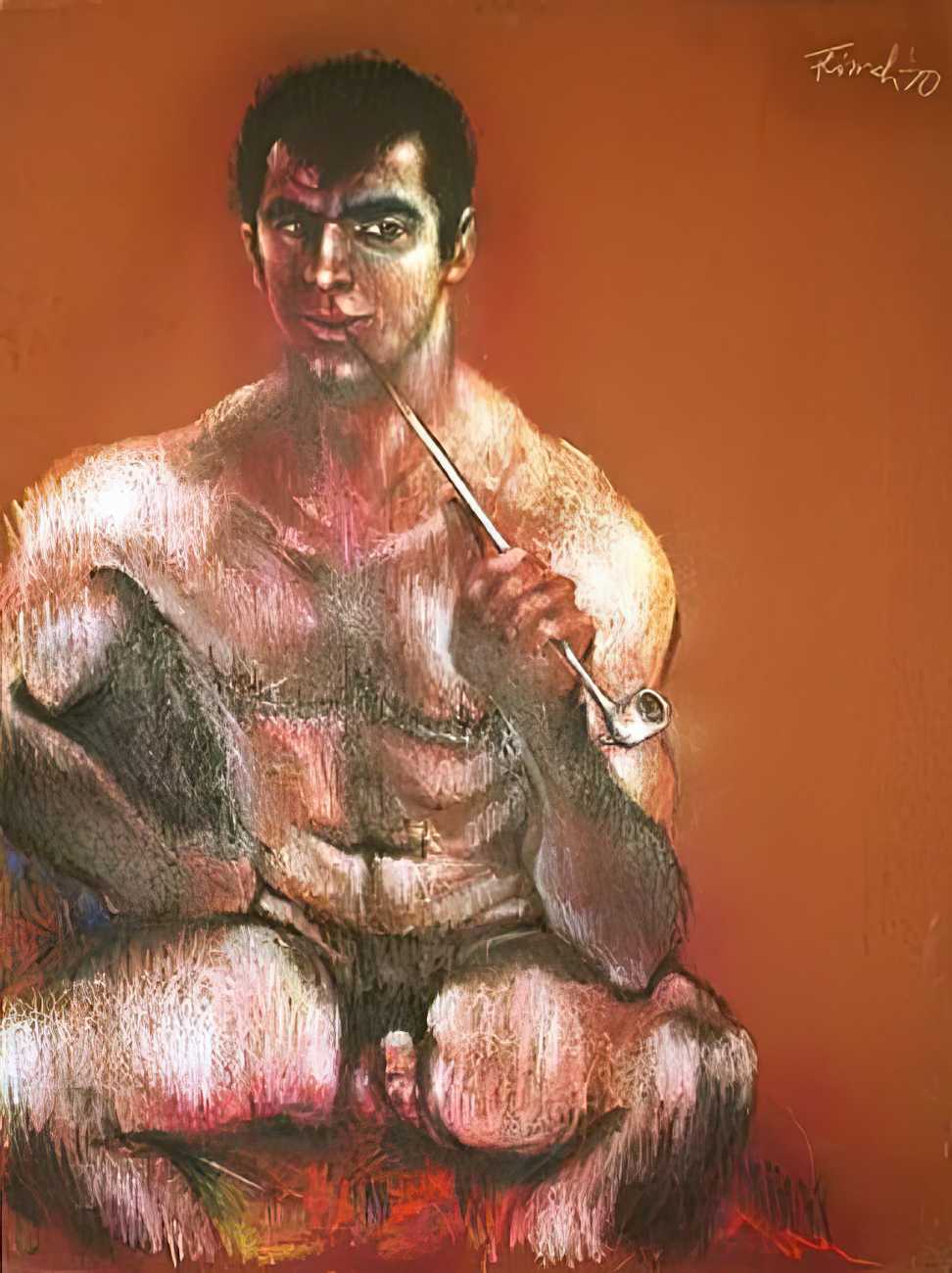
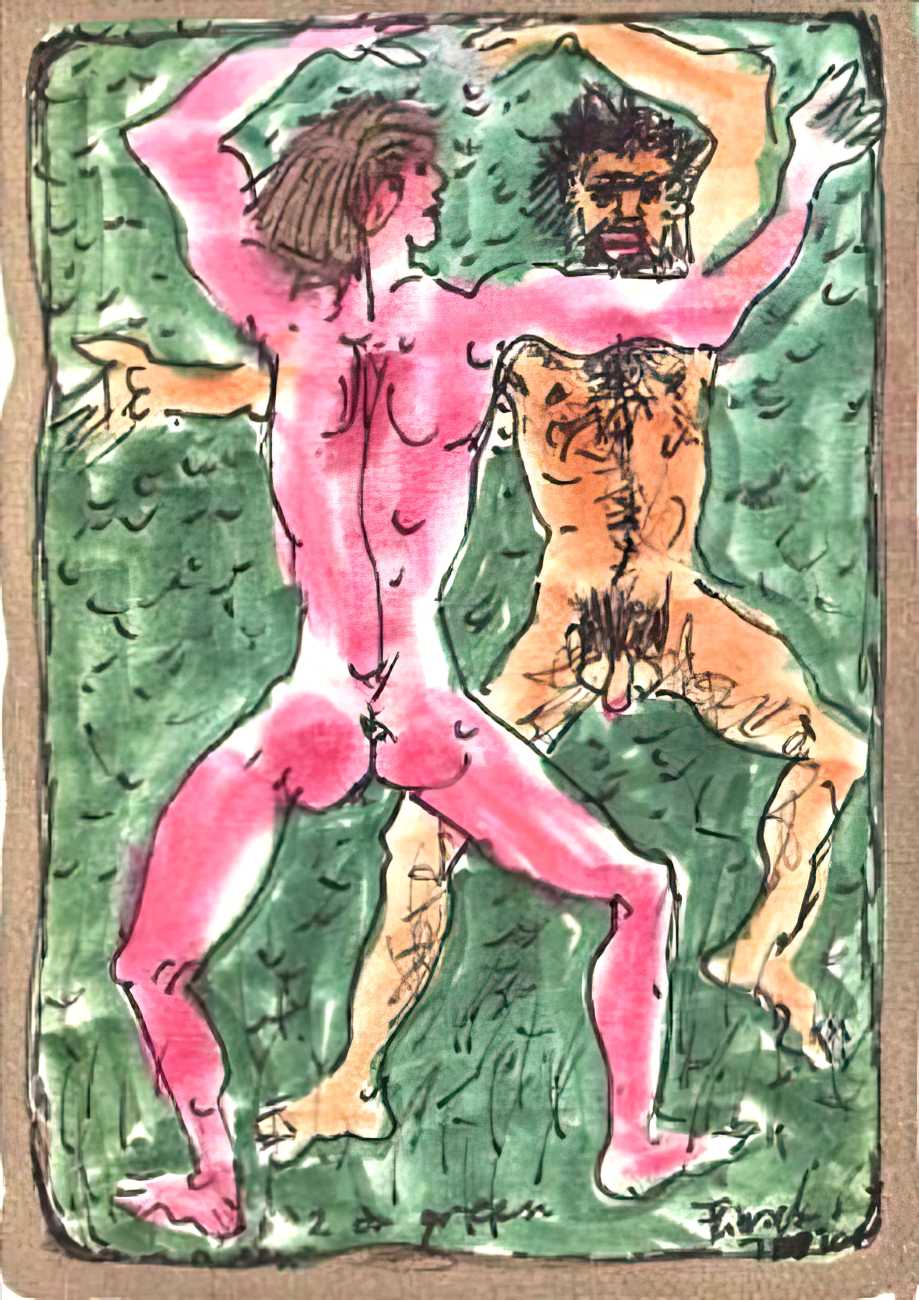
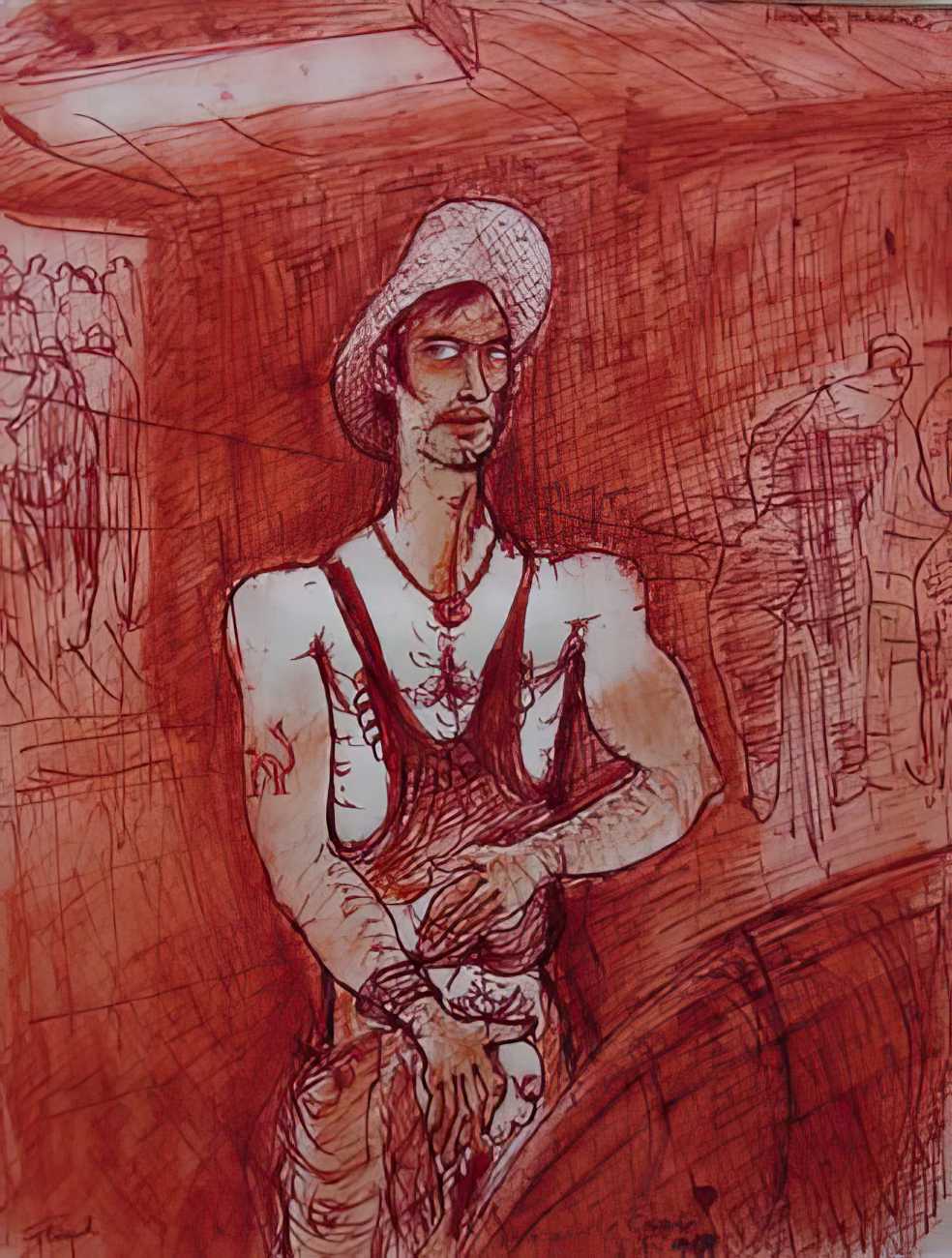
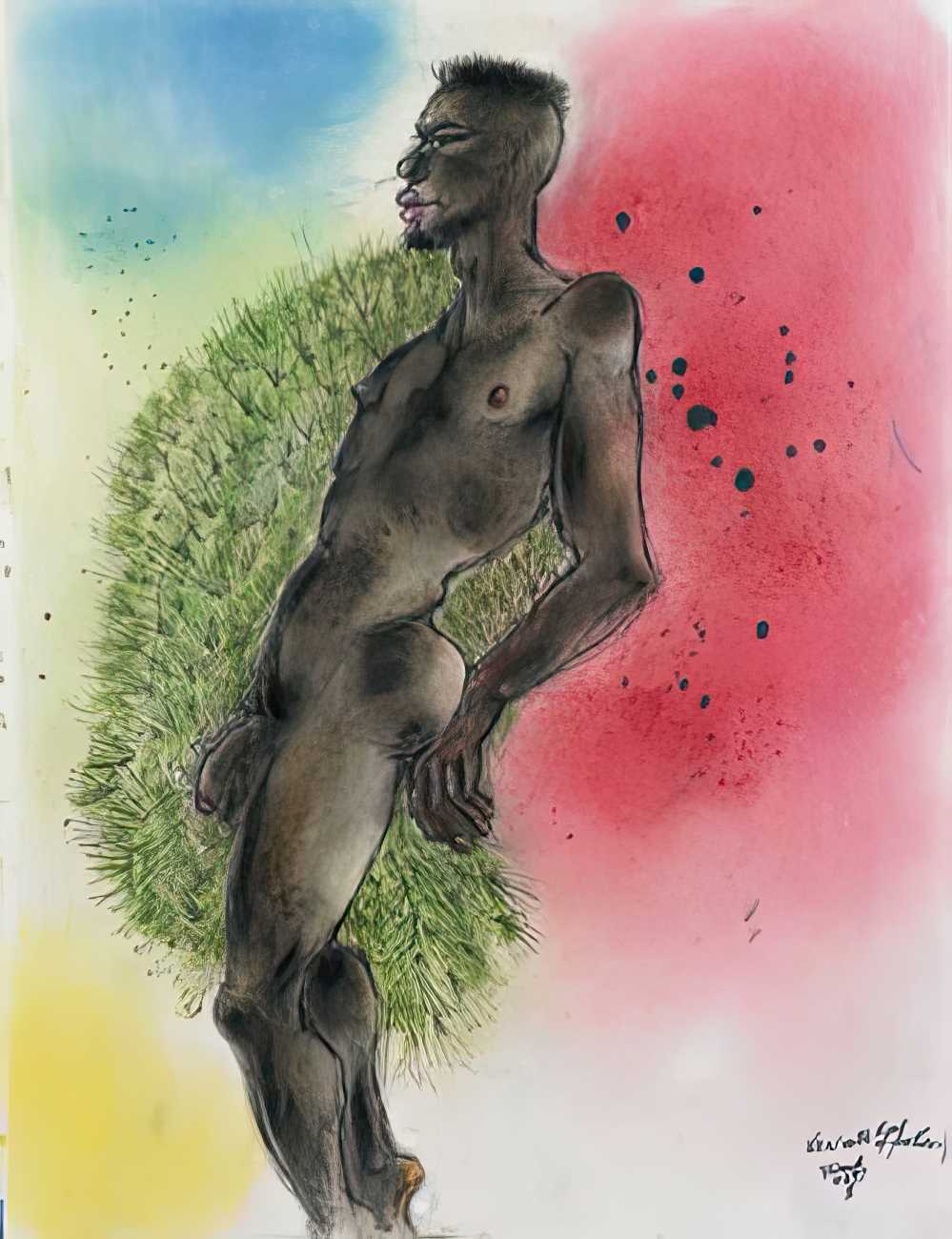
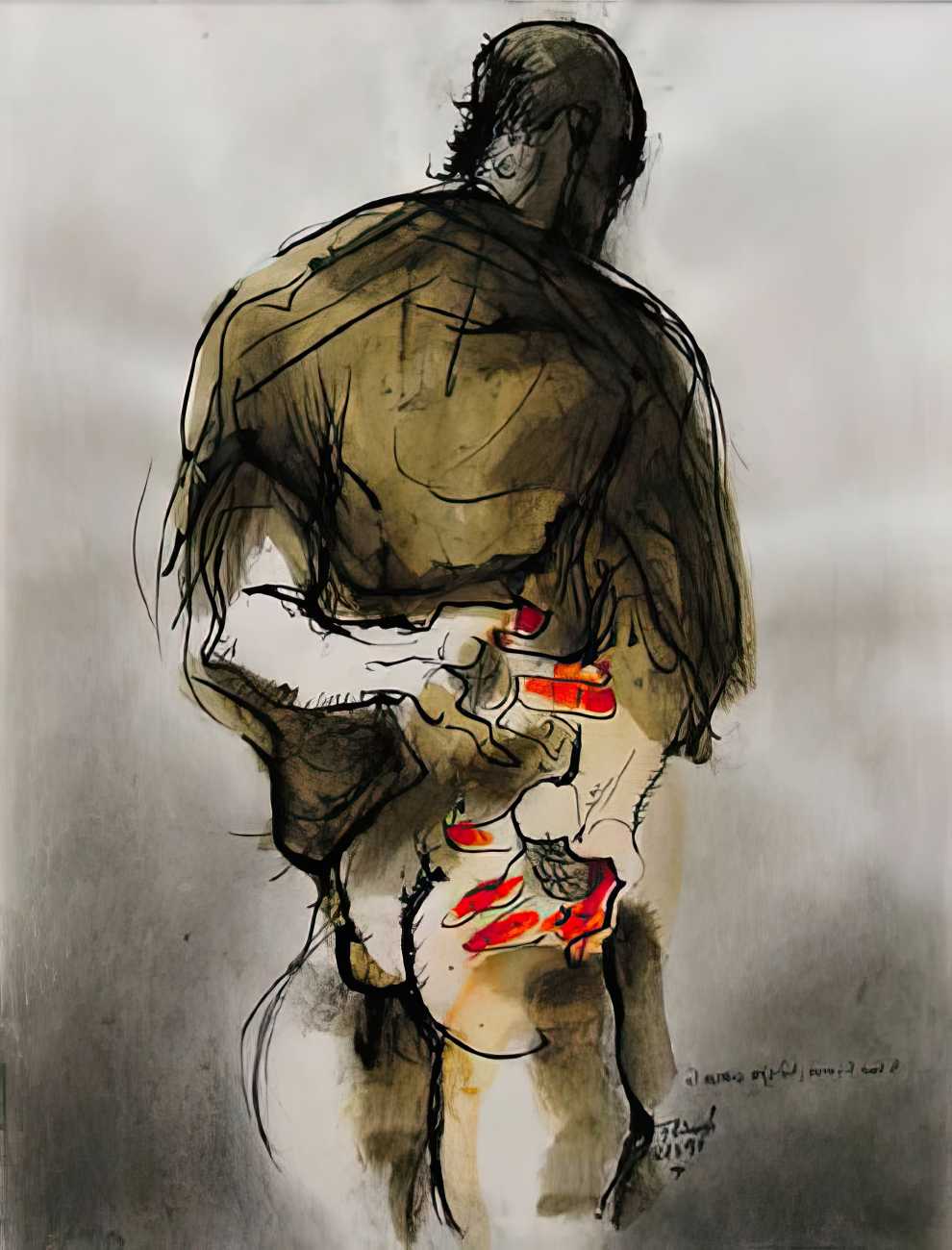
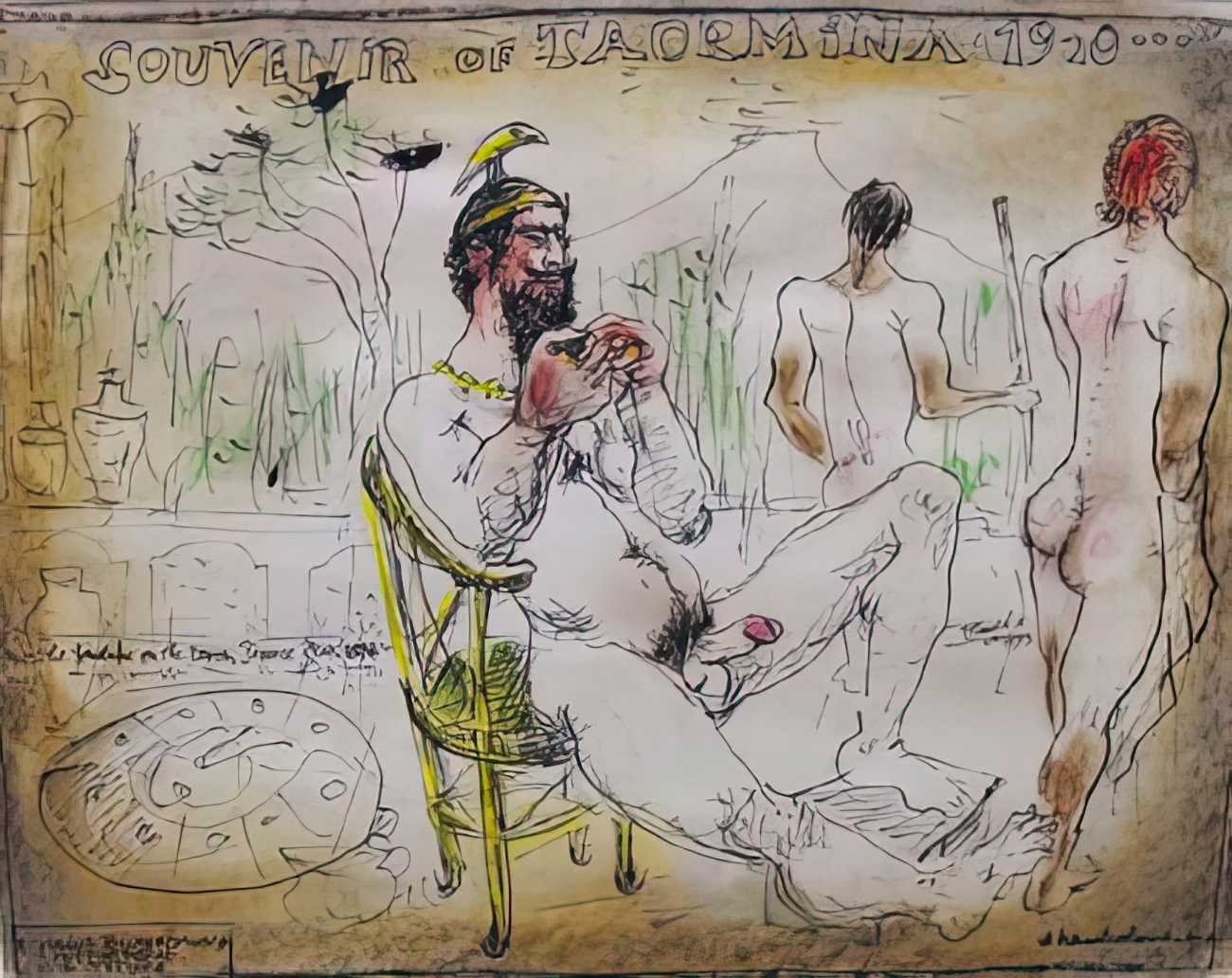
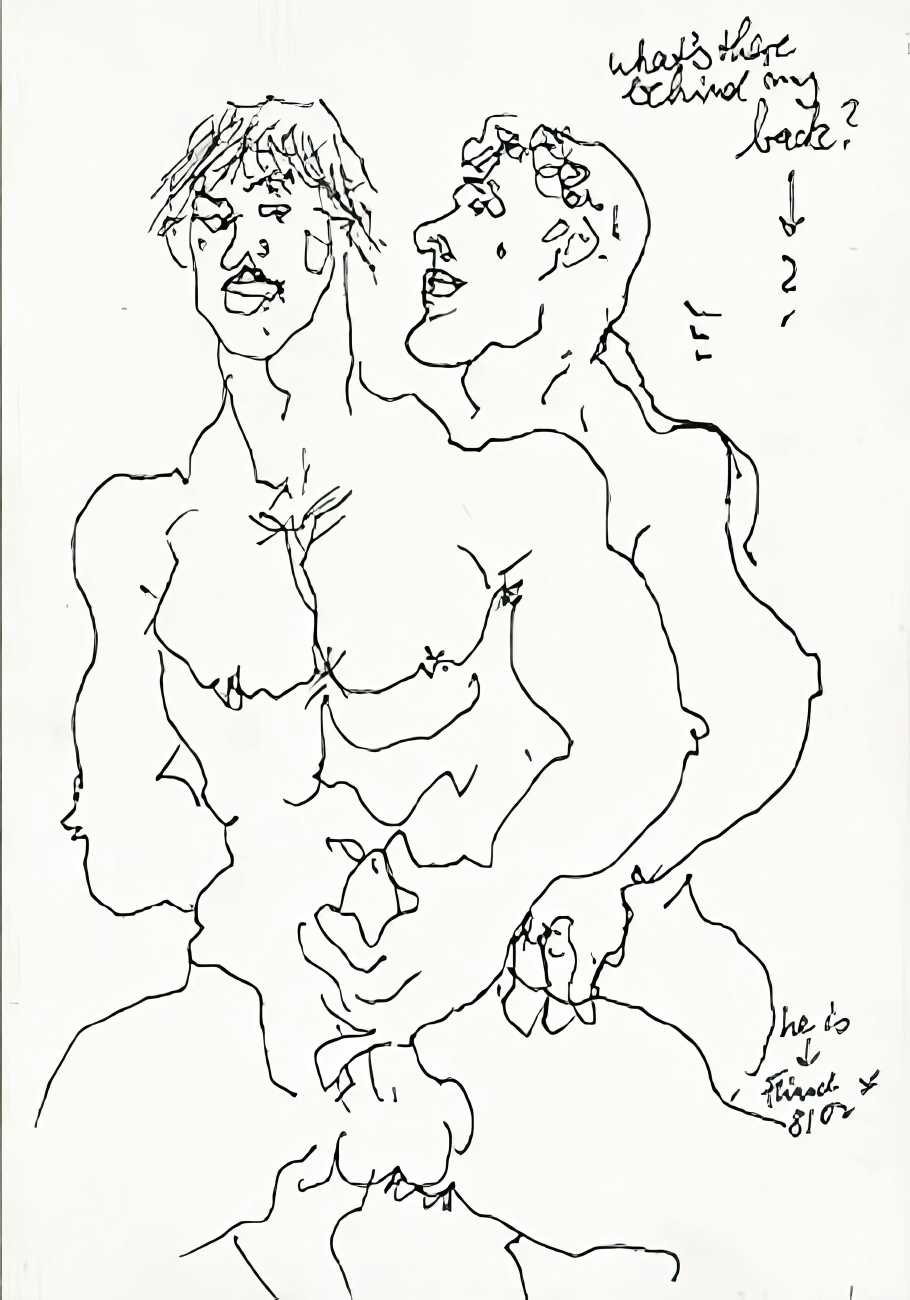
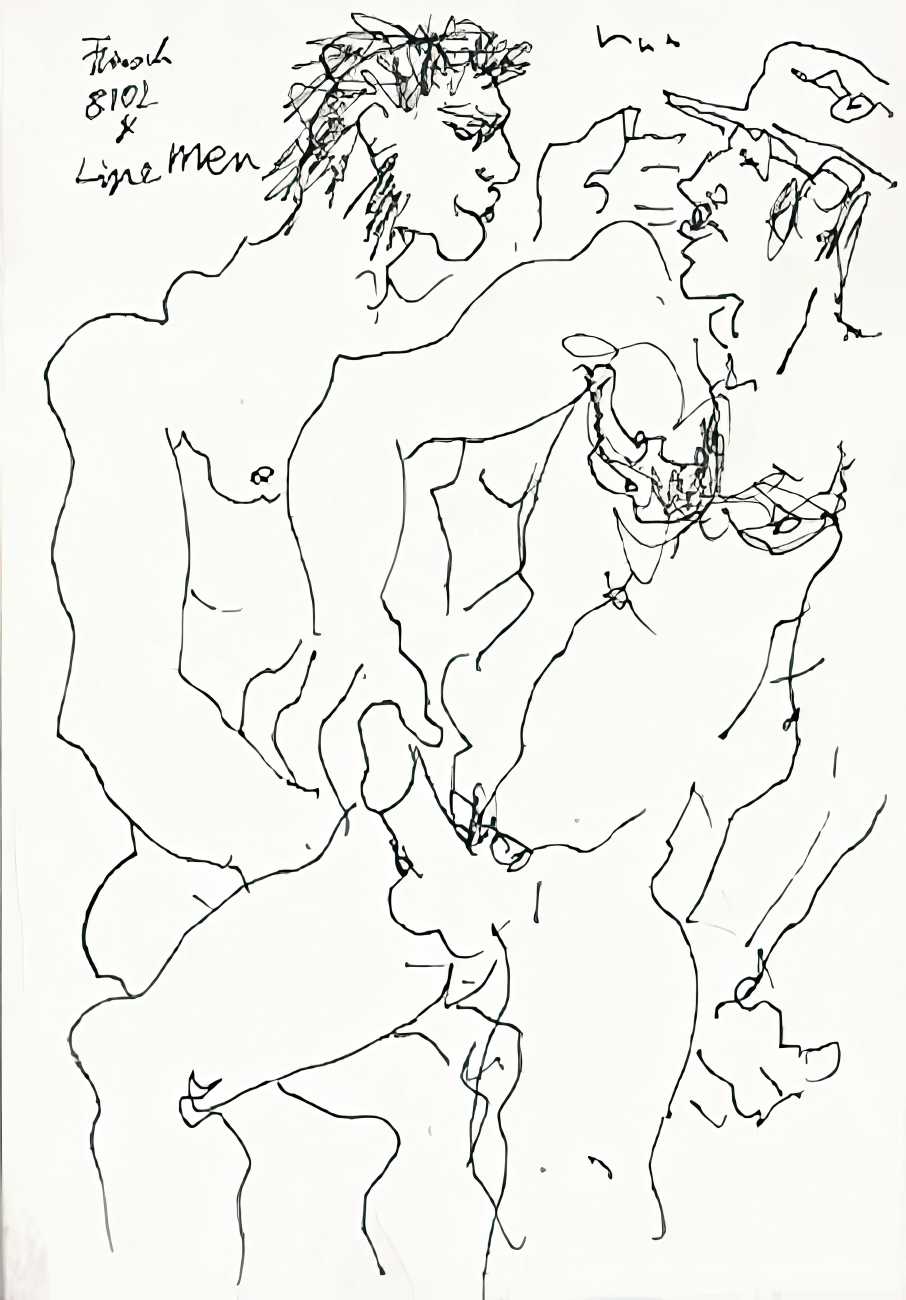
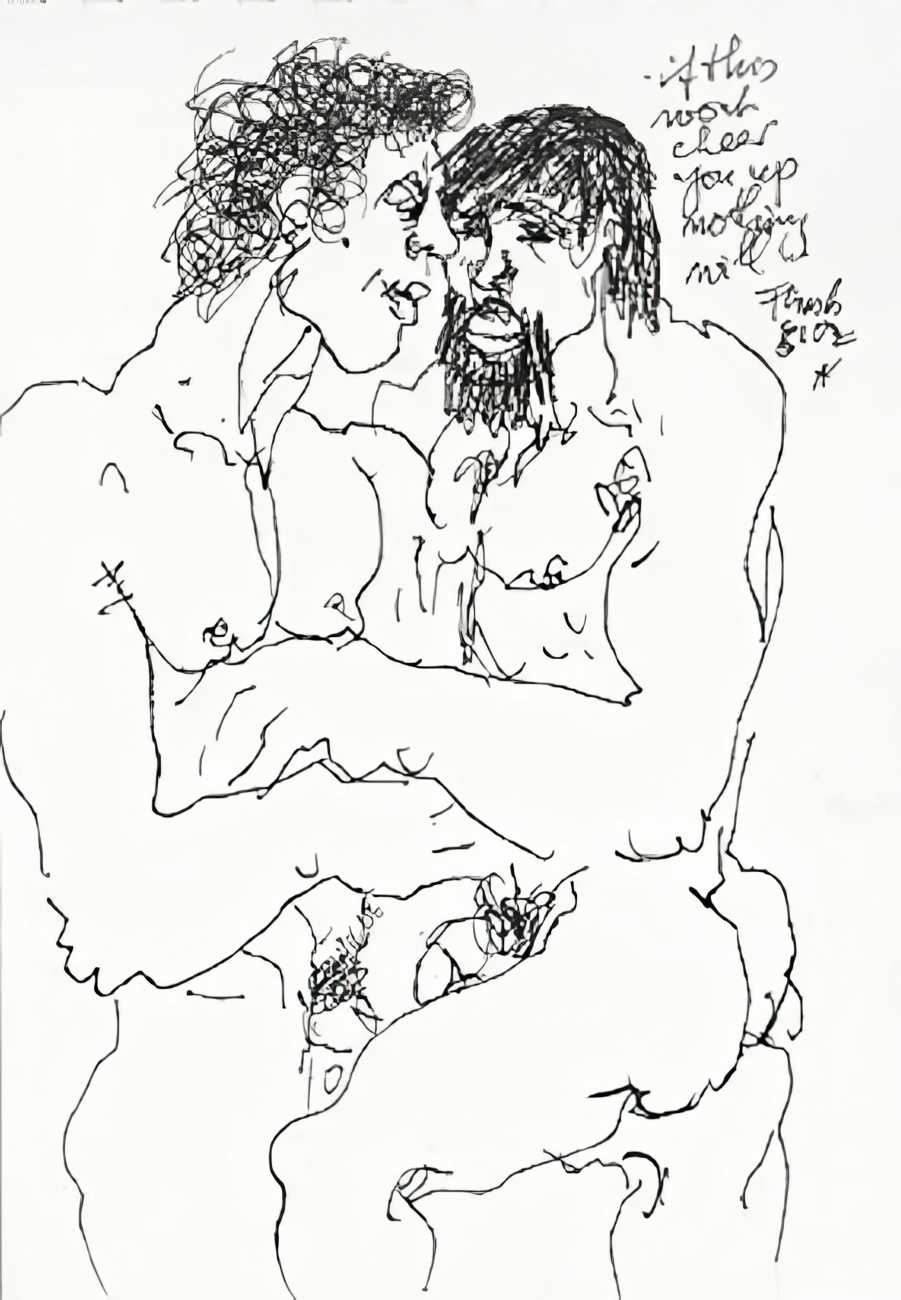
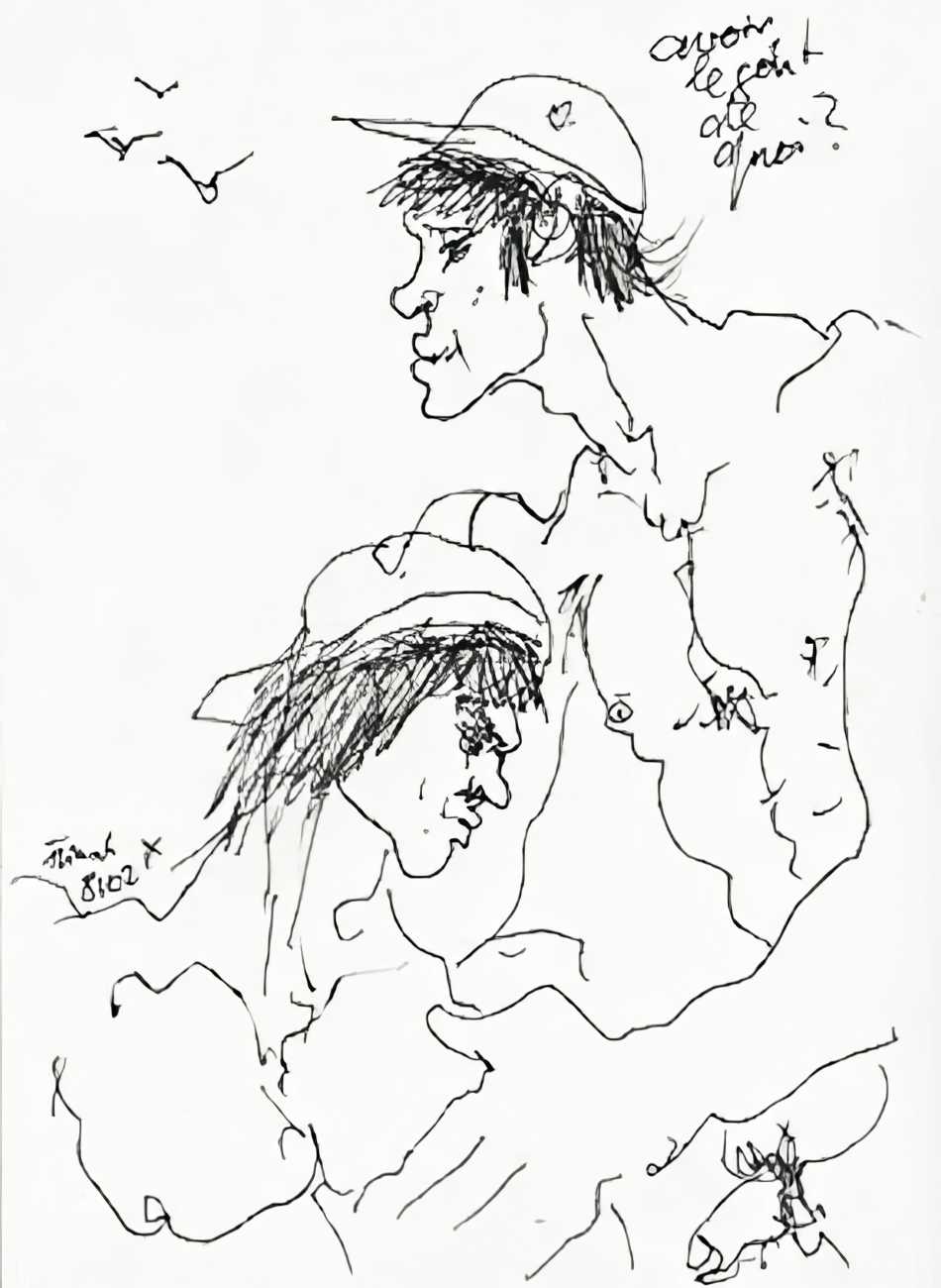
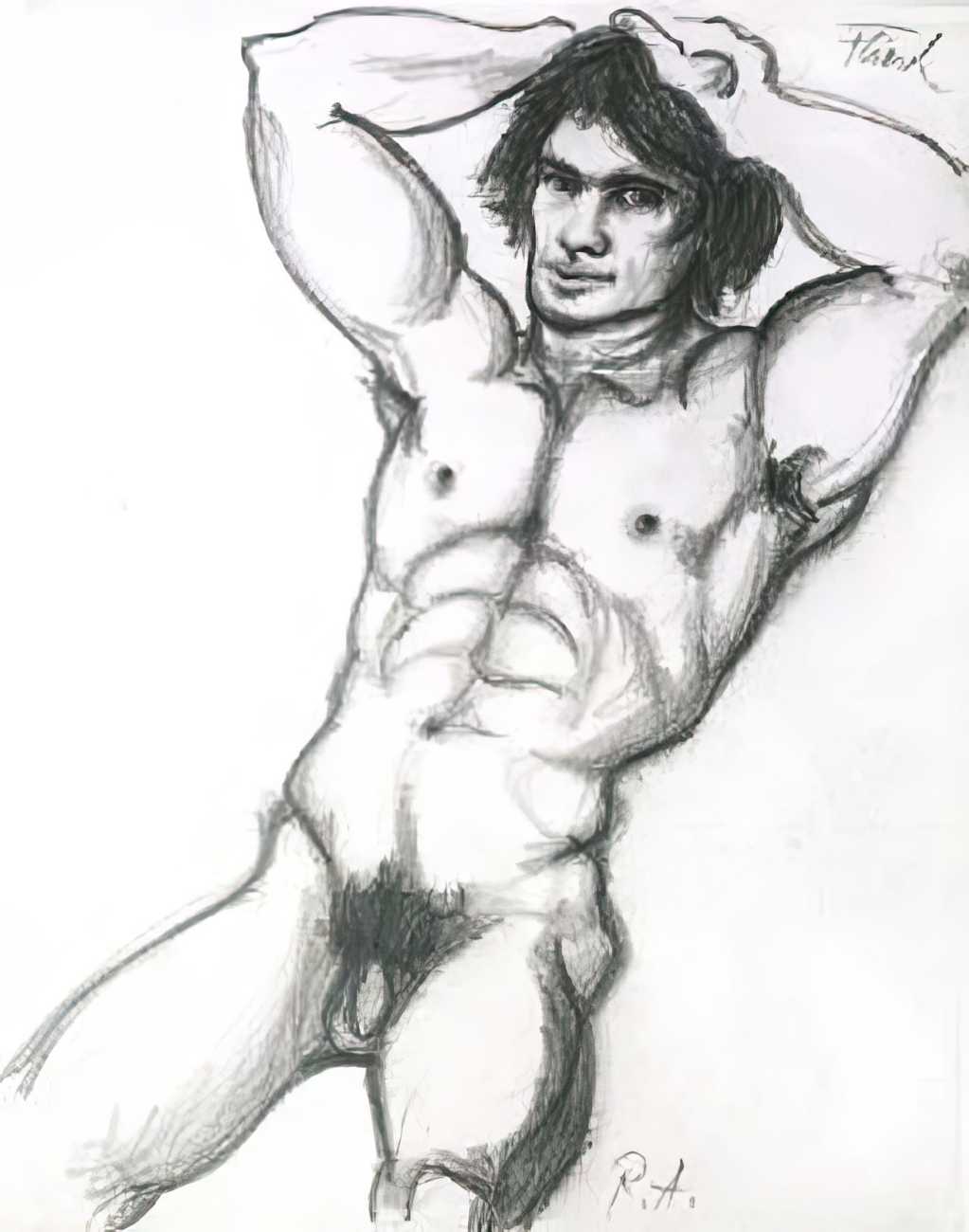
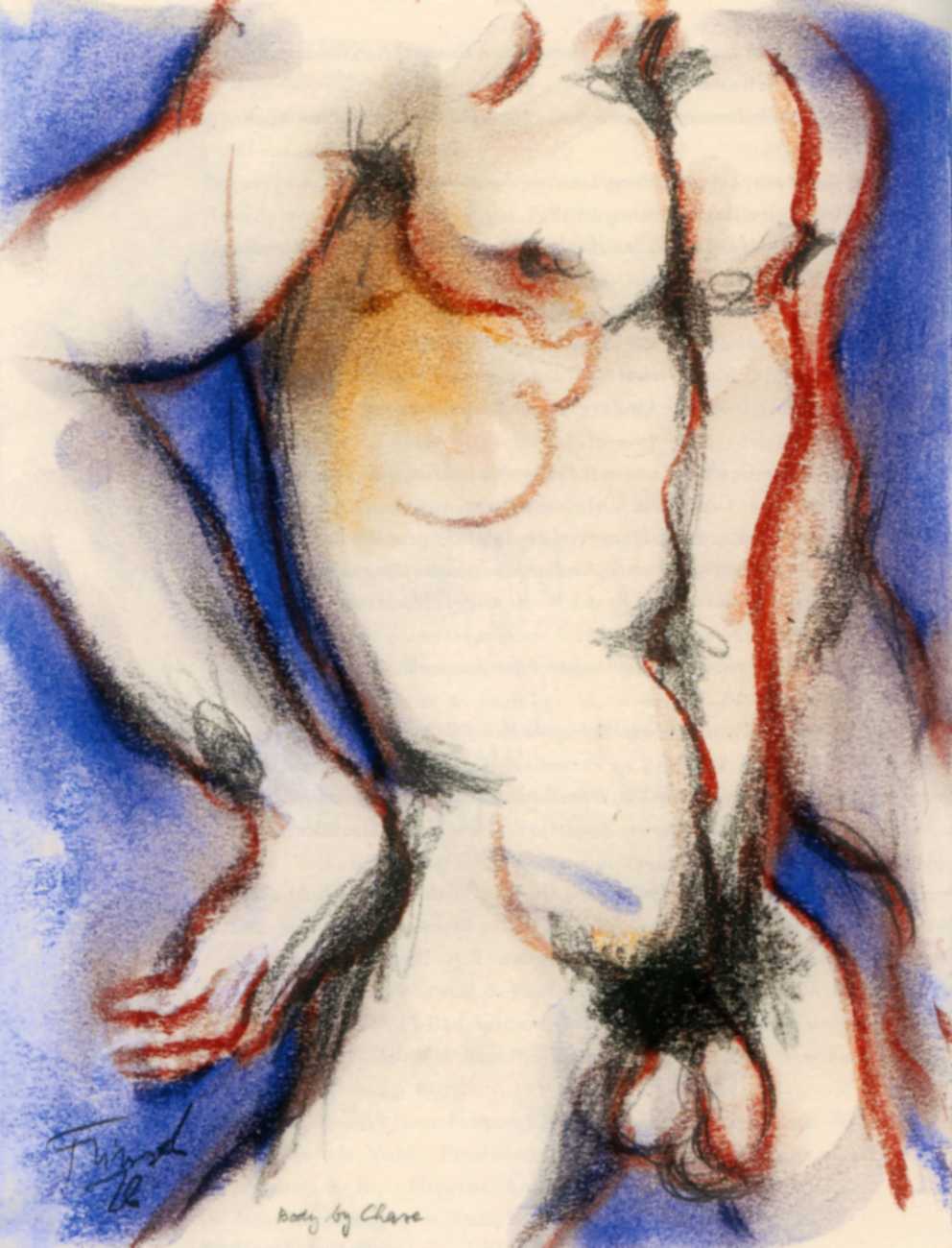
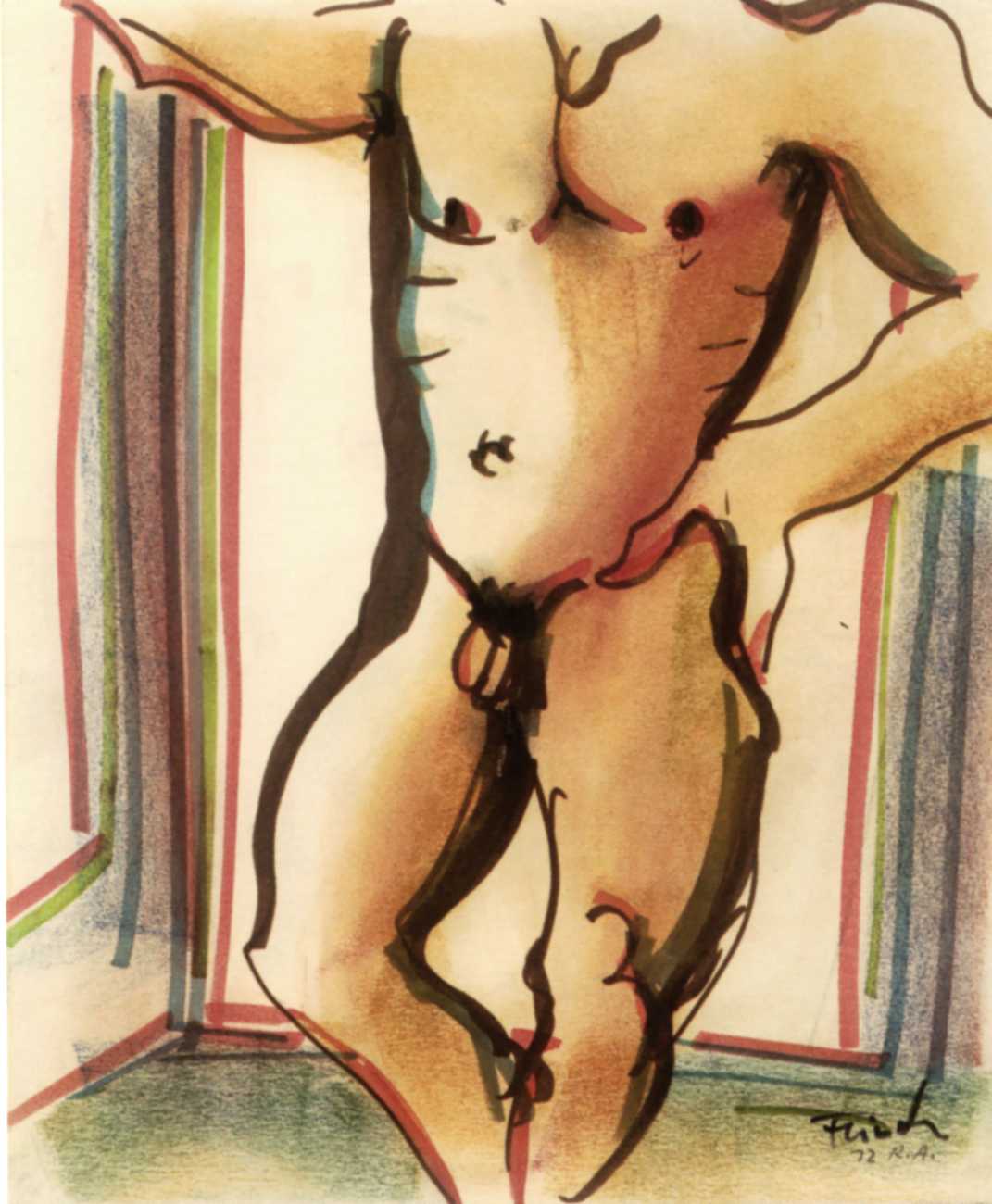
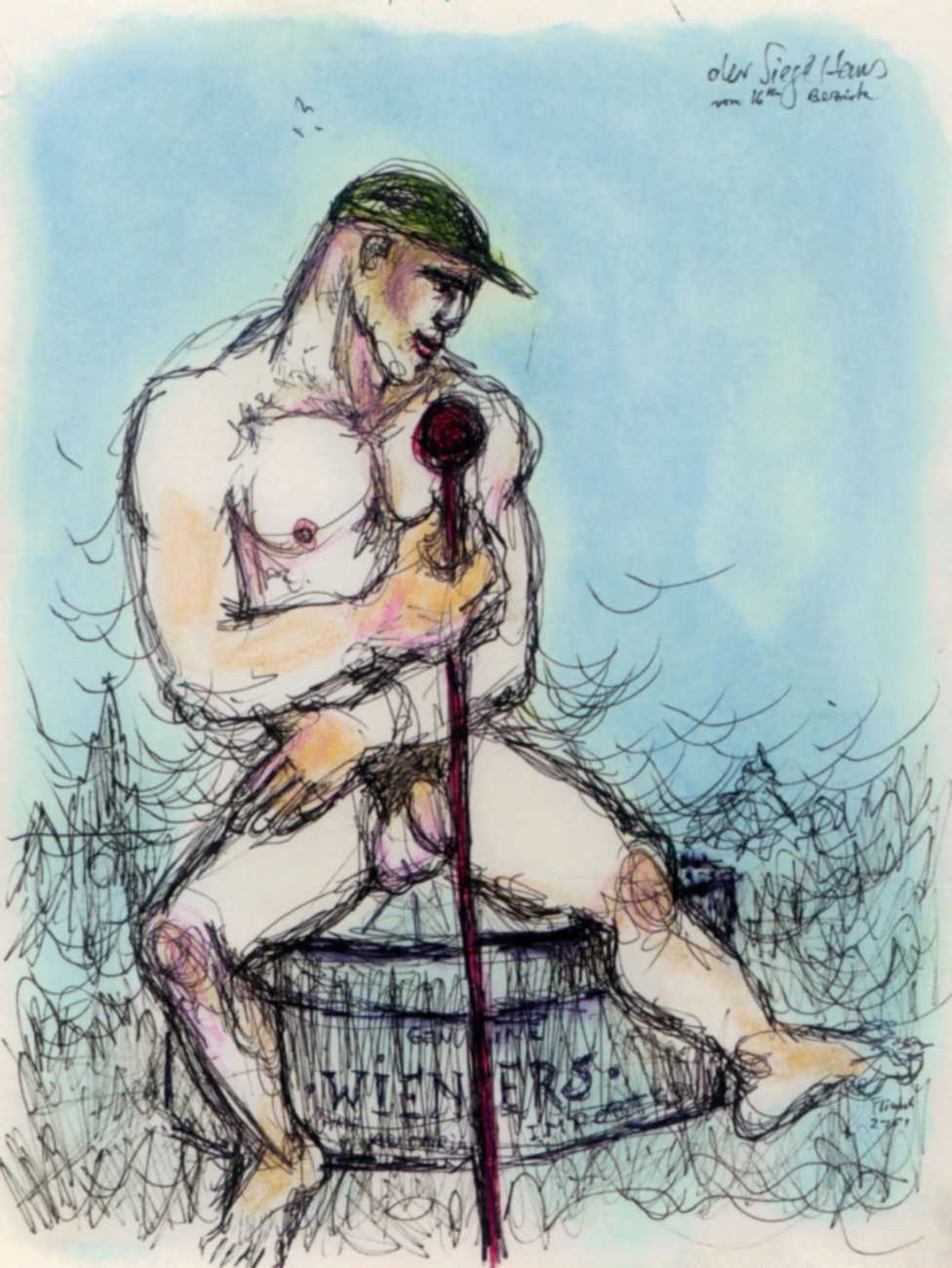
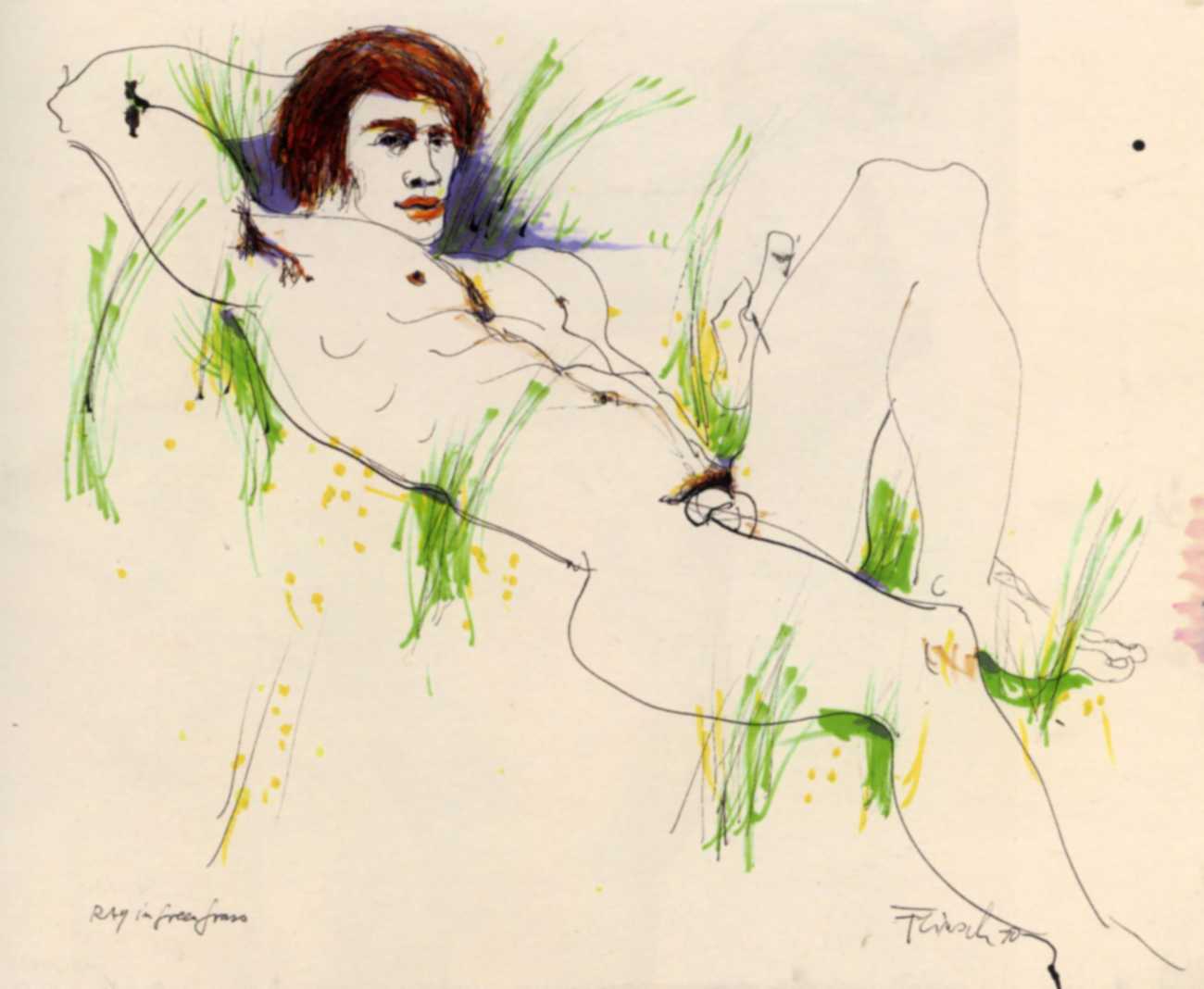
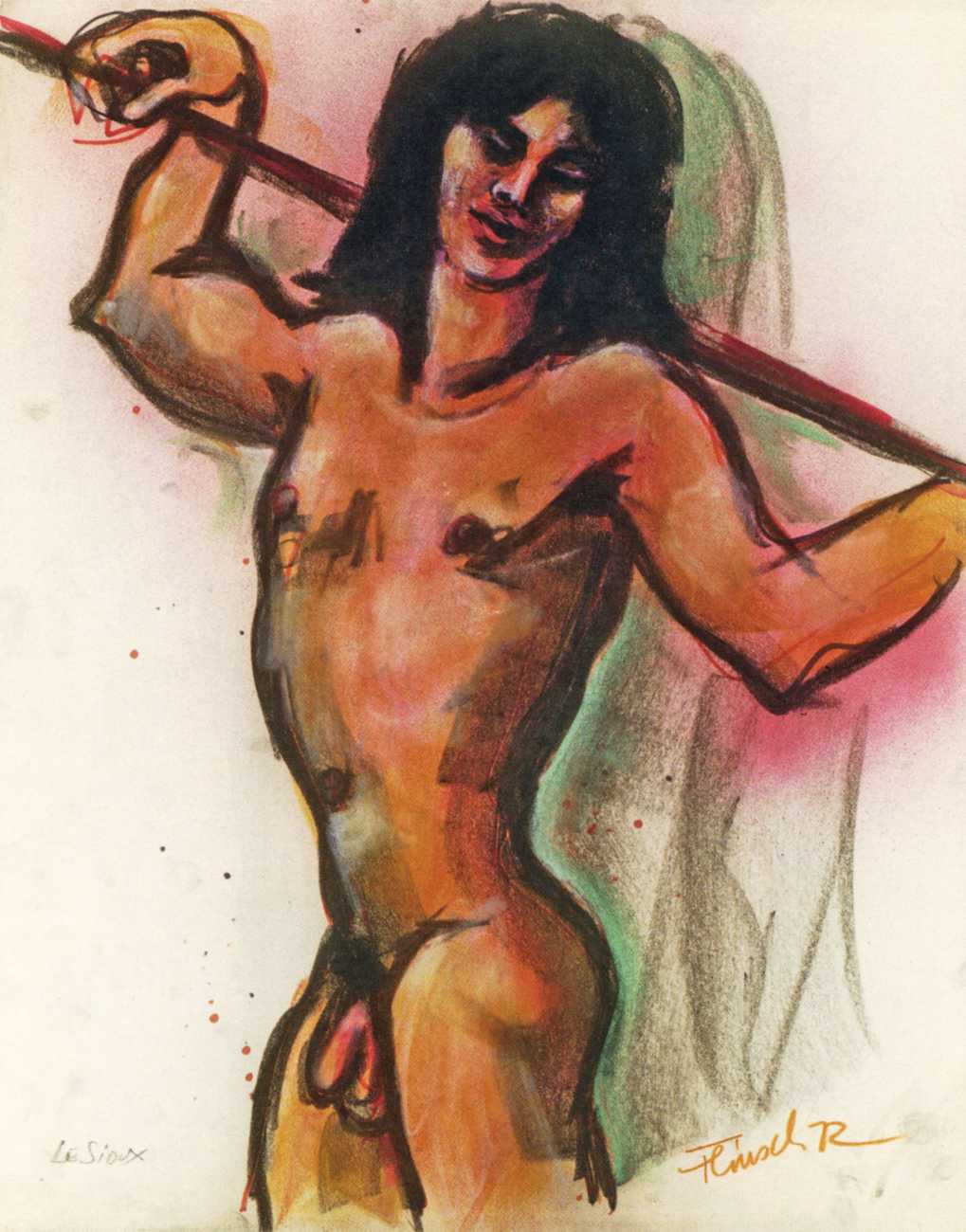
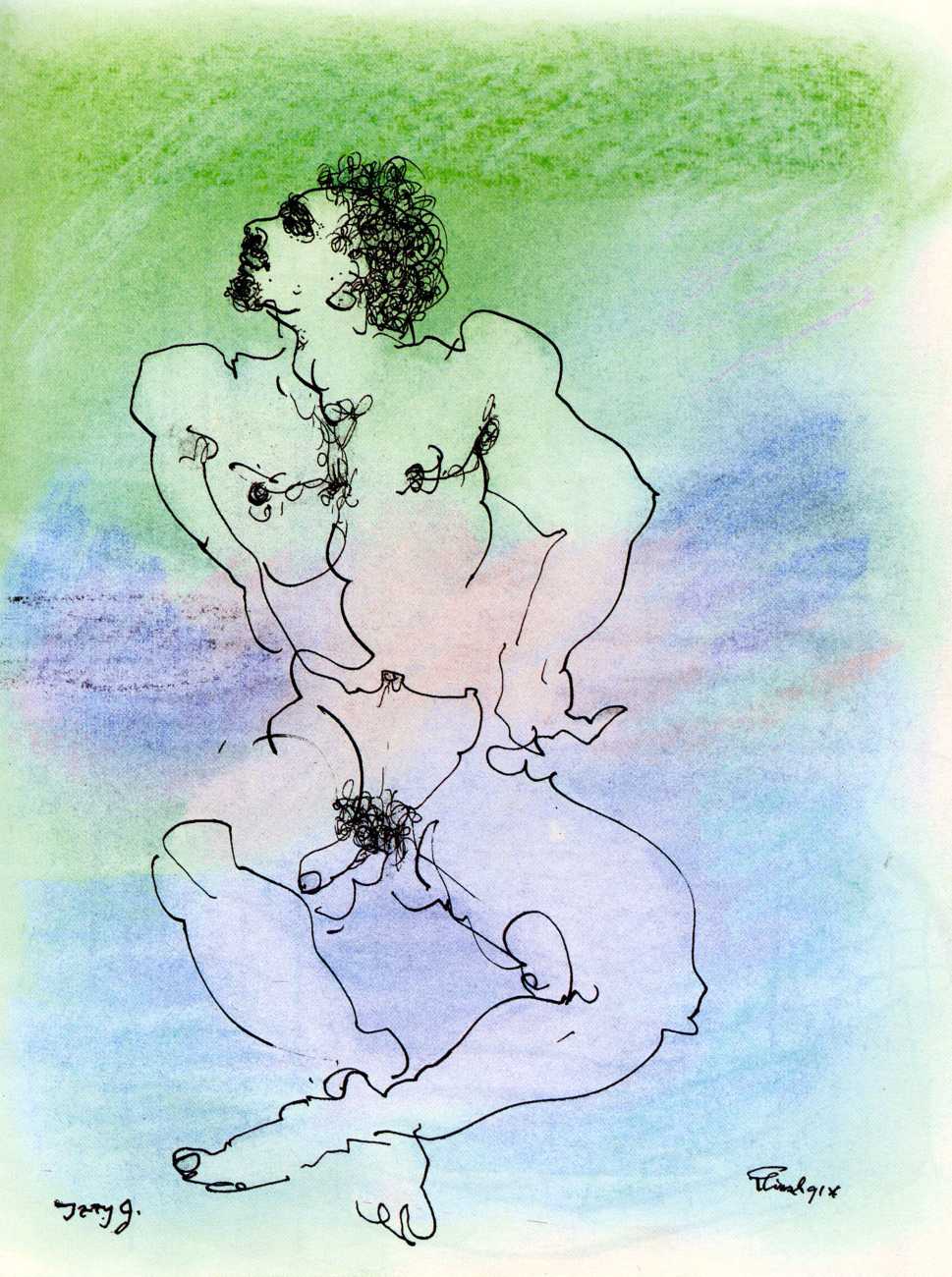
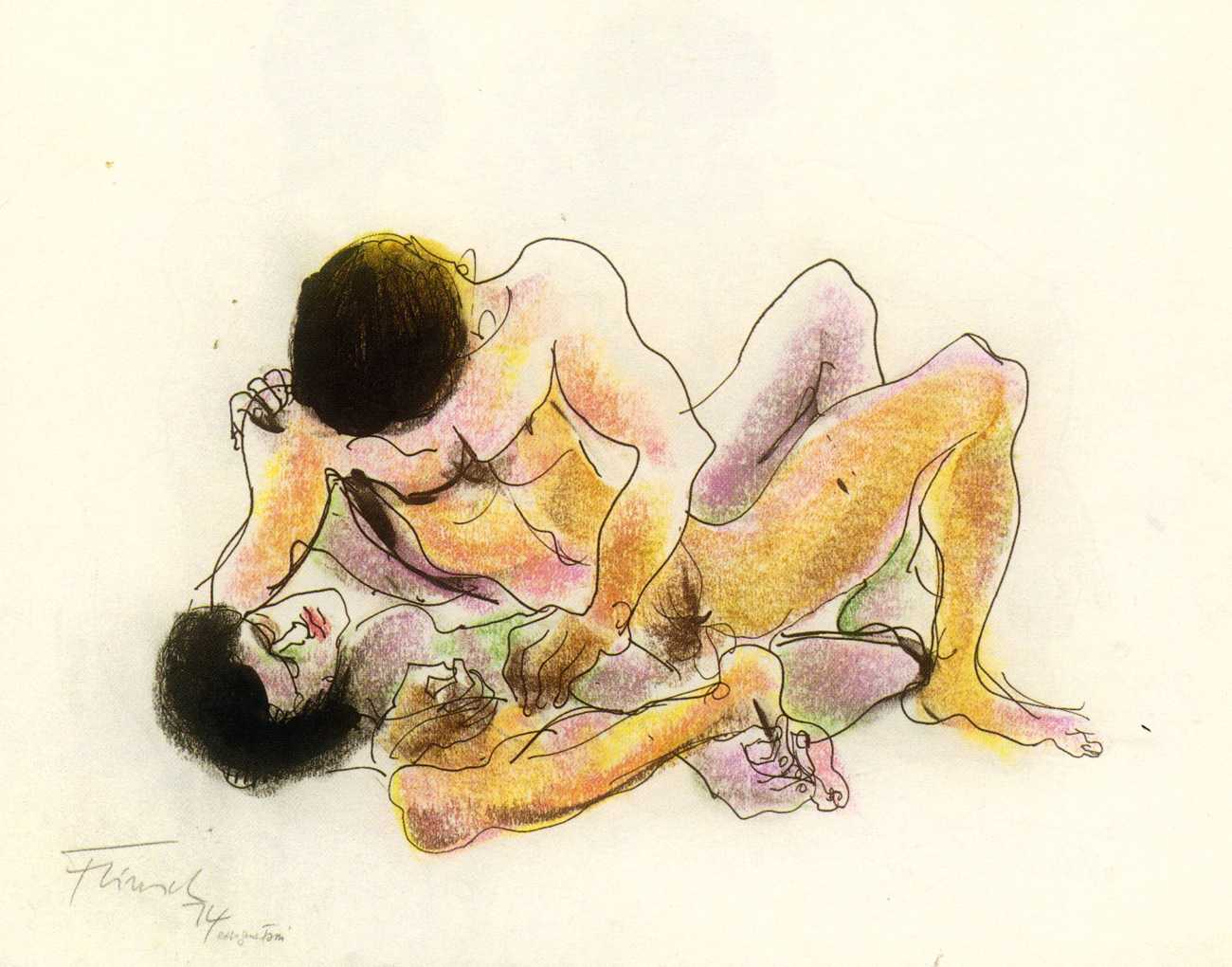
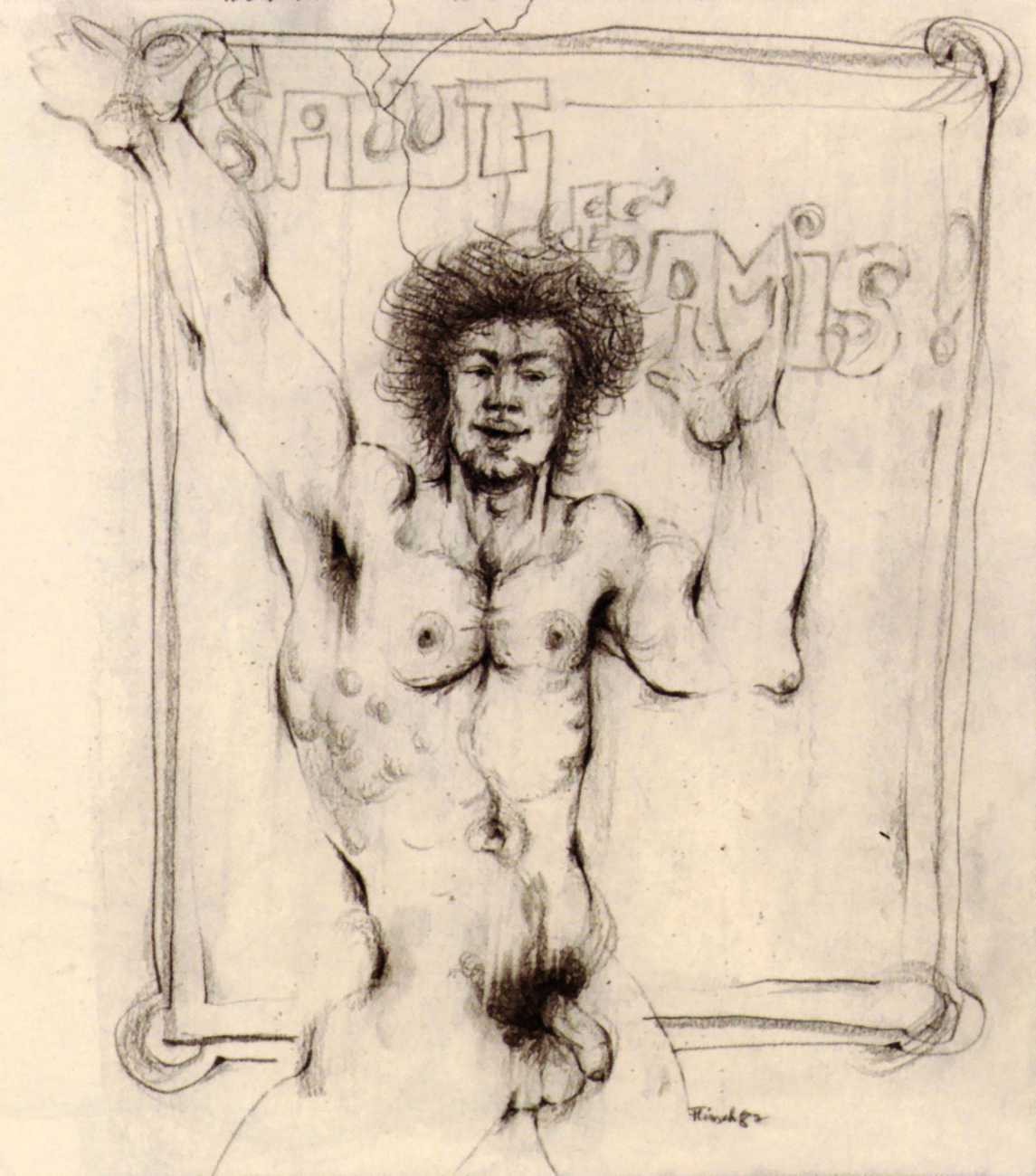
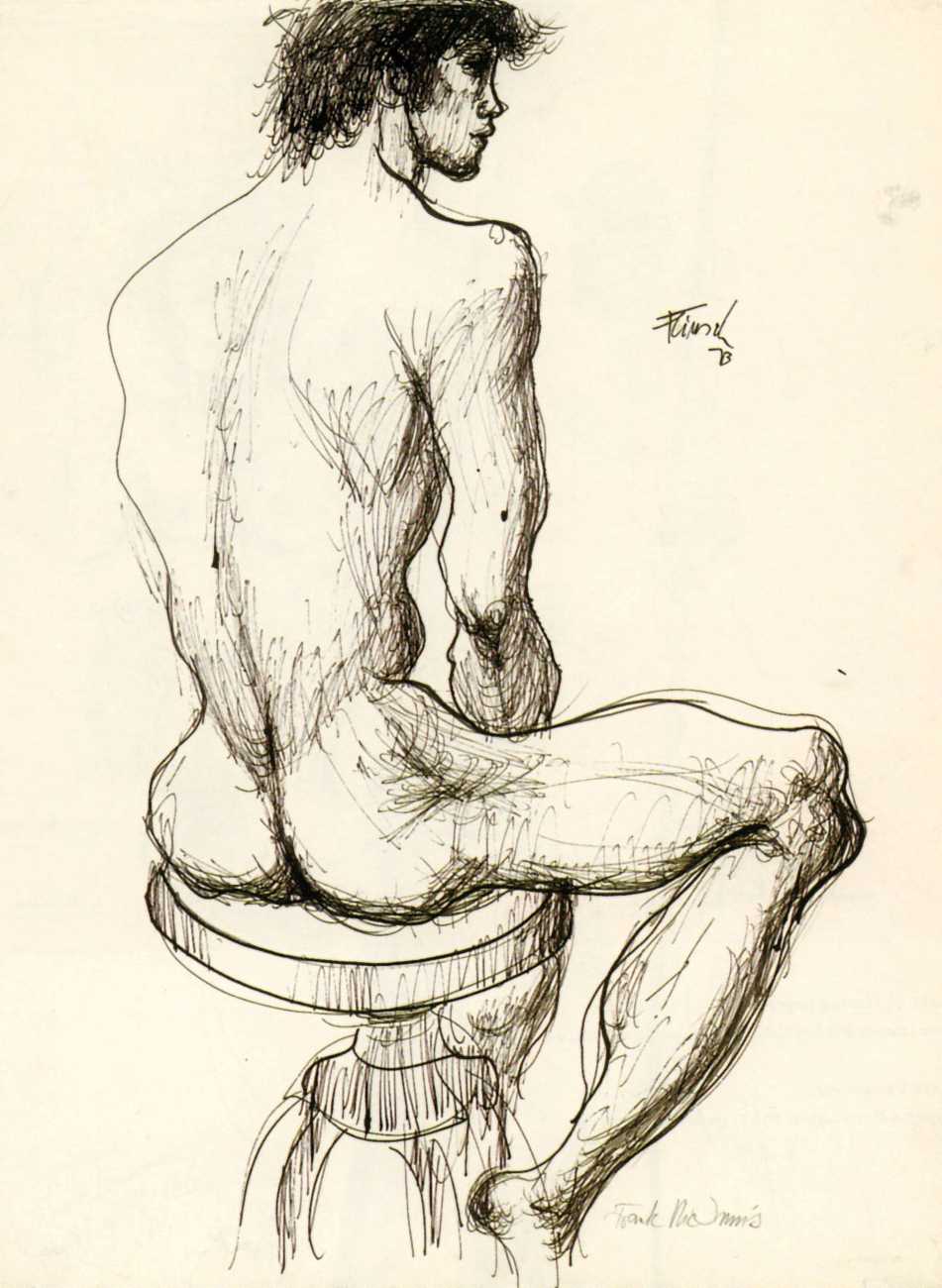
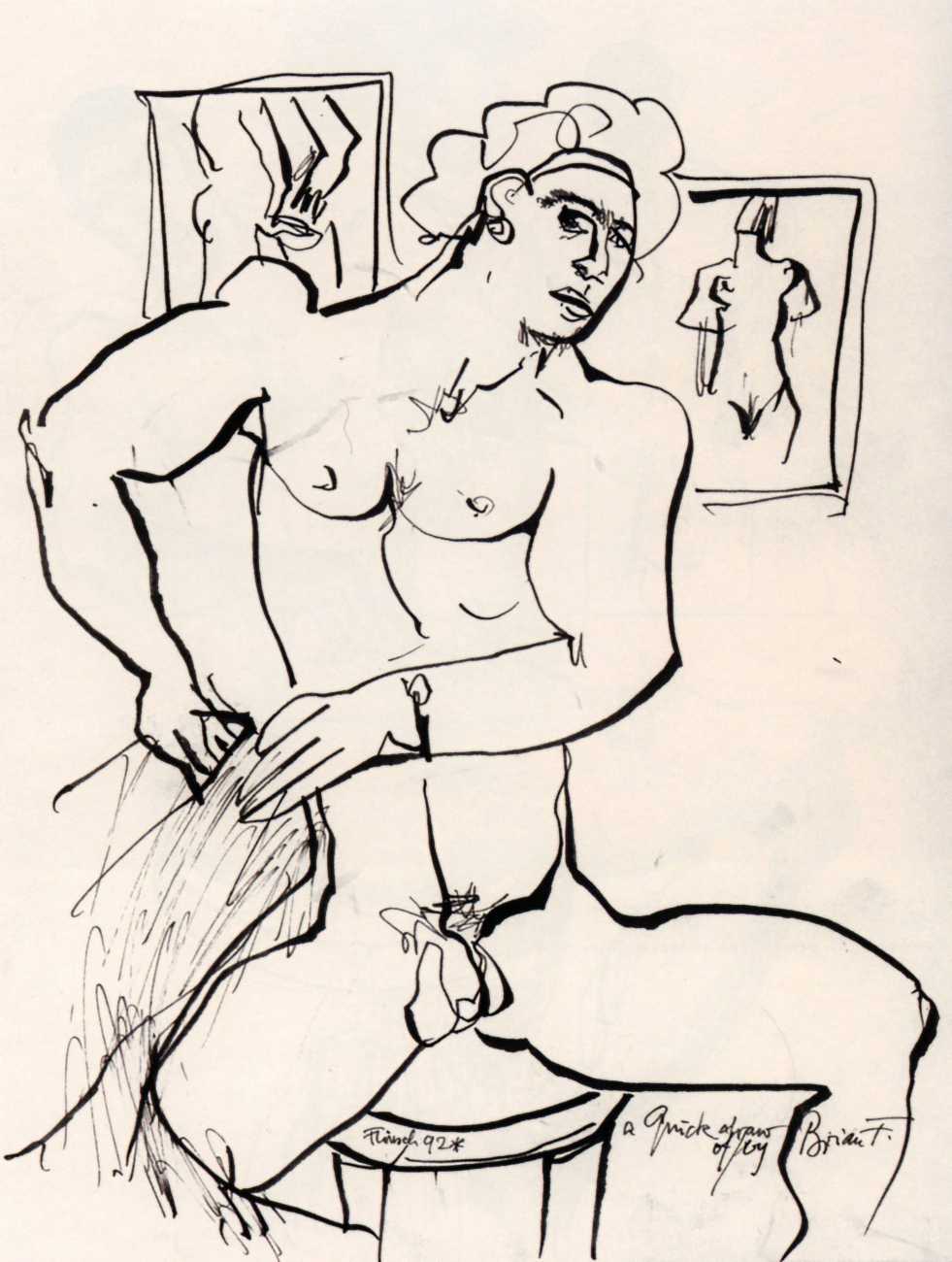
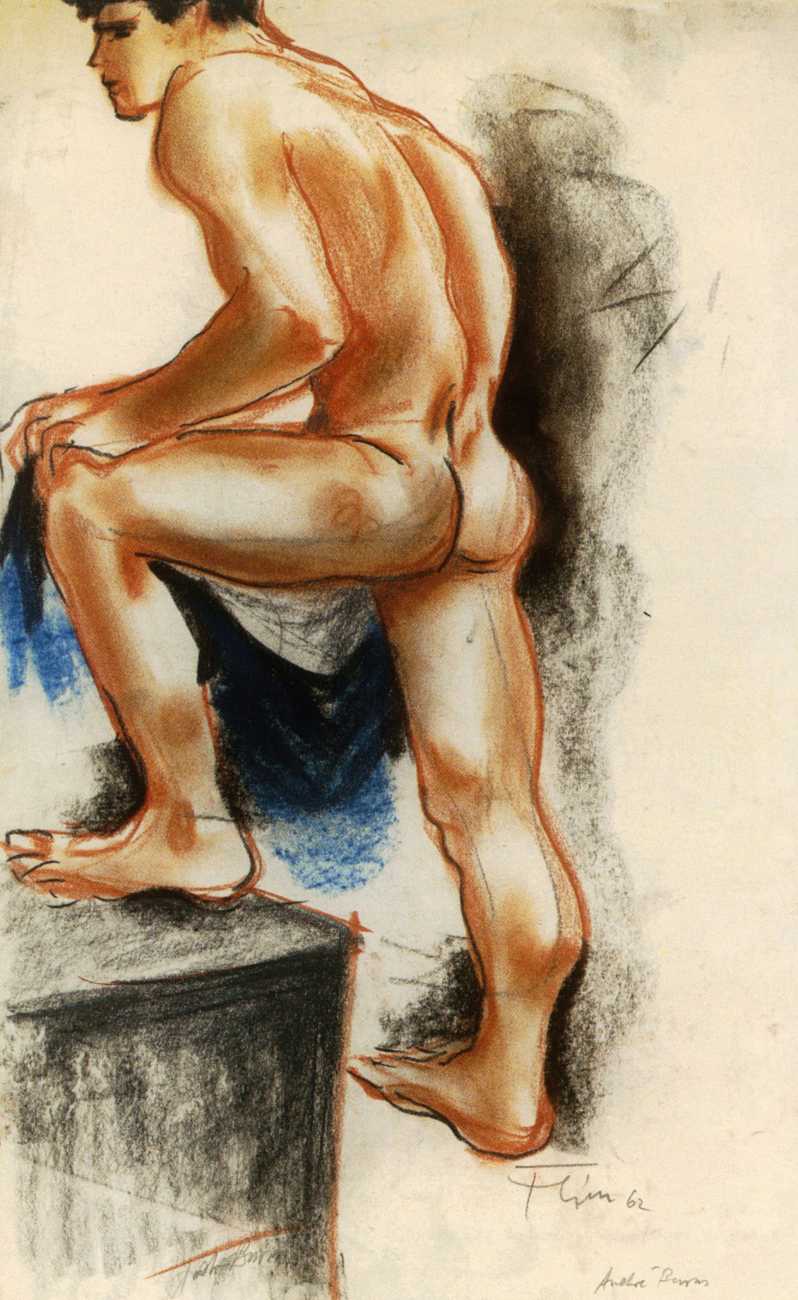
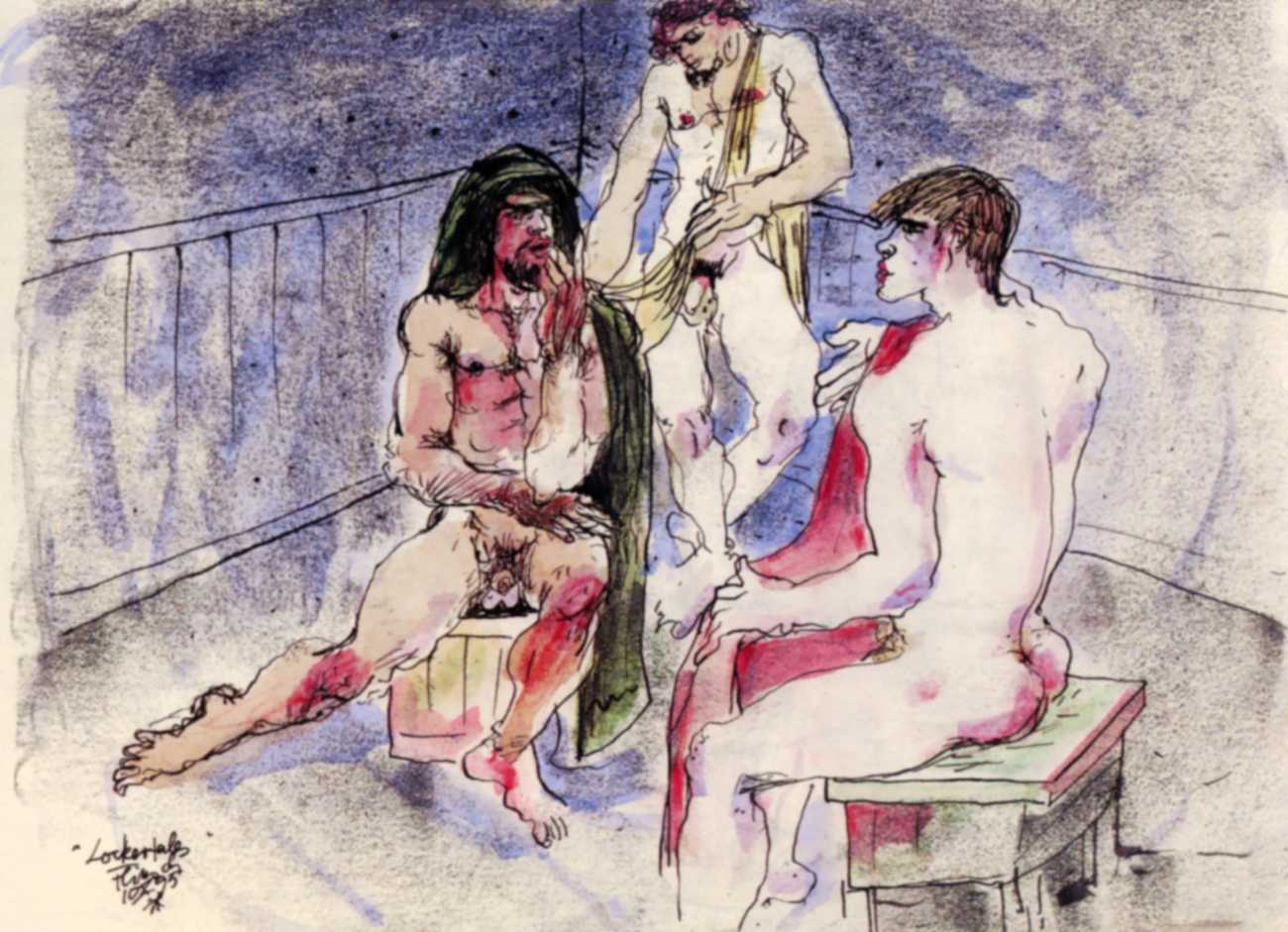
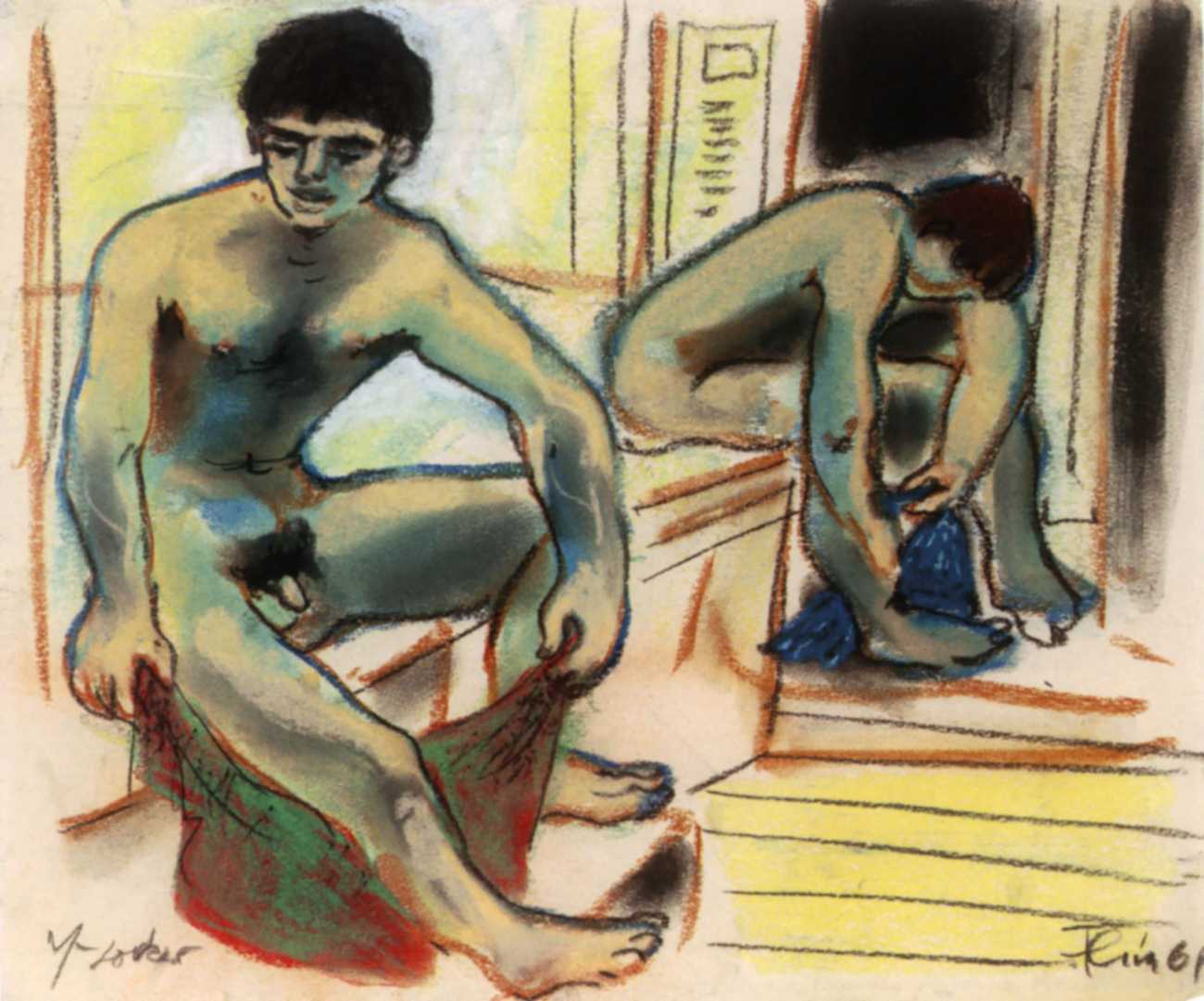
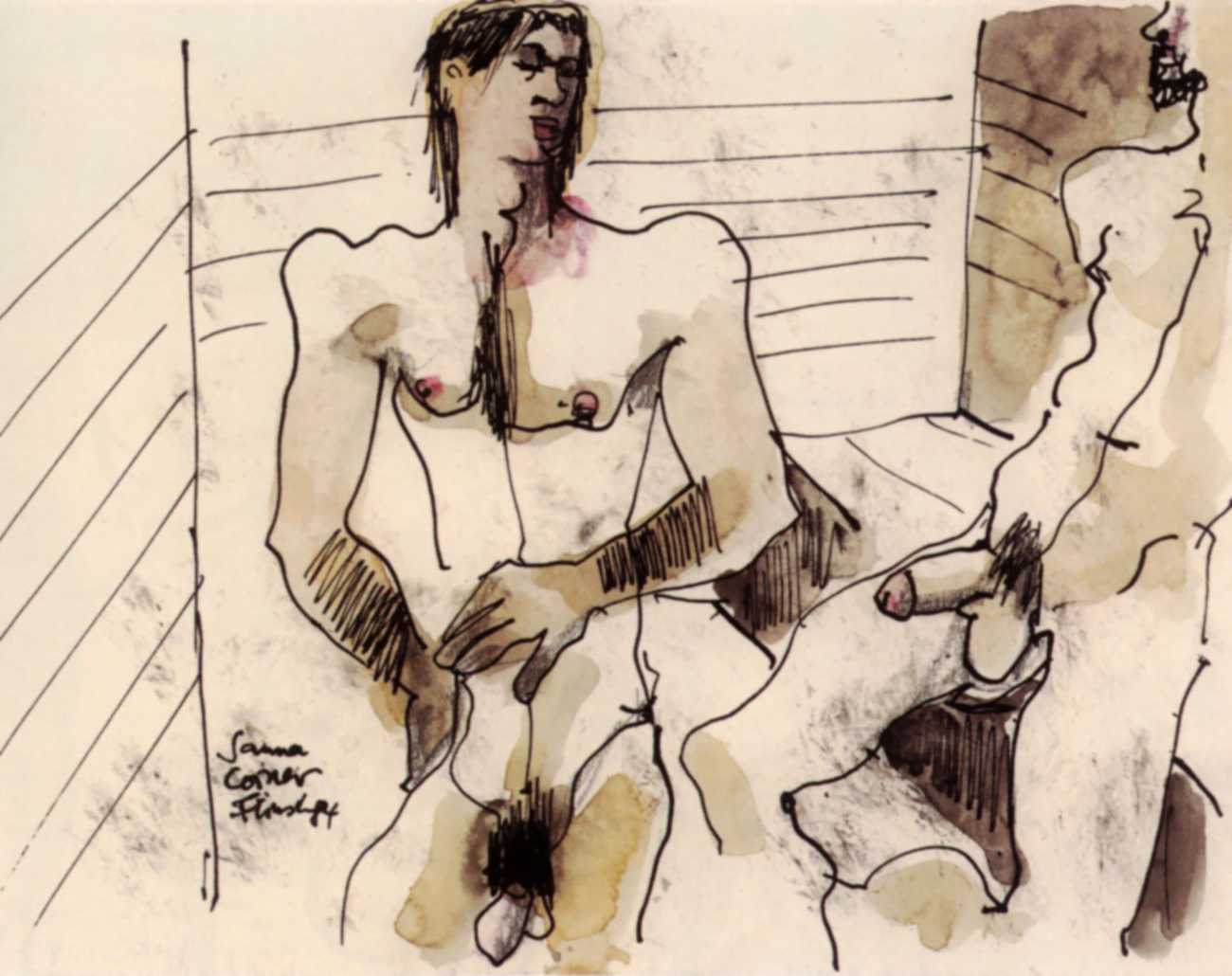
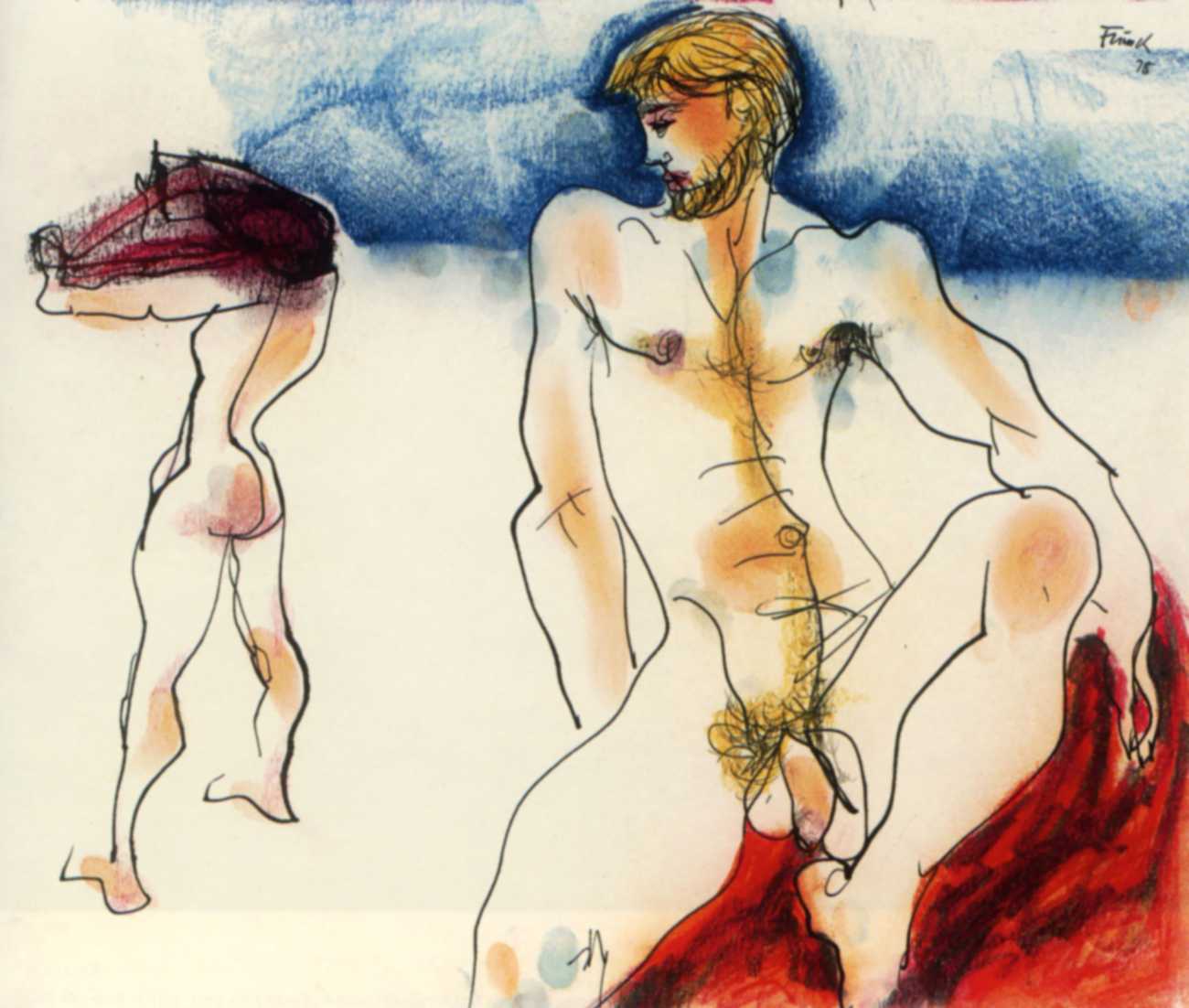
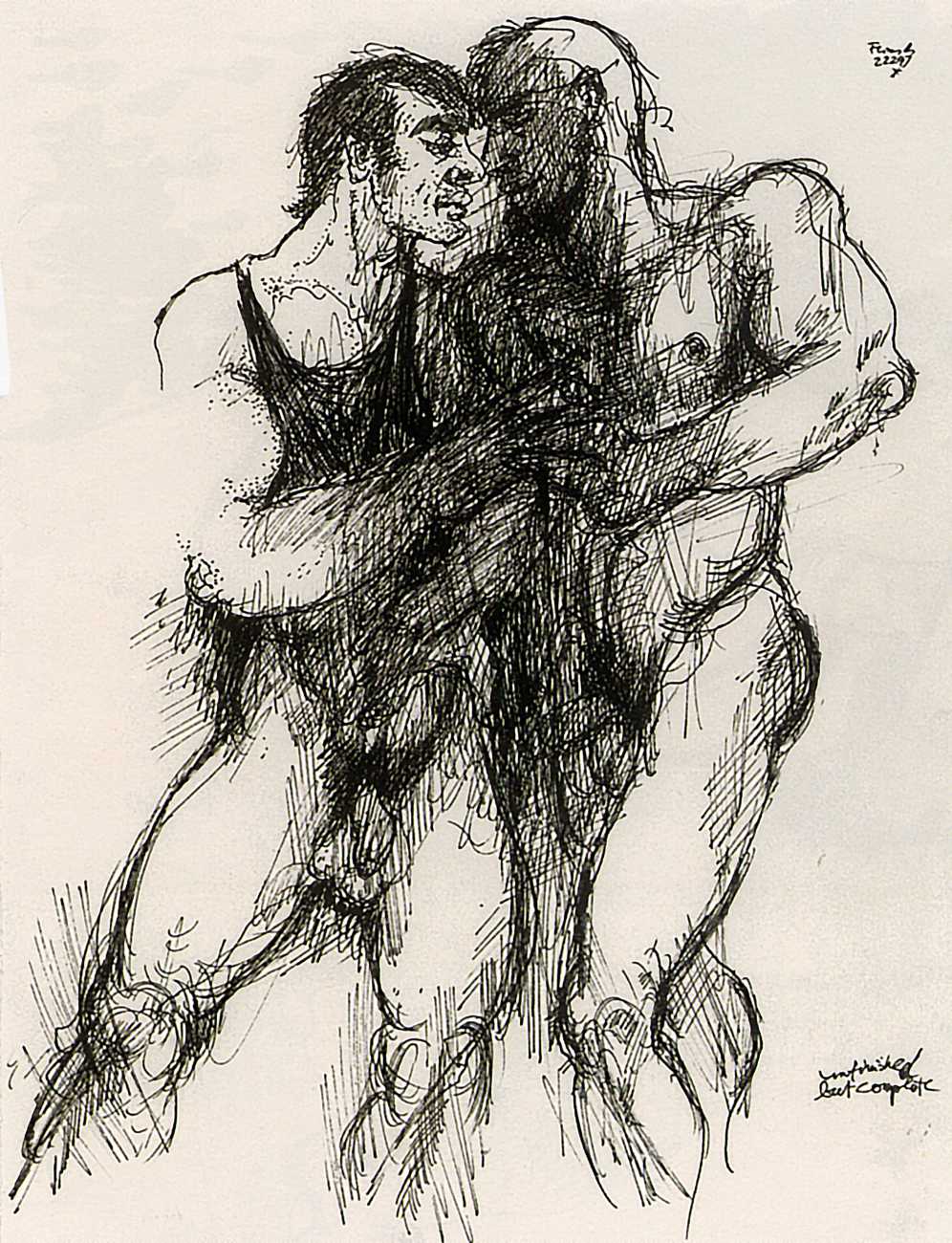
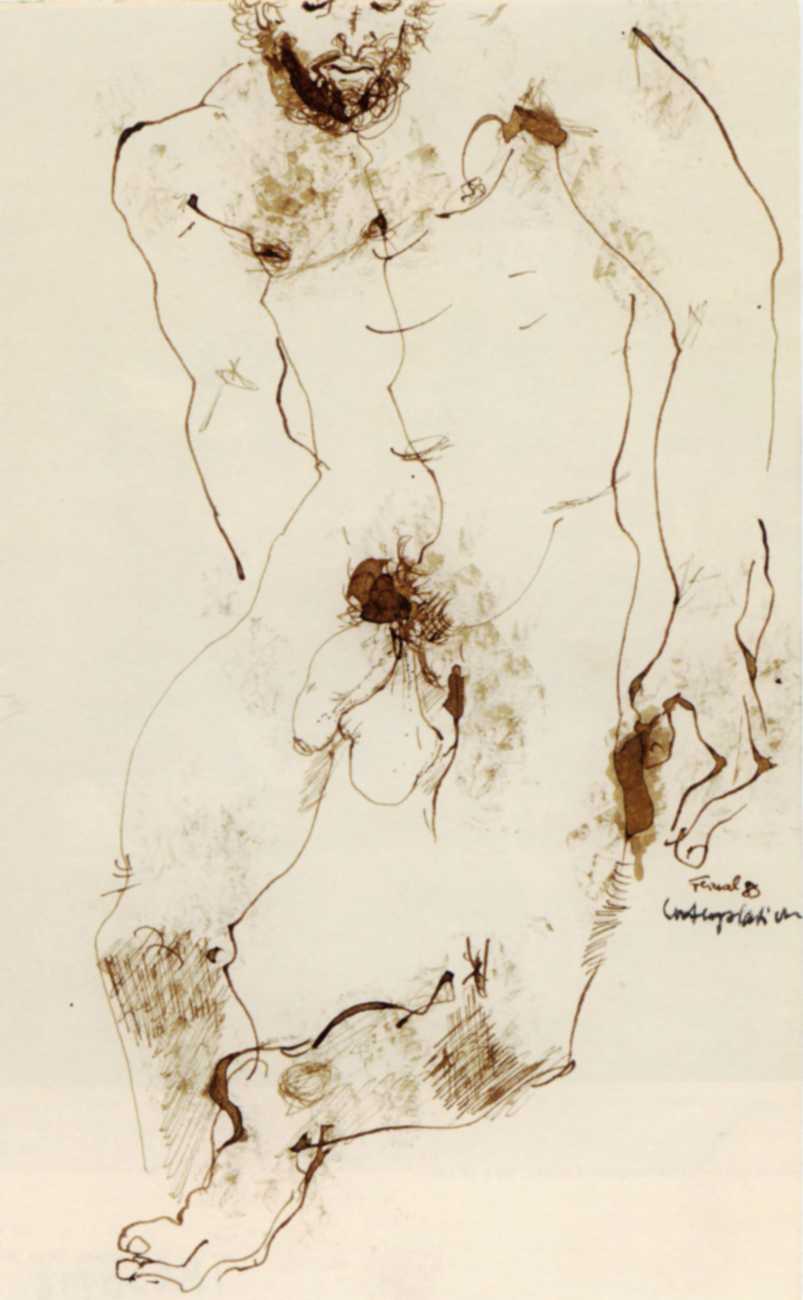
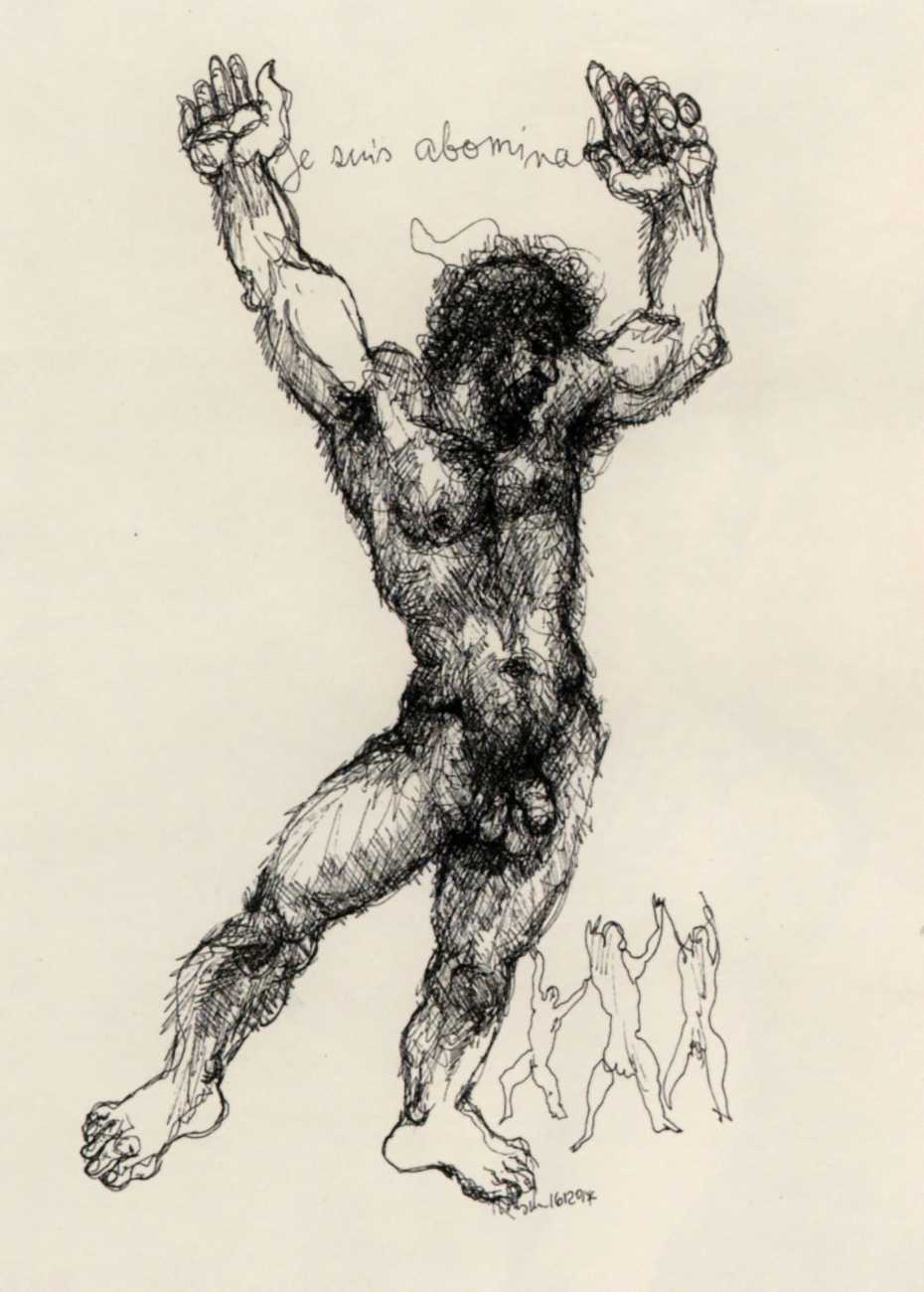
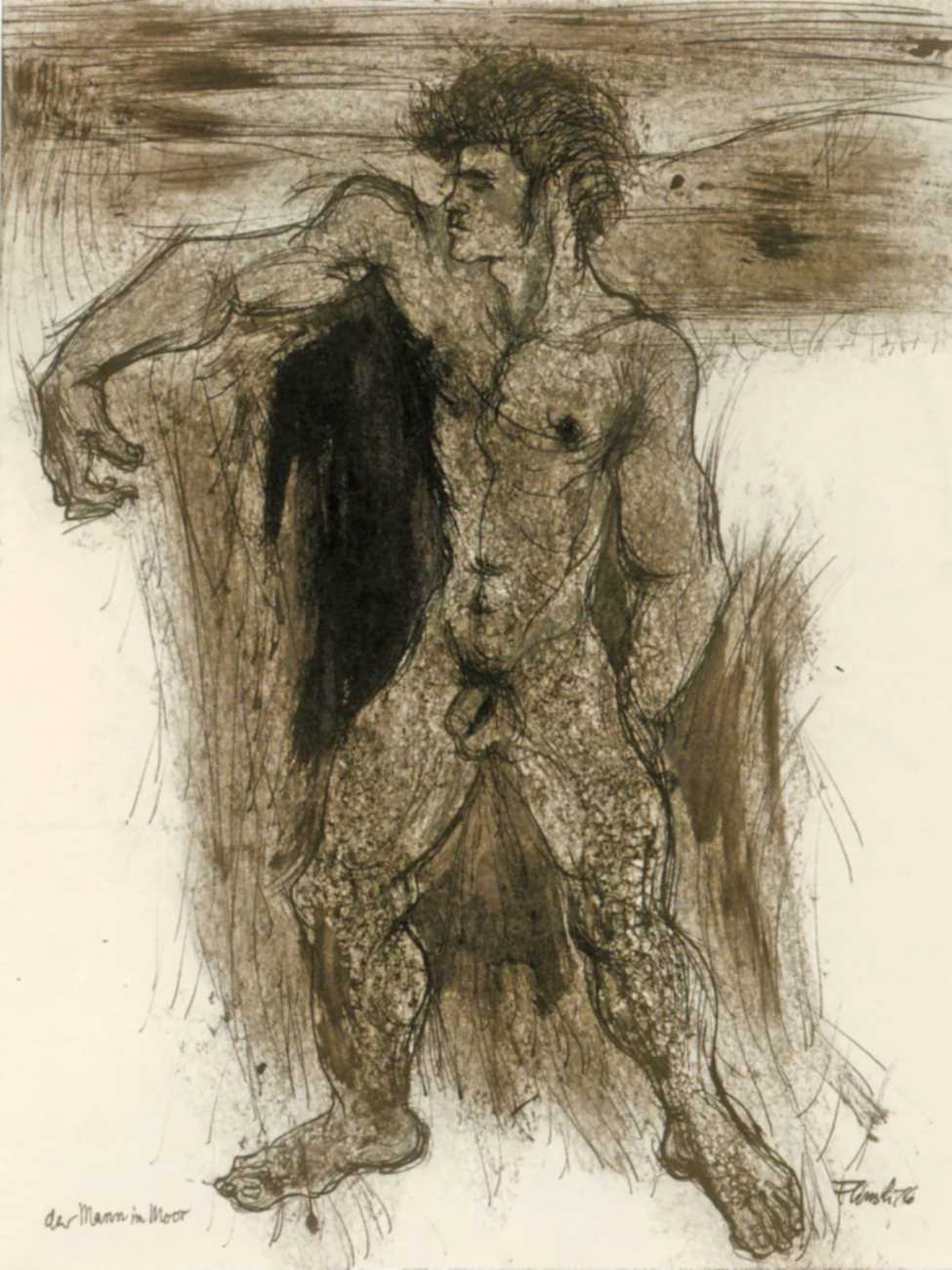
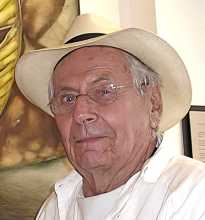
 Peter Flinsch was born in Leipzig into a family in the banking and paper industry business. They were art lovers and owned a fine collection of old Dutch masters and Italian renaissance paintings. His grandfather, Ulrich Thieme, founded the renowned Thieme-Becker Dictionary of Artists. During the thirties Peter was educated at private boarding schools with a humanist and liberal tradition. He was introduced to art and theatre and travelled extensively in Italy, Austria and France.
During the dramatic period when the National Socialist Party assumed power he, like all his classmates, was obliged to become a member of the Hitler Youth Movement. In 1938, before he was able to pursue his higher education, he was drafted into compulsory military service with the anti-aircraft artillery of the Luftwaffe. With the outbreak of the second world war his first posting was in Berlin. He was later assigned to various war zones in France, North Africa and Russia, and finally to Hungary, where he received a wound that put him out of action.
In 1942 he was accused of being a homosexual and was forced to admit it. He was court-martialled, demoted, sentenced to prison, and later served in a disciplinary unit engaged in mine clearance. By a strange twist of fate this may have saved his life, as his old unit was later sent to Stalingrad, from where few of his comrades returned.
After the collapse of Germany in 1945 he managed to find his way back to his home town, which was under Soviet occupation, and started to work as a theatrical designer. Among his assignments were monumental portraits of Karl Marx and other heroes of the communist hierarchy. In the winter of 1945 he went to Berlin, where despite all the hardships and ravages of war he experienced the exuberance that followed the cessation of hostilities and its new-found freedom. He continued his theatrical design, and also took on work as an illustrator and caricaturist for periodicals.
In 1950 Flinsch moved to Paris, a city he had known before the war, and whose ambiance he had always loved. In 1951 he was hired by Air France in Munich, where he designed publicity displays and worked in public relations. Two years later he moved to the west coast of Canada, where he was reunited with his close friend Heino Heiden, a dancer and choreographer; together they founded the Vancouver Ballet, for whom he designed costumes and scenery.
When he was 35, already armed with a strong and impressive background in design, he settled in Montreal where he joined the newly formed television services of Radio Canada as a designer and art director. Over the following thirty years he worked on a great diversity of television programmes and created designs for children’s shows, operas, dramas, weekly series and variety shows. In 1981 the work he did on L’Espion aux yeux verts (The Spy with Green Eyes) by Bernard Clavel earned him the coveted Anik Award for best television design. During the course of his career he also worked on theatrical productions in Washington DC and Columbus, Ohio.
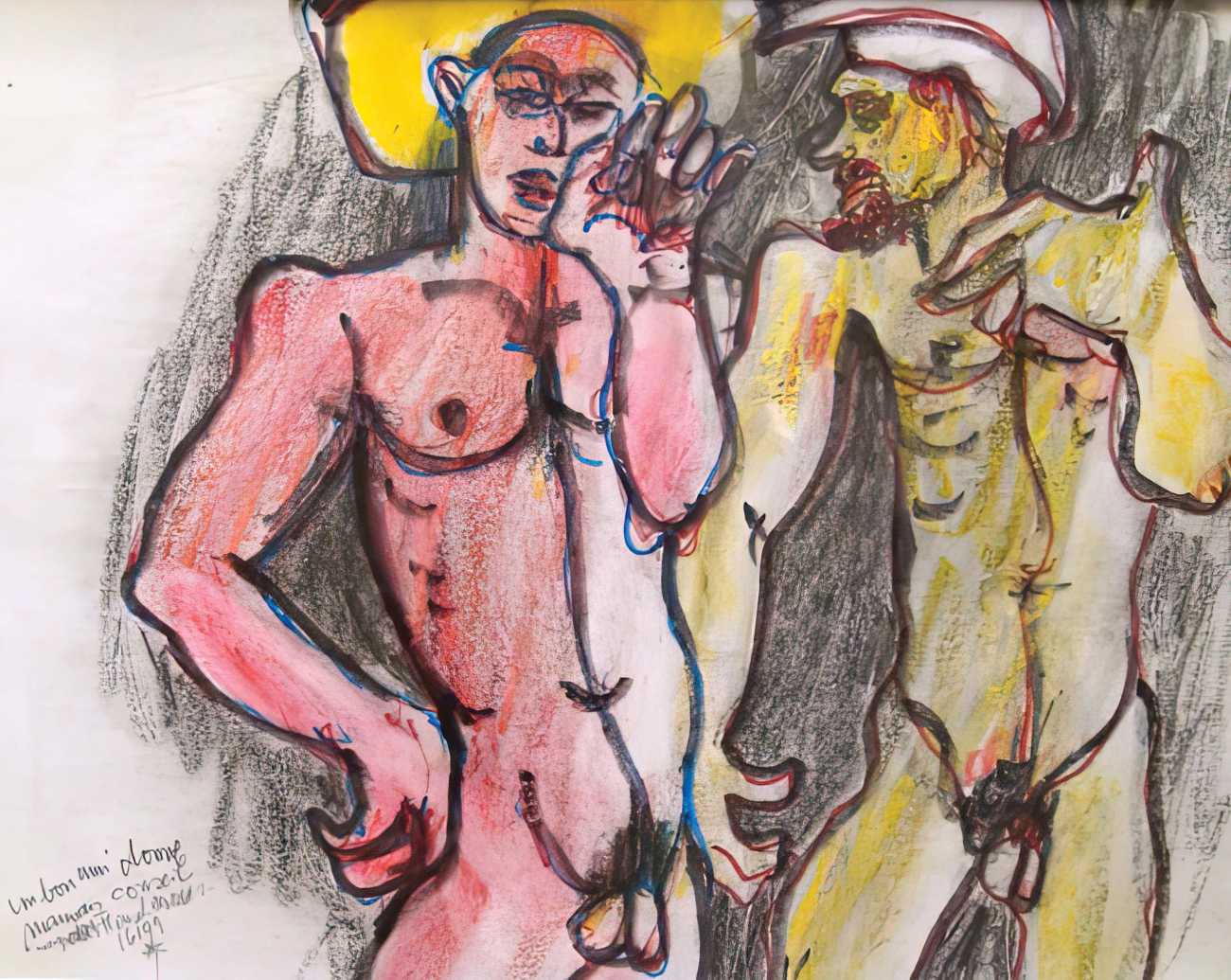
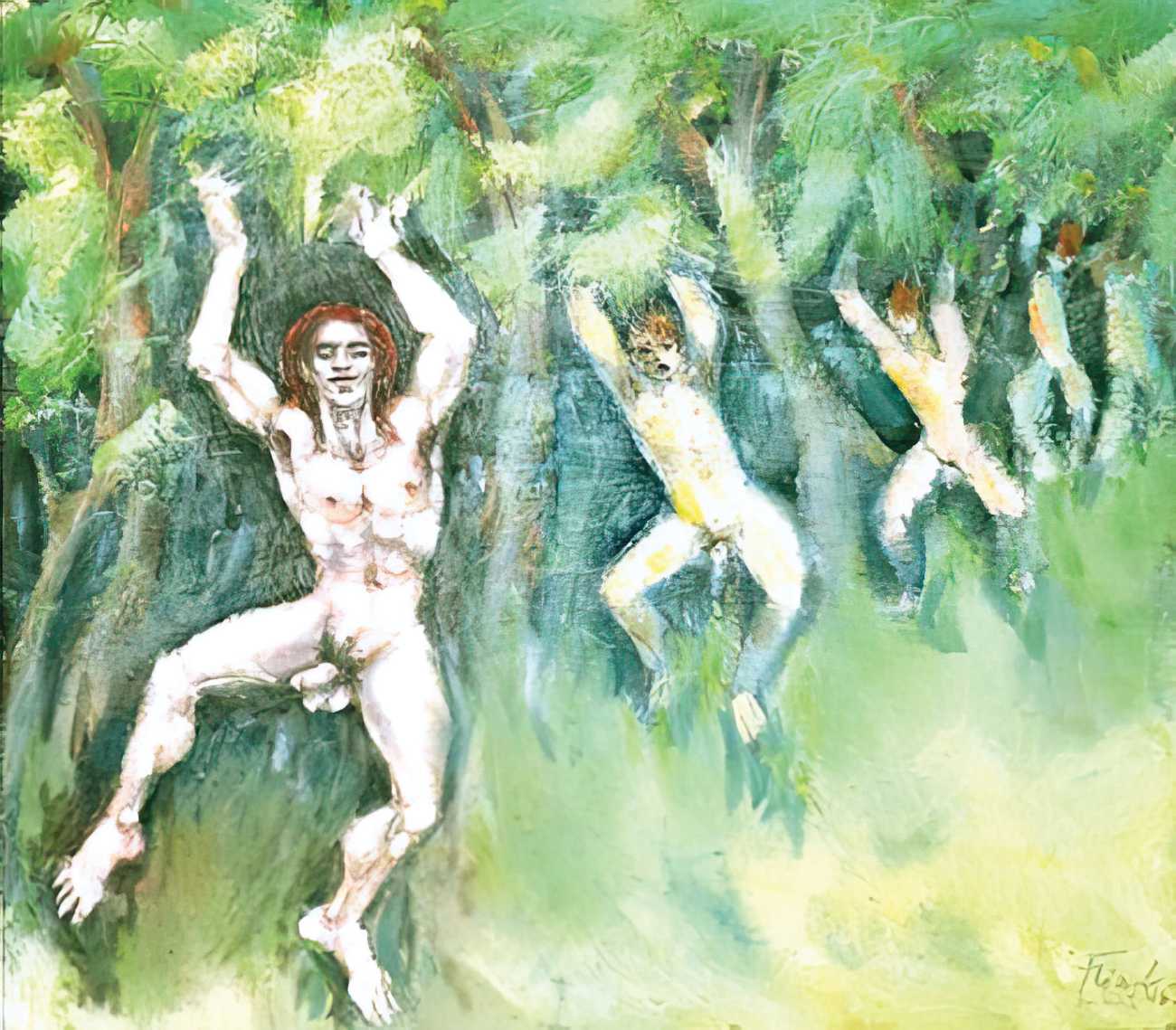
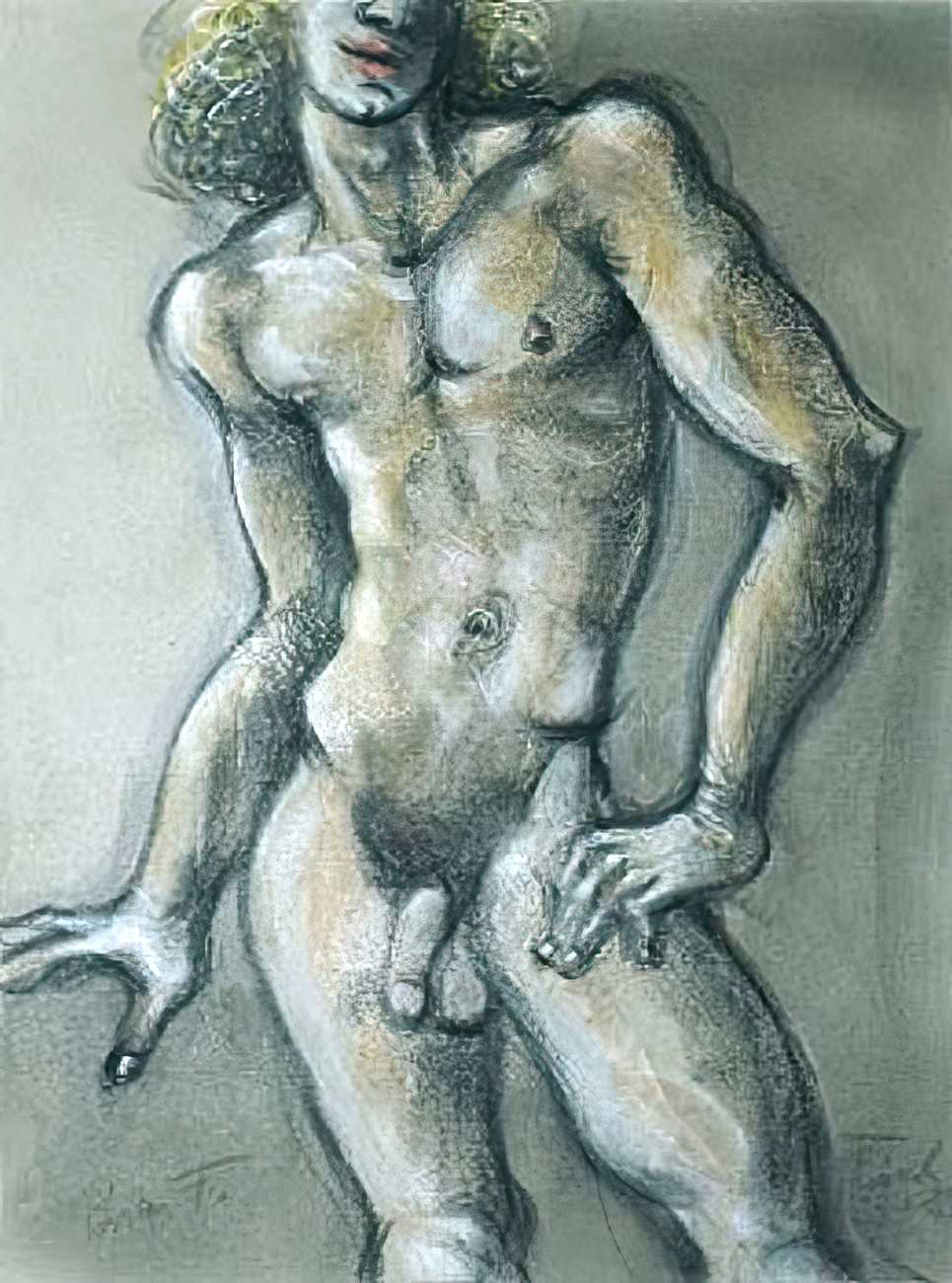
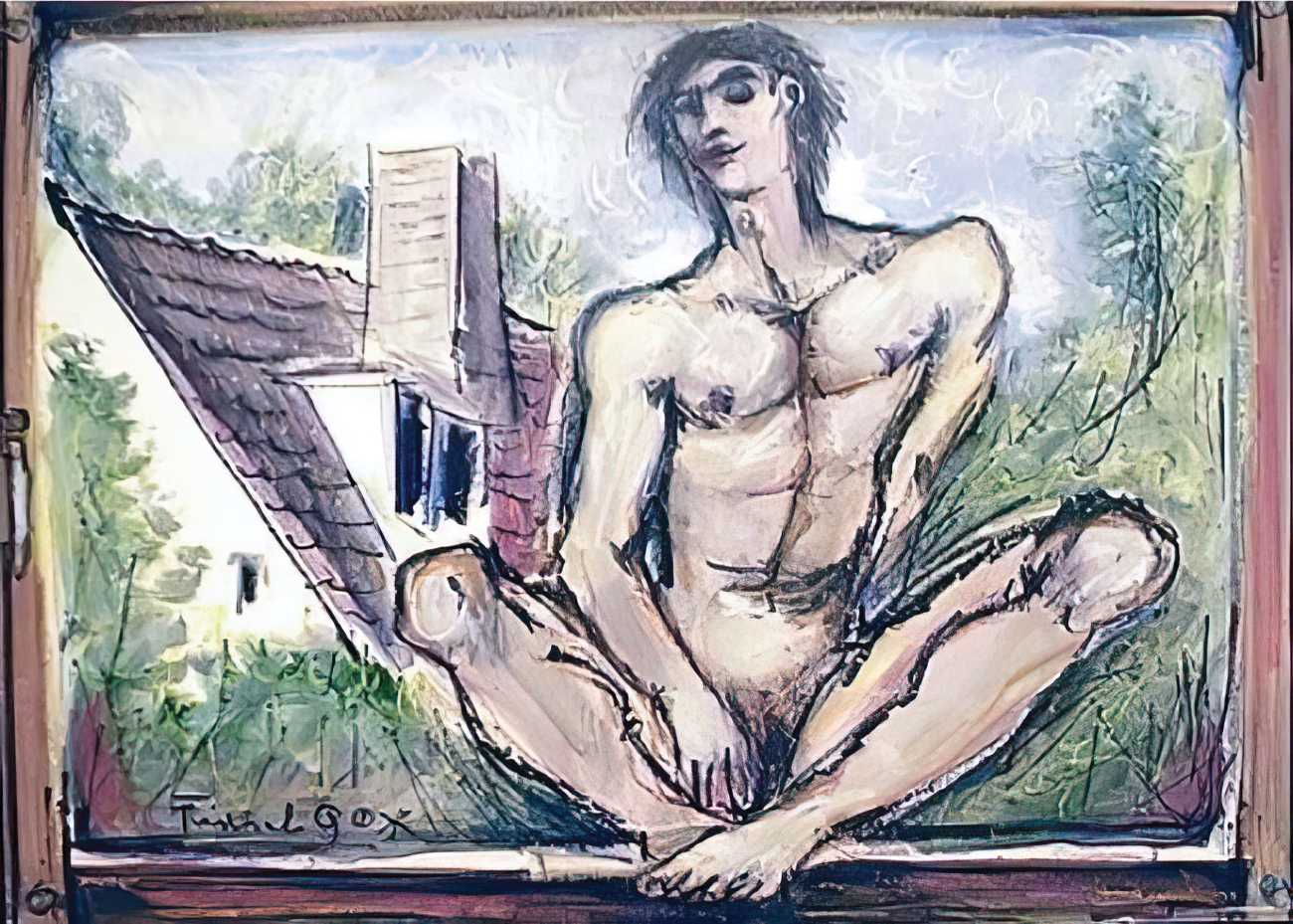
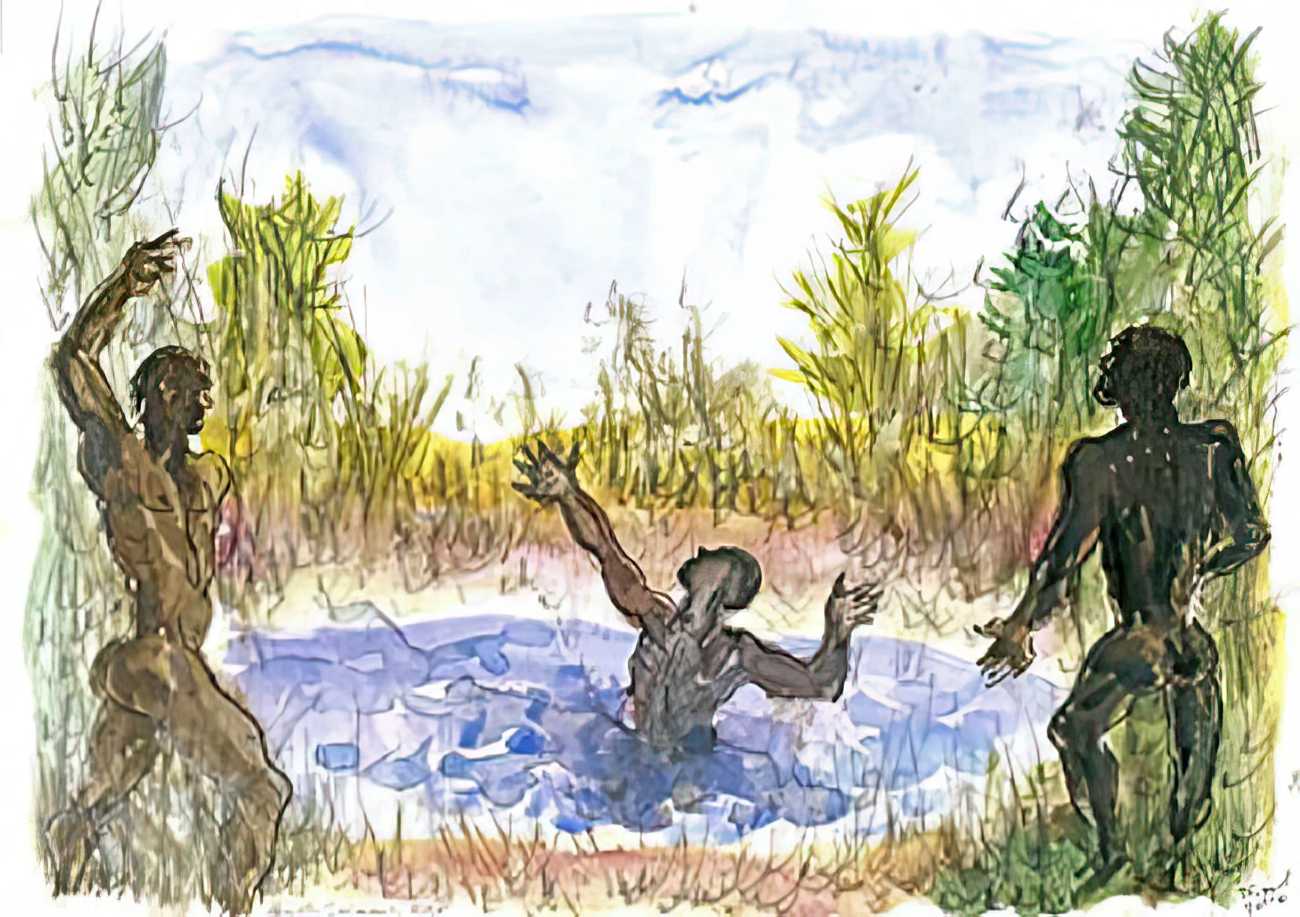
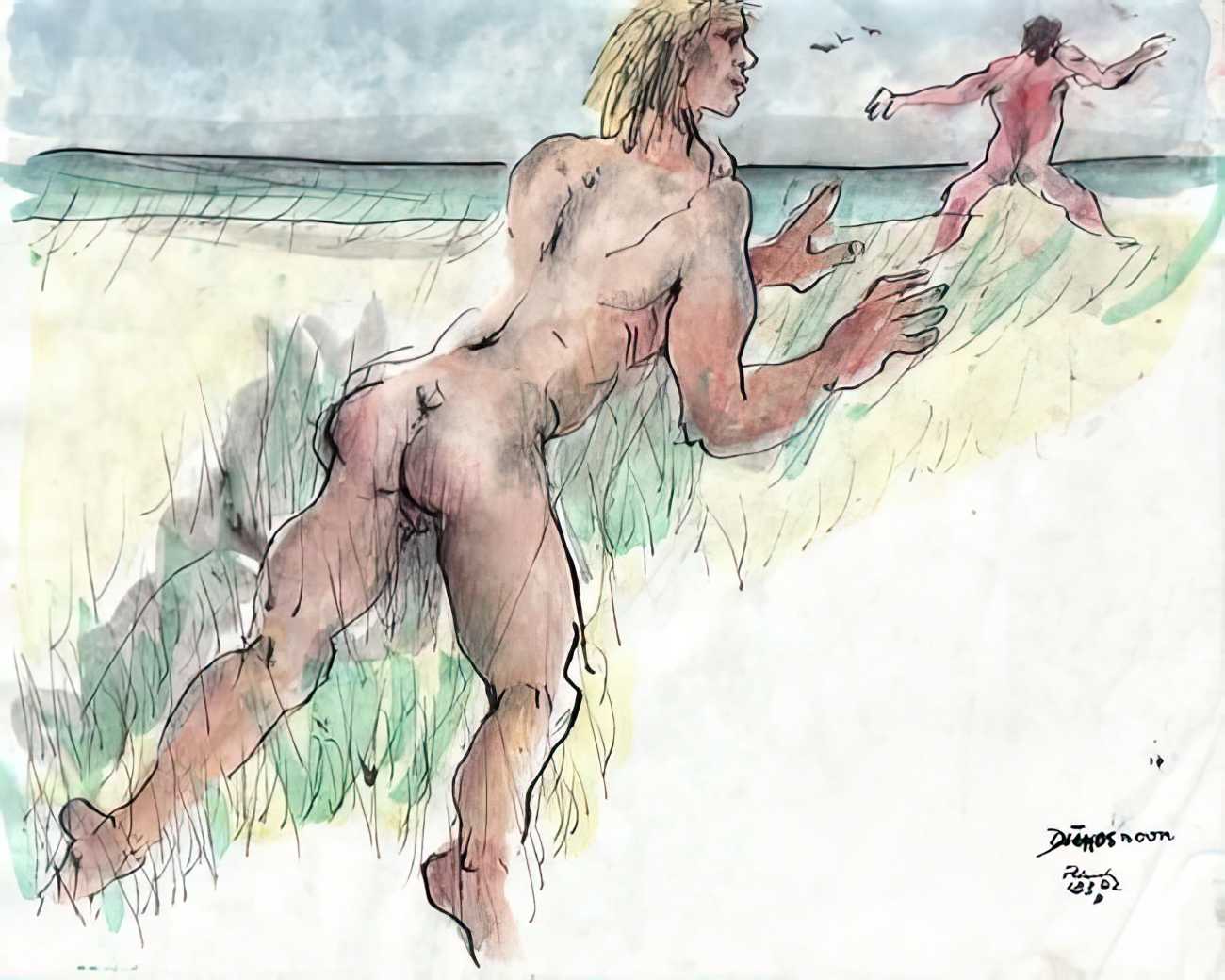
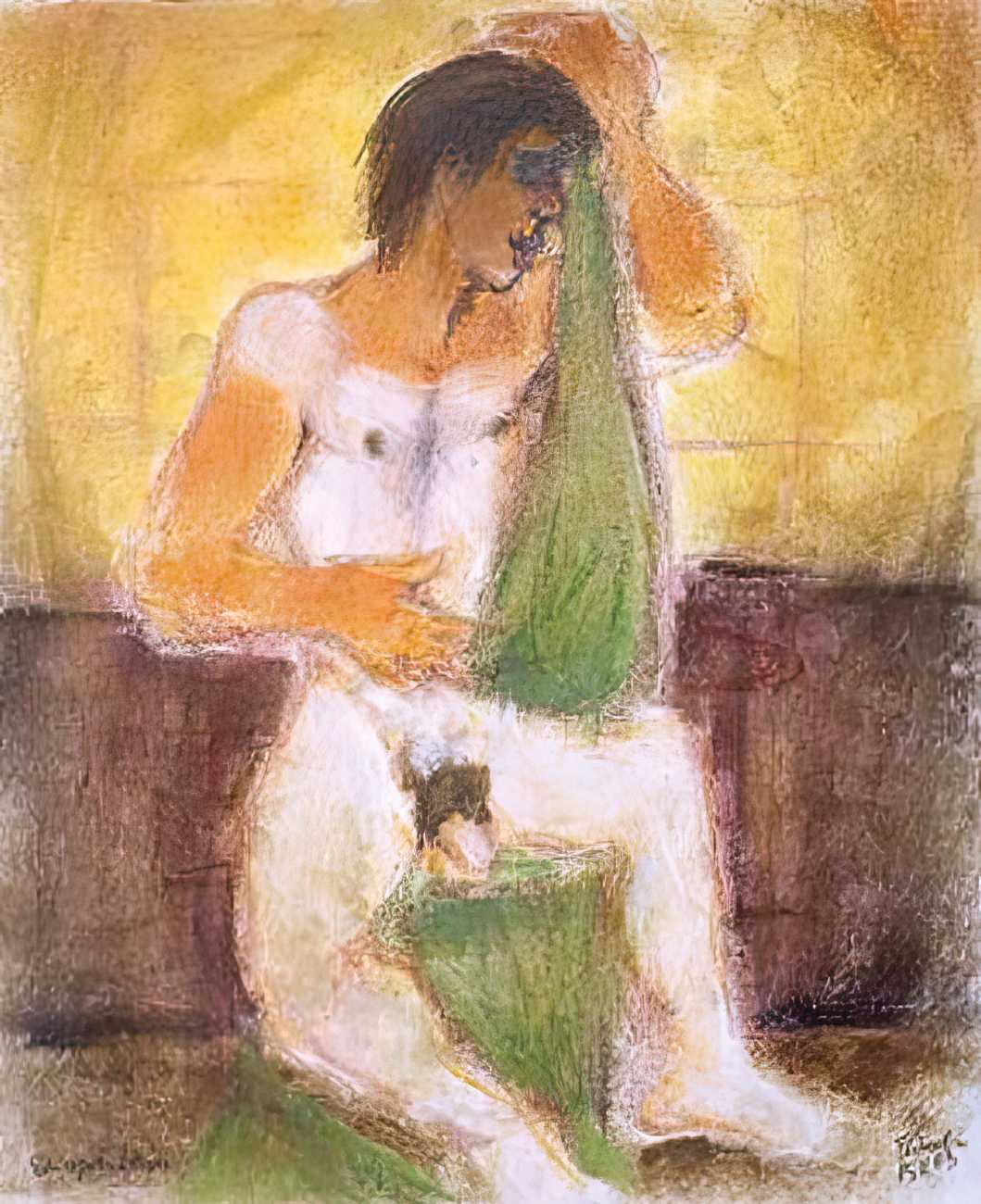
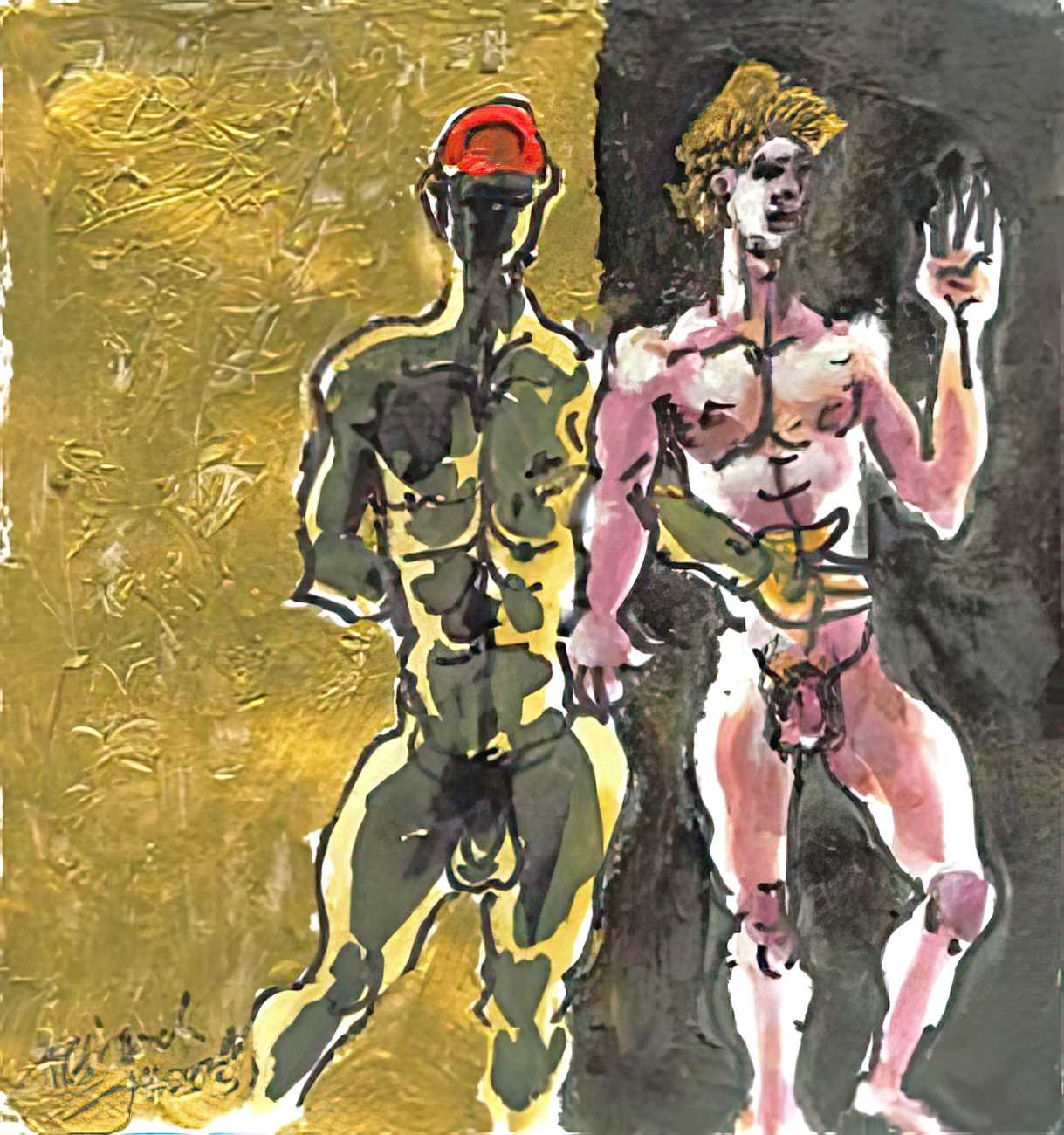
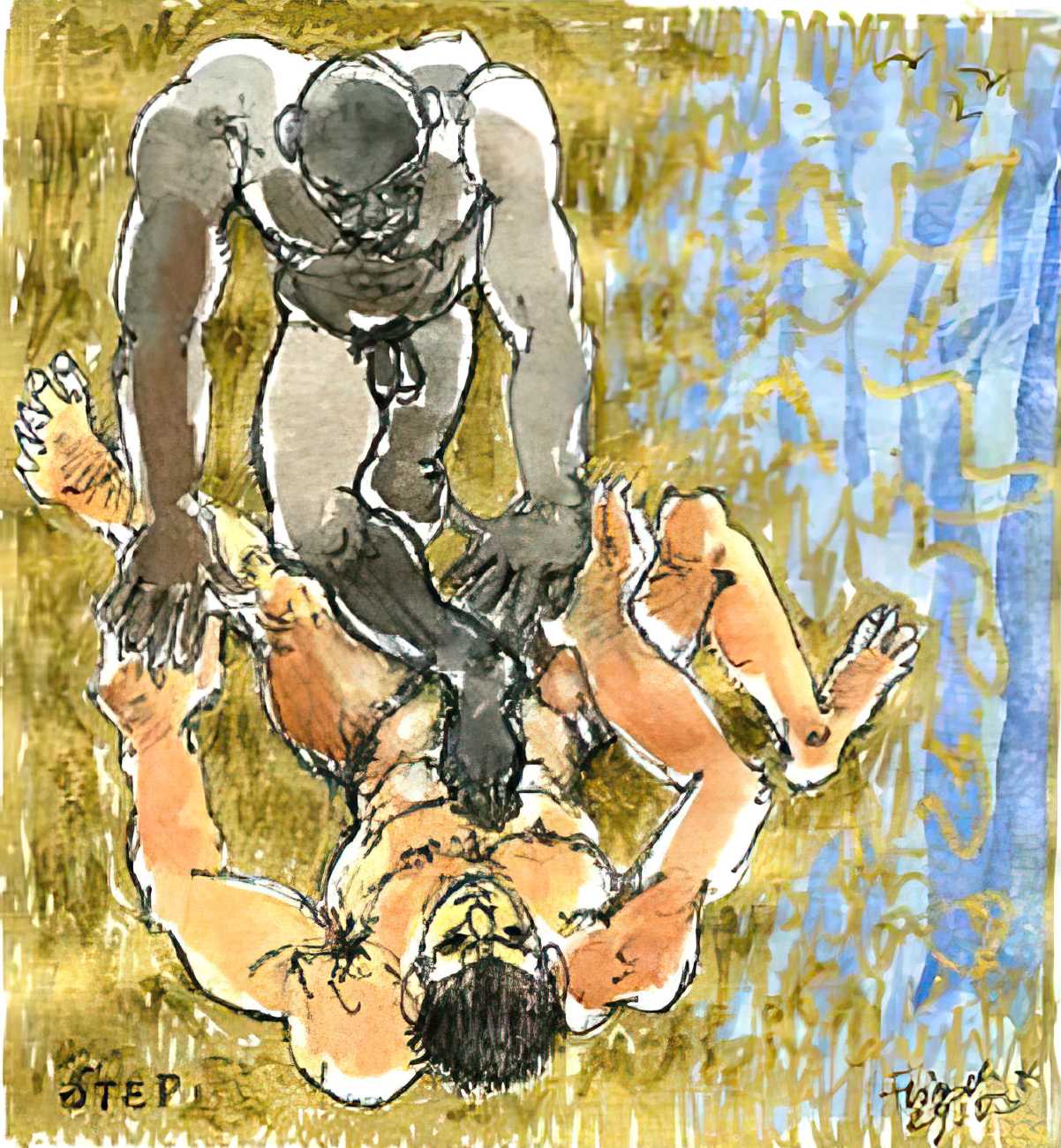
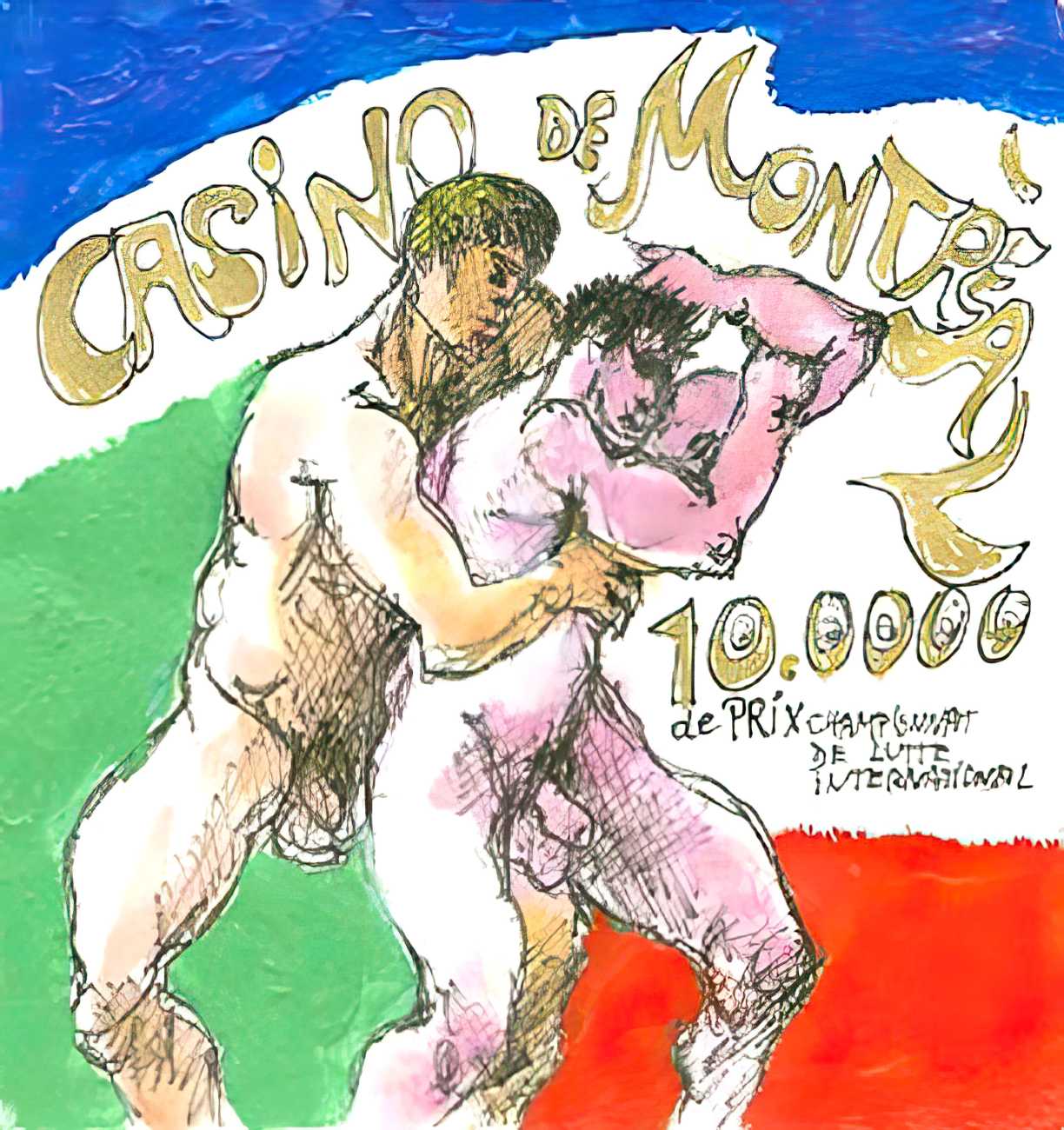
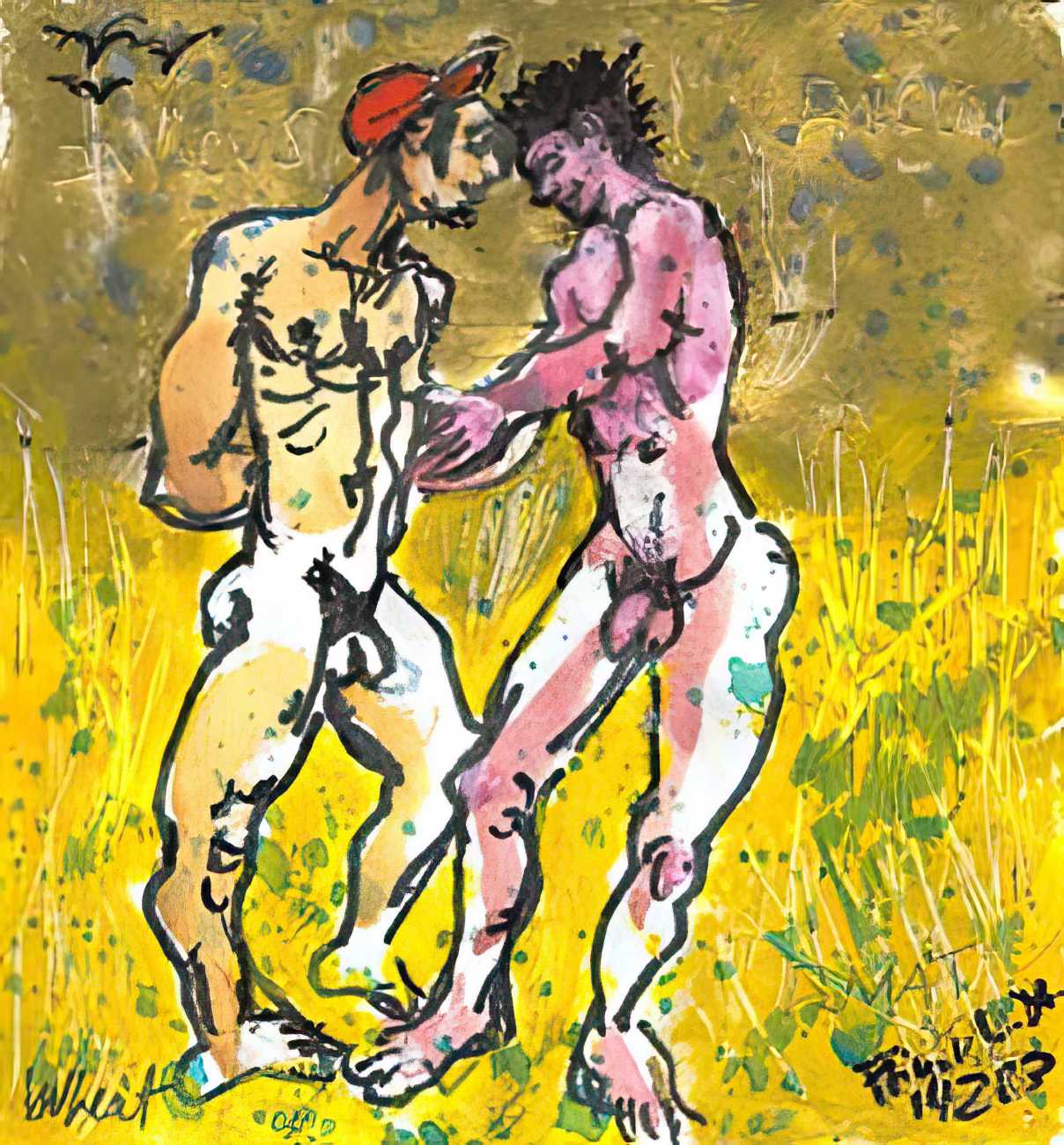
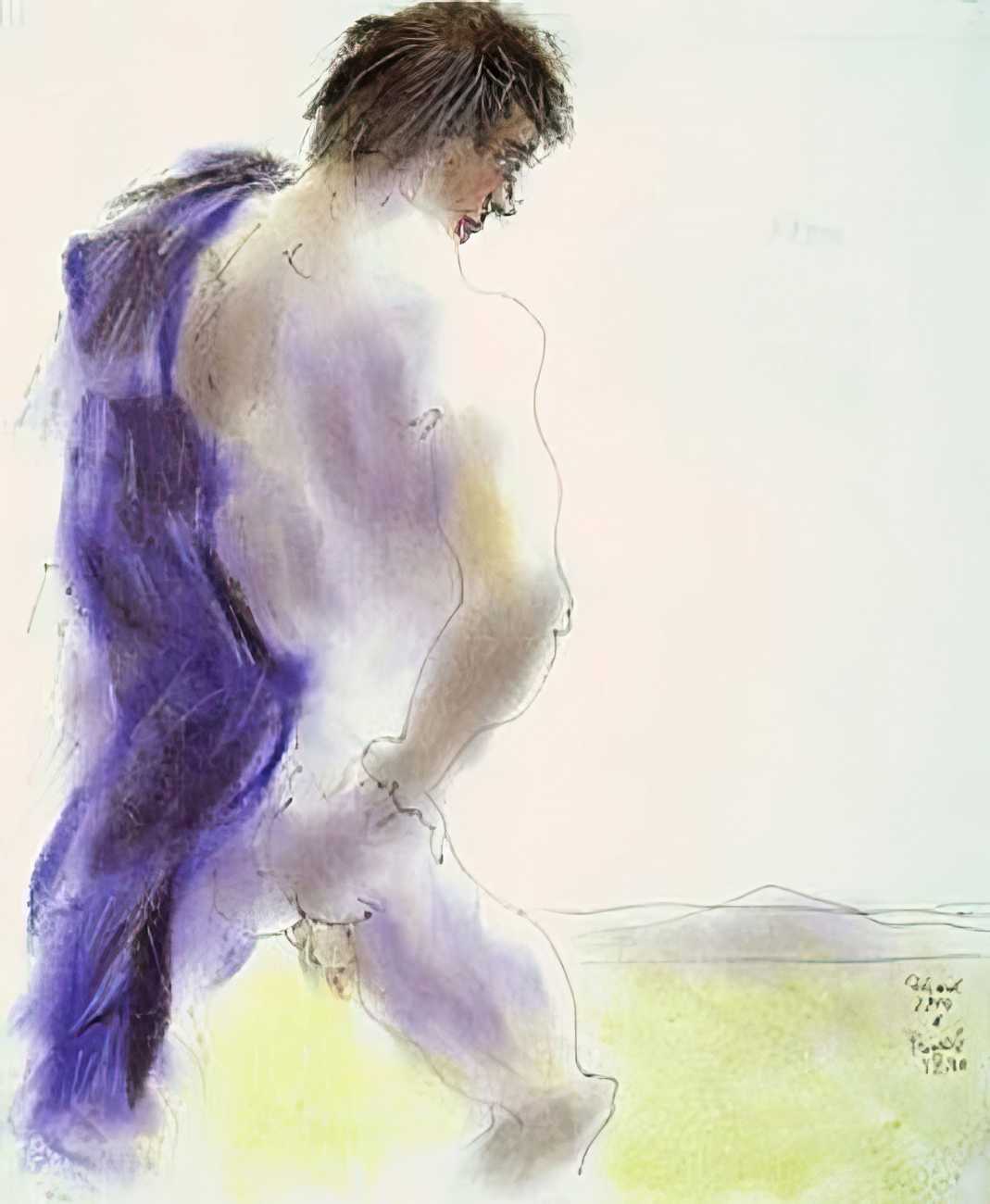
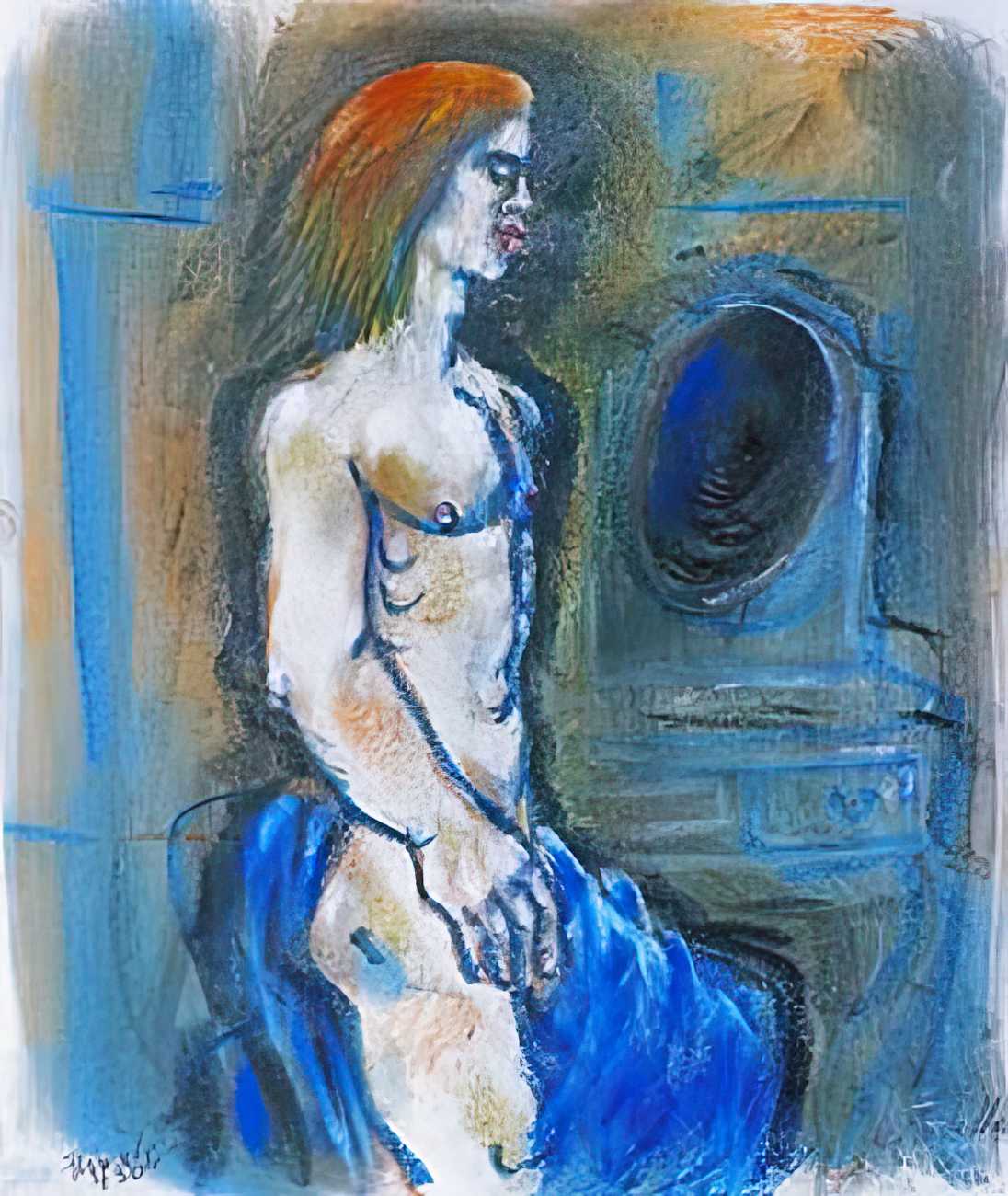
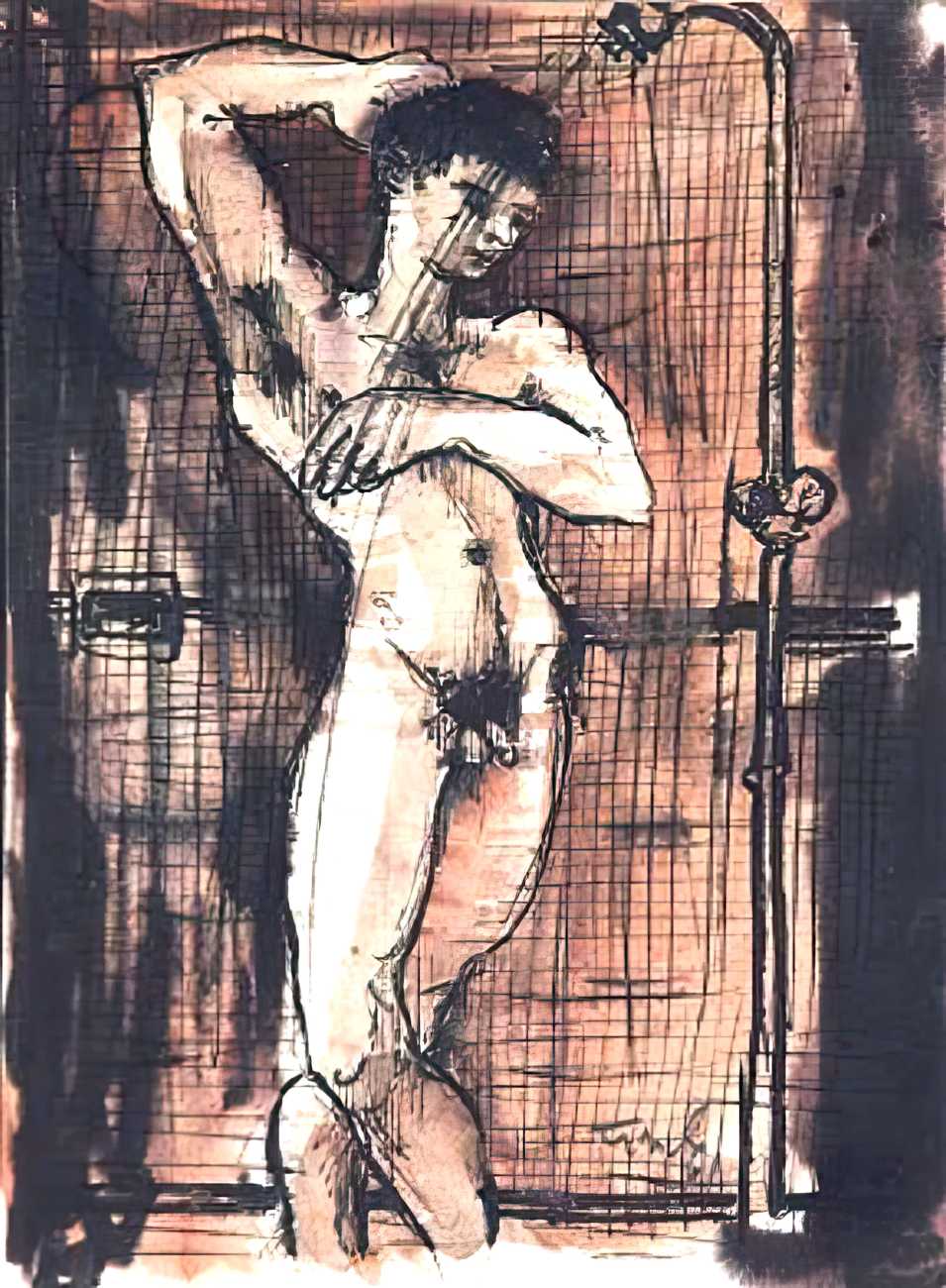
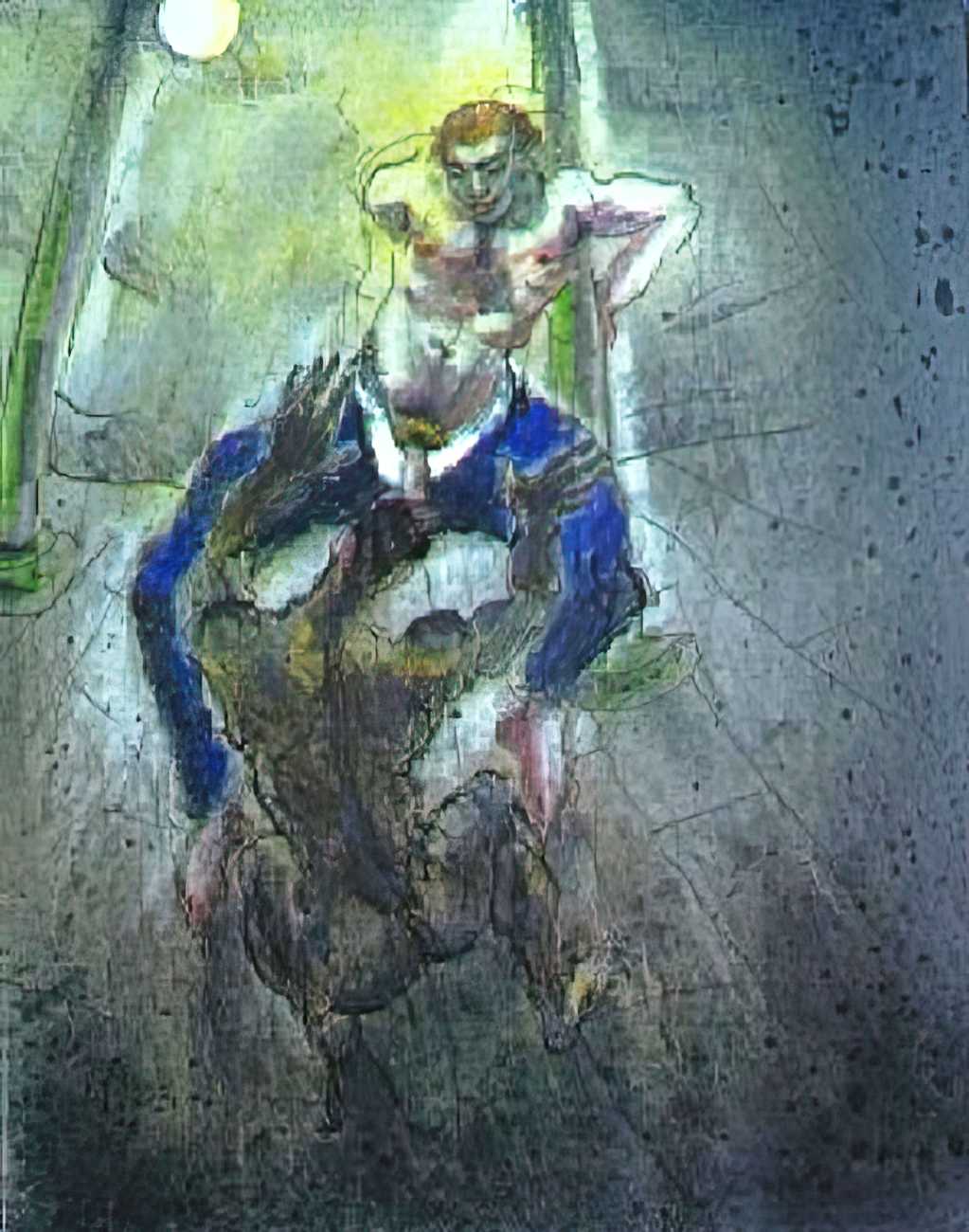
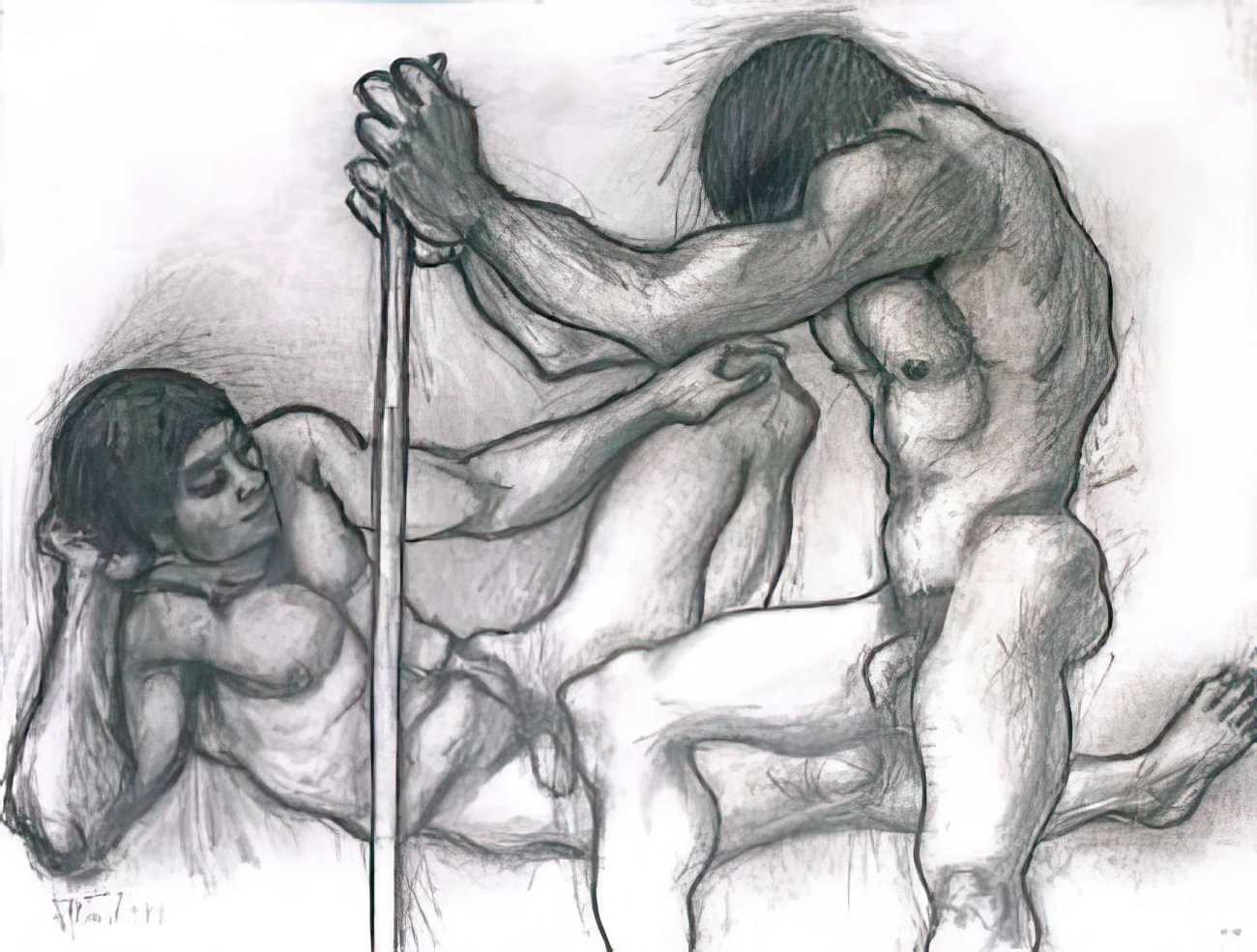
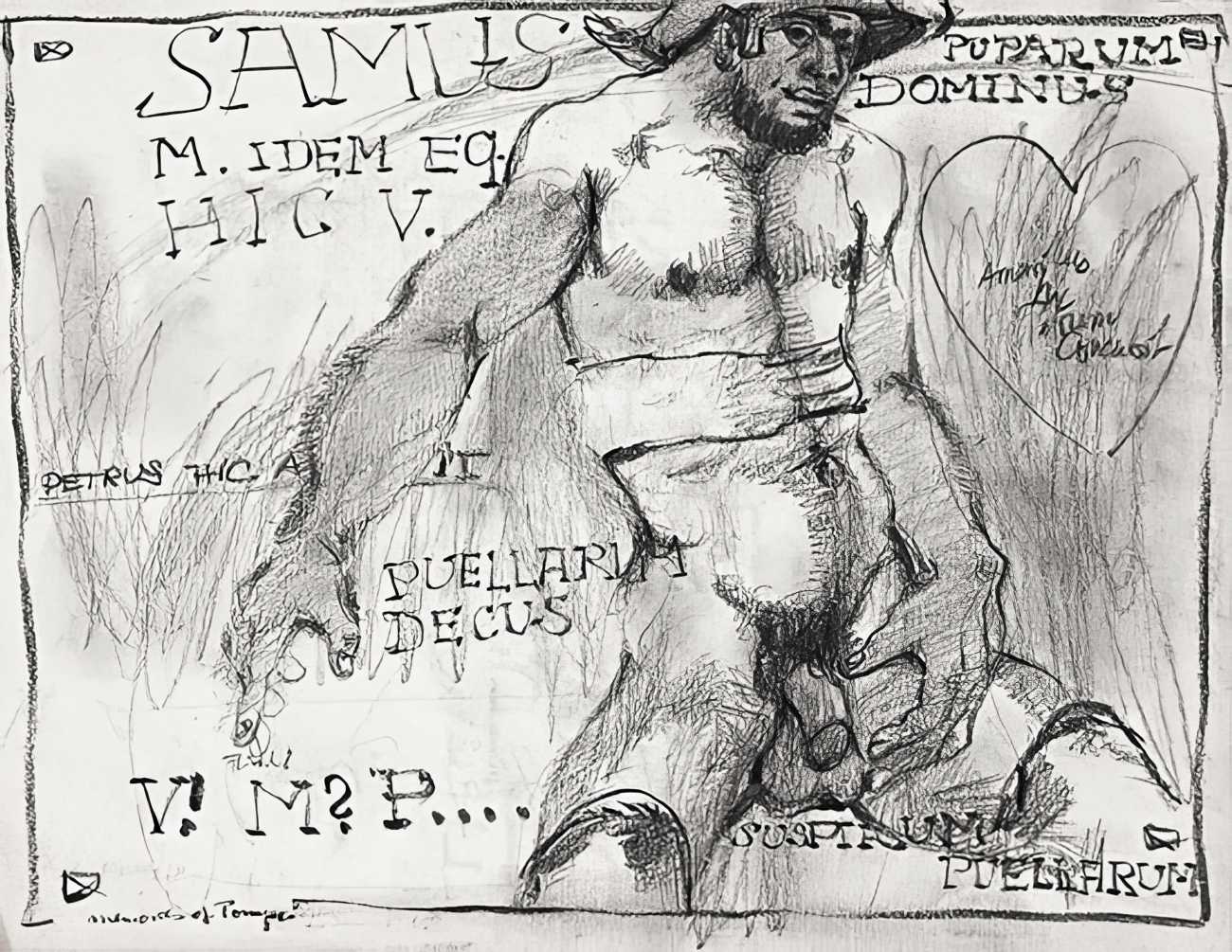
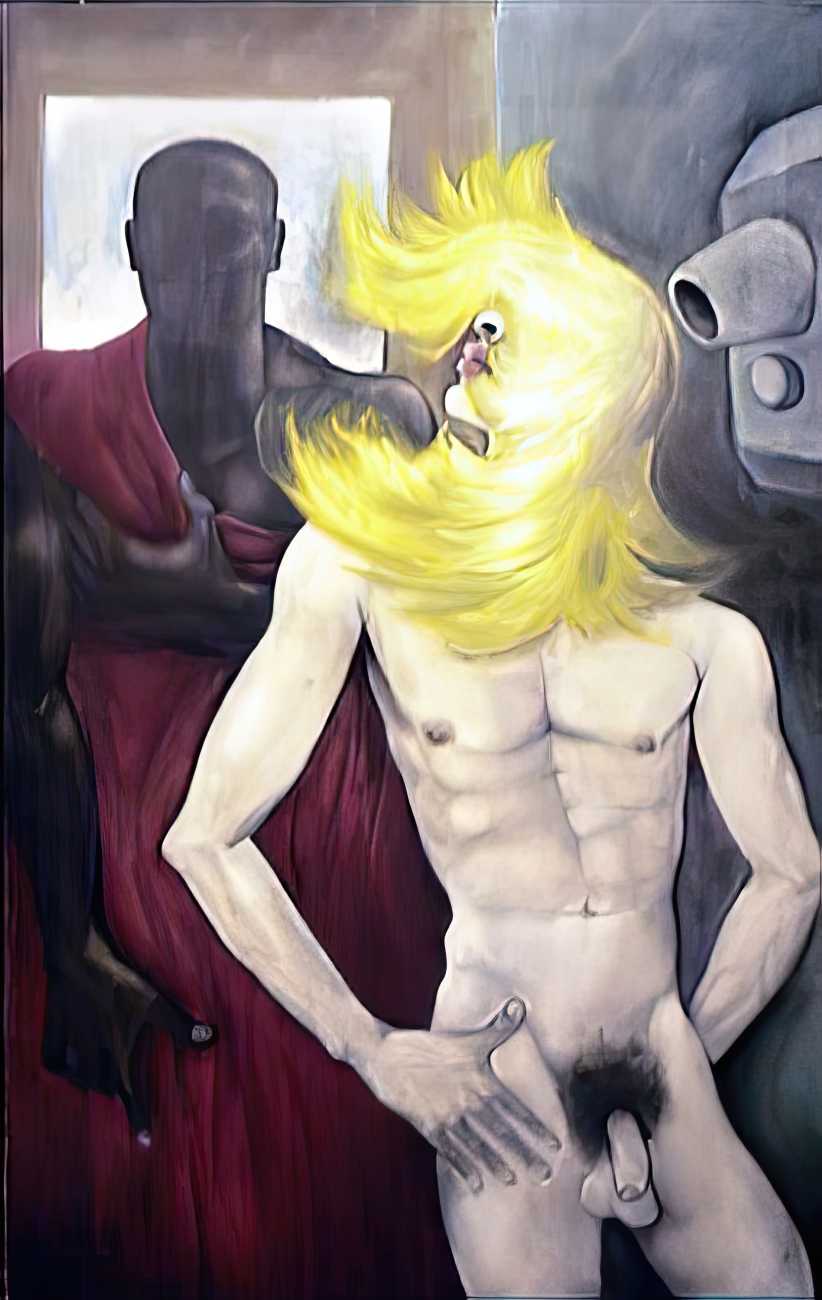
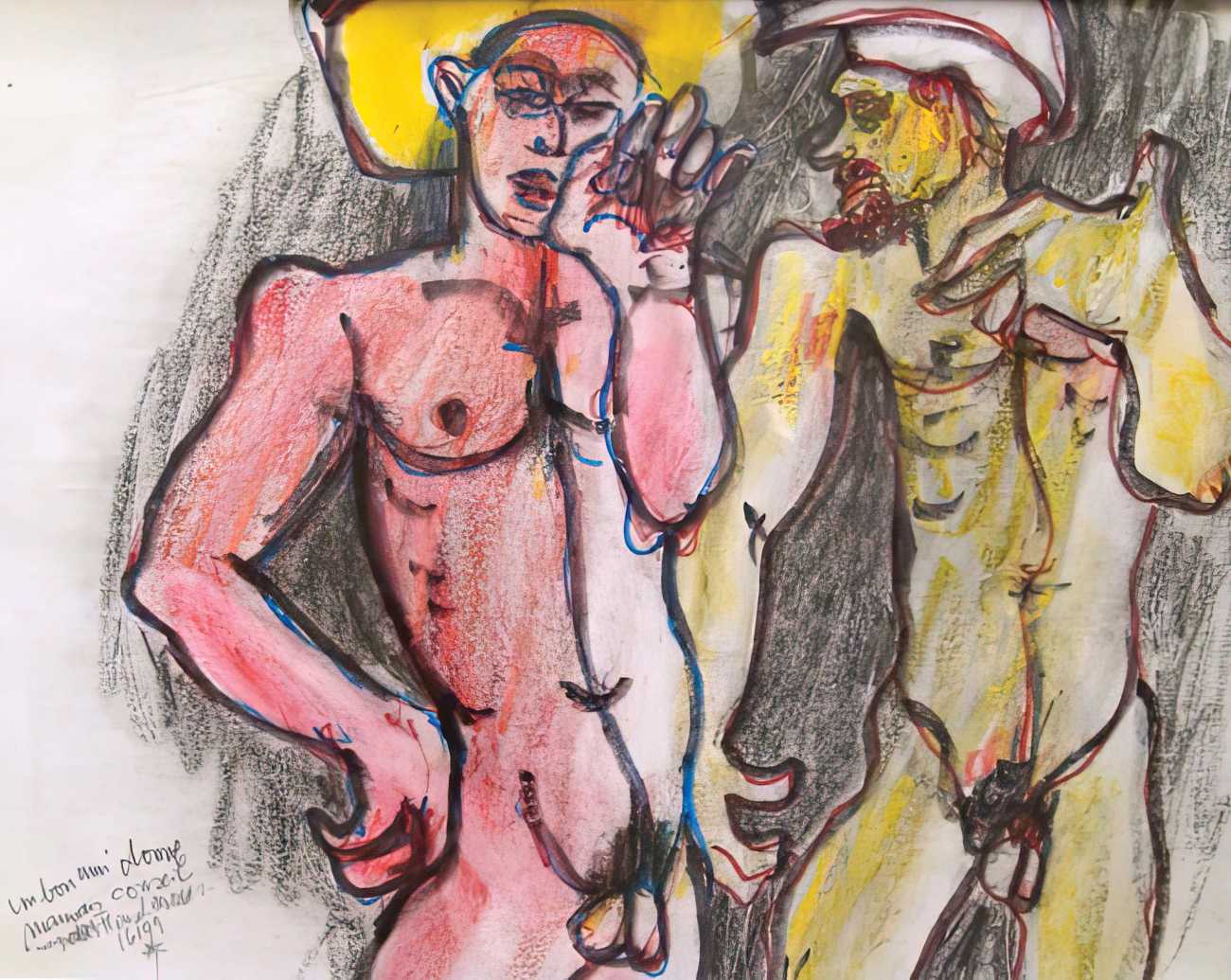
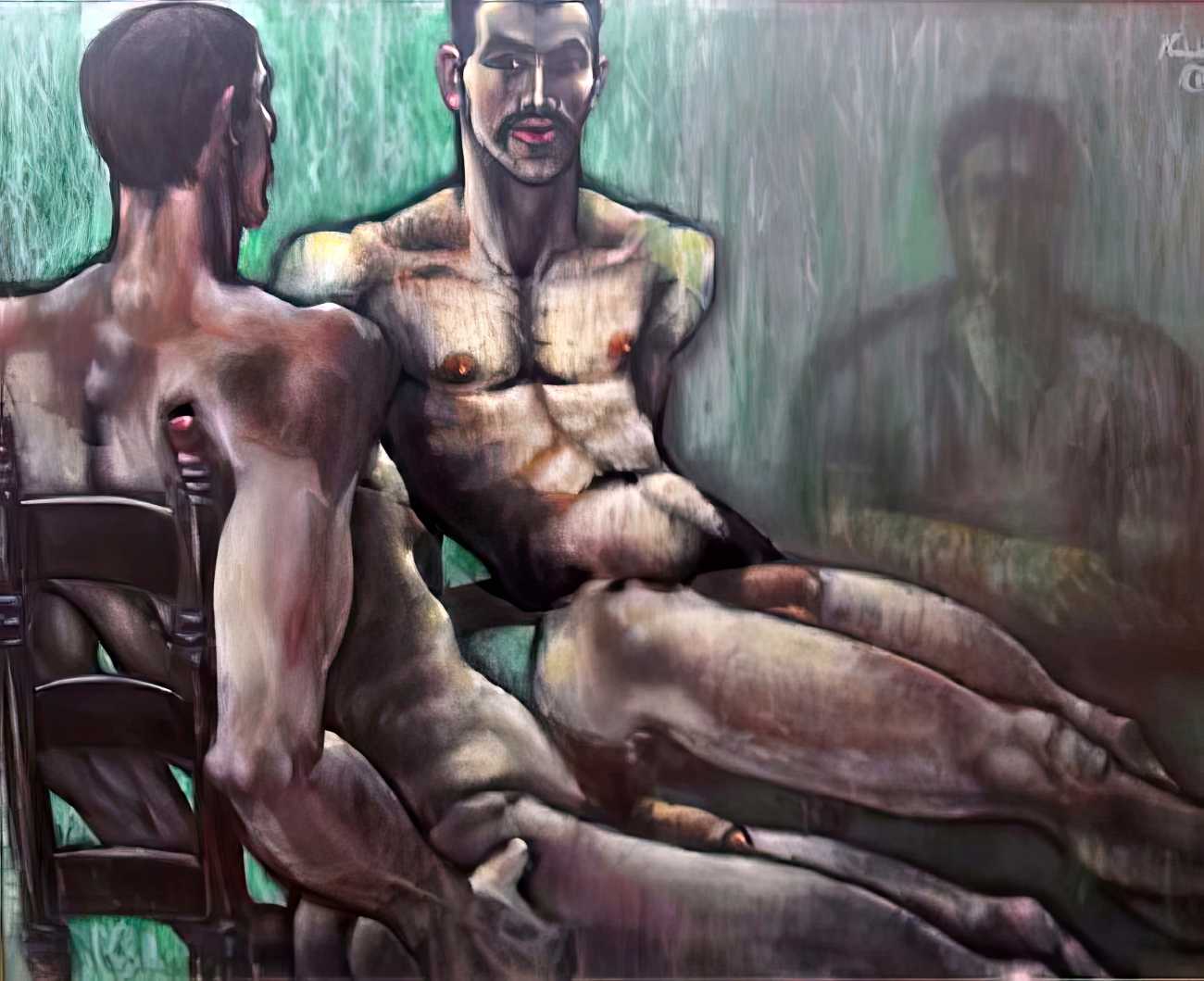
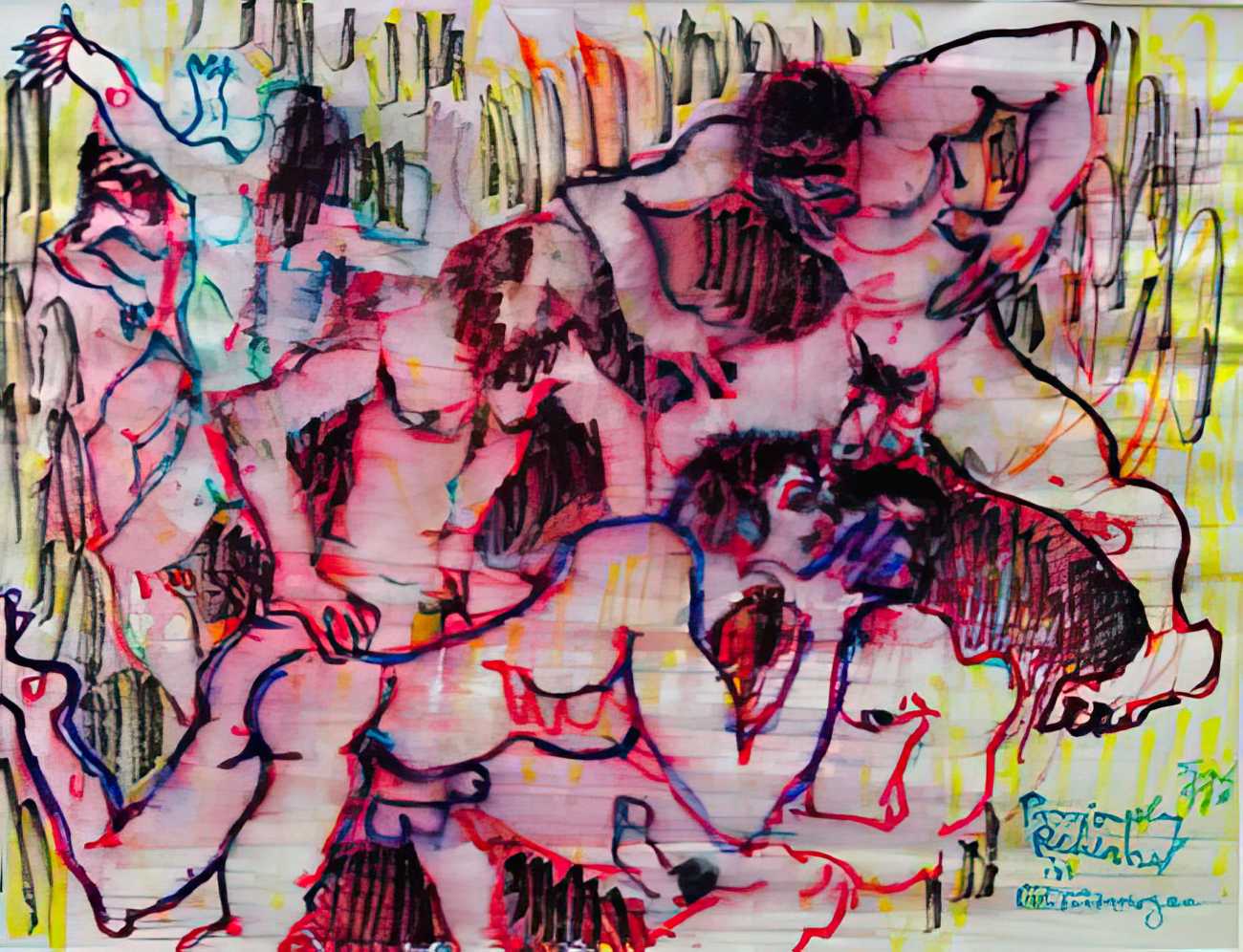
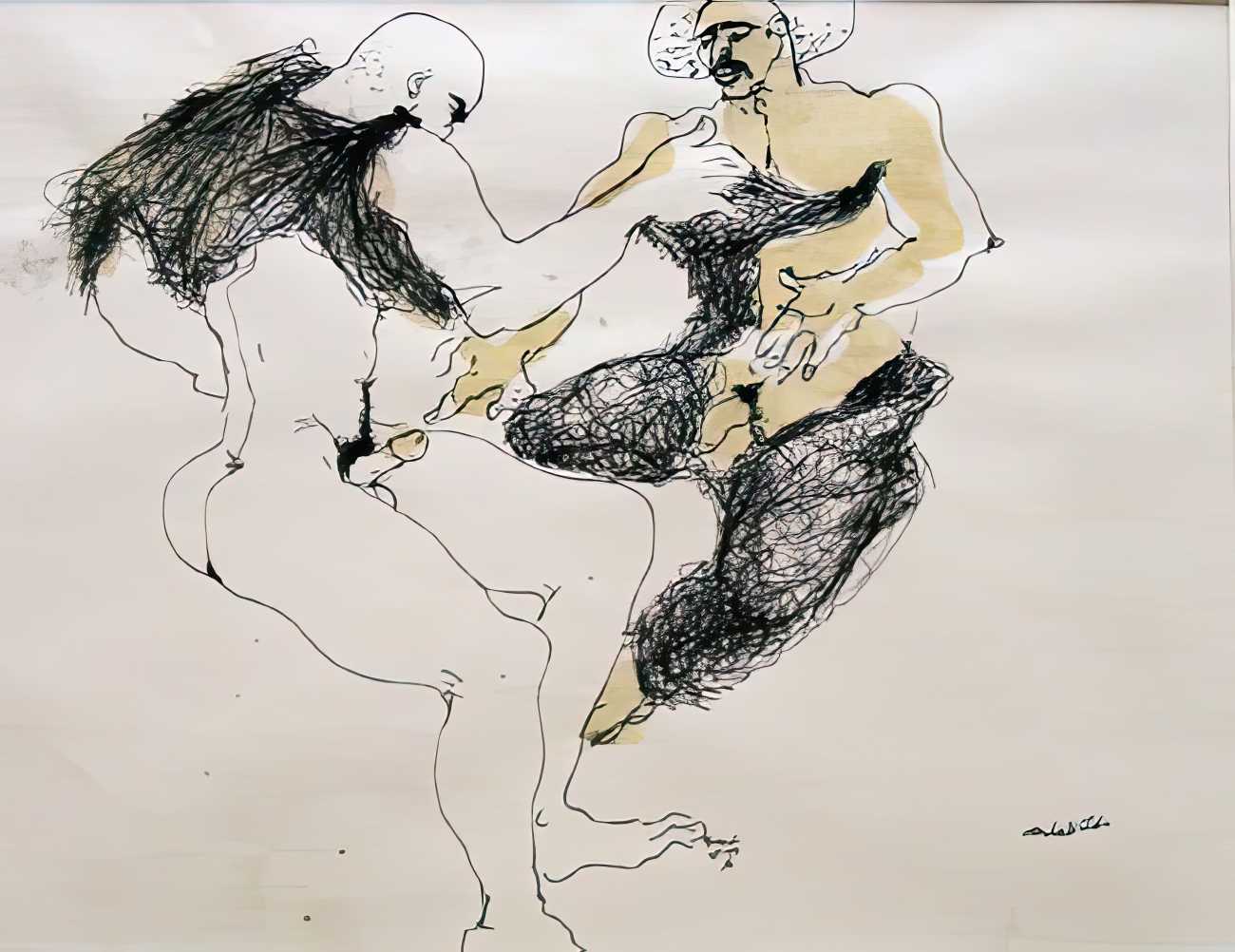
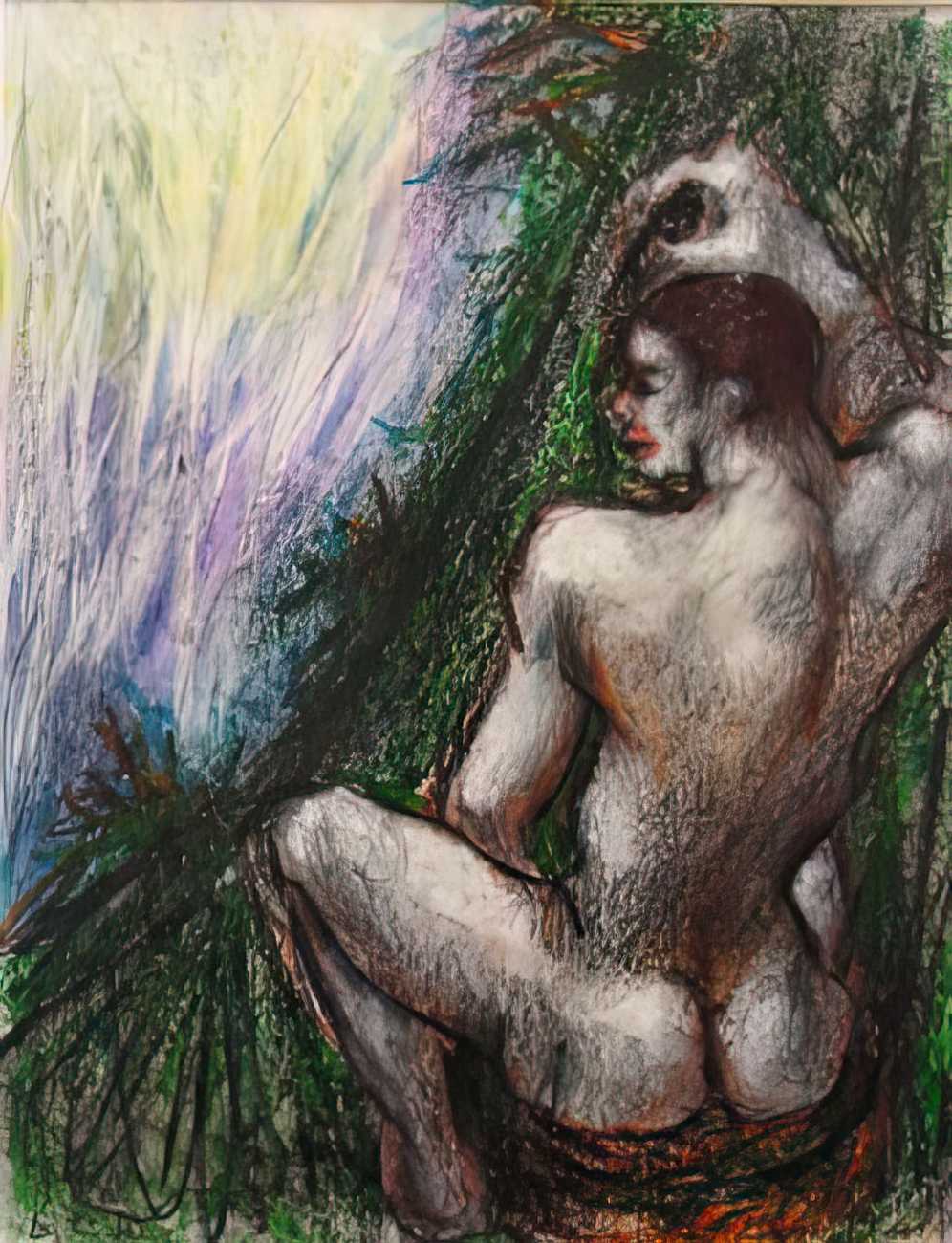
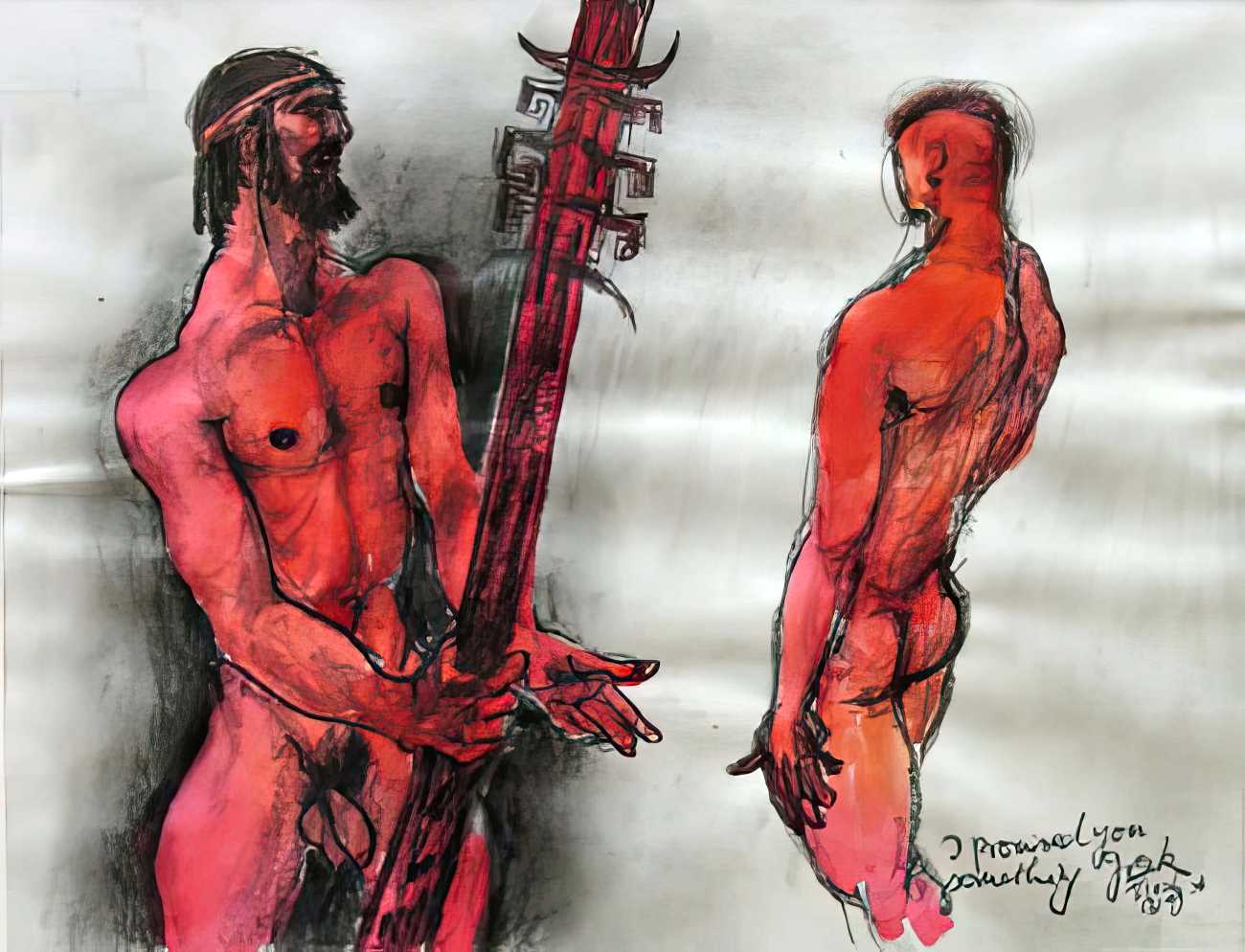
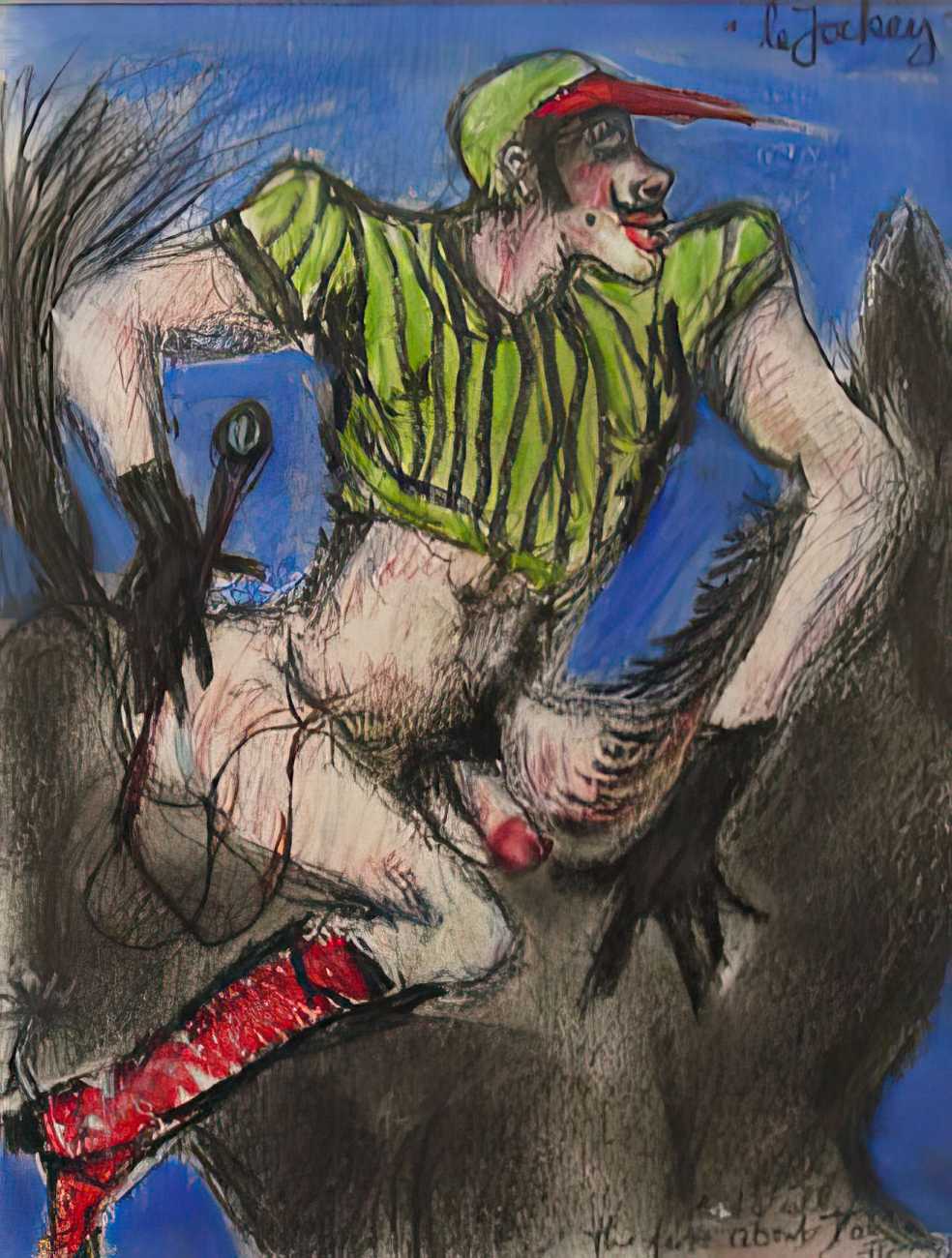
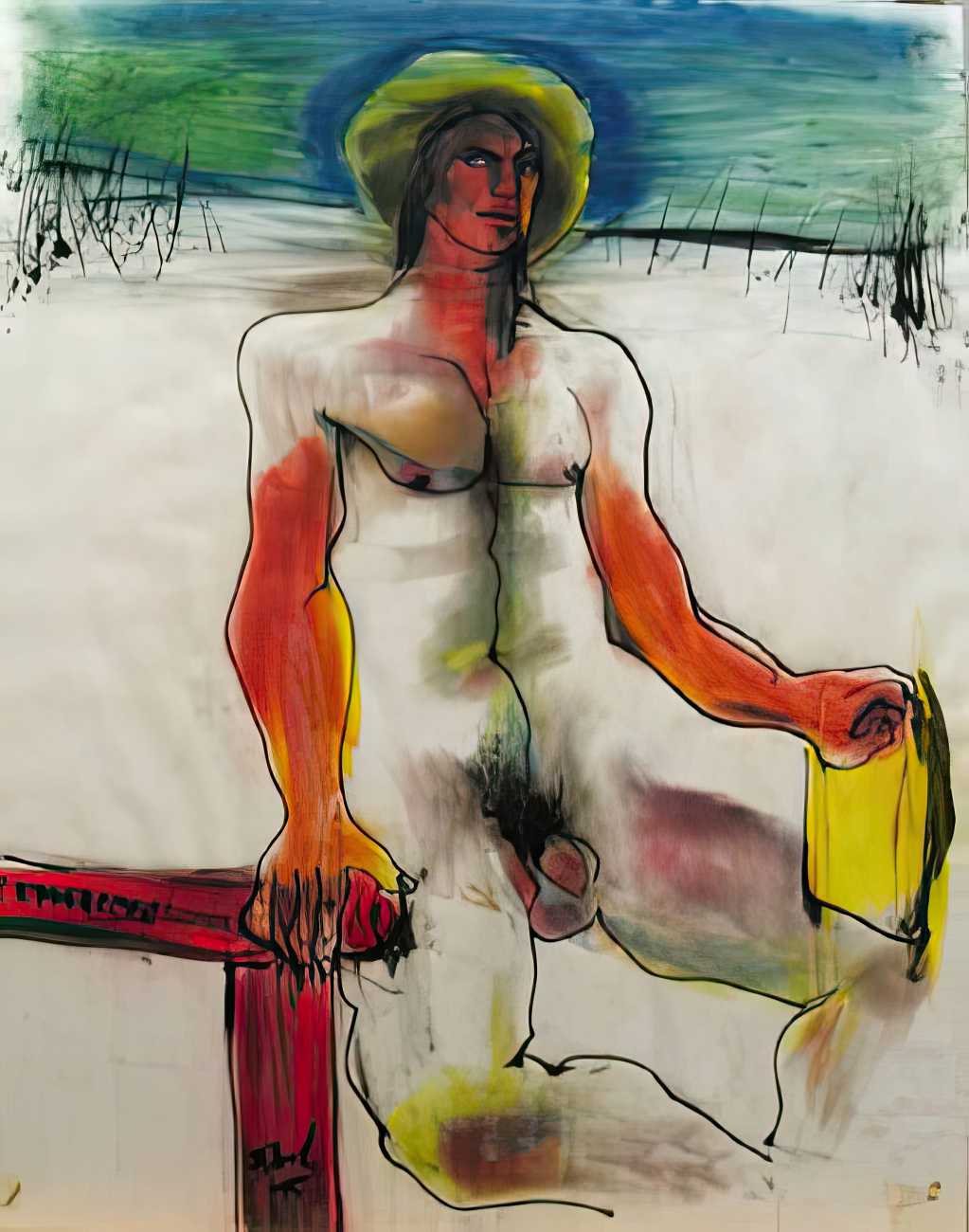
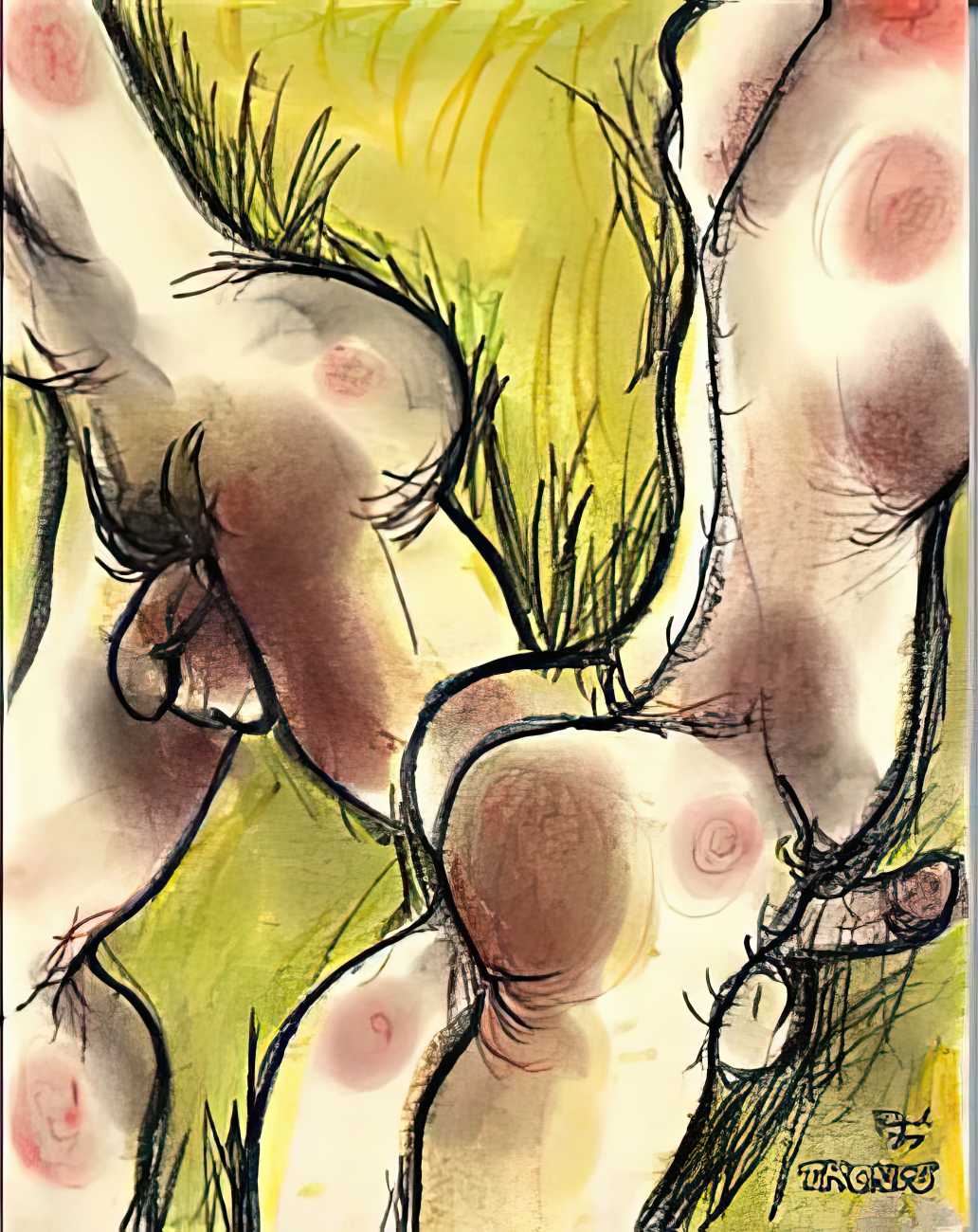
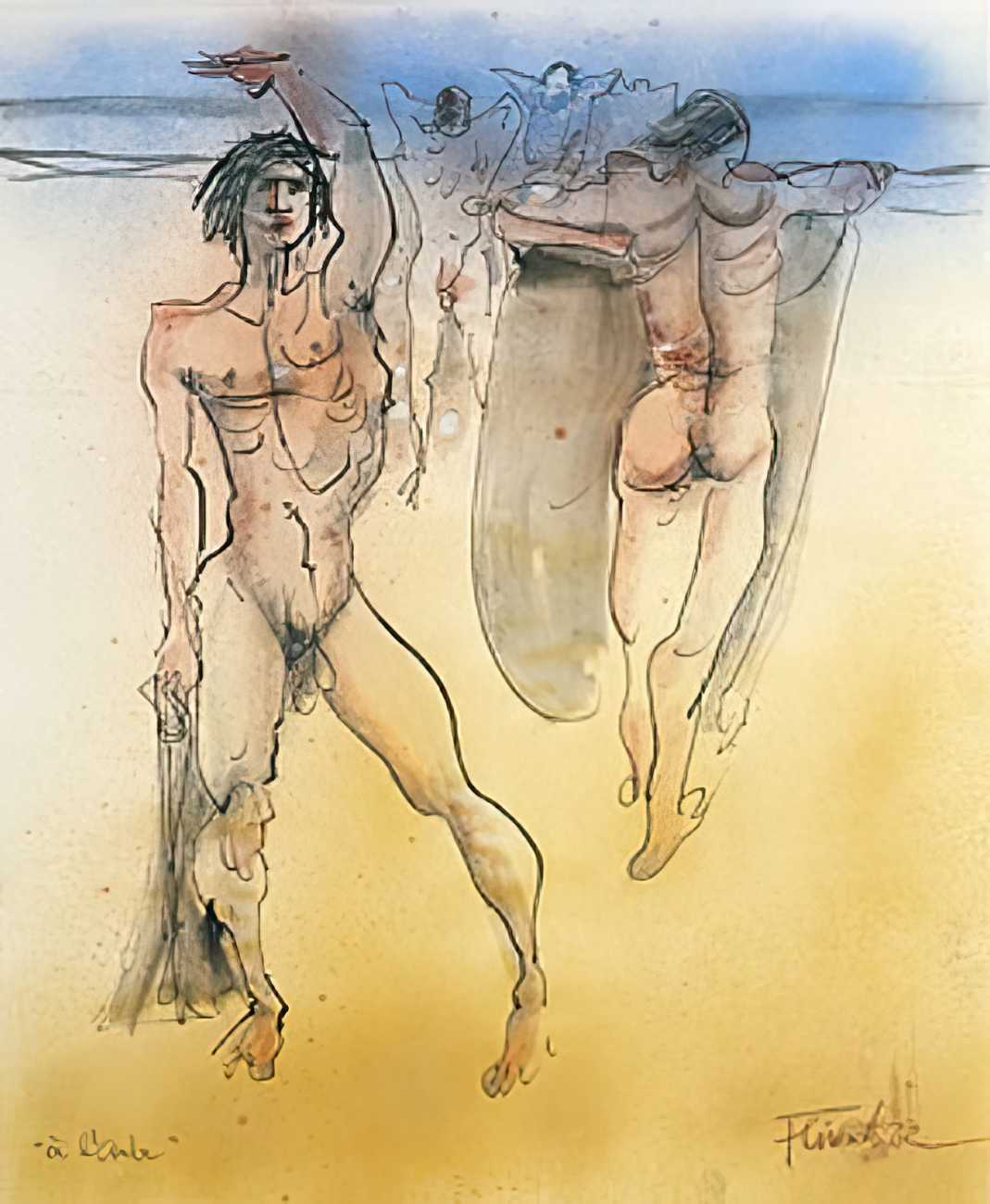
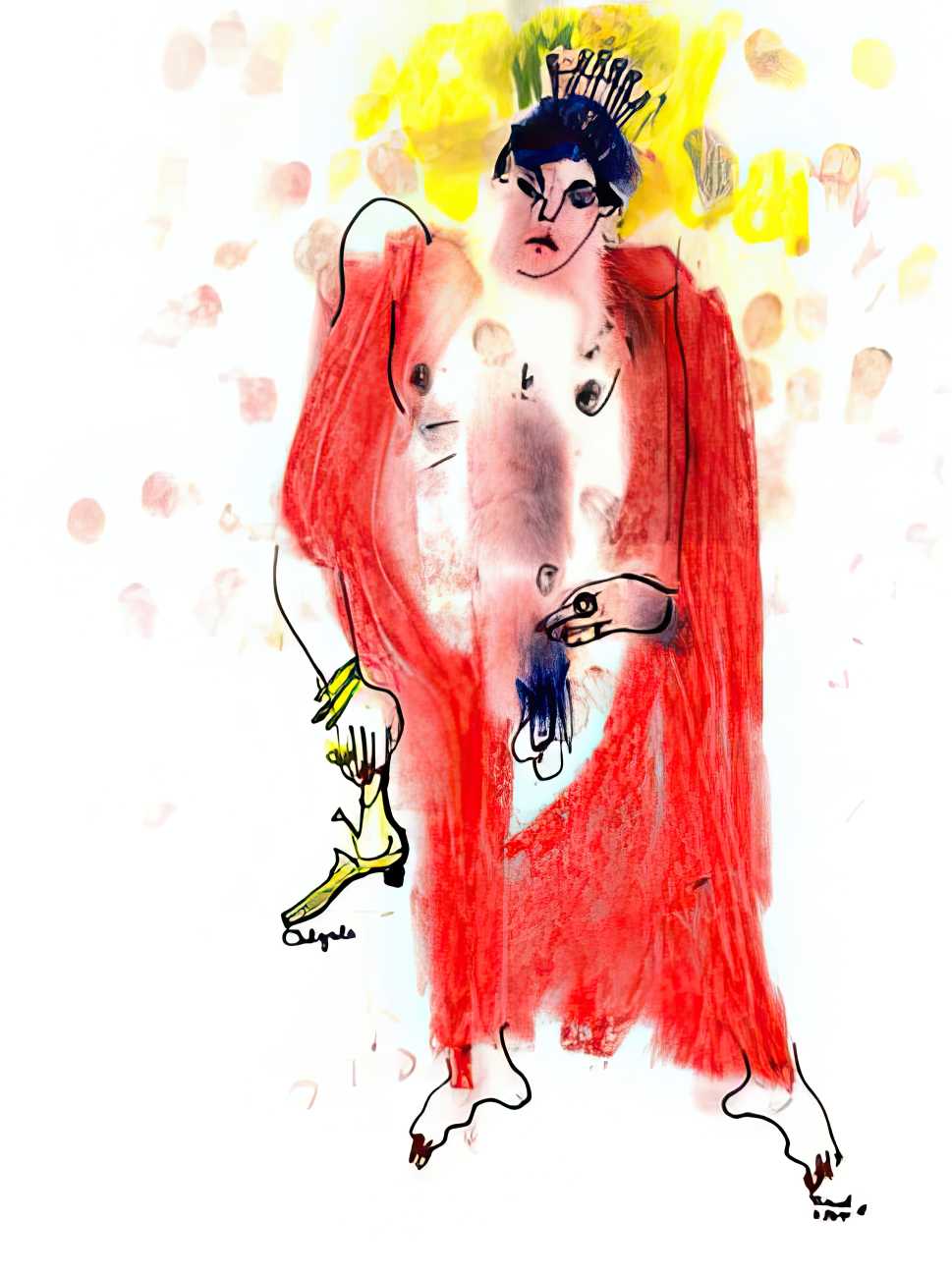
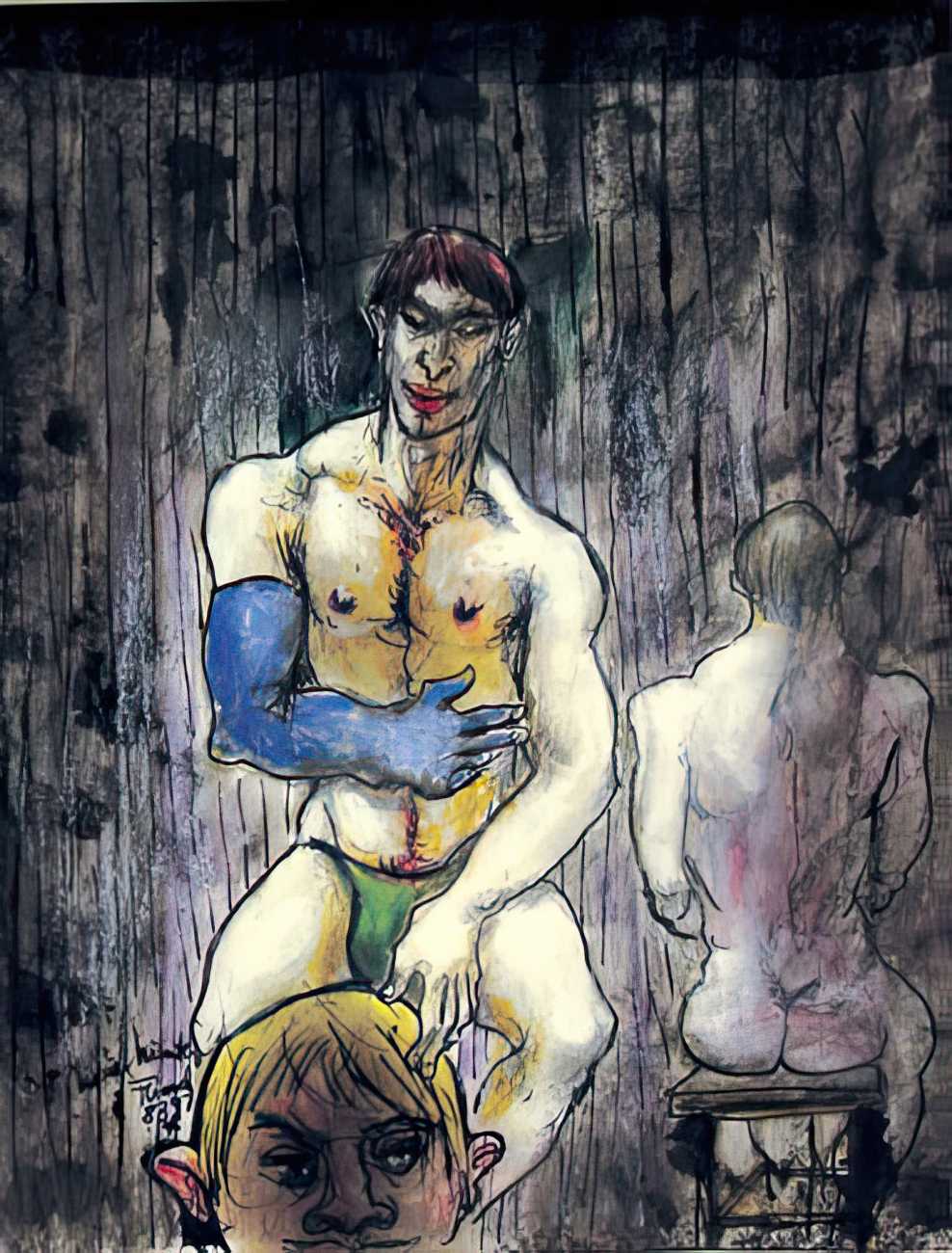
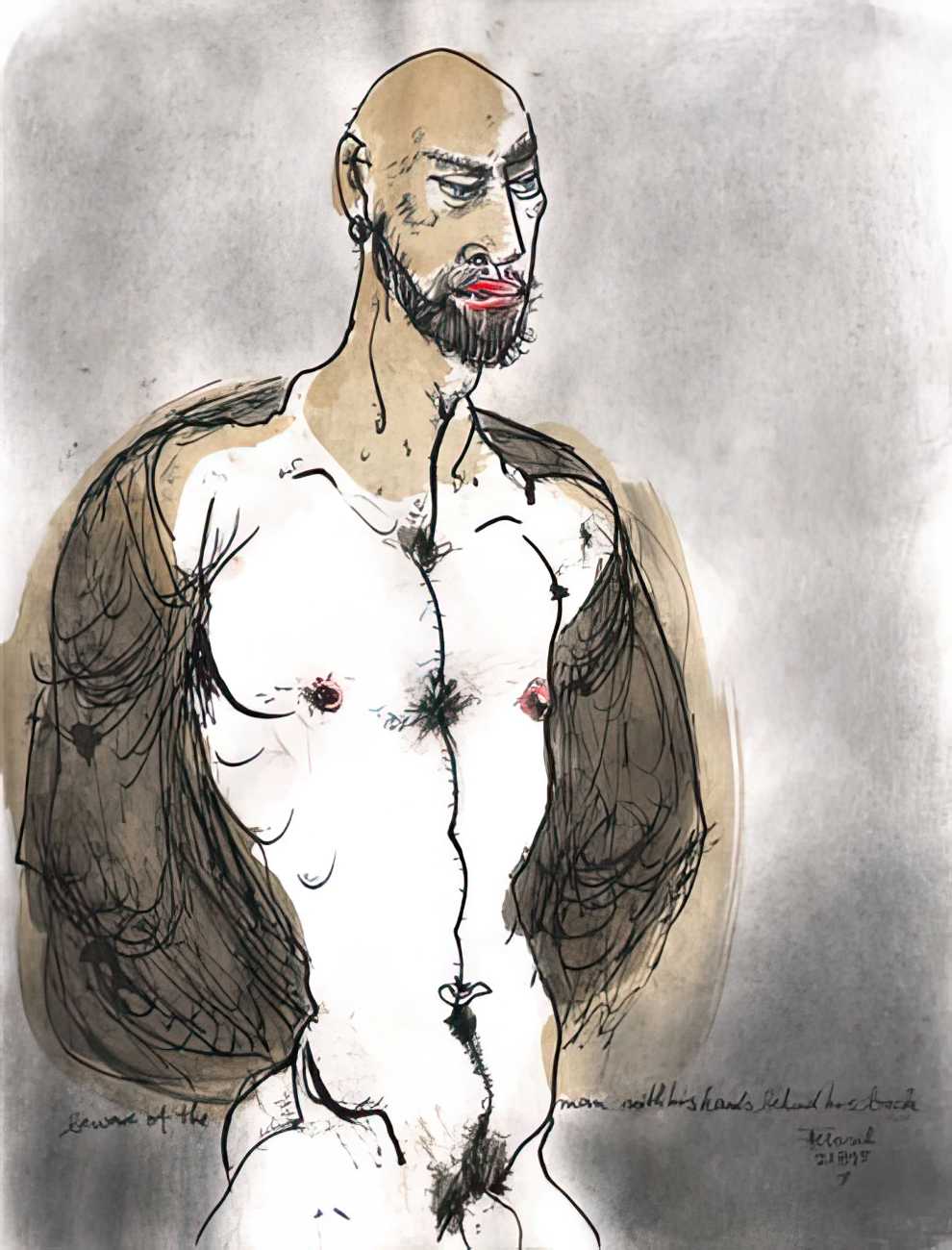
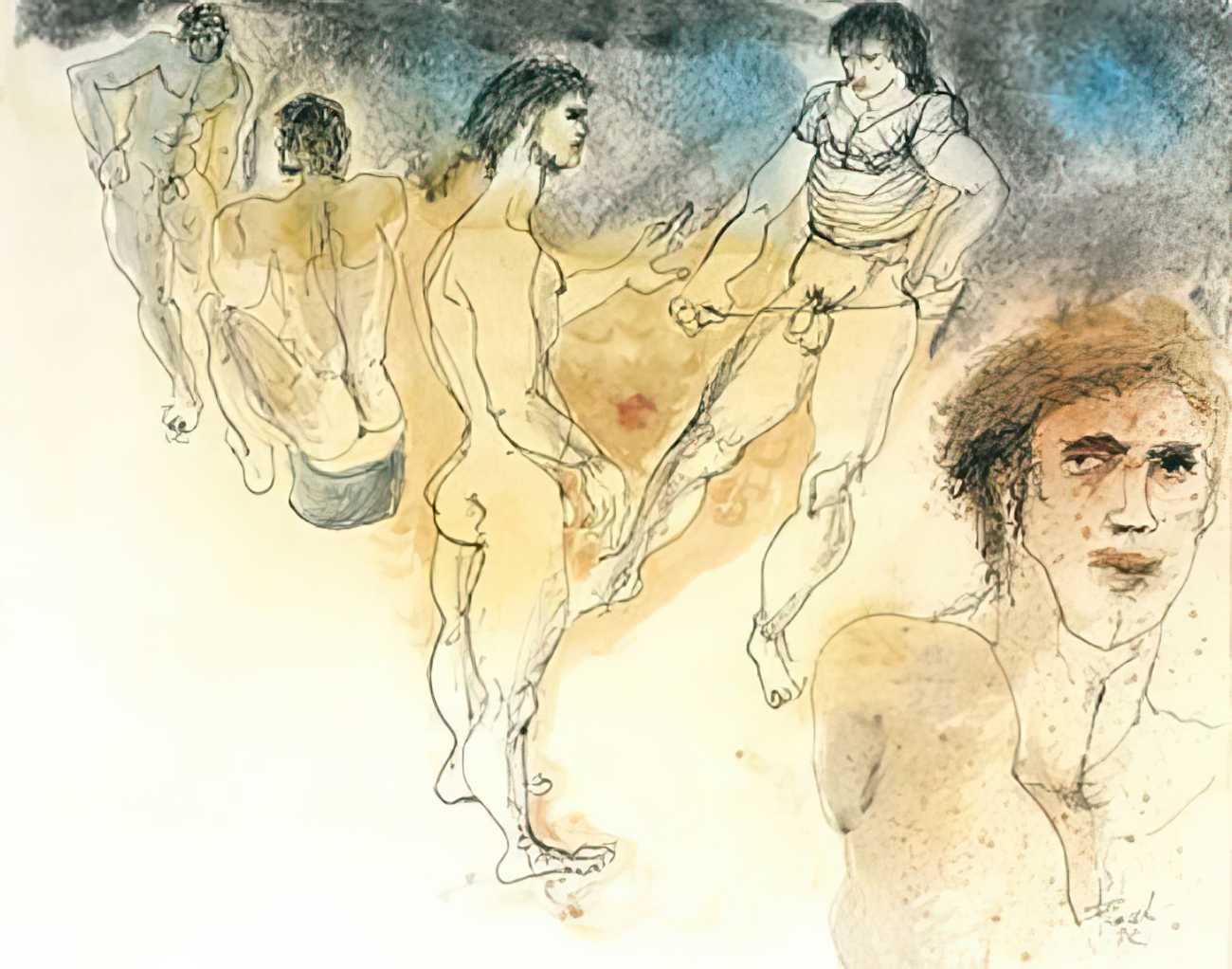
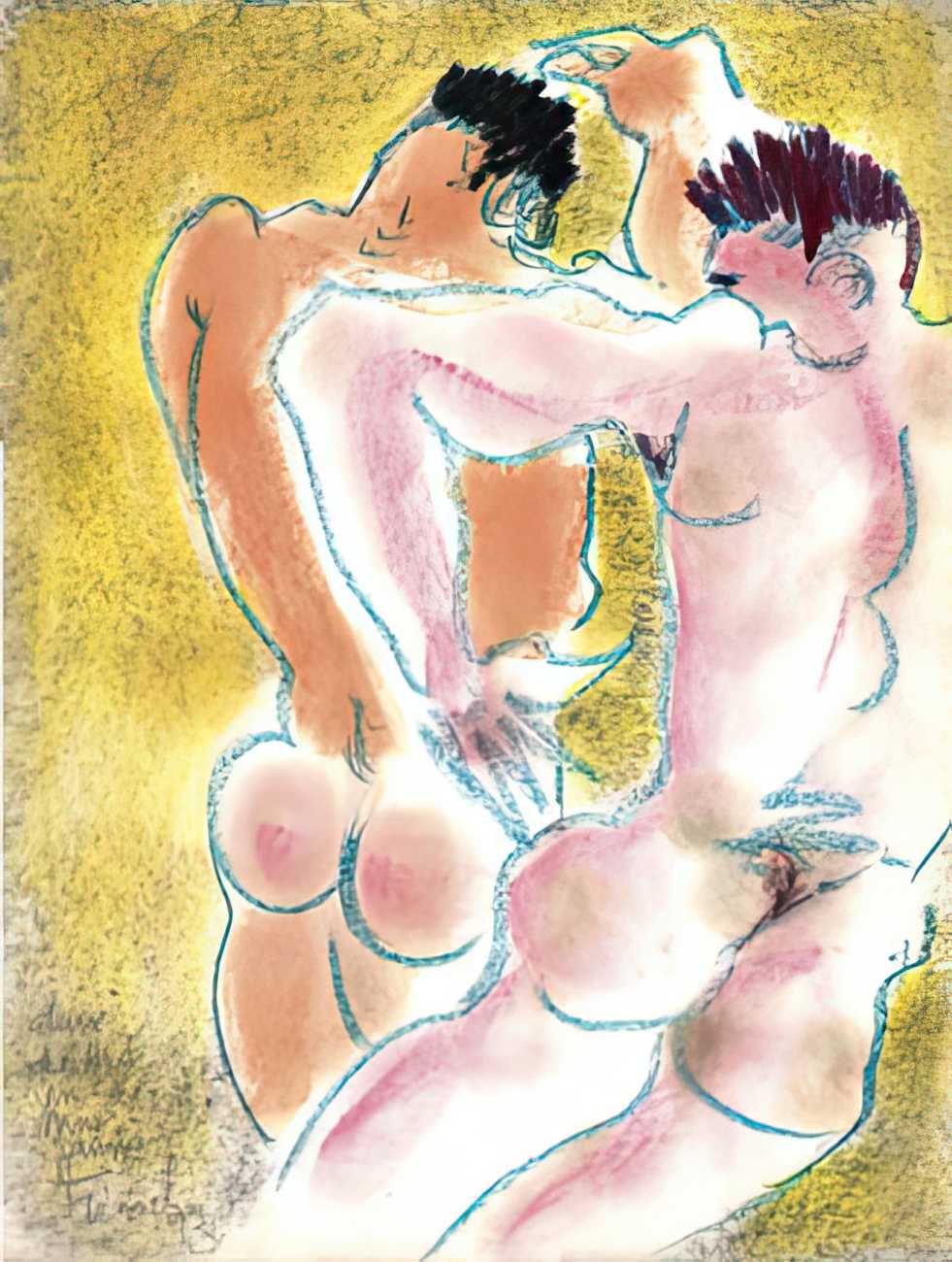
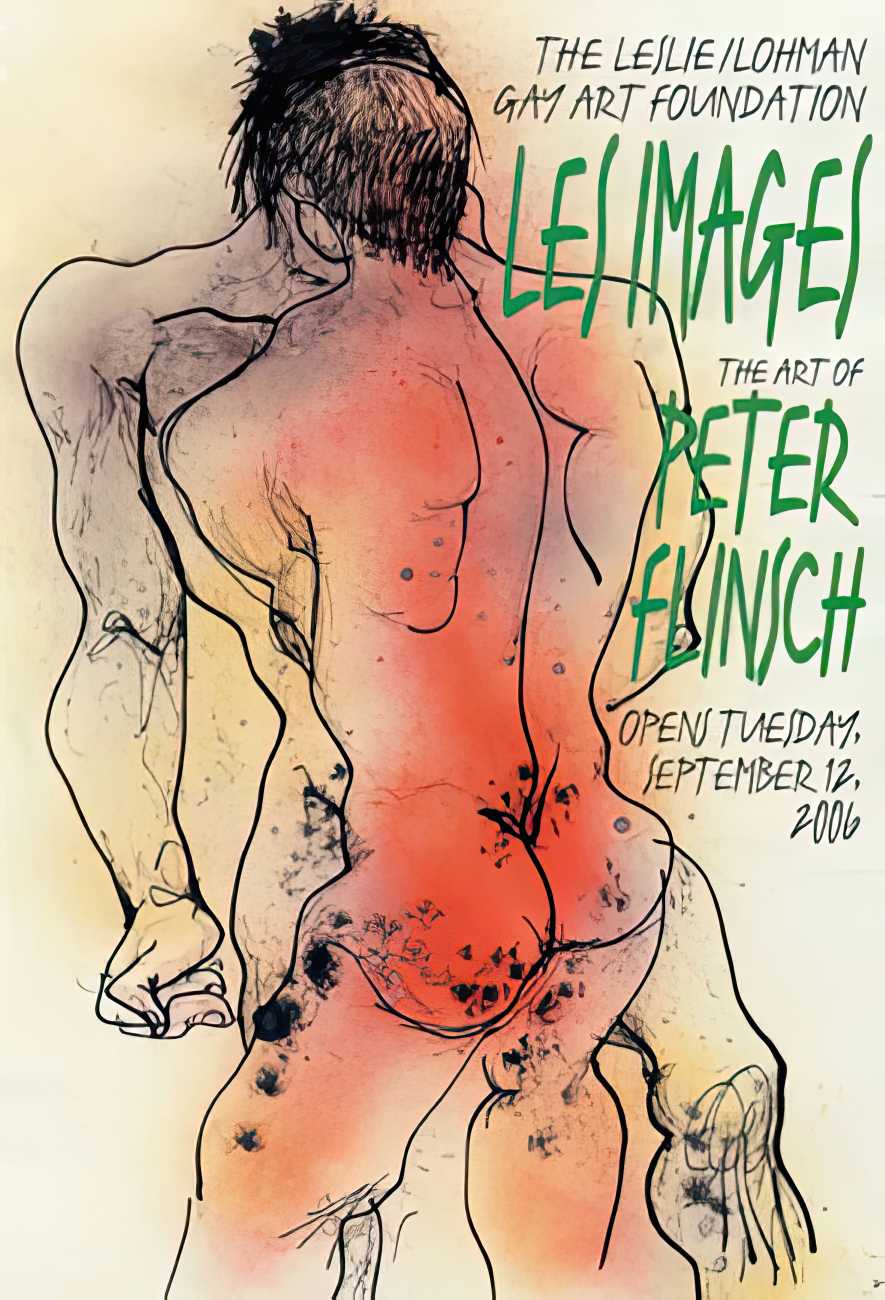
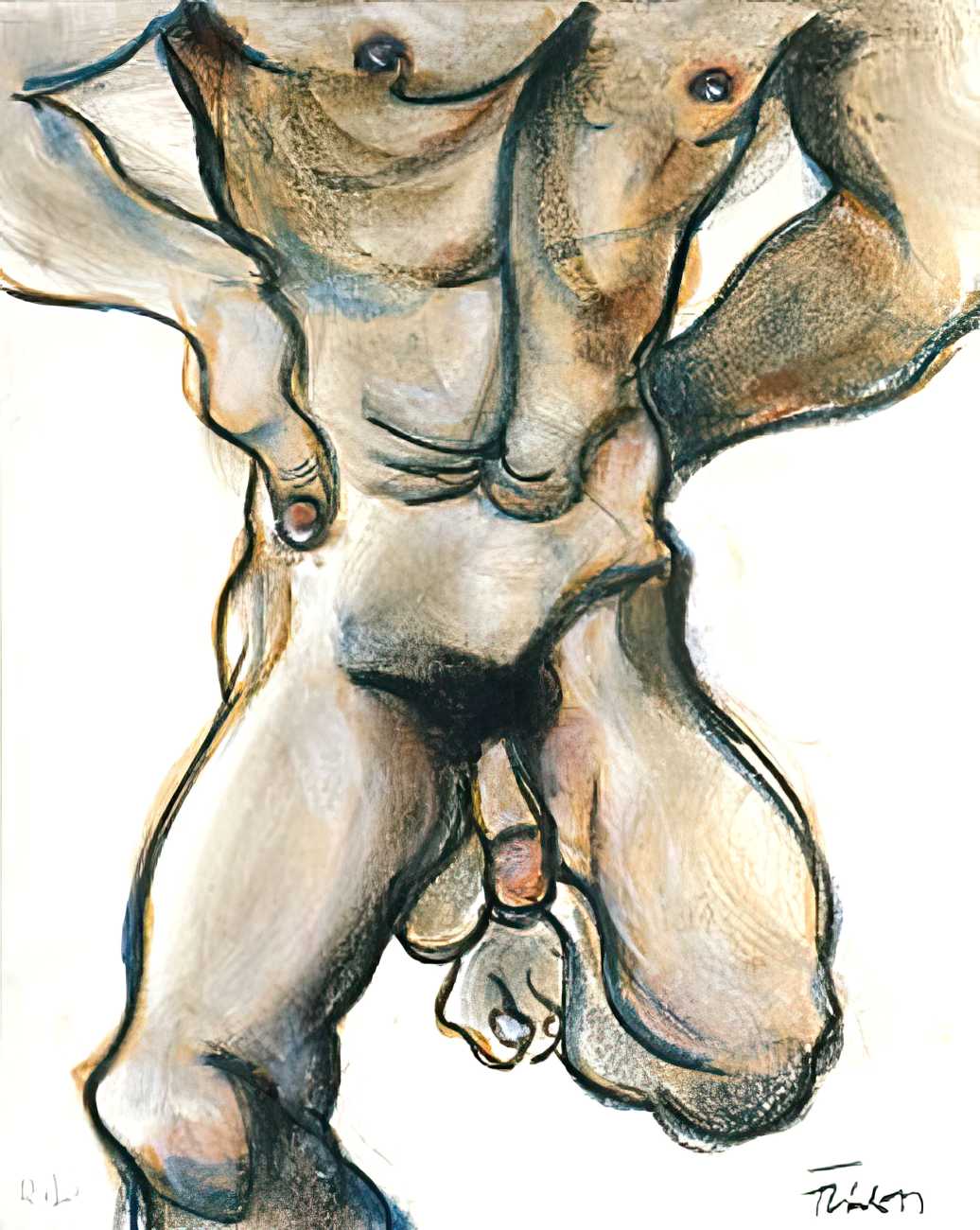
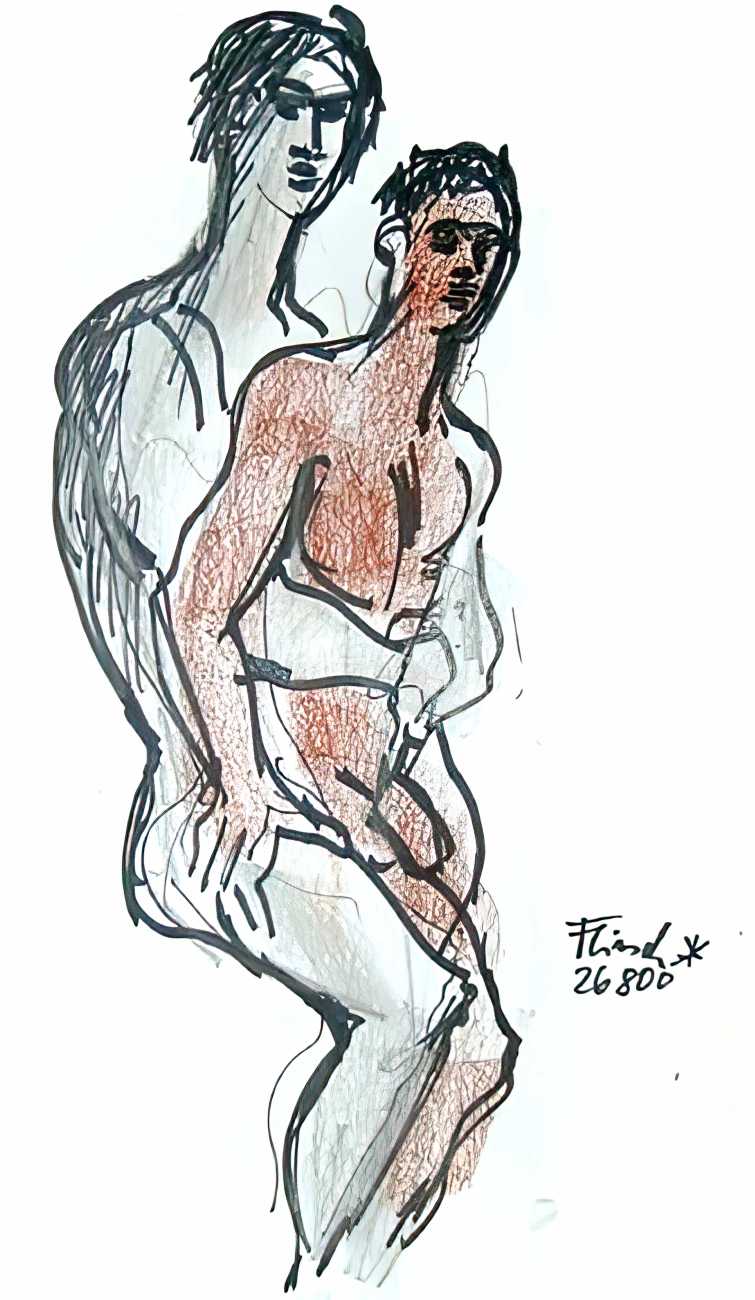
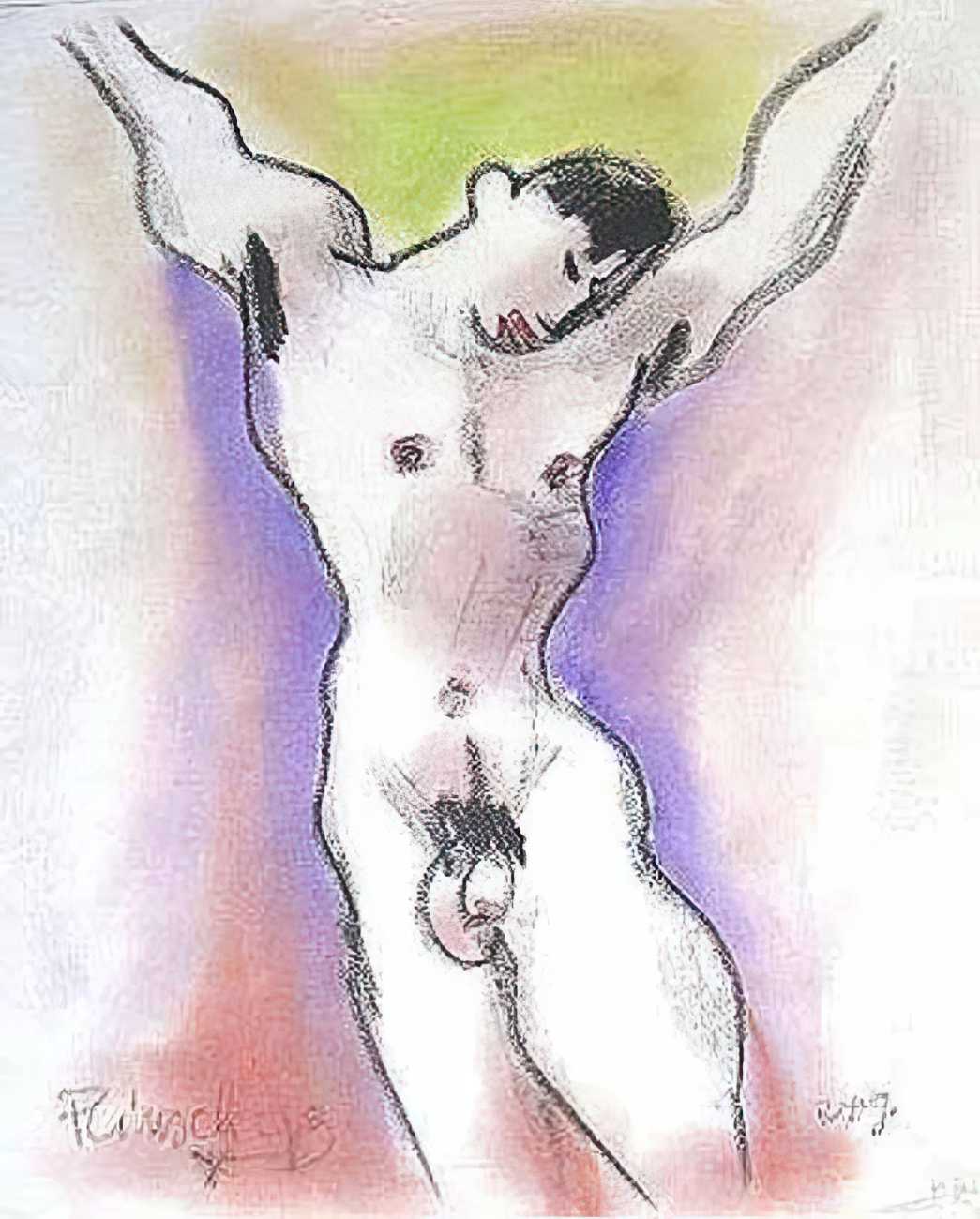
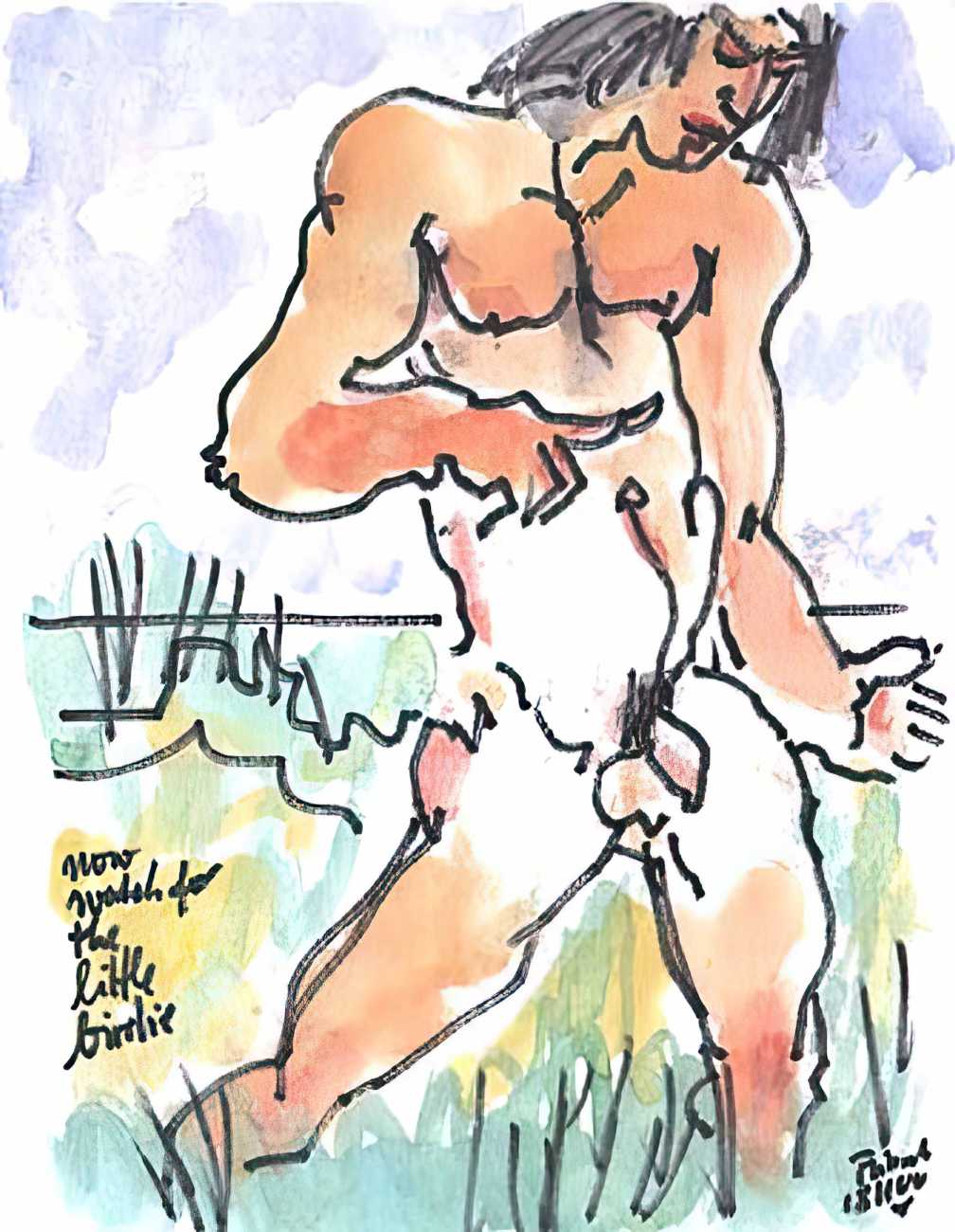
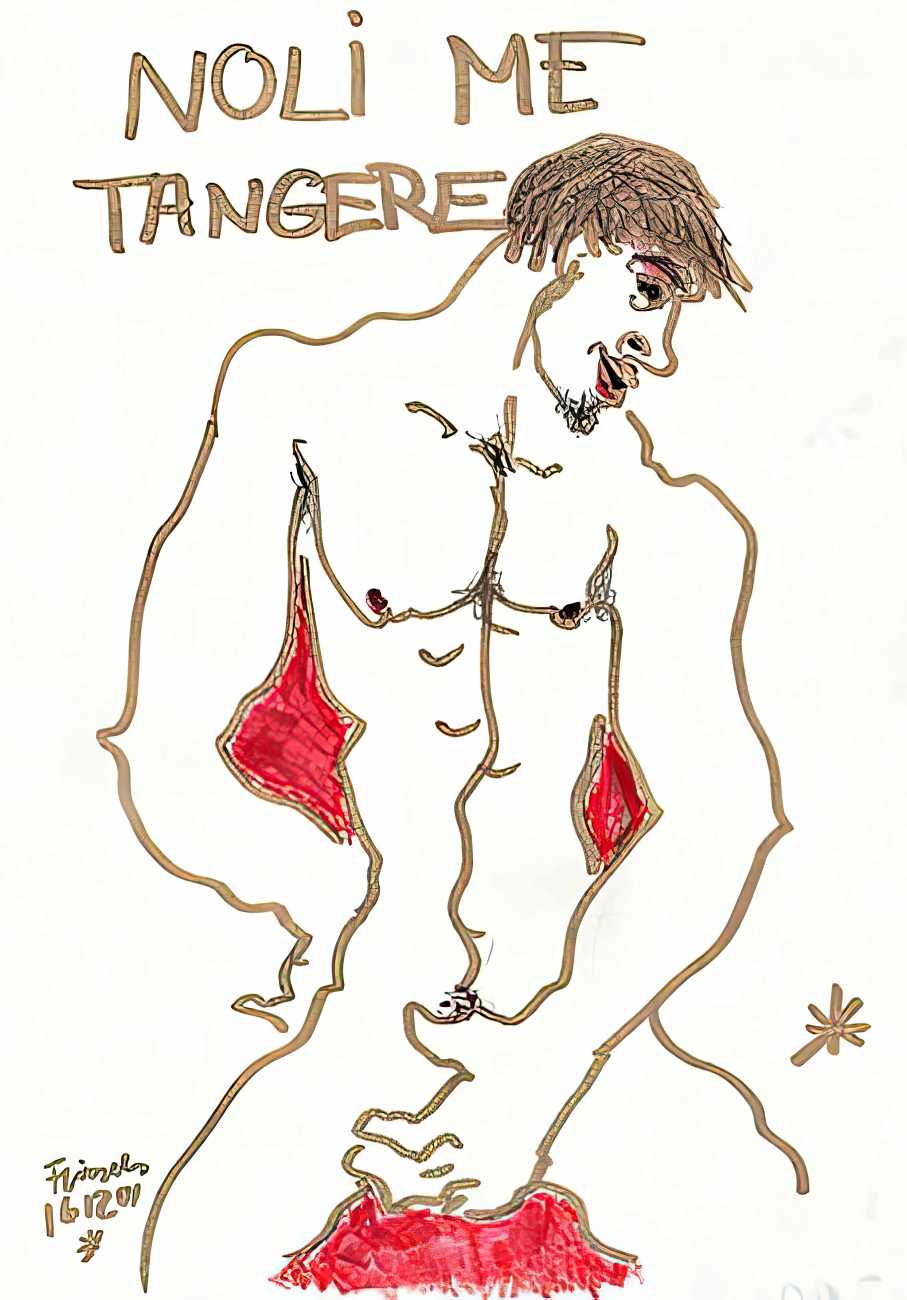
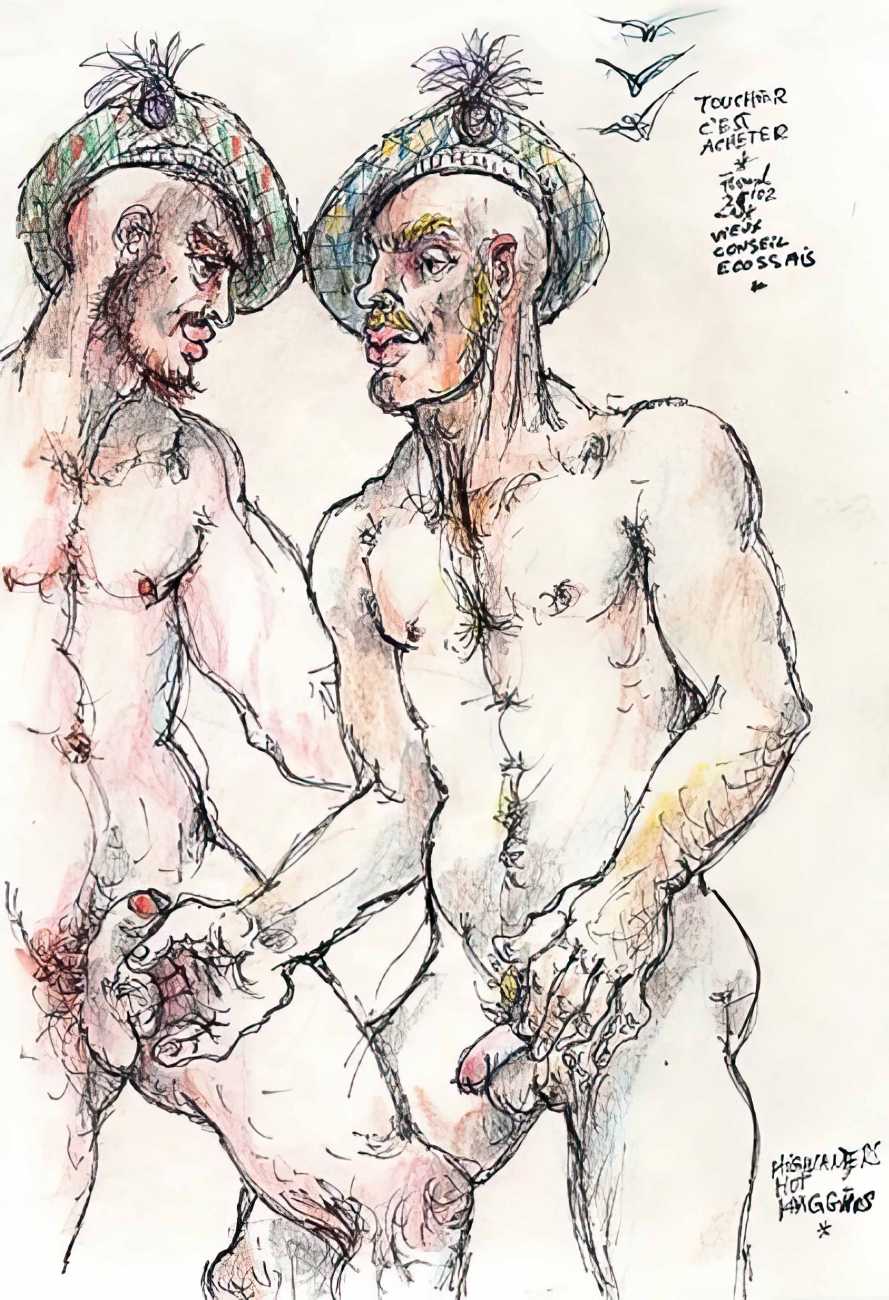
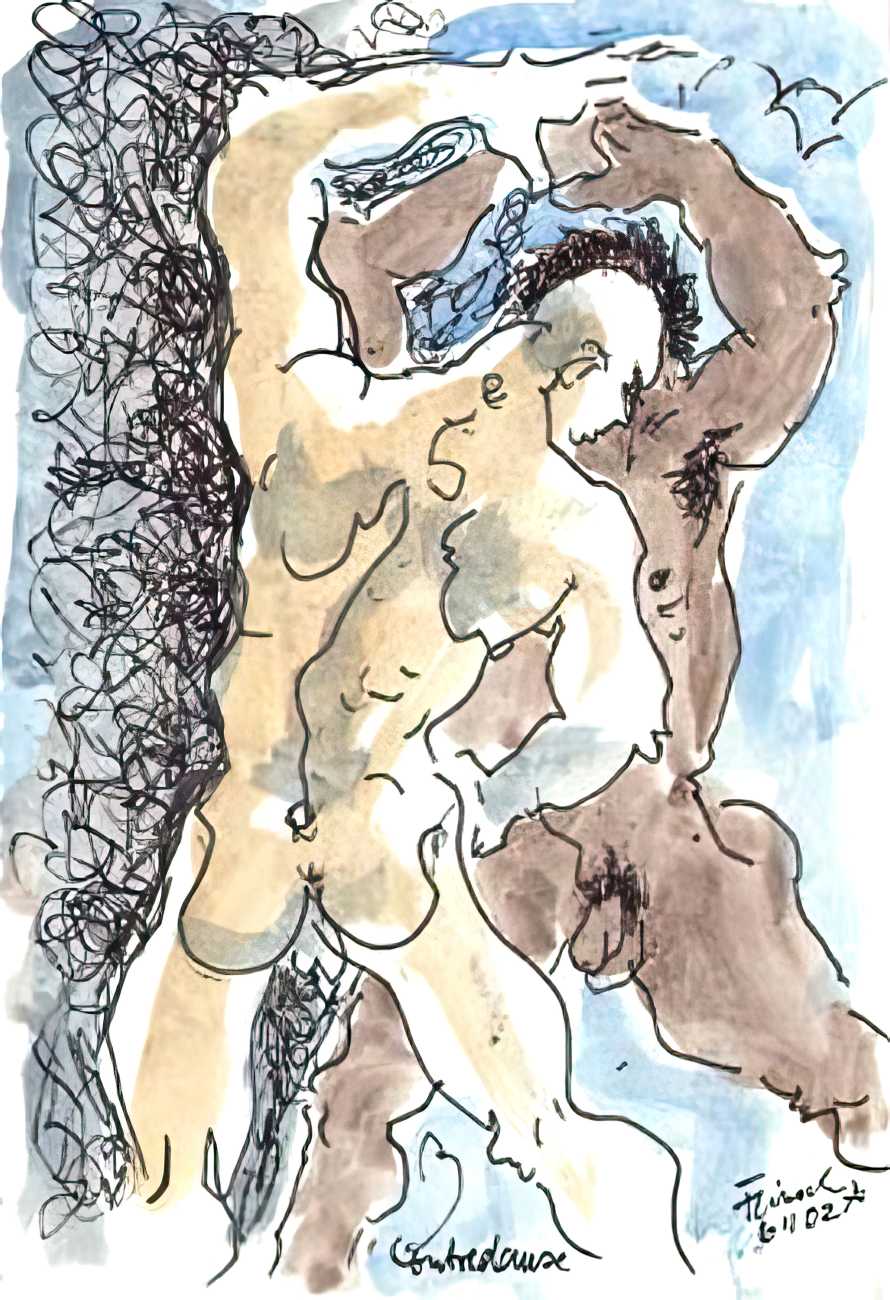
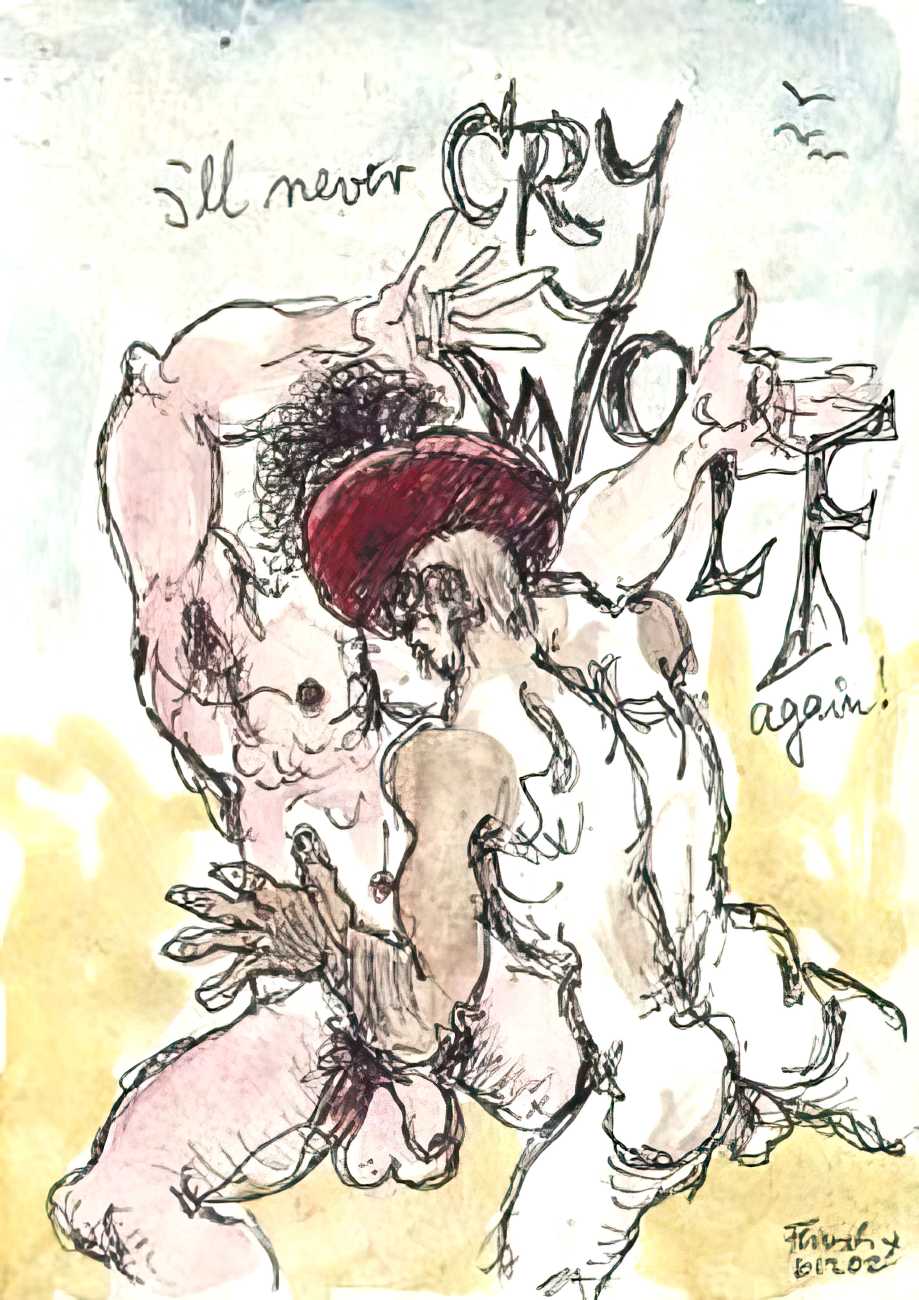
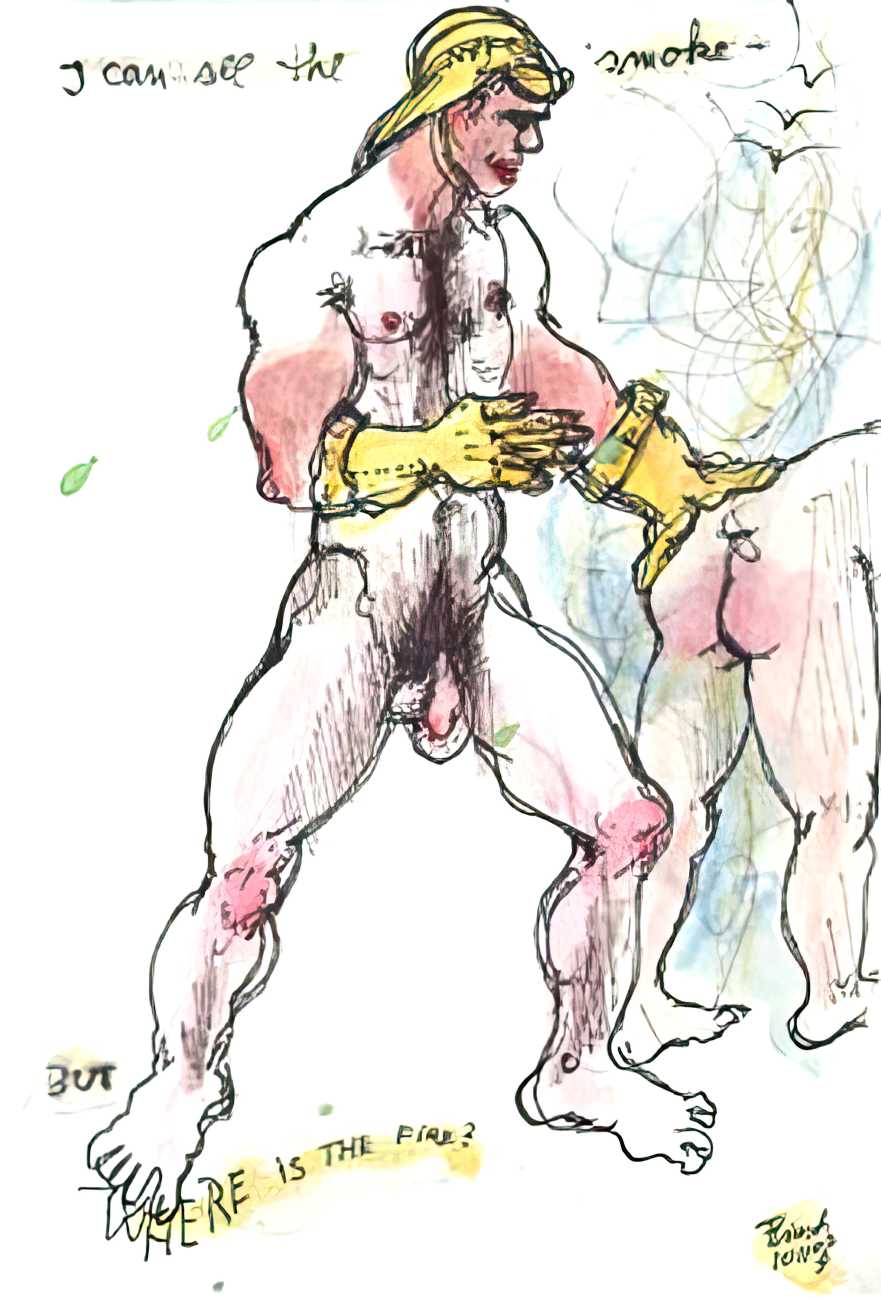
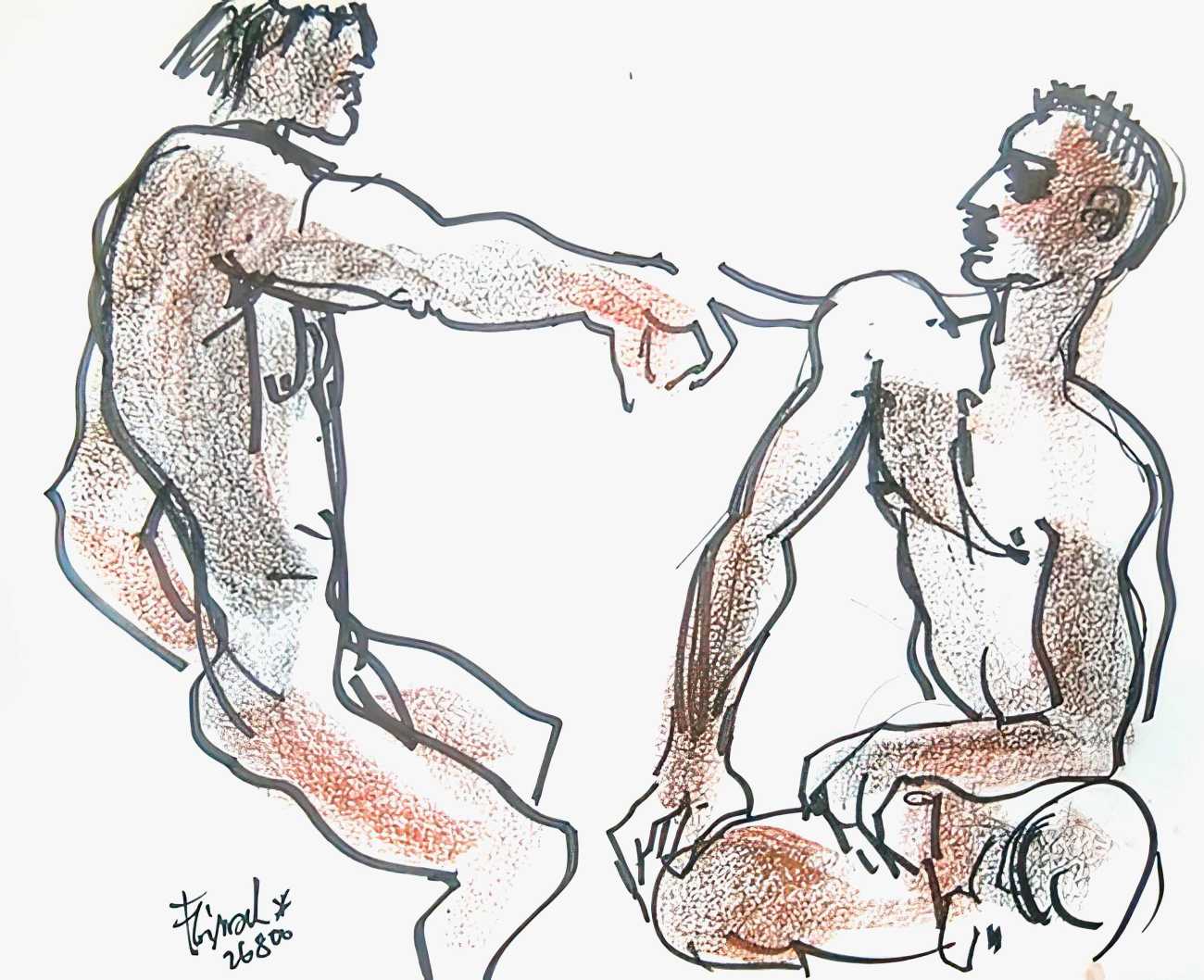
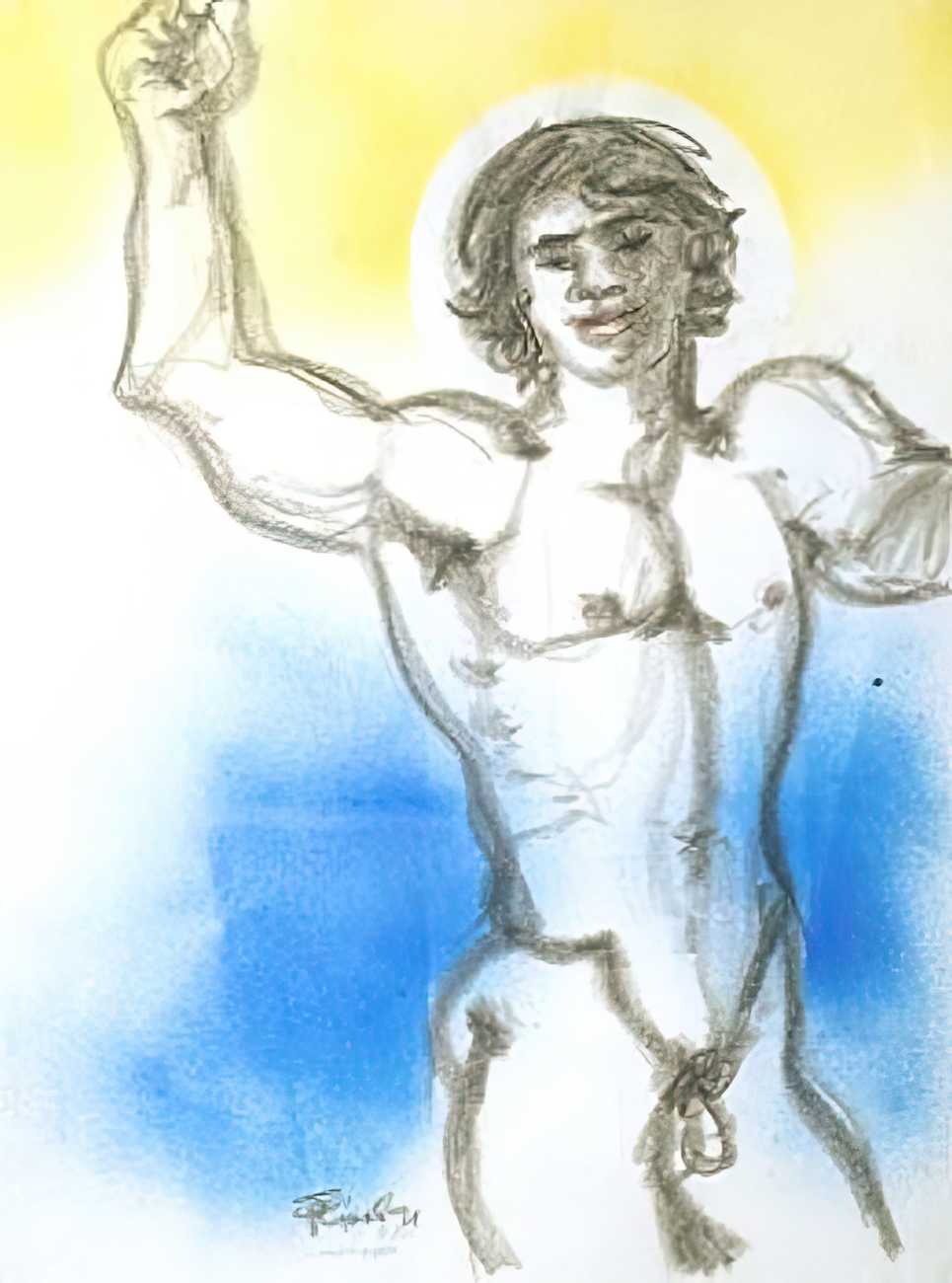
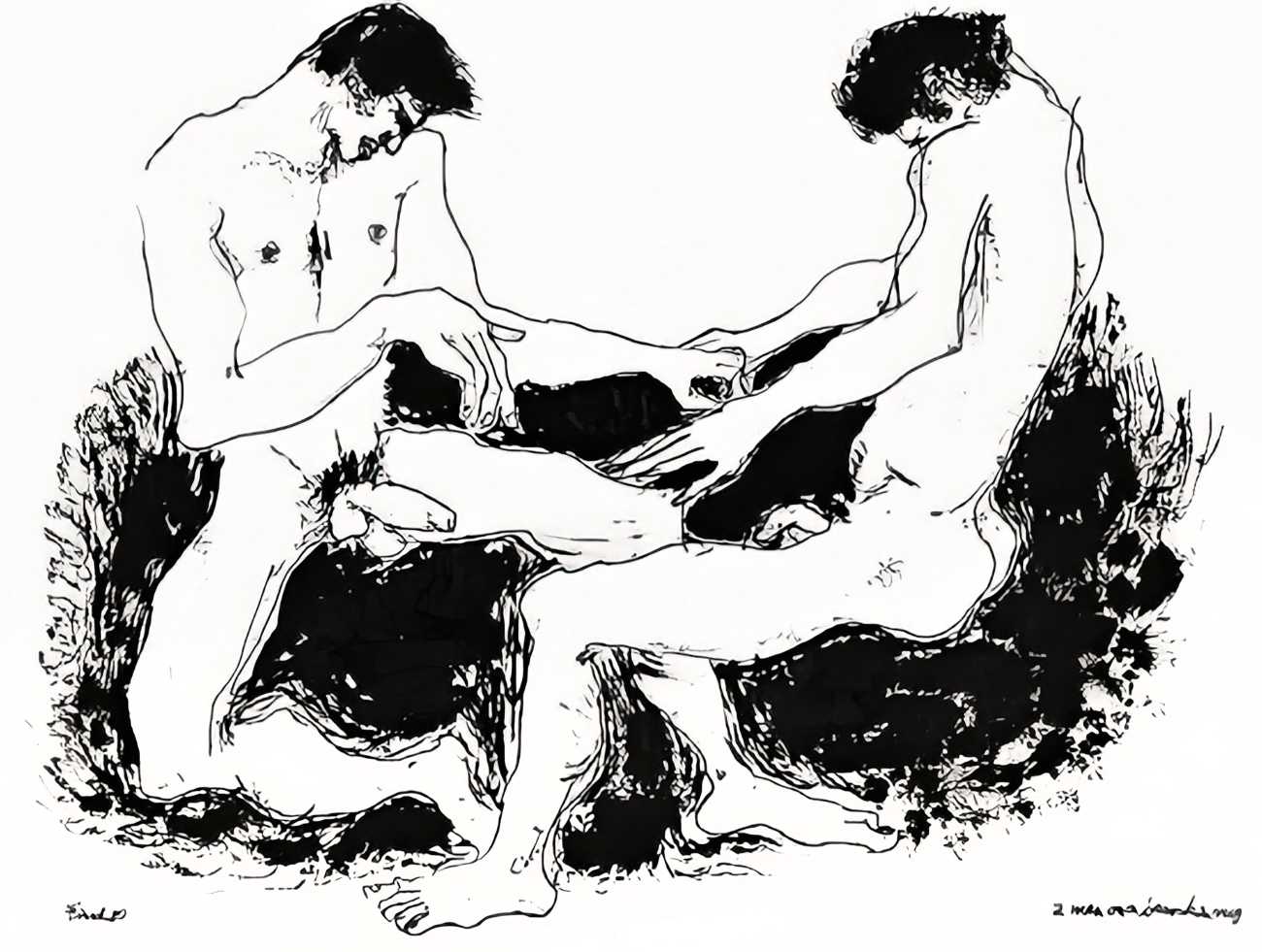
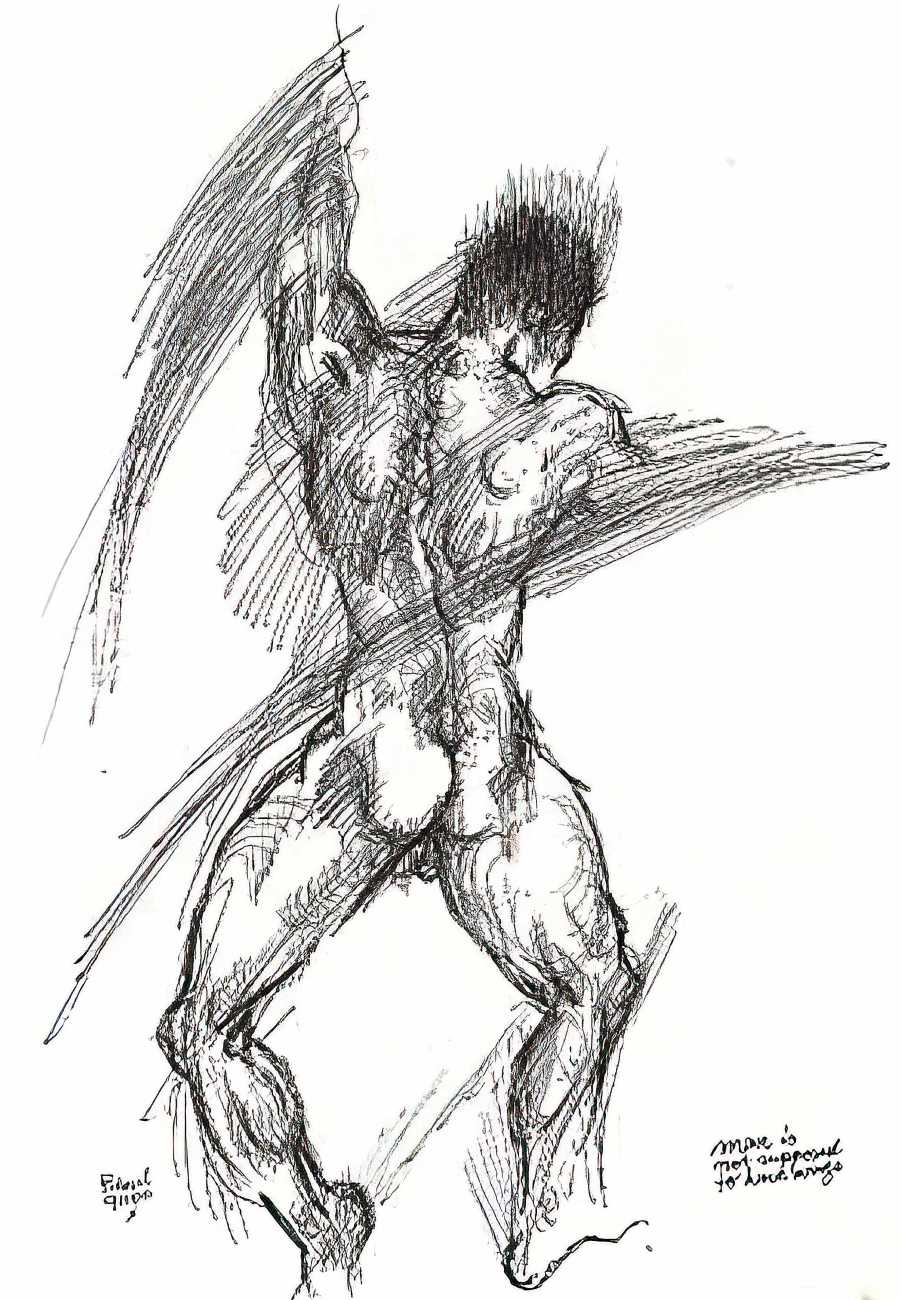
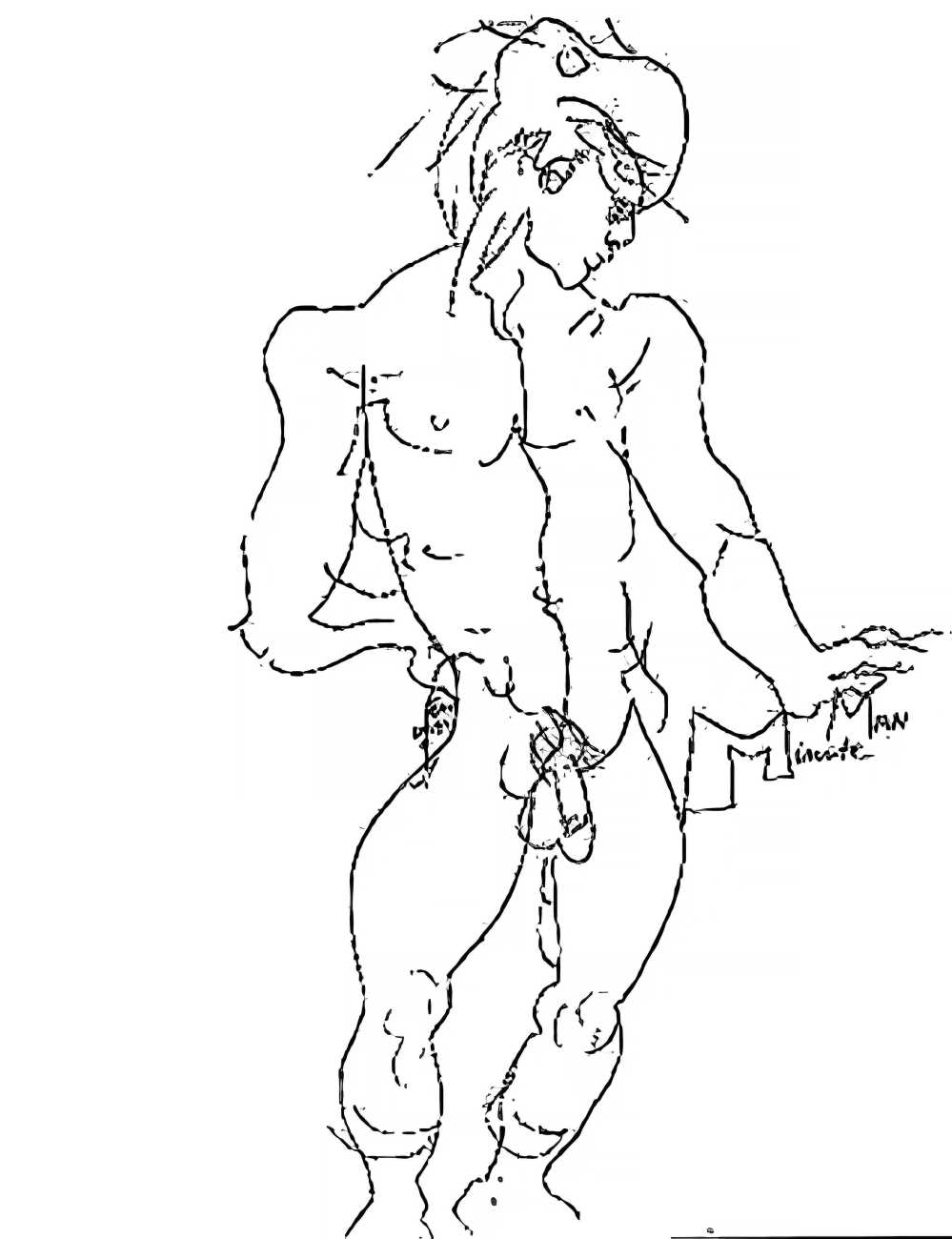
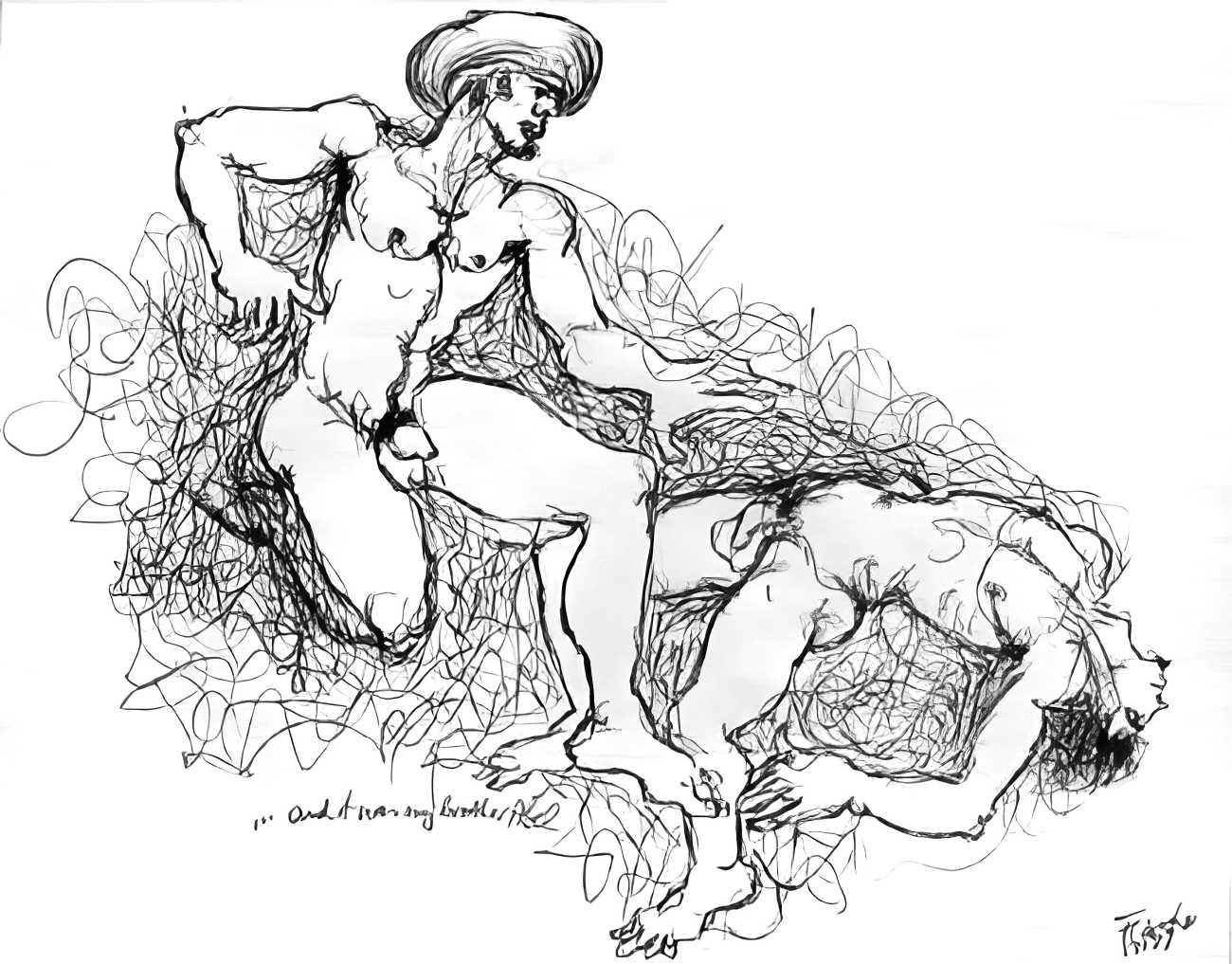
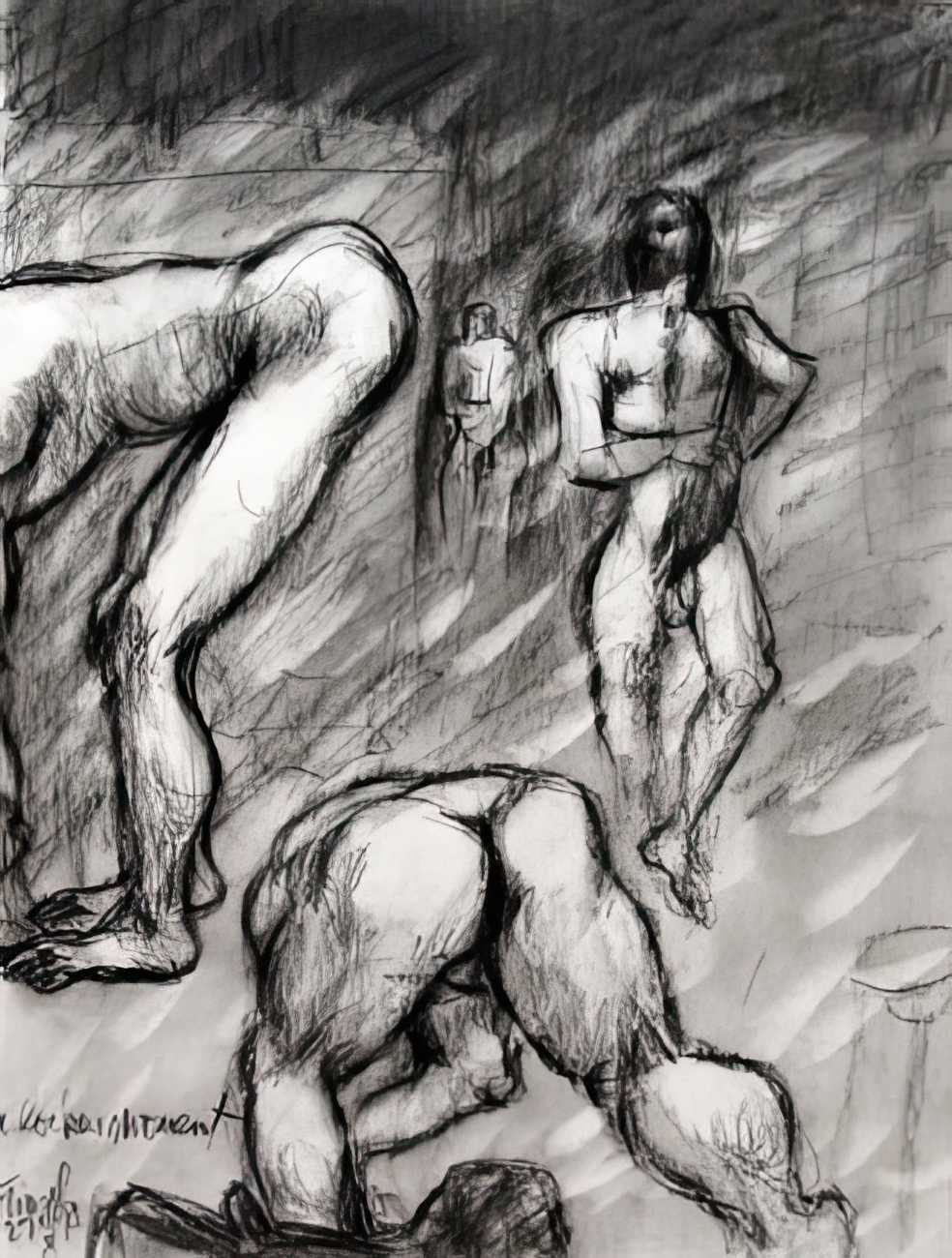
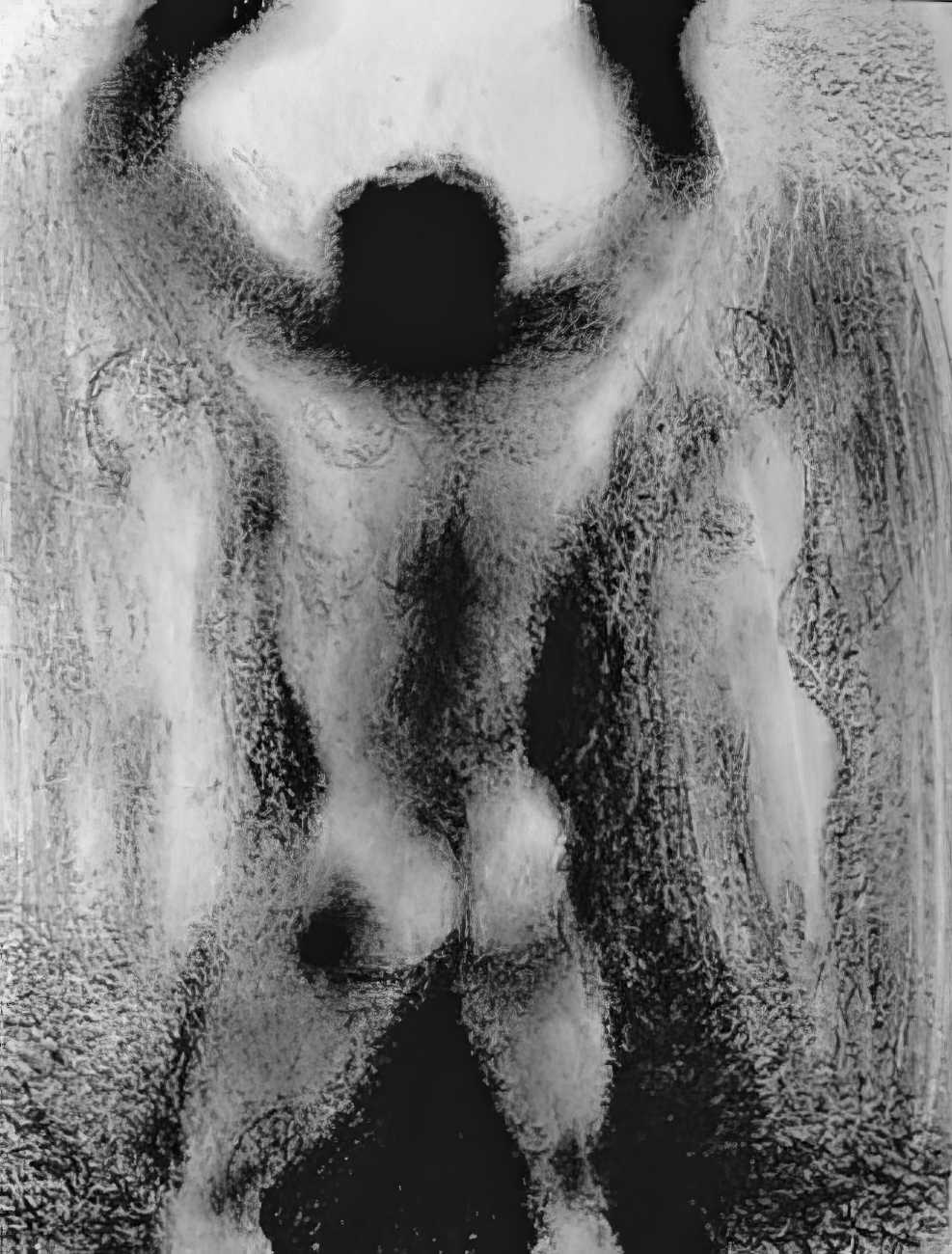
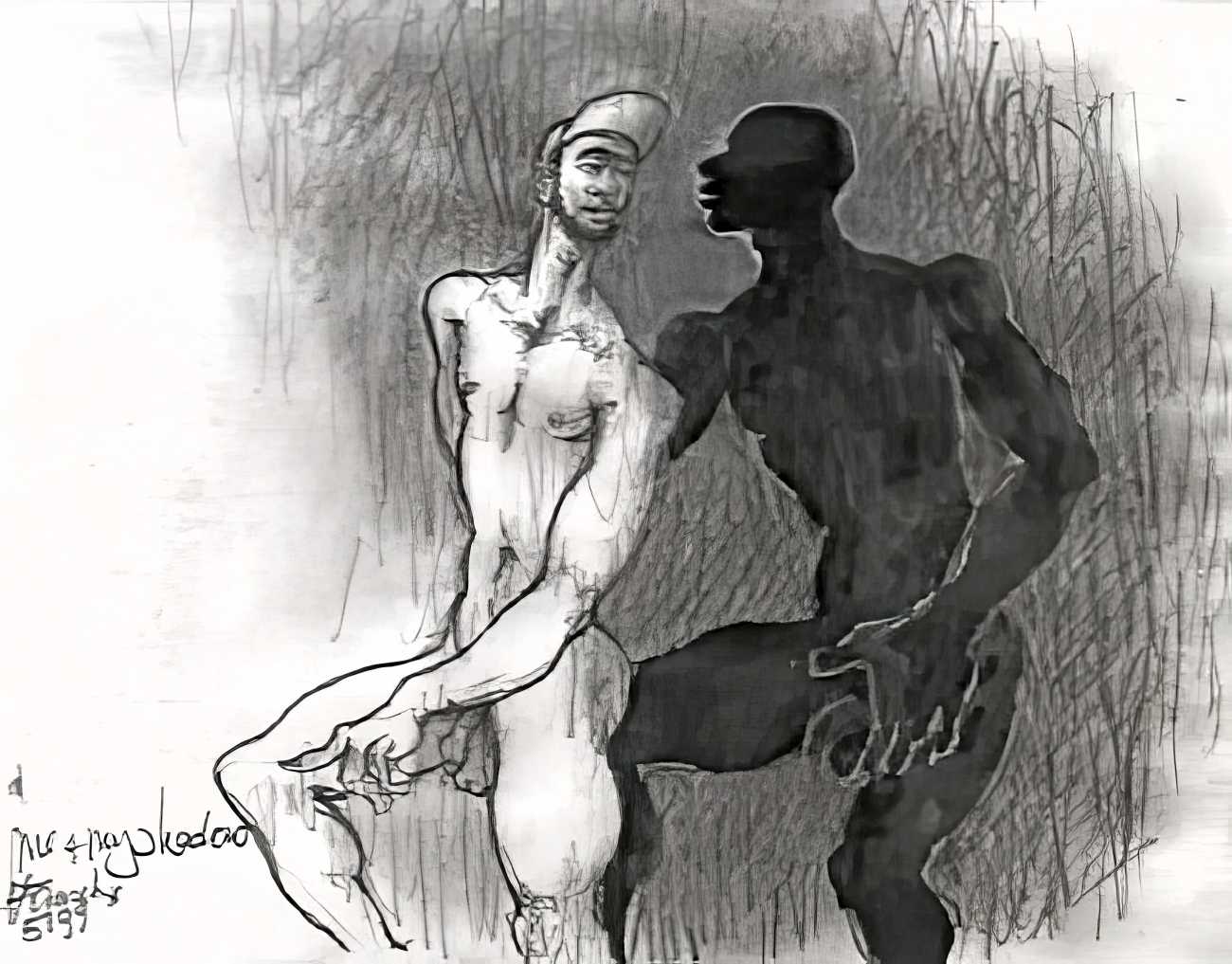
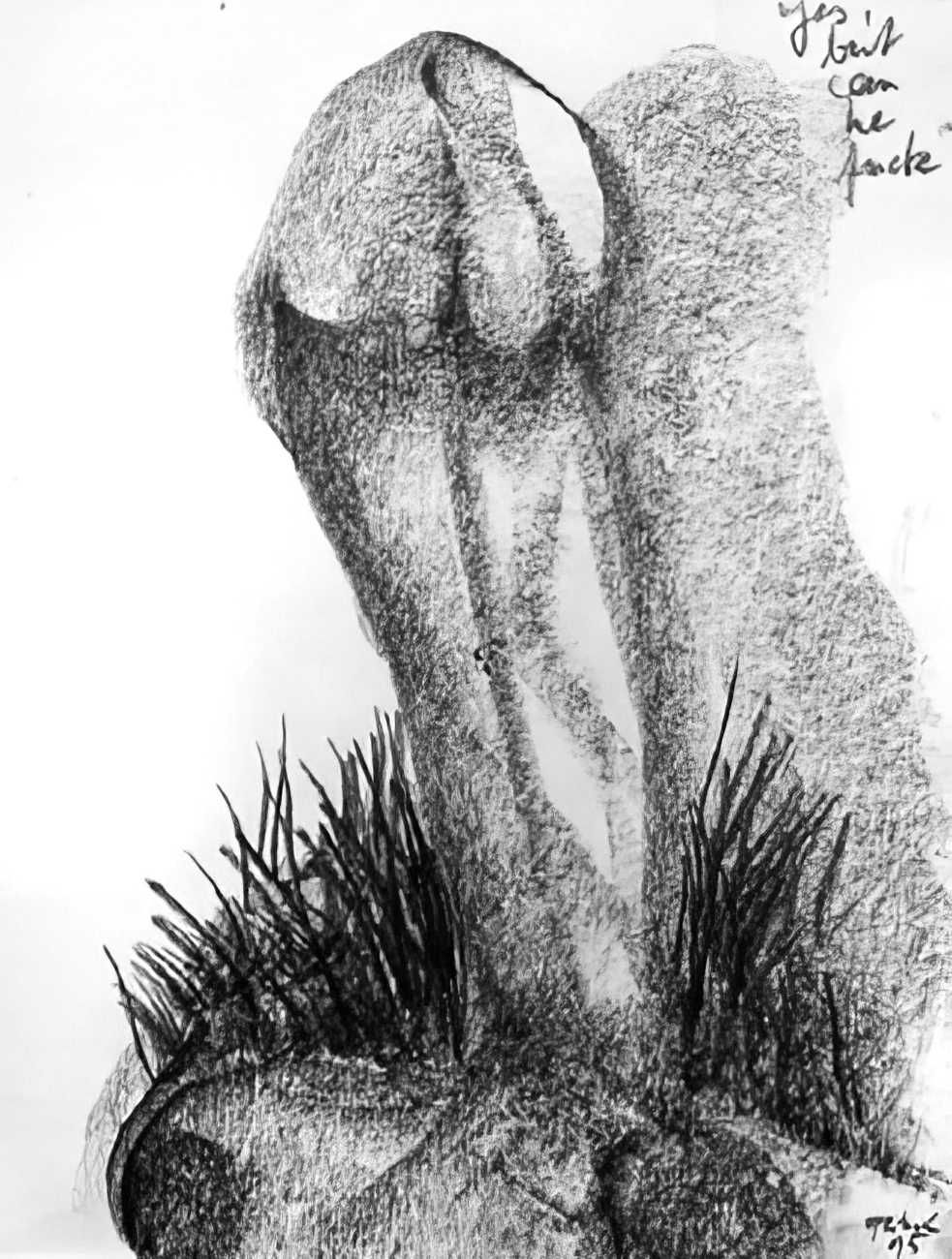
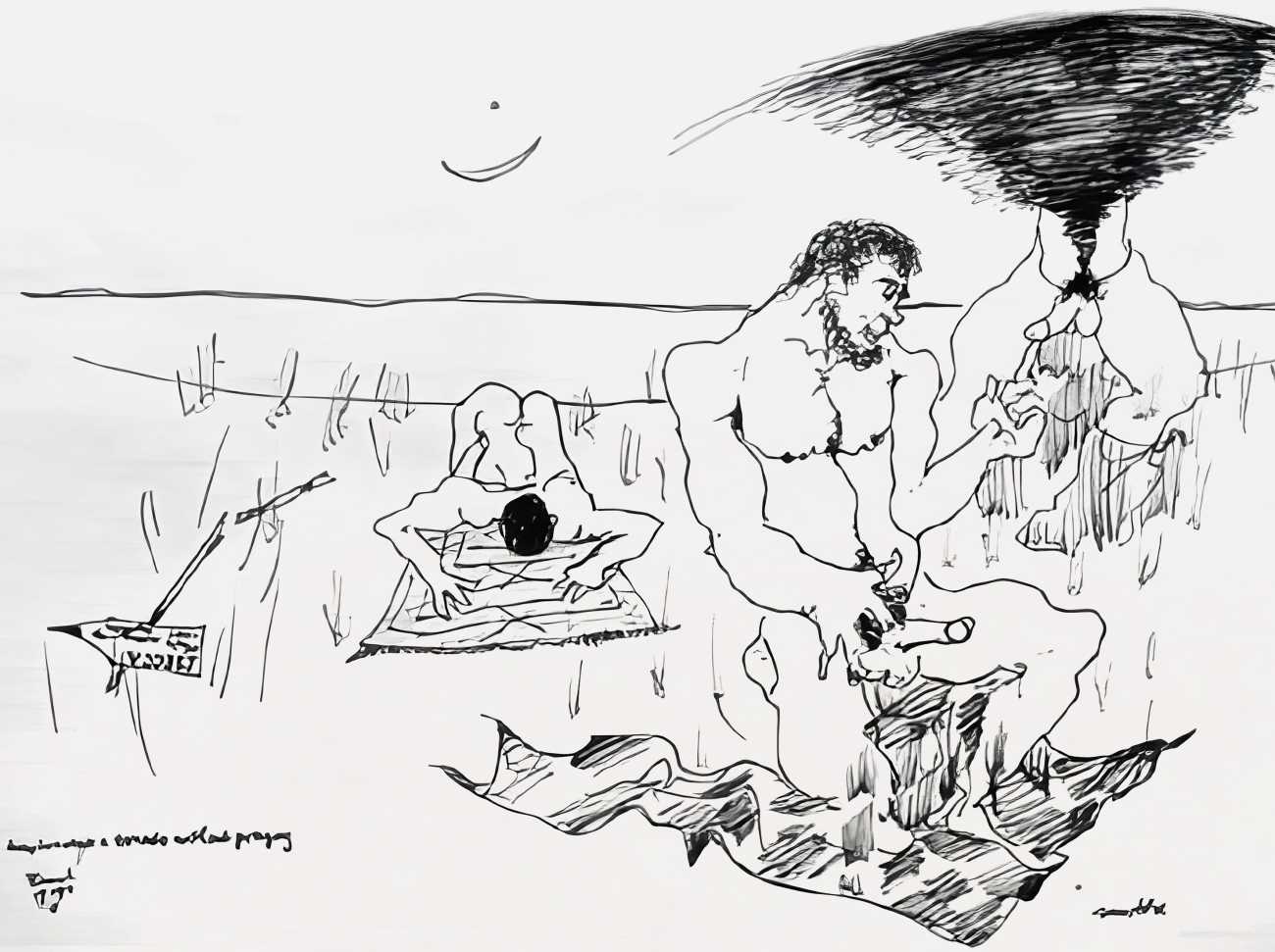
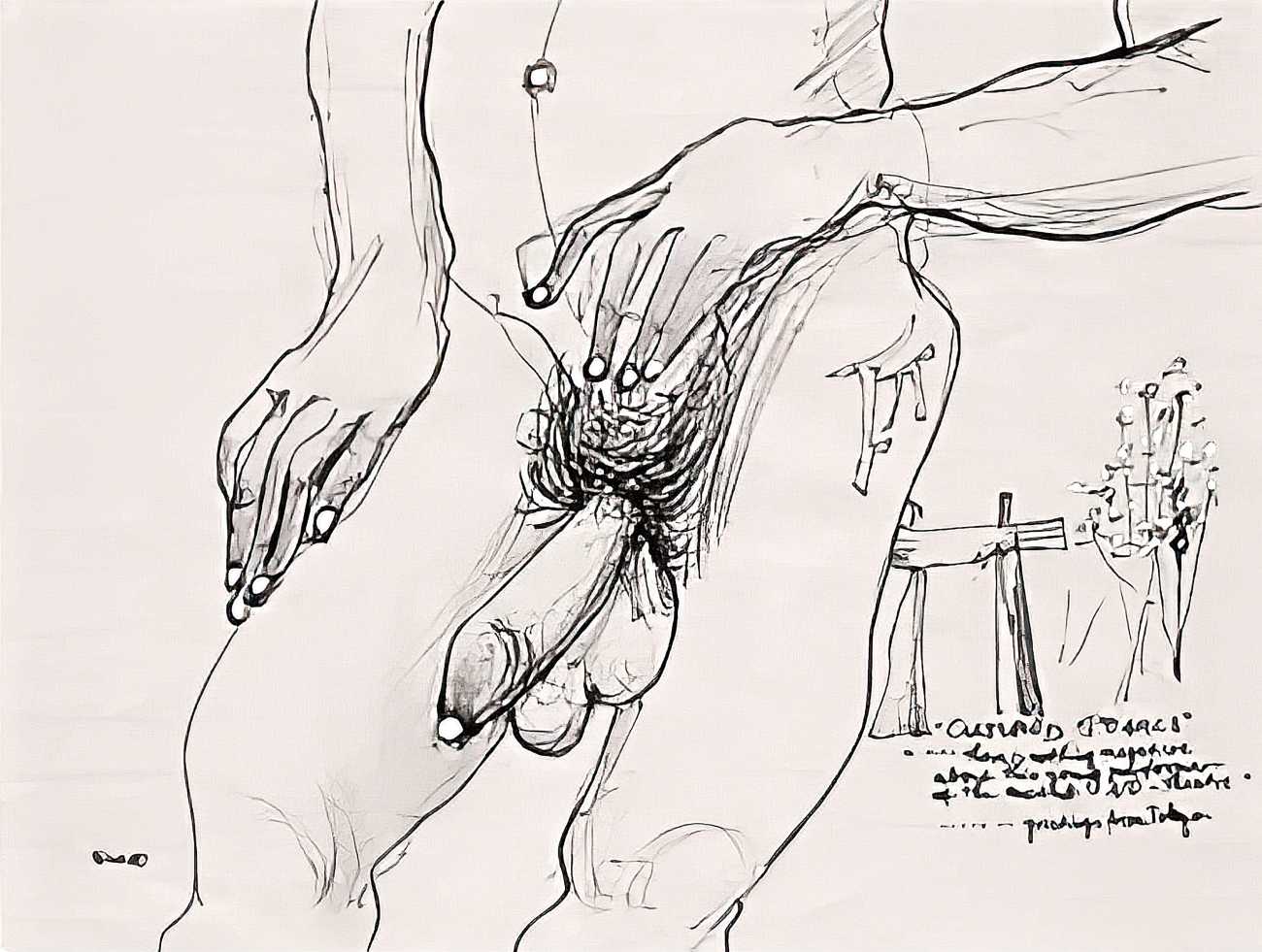
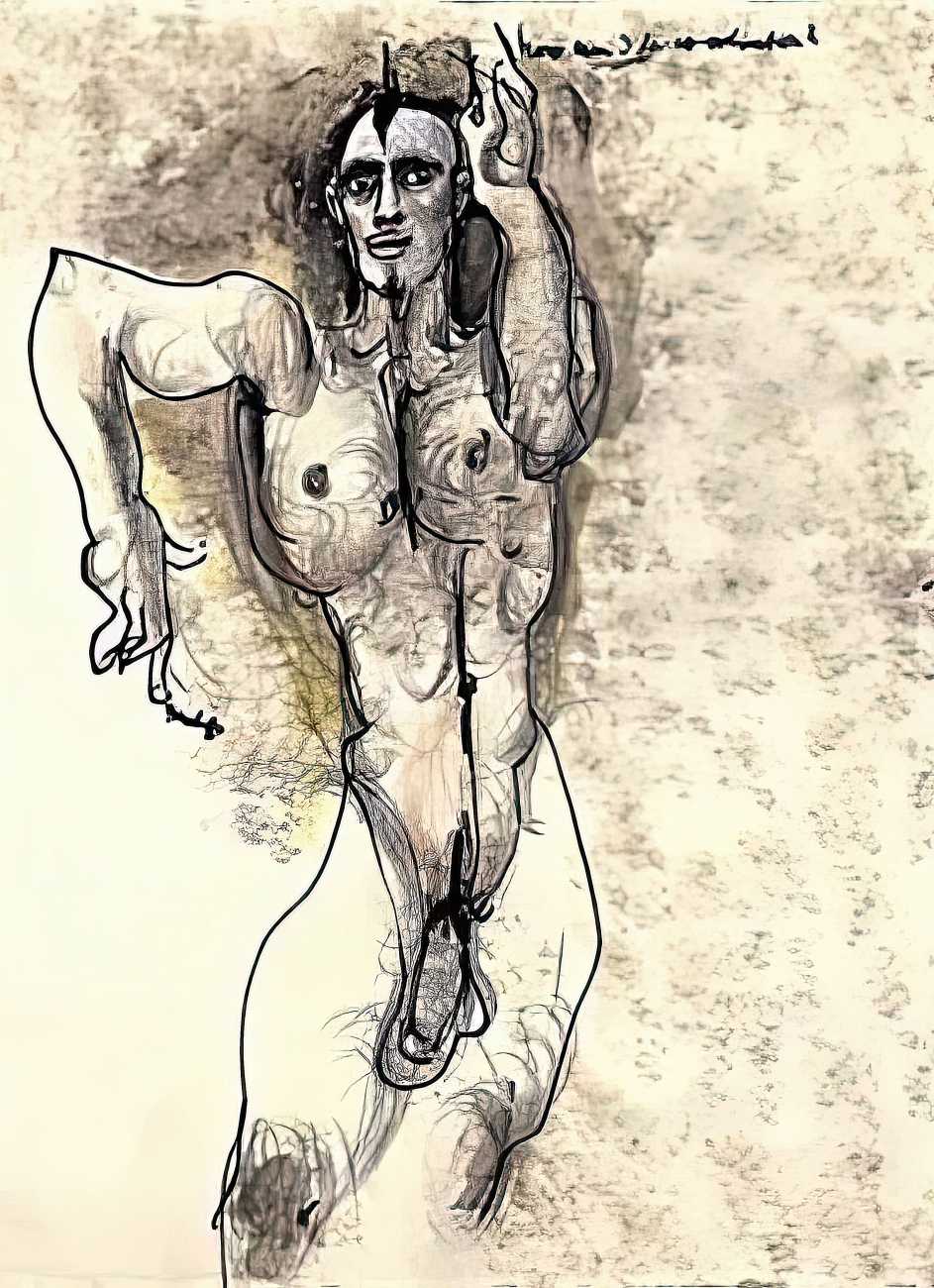
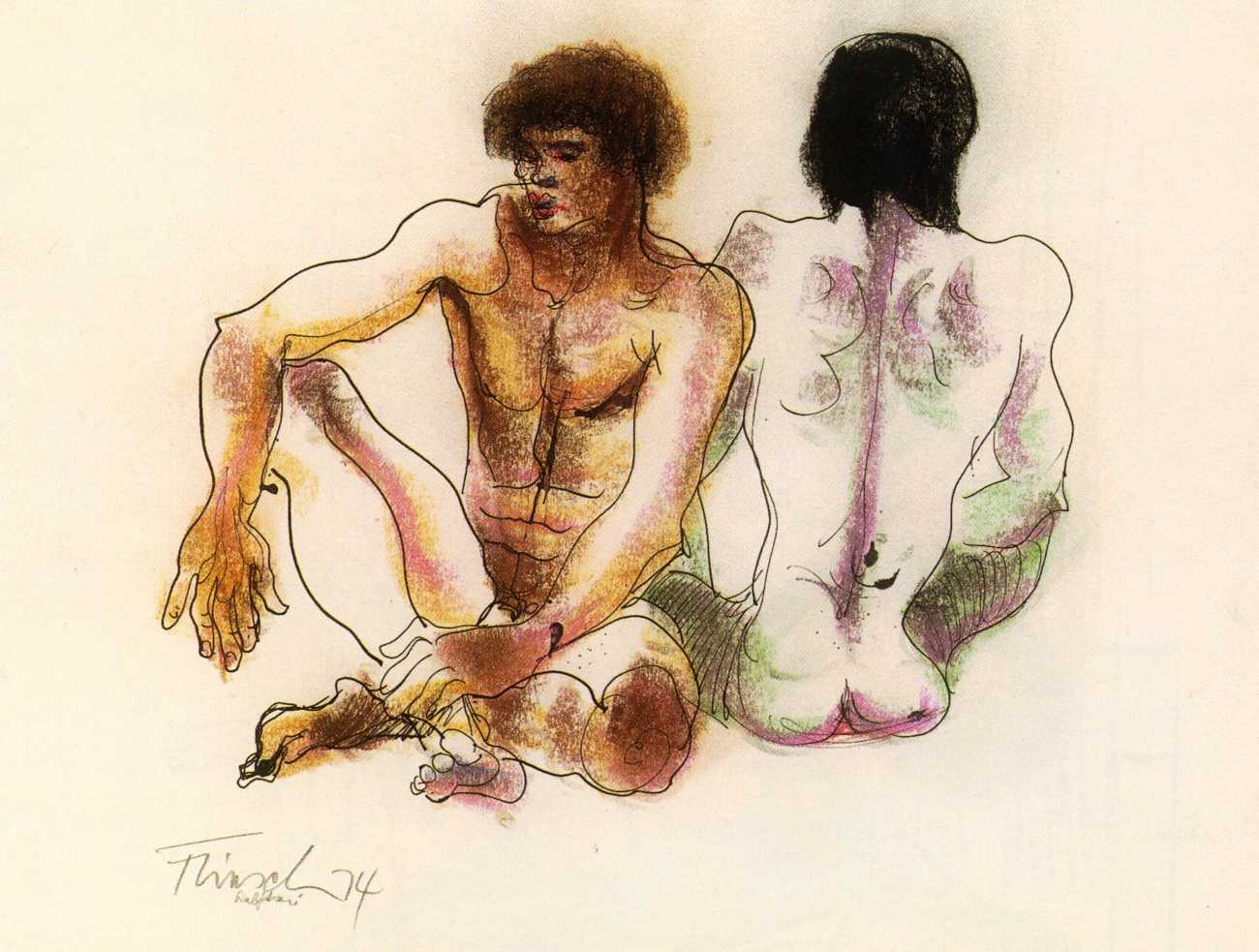
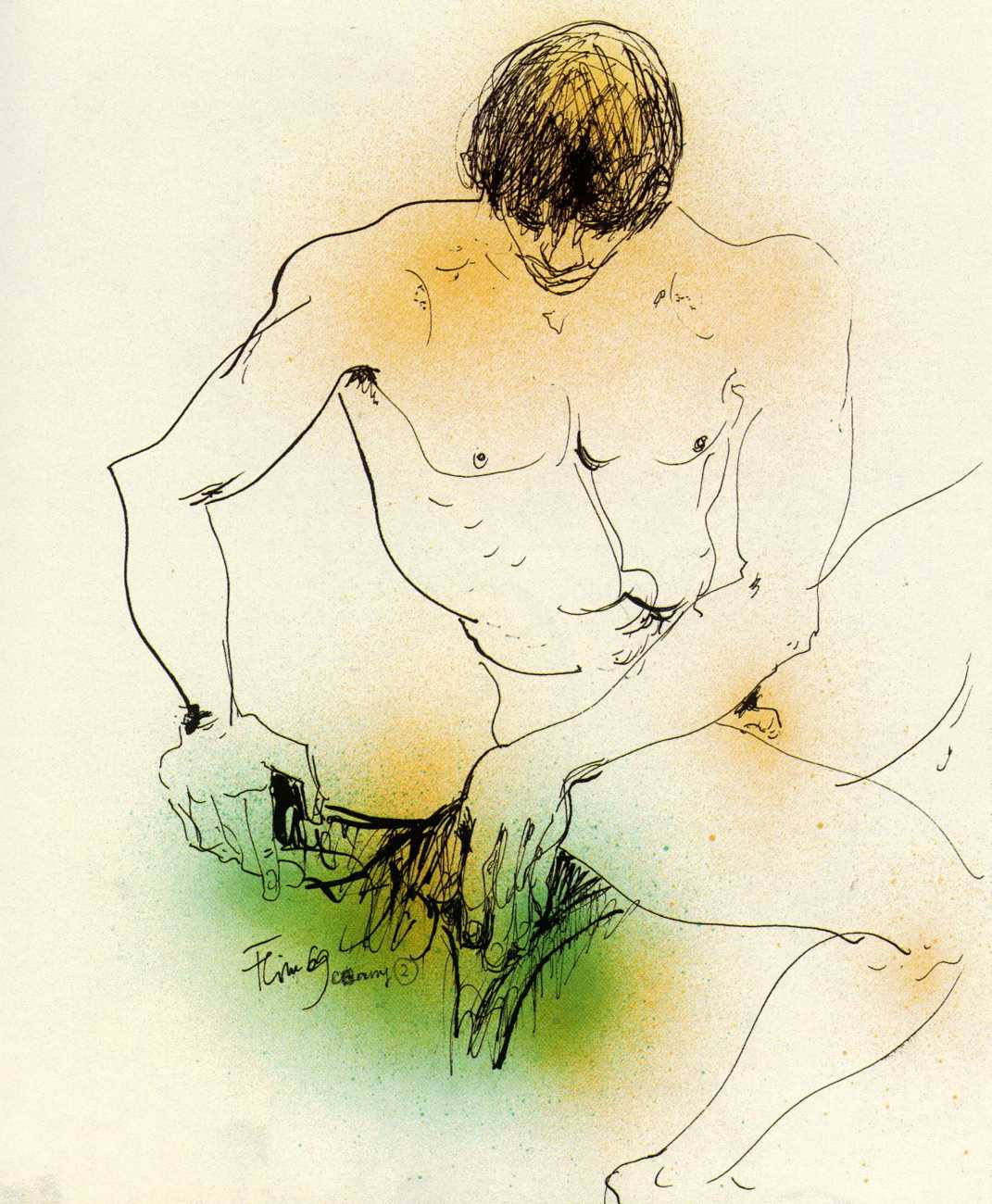
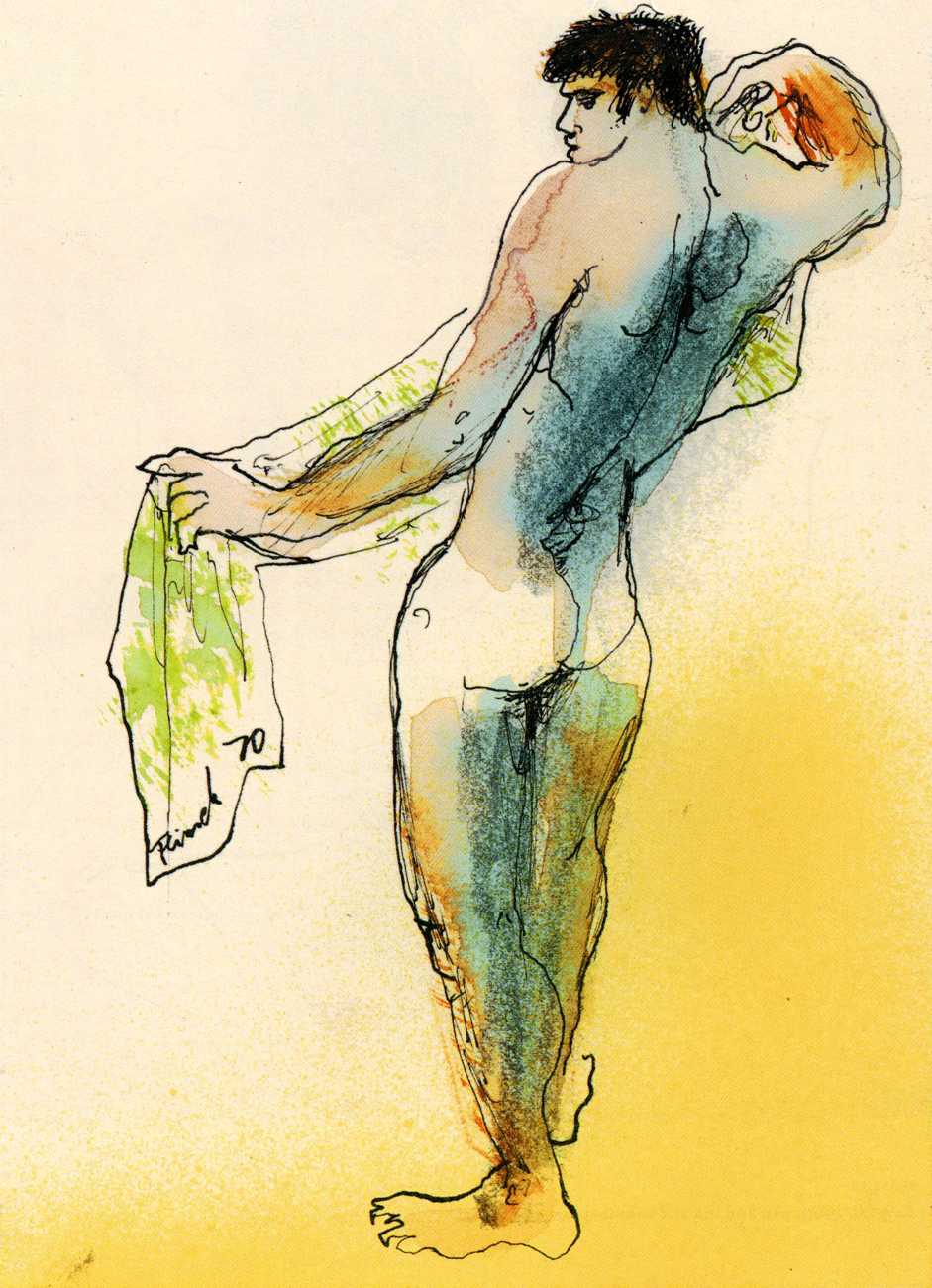
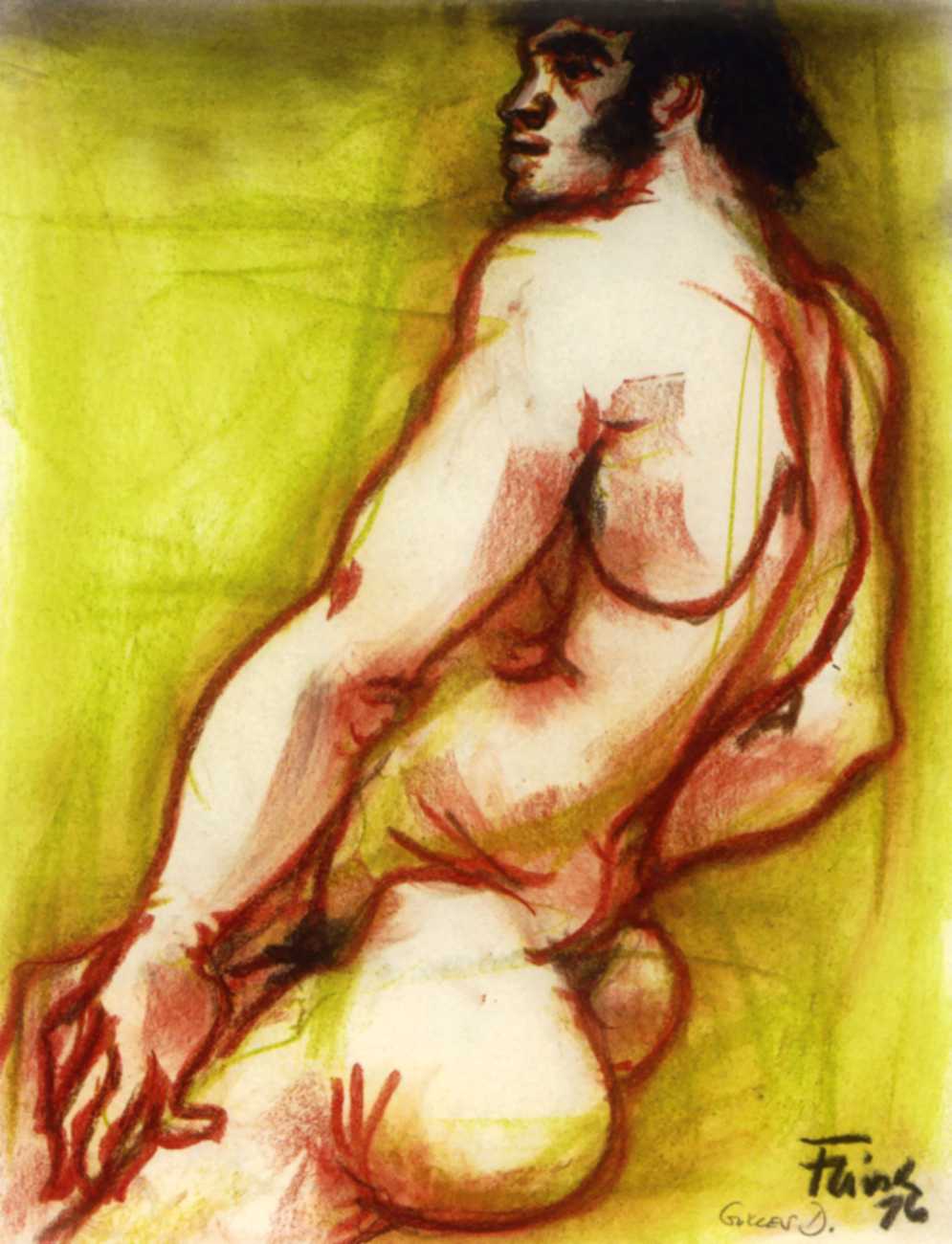
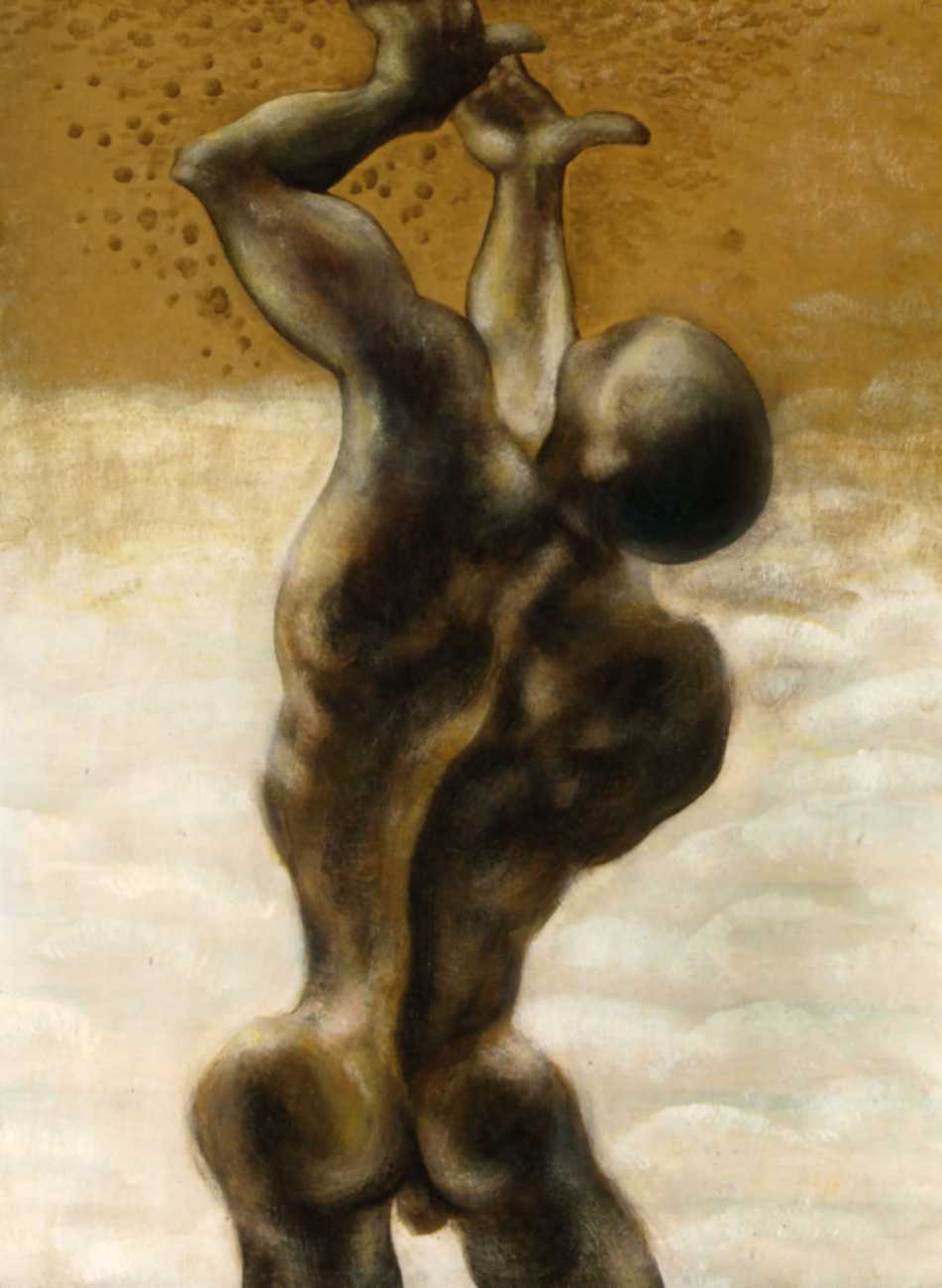
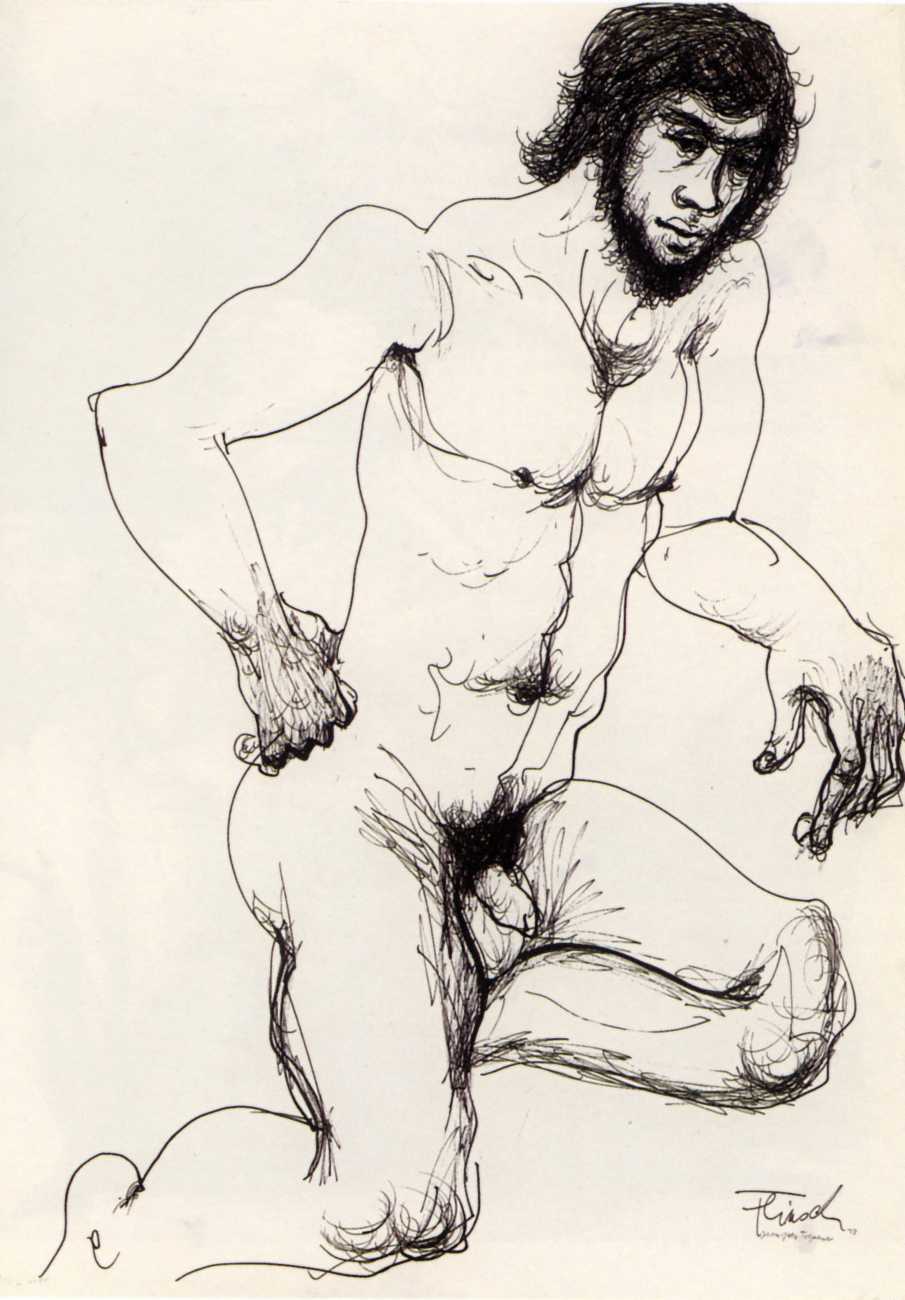
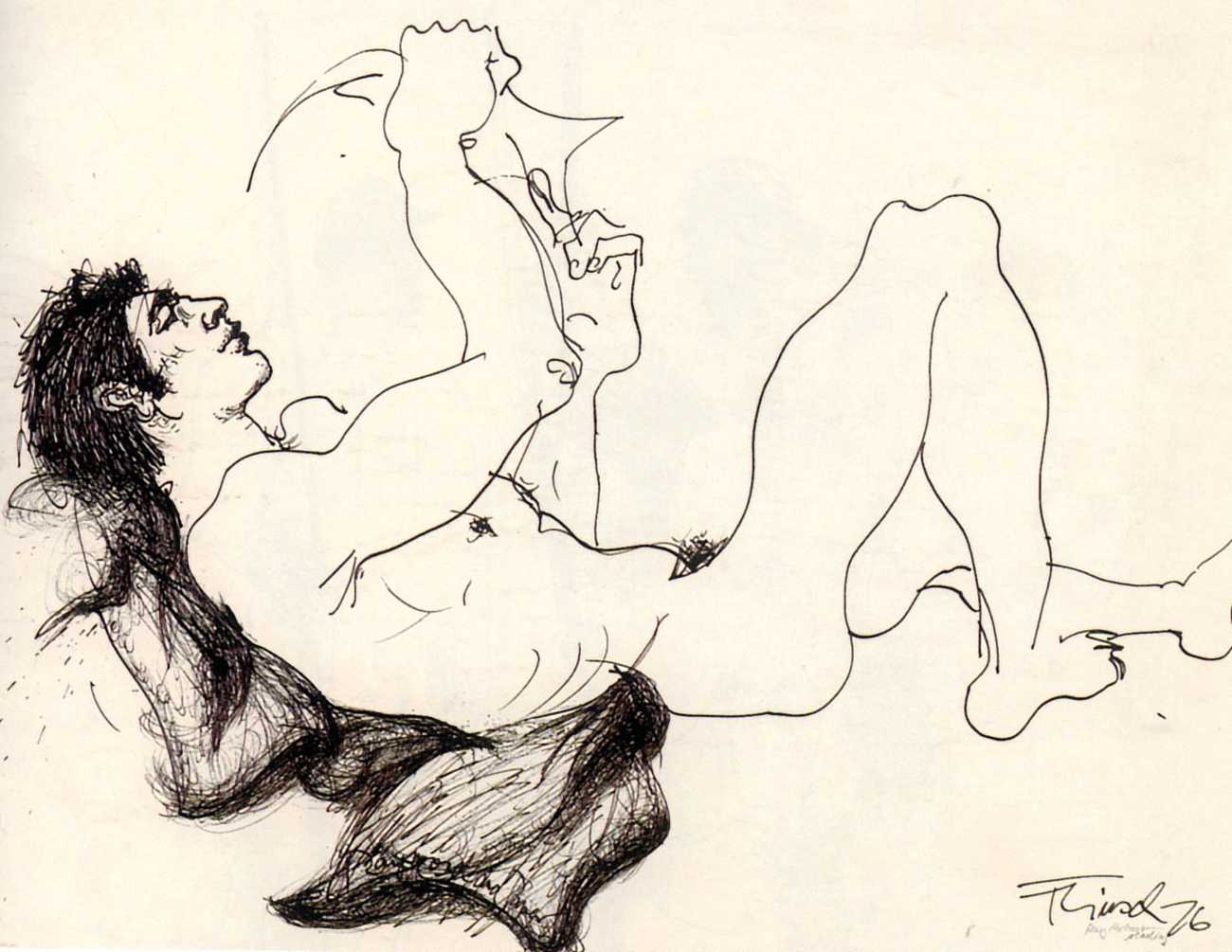
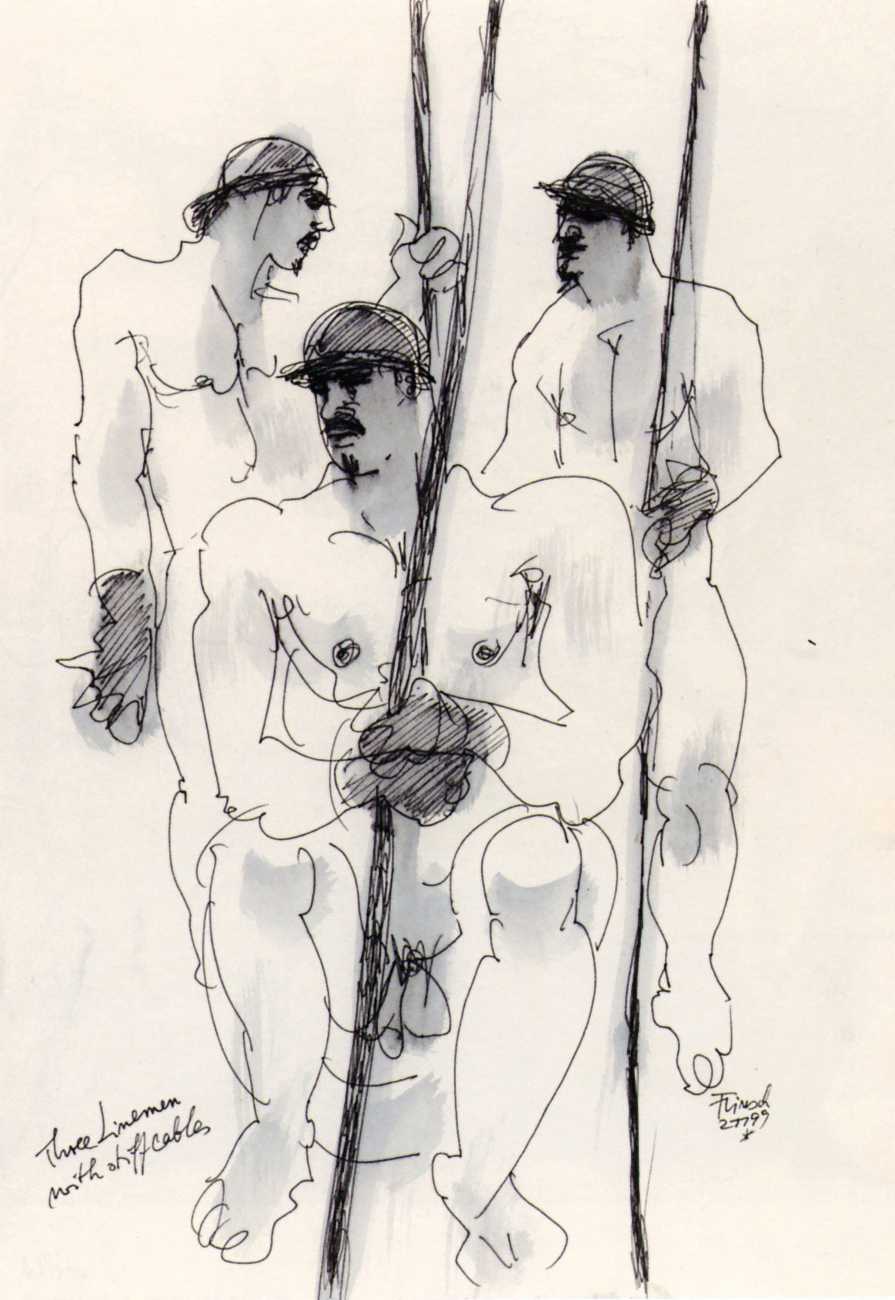
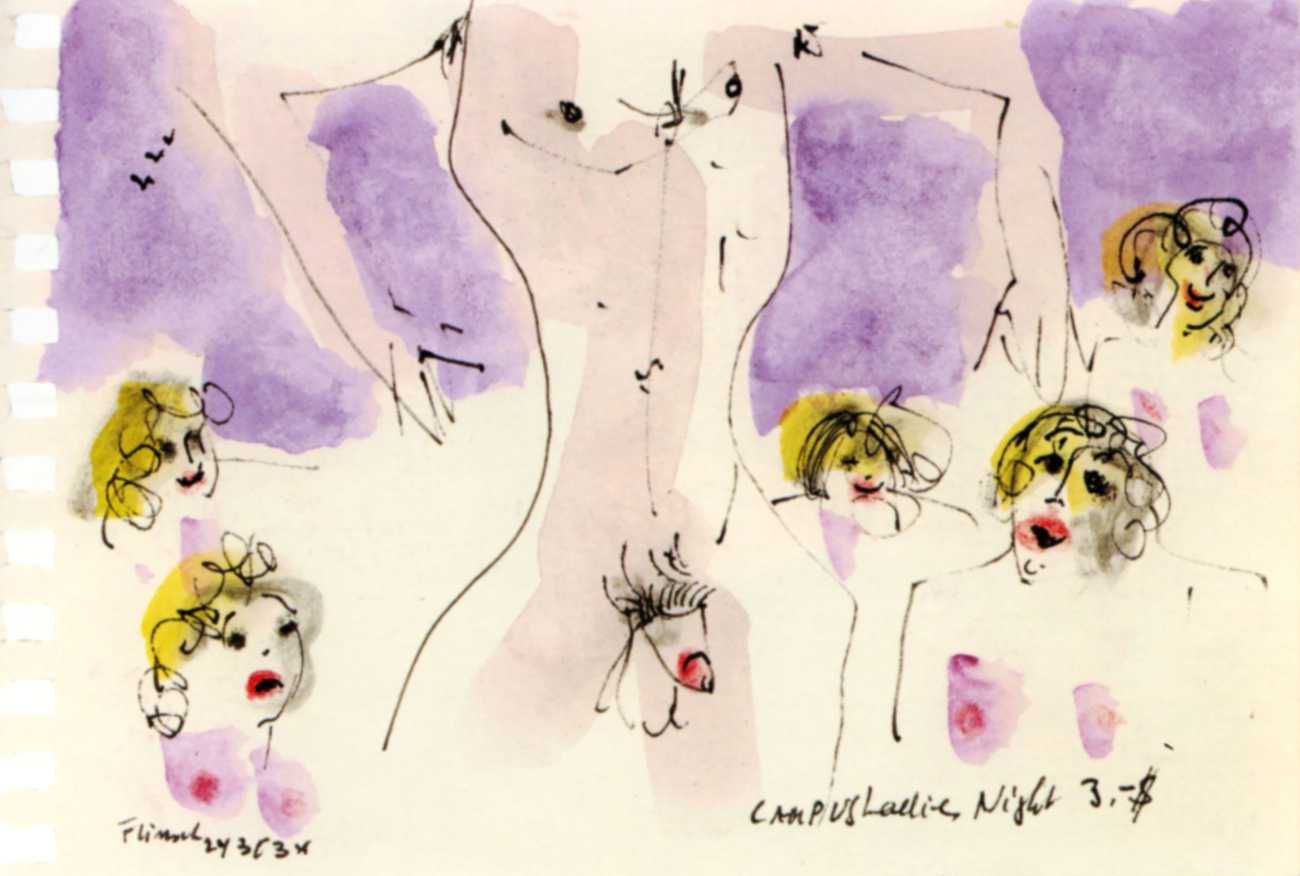
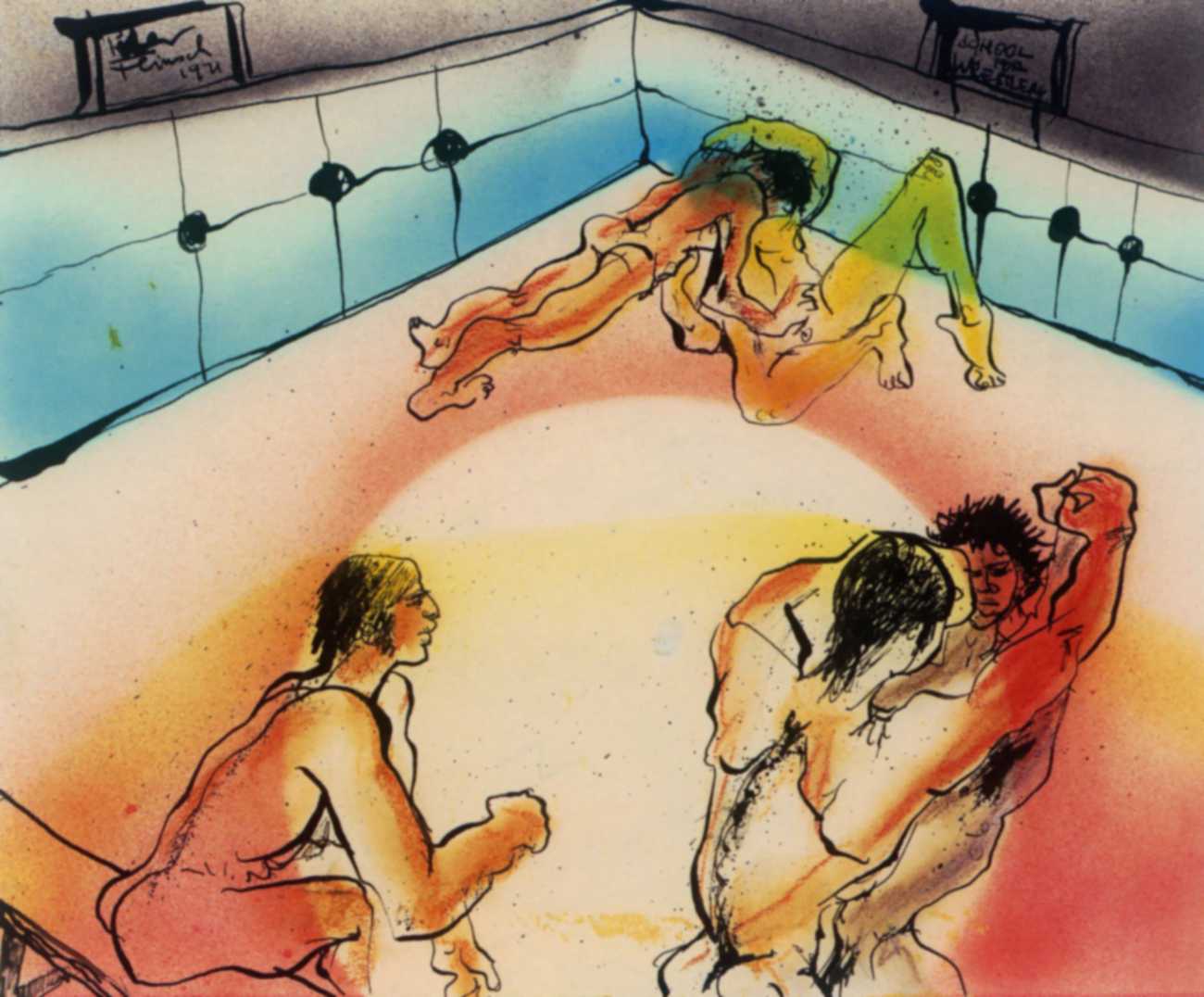
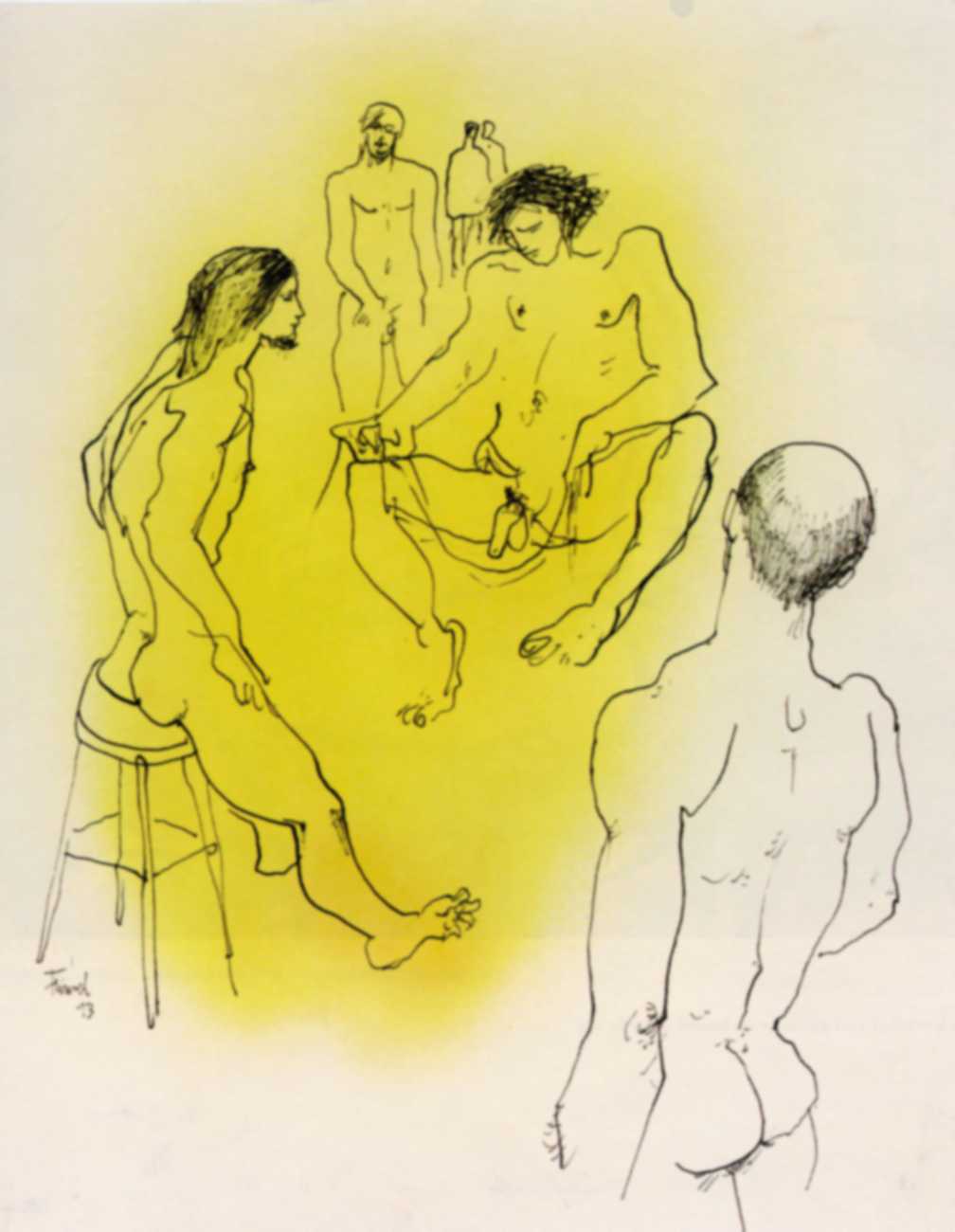
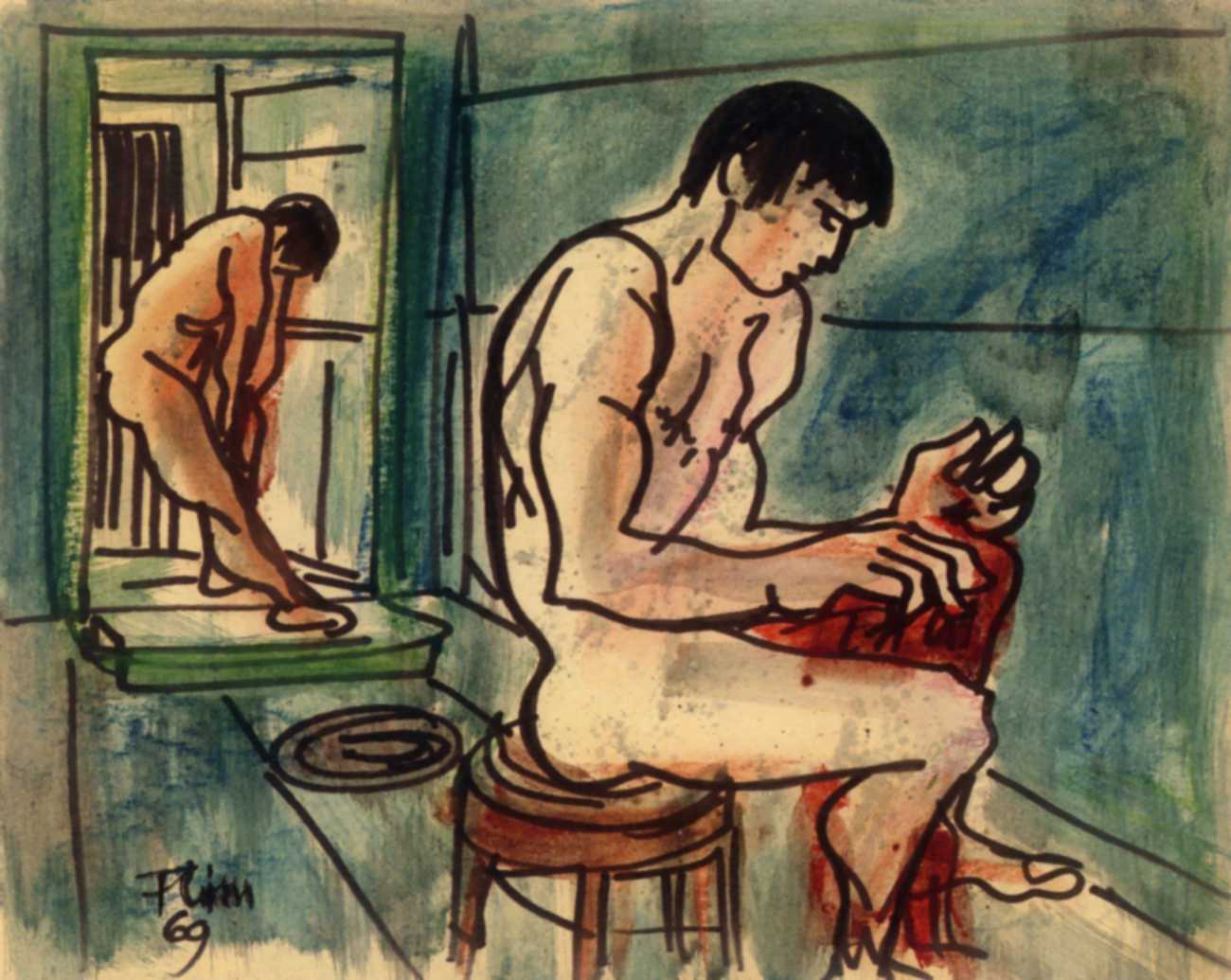
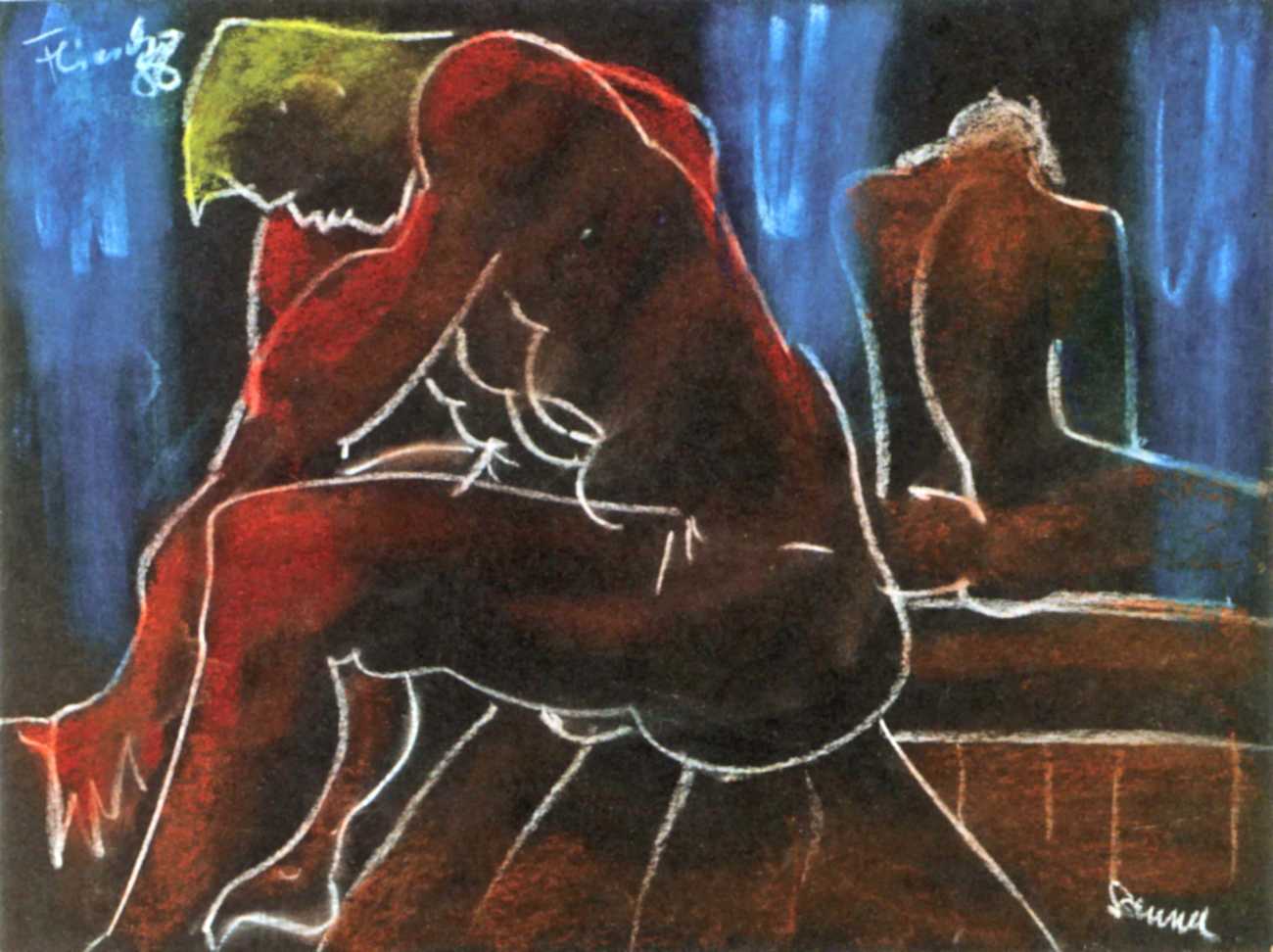
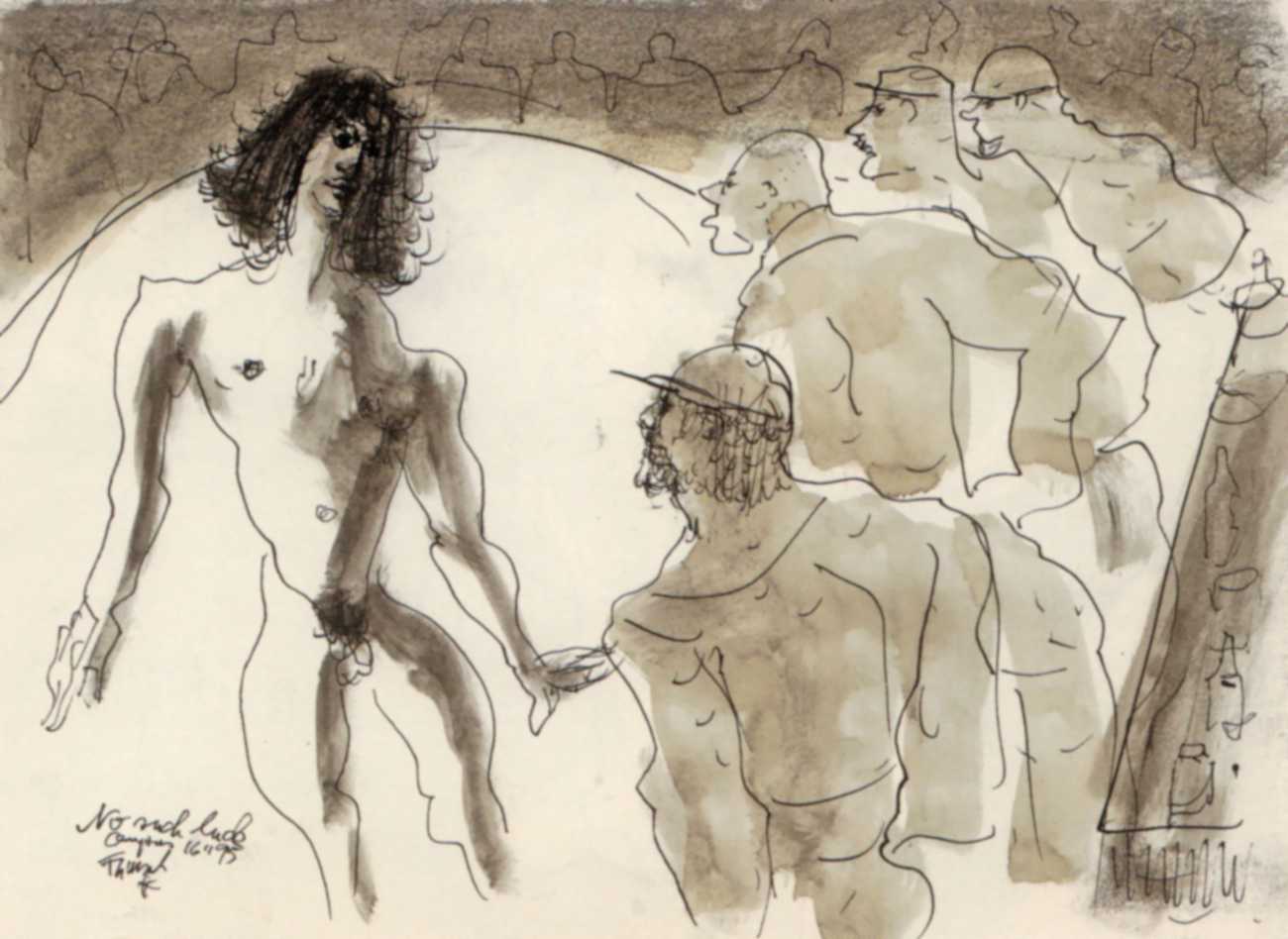
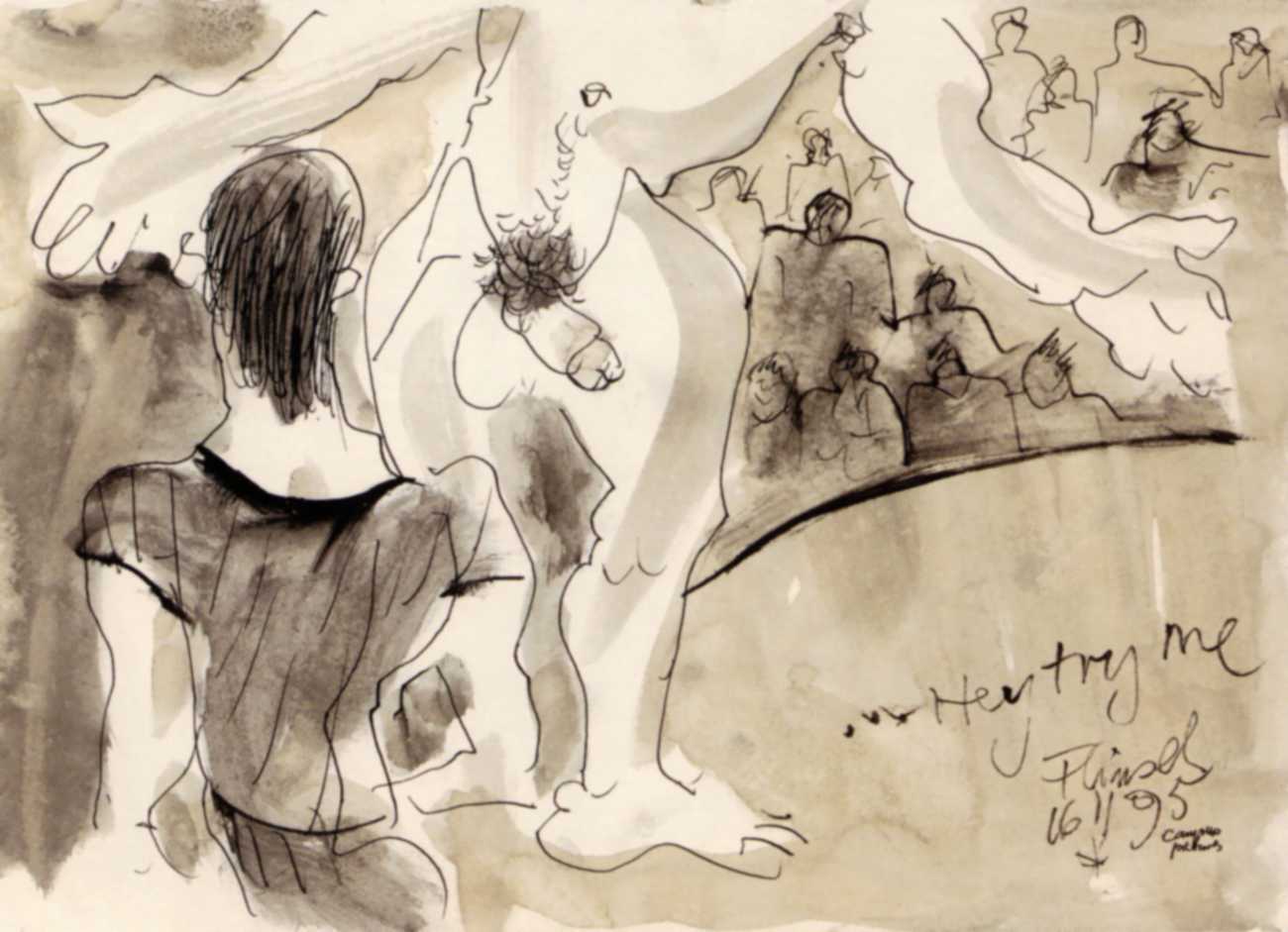
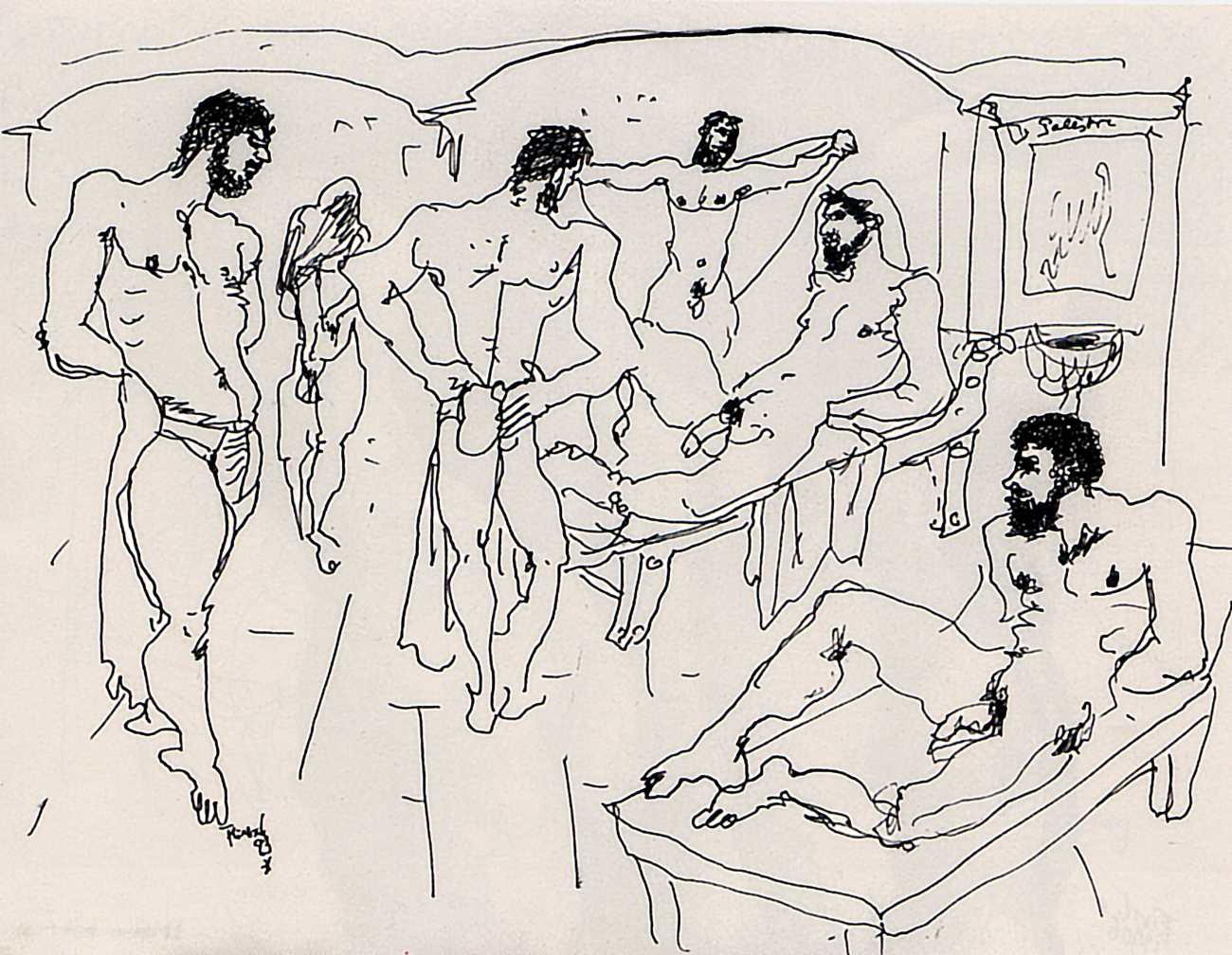
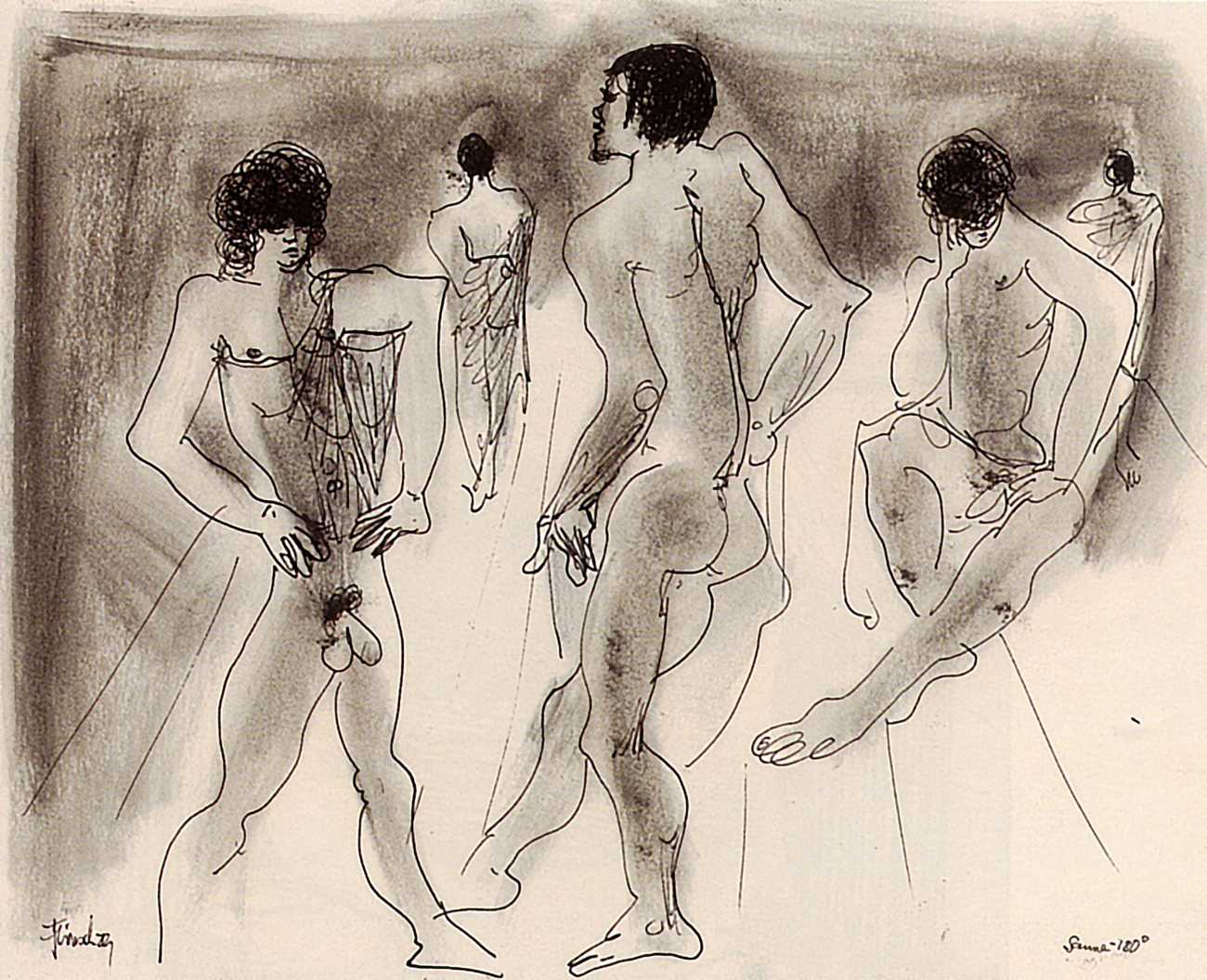
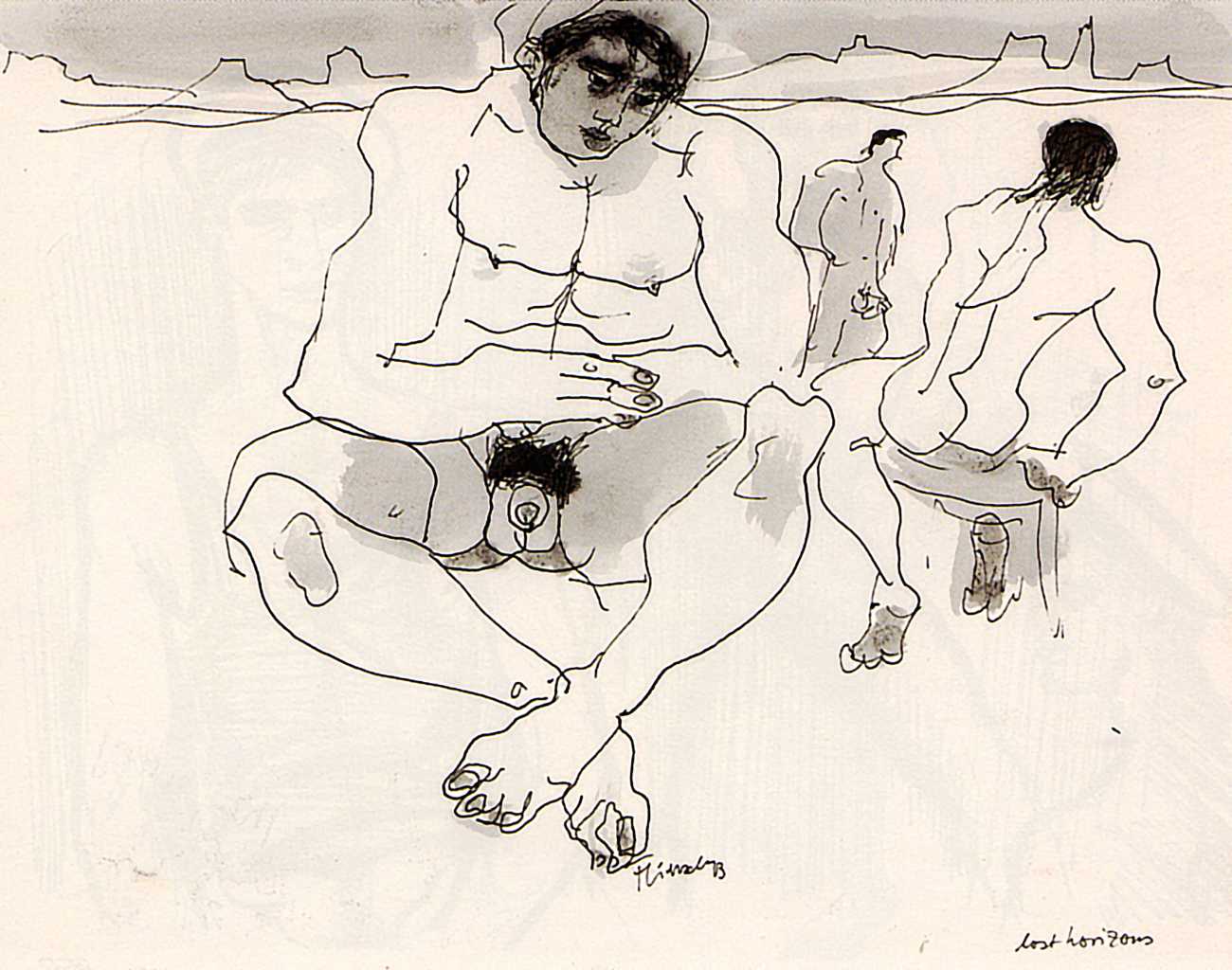
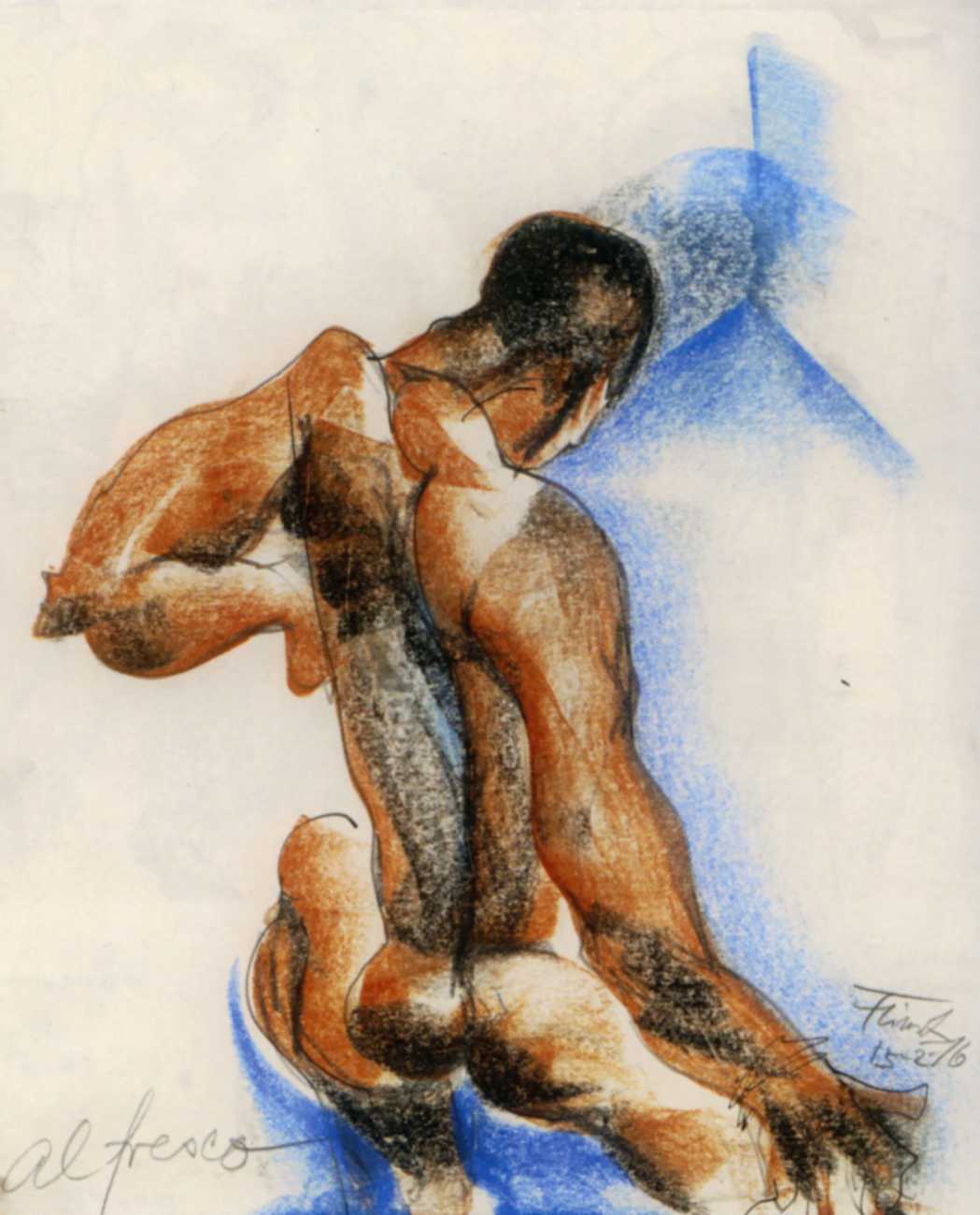
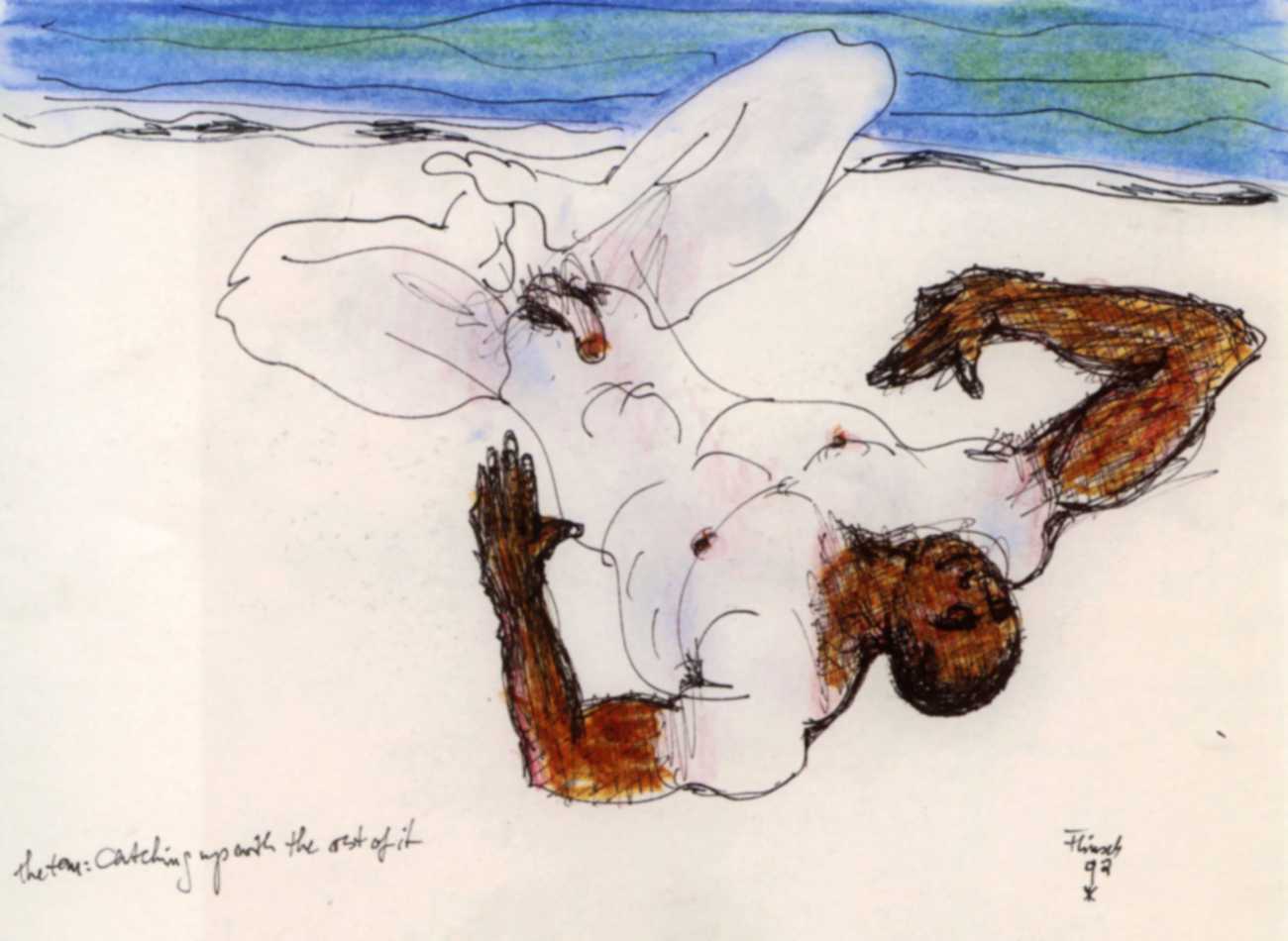
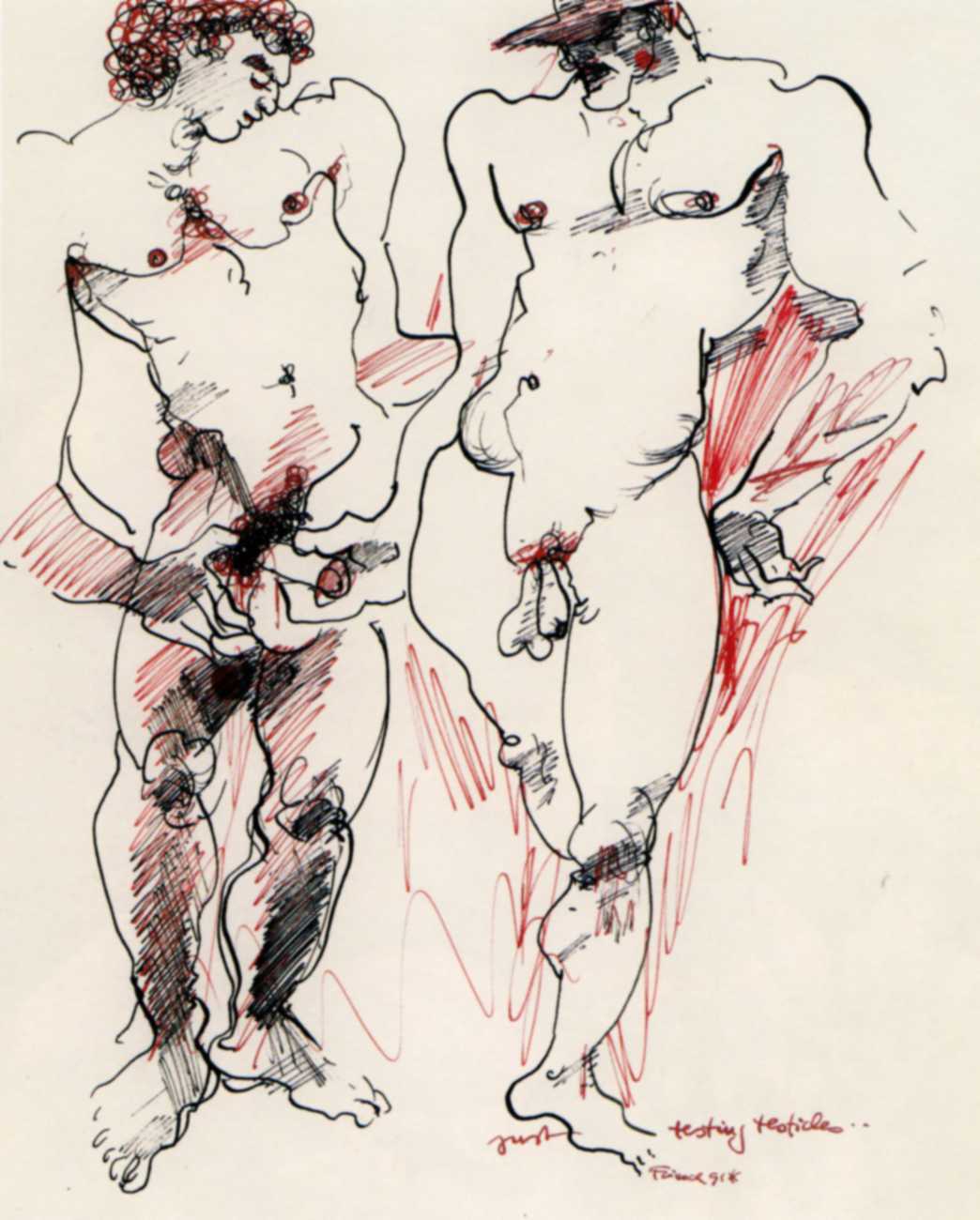
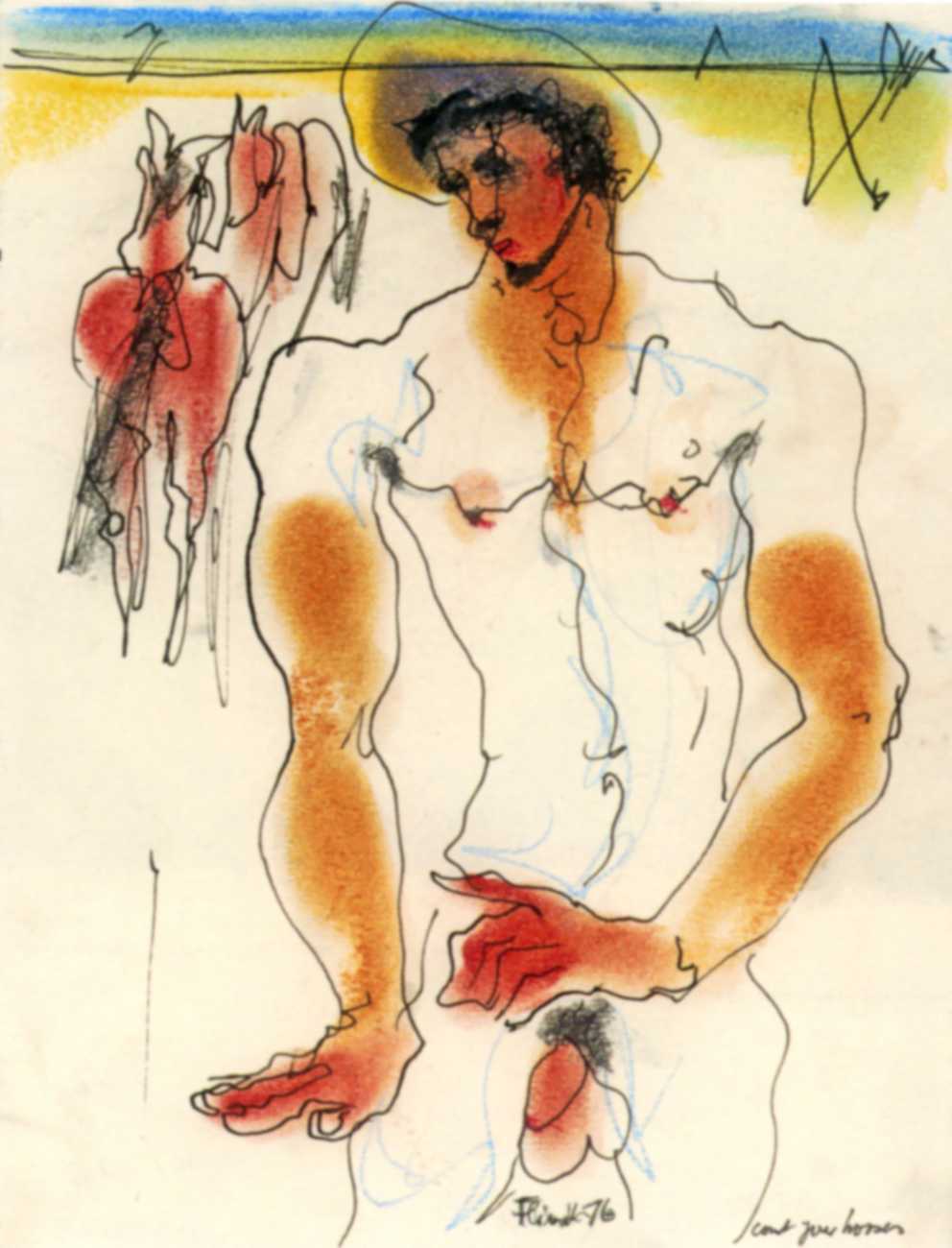
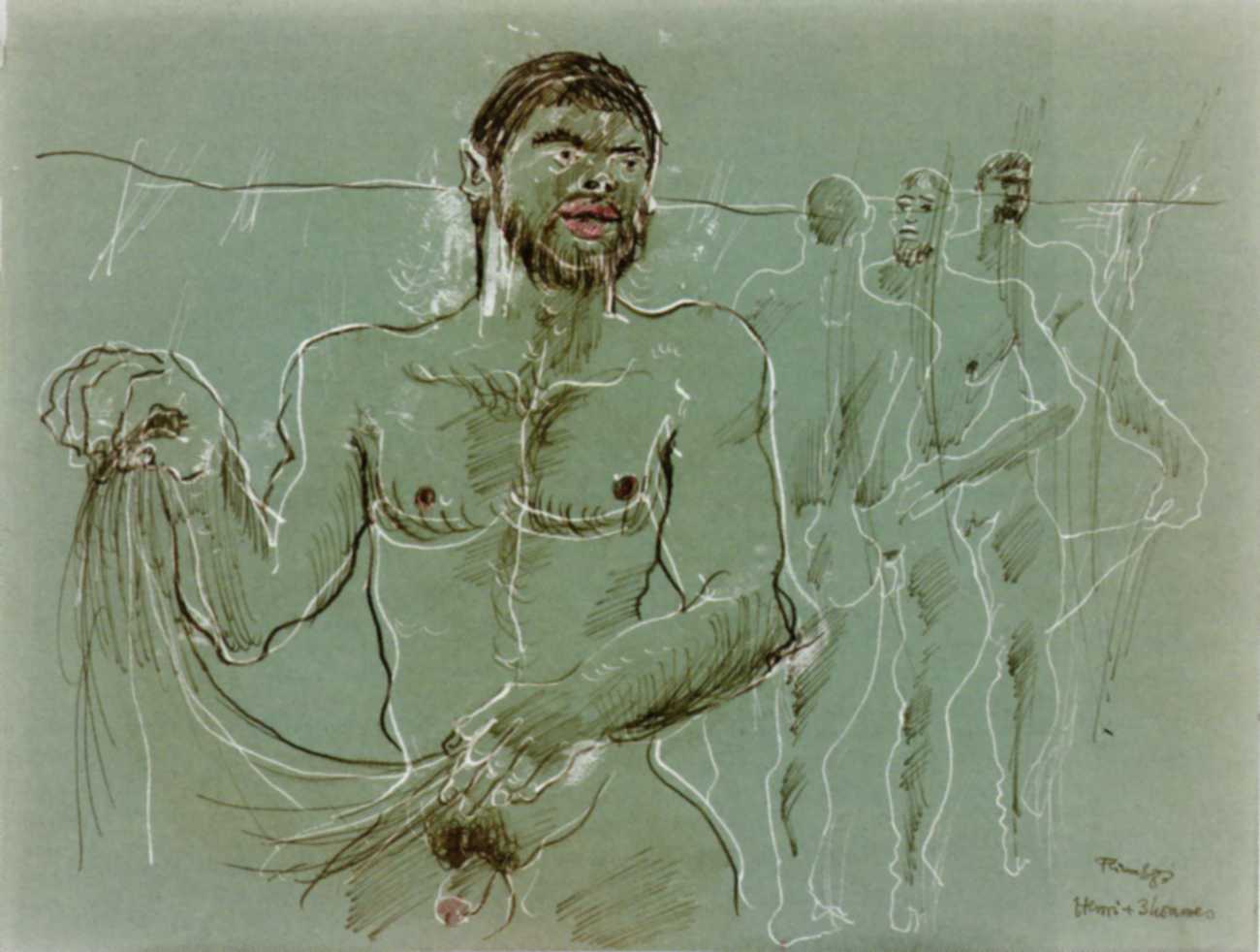
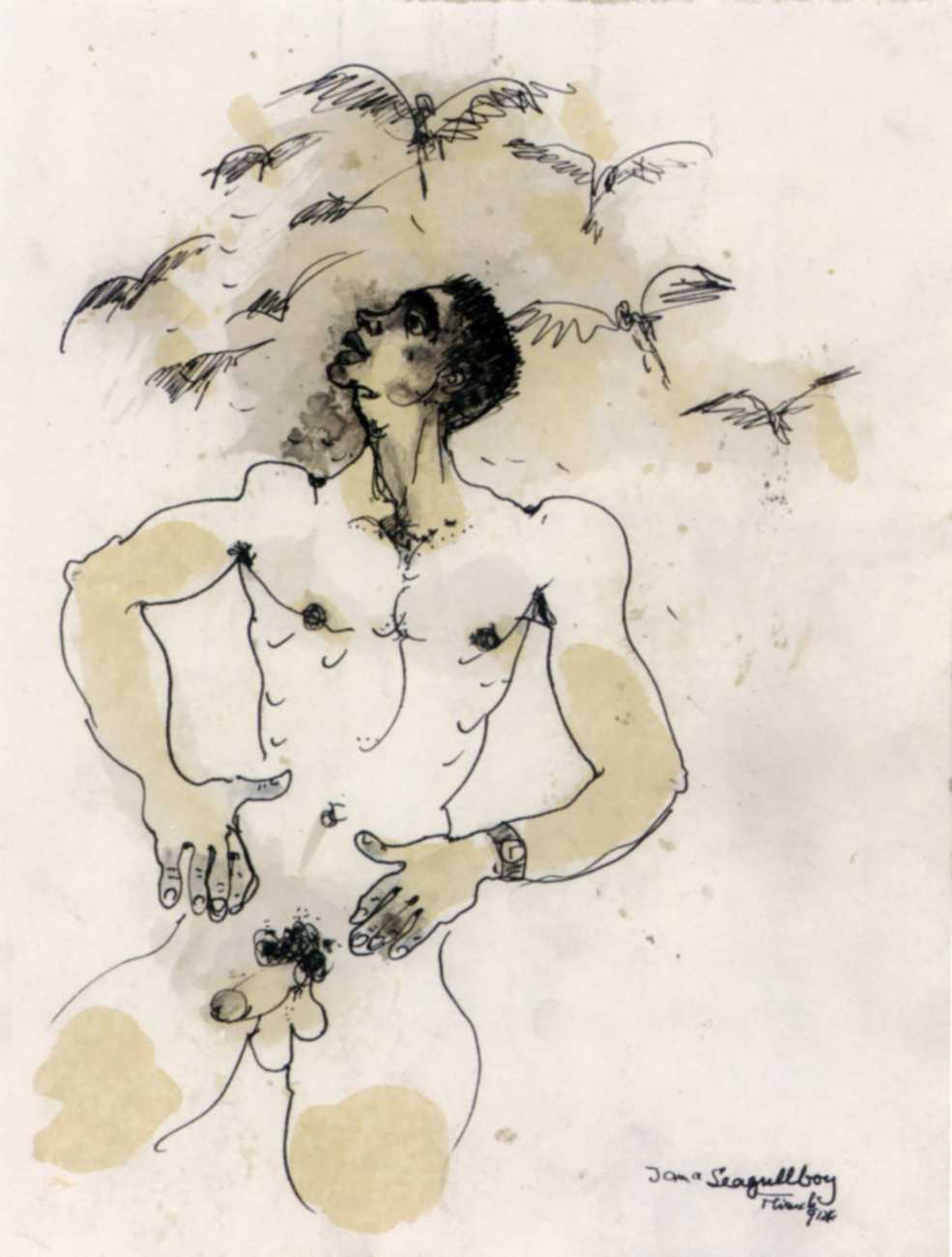
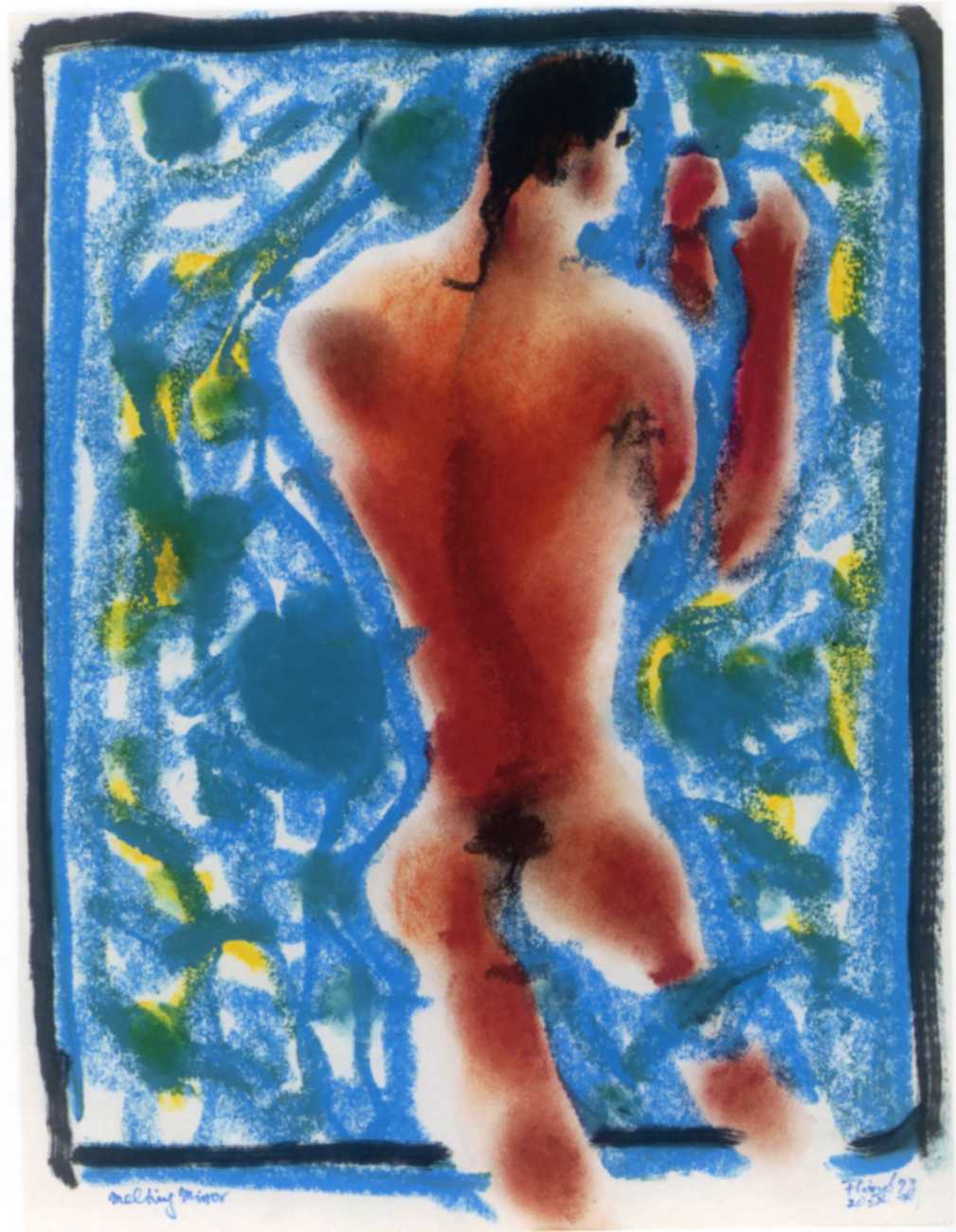
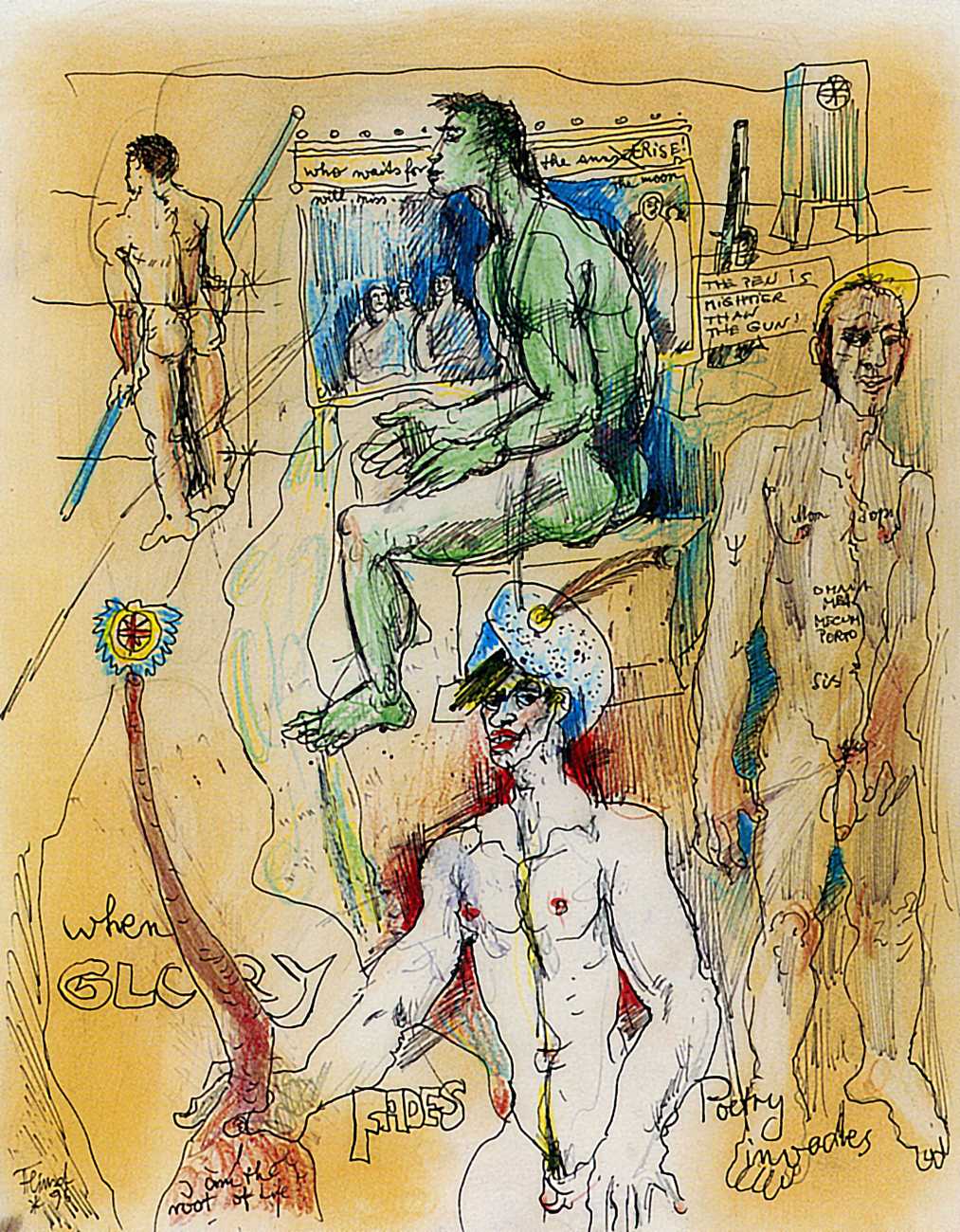
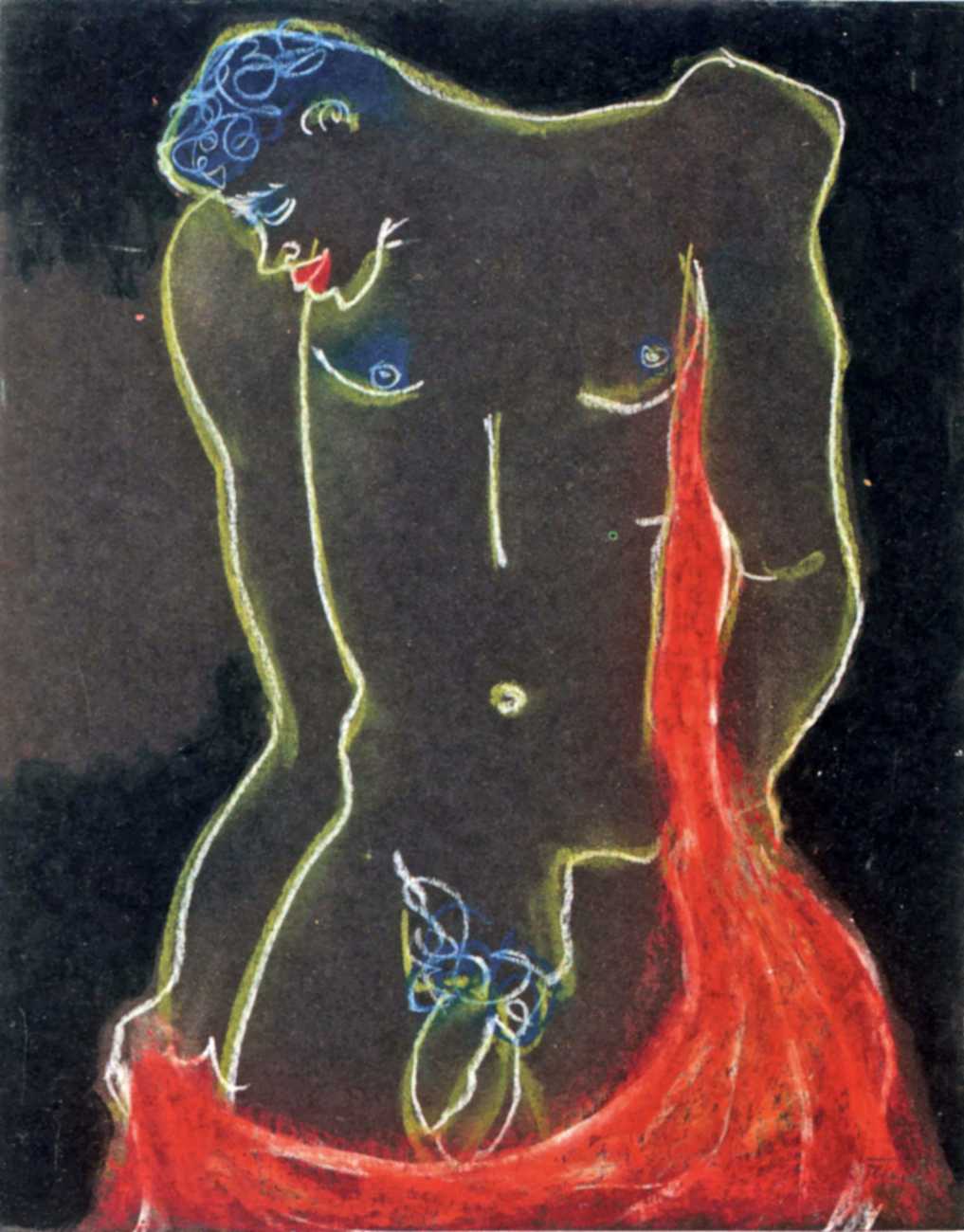
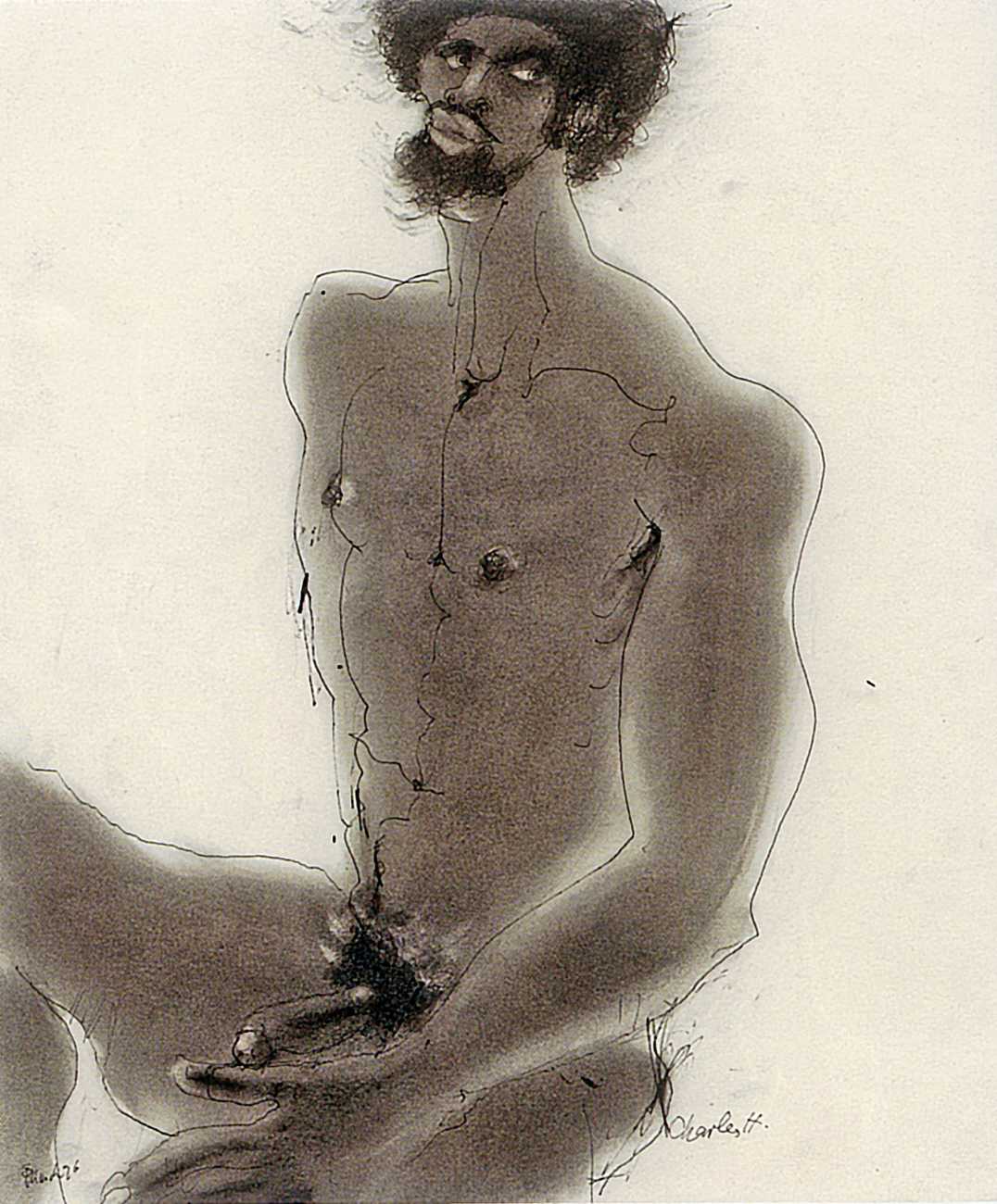
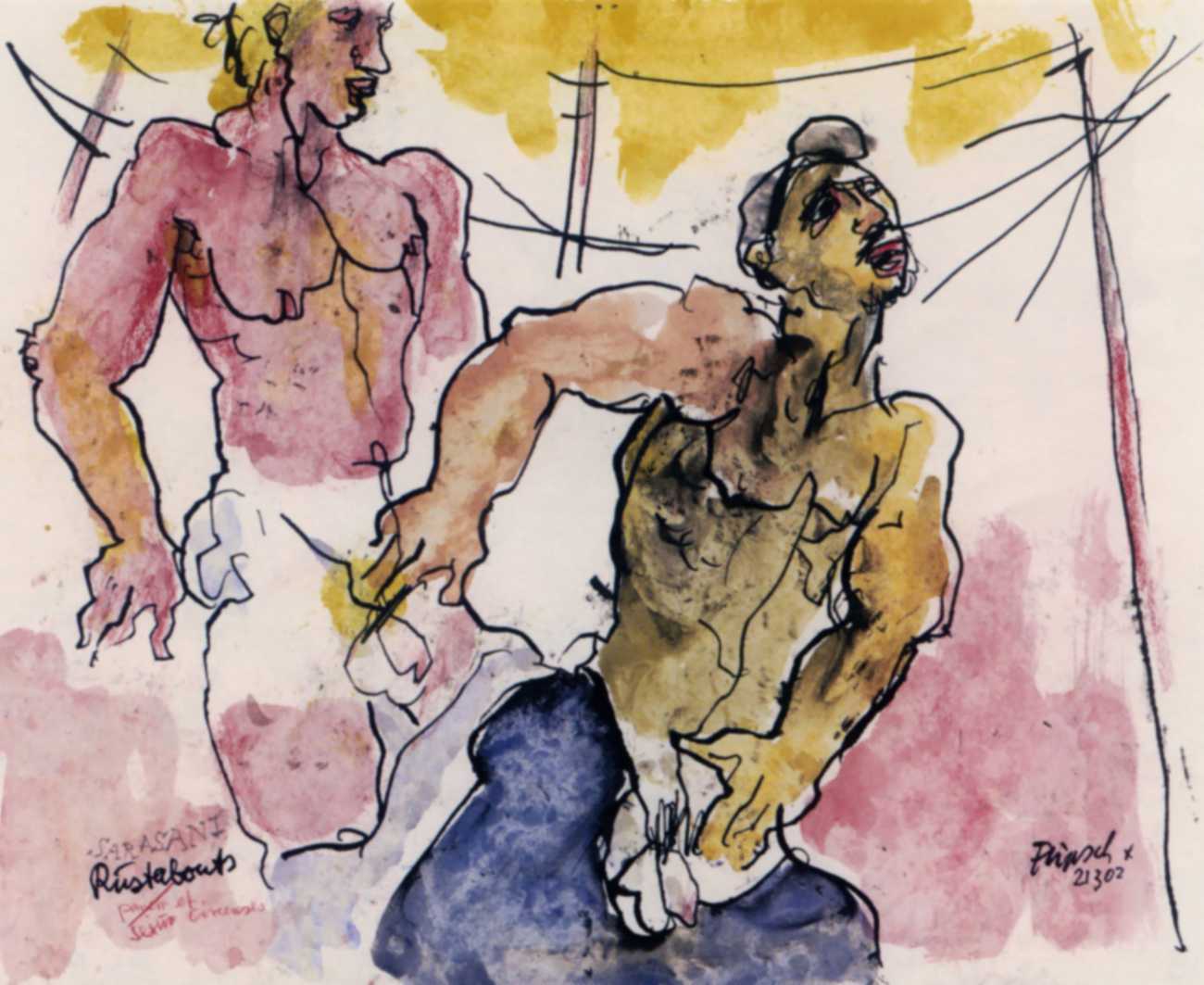
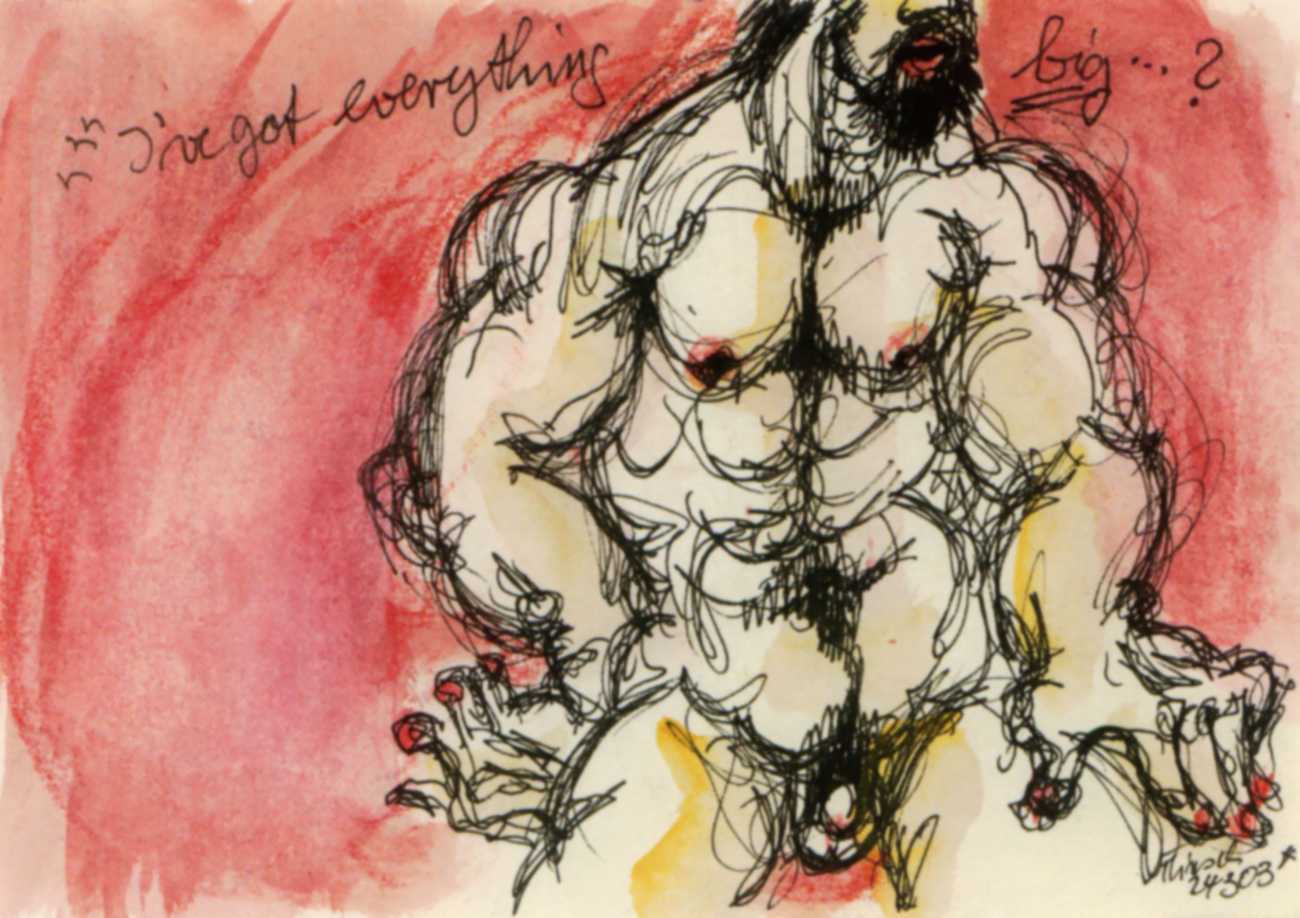
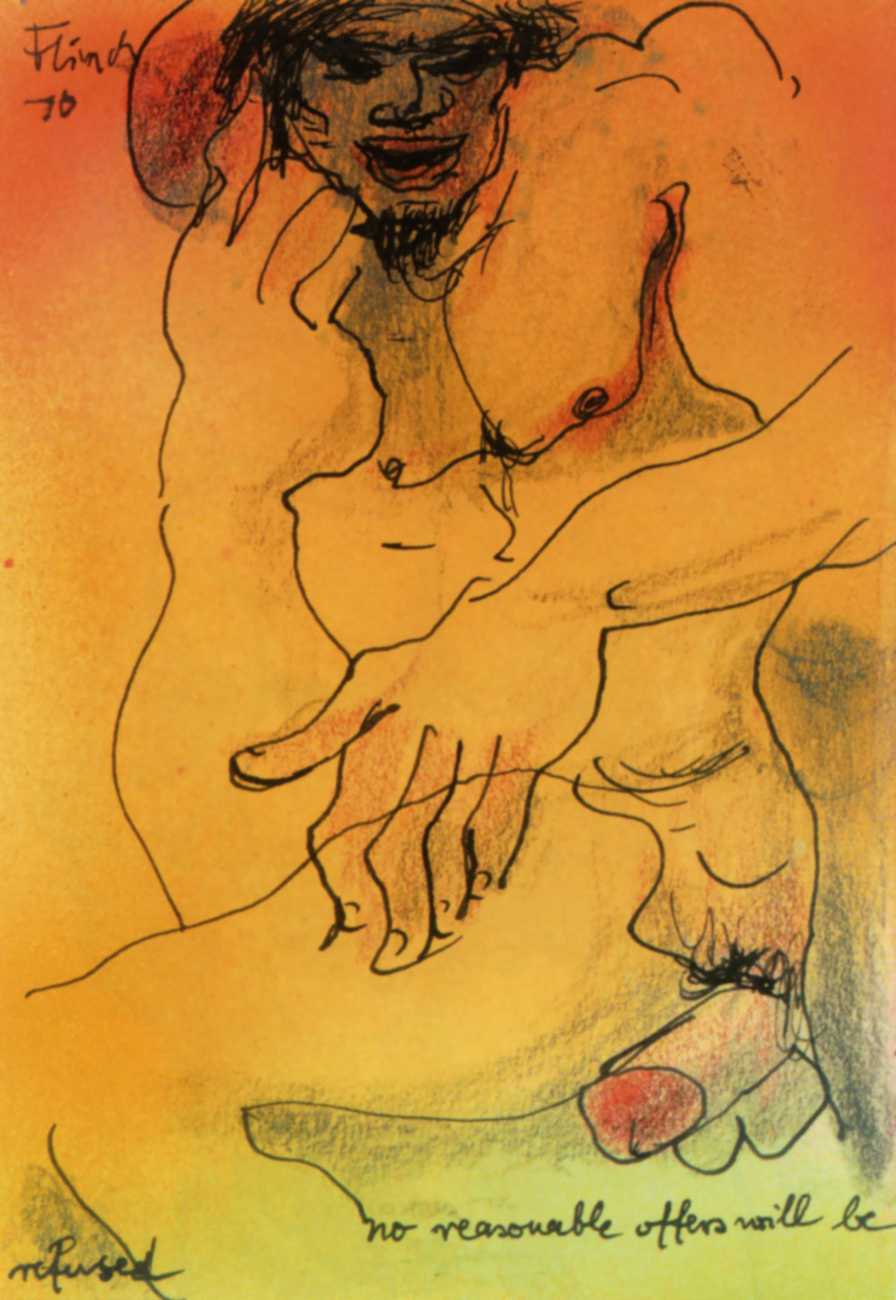
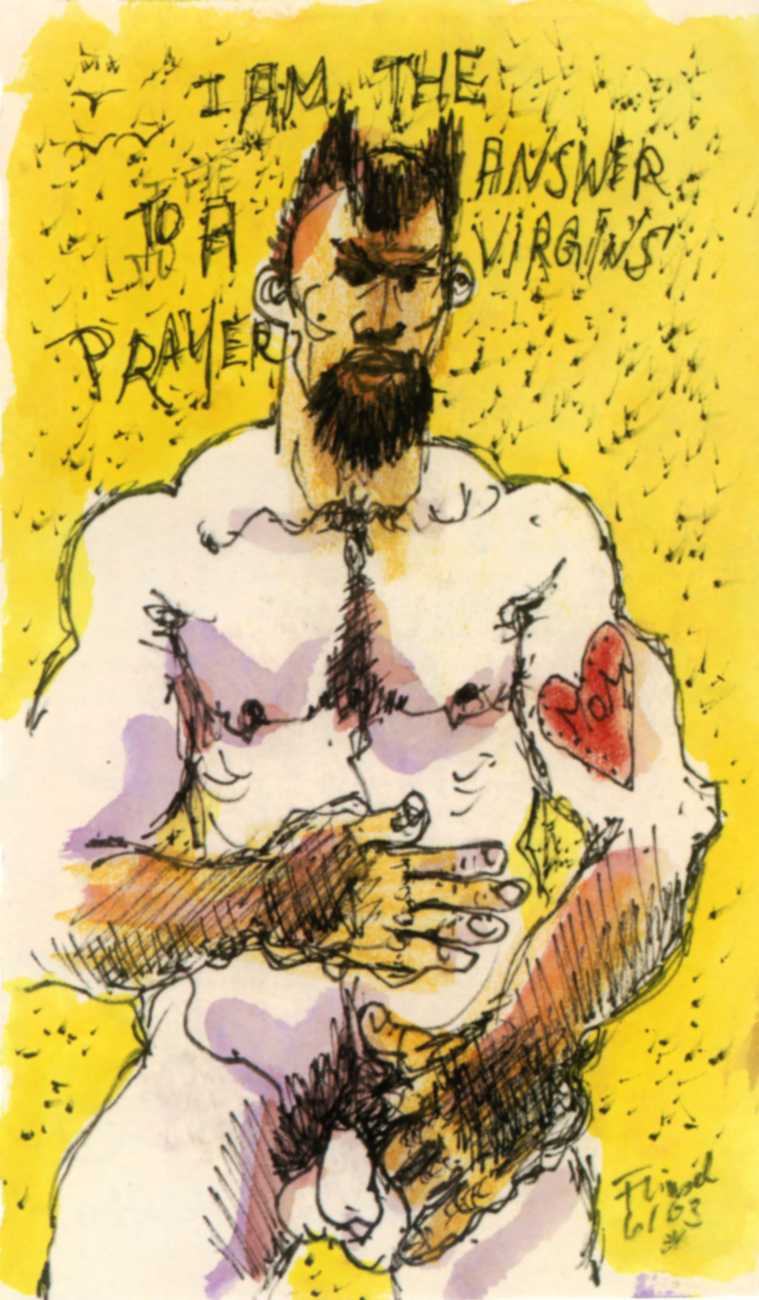
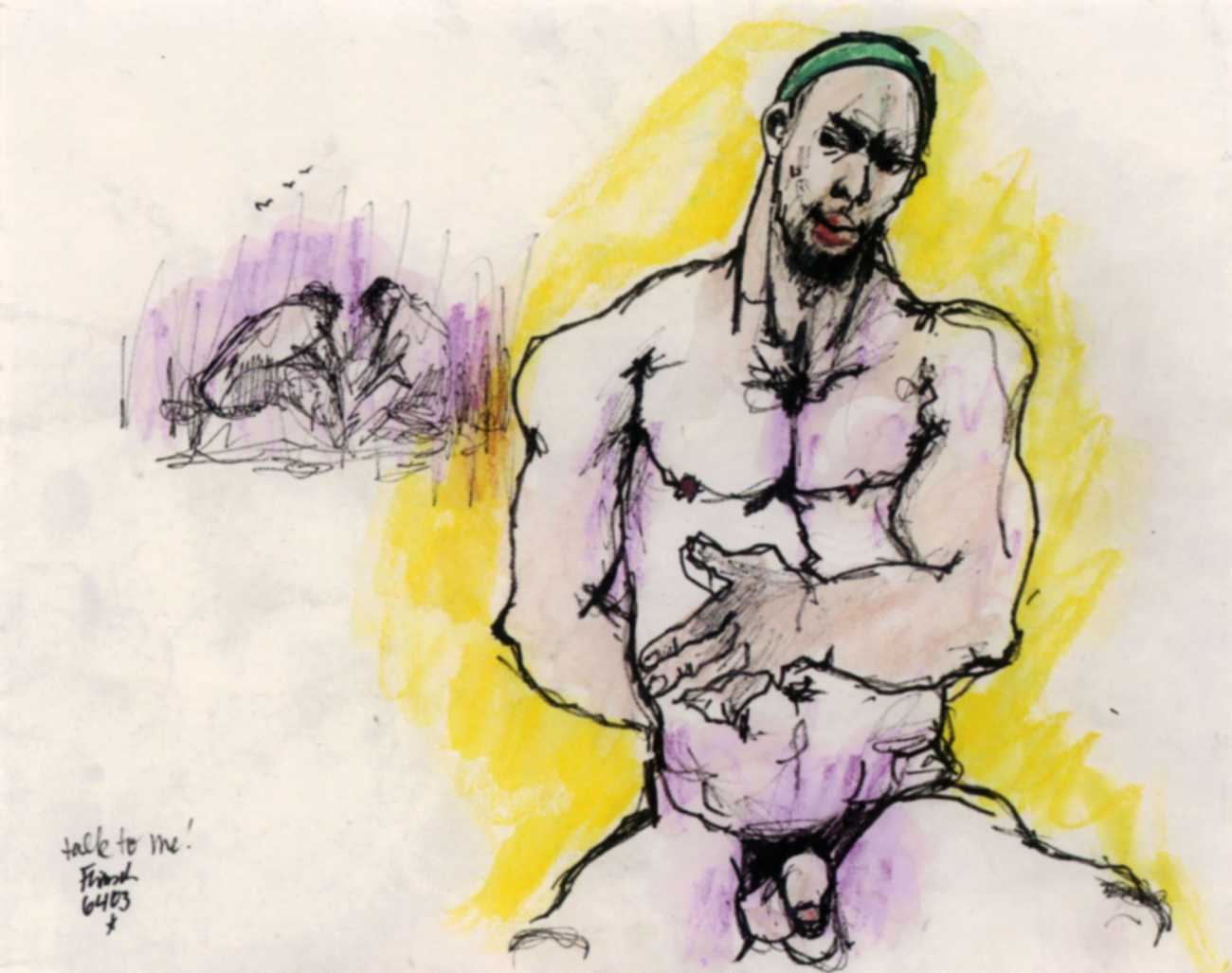
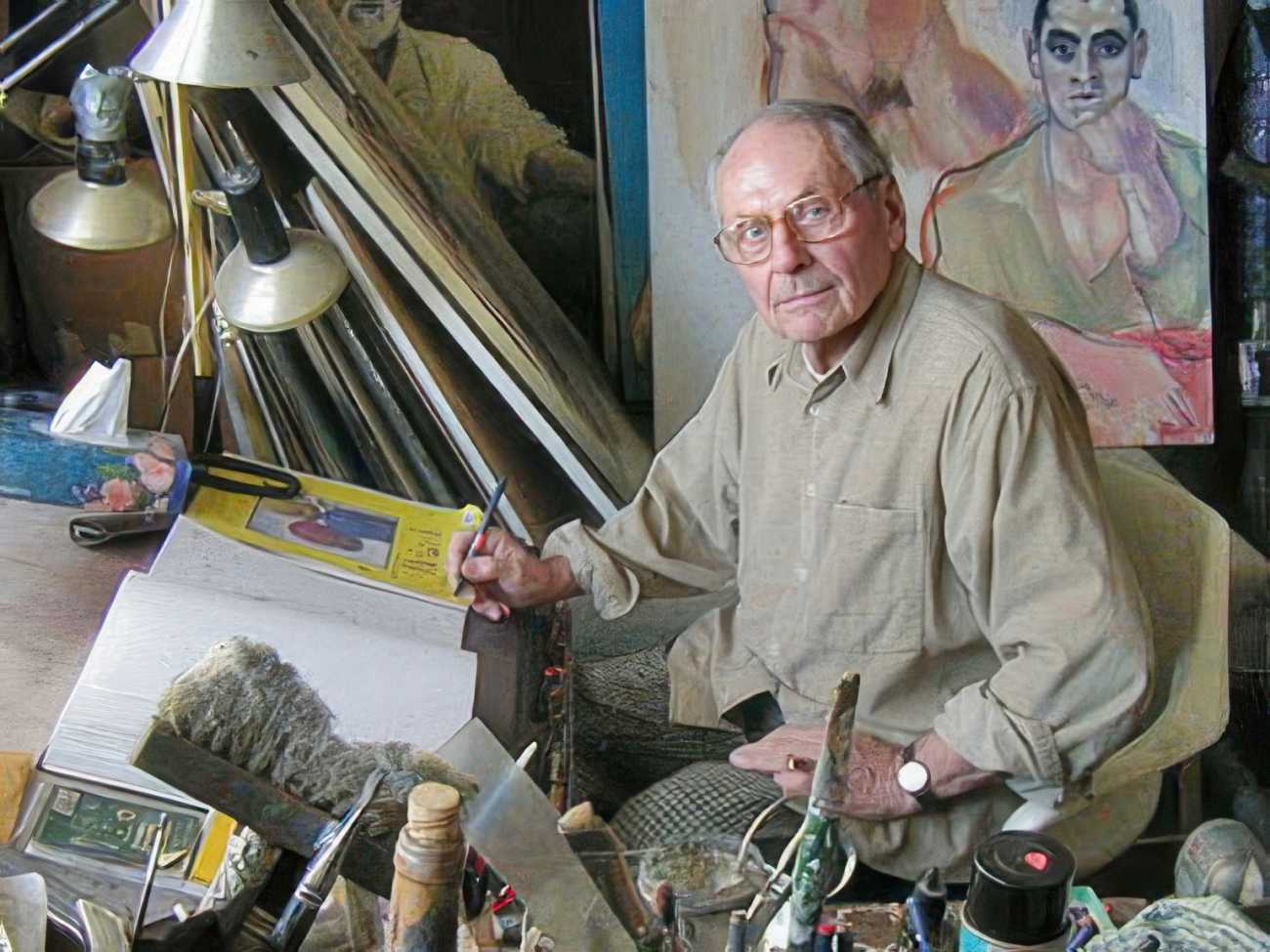
In addition to his professional activities, Flinsch embarked on a huge volume of work consisting of drawings, paintings and sculptures. After a period of close-to-abstract art his work became more and more figurative, and was chiefly dedicated to the depiction of the male body. Following his departure from Radio Canada in 1985 this creative thrust was given full expression. Over the course of the years he had exhibitions in many countries, and his works can be found in private collections in Europe and North America.
We are very grateful to our Russian friend Yuri for introducing us to the work of this artist, and for supplying many of the images.
A website dedicated to the life and work of Peter Flinsch, from which the biography above by Jean-François Larose is adapted, can be found here.
Example illustration