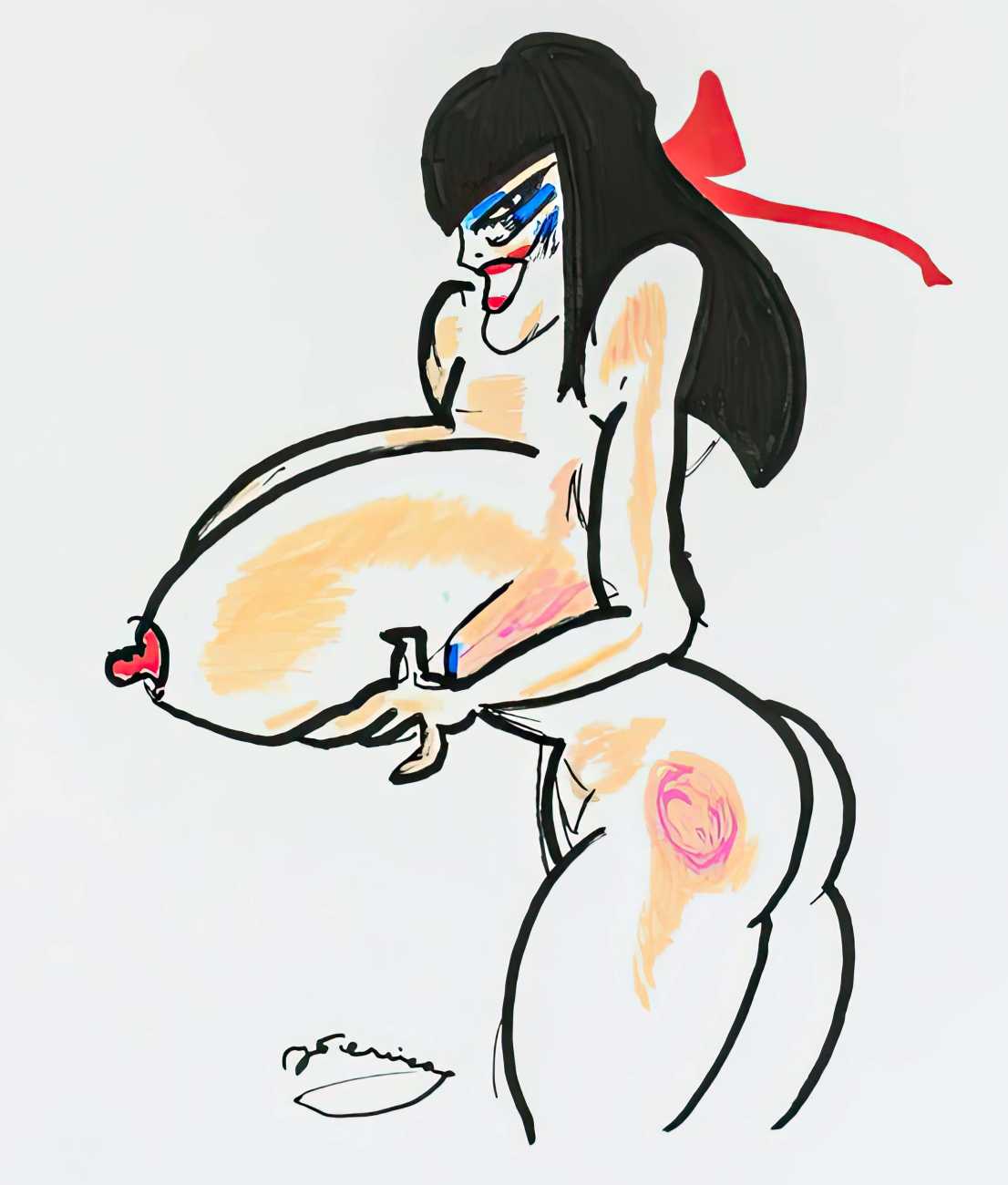
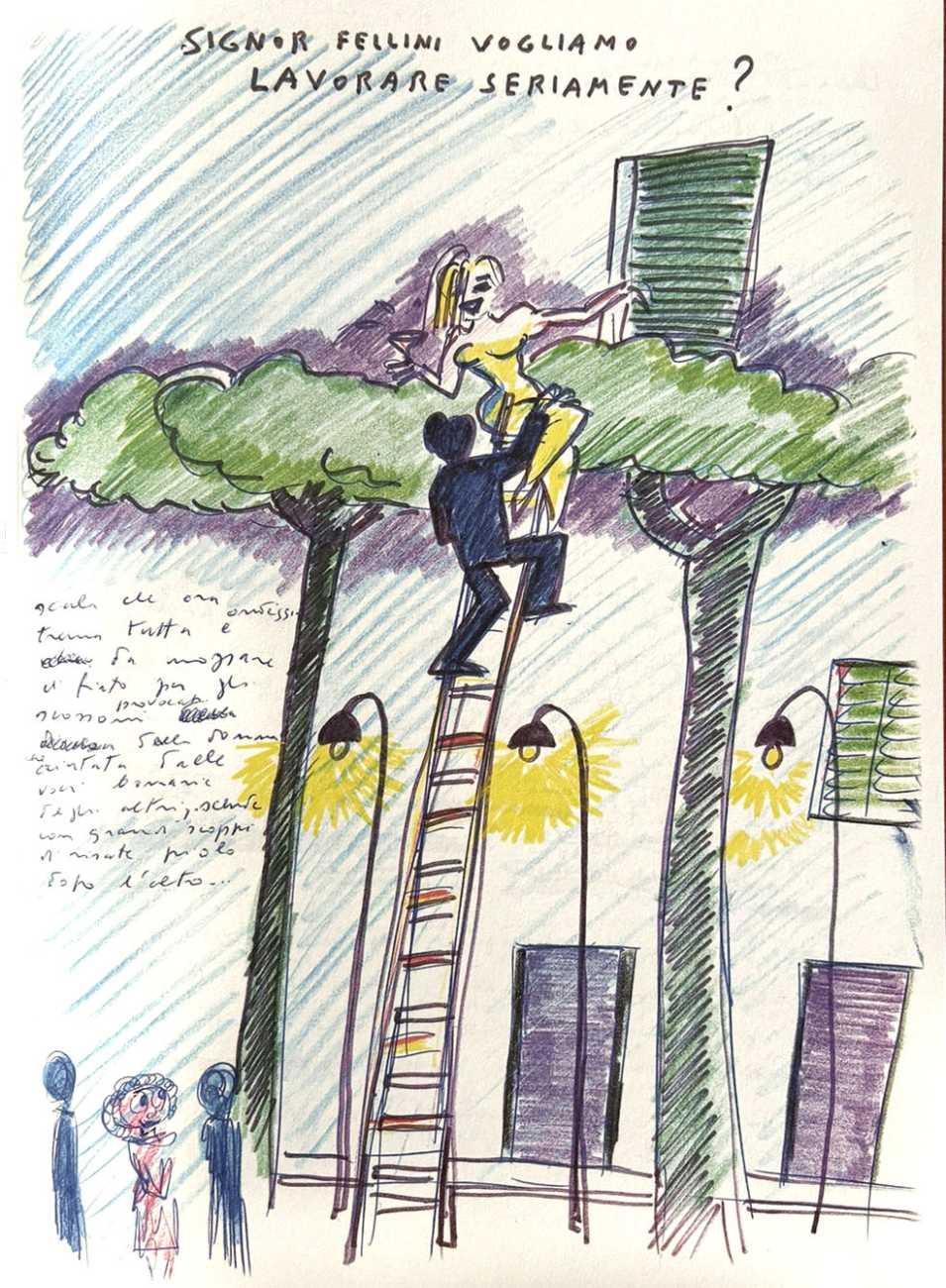
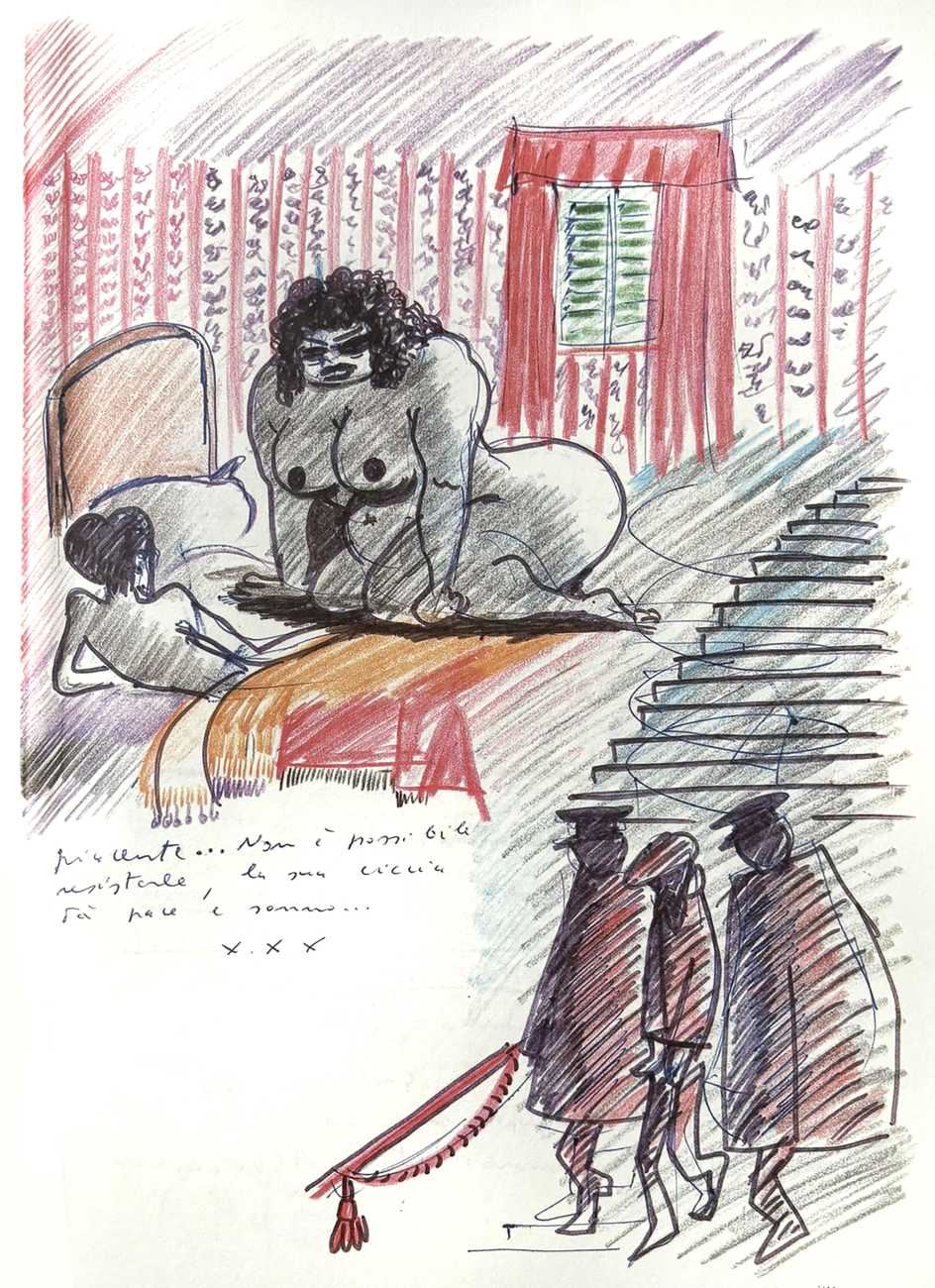
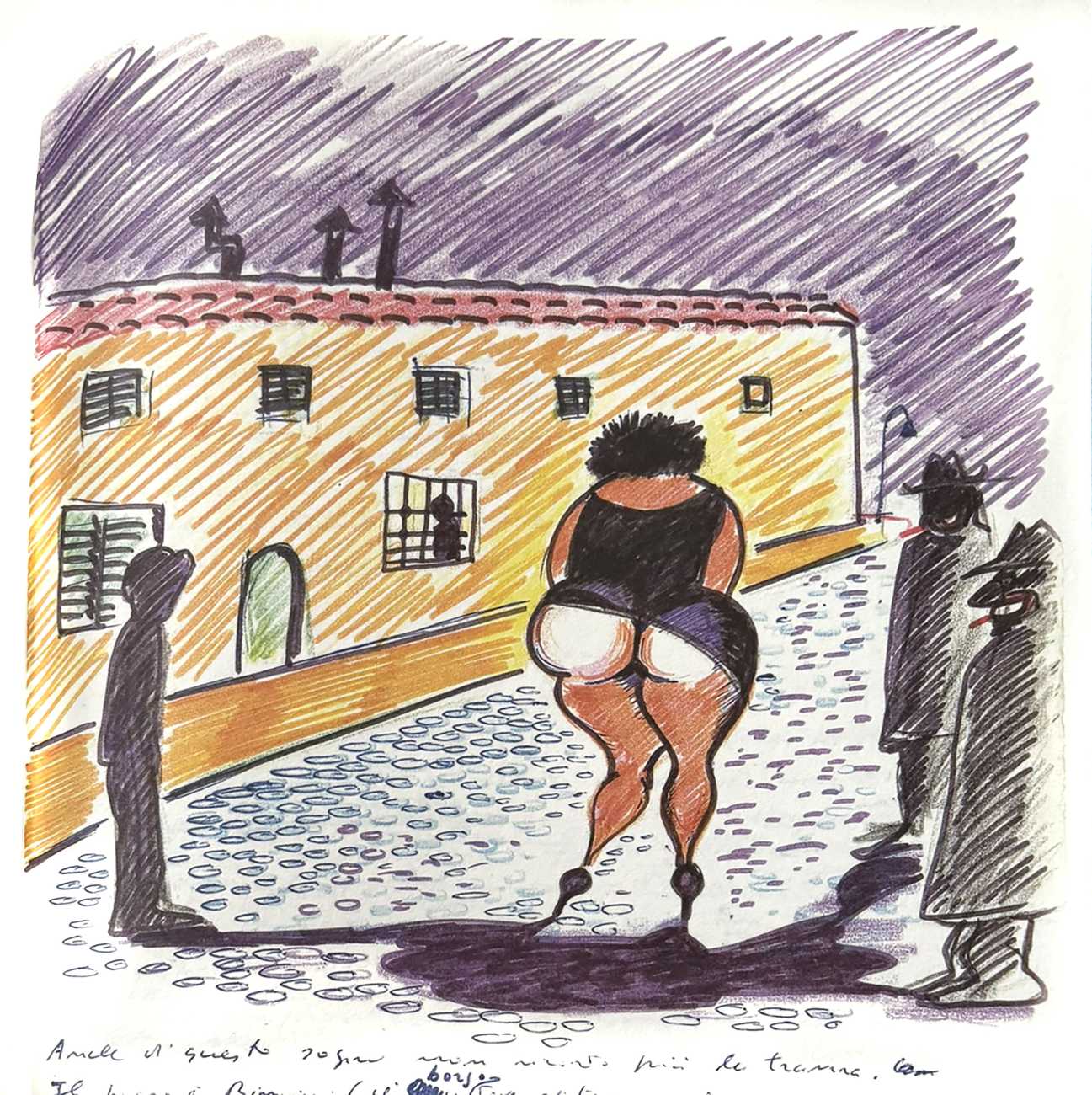
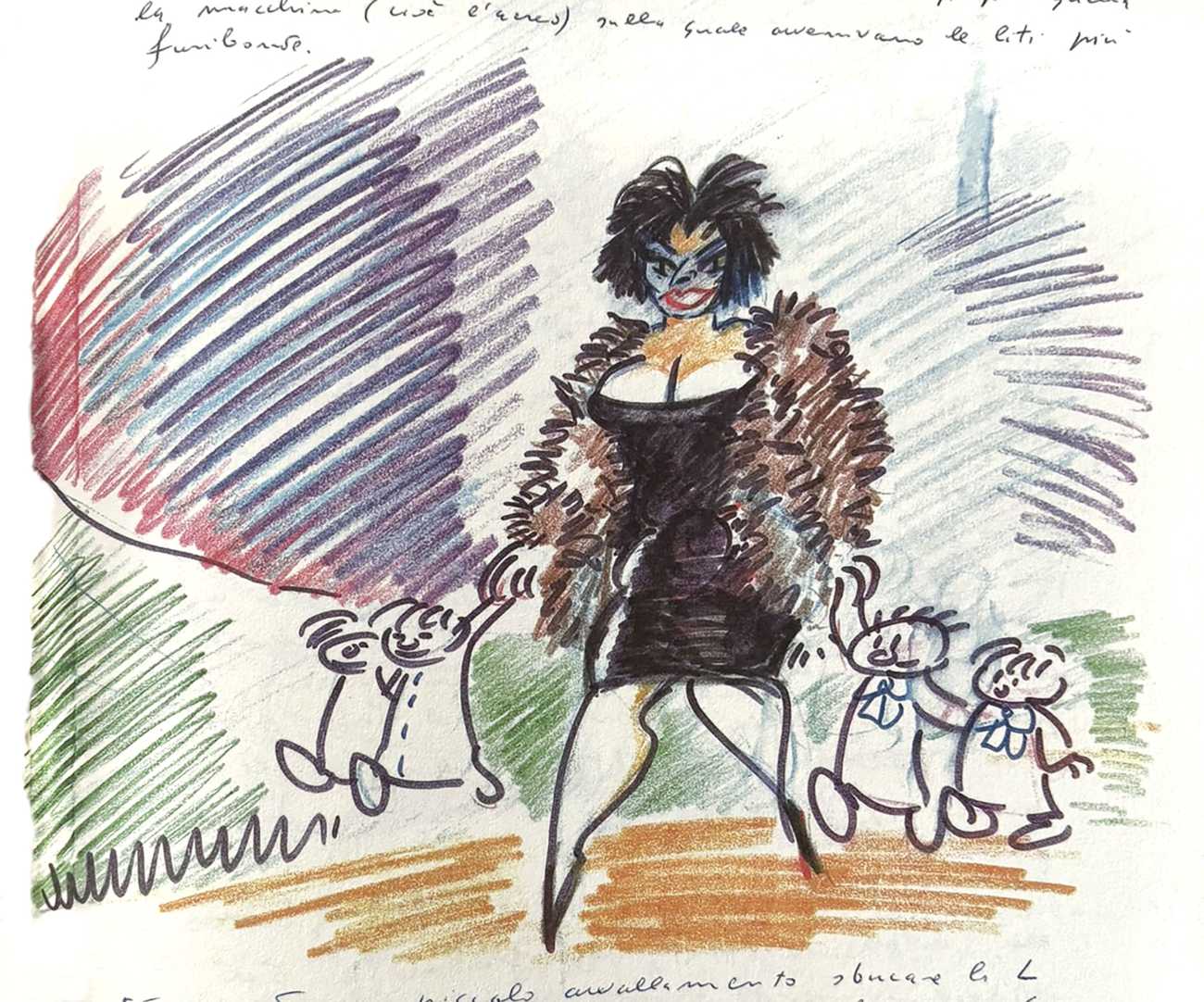
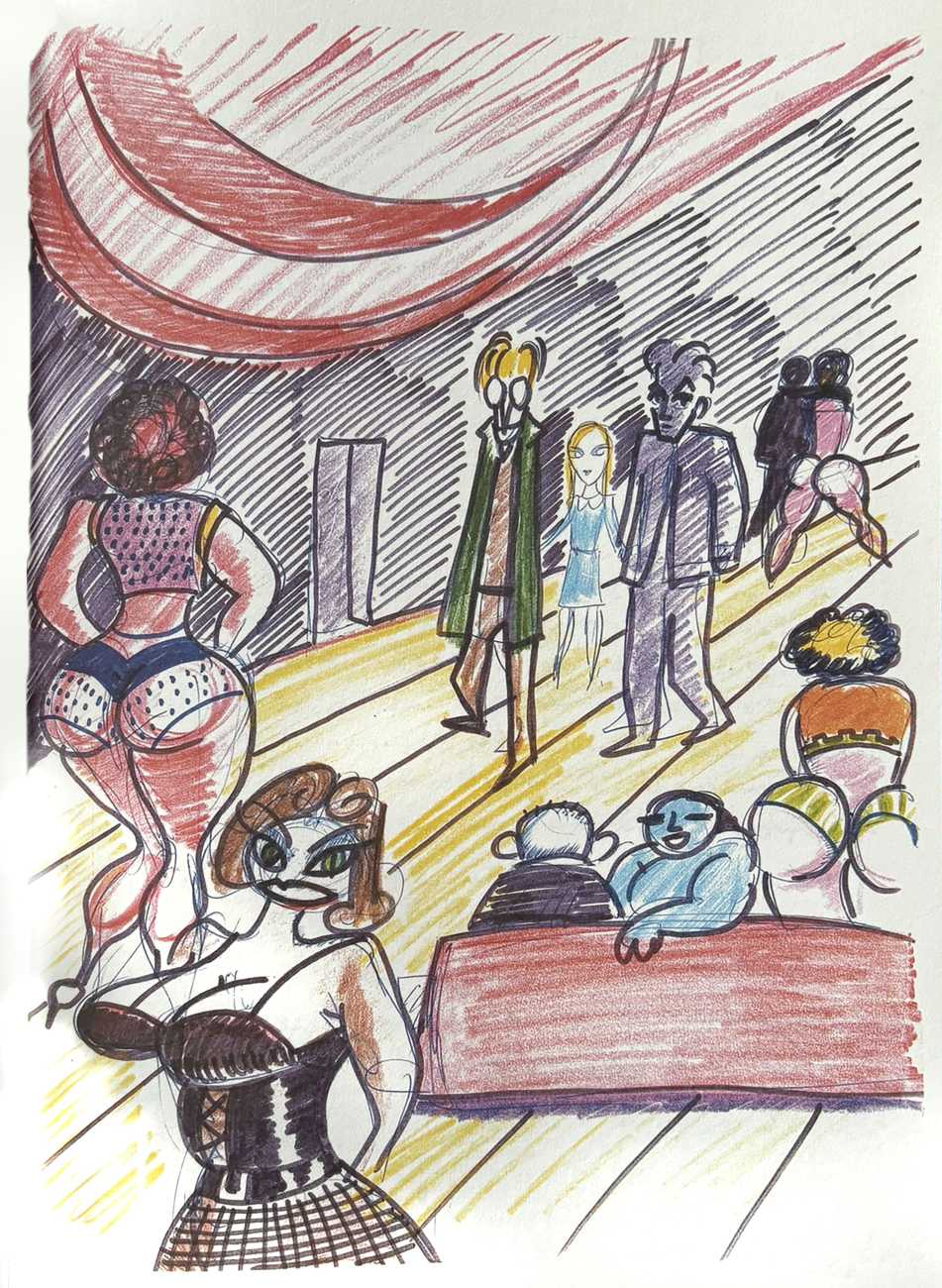
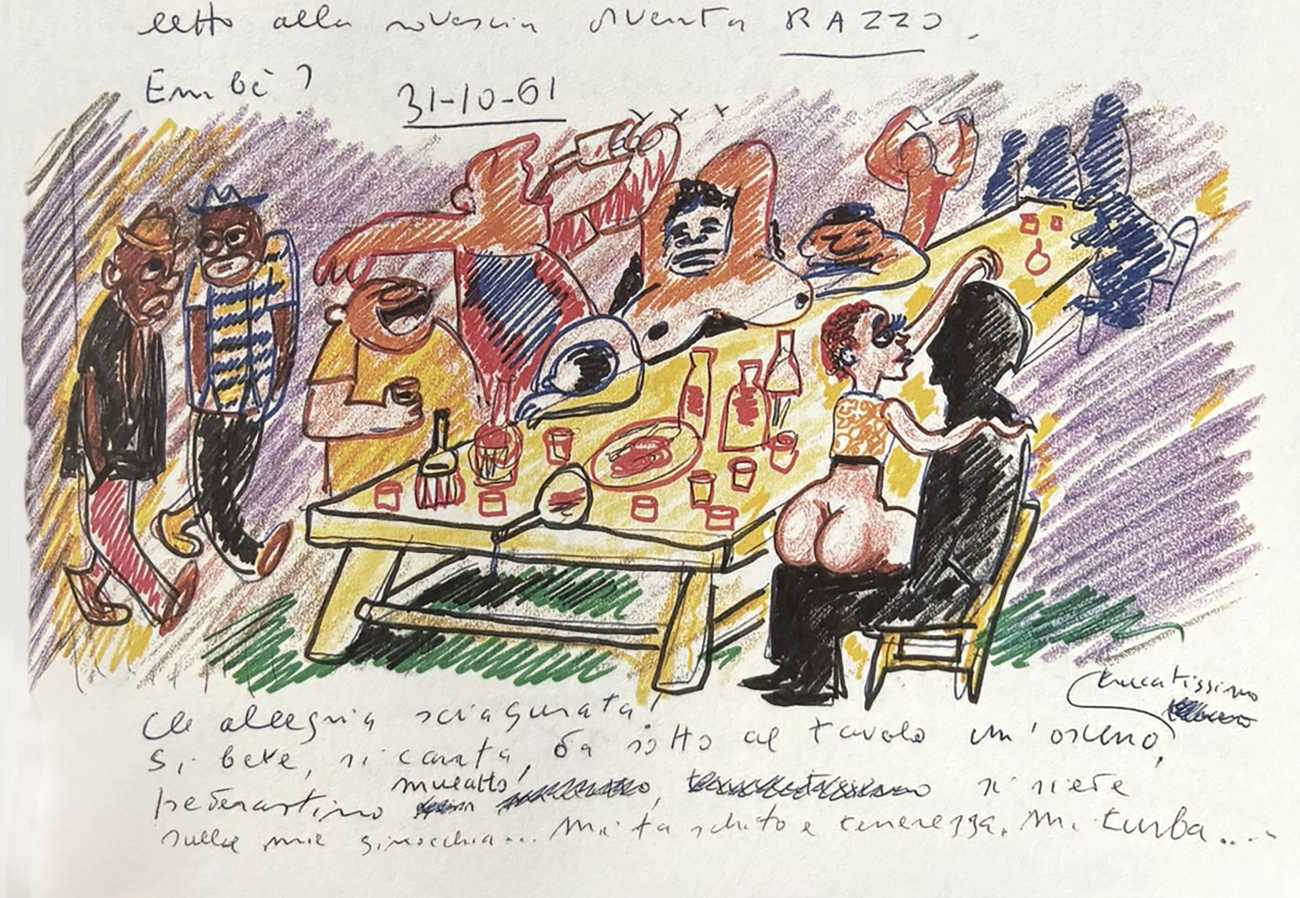
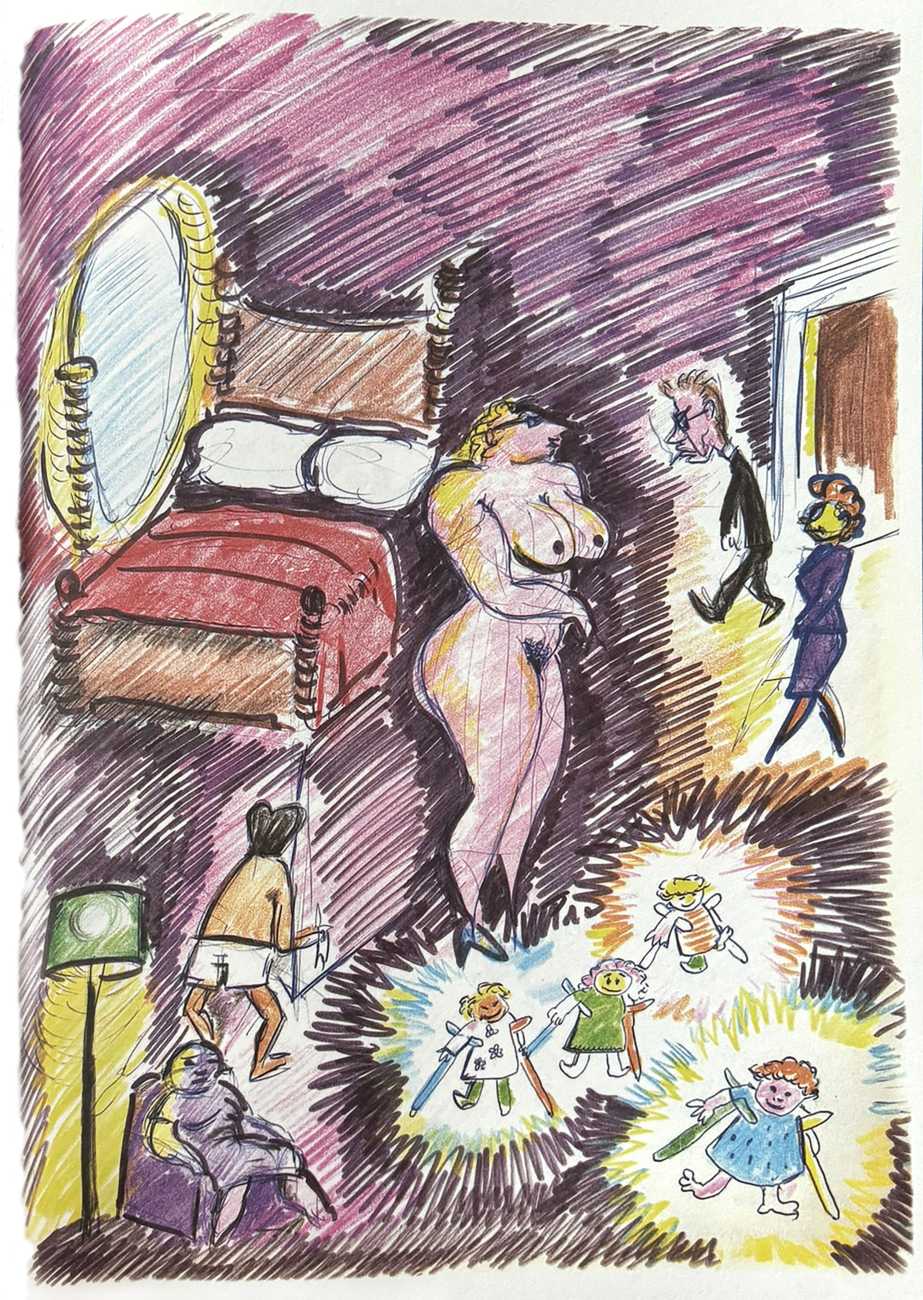
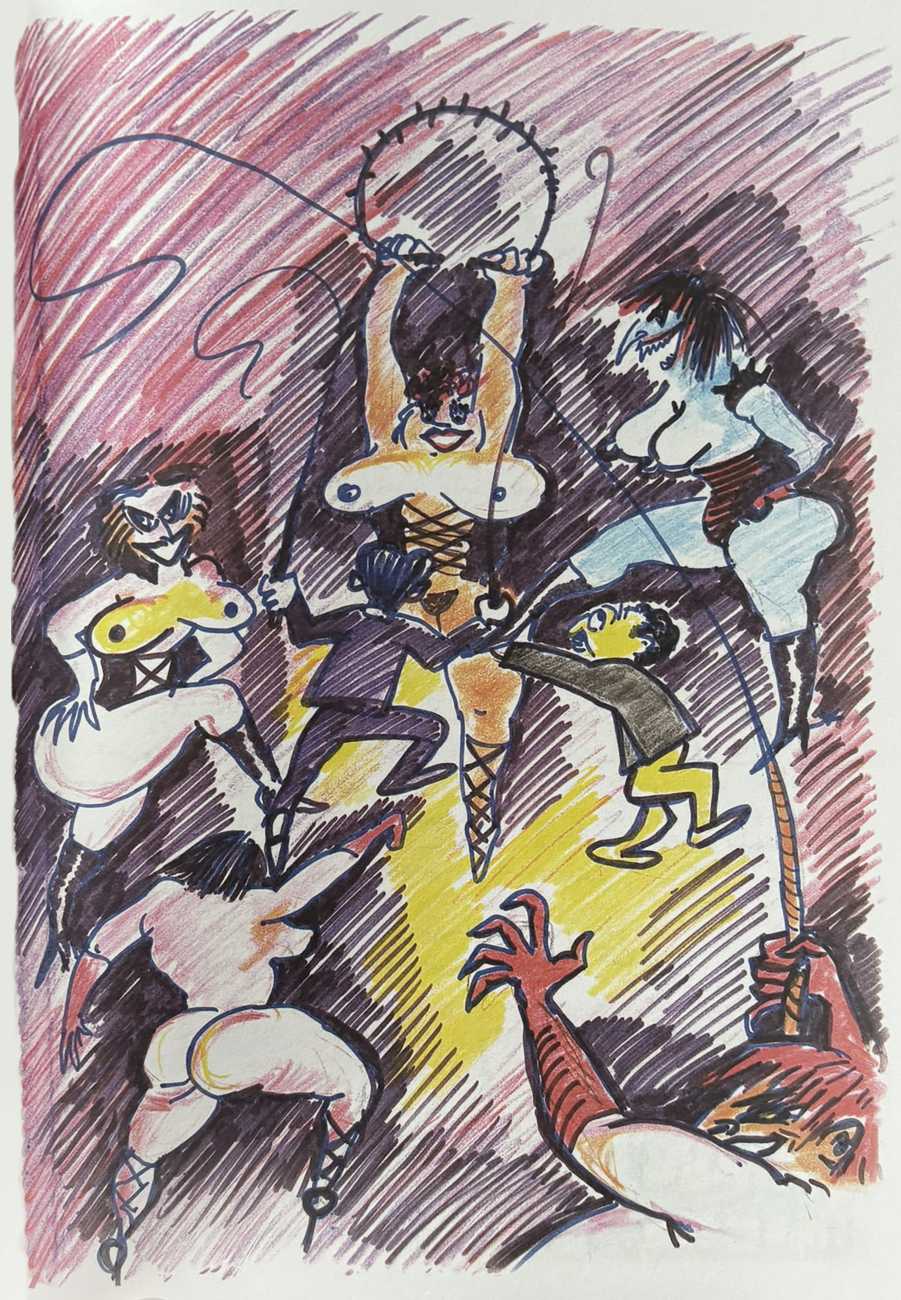
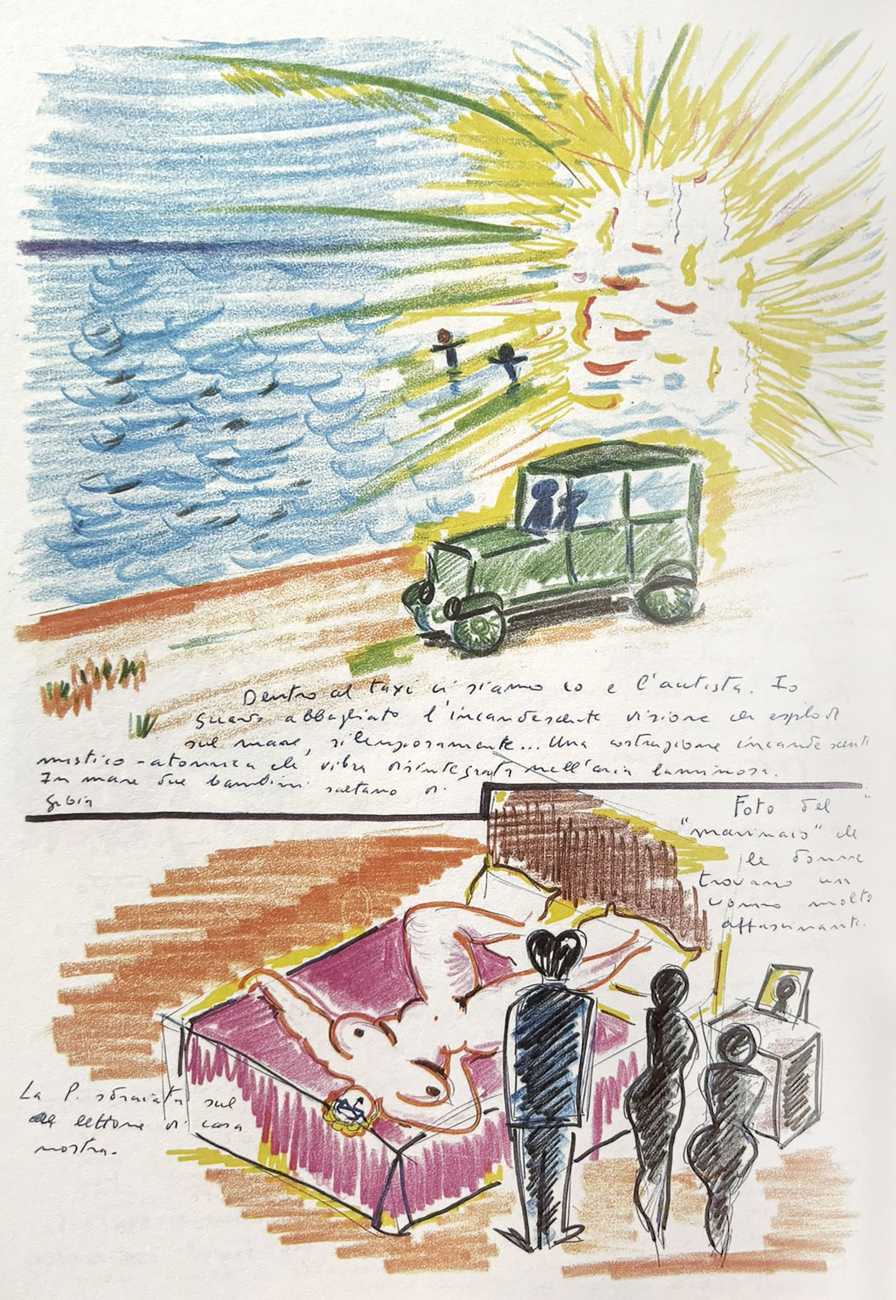
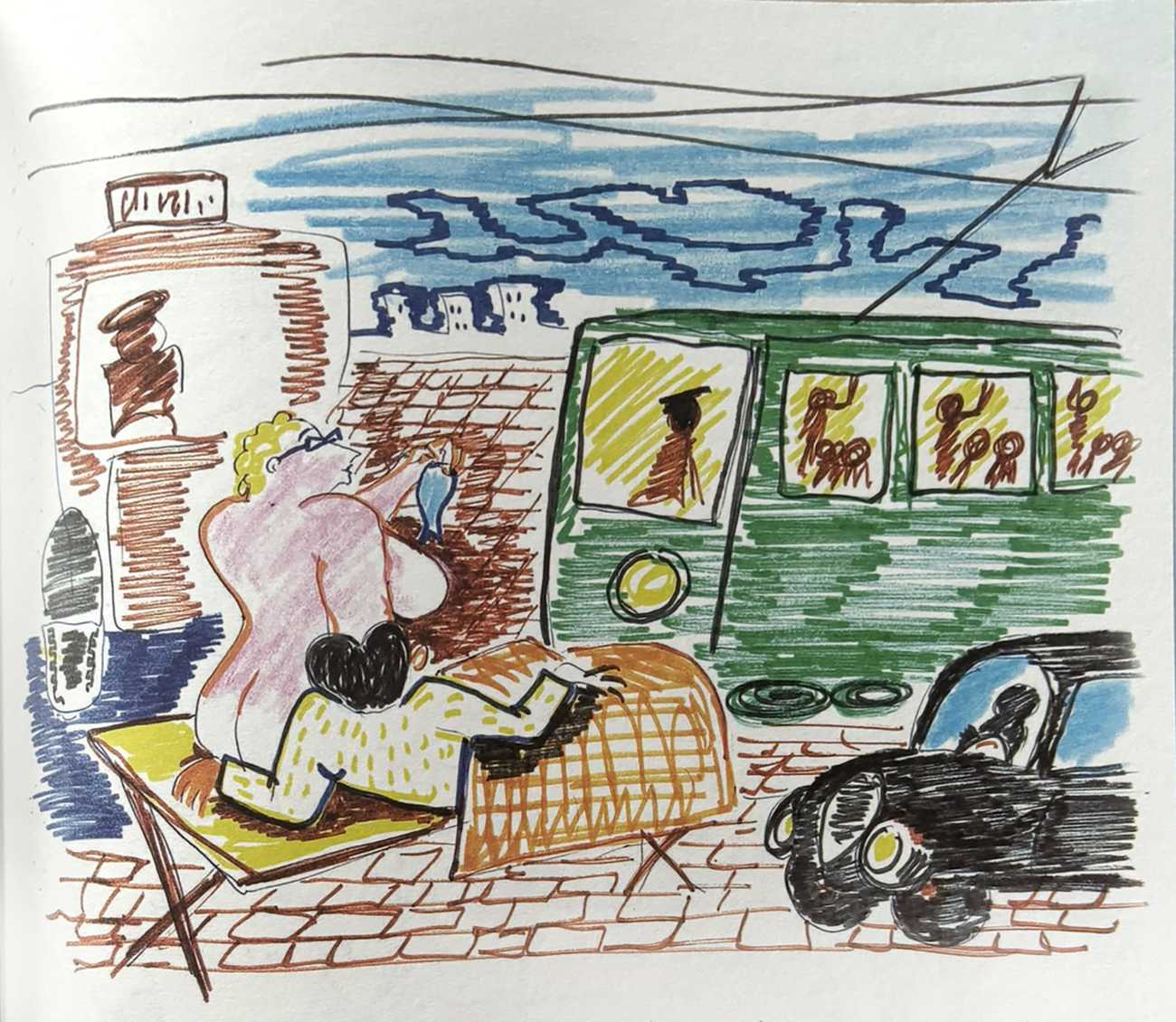
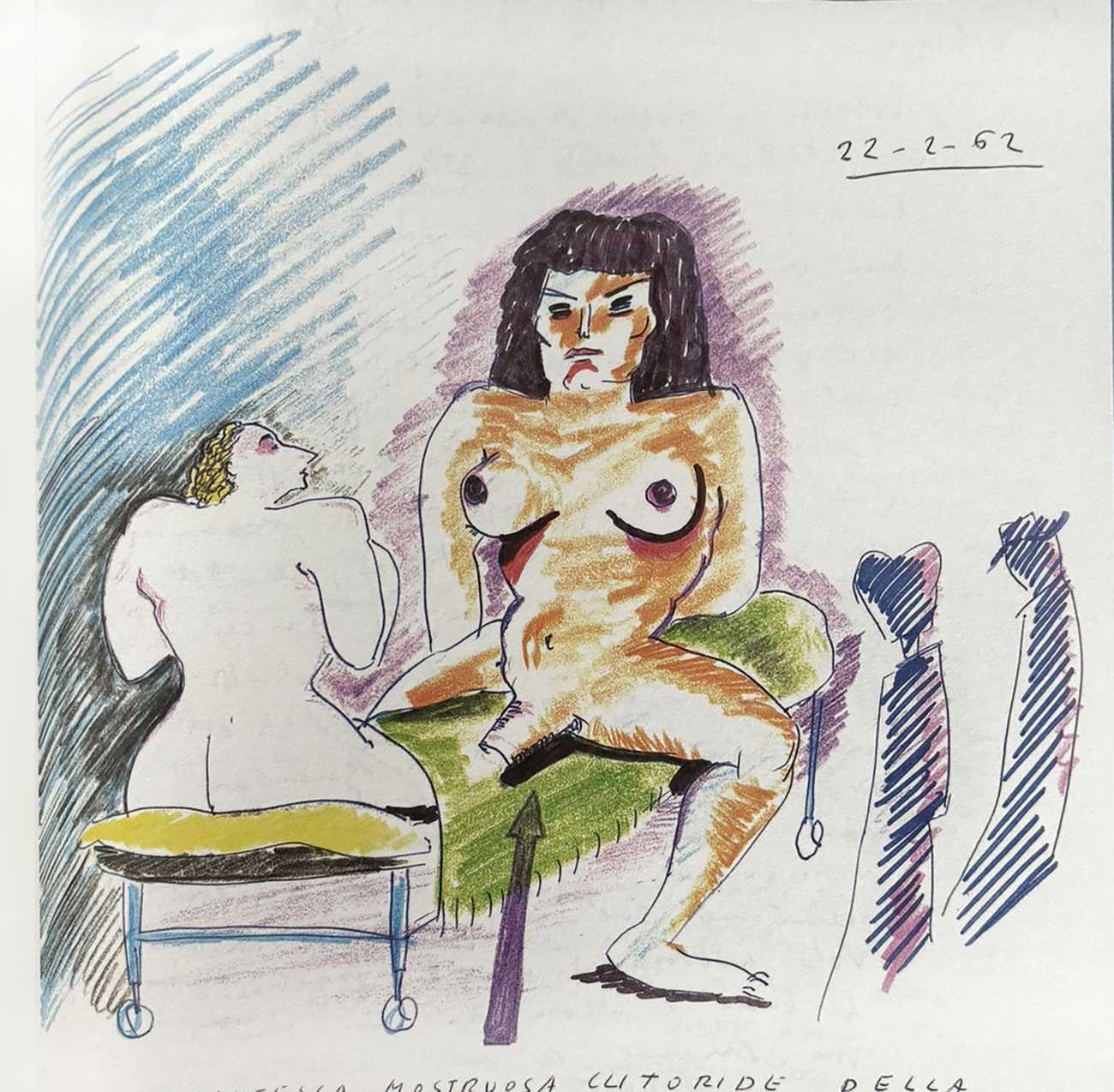
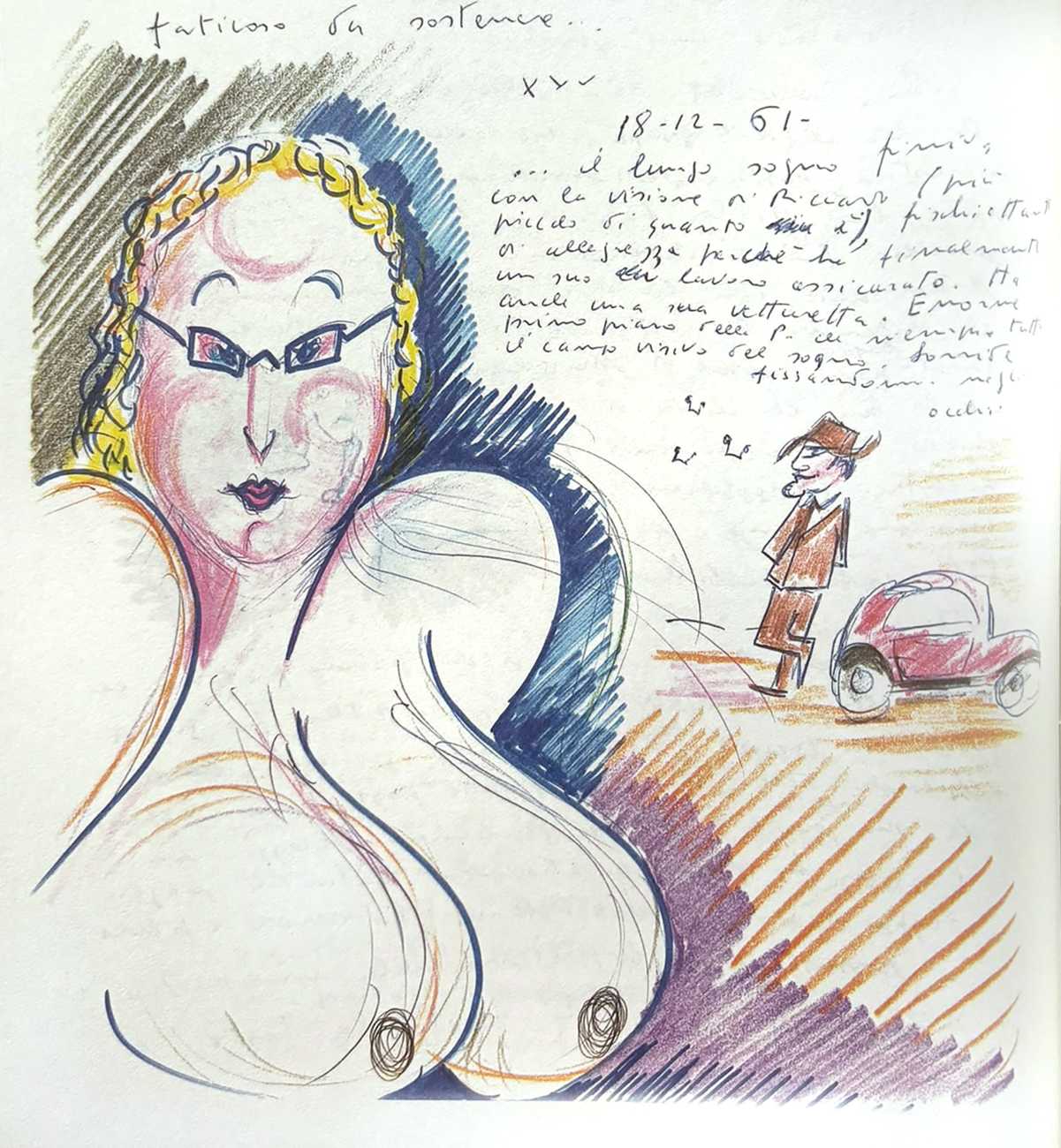
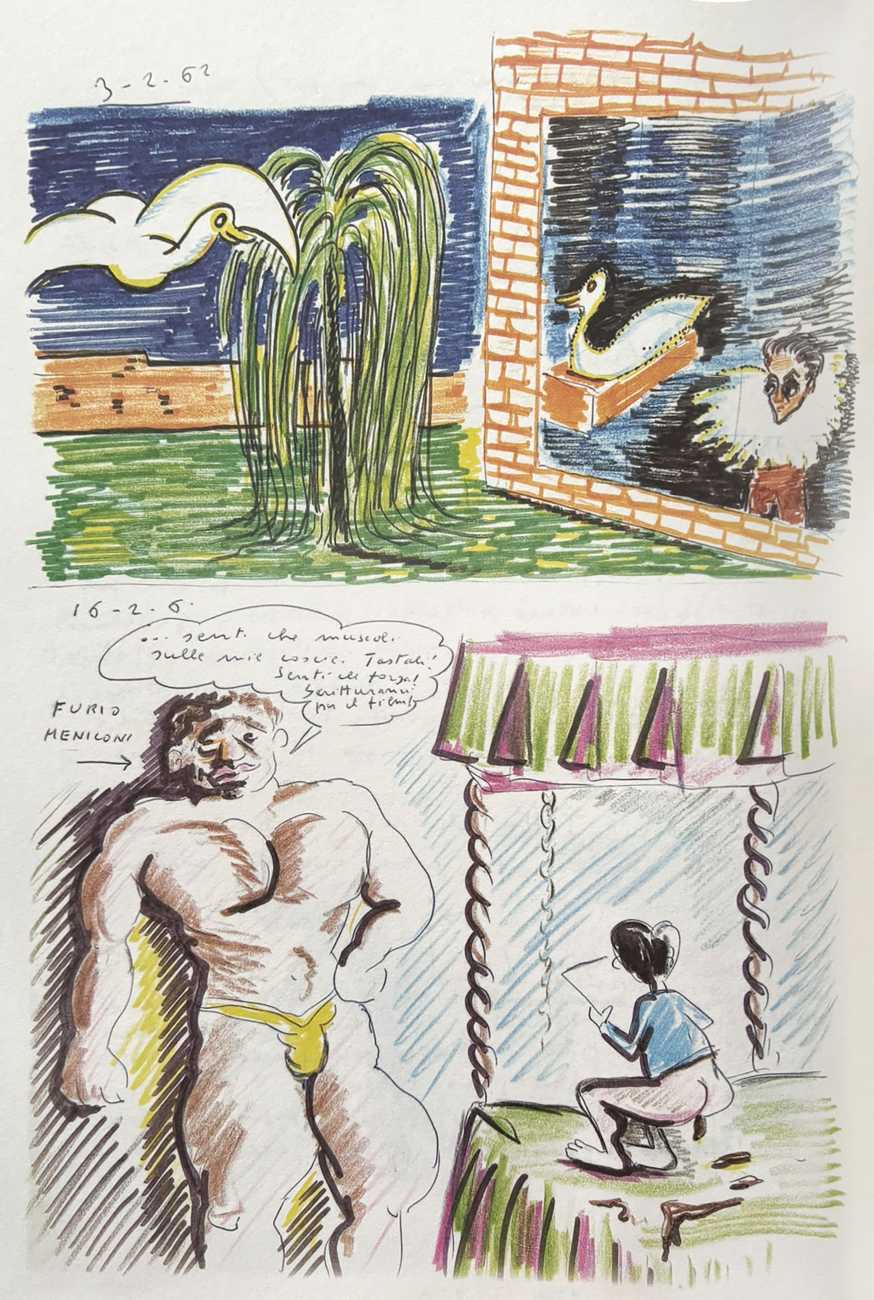
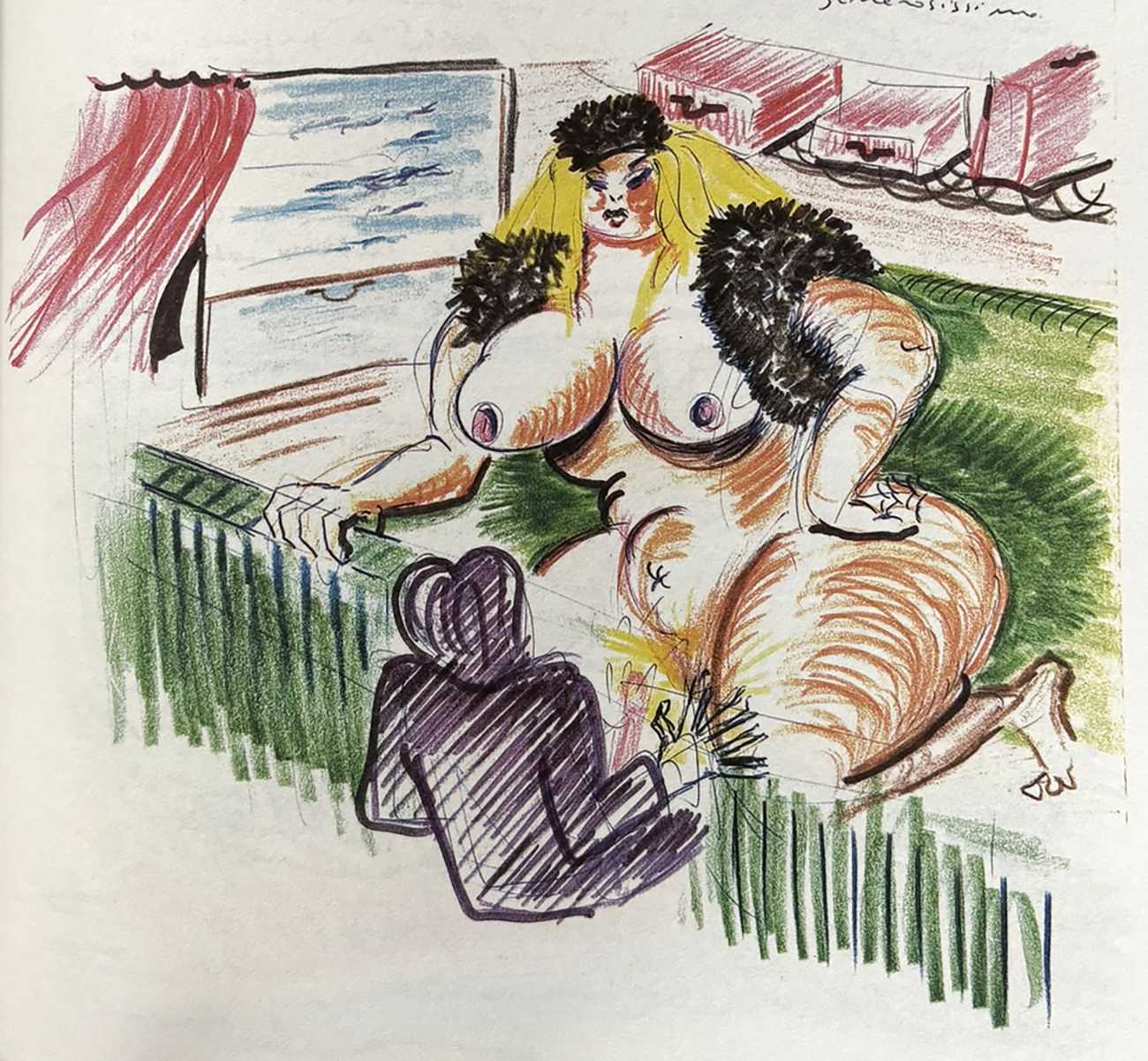
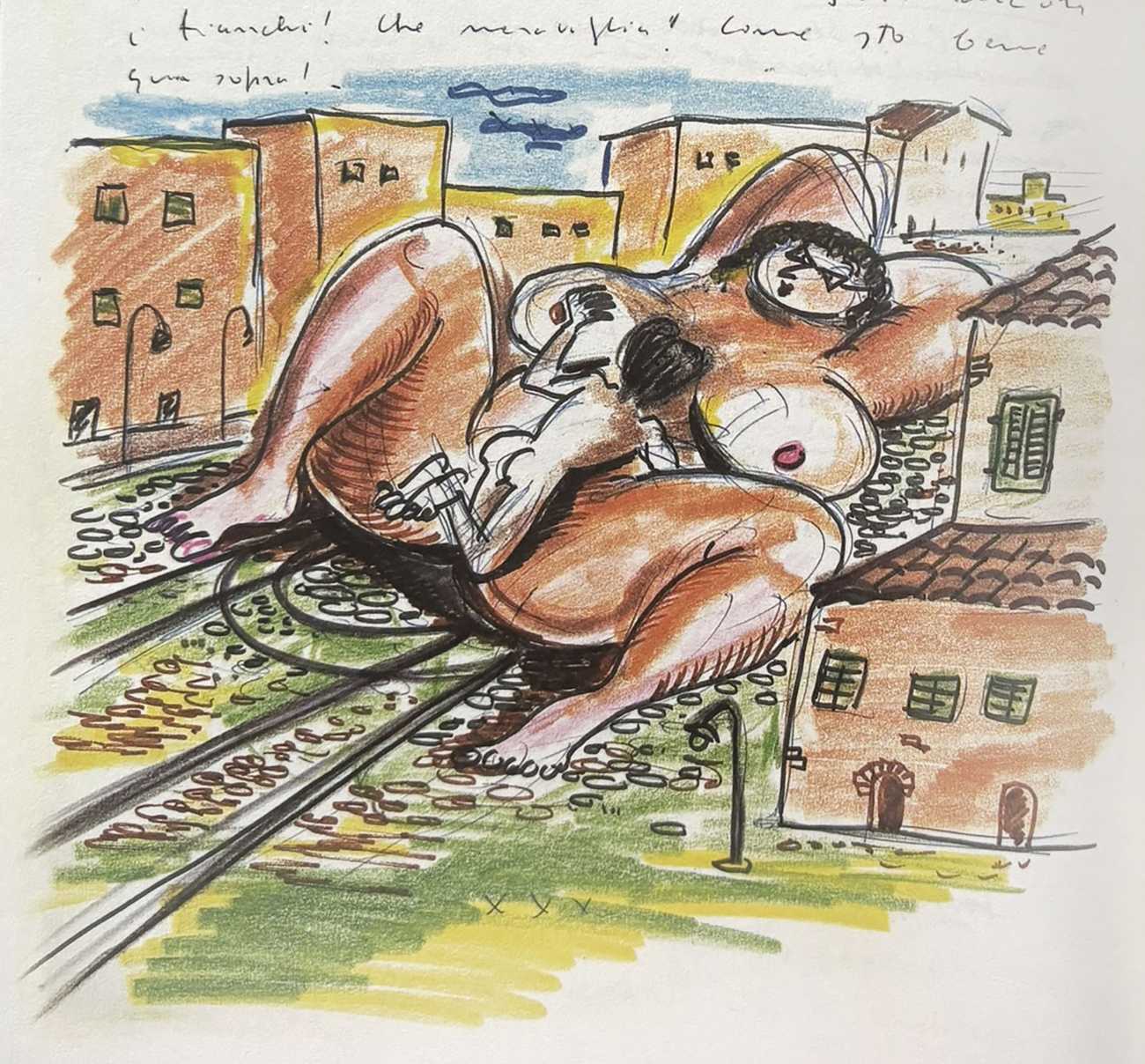
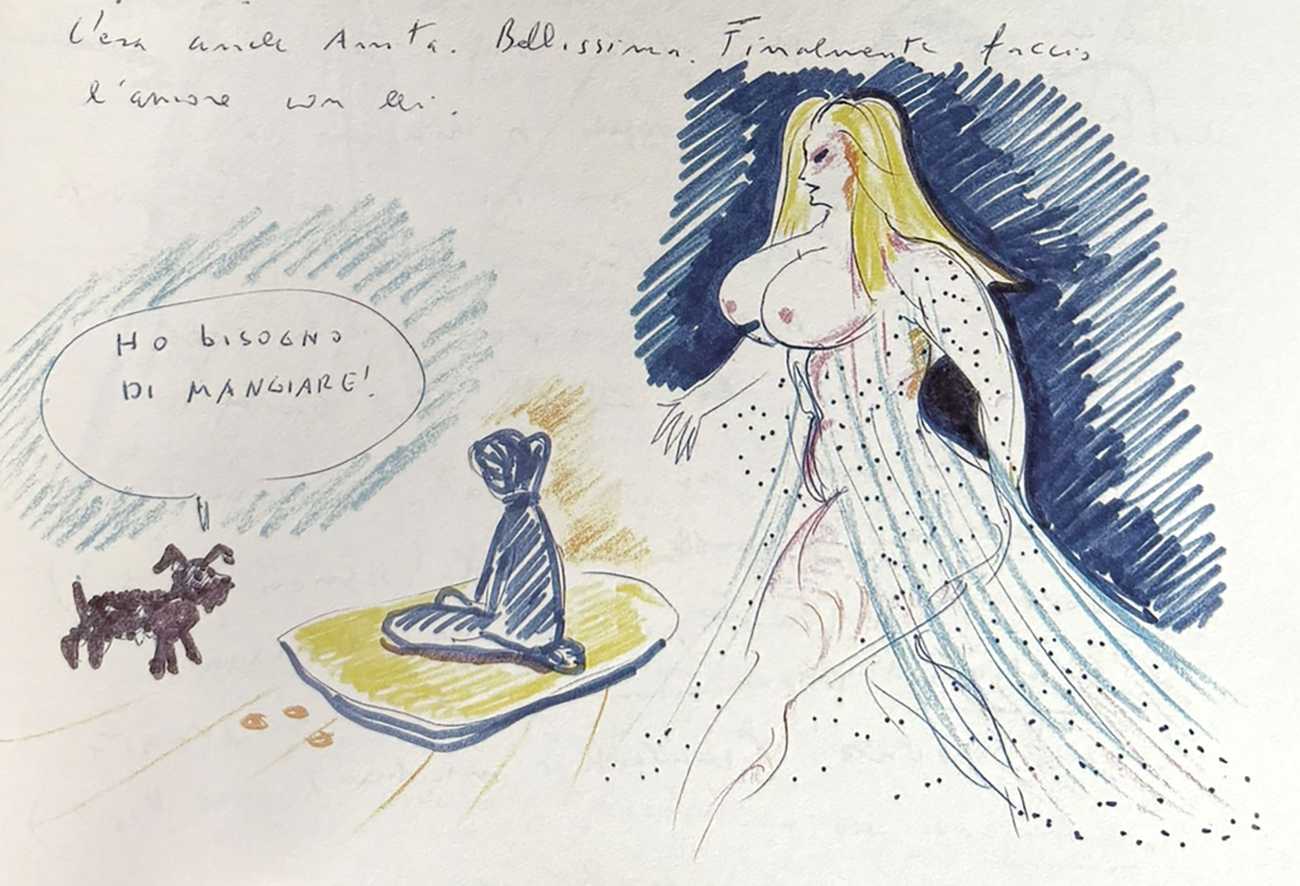
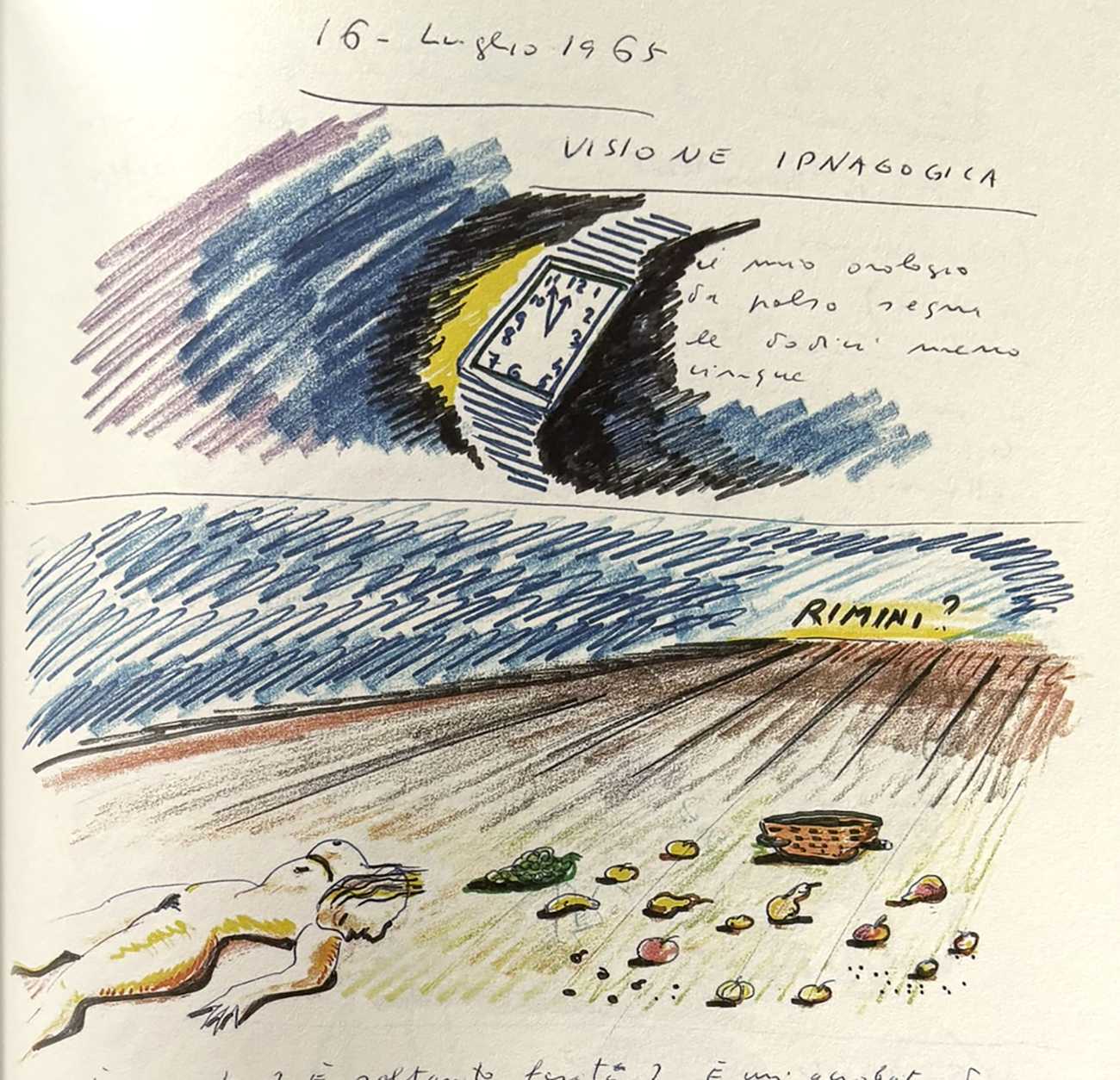
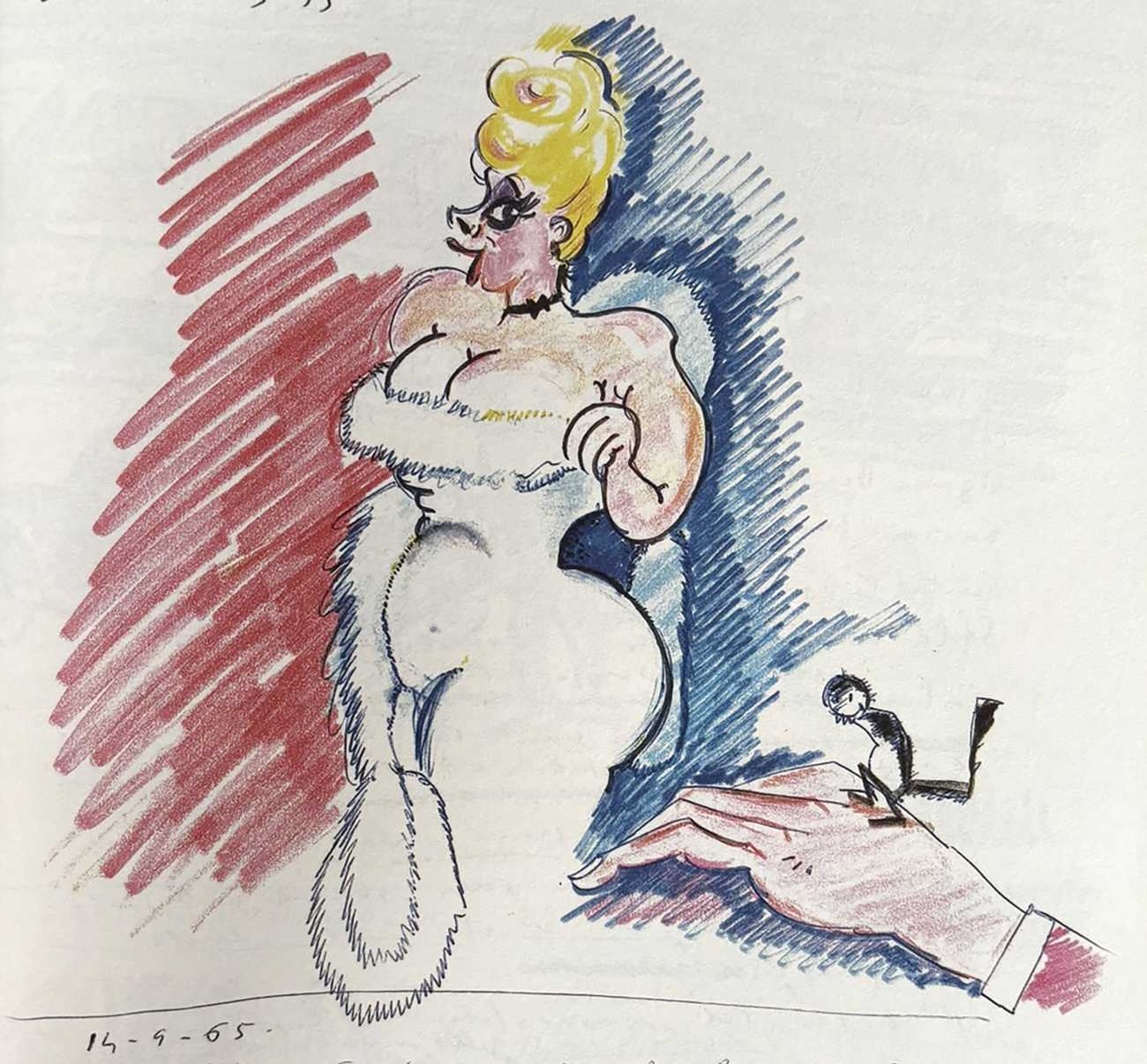
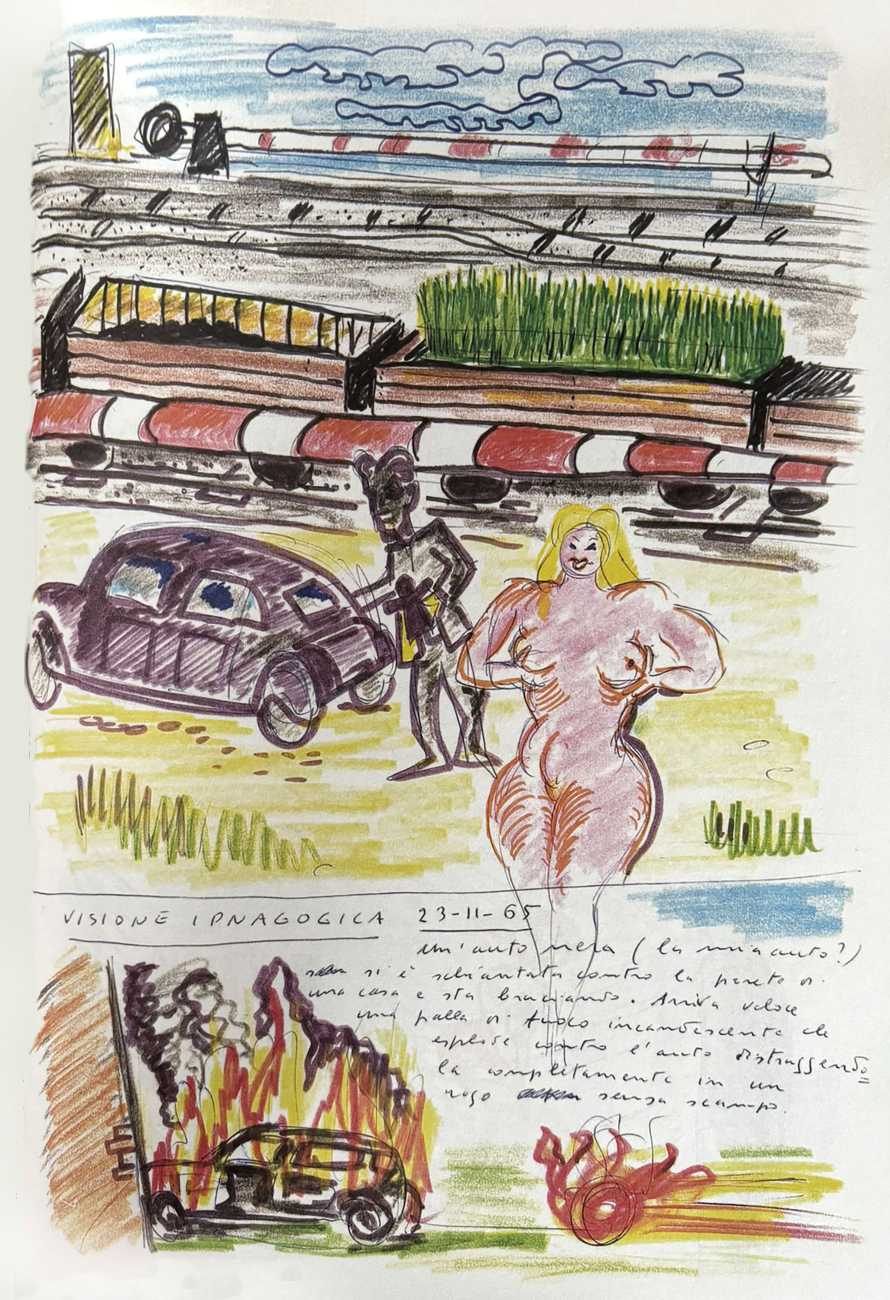
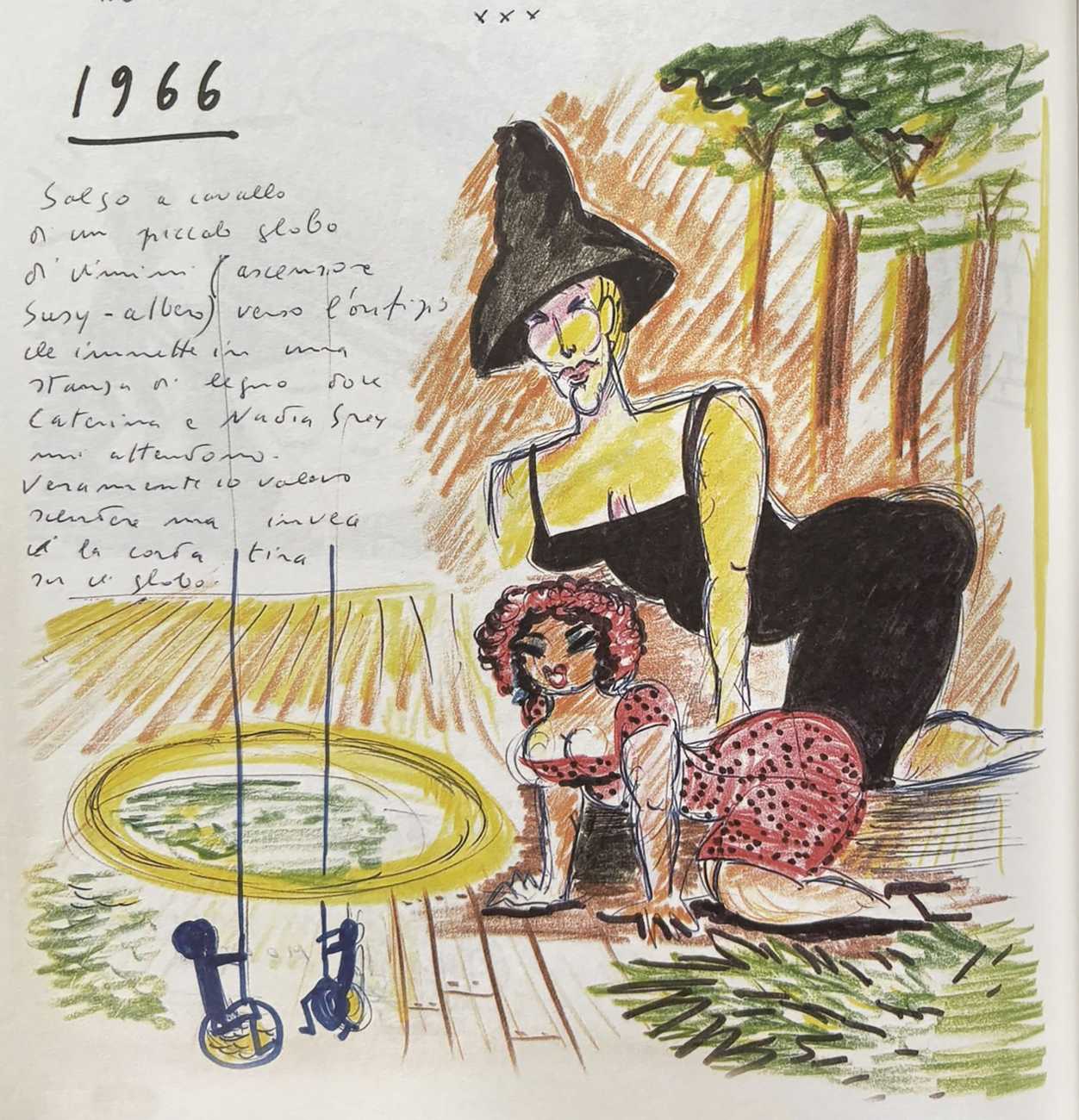
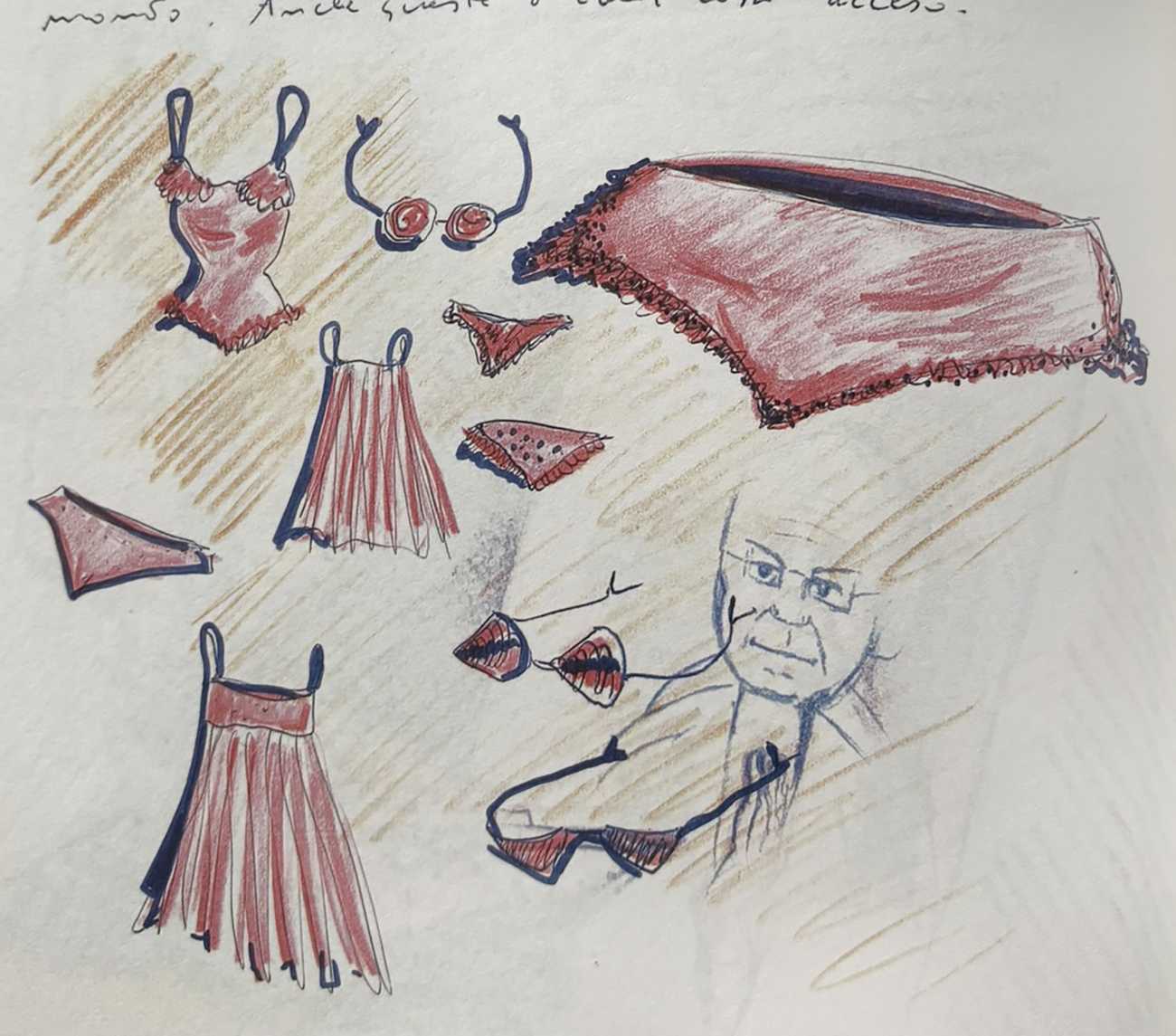
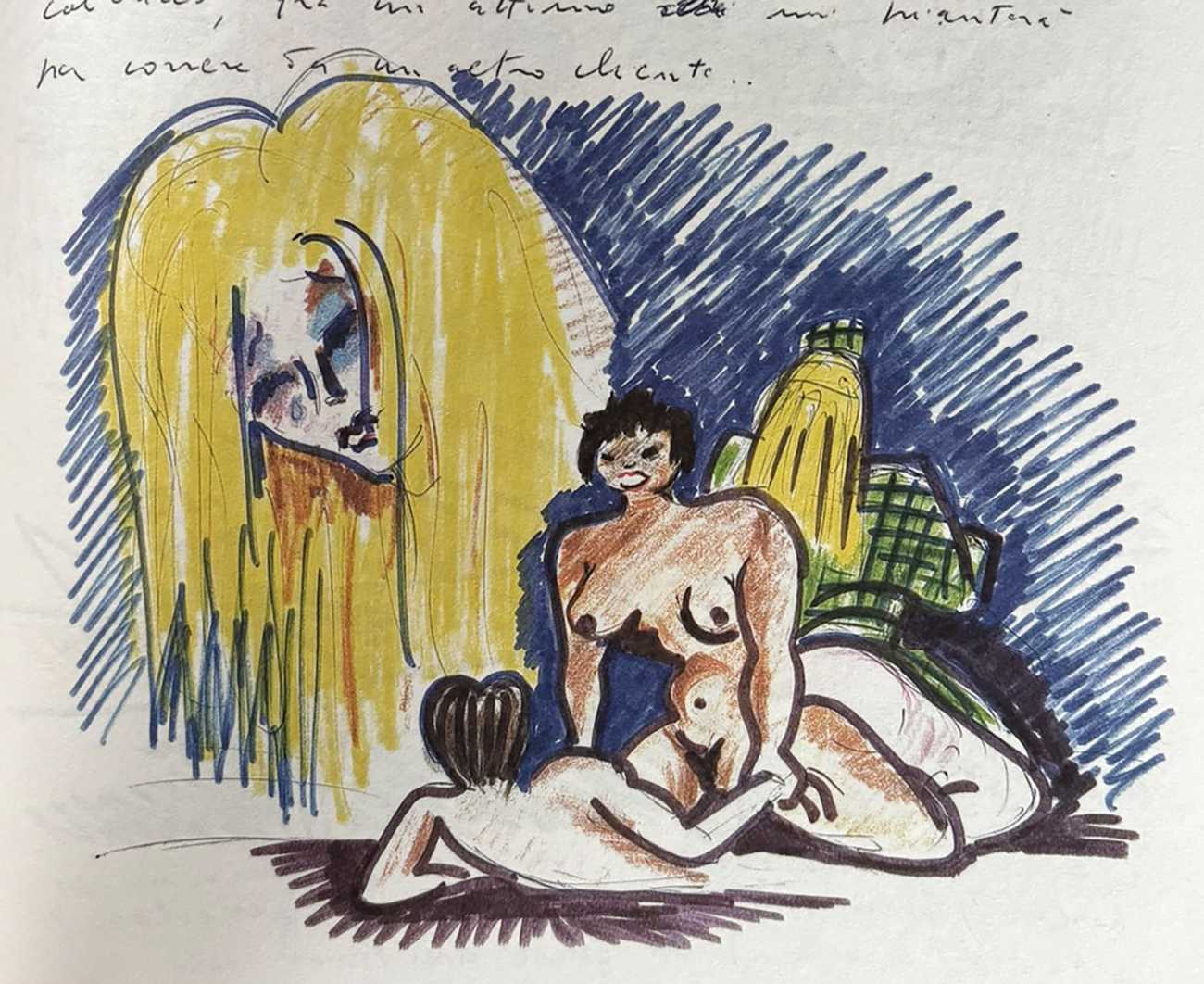
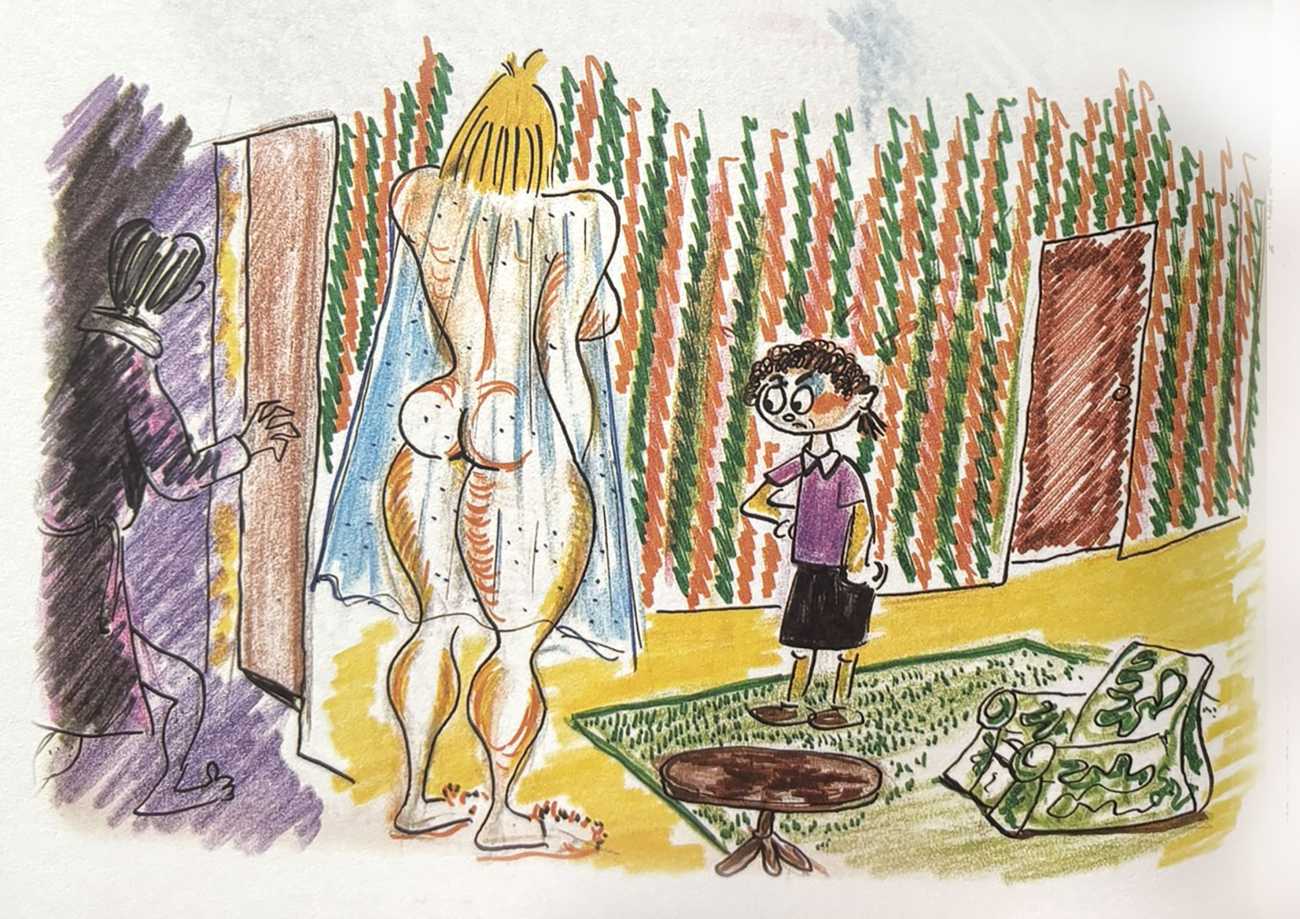
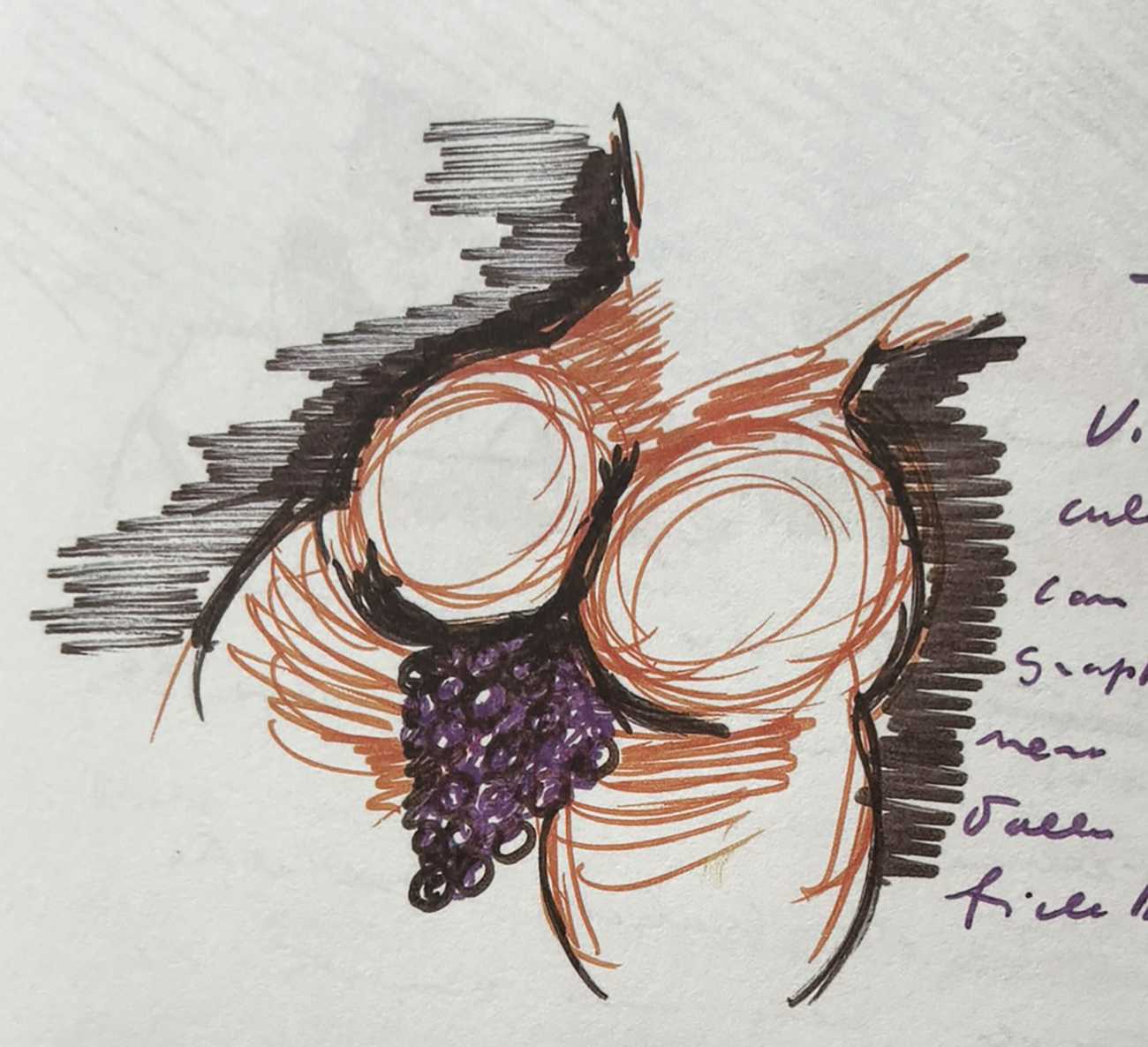
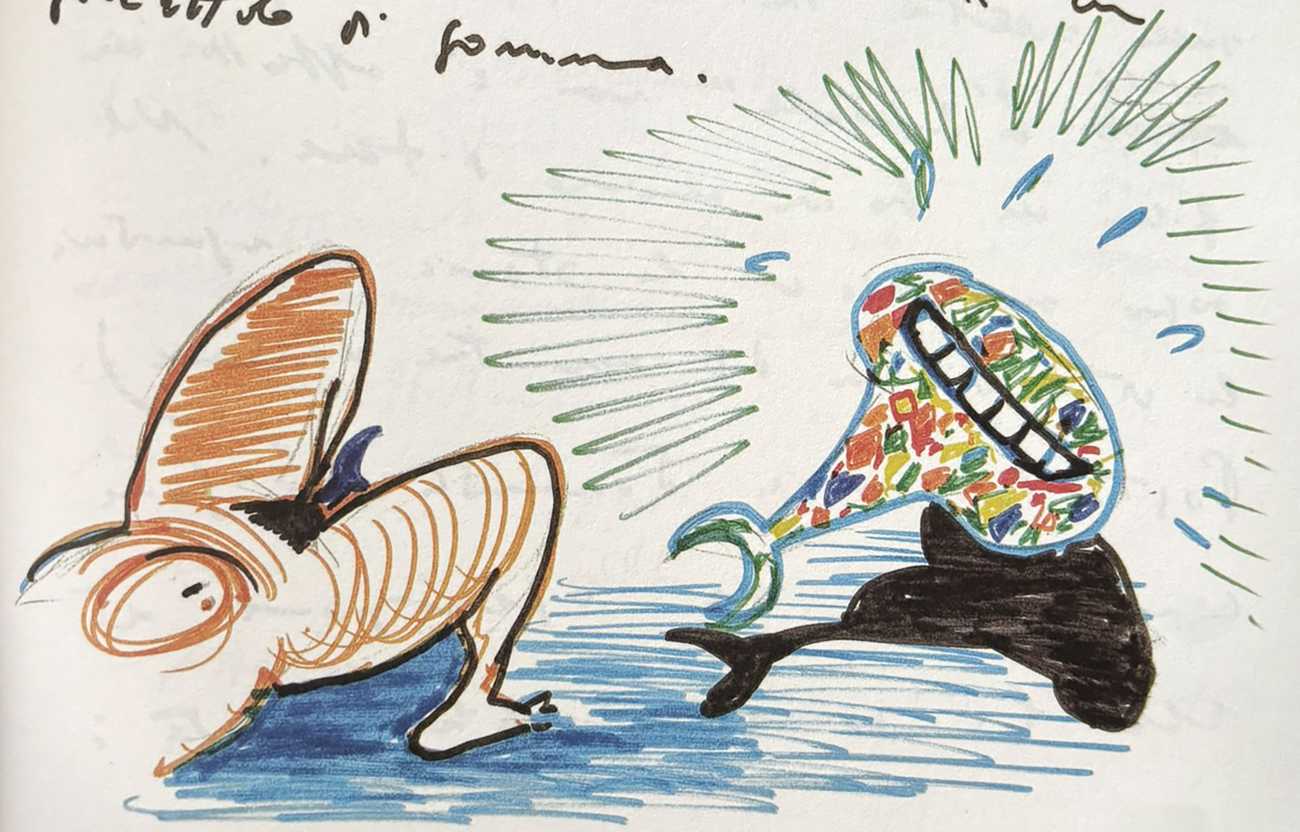
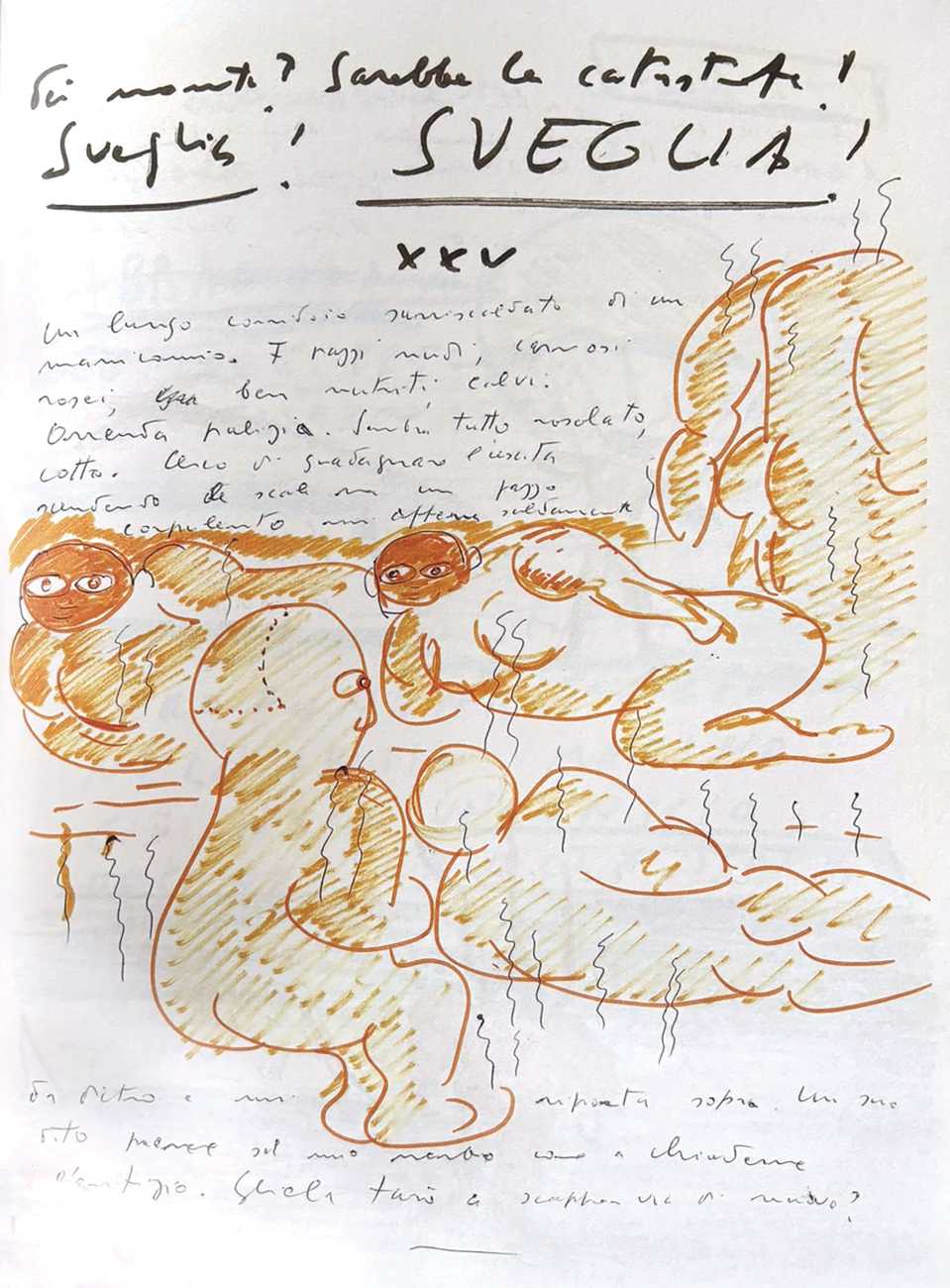
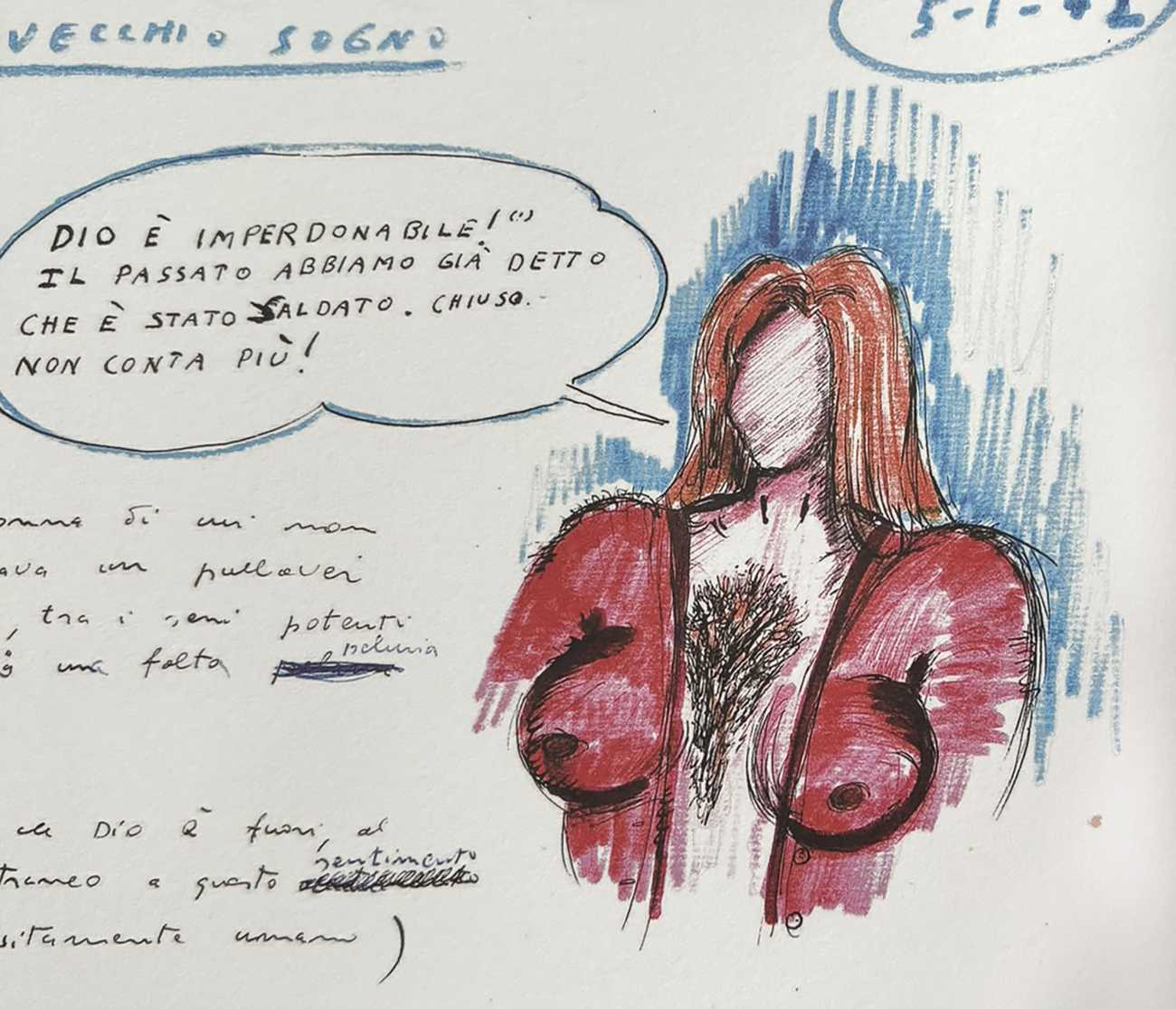
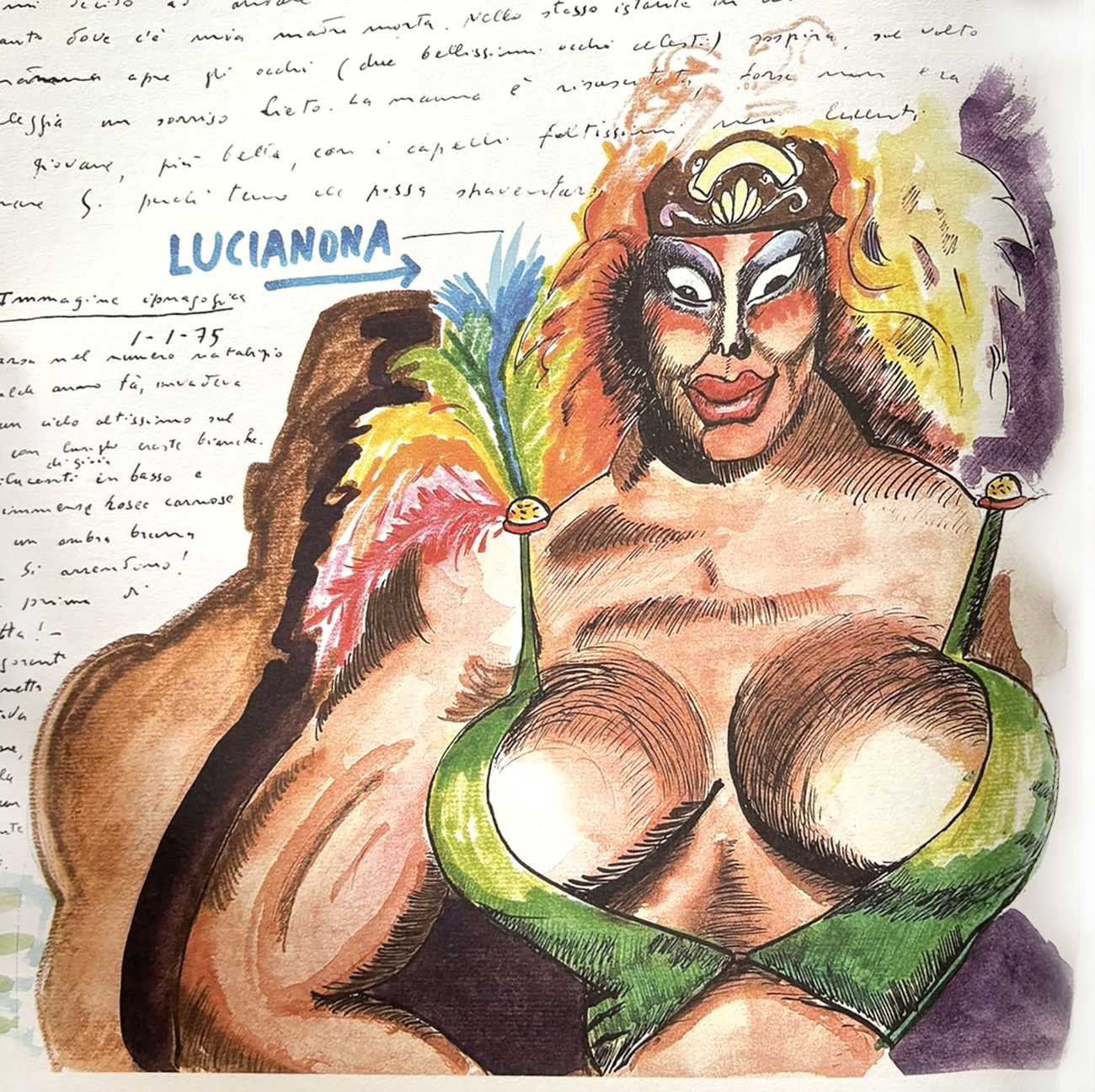
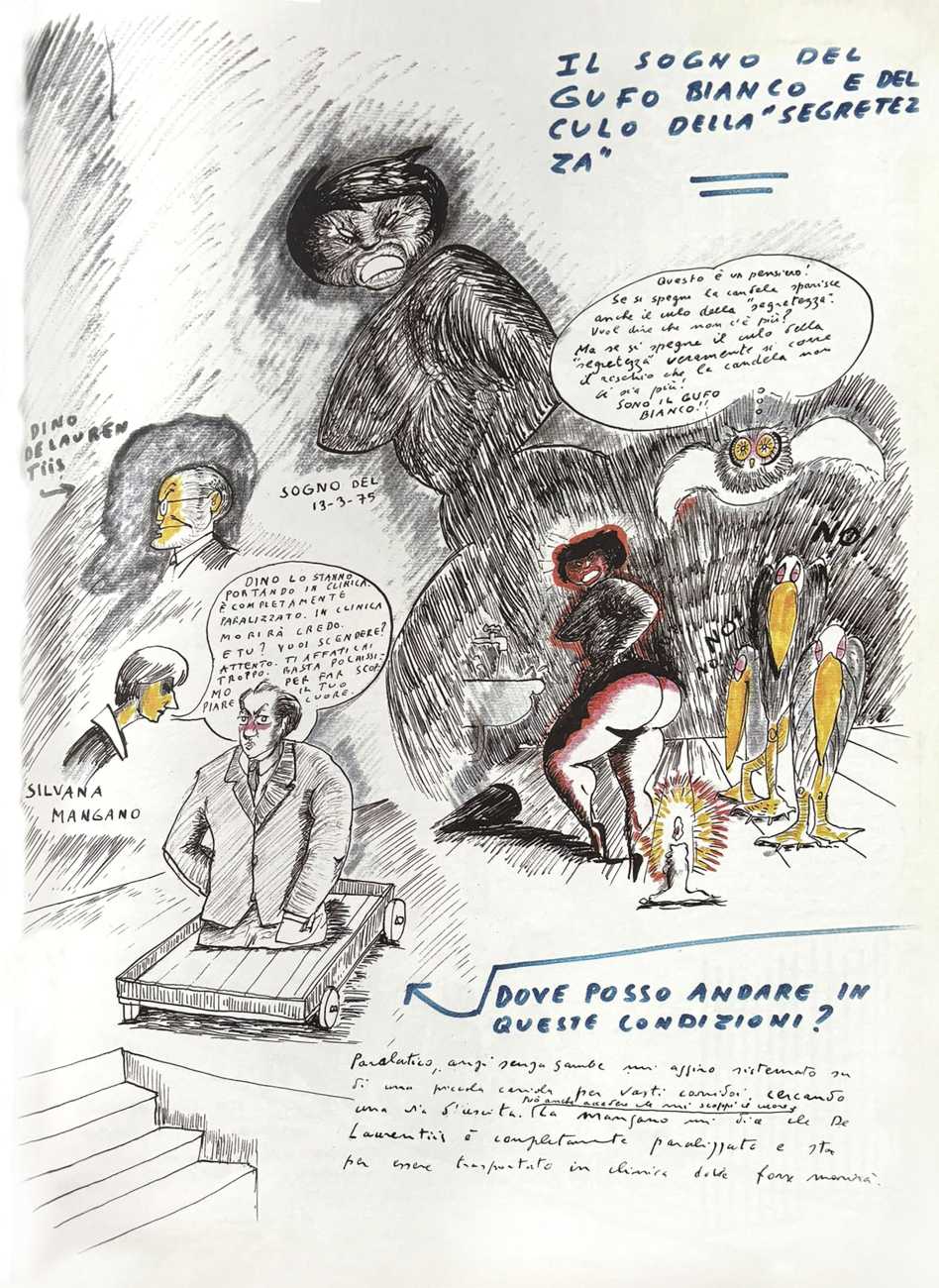
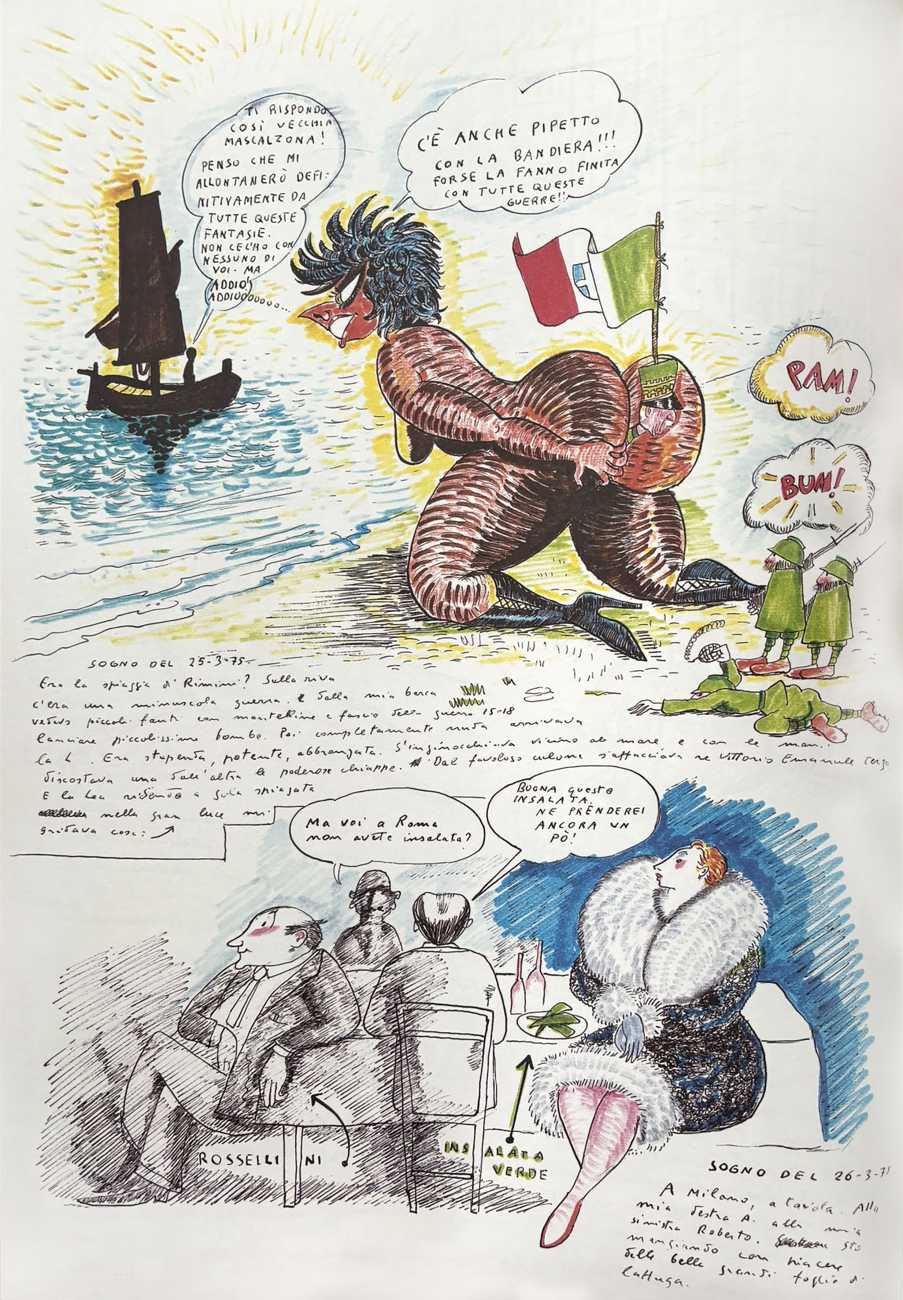
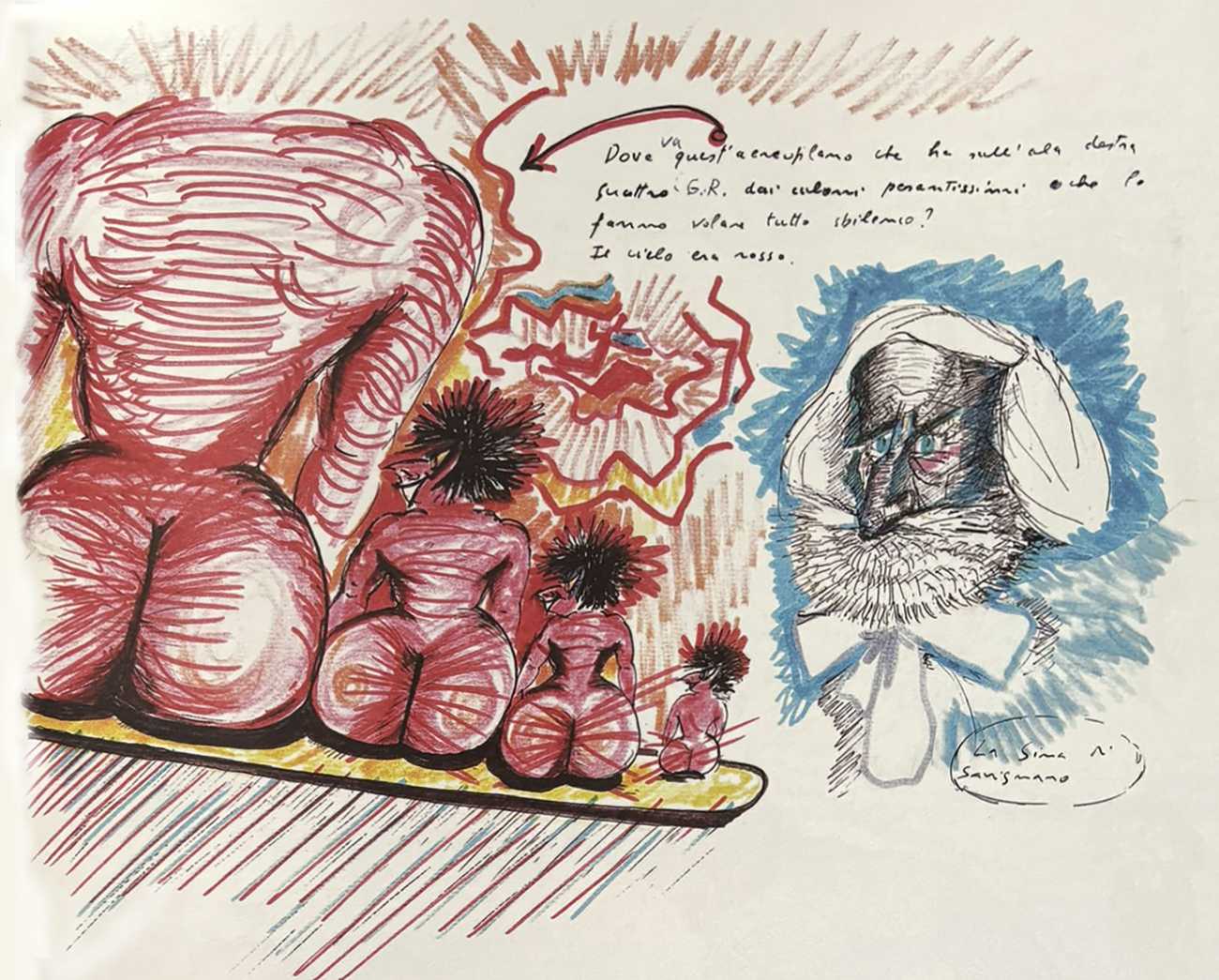
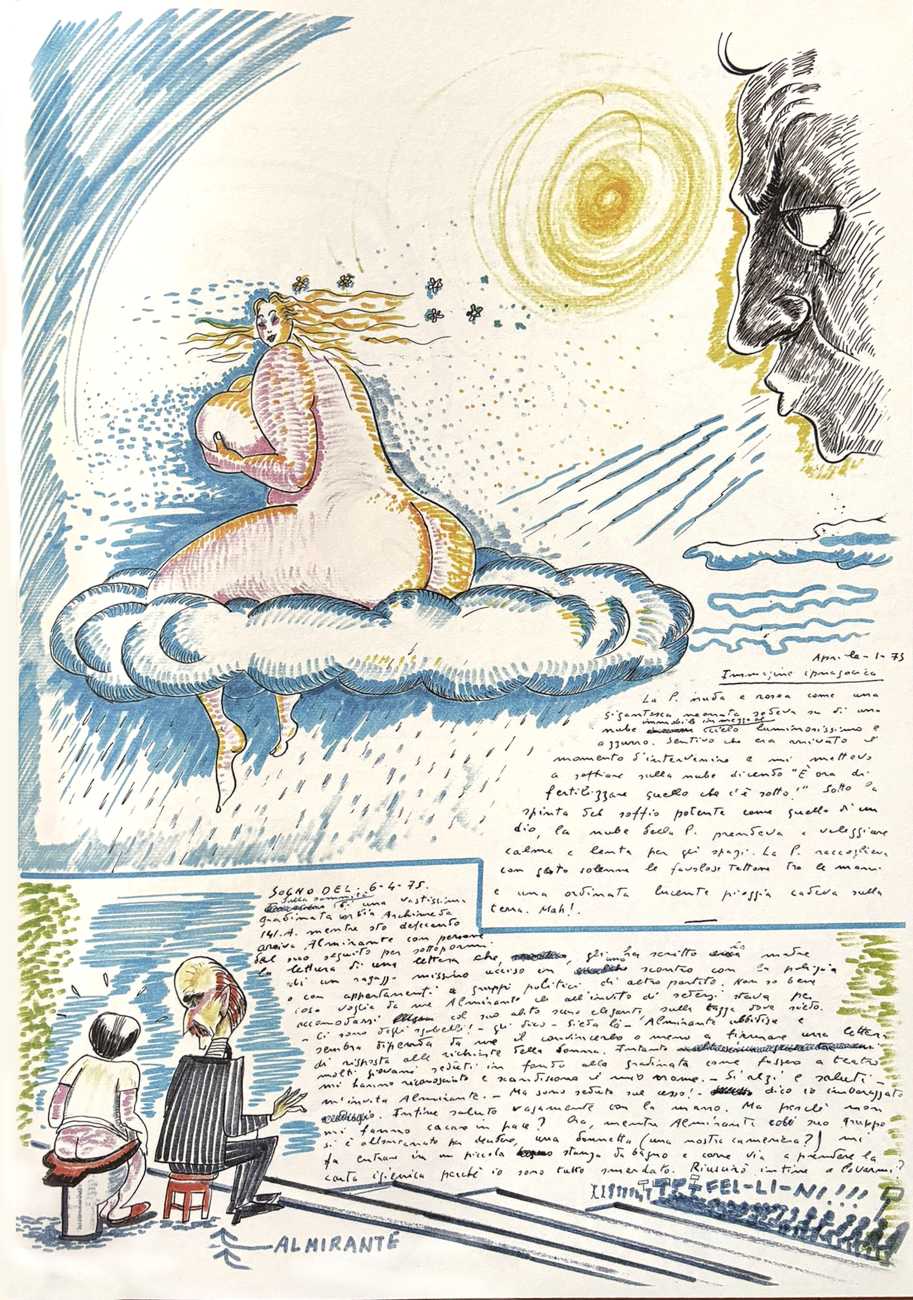
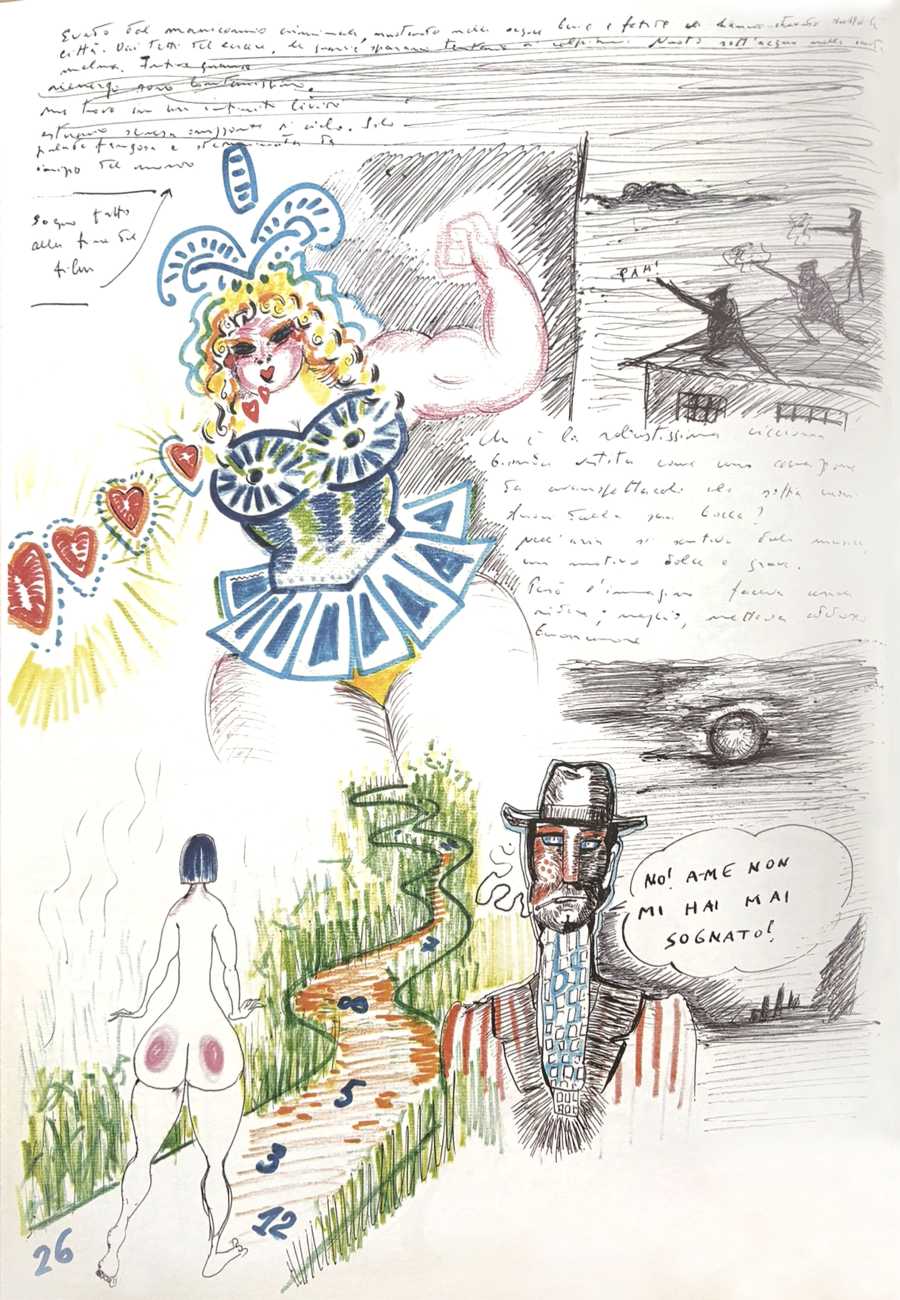
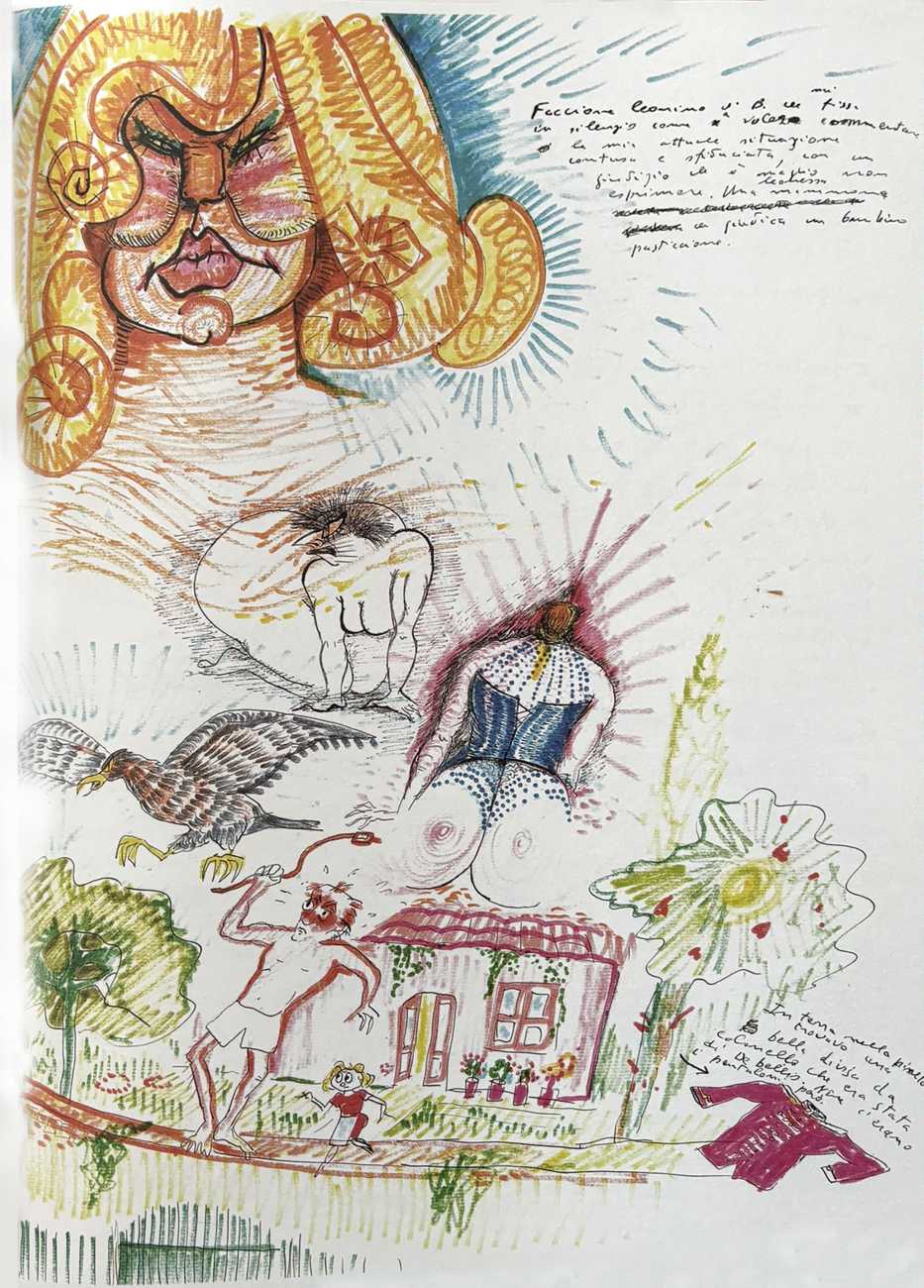
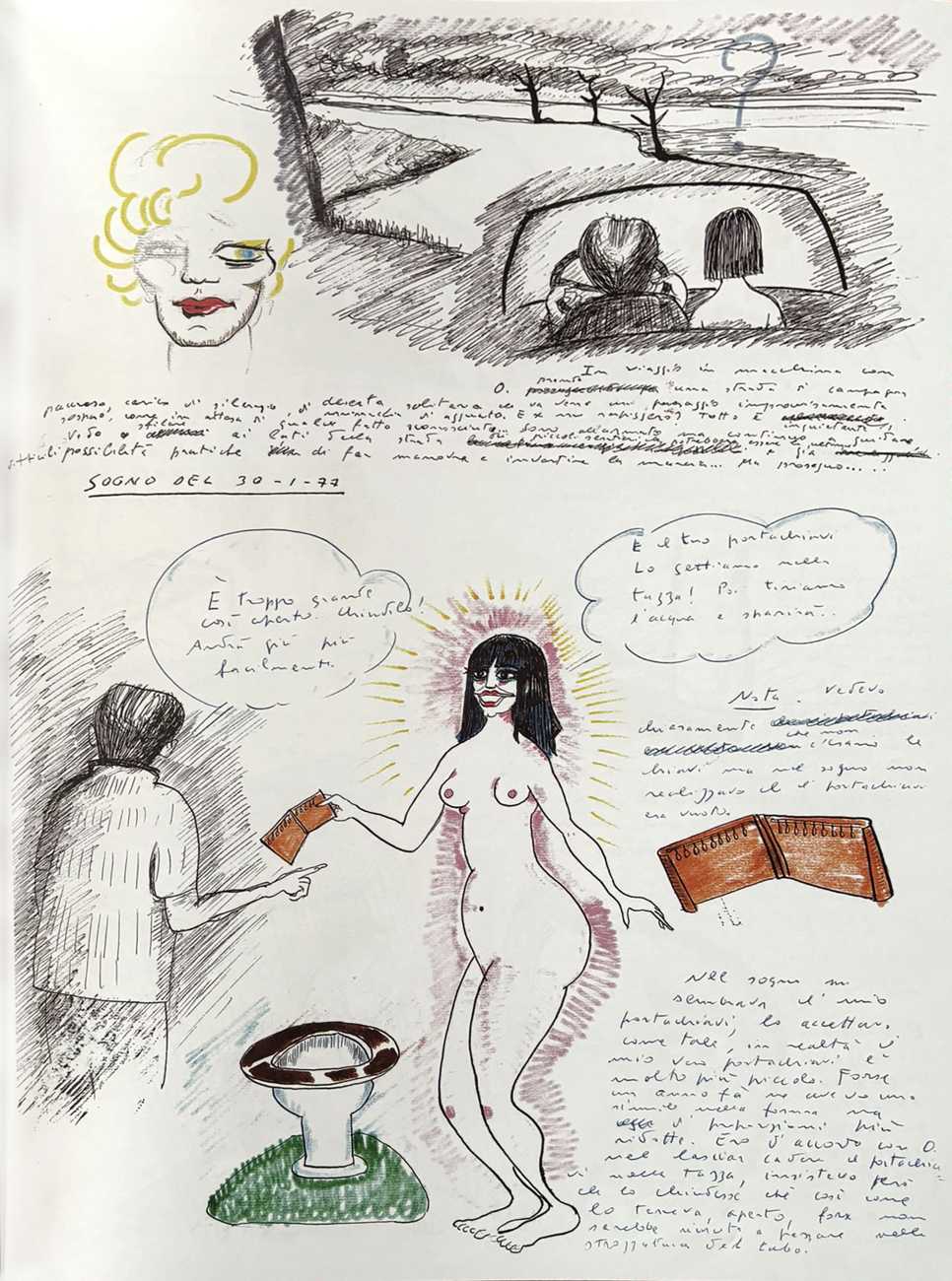
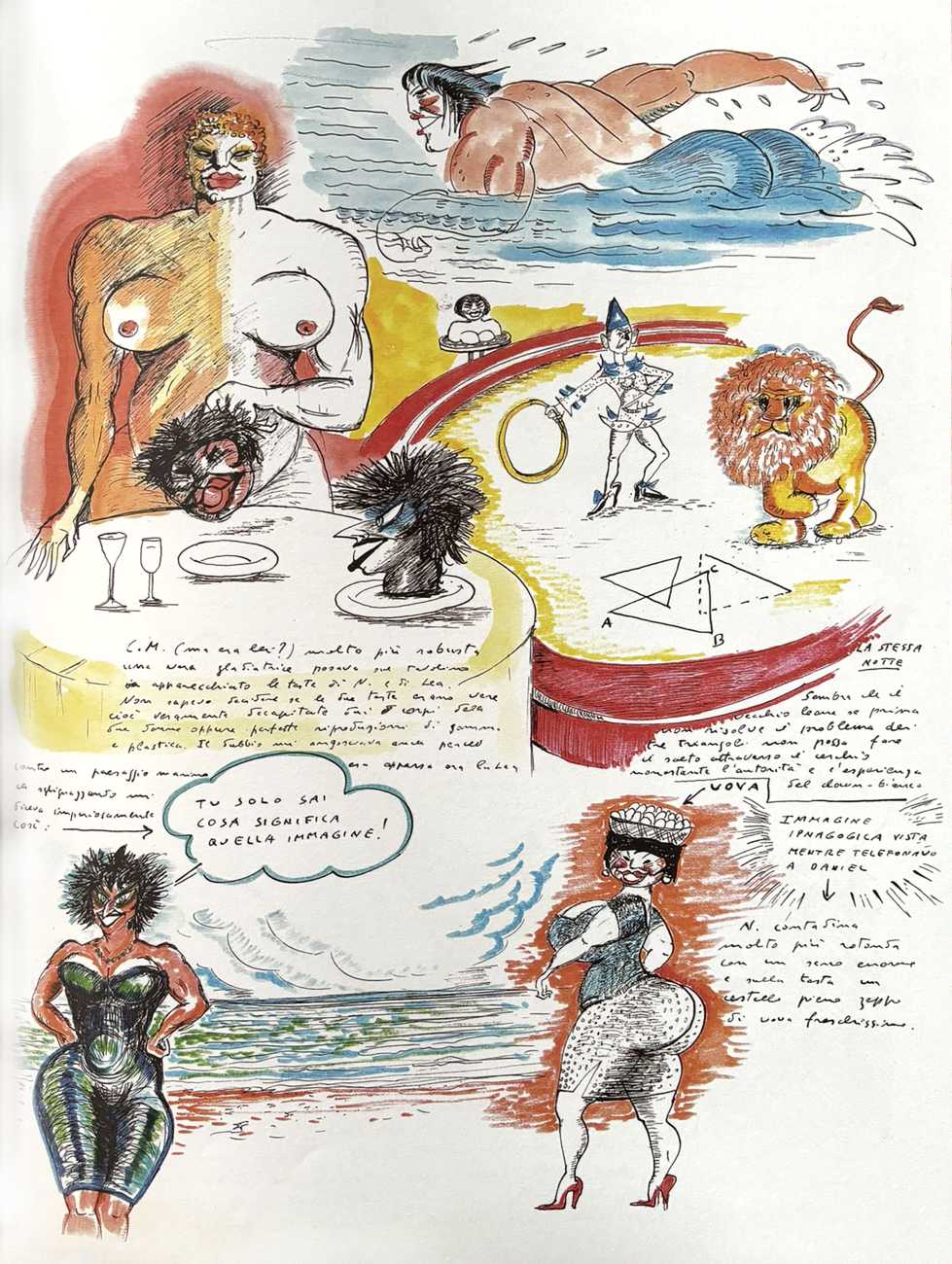
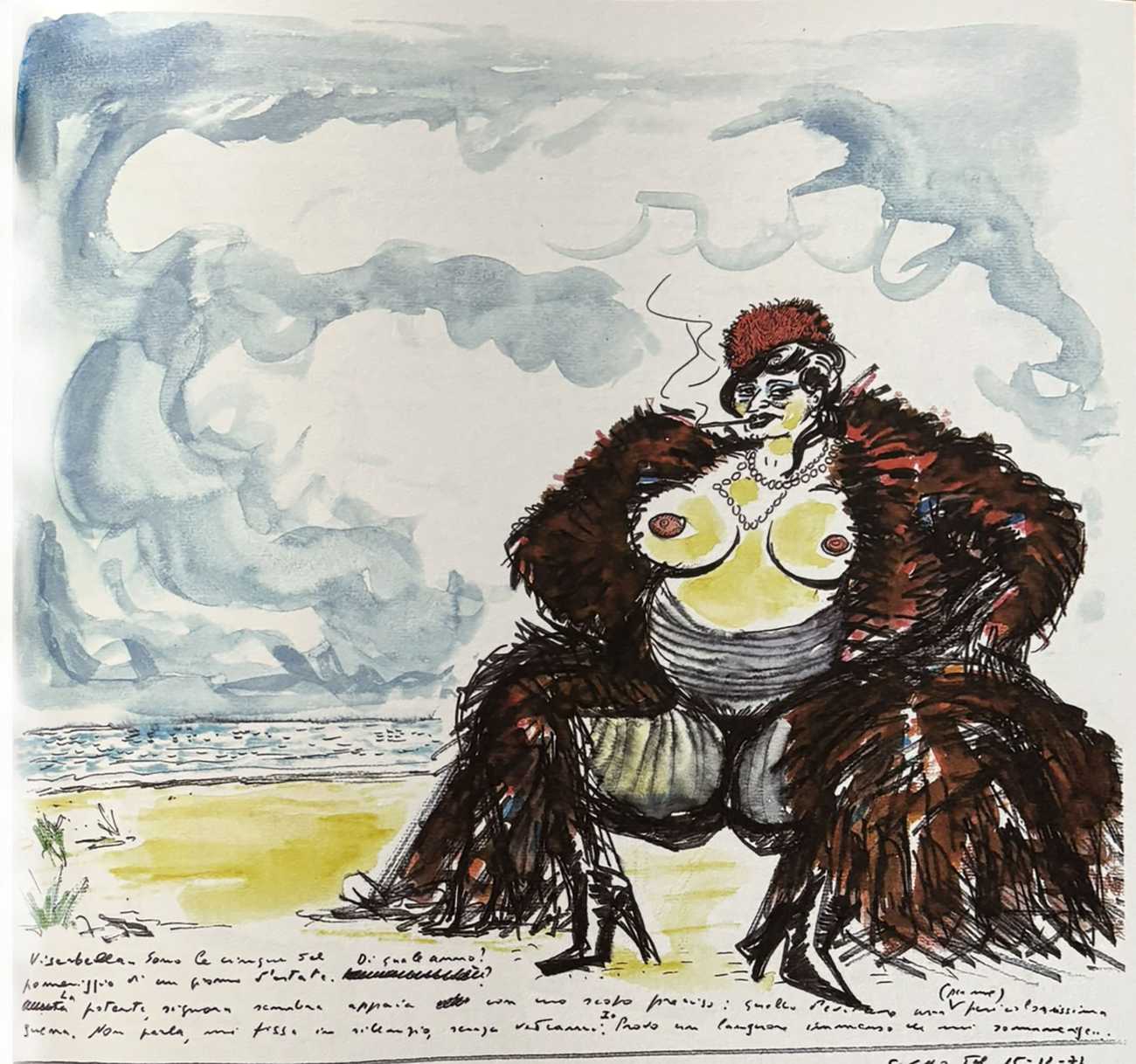
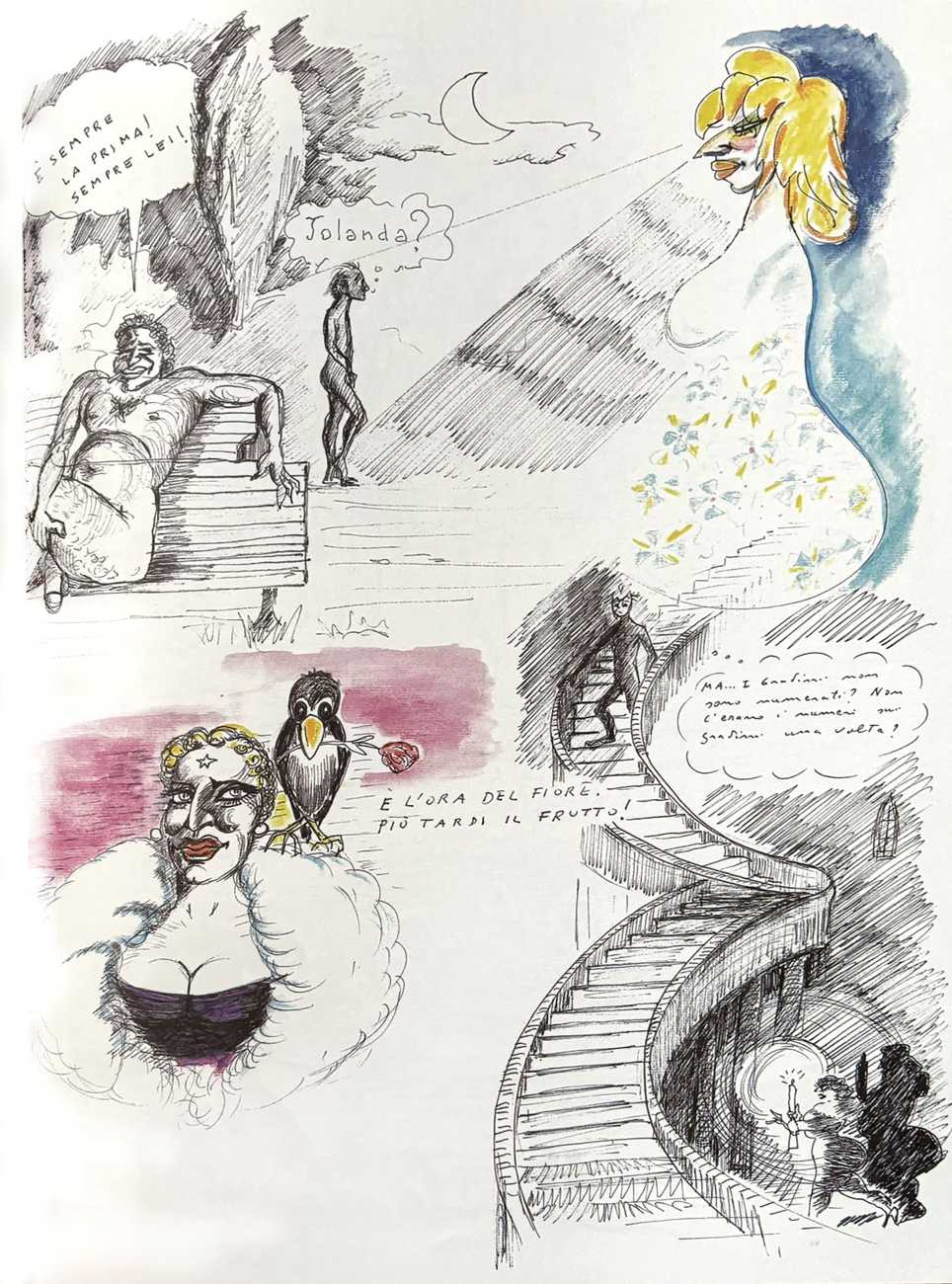
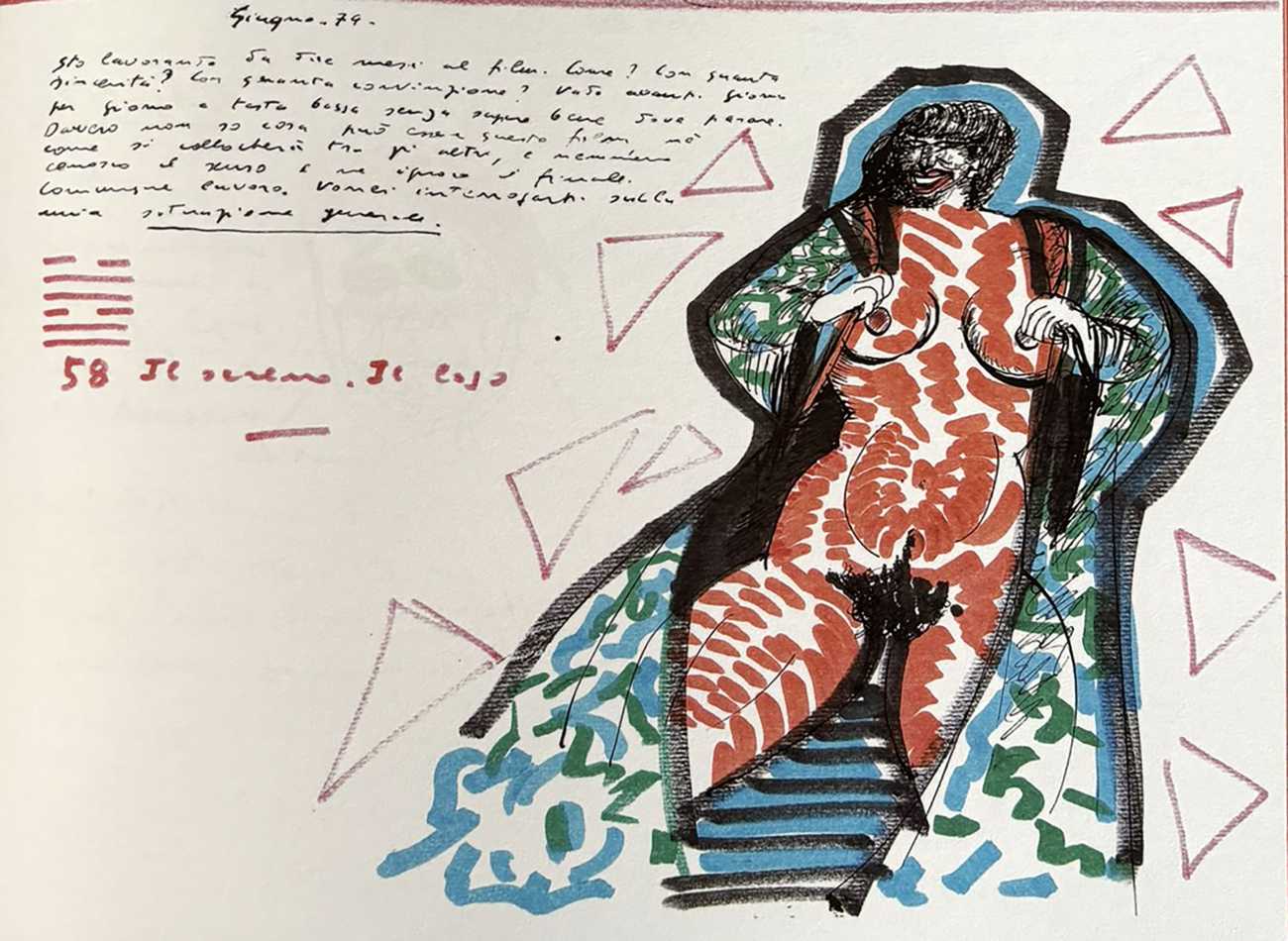
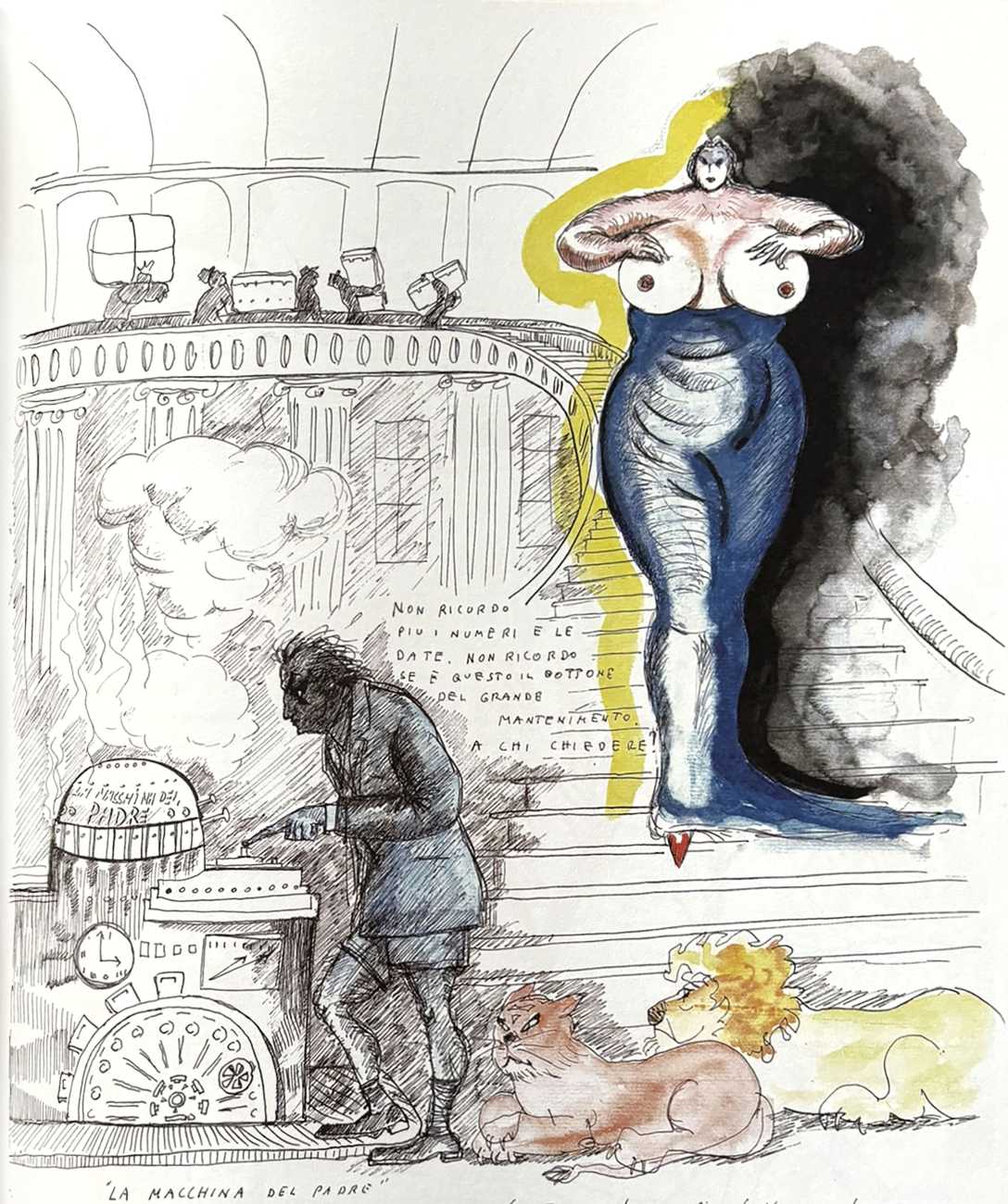
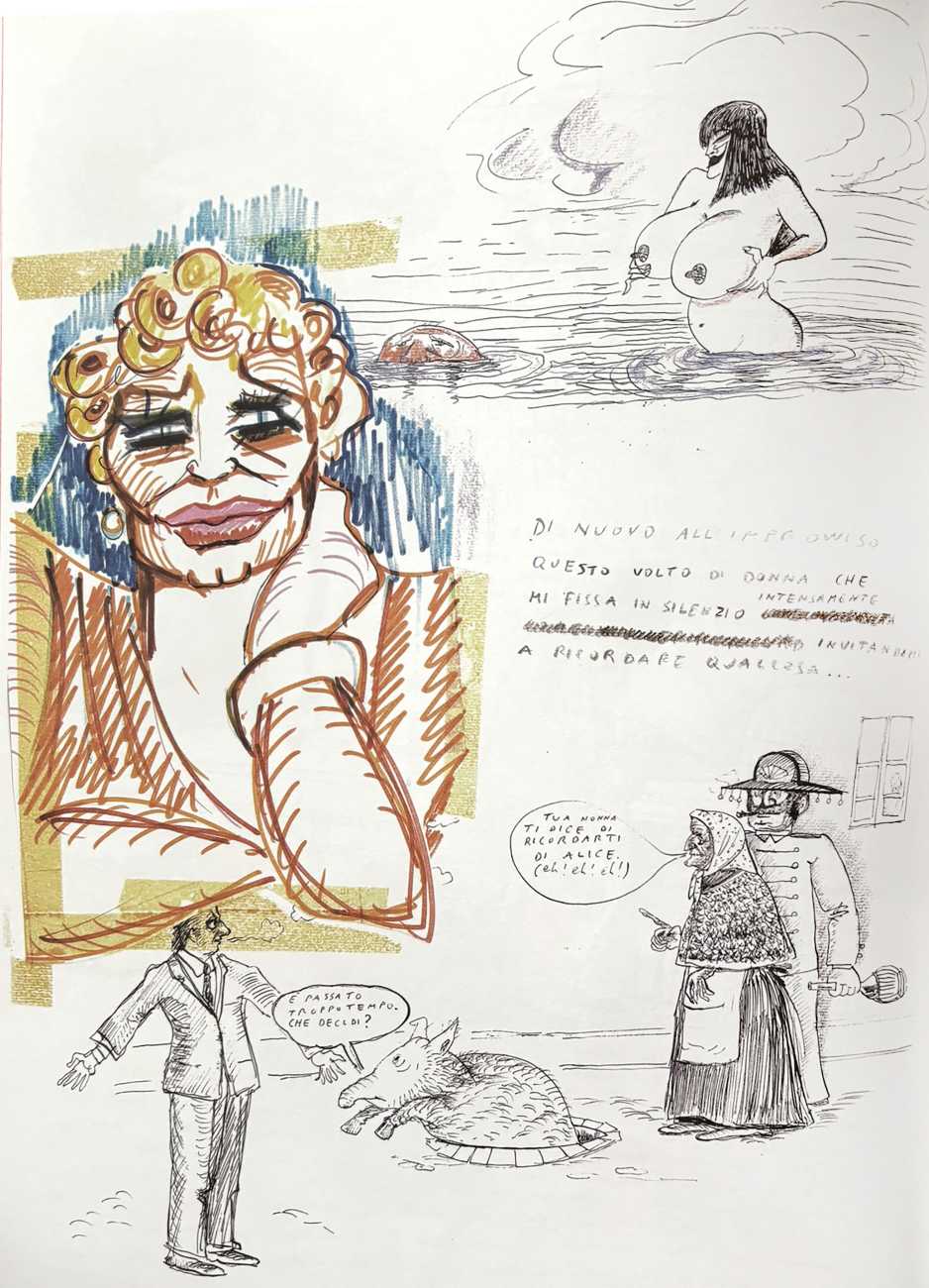
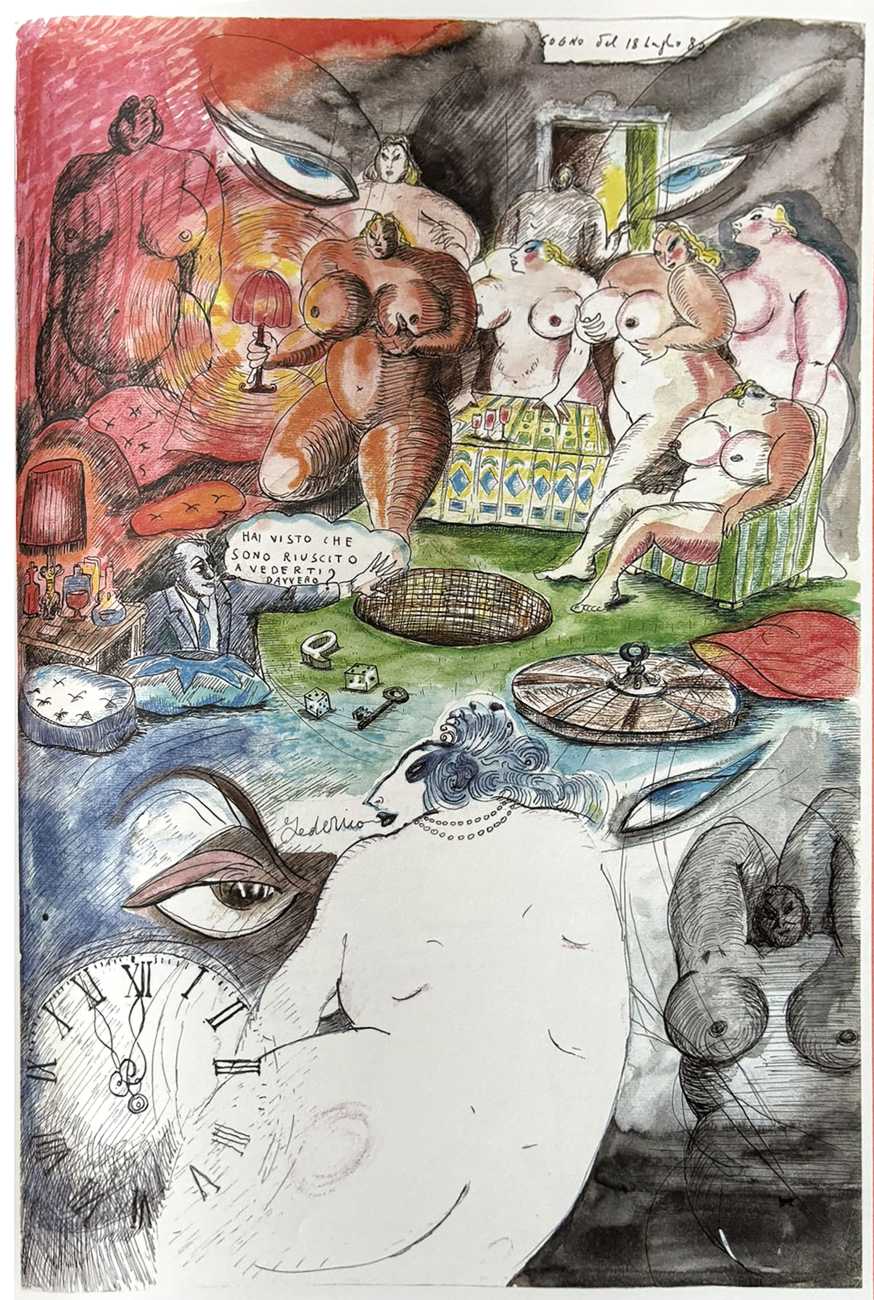
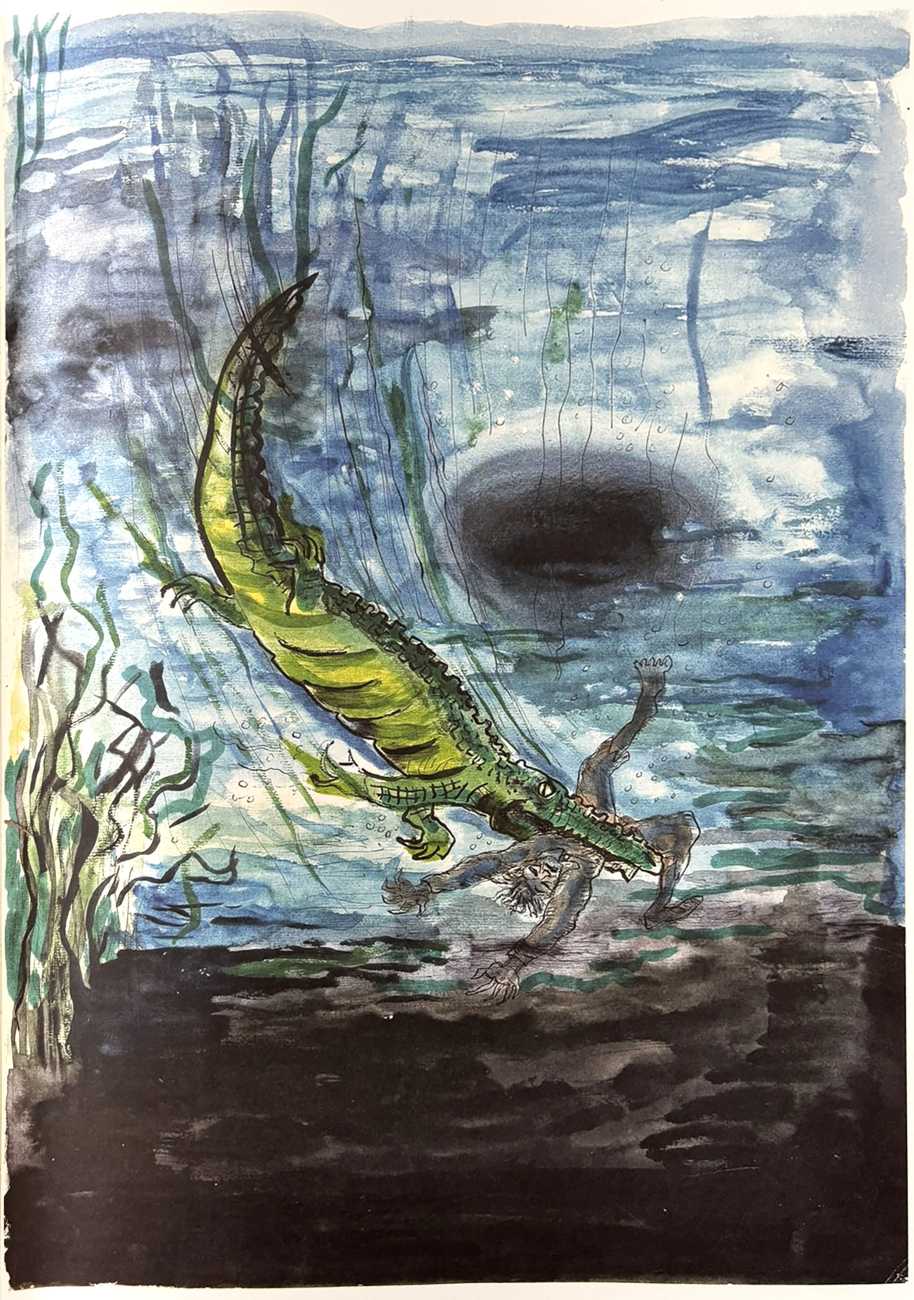
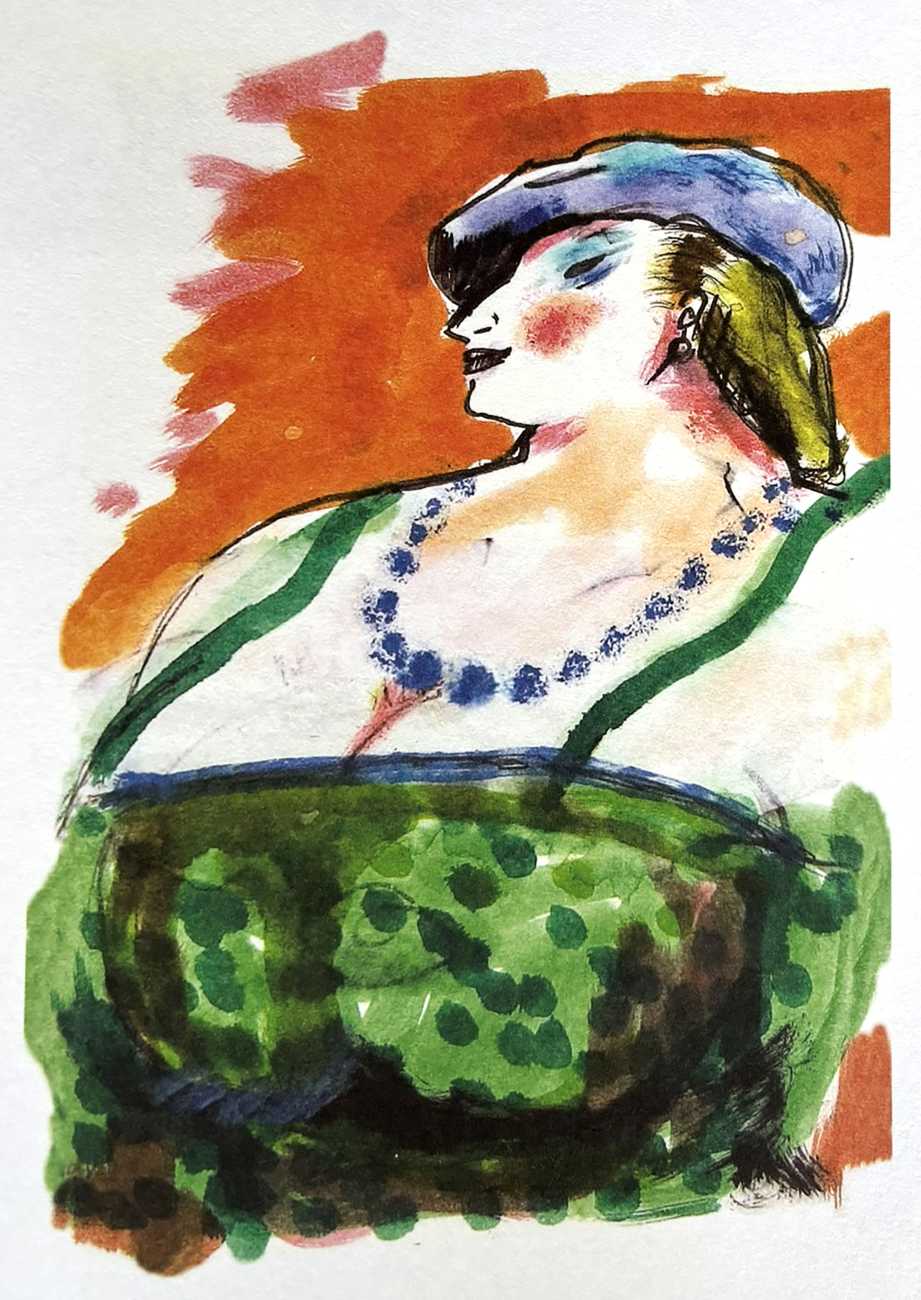
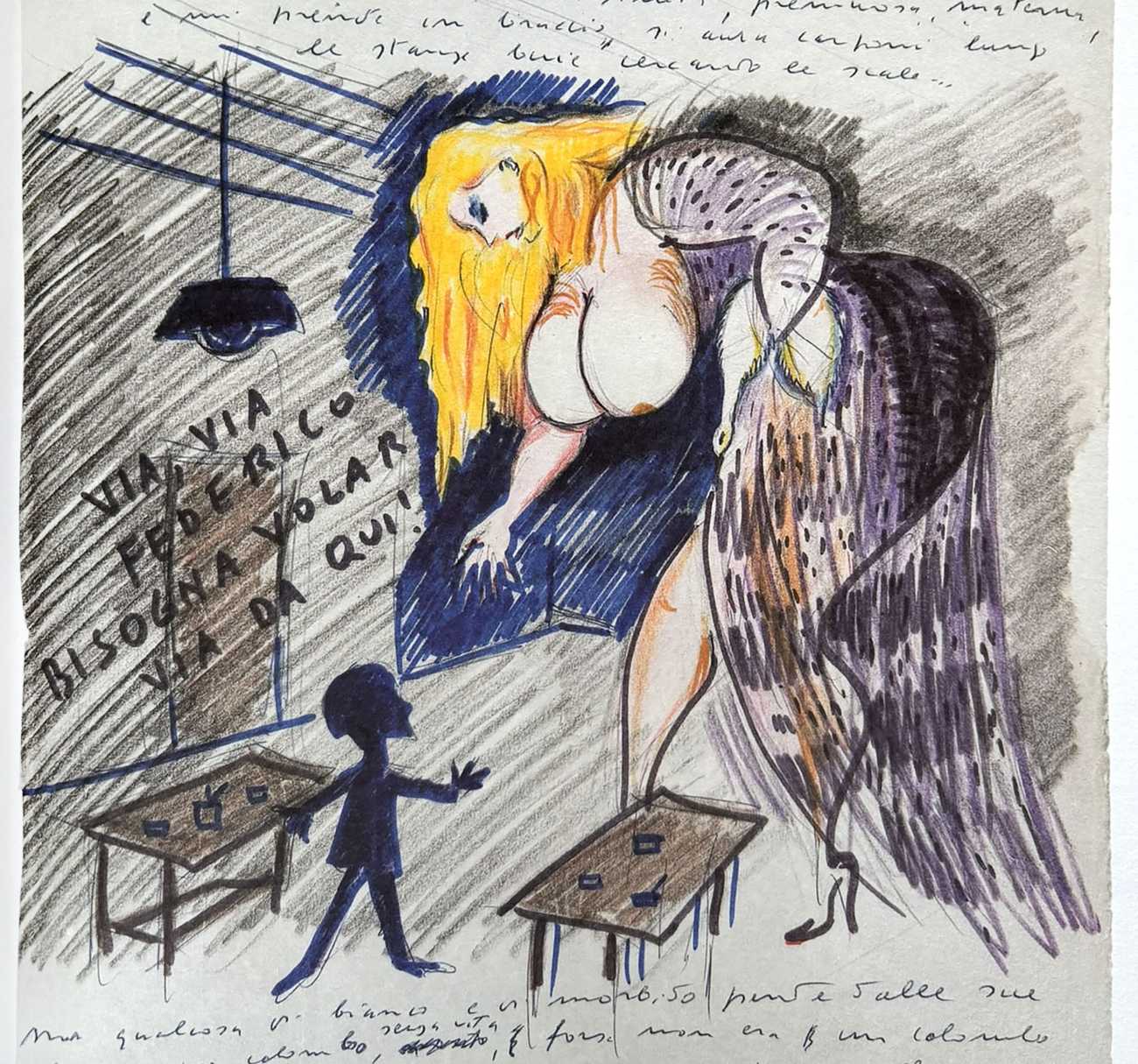
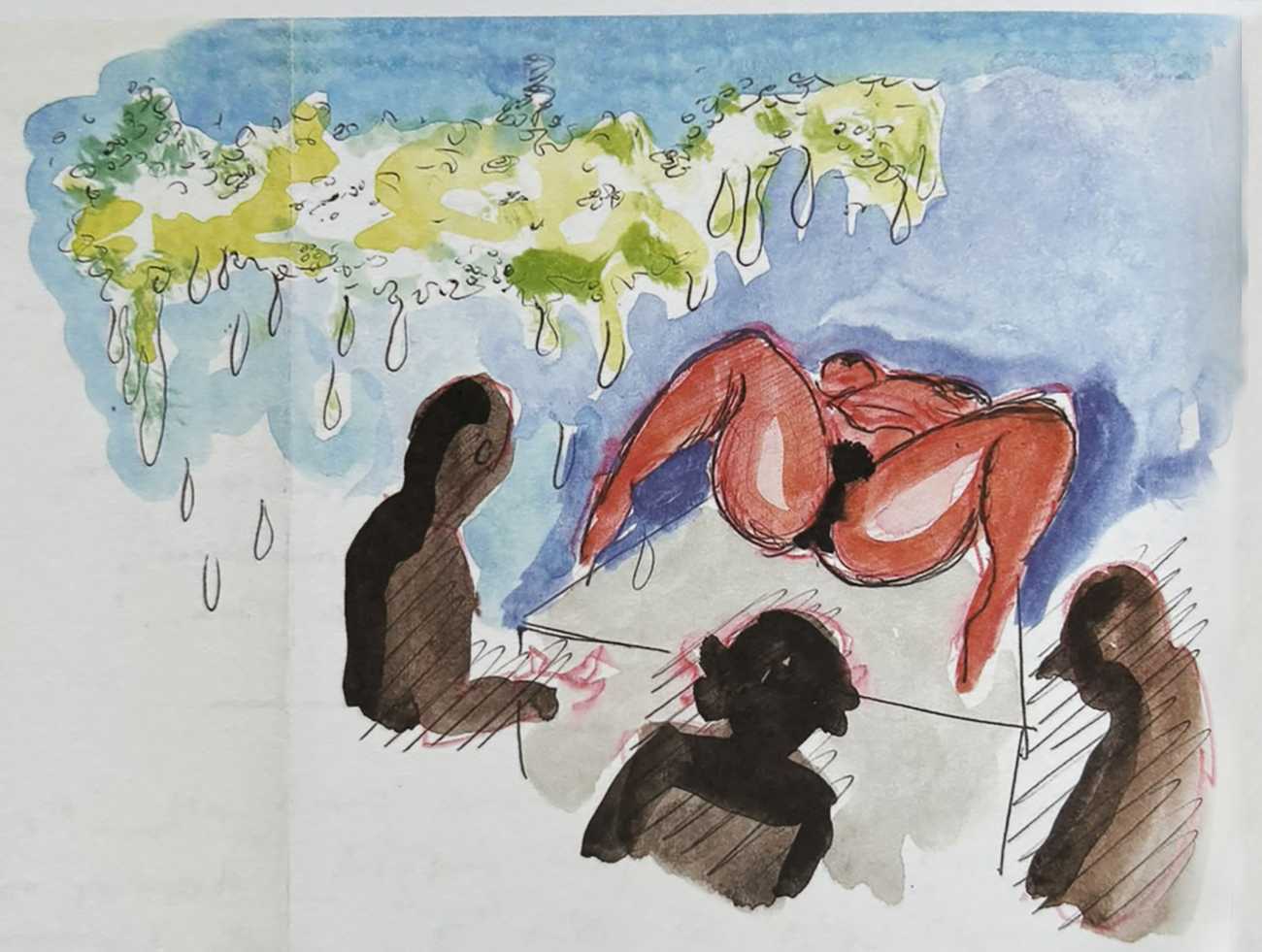
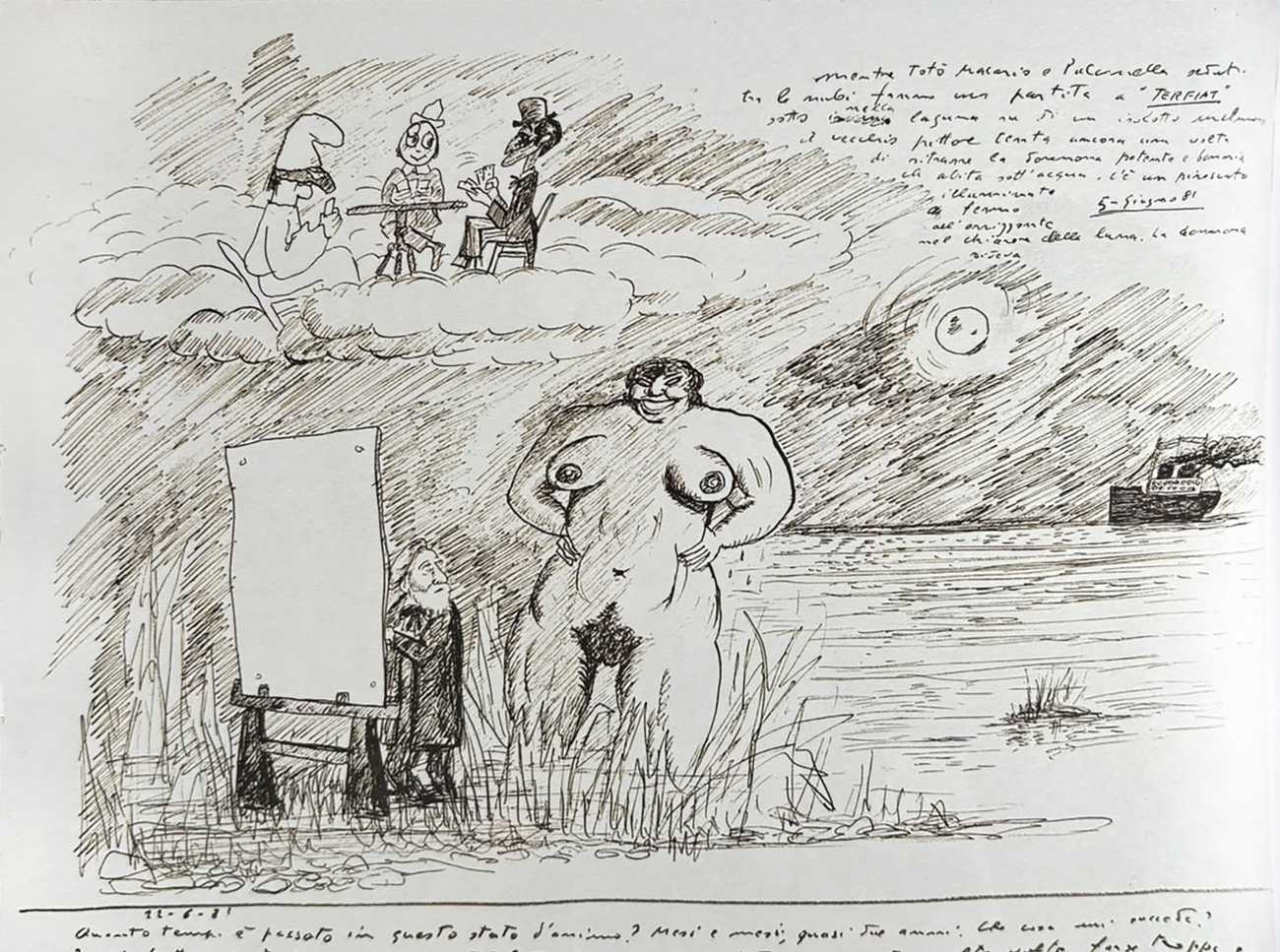
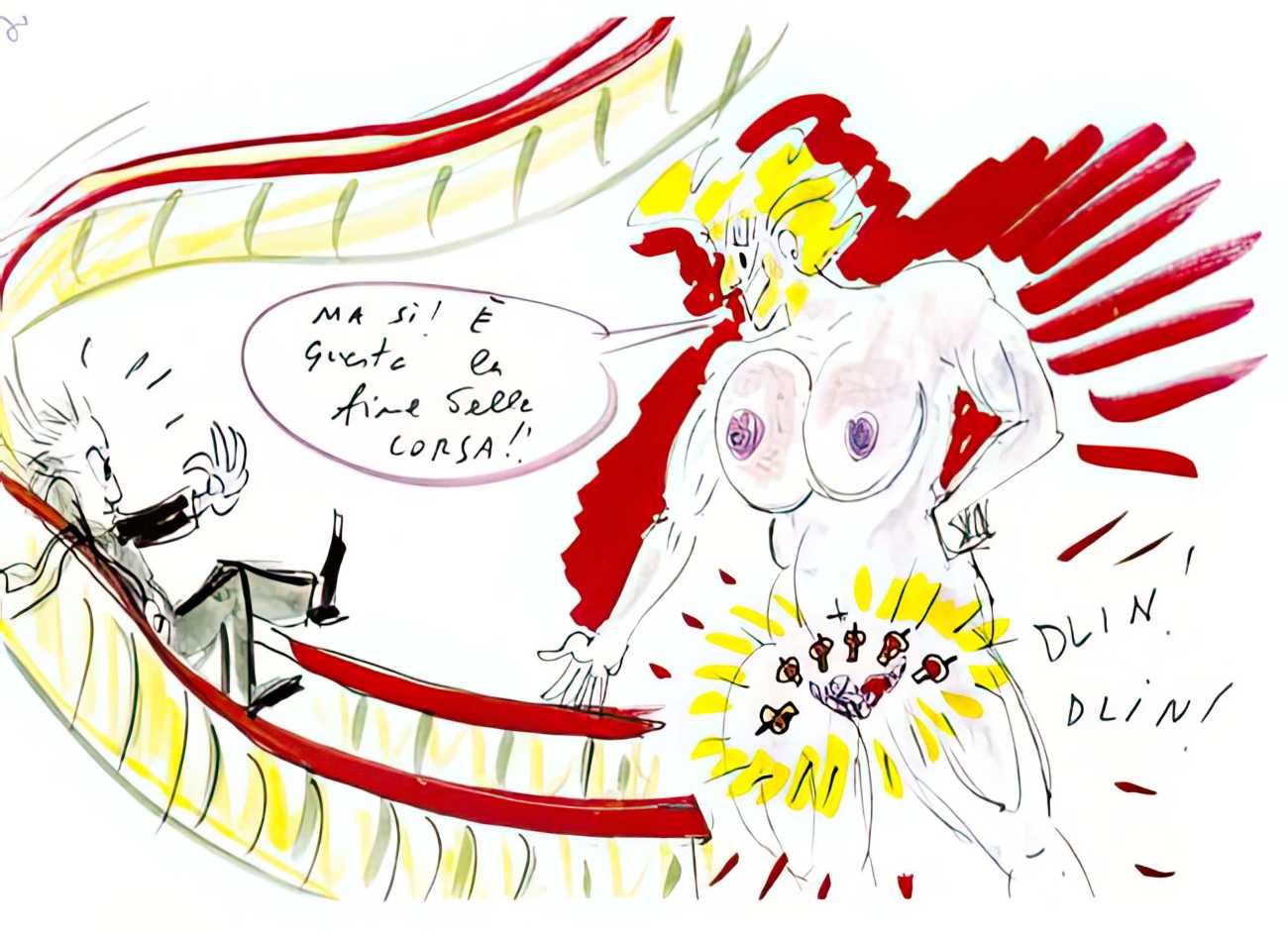
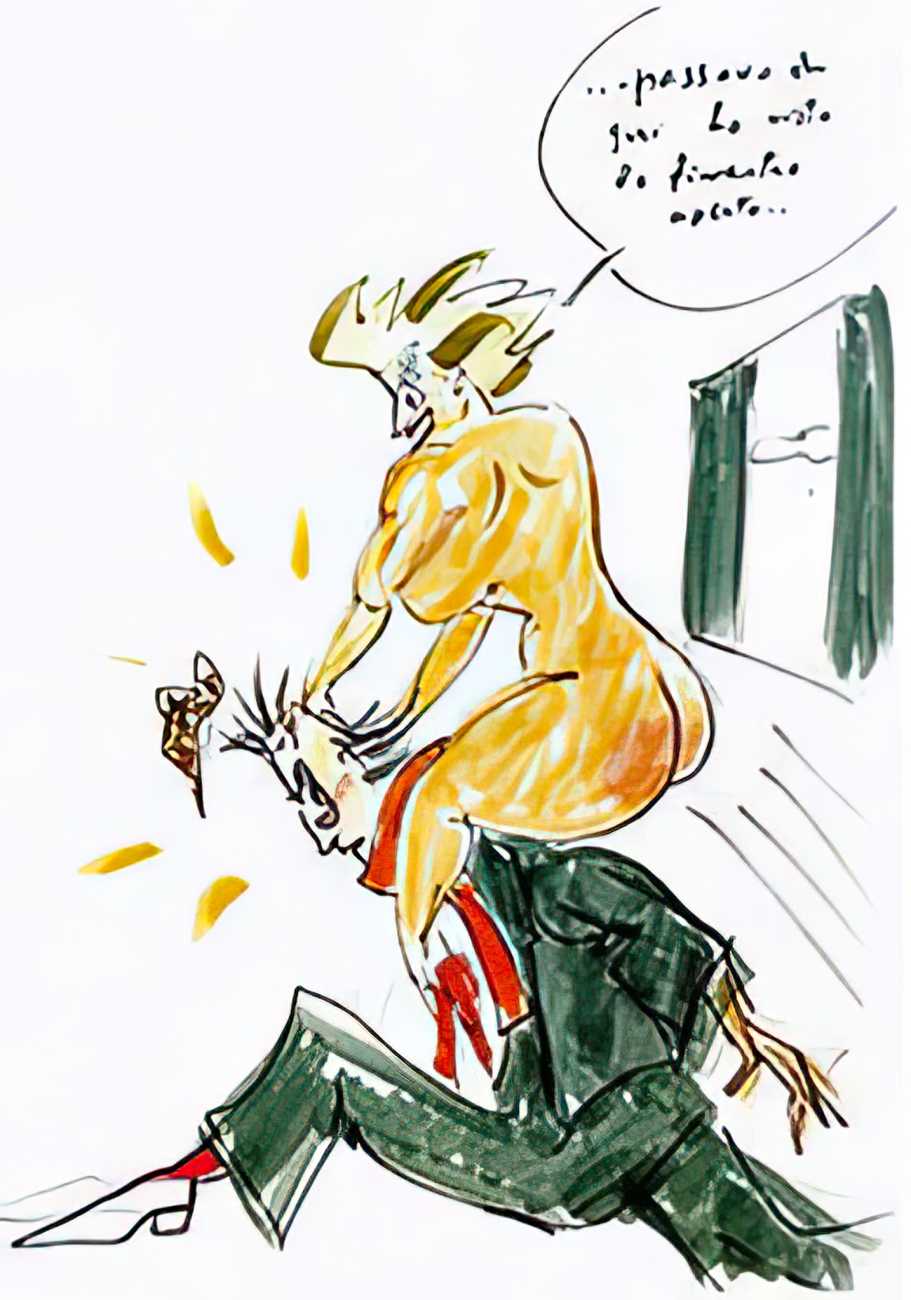
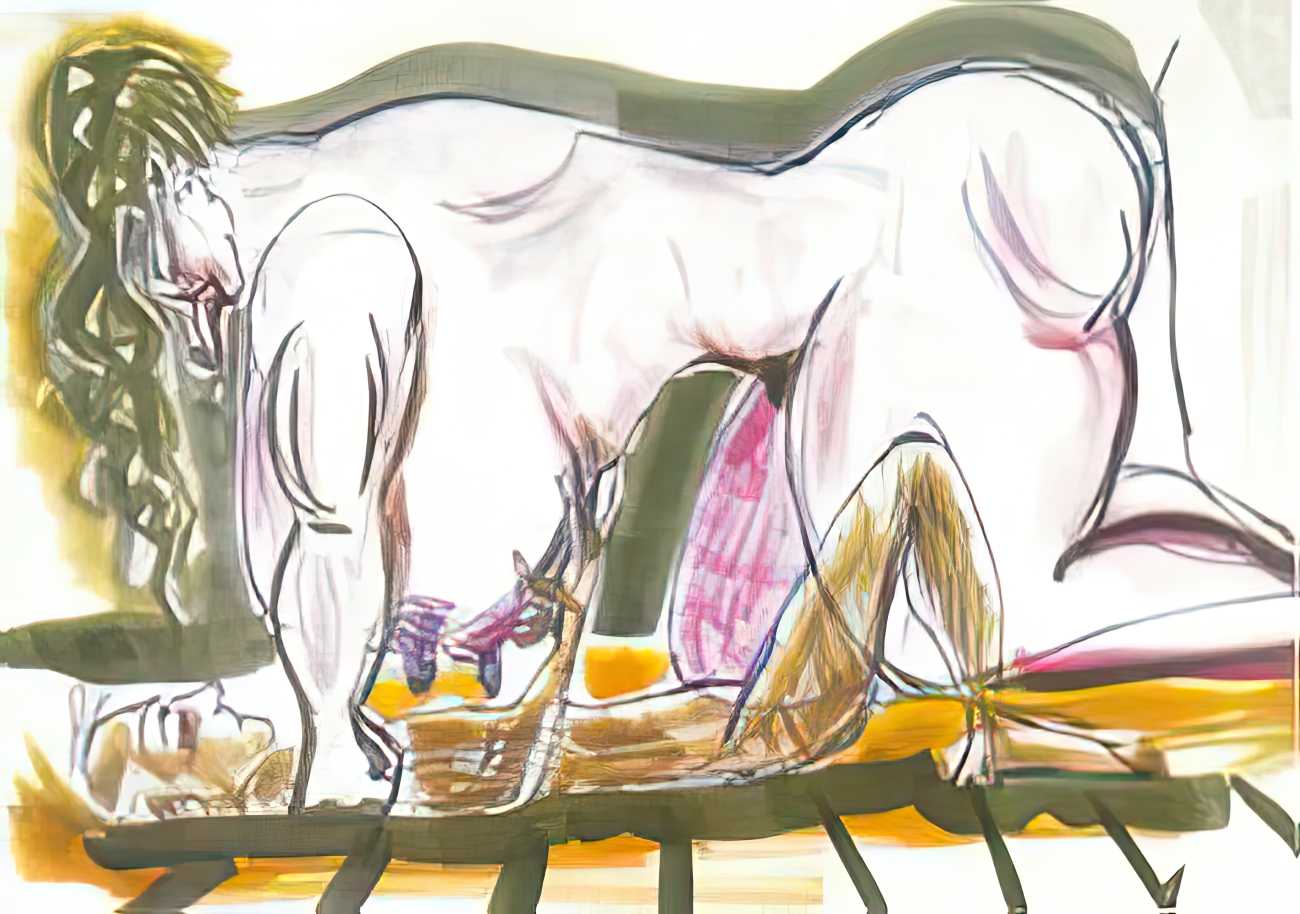
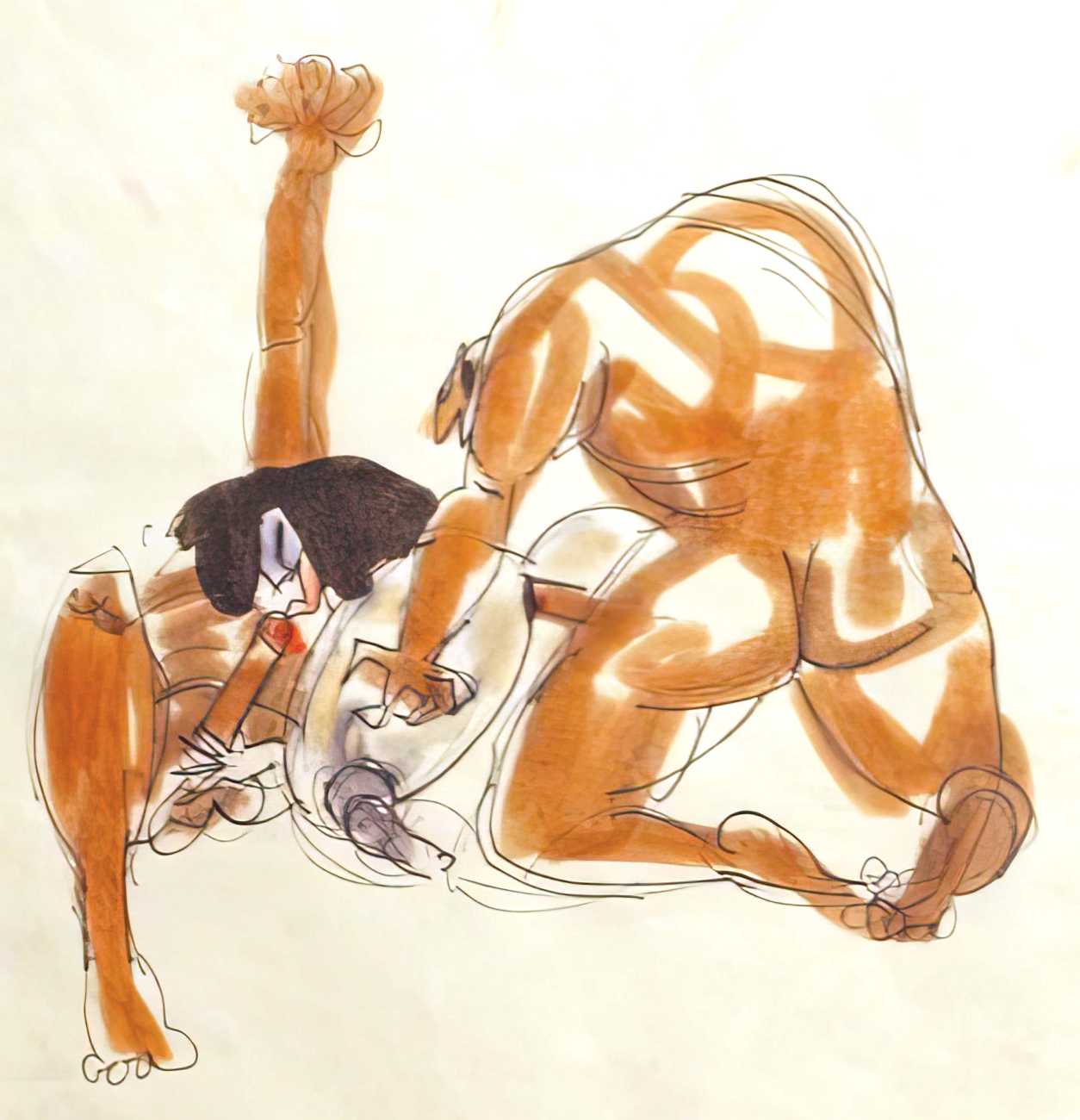
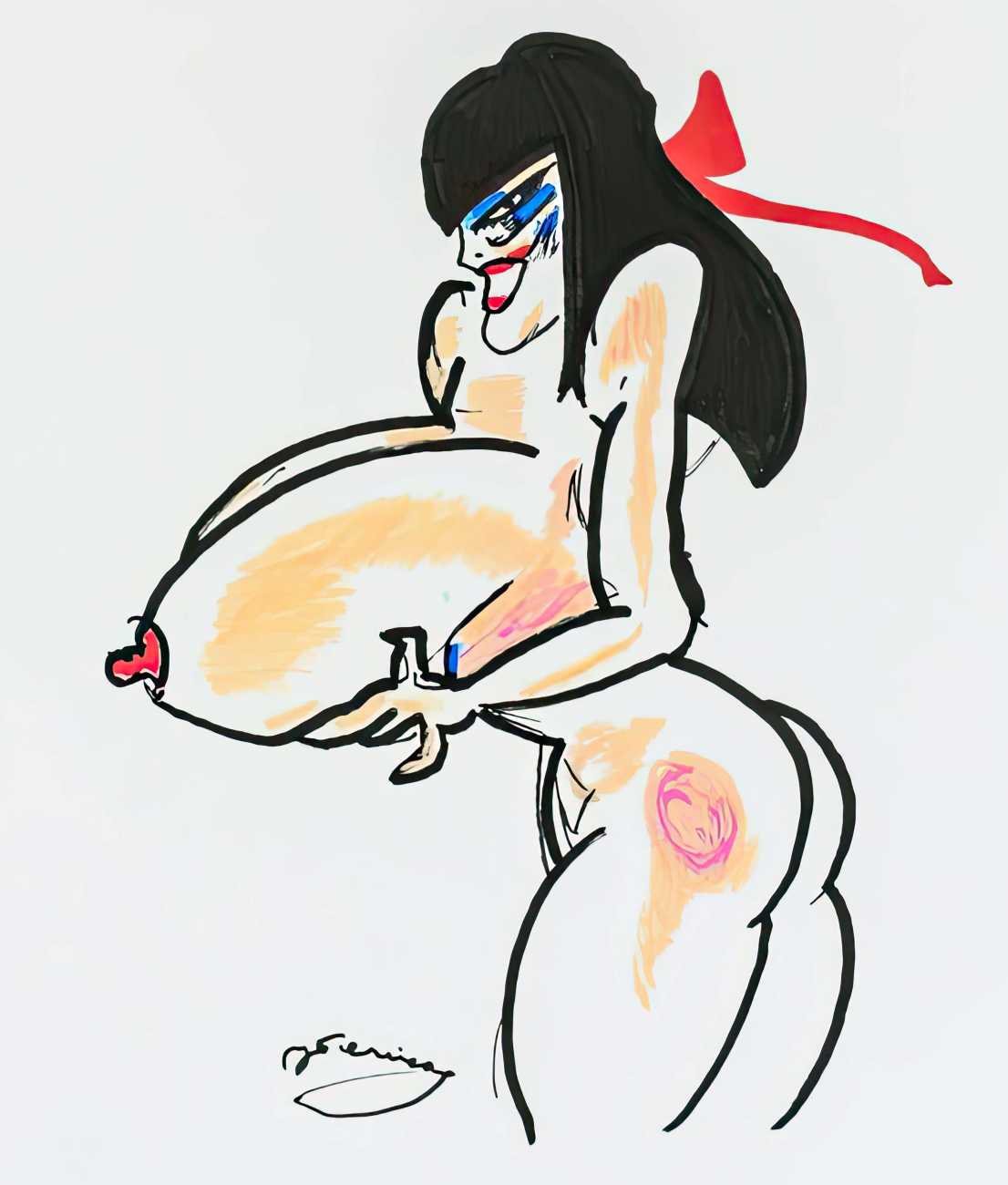
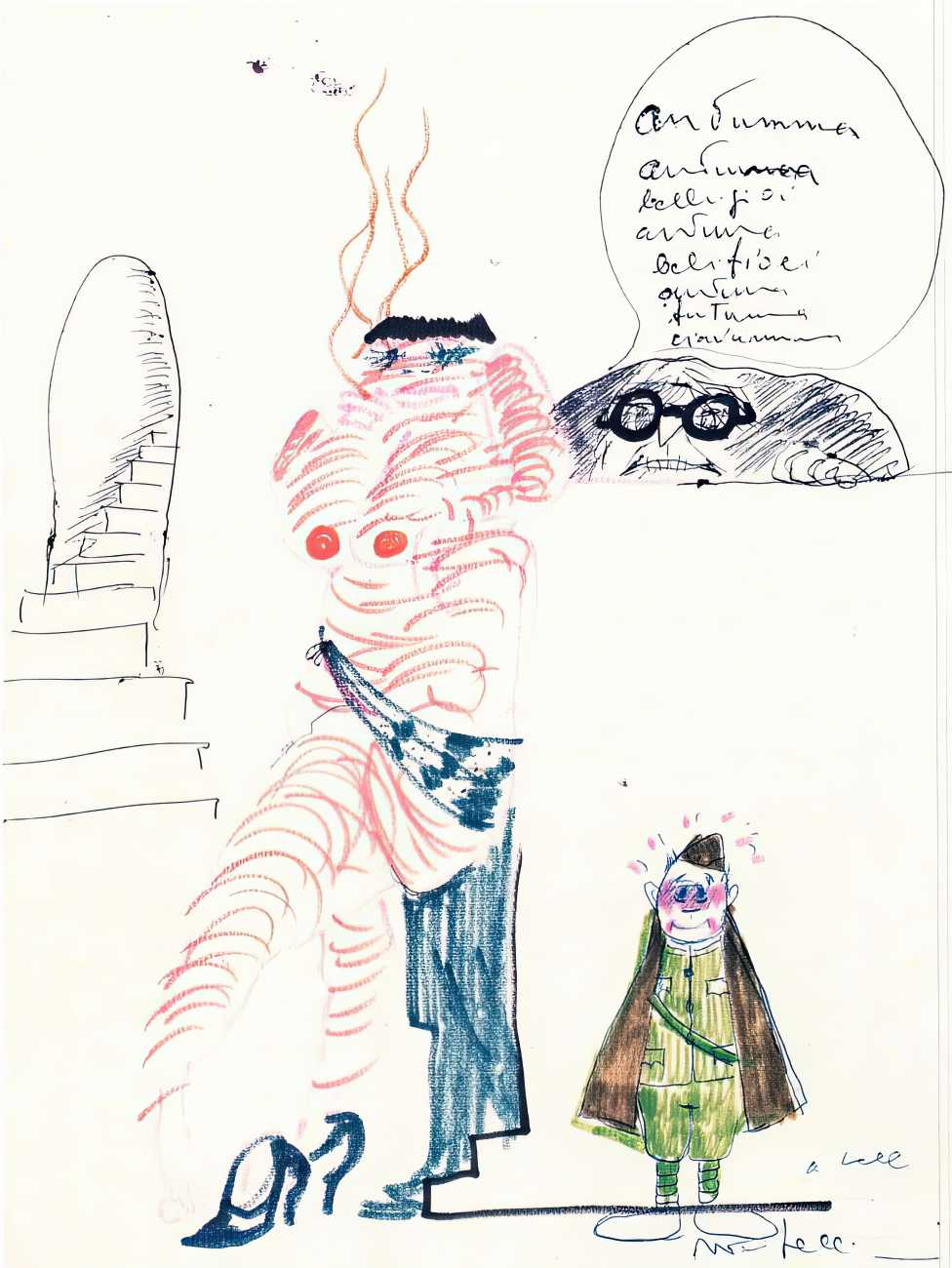
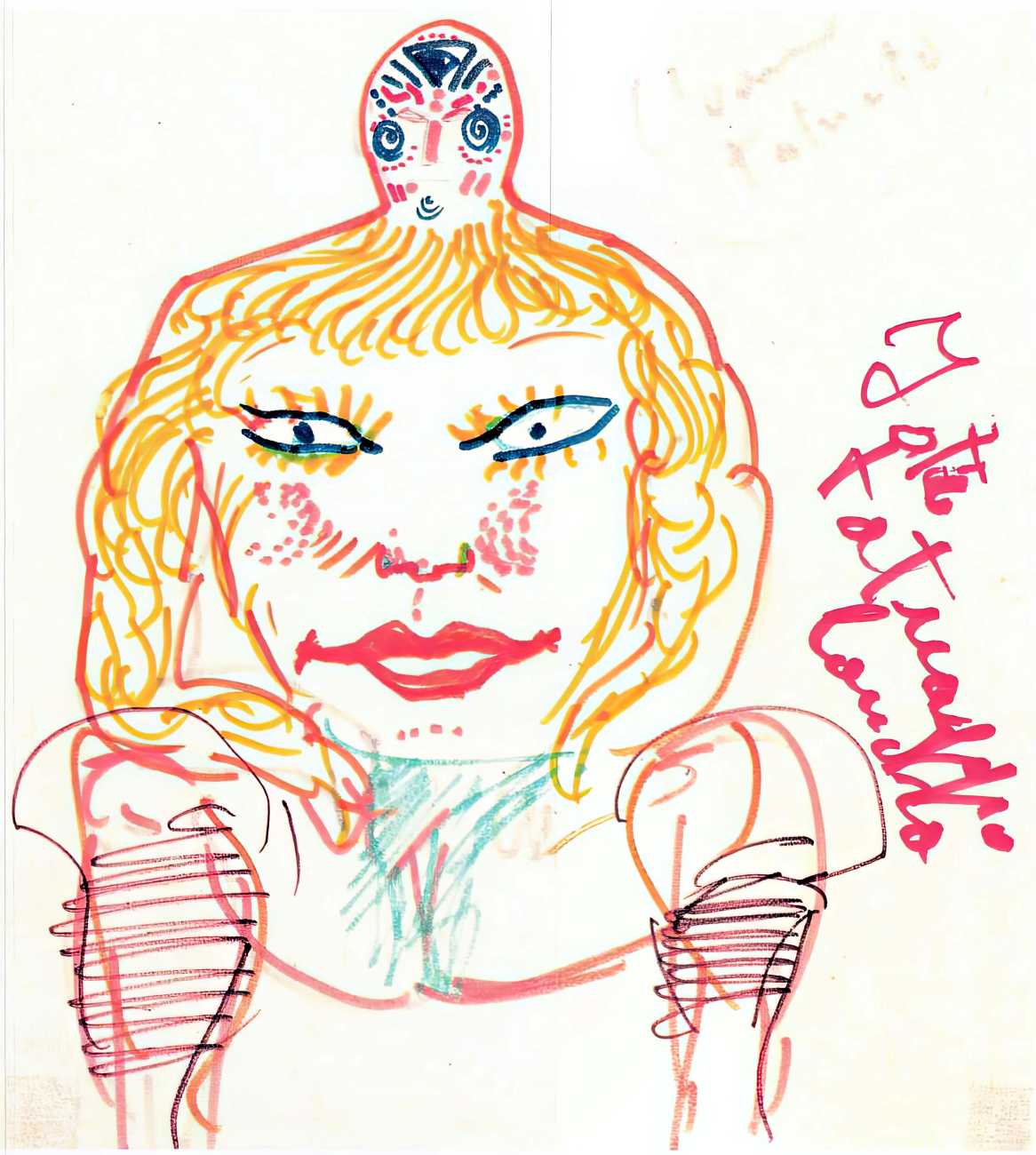
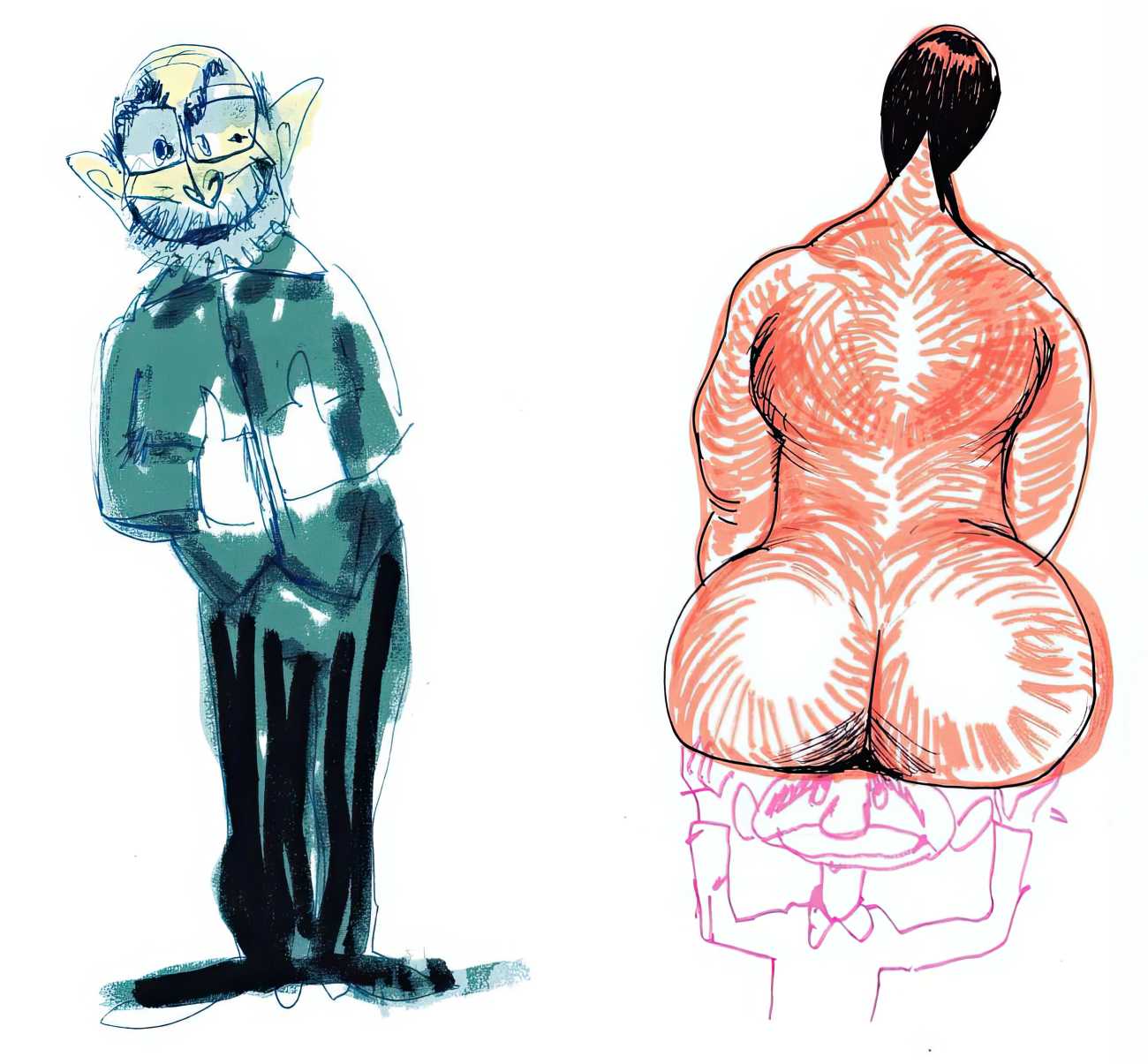
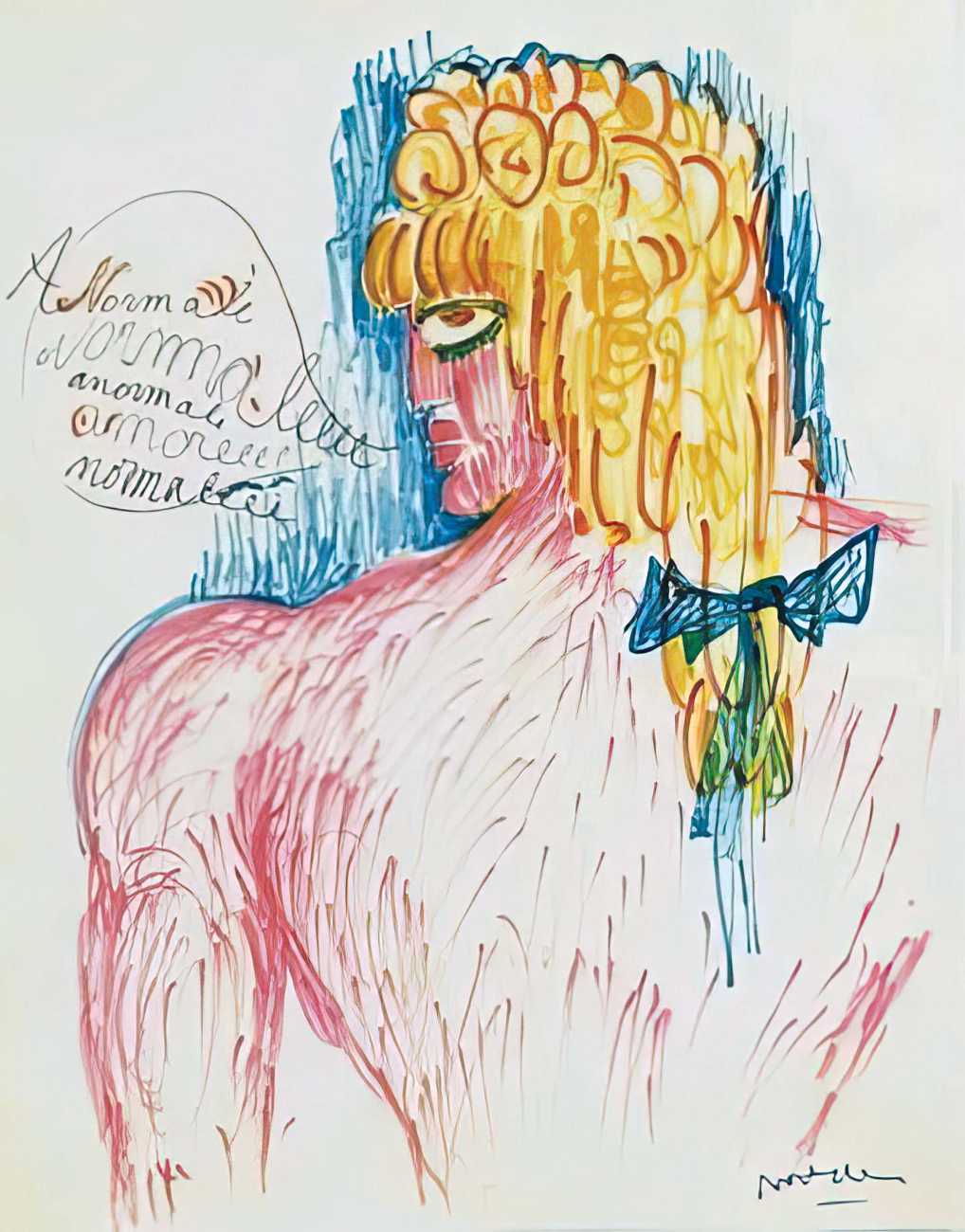
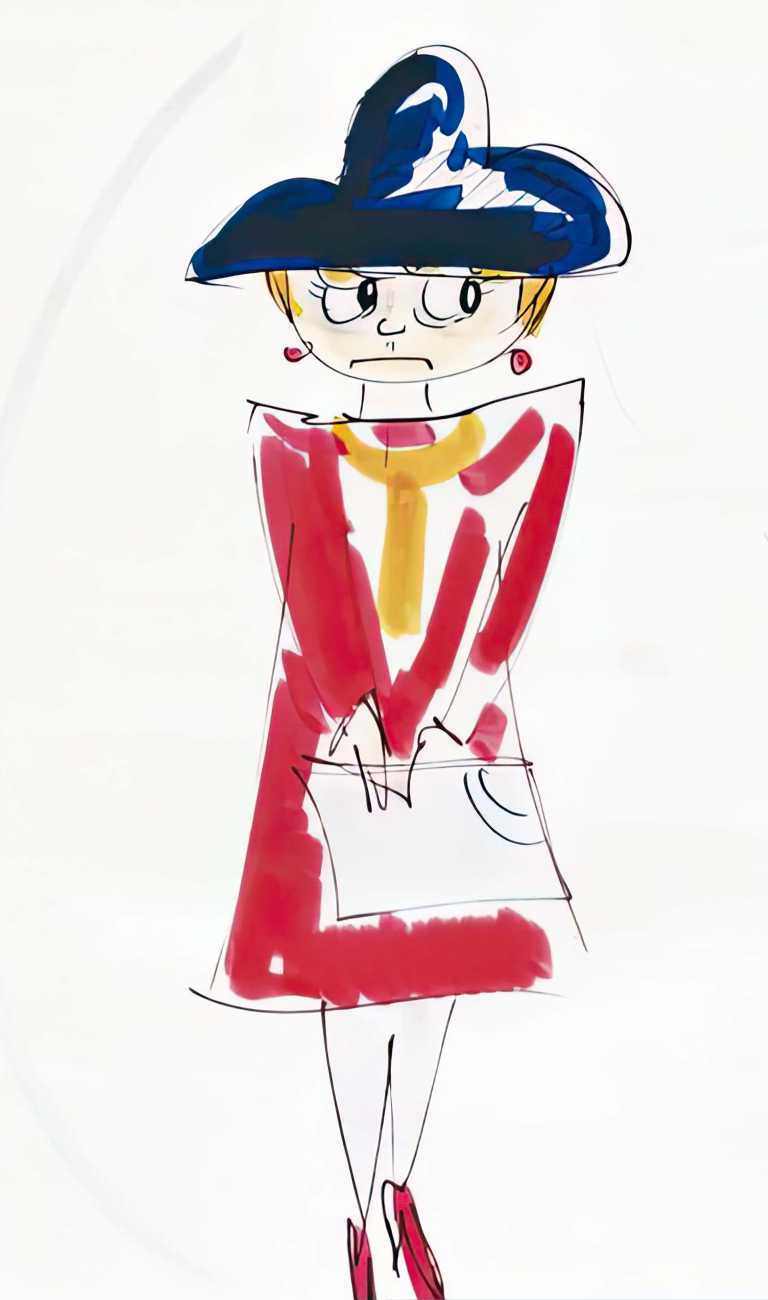
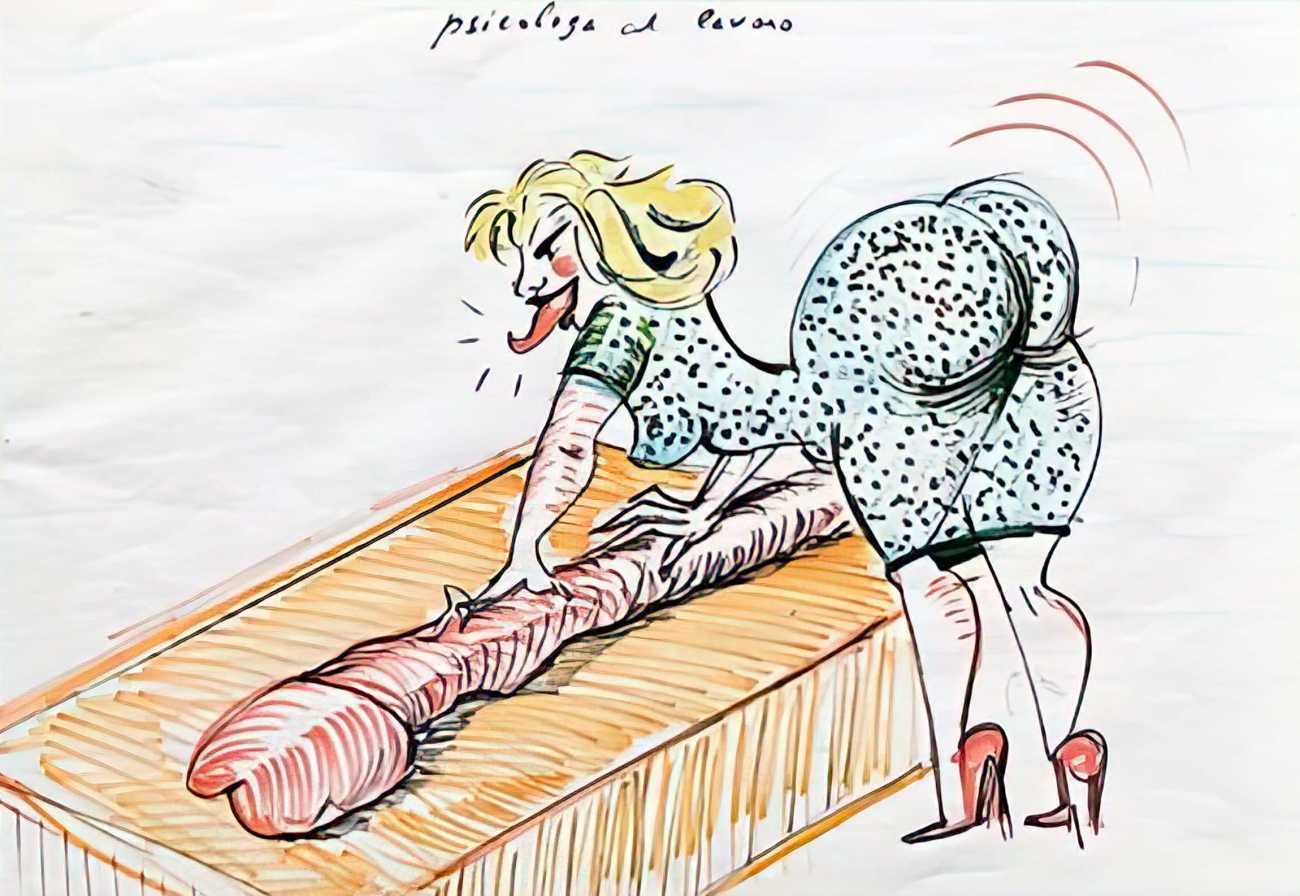
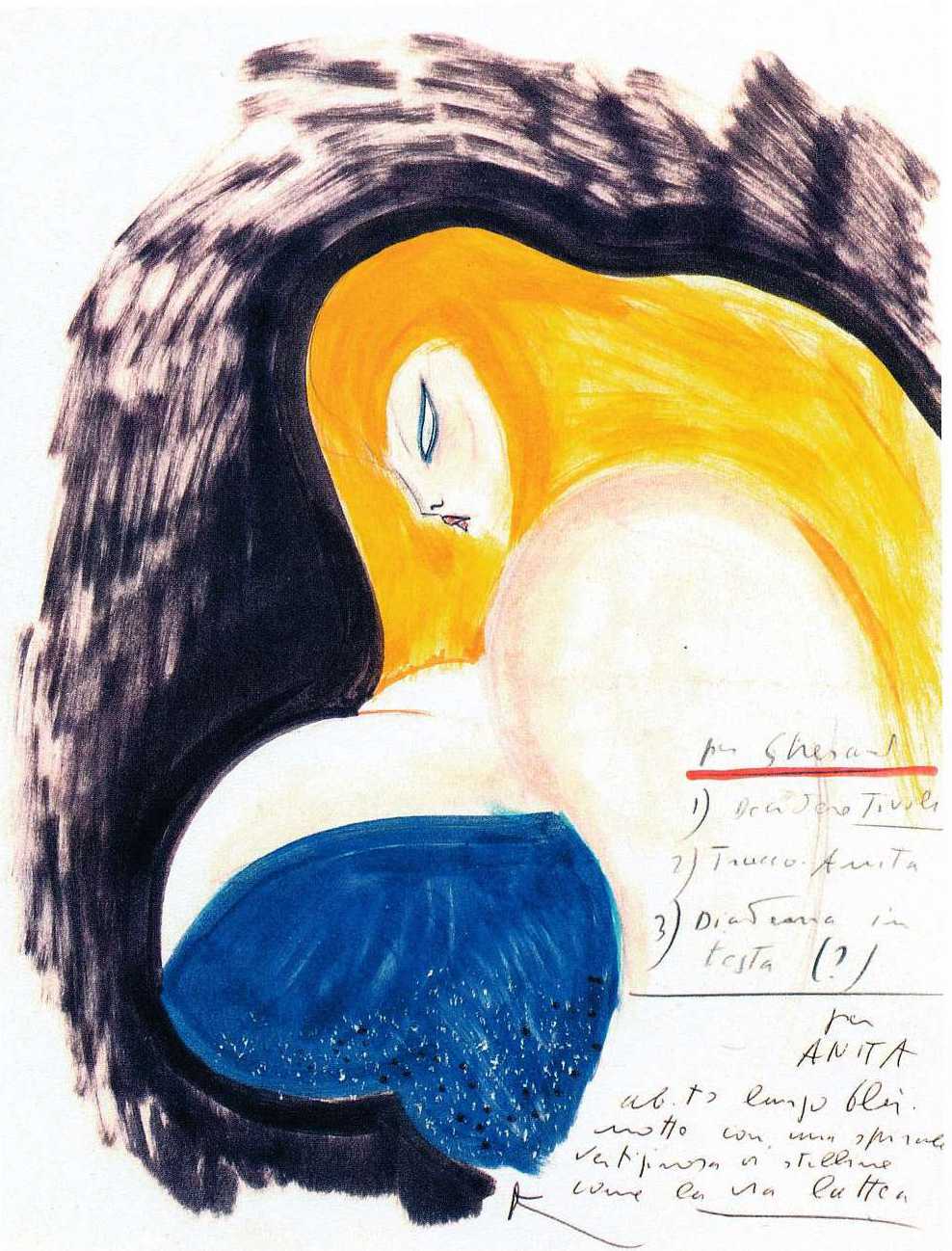
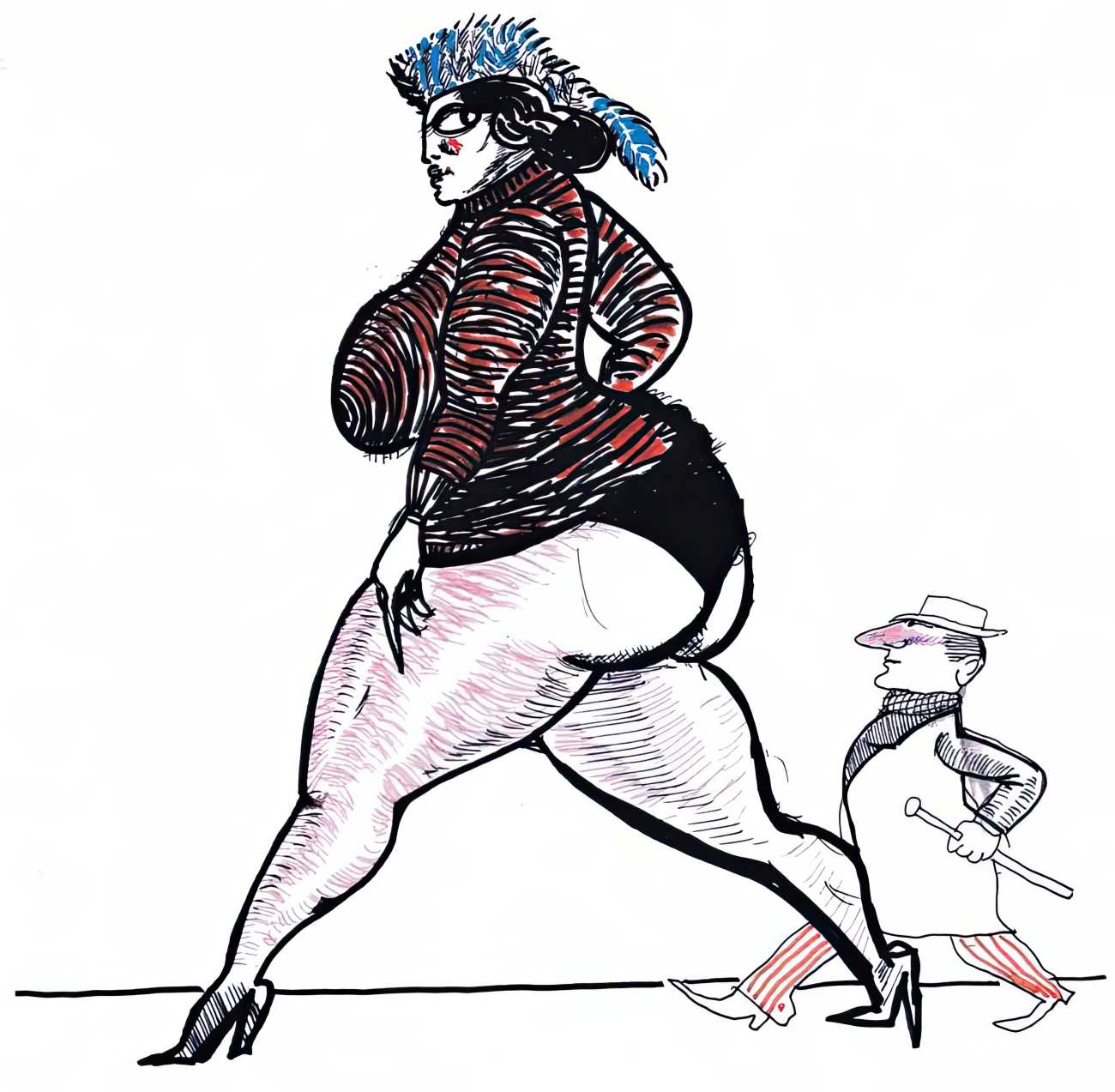
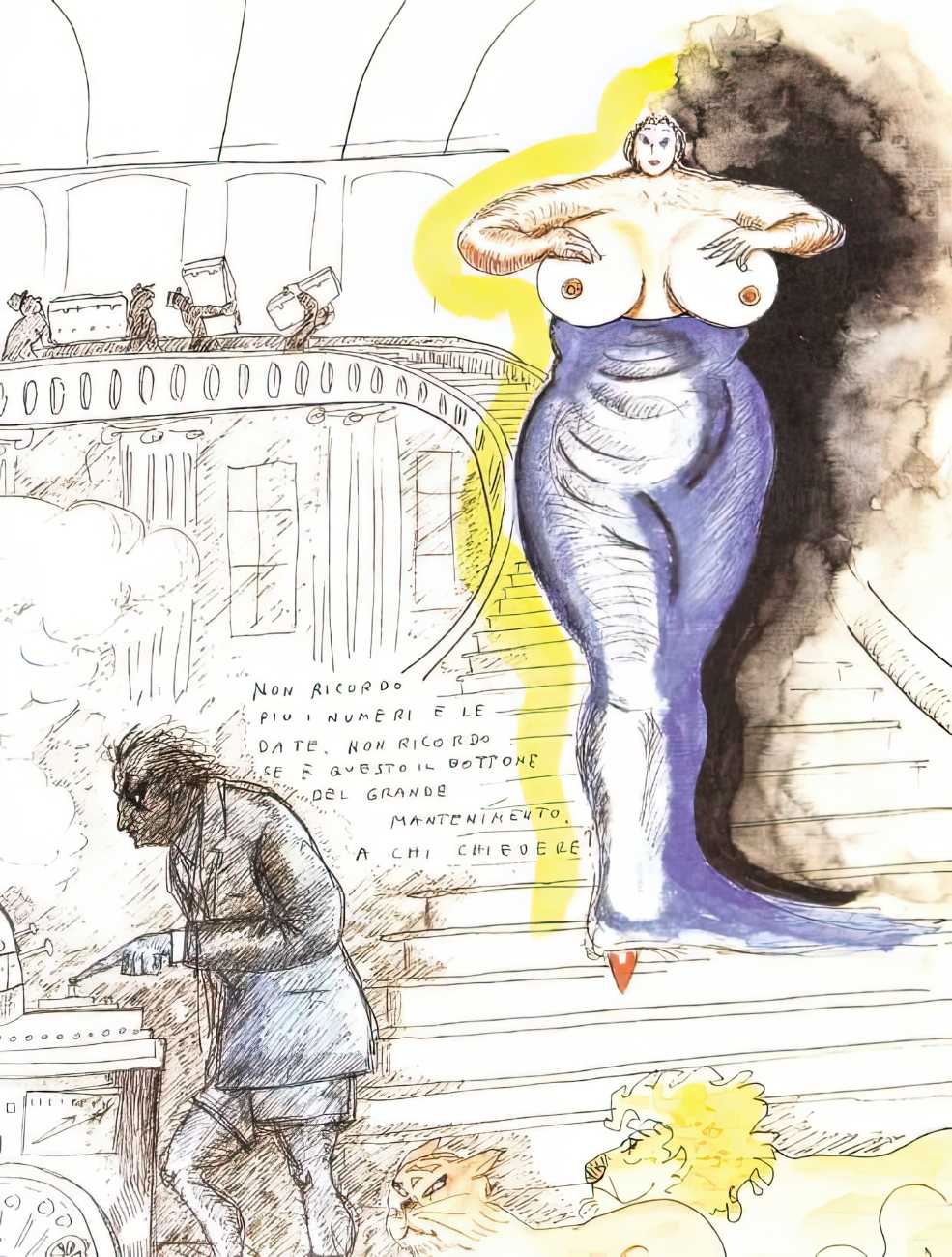
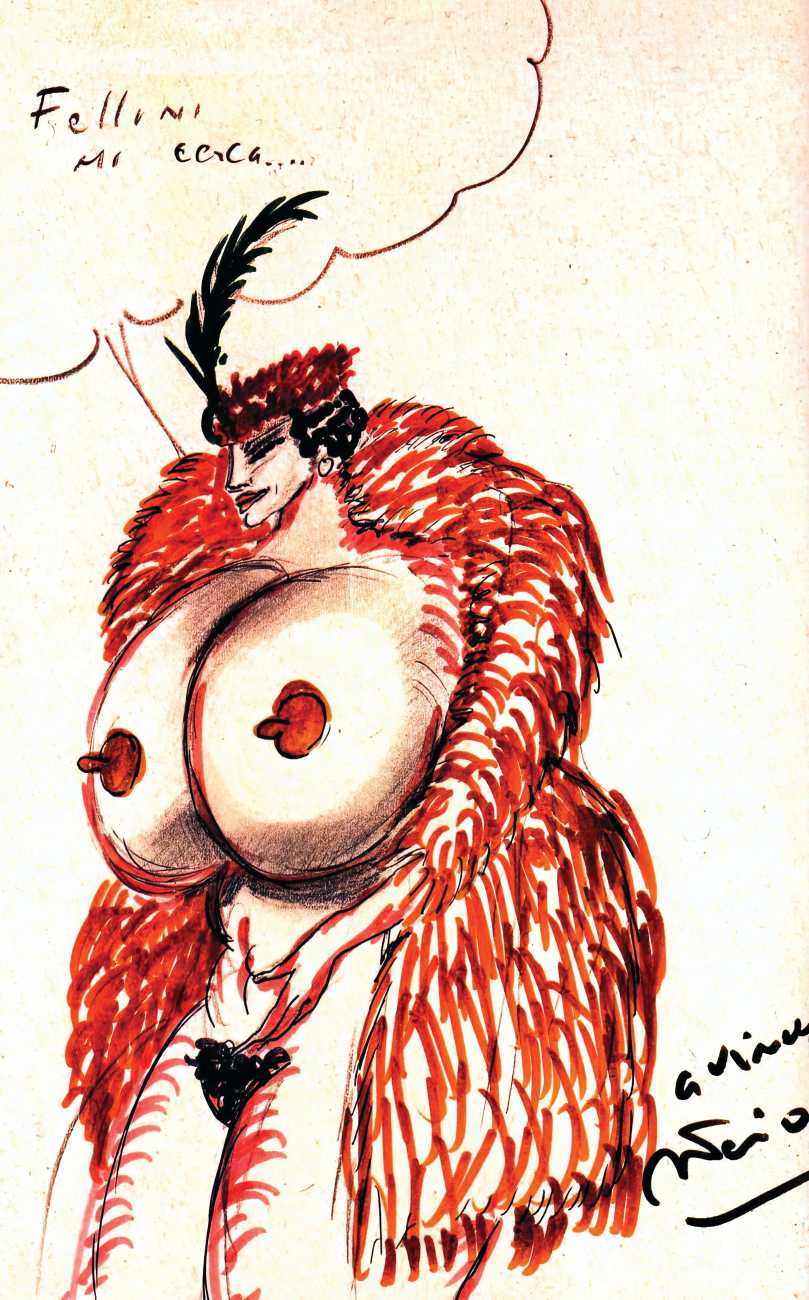
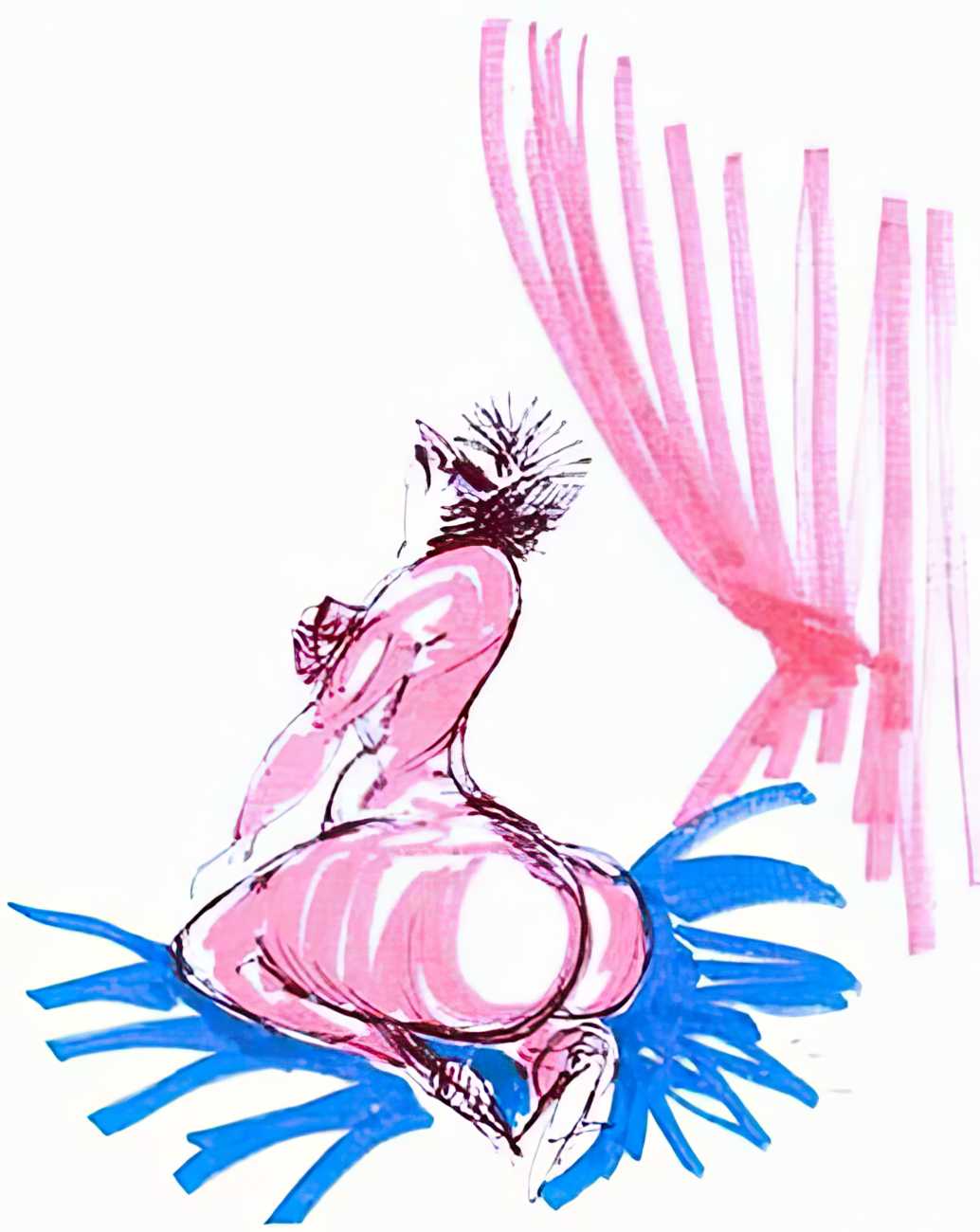
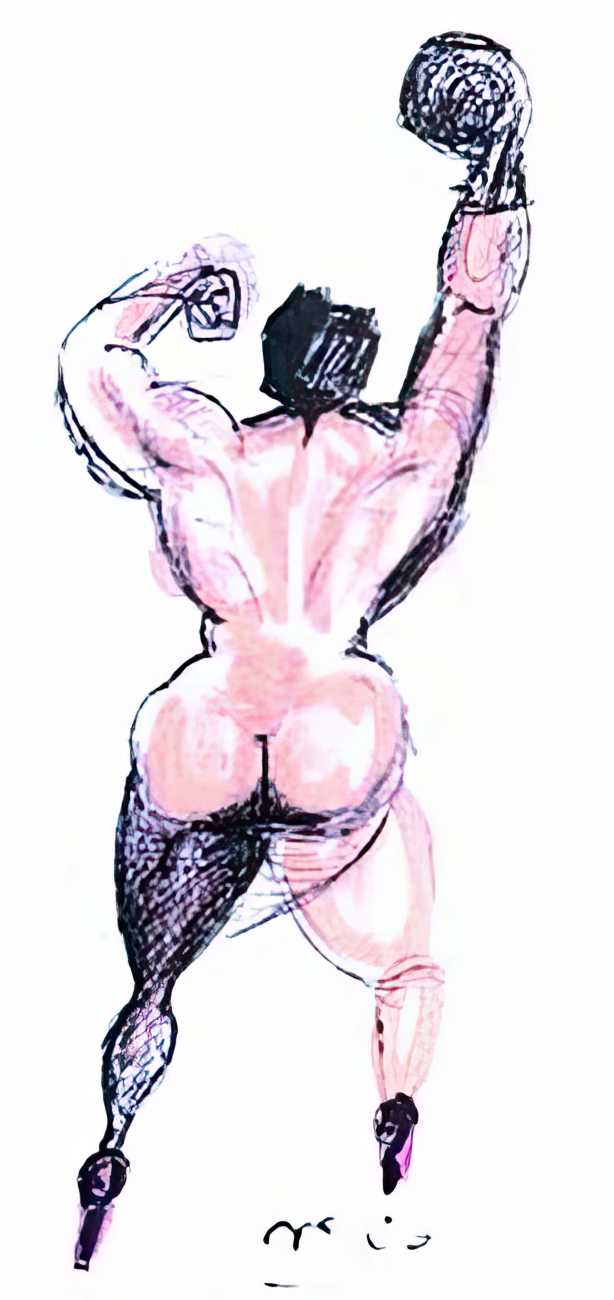
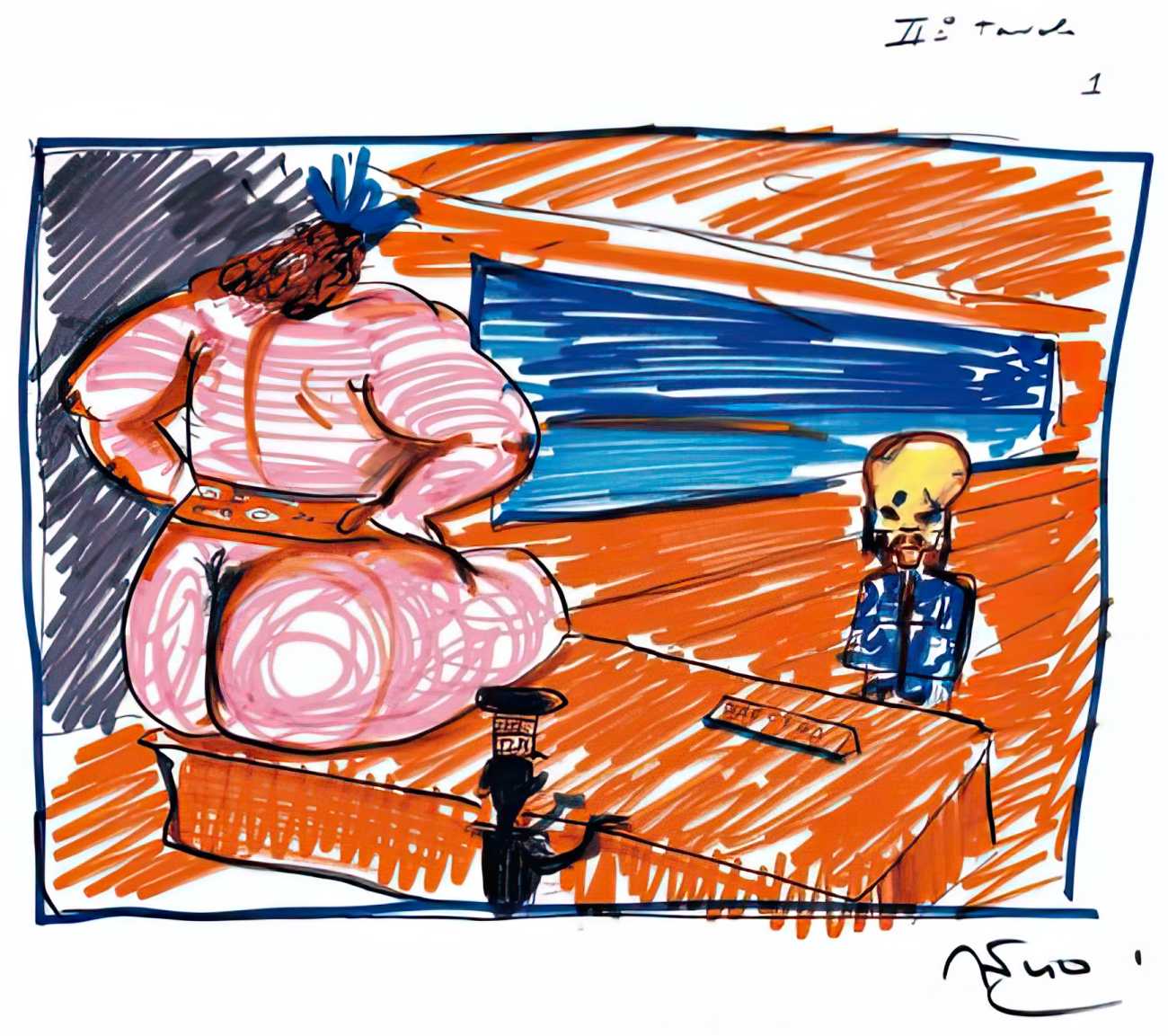
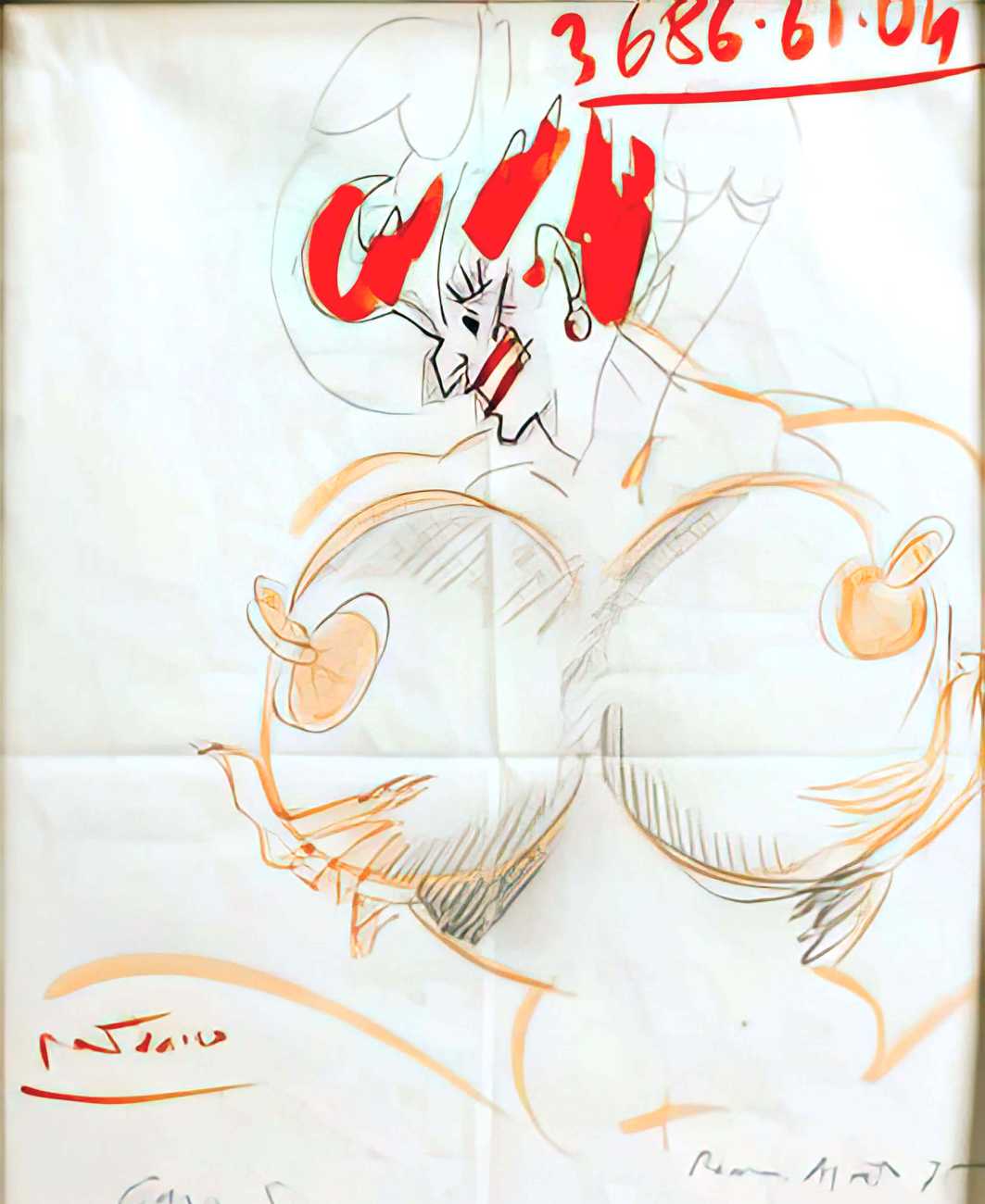
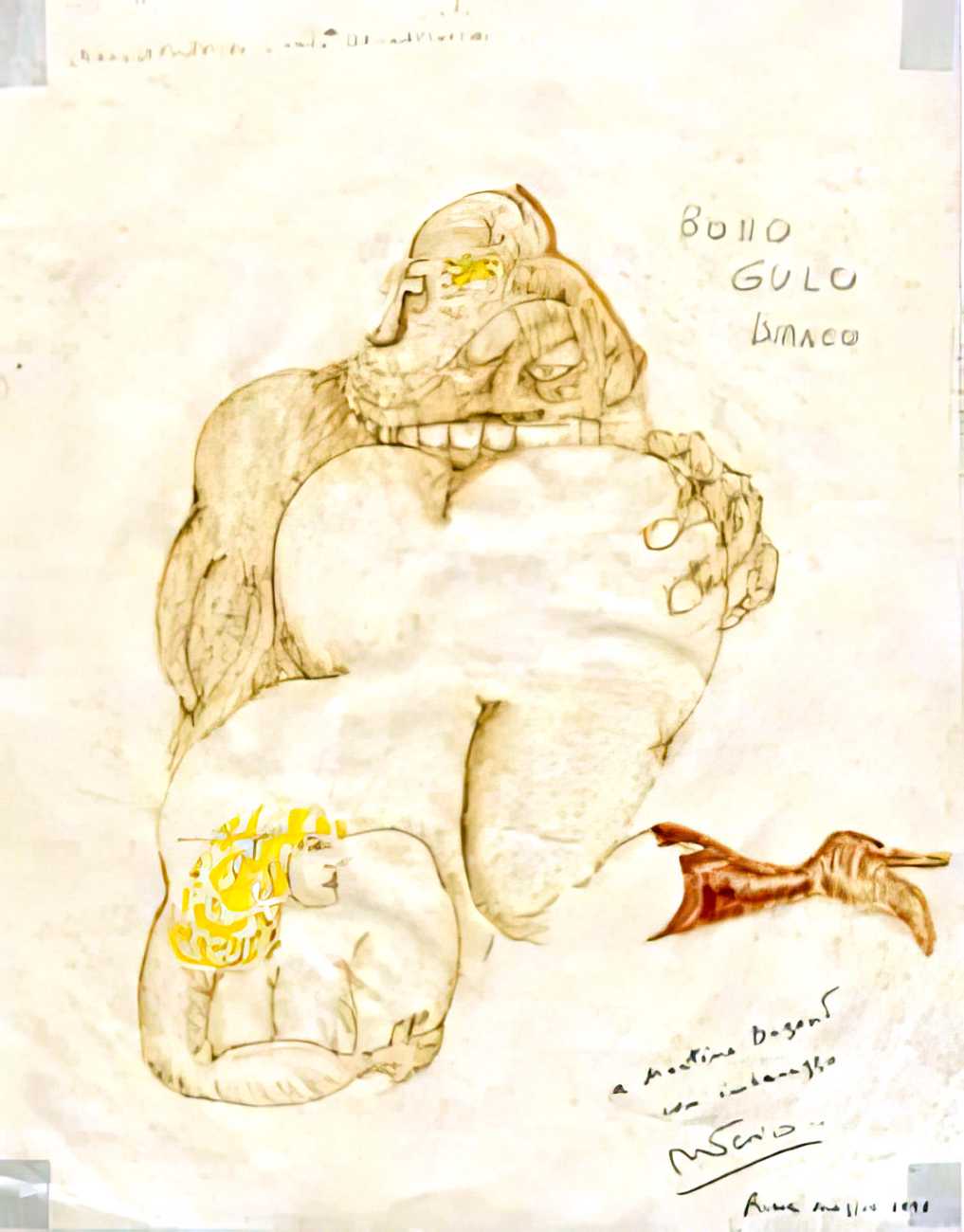
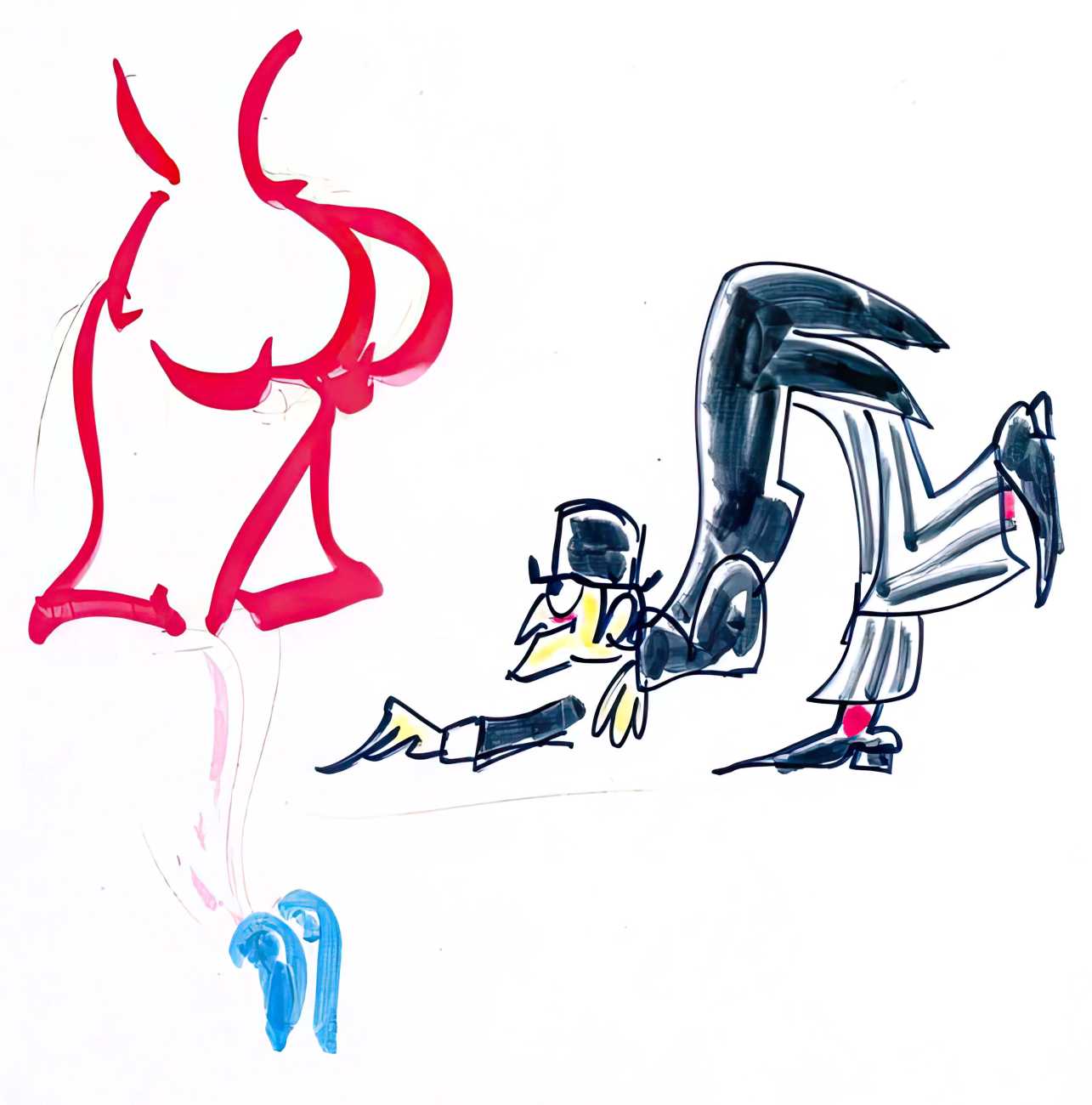
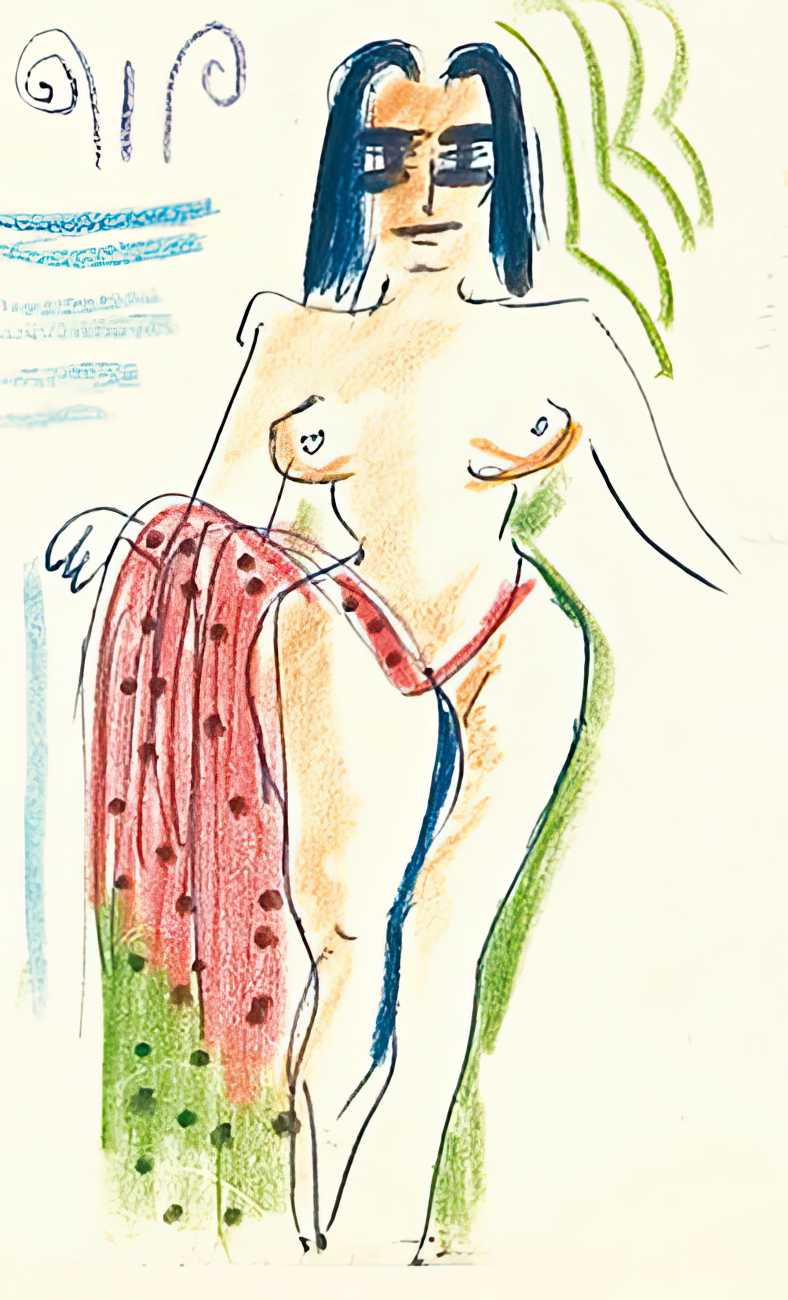
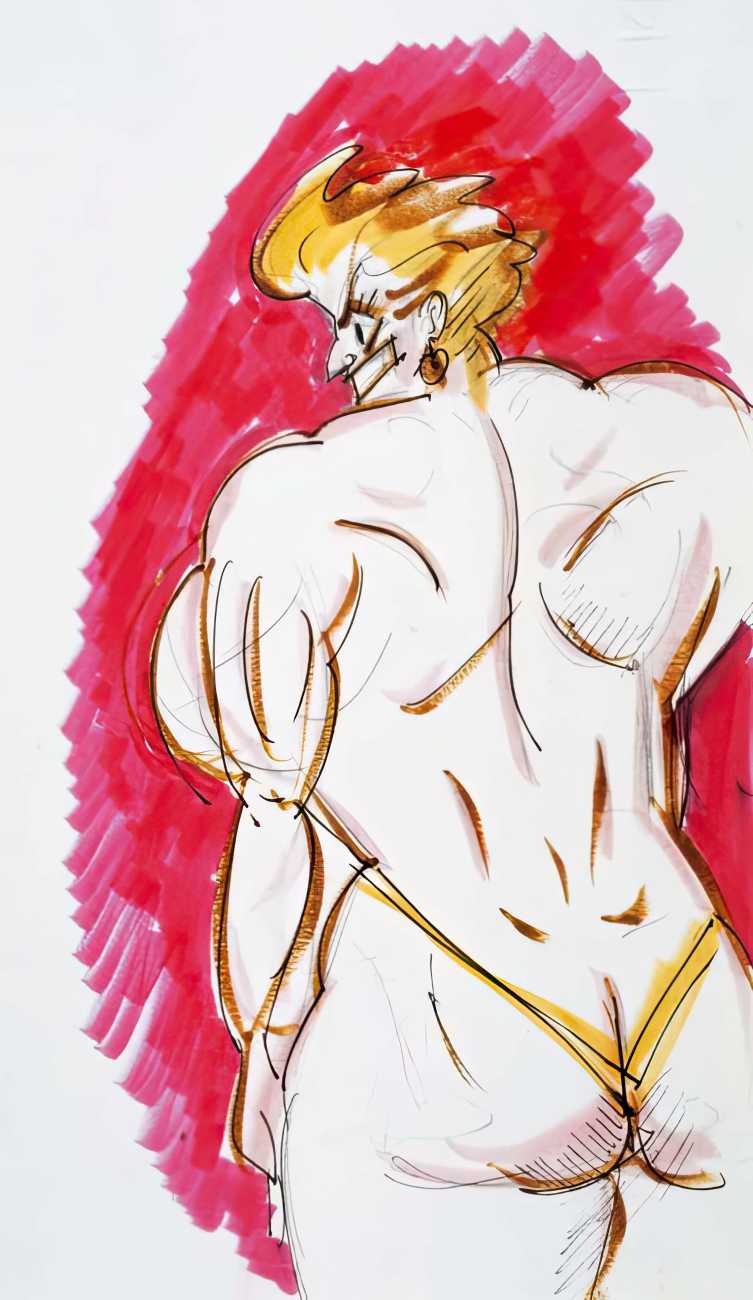
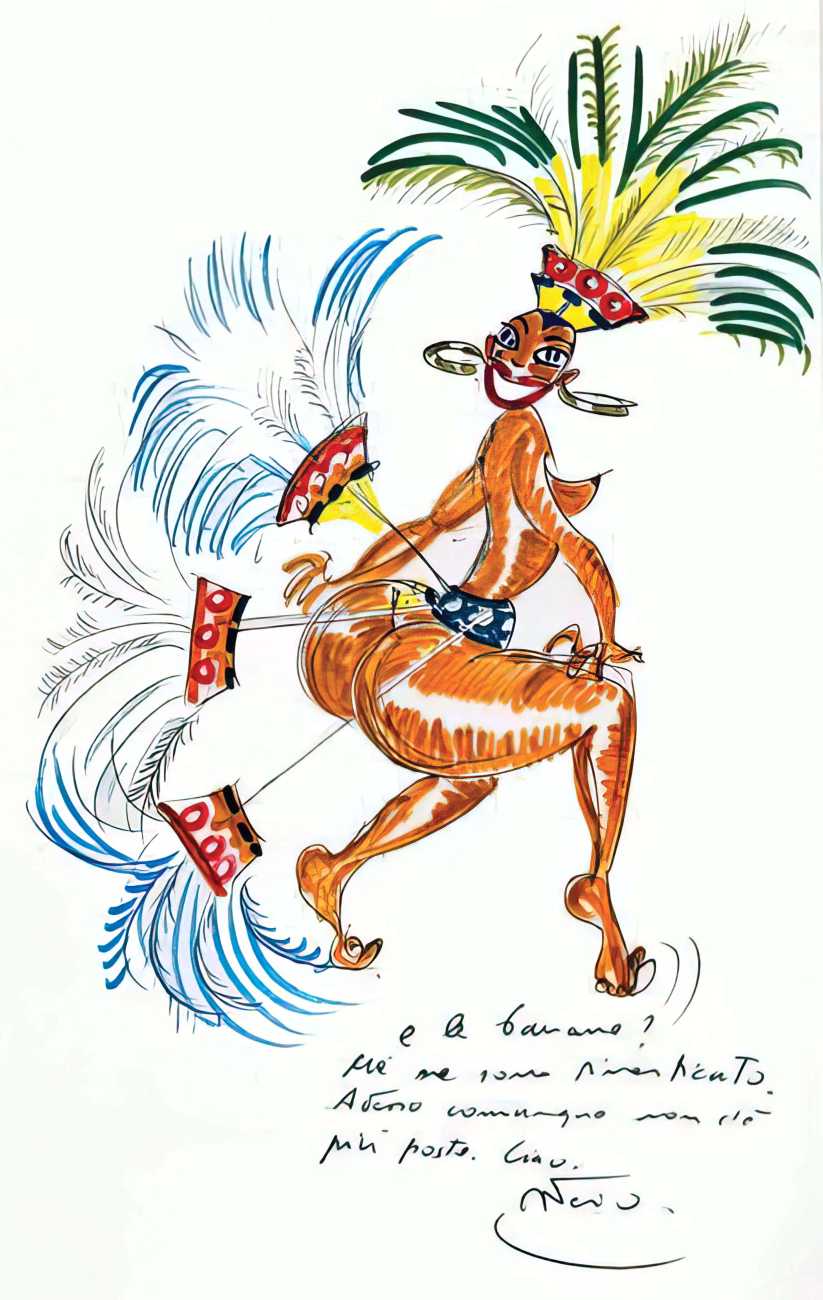
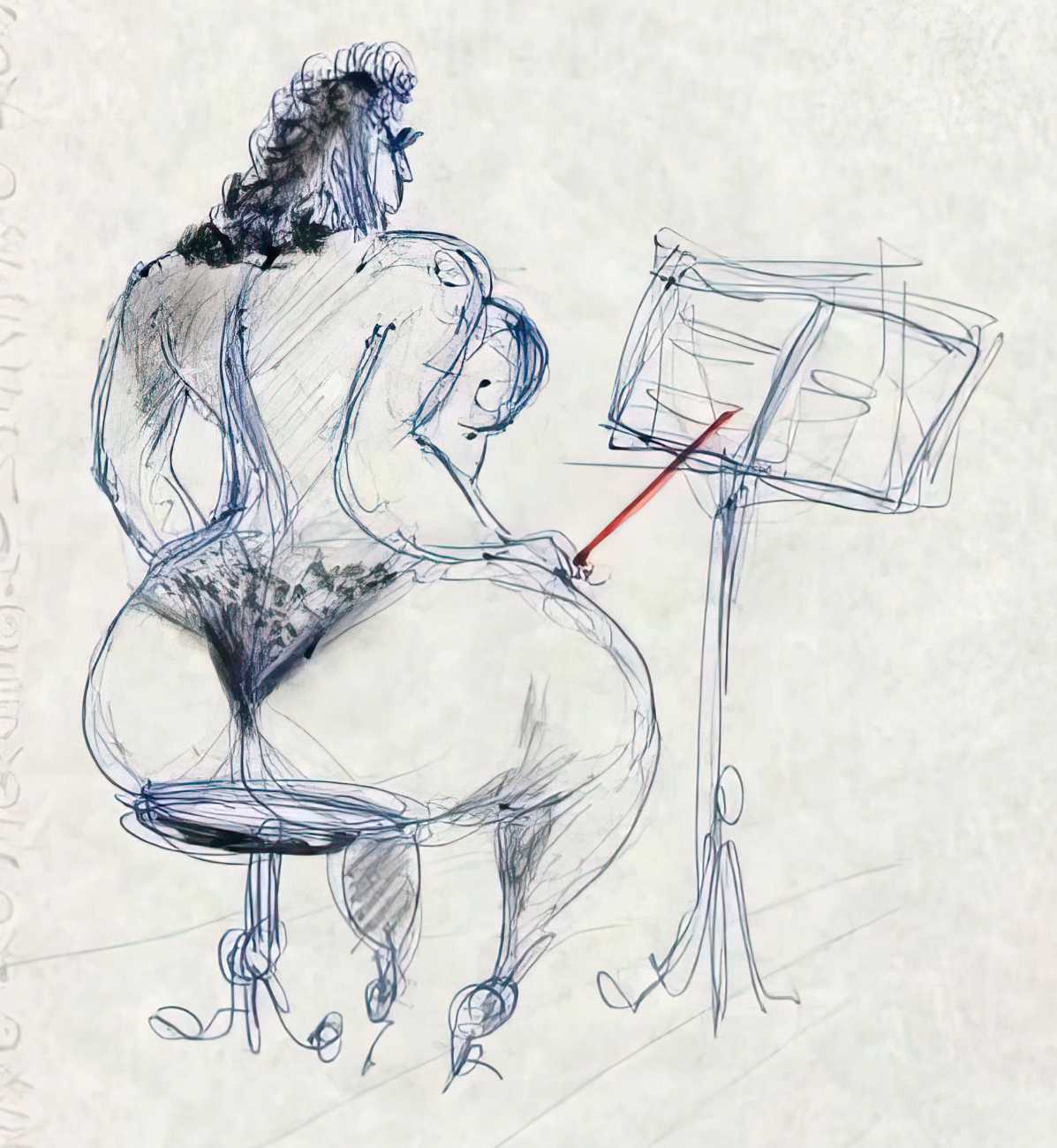
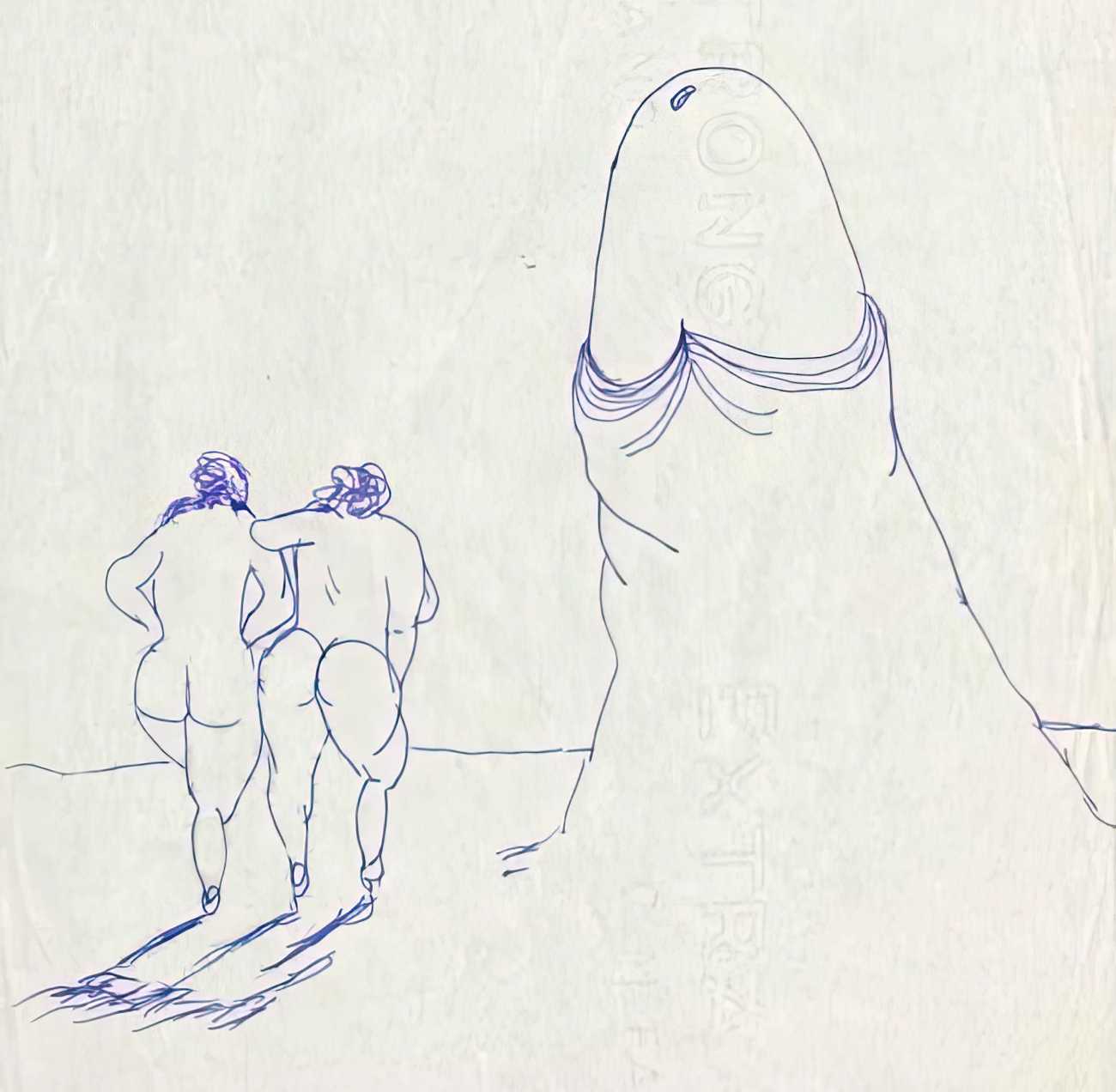
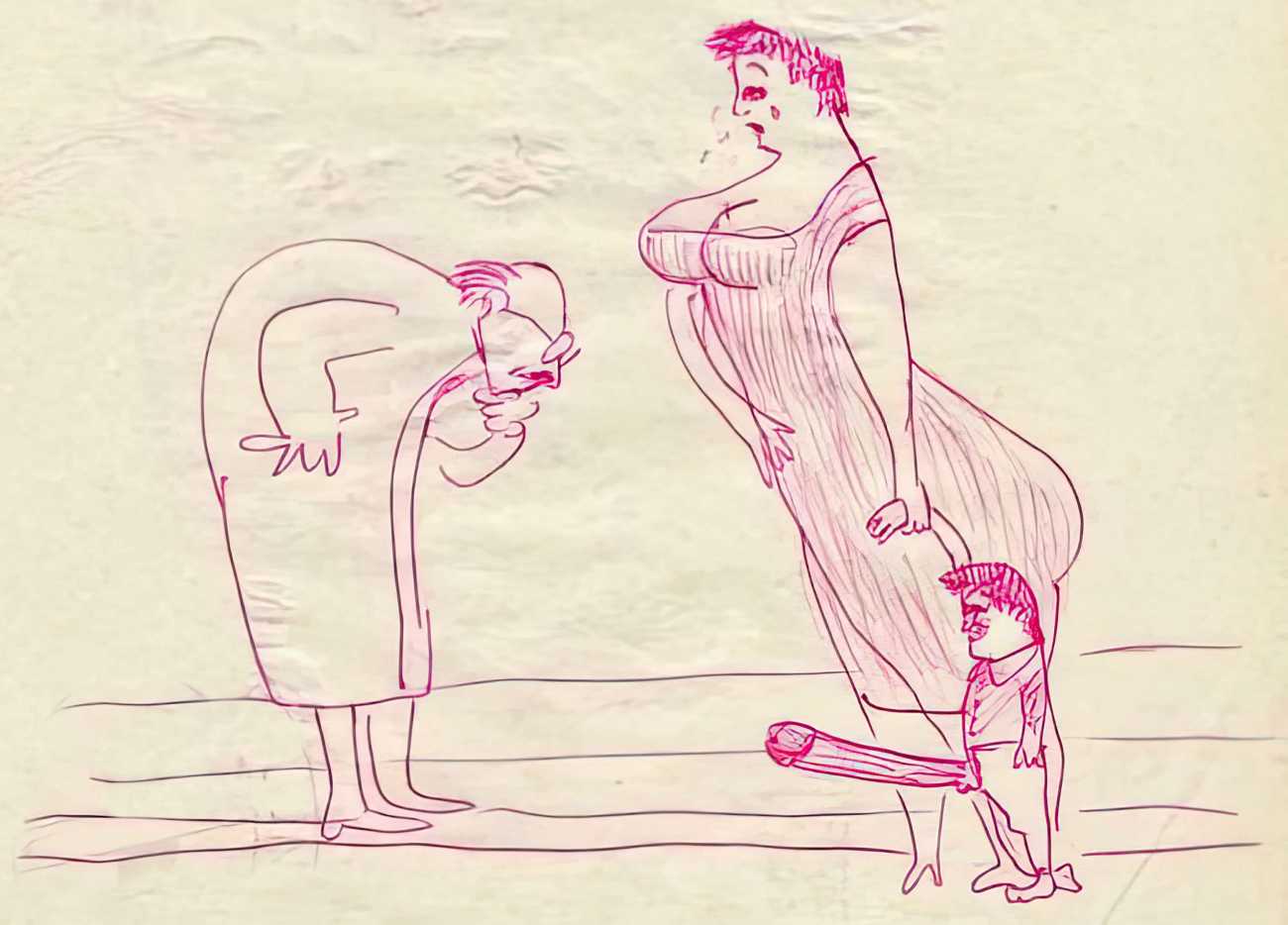
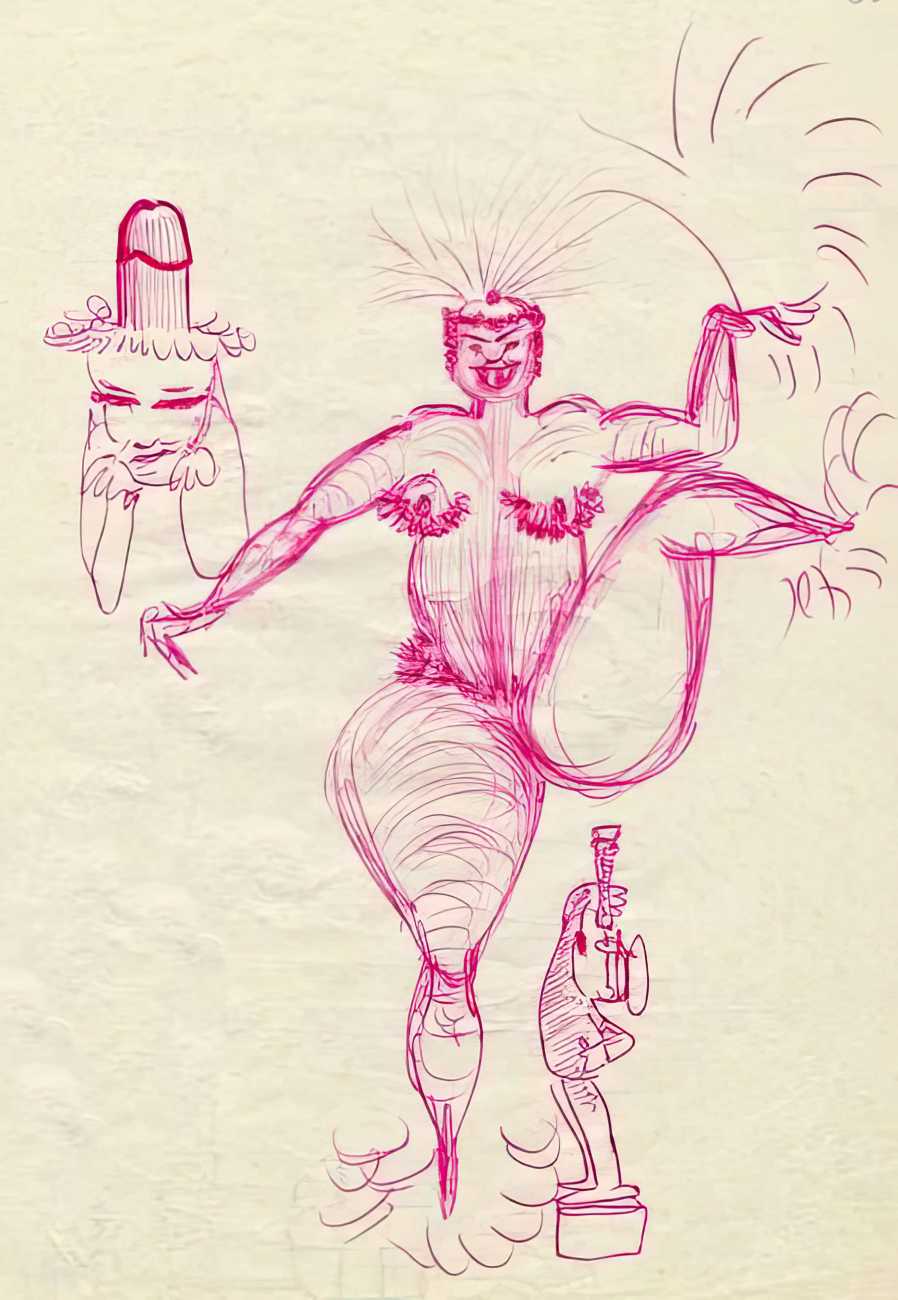
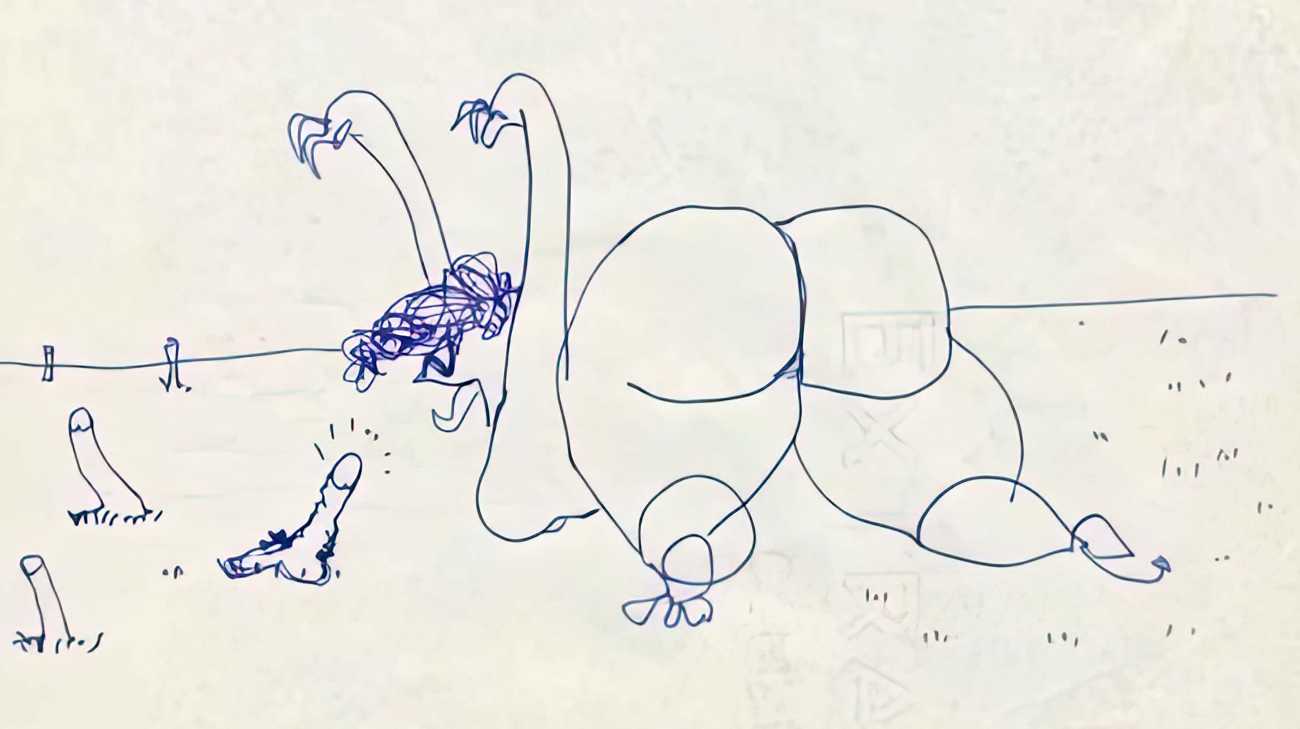
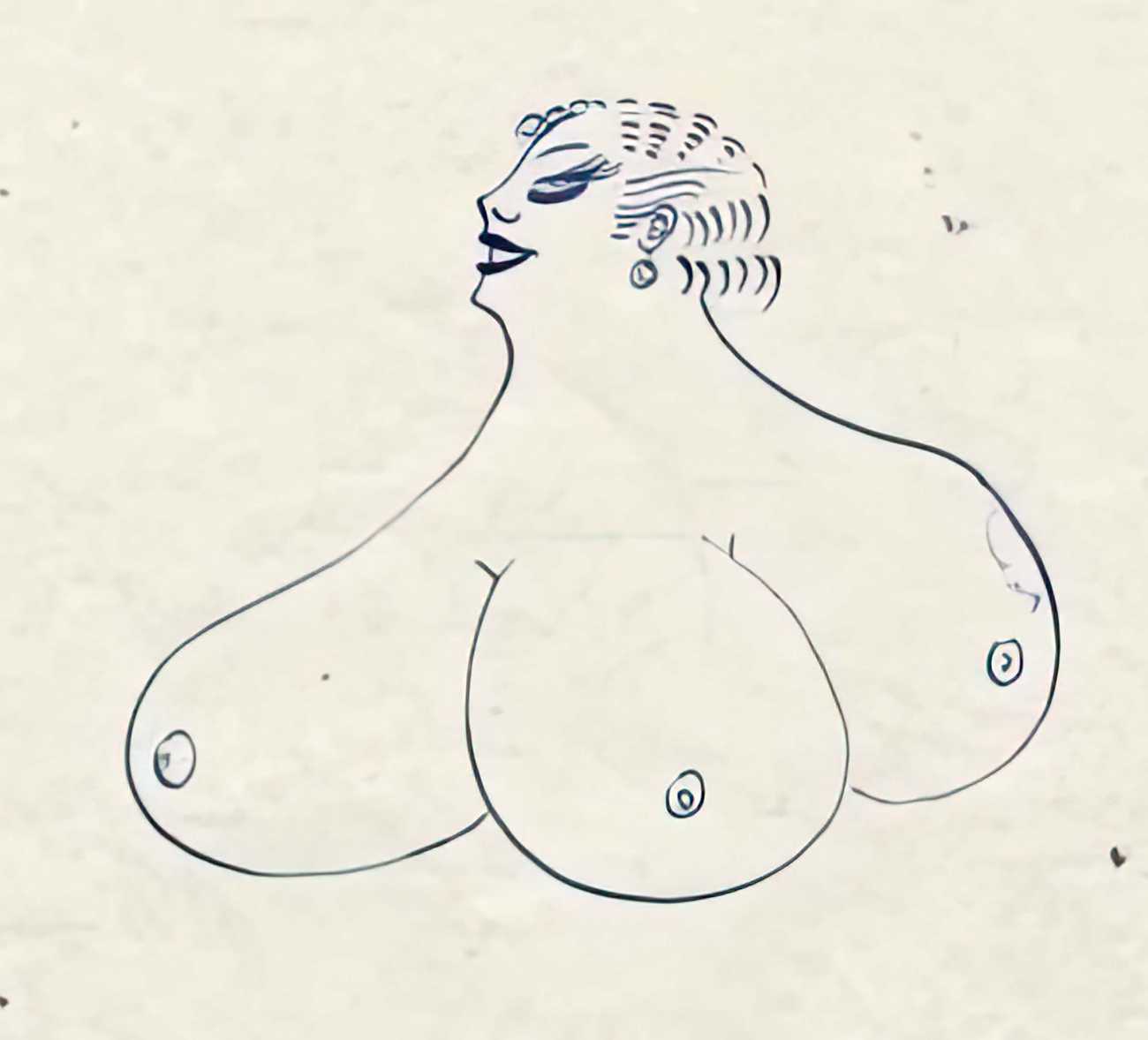
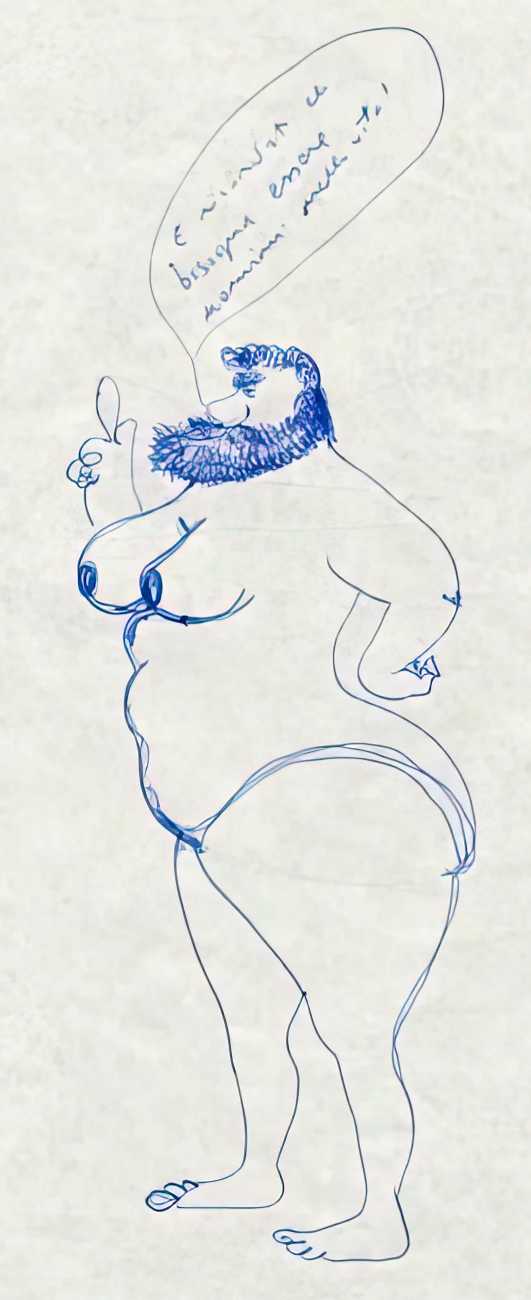
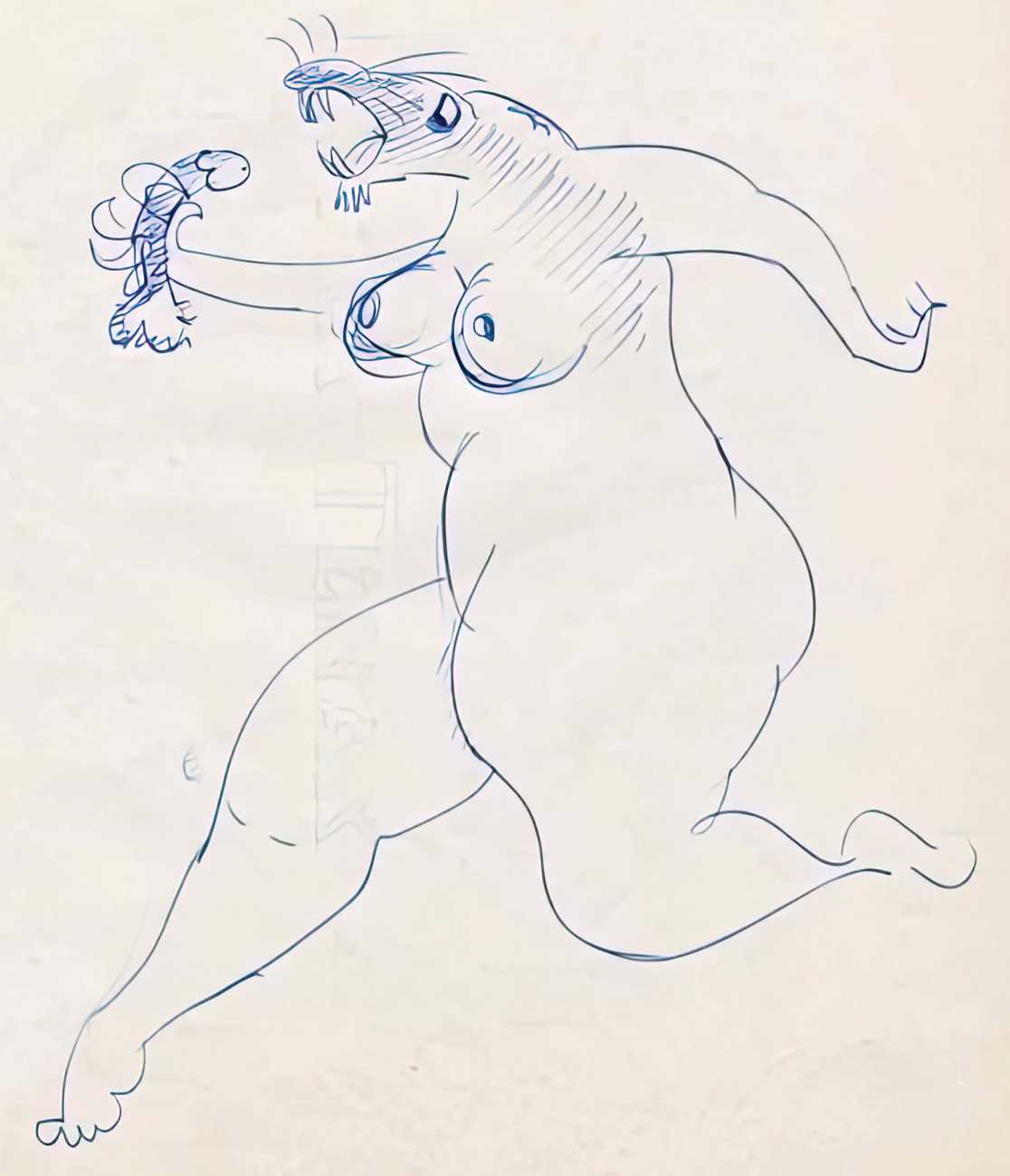
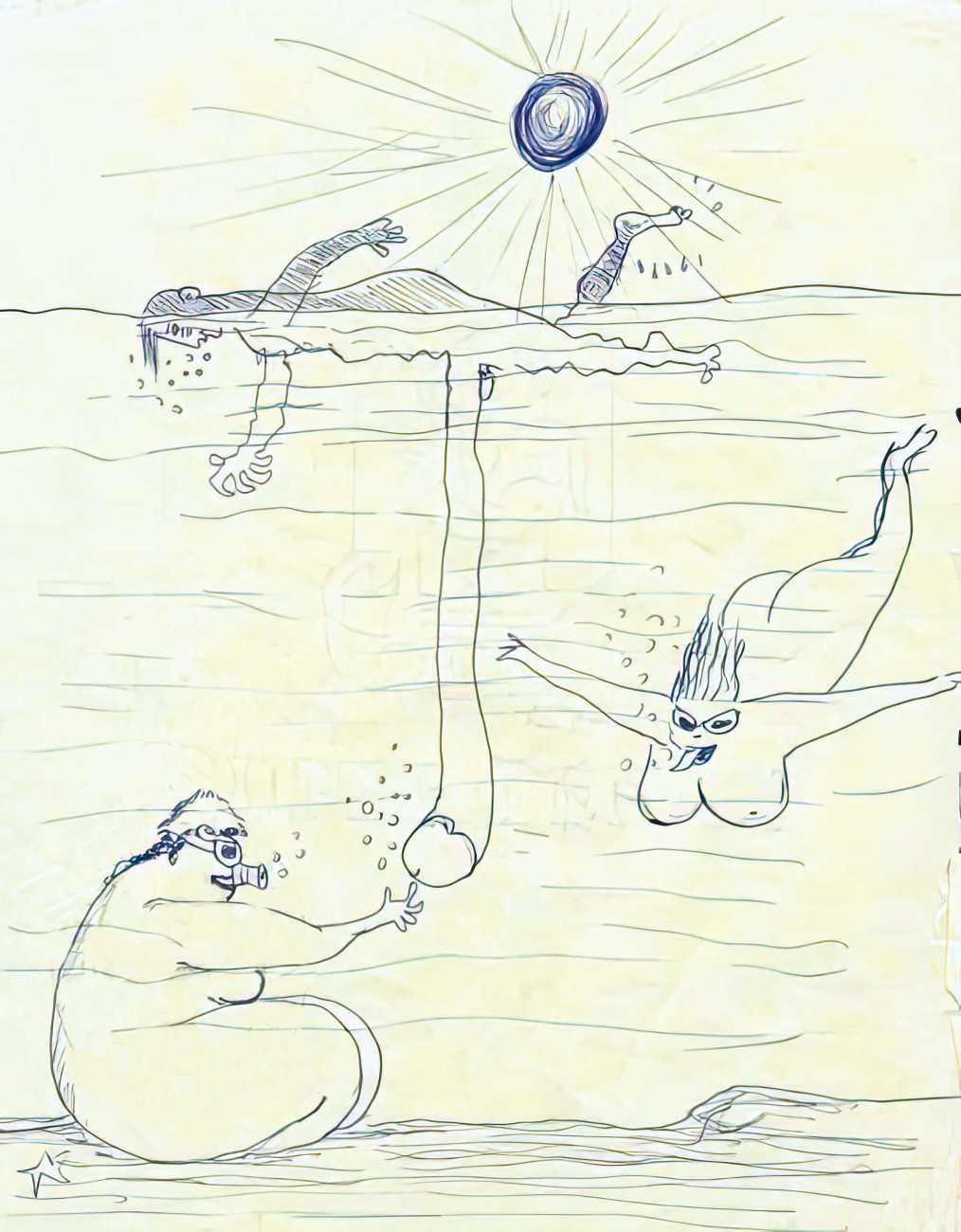
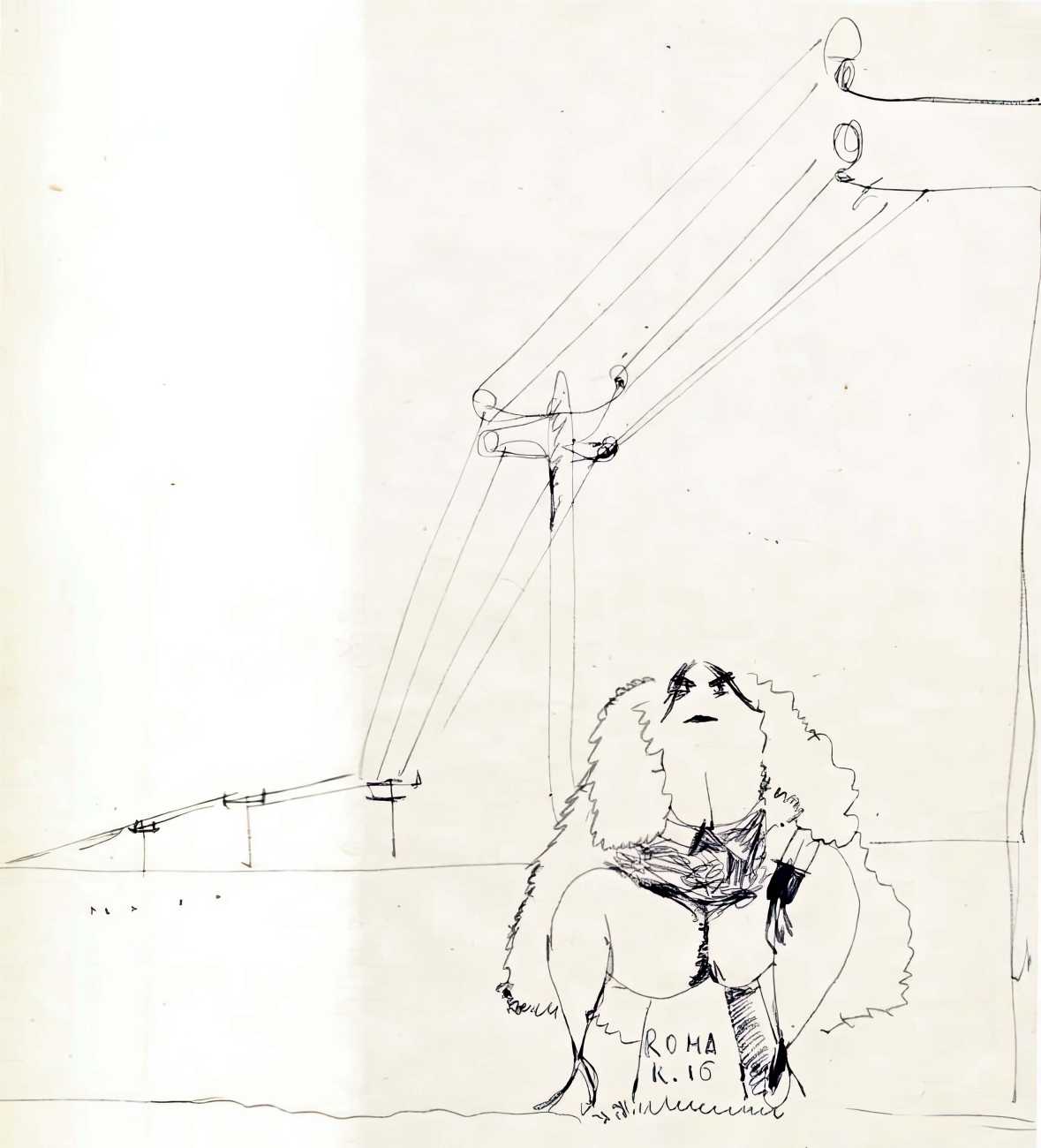
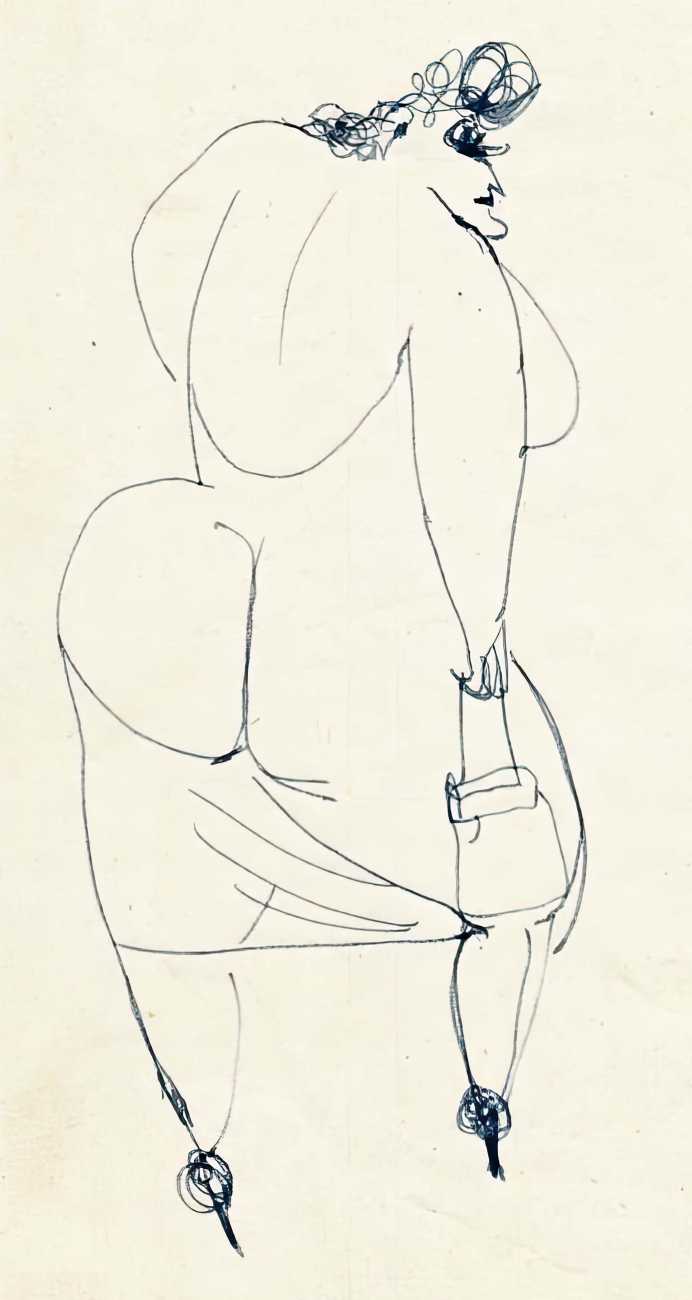
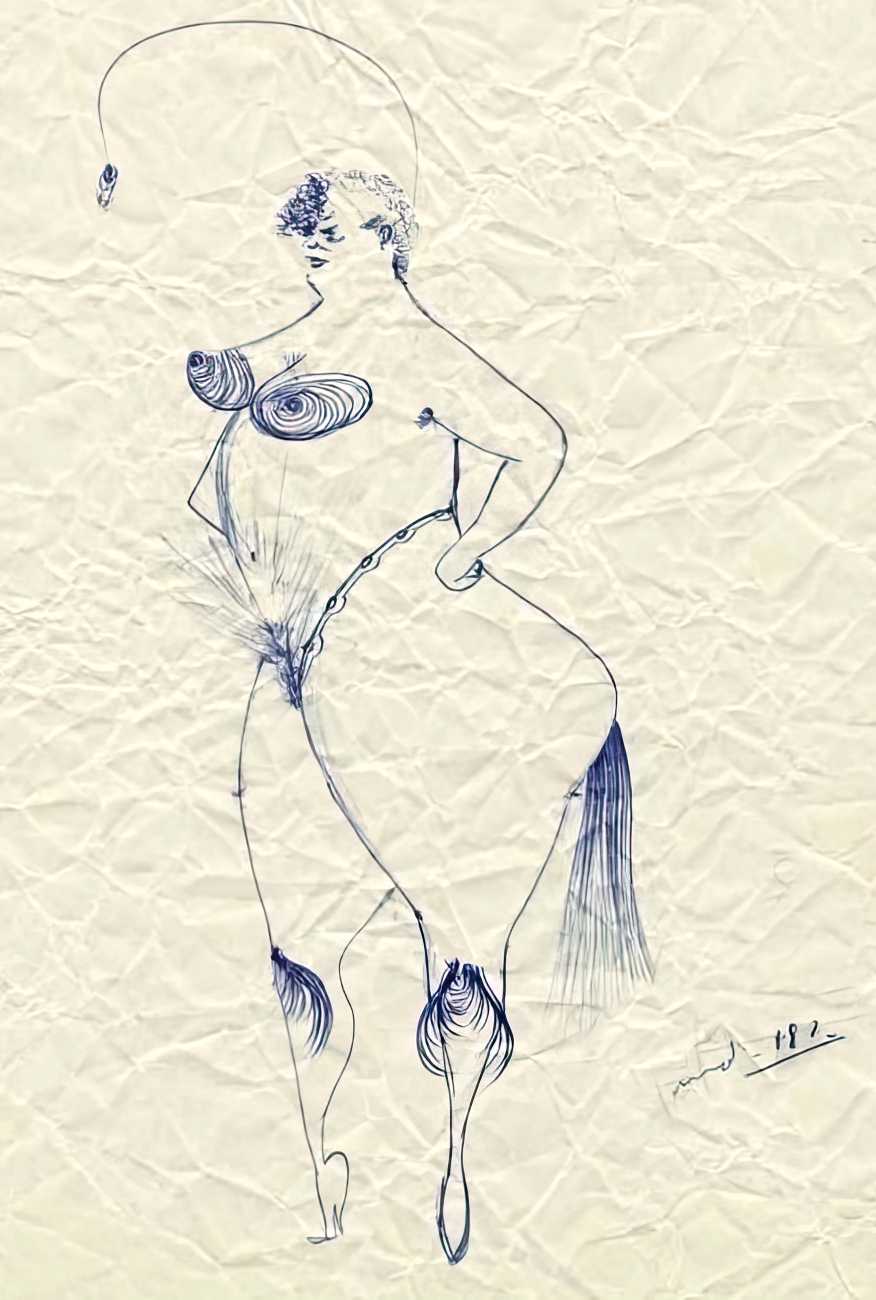
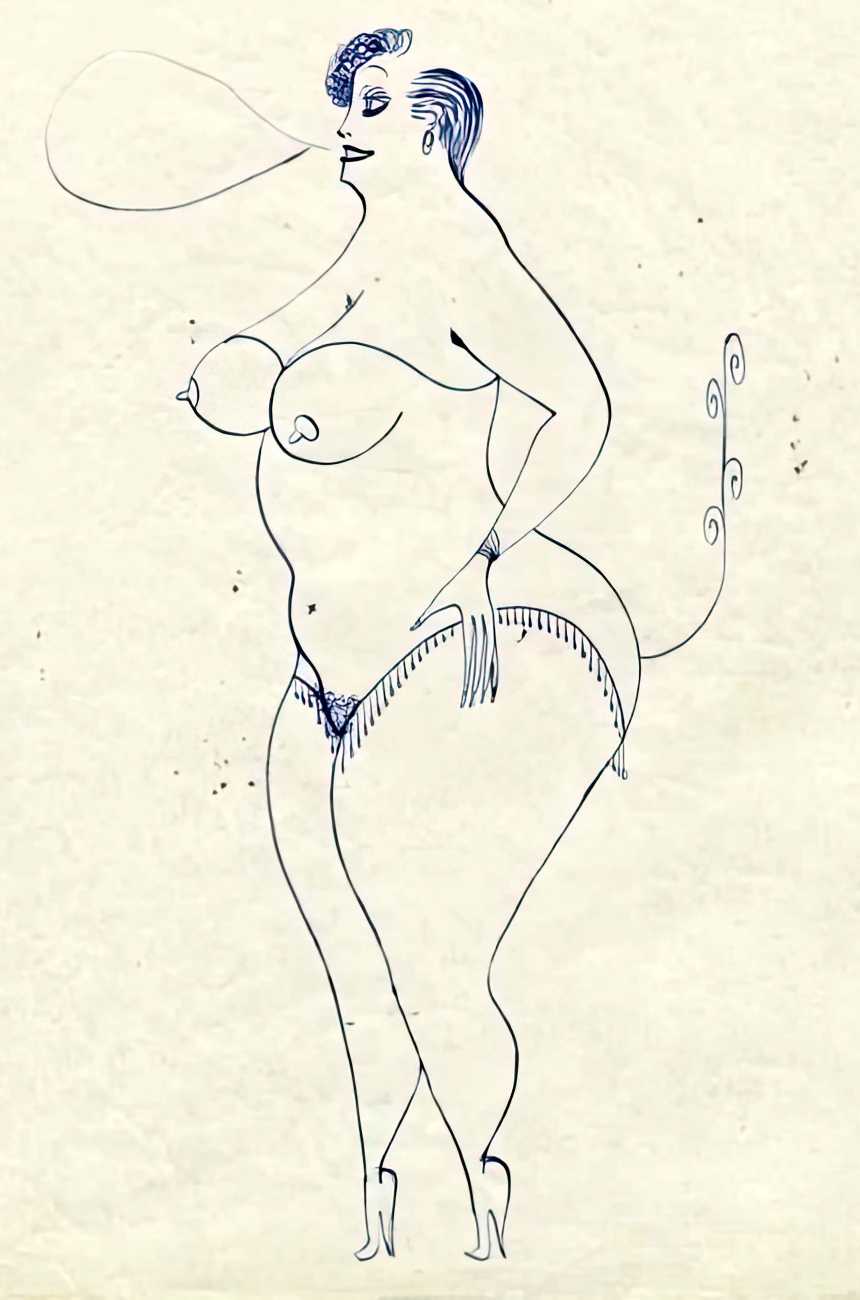
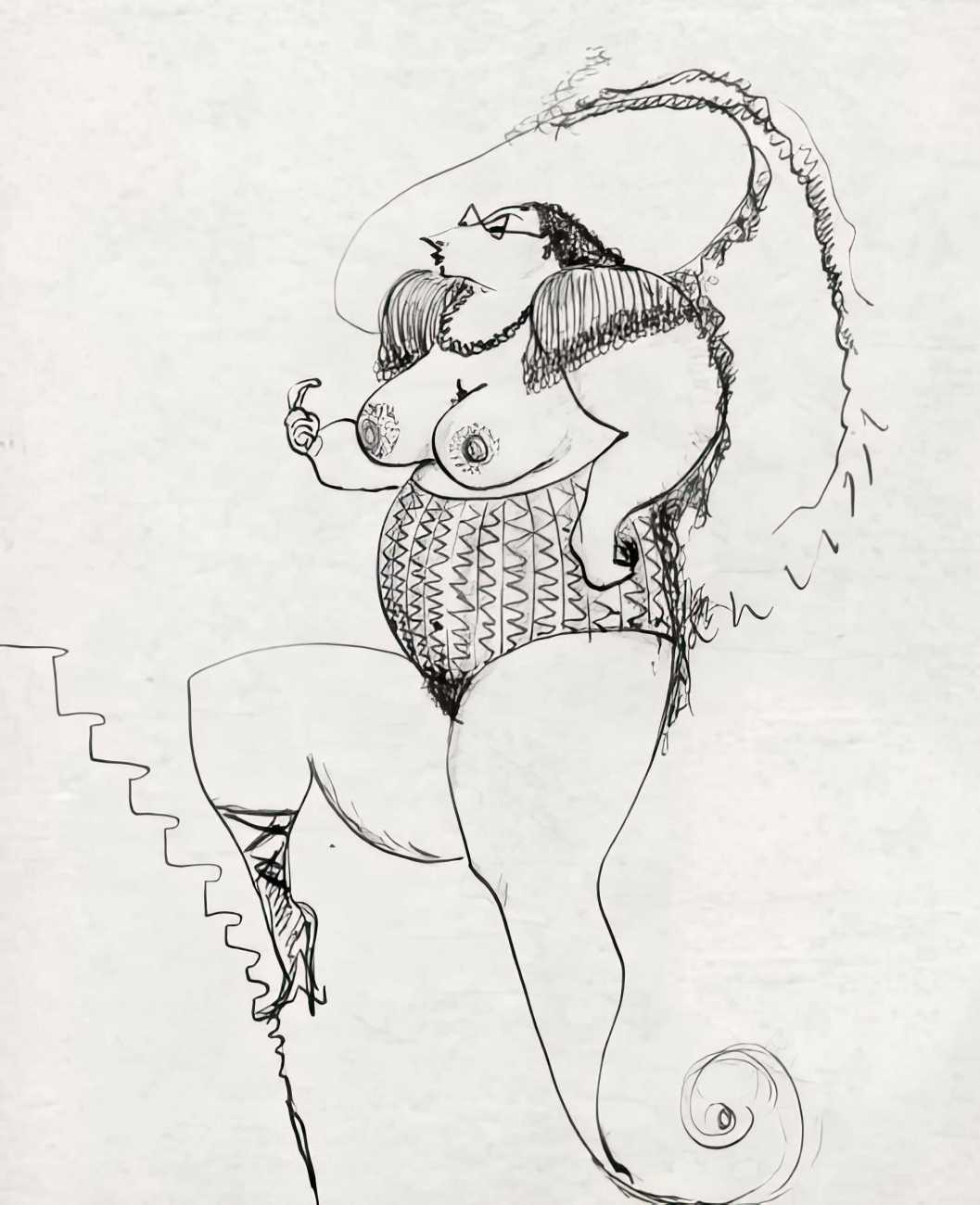
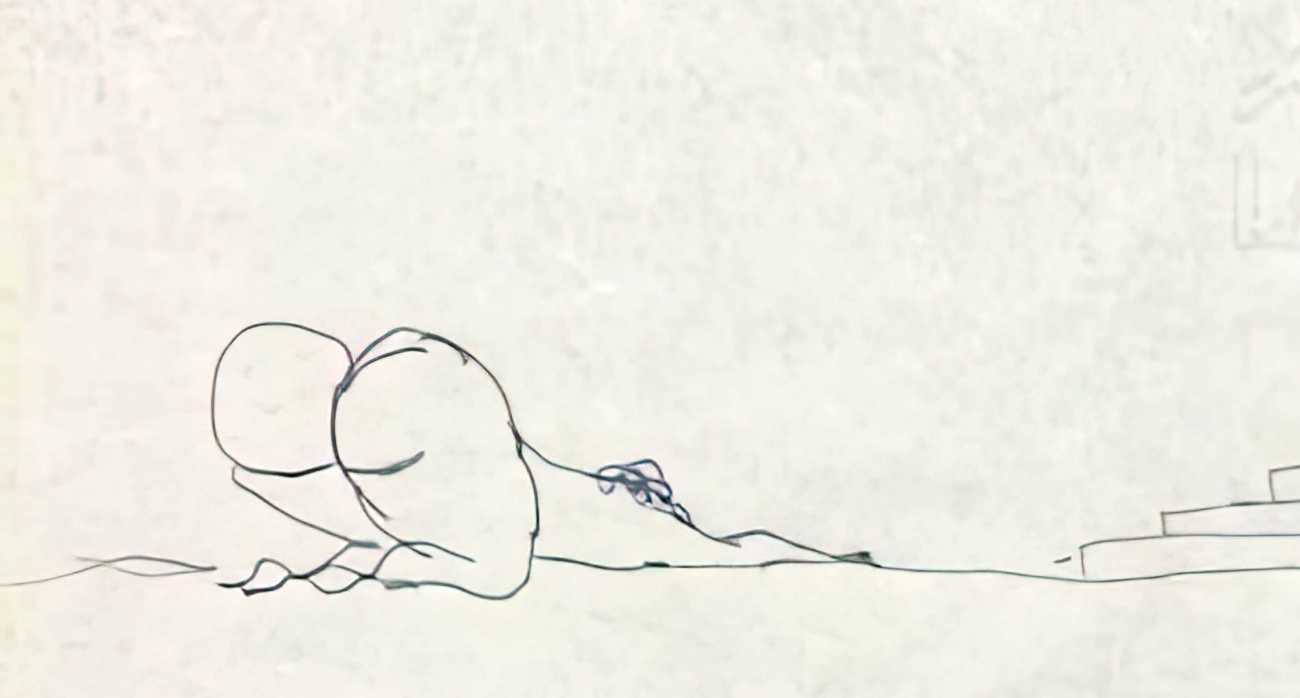
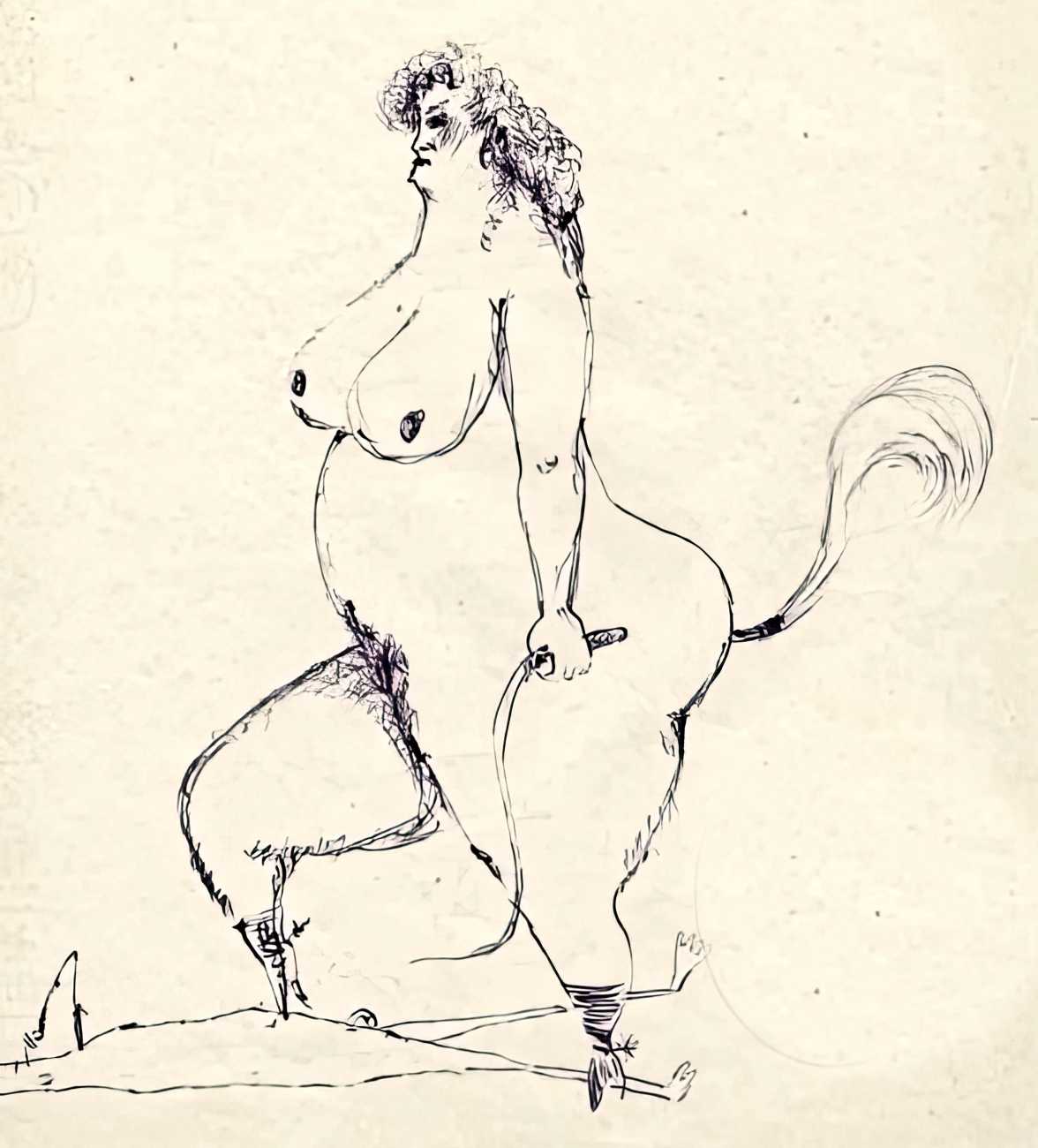
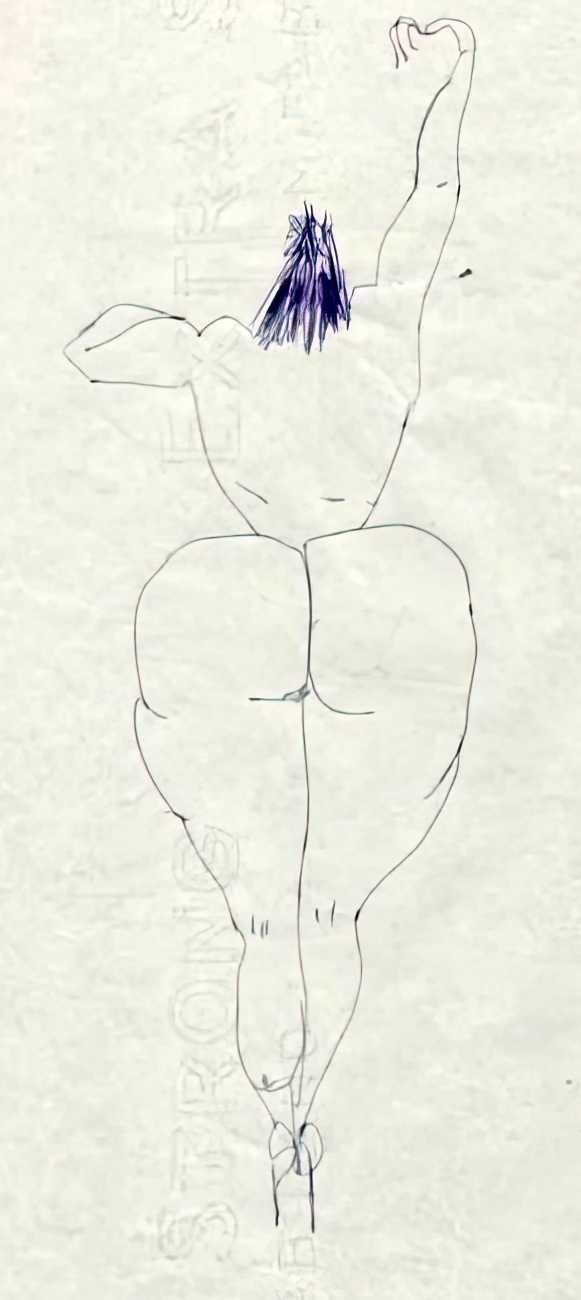
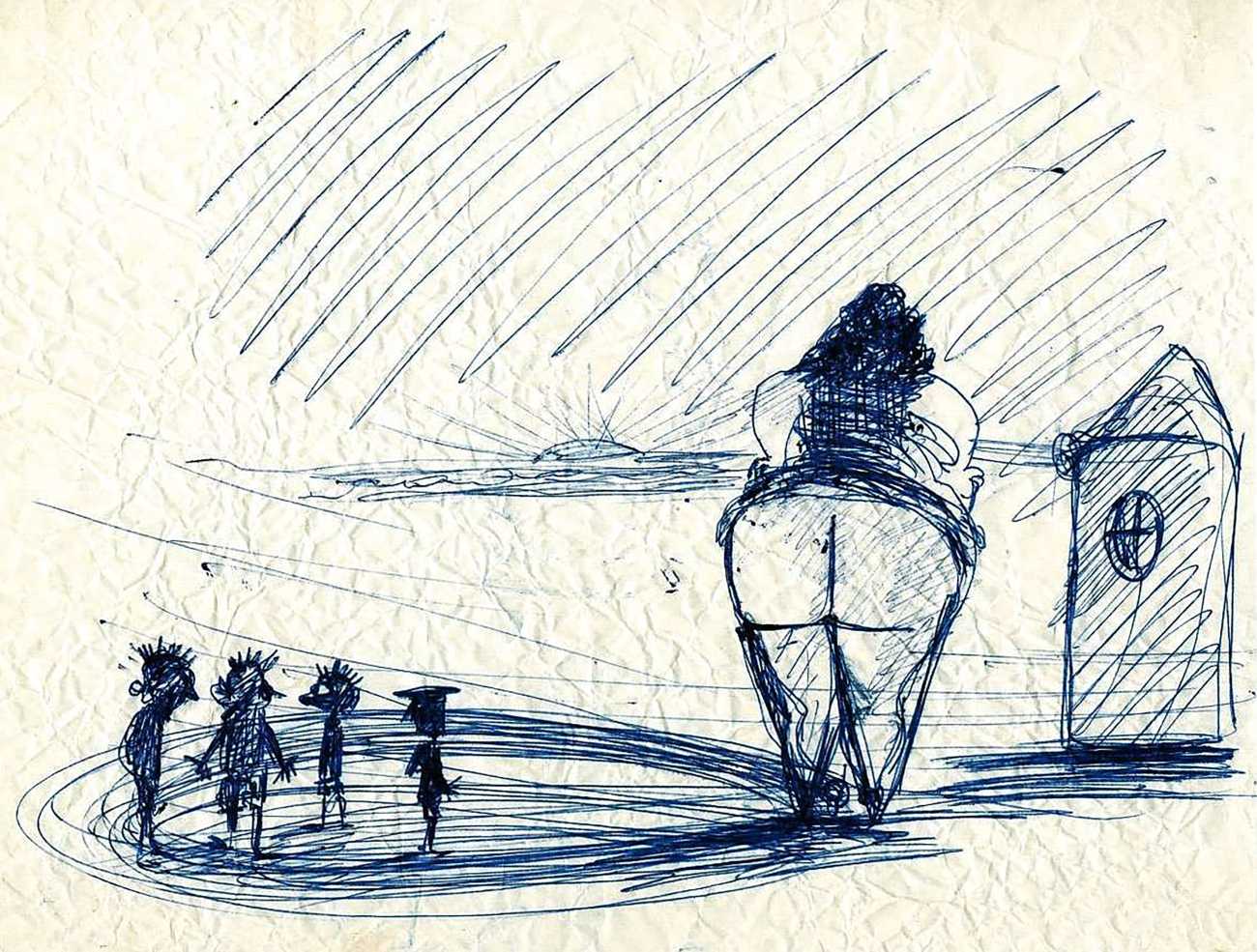
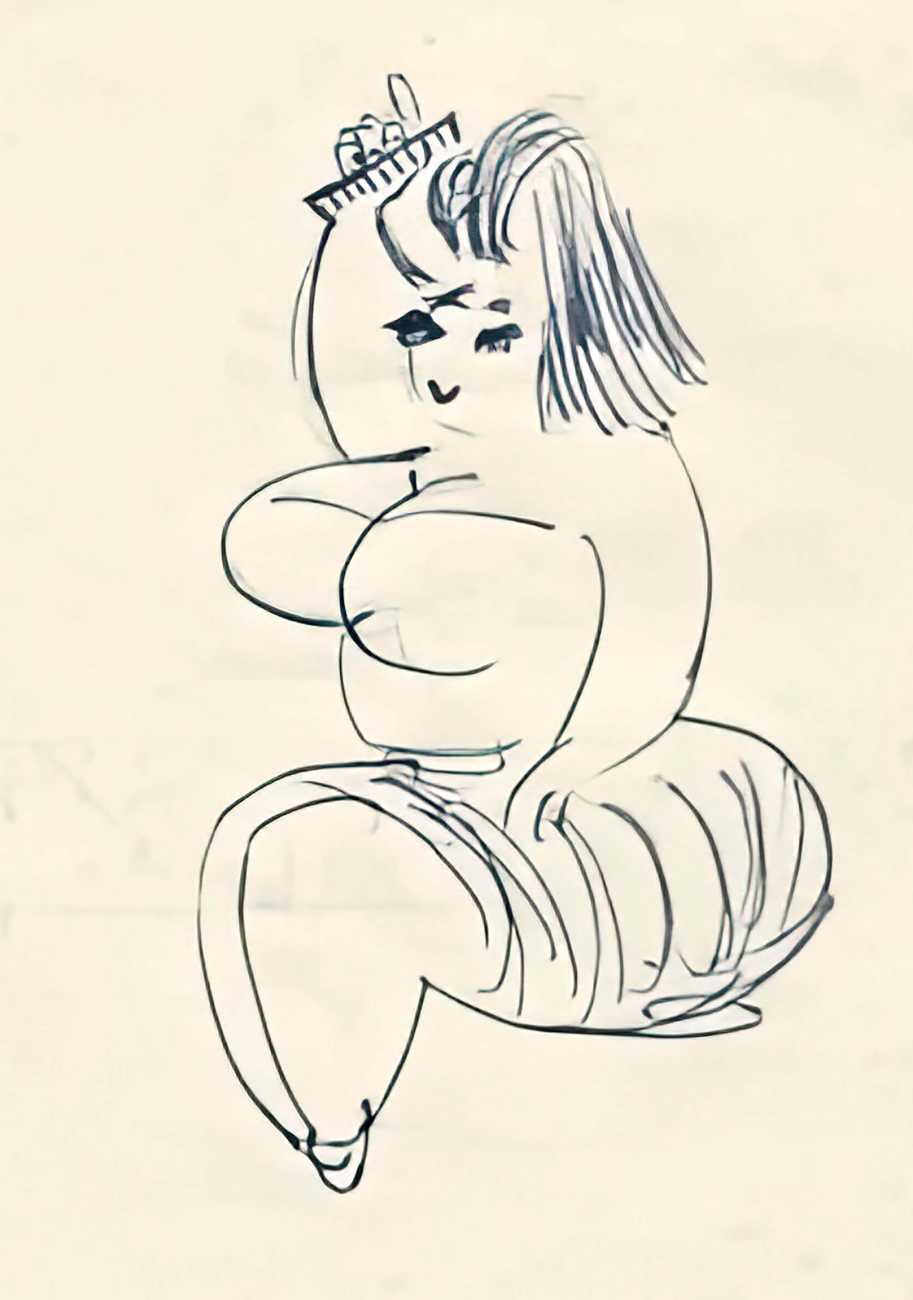
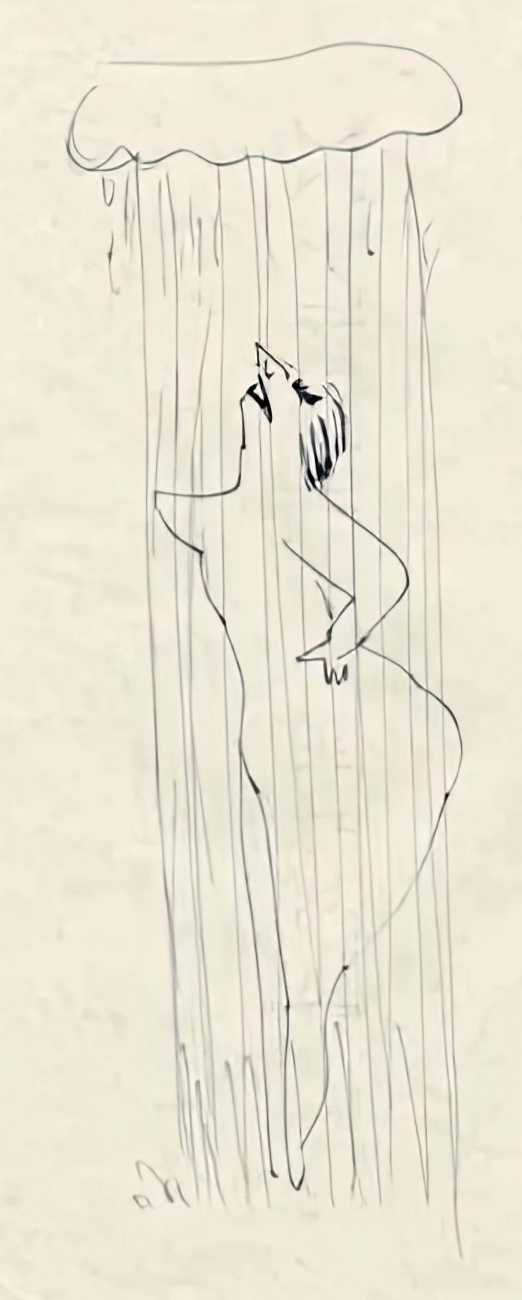
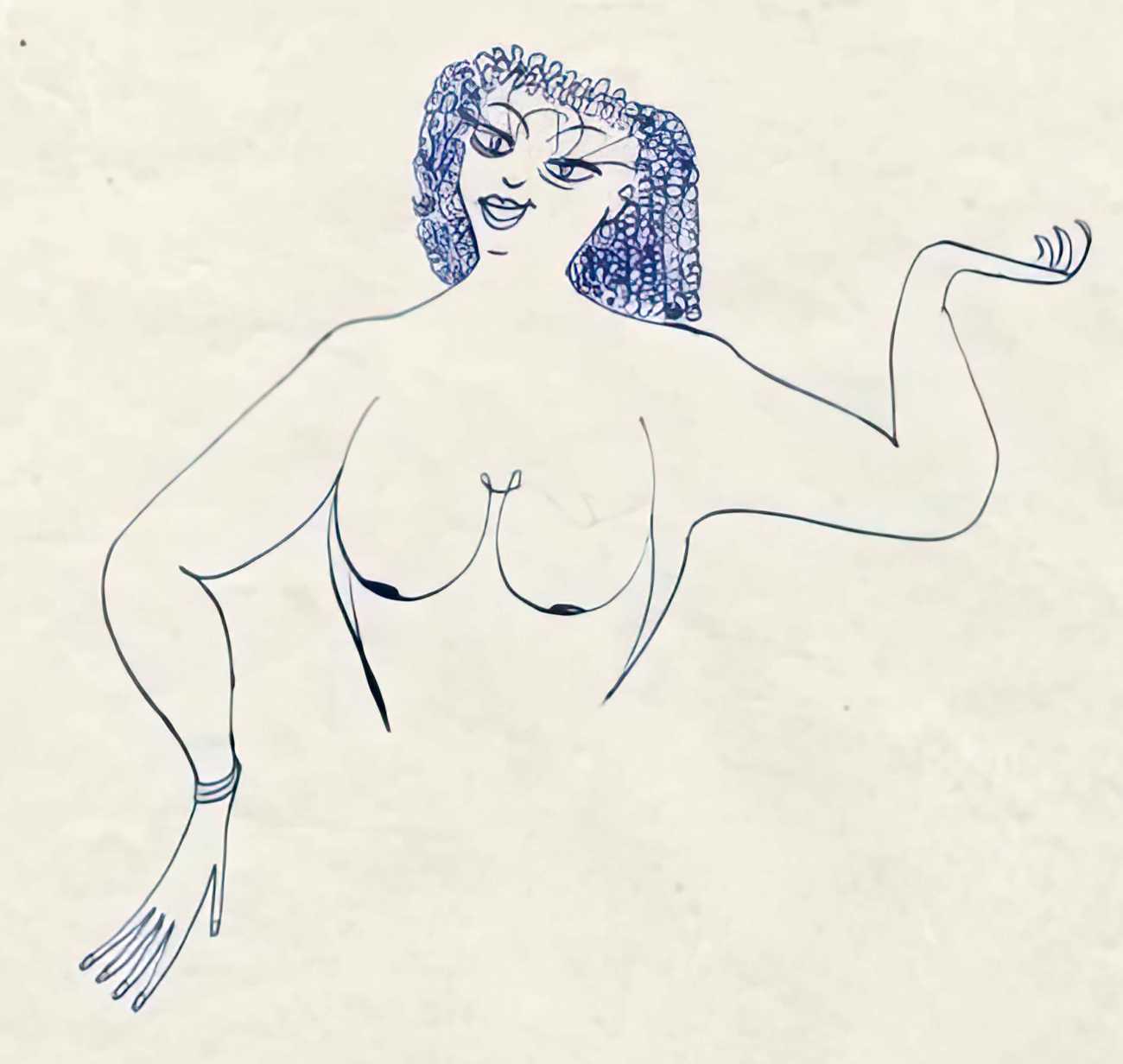
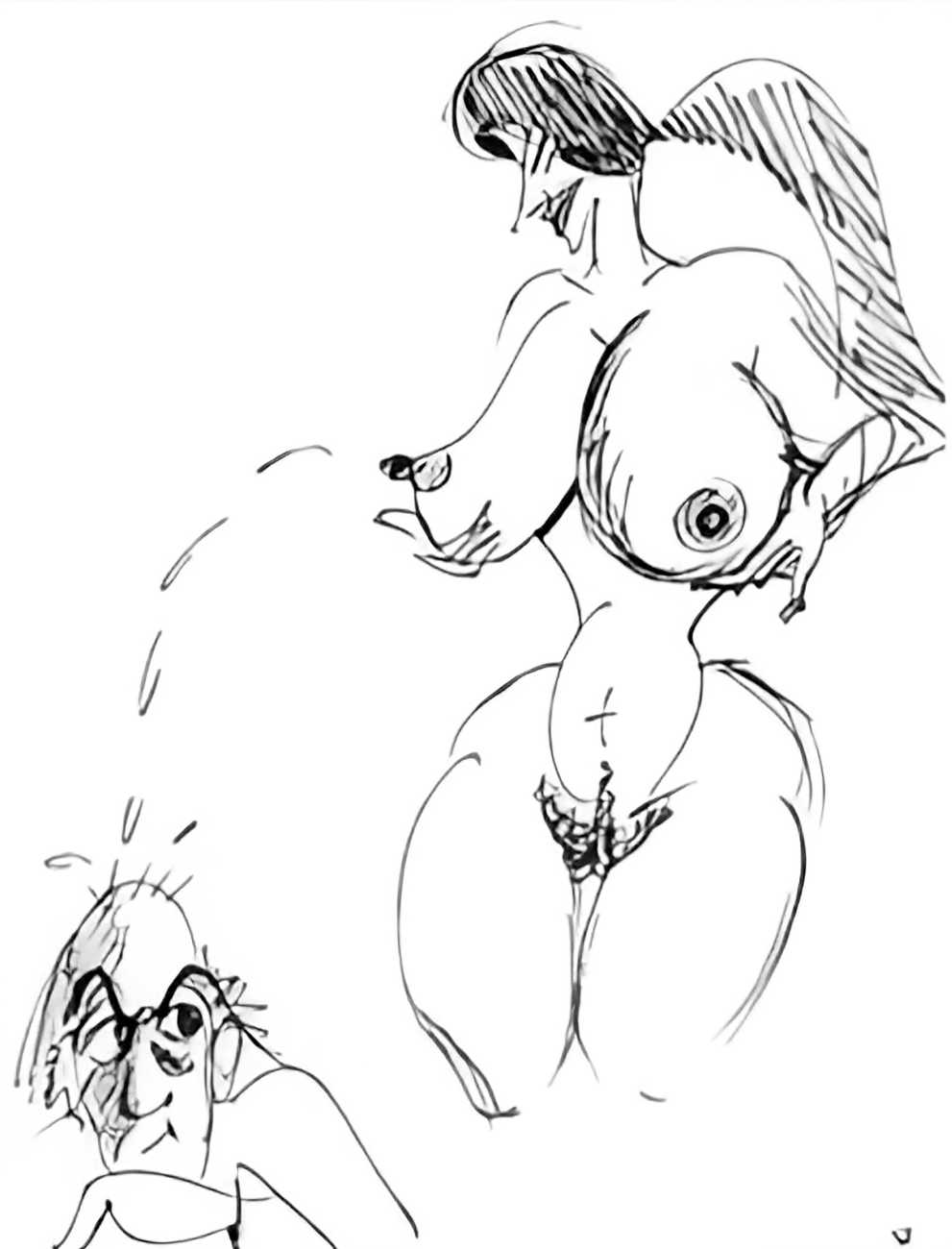
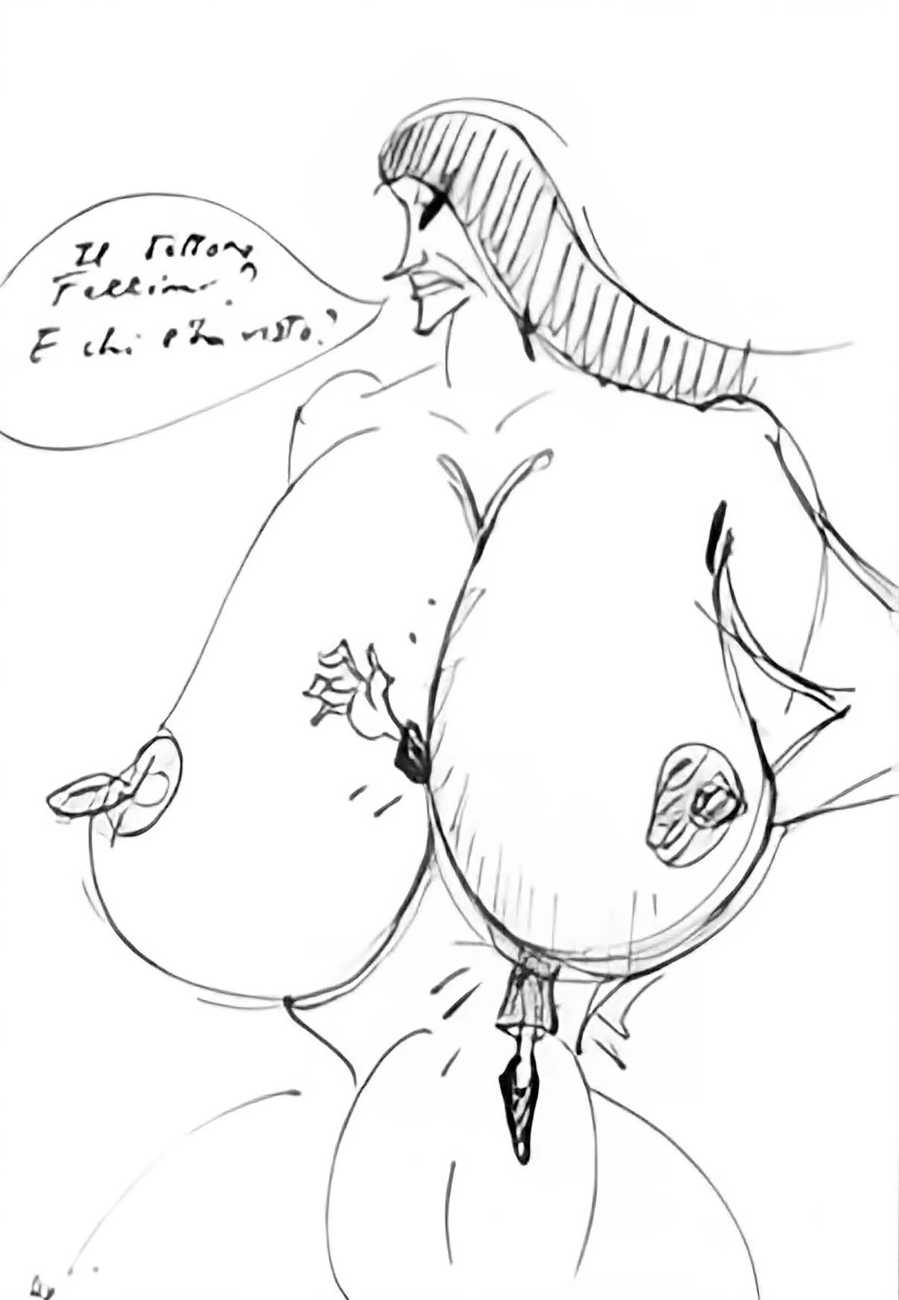
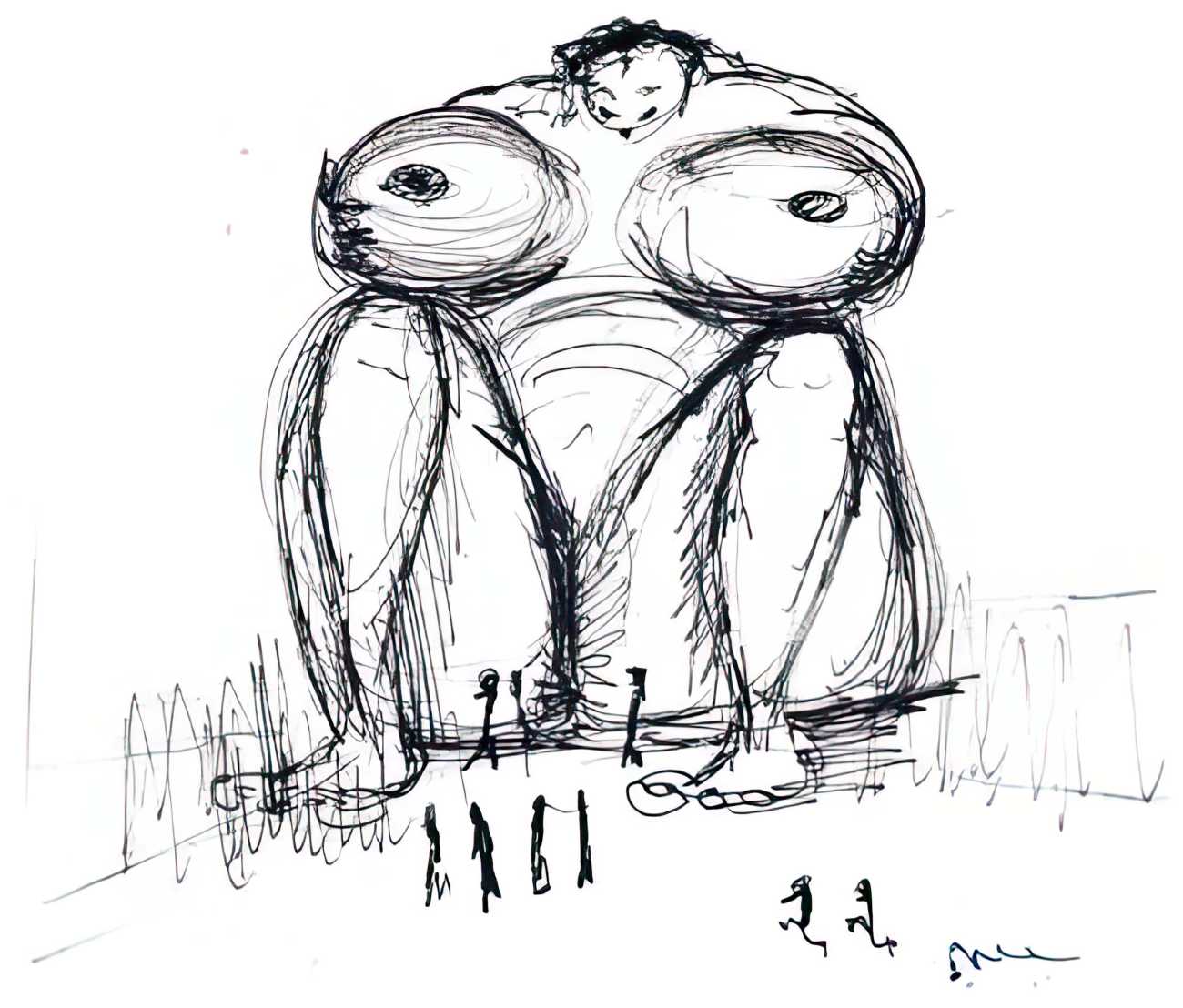
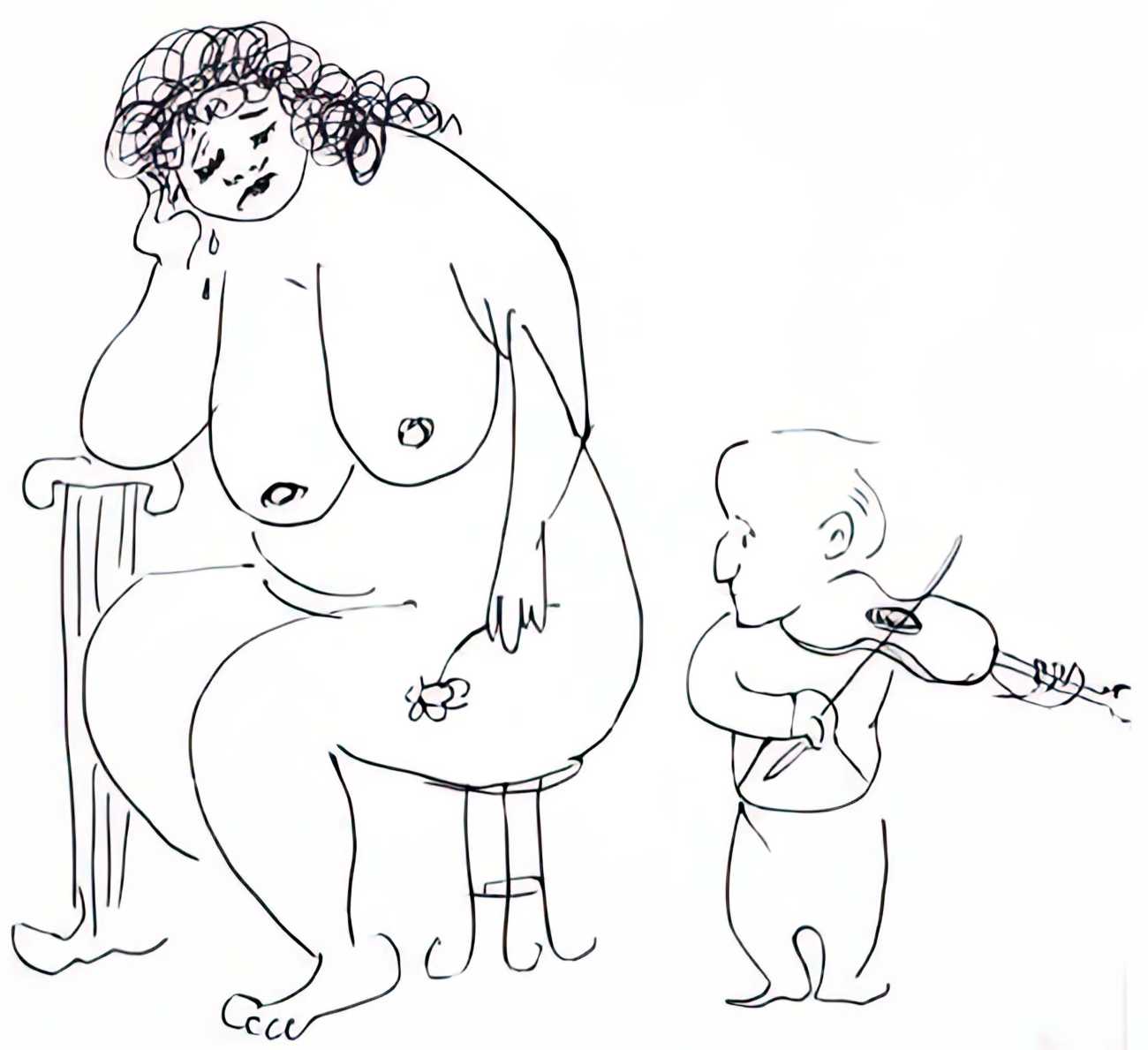
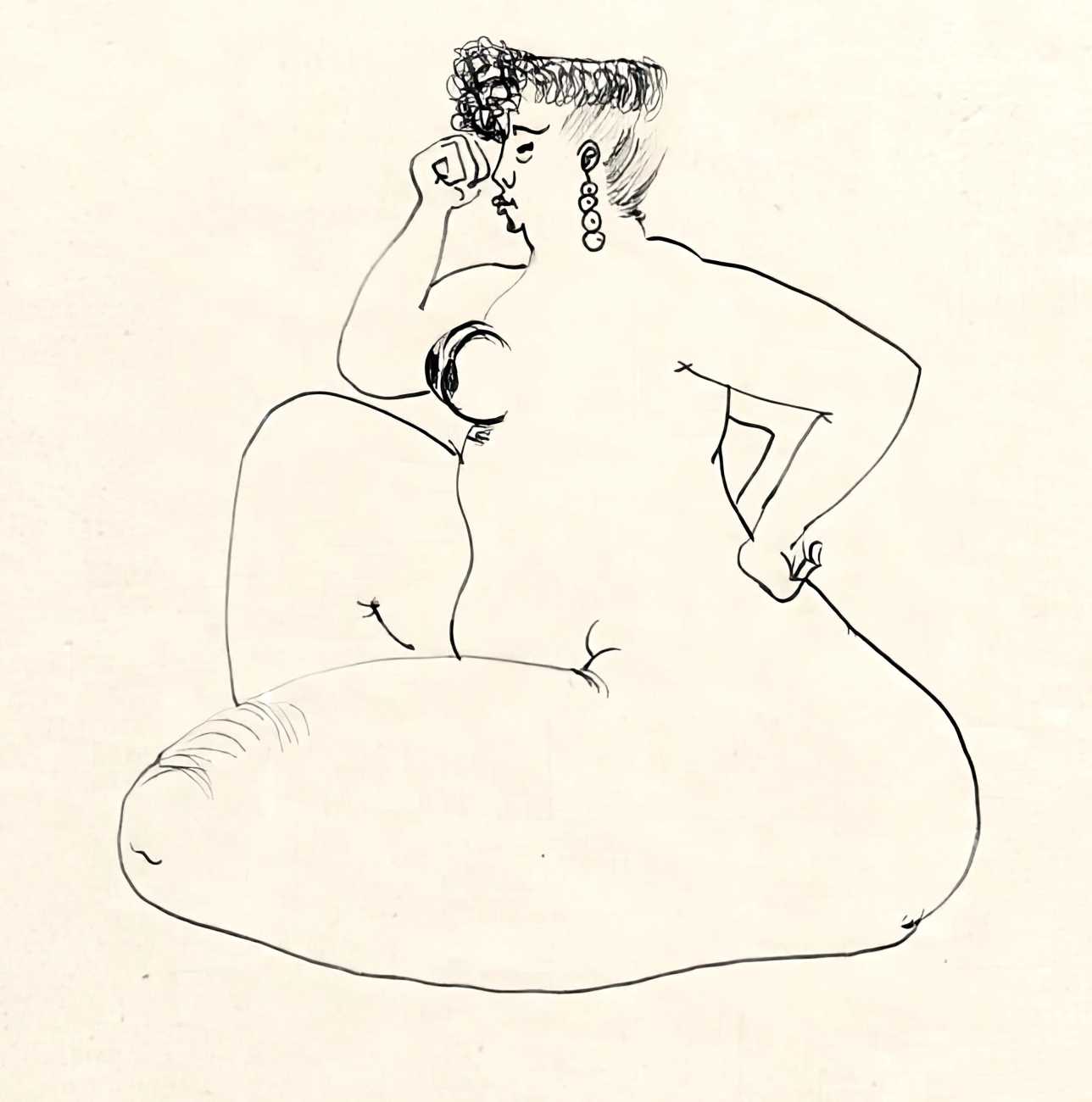
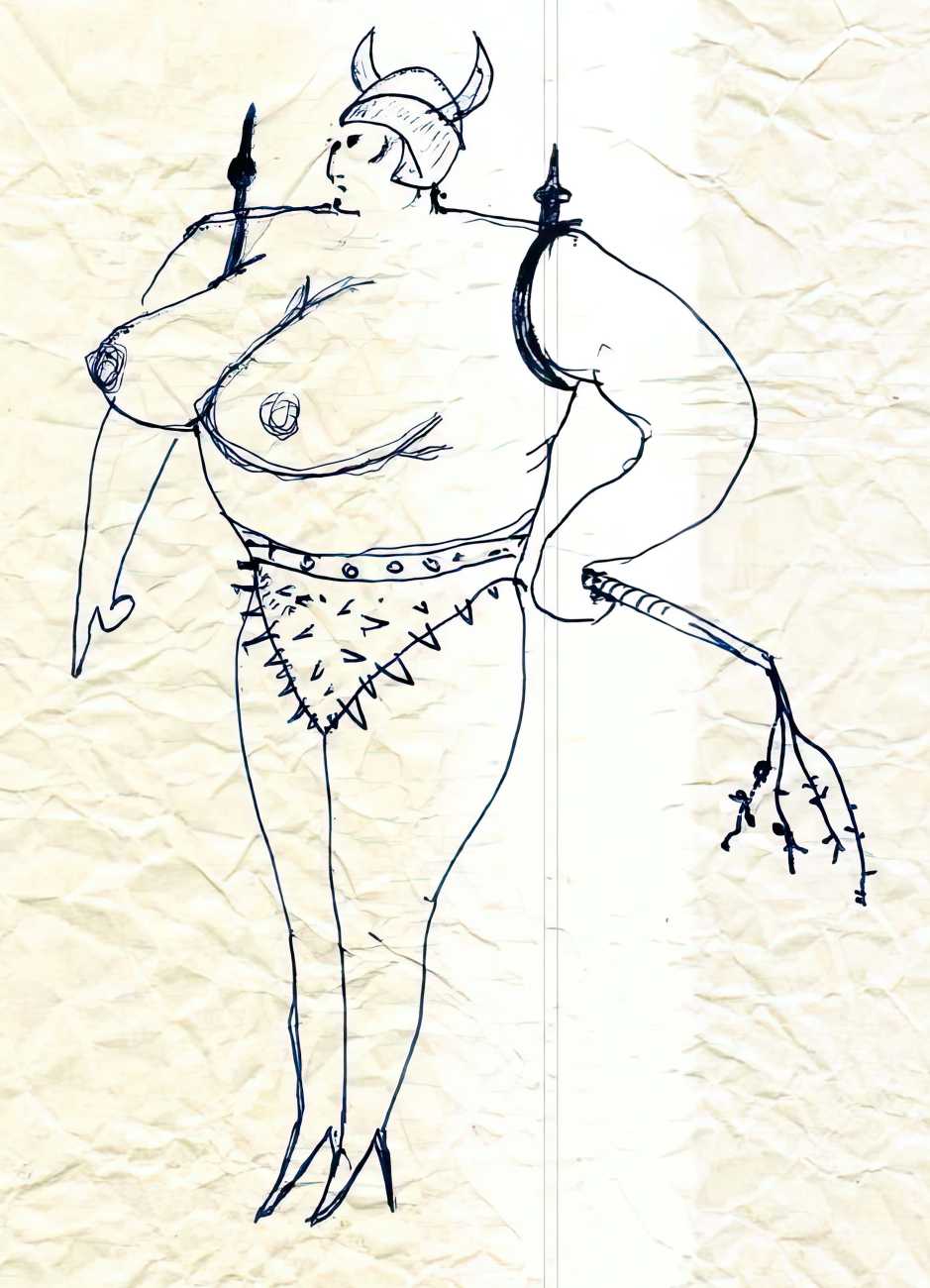
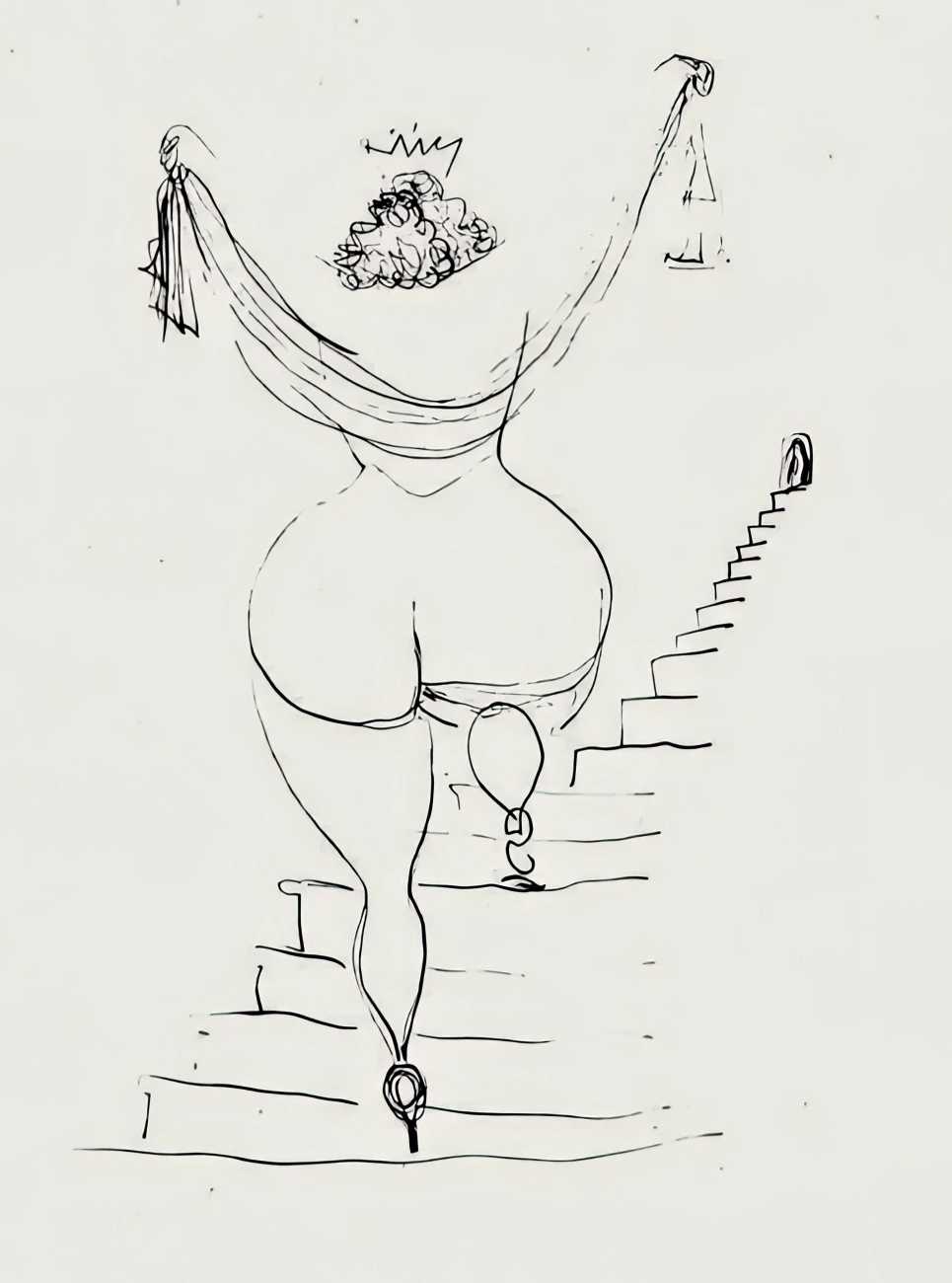
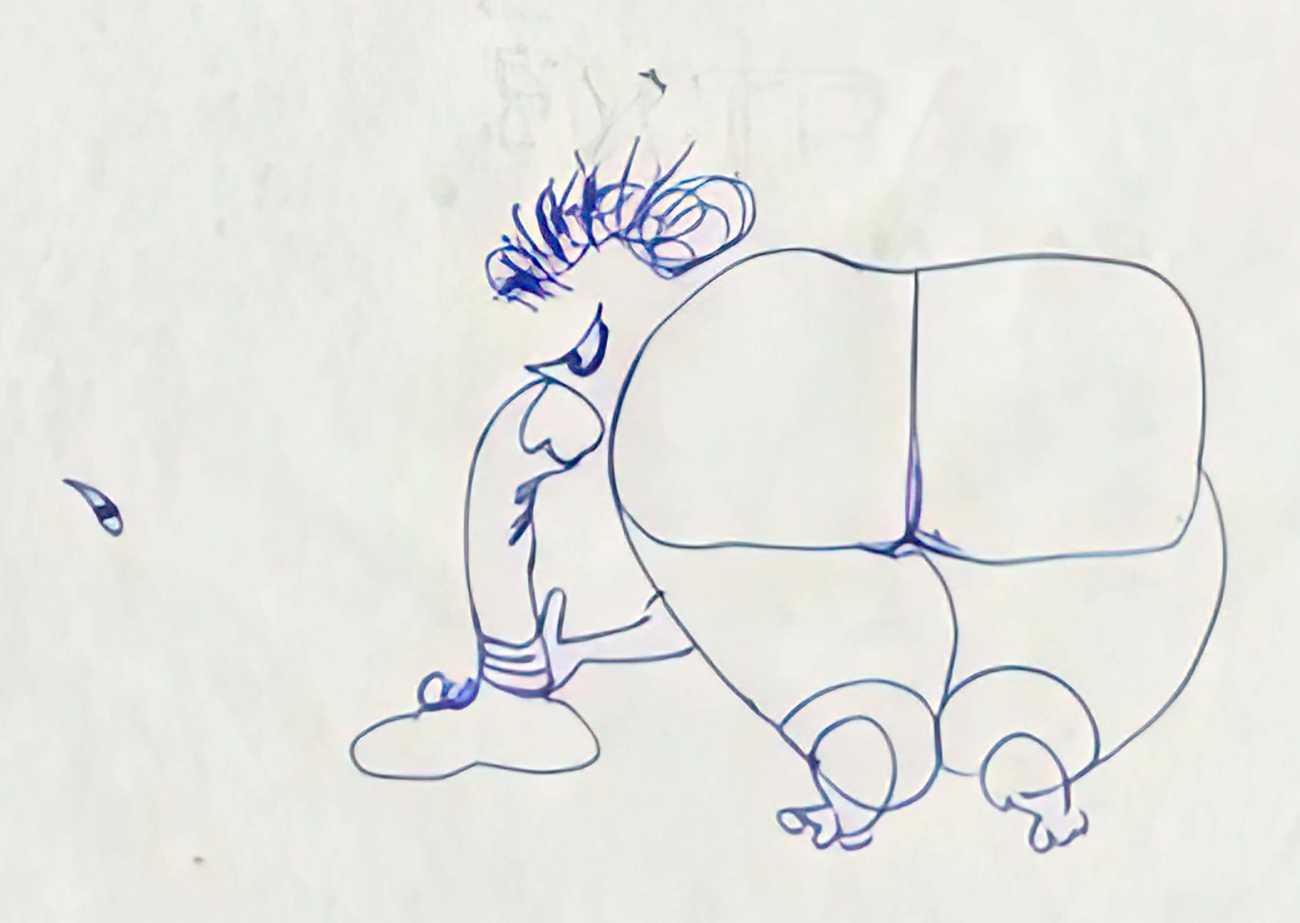
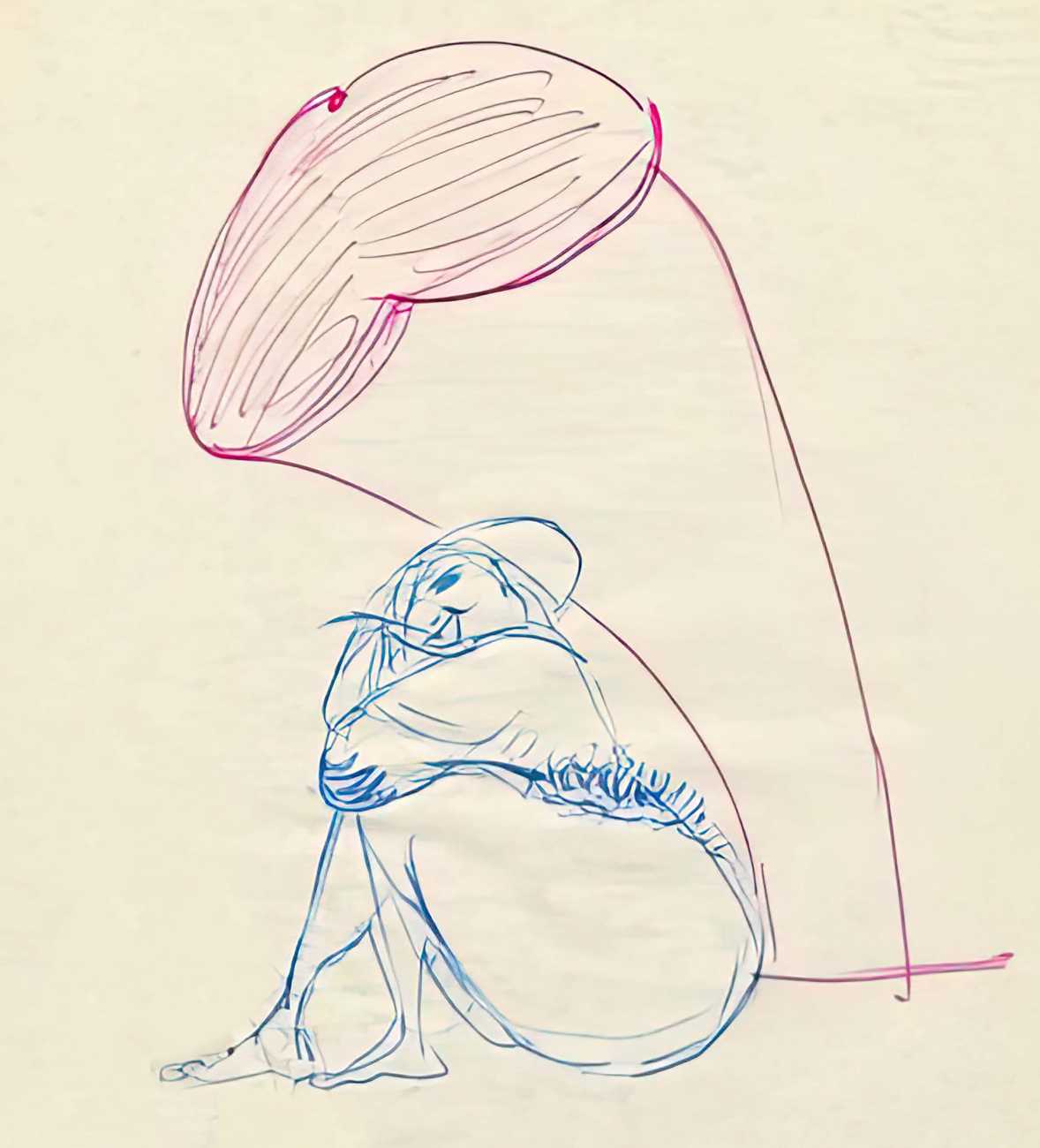
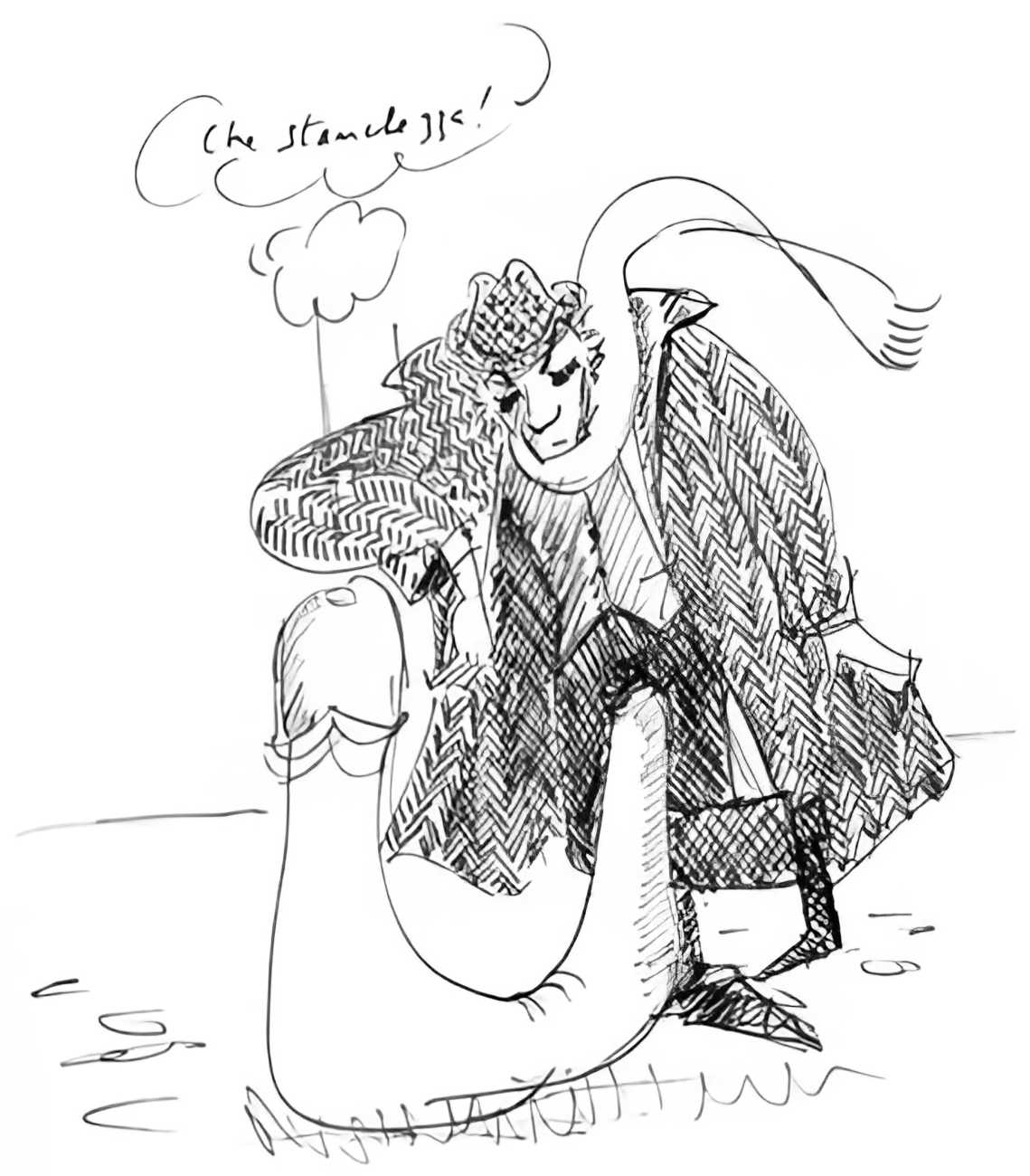
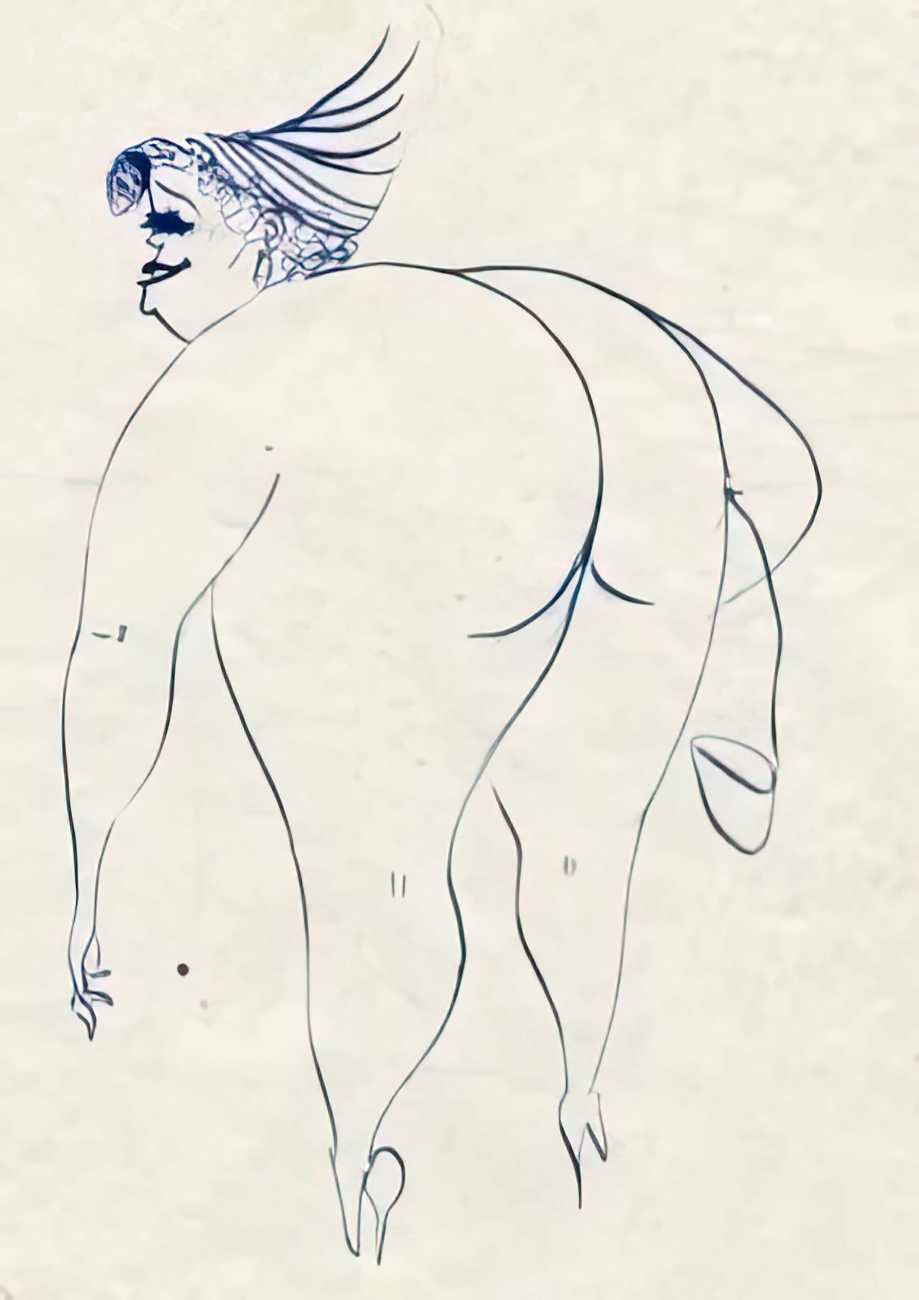
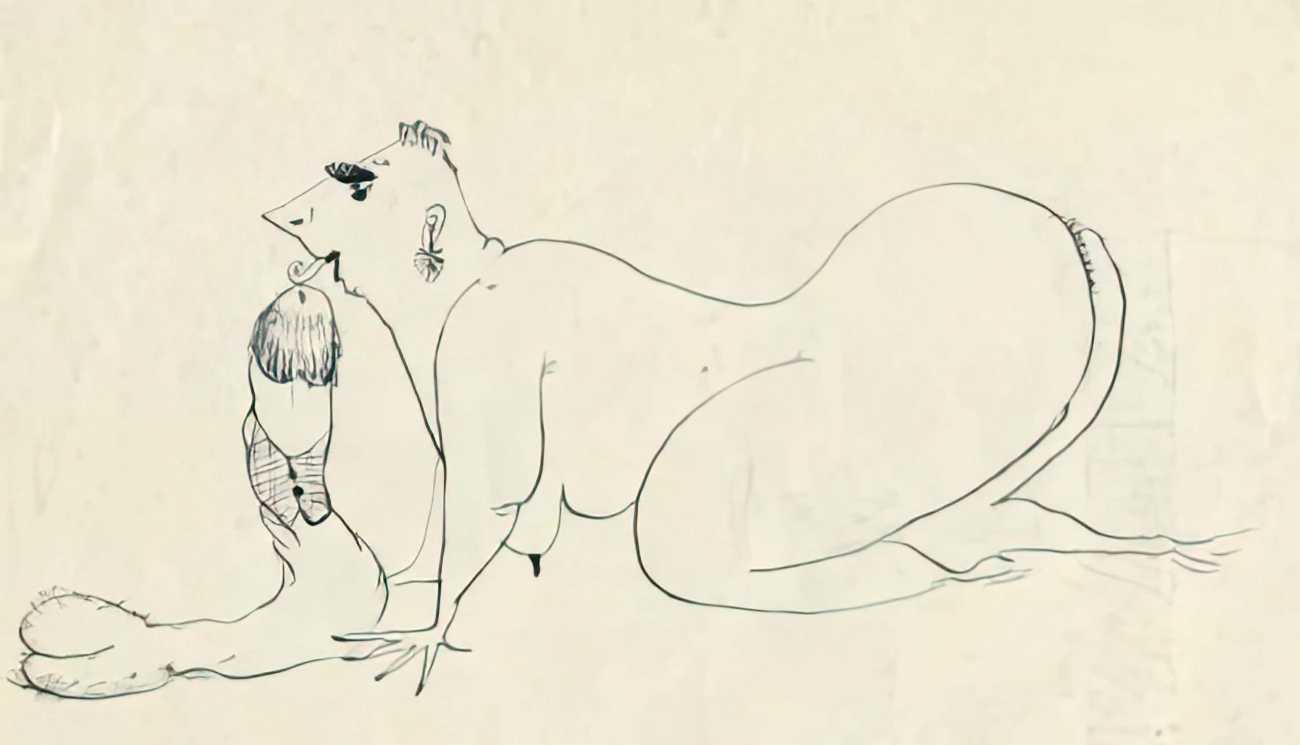
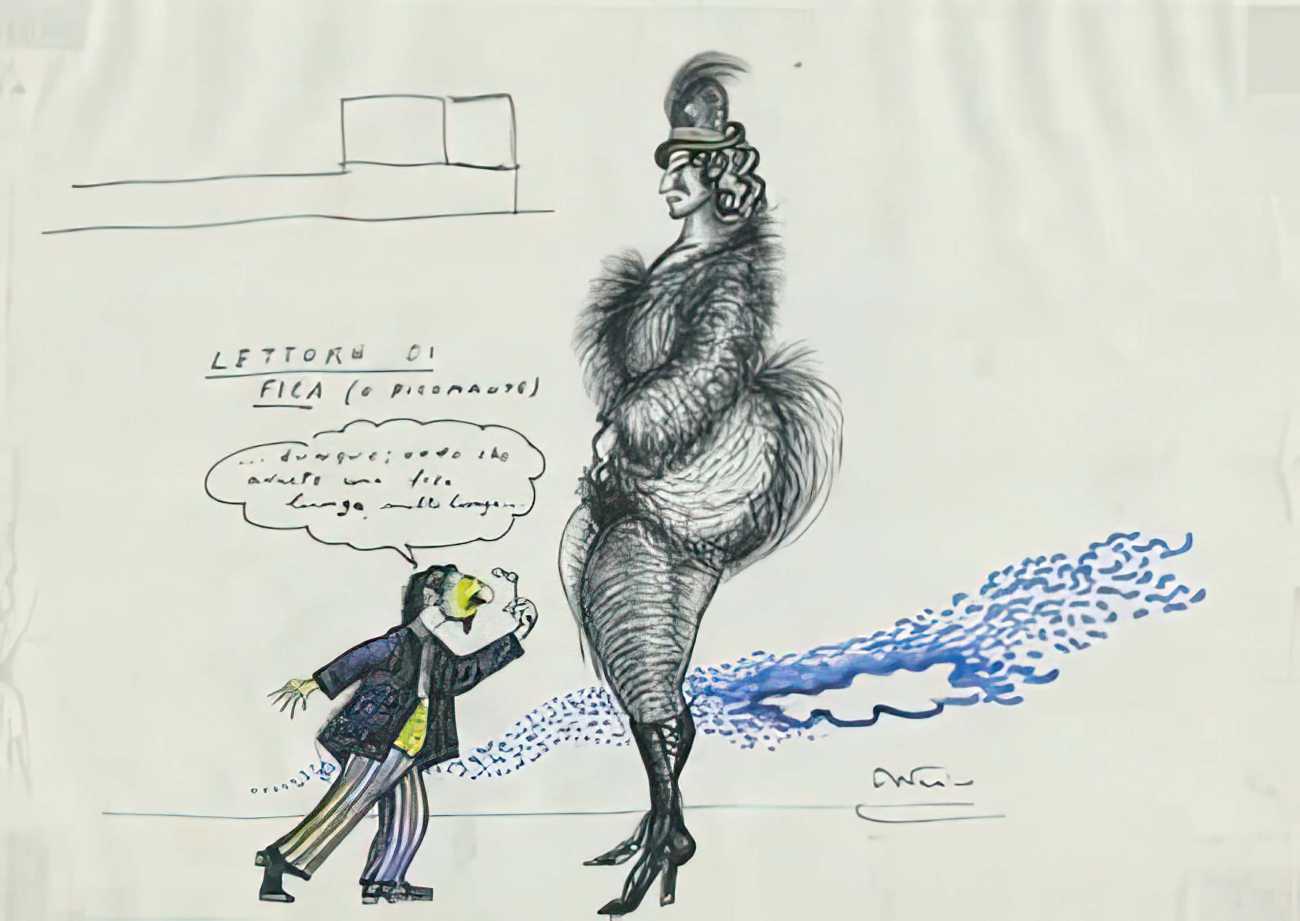
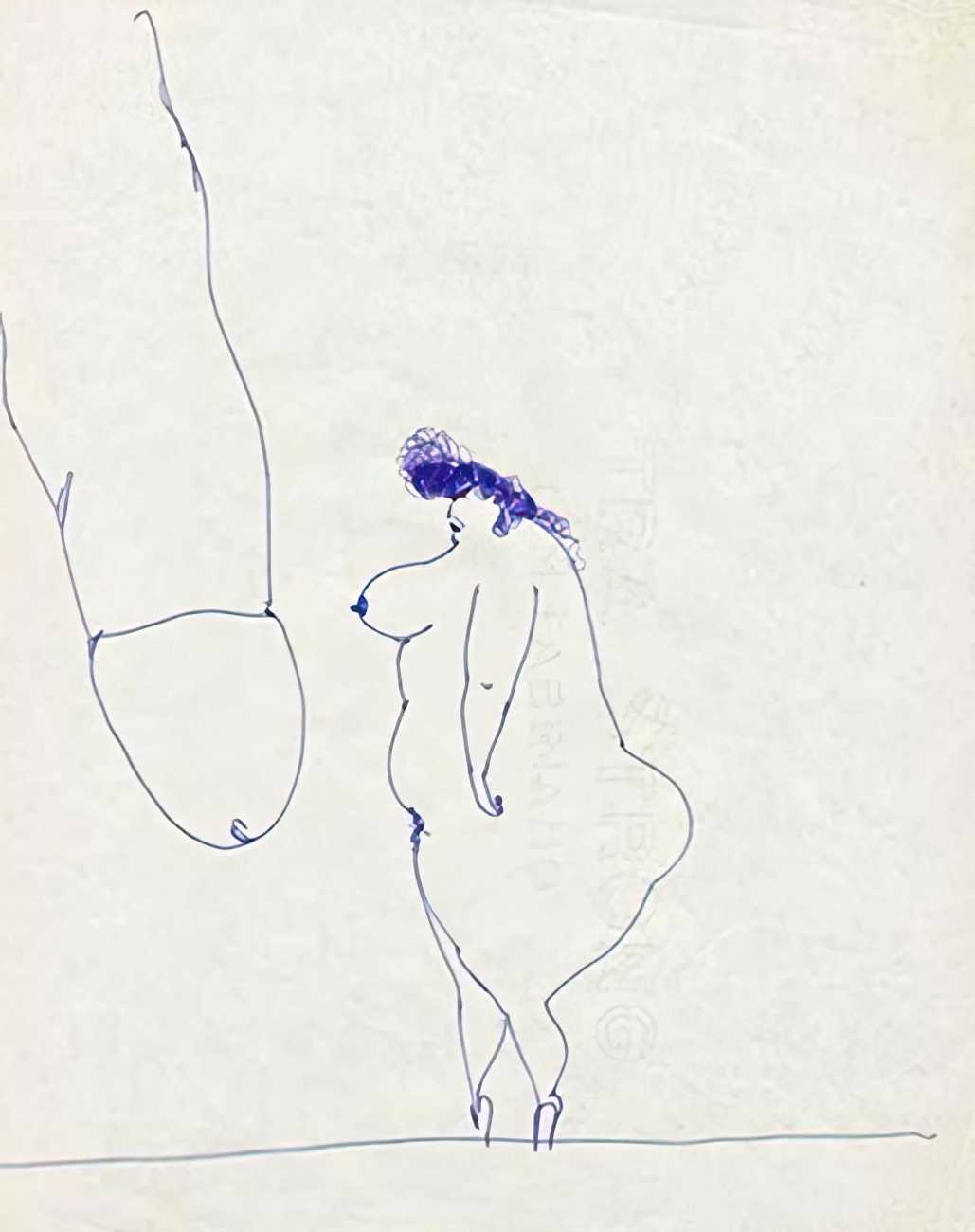
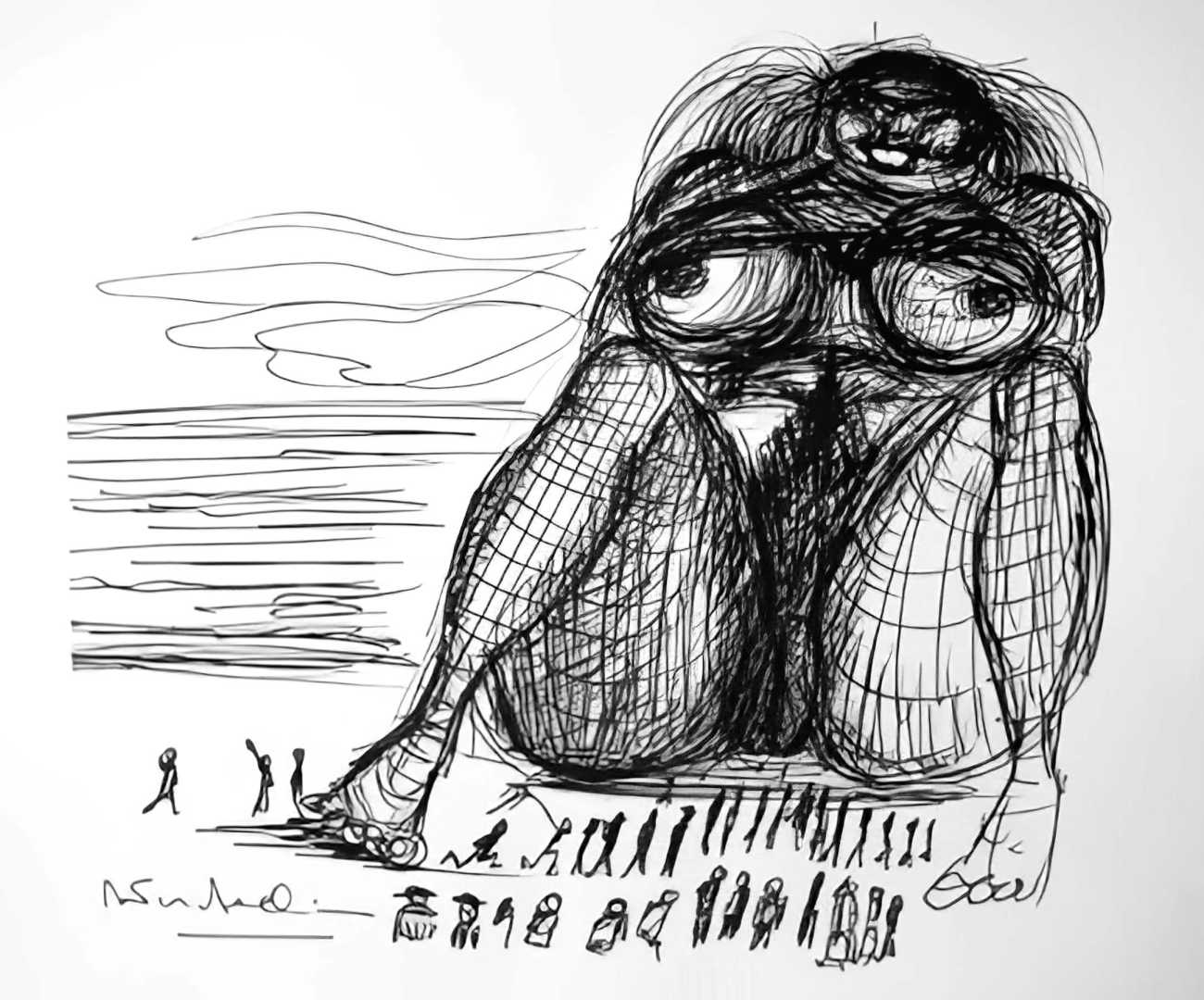
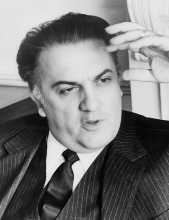
 Federico Fellini, Italian film director, screenwriter and artist, possessed a wide-ranging and distinctive imagination which combined autobiography, dreams, grotesque comedy and erotic fantasy. His films challenged conventional storytelling, often drawing on the Catholicism, sexual repression and social hypocrisy of the Italy in which he grew up.
Born in Rimini on the Adriatic coast, Fellini was fascinated from childhood by American comic strips, caricature, puppet shows, the circus and the cinema. Winsor McCay’s Little Nemo and the popular cartoon character Happy Hooligan were early influences. After moving to Rome in 1939, he worked as a cartoonist, journalist and humourist, contributing to the satirical magazine Marc’Aurelio. Its writers and performers introduced him to the world of popular entertainment, while his subsequent work with director Roberto Rossellini brought him into the Italian neorealist movement. He gradually moved beyond realism towards a more personal cinema in which memory and fantasy became inseparable.
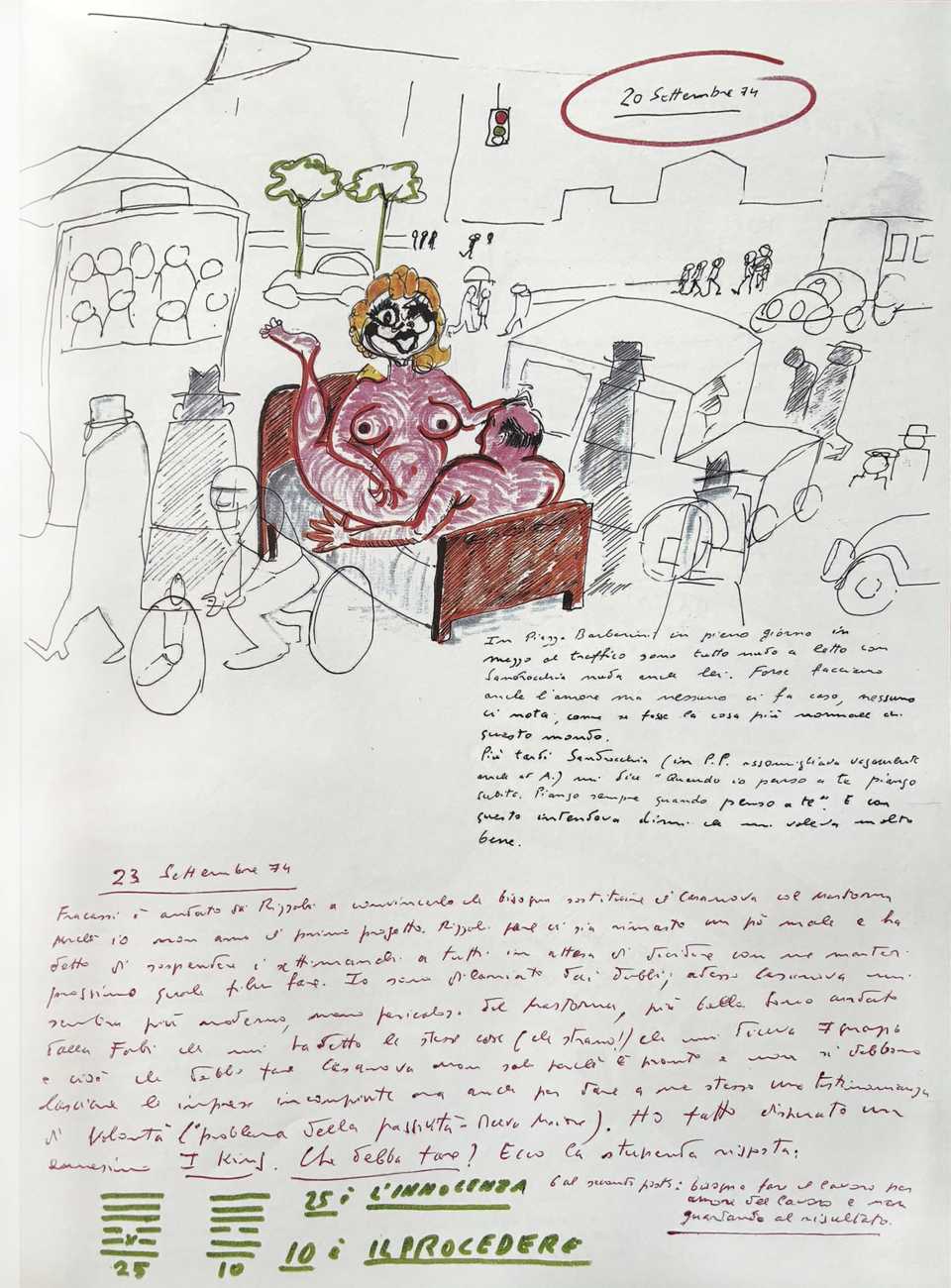
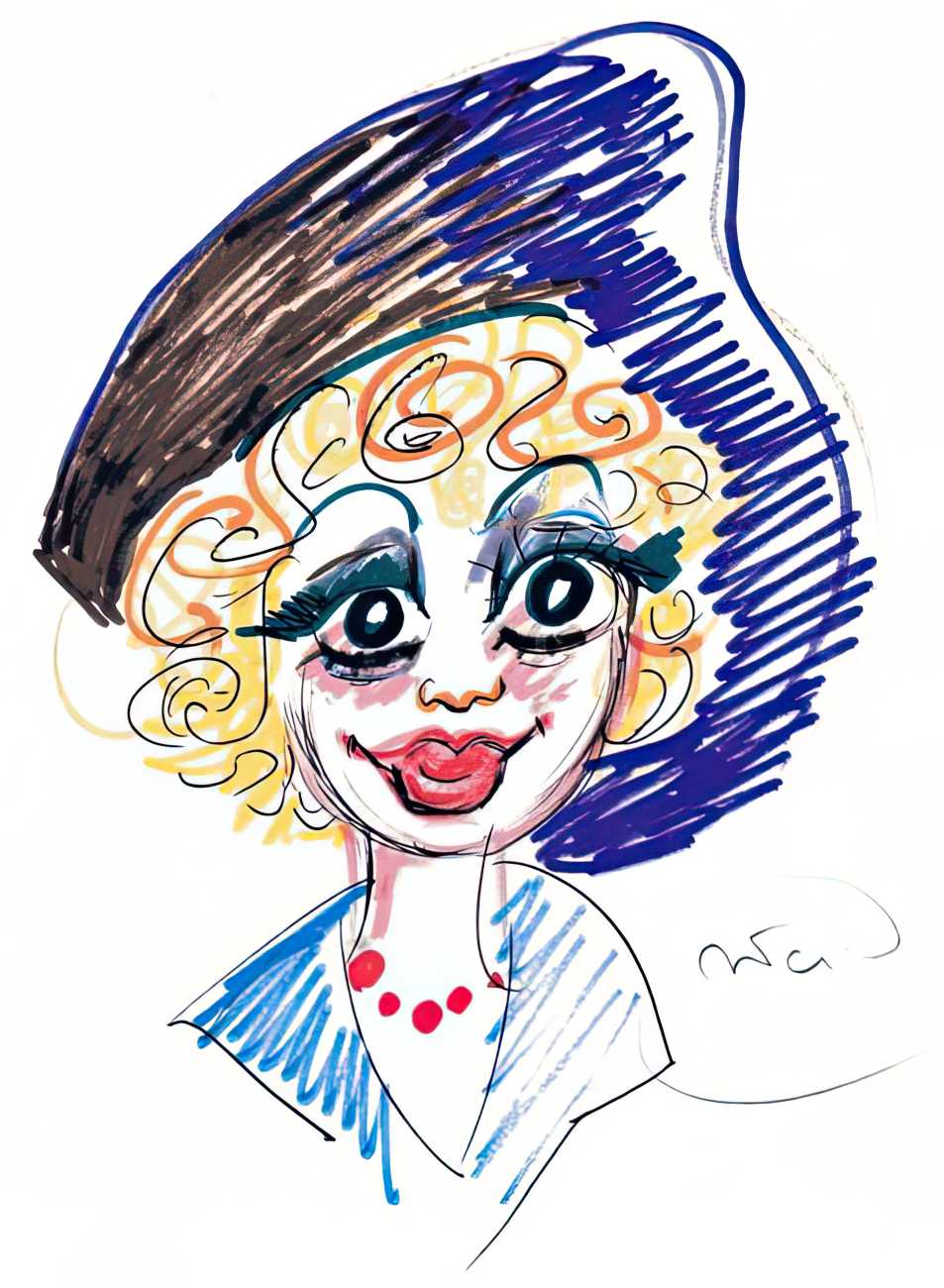
In 1943 Fellini married actress Giulietta Masina, who he had met while writing radio comedy. Their partnership lasted fifty years, and Masina starred in several of his most celebrated films, including La Strada (1954) and Nights of Cabiria (1957). Their only child died eleven days after birth in 1945. The marriage endured despite Fellini’s reported infidelities and his fascination with other women, relationships that fed into his explorations of desire, jealousy and marital disillusionment.
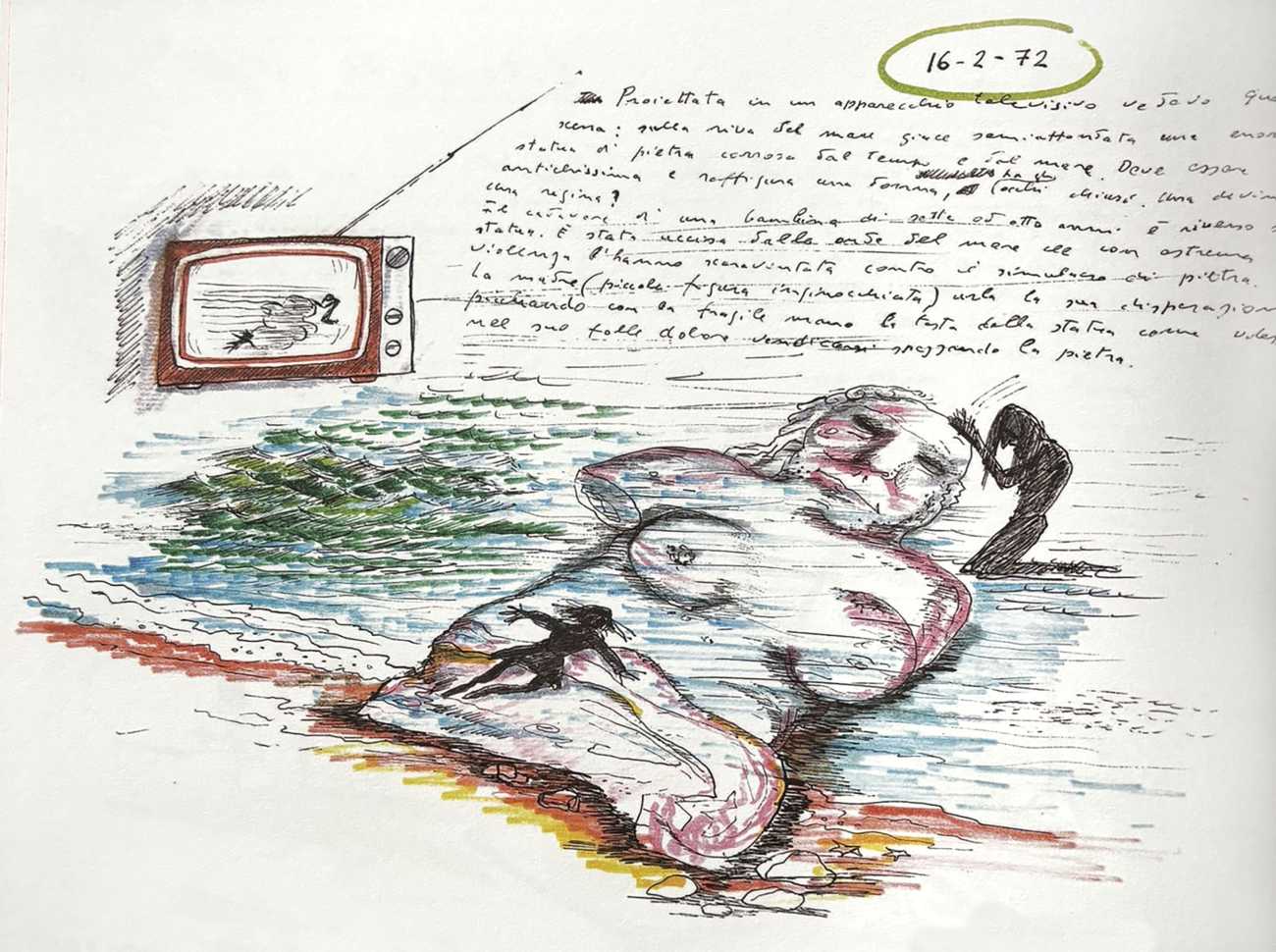
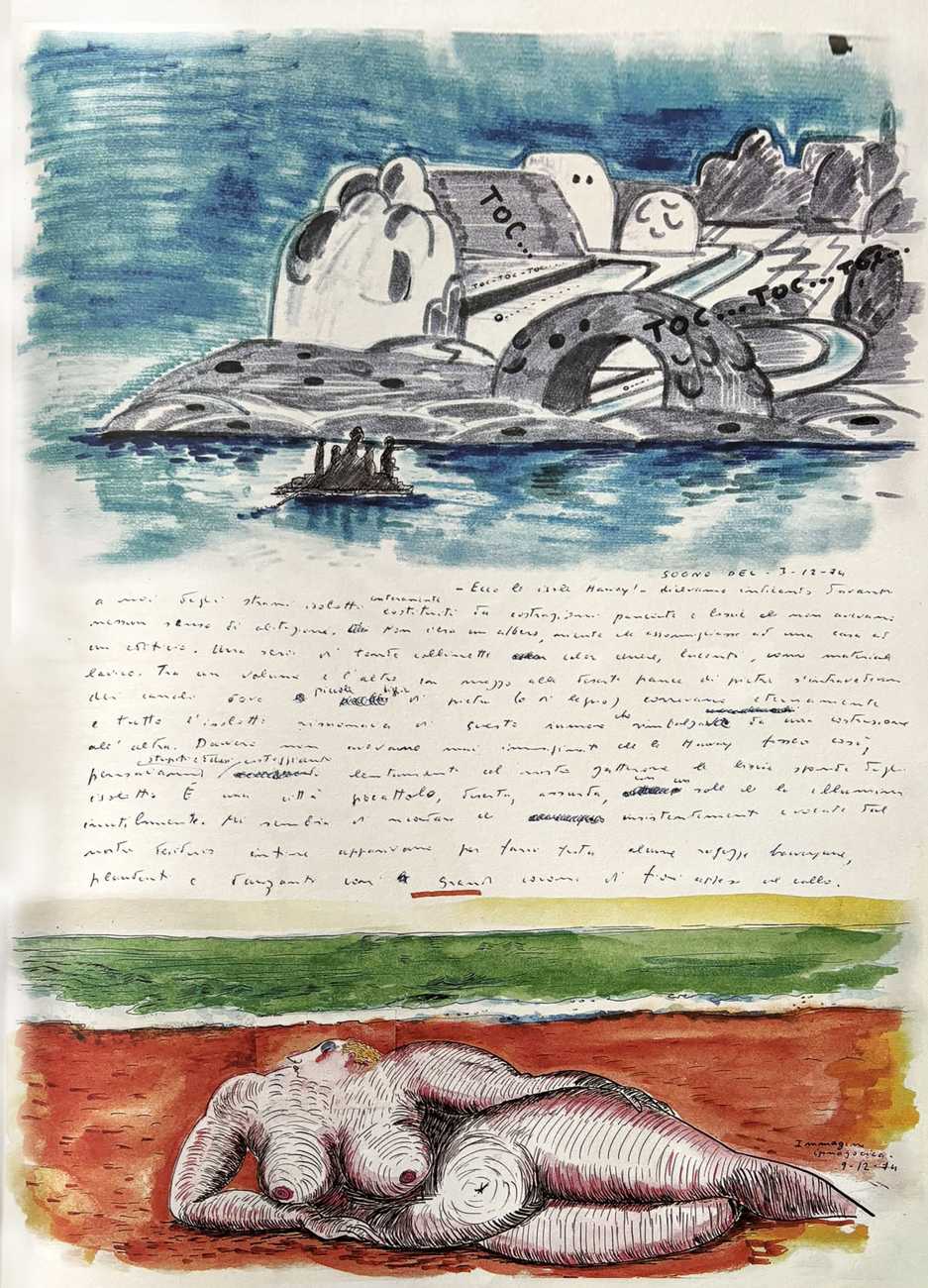
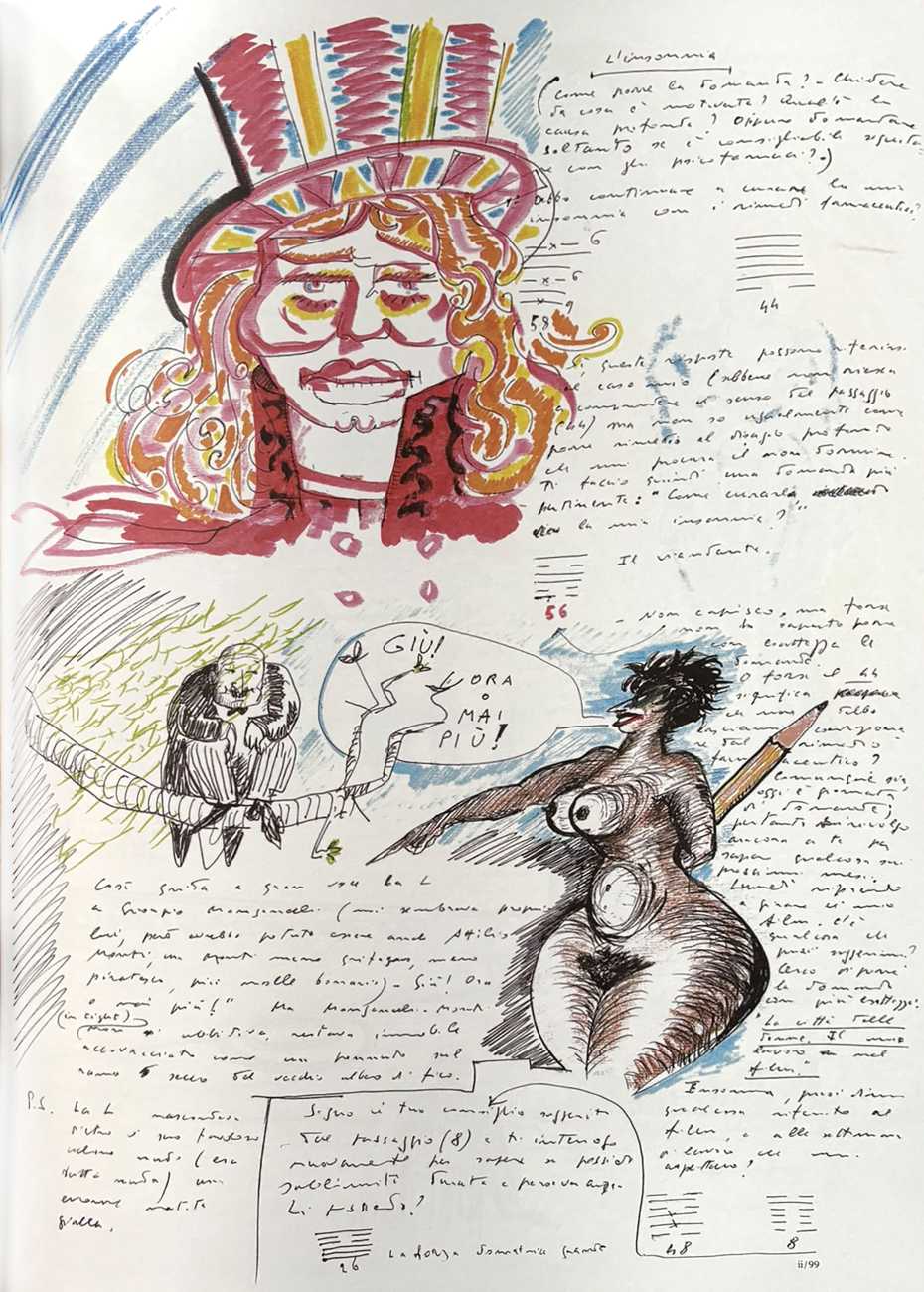
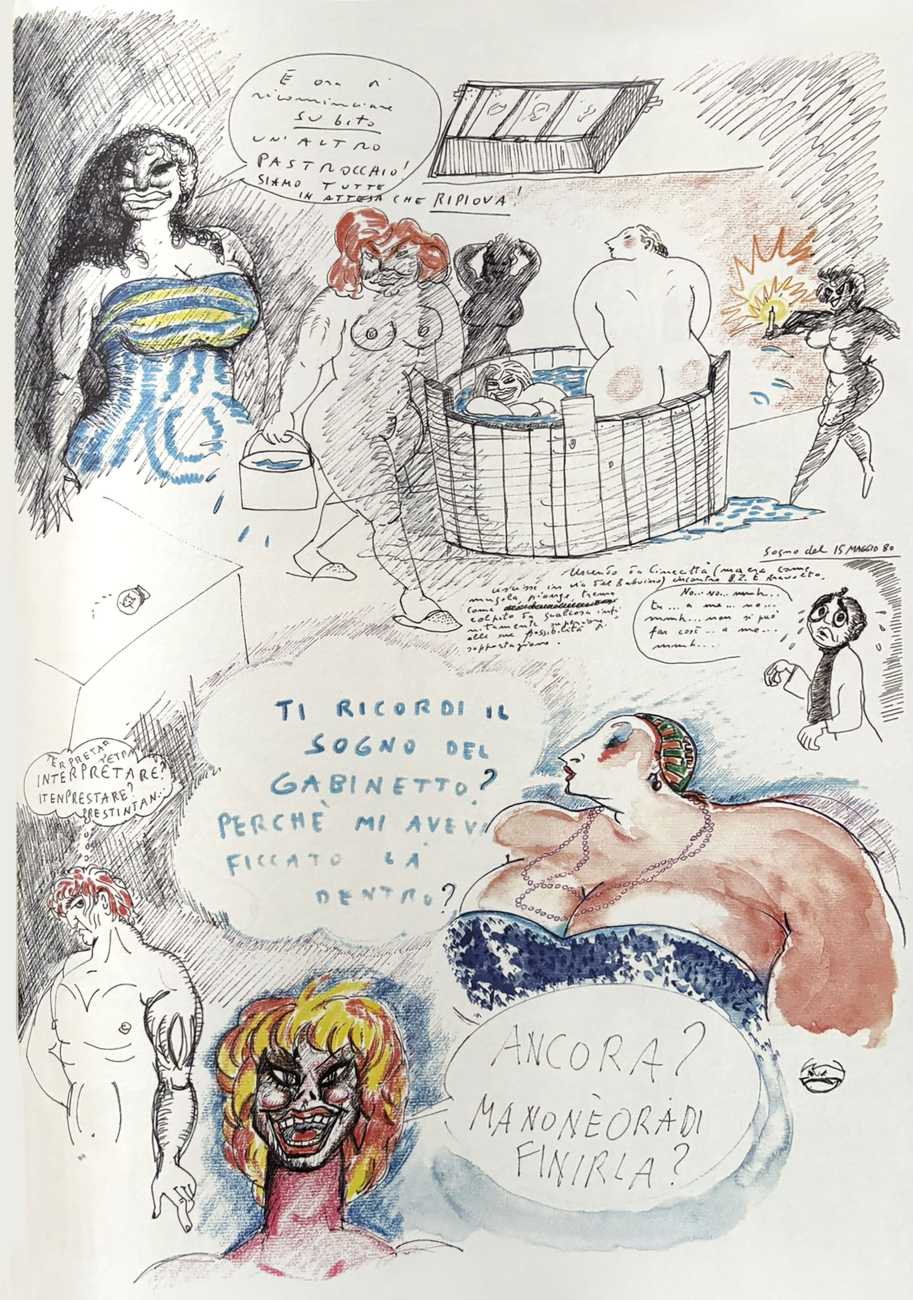
A decisive influence on his mature work was the Swiss psychiatrist Carl Jung. After meeting Jungian psychoanalyst Ernst Bernhard in 1960, Fellini began recording his dreams and exploring the unconscious. In 8½ (1963), Juliet of the Spirits (1965) and City of Women (1980), erotic desire becomes entangled with memory, anxiety, fantasy and the social expectations imposed on men and women.
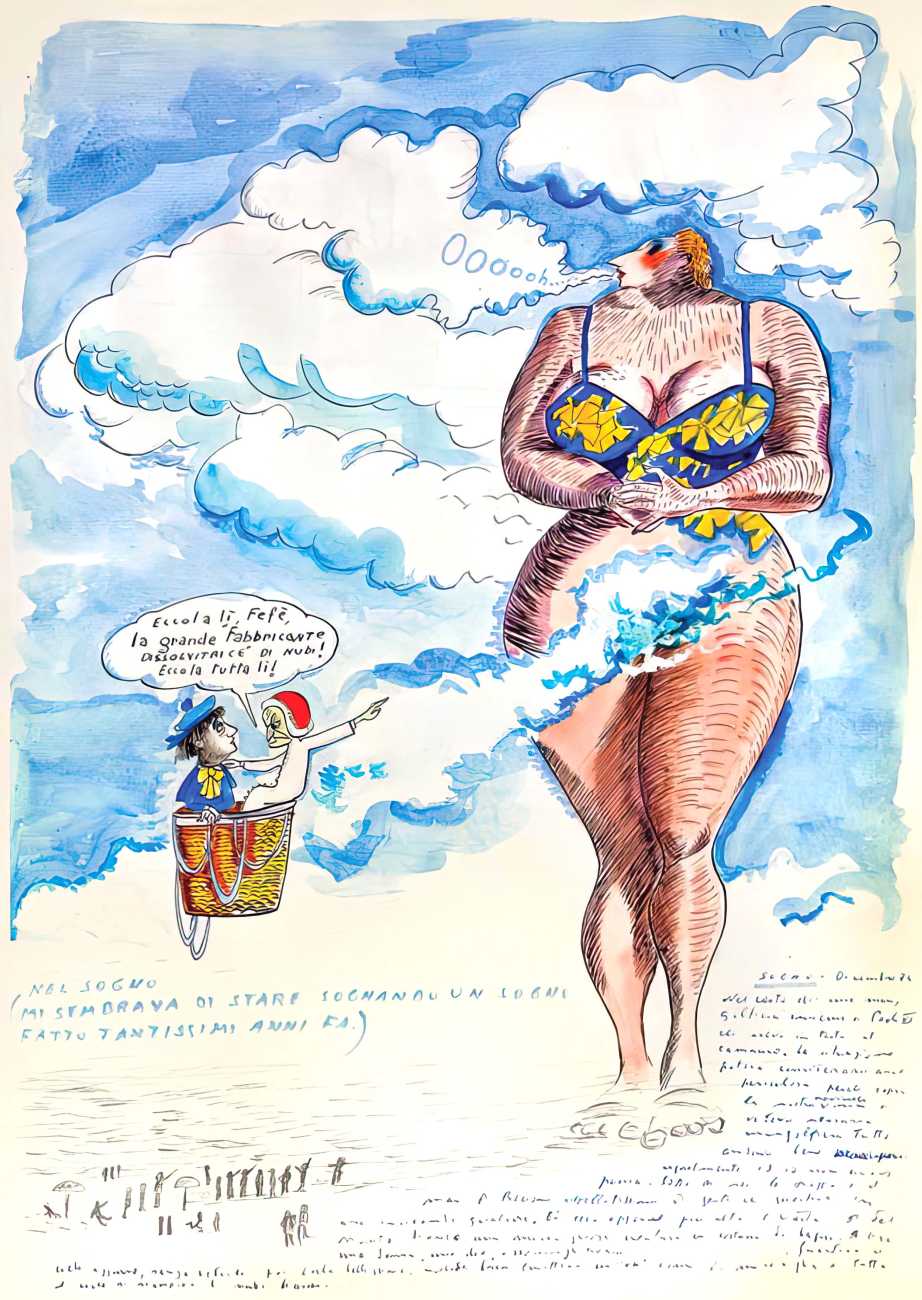
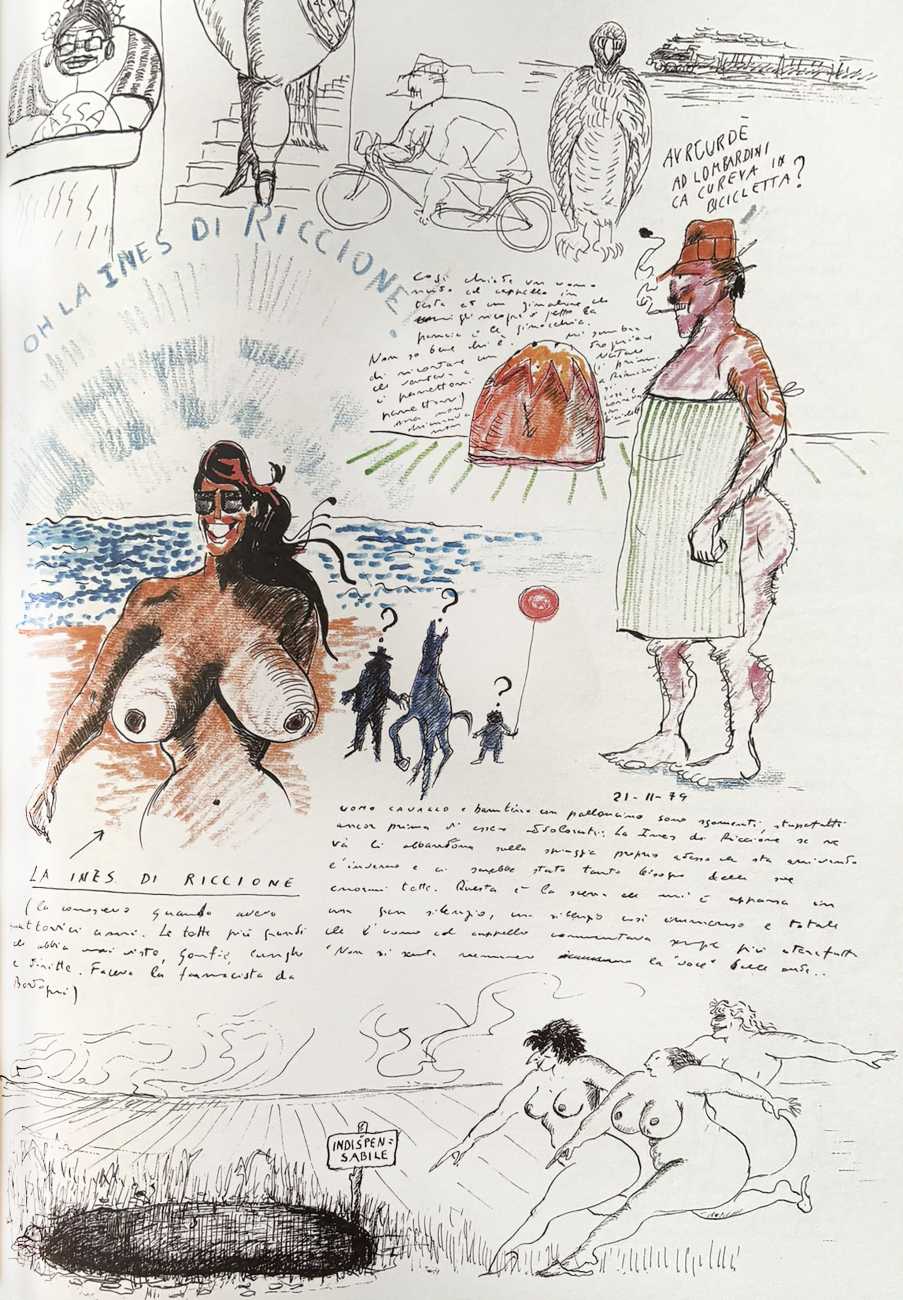
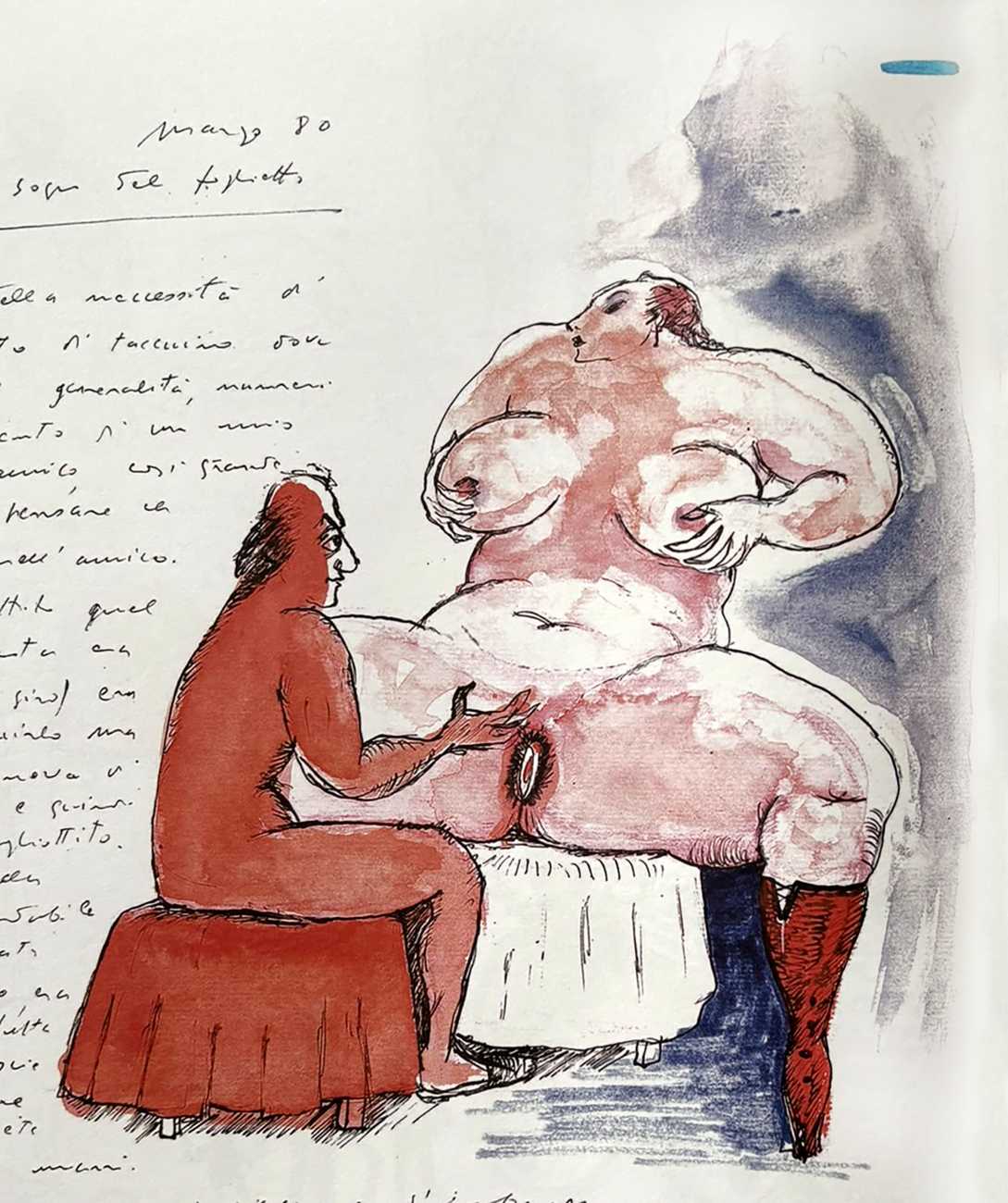
Fellini’s attitude towards women was contradictory. He celebrated their sensuality and physical presence, yet often portrayed them through the fantasies and anxieties of male protagonists. In a 1965 interview, he admitted ‘Another trouble I suffer from is not knowing how to talk about women. A woman stands at a point where darkness begins for a man.’ His erotic imagination could be exuberant, comic and celebratory, but also unsettling, revealing how desire might become obsession or caricature.
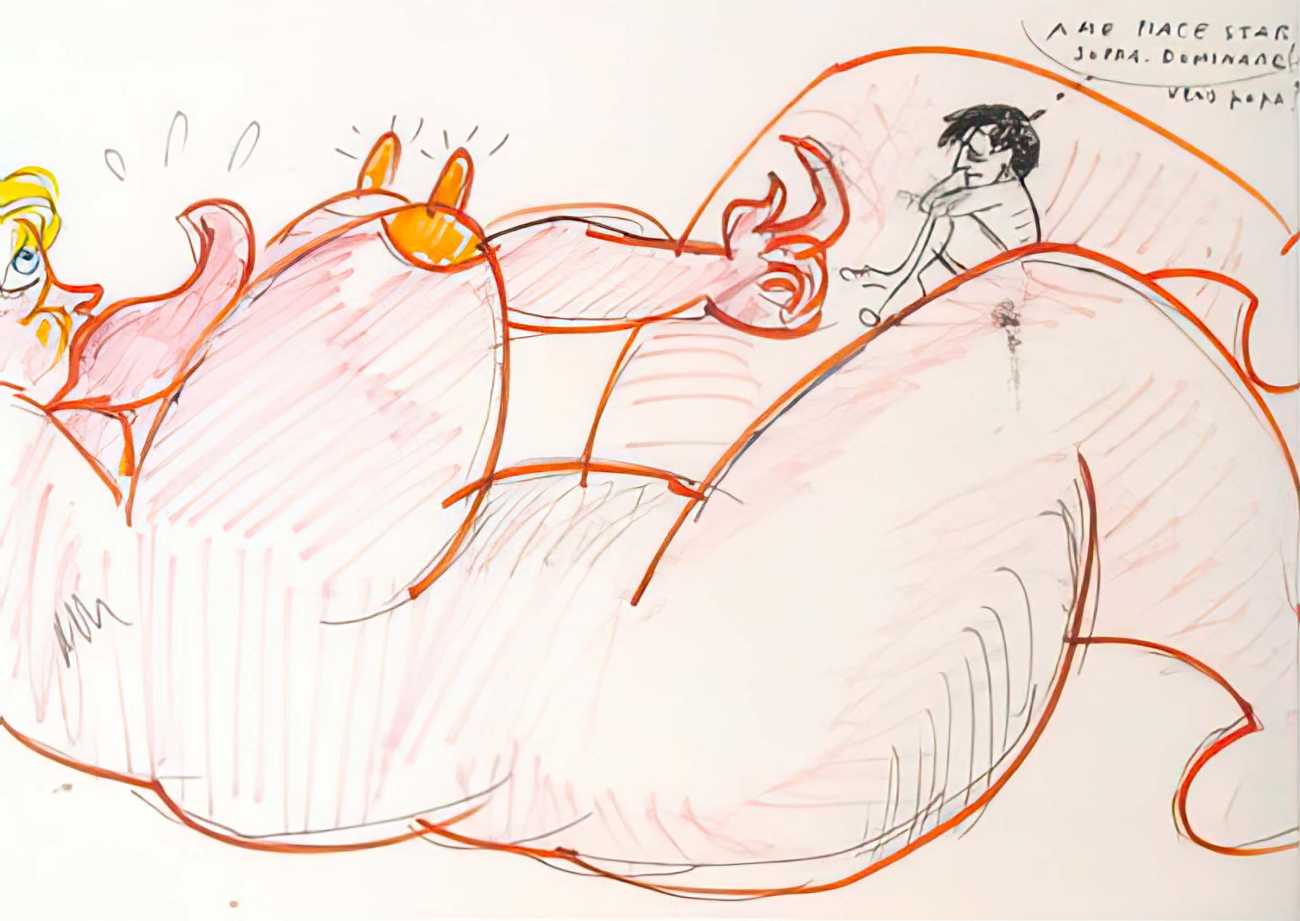
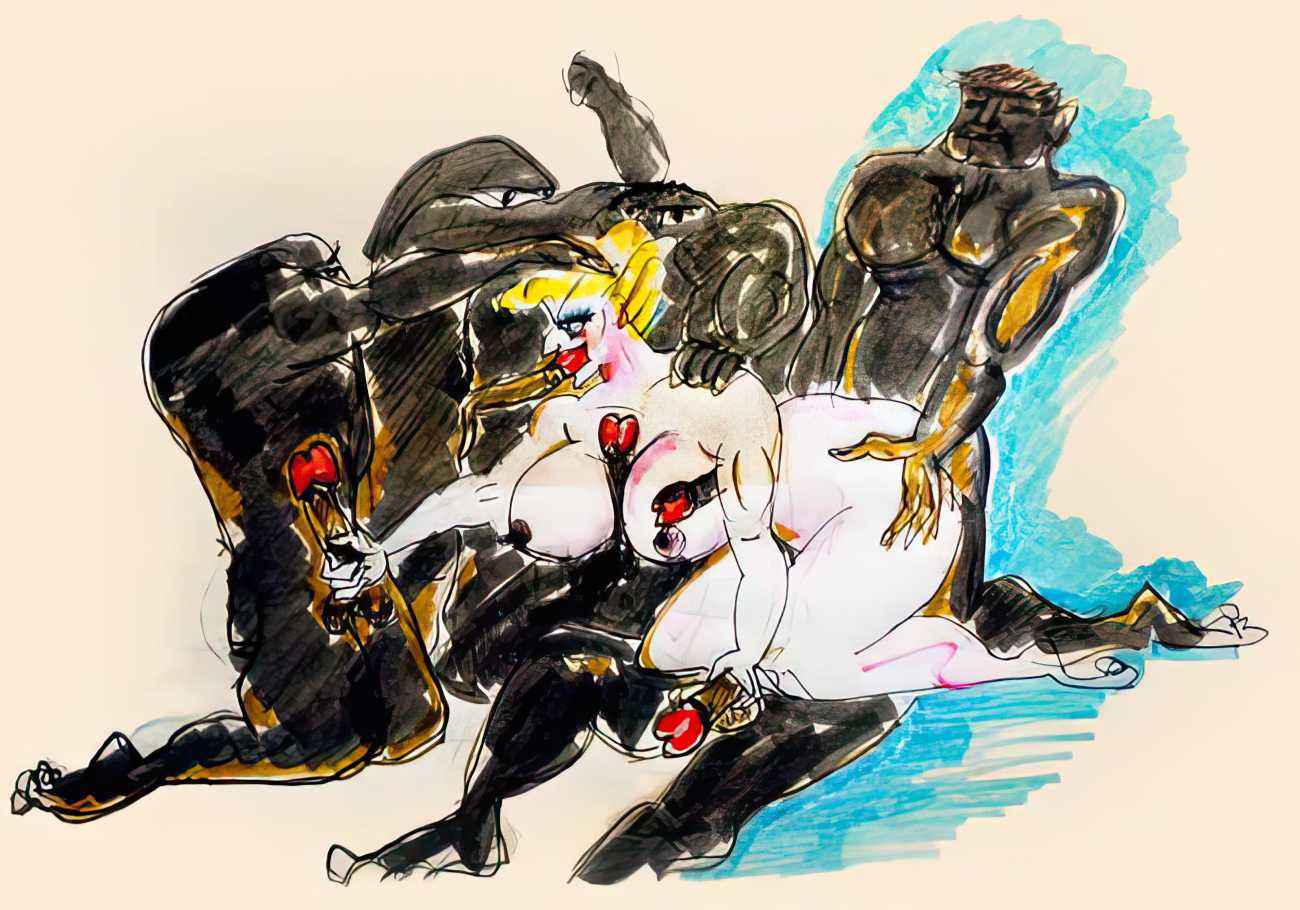
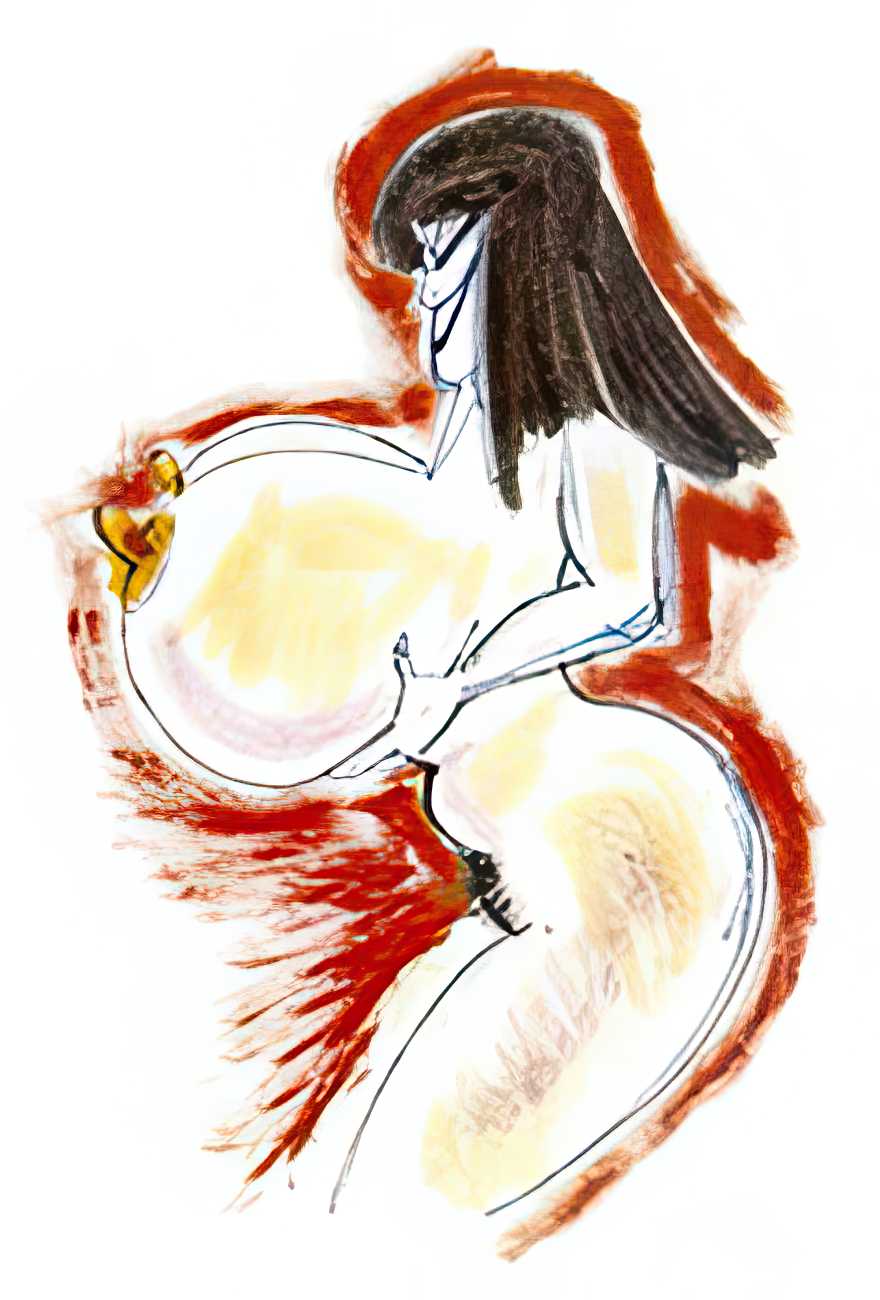
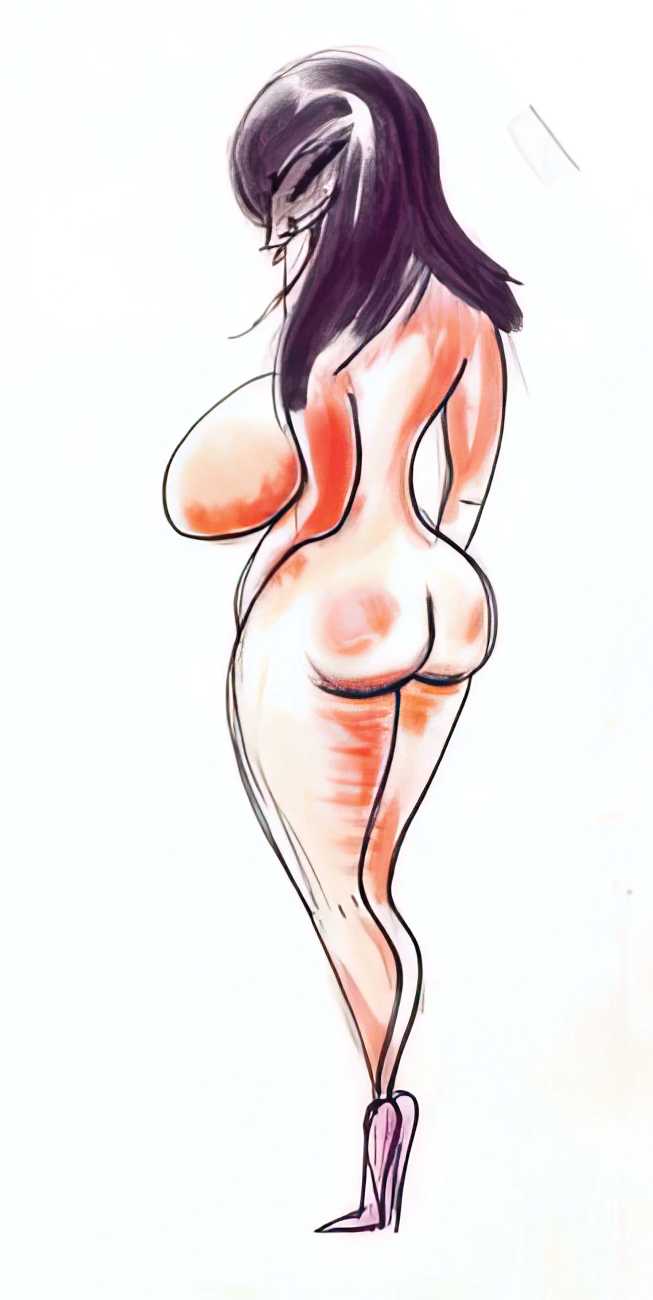
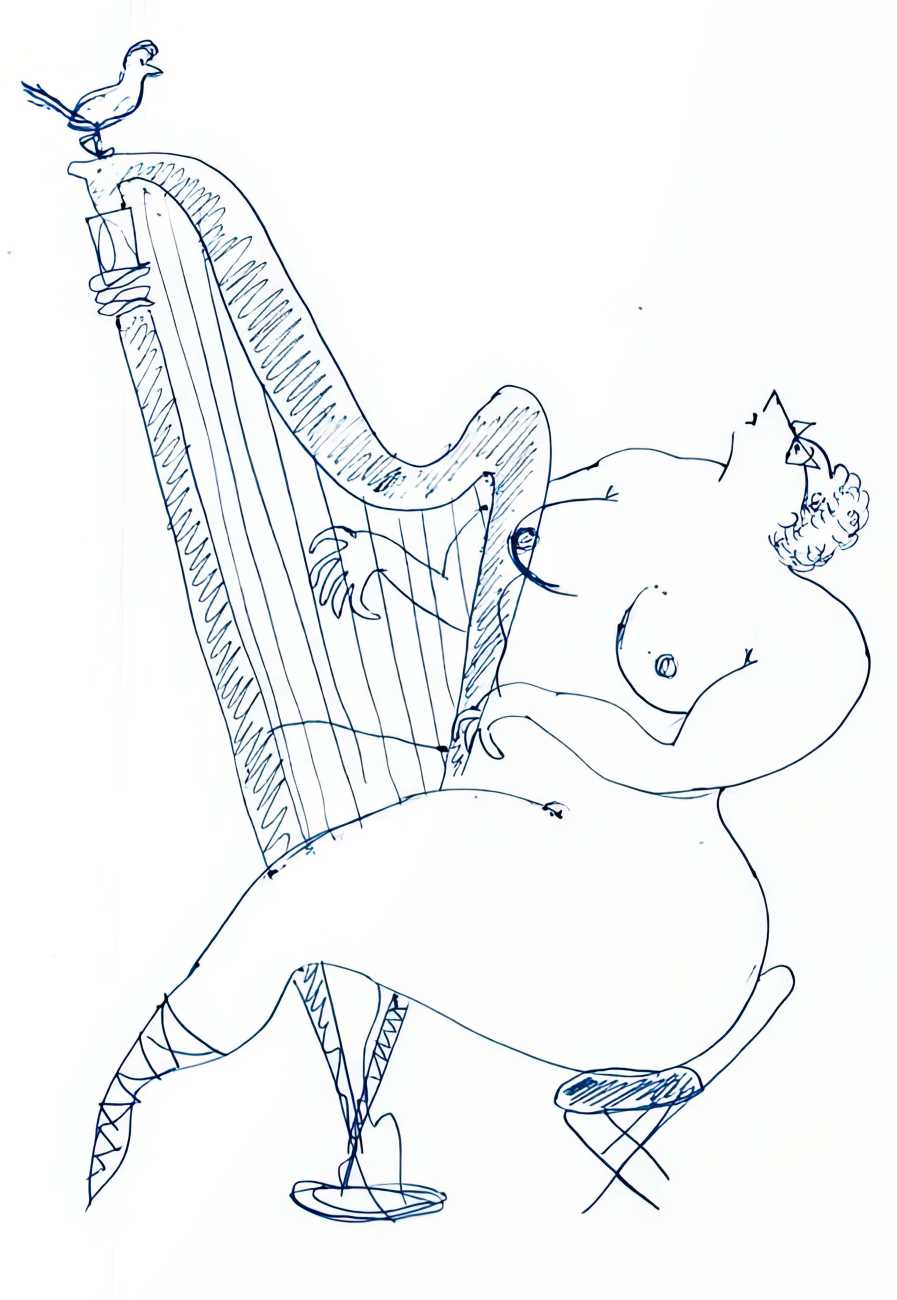
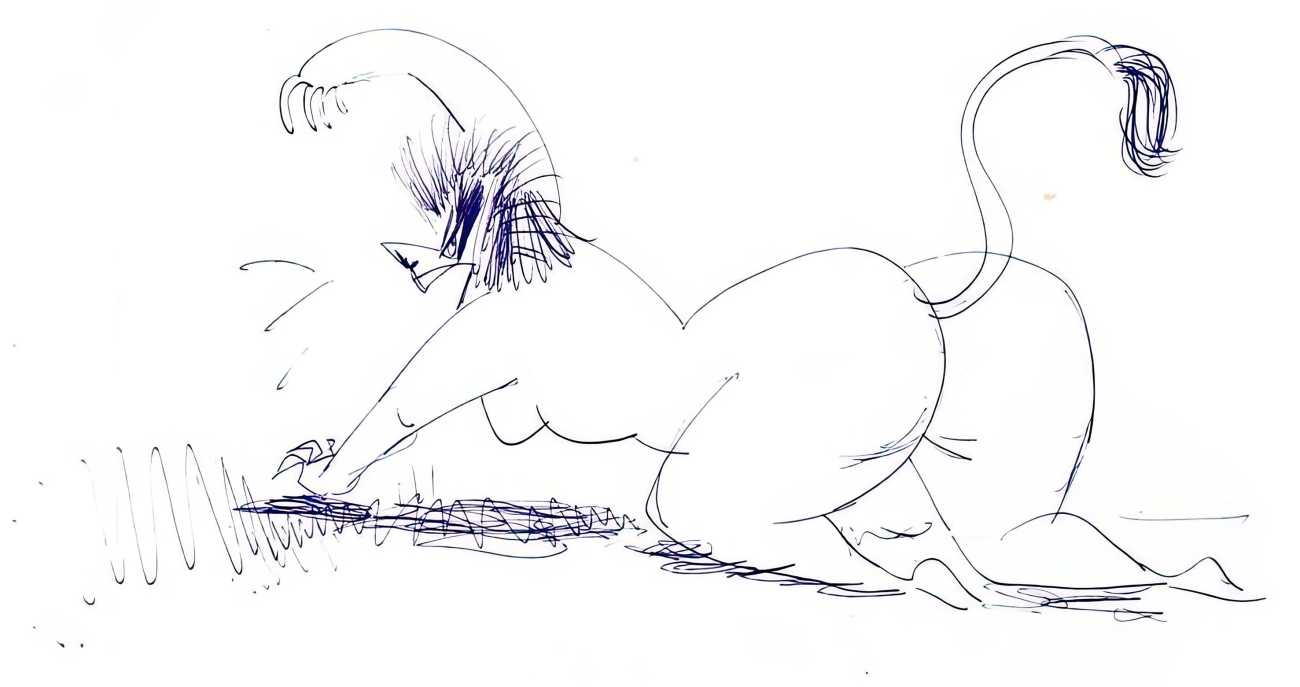
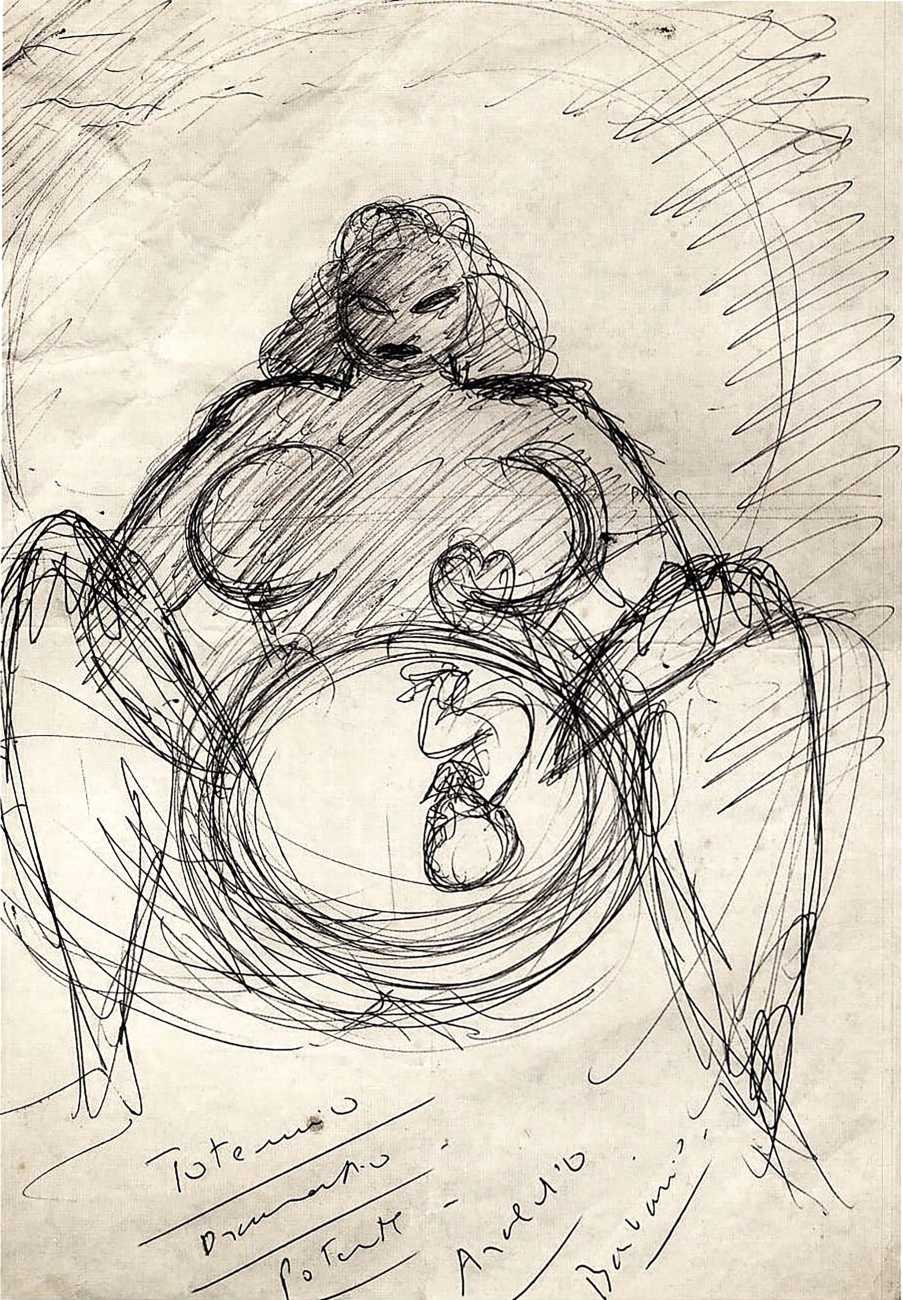
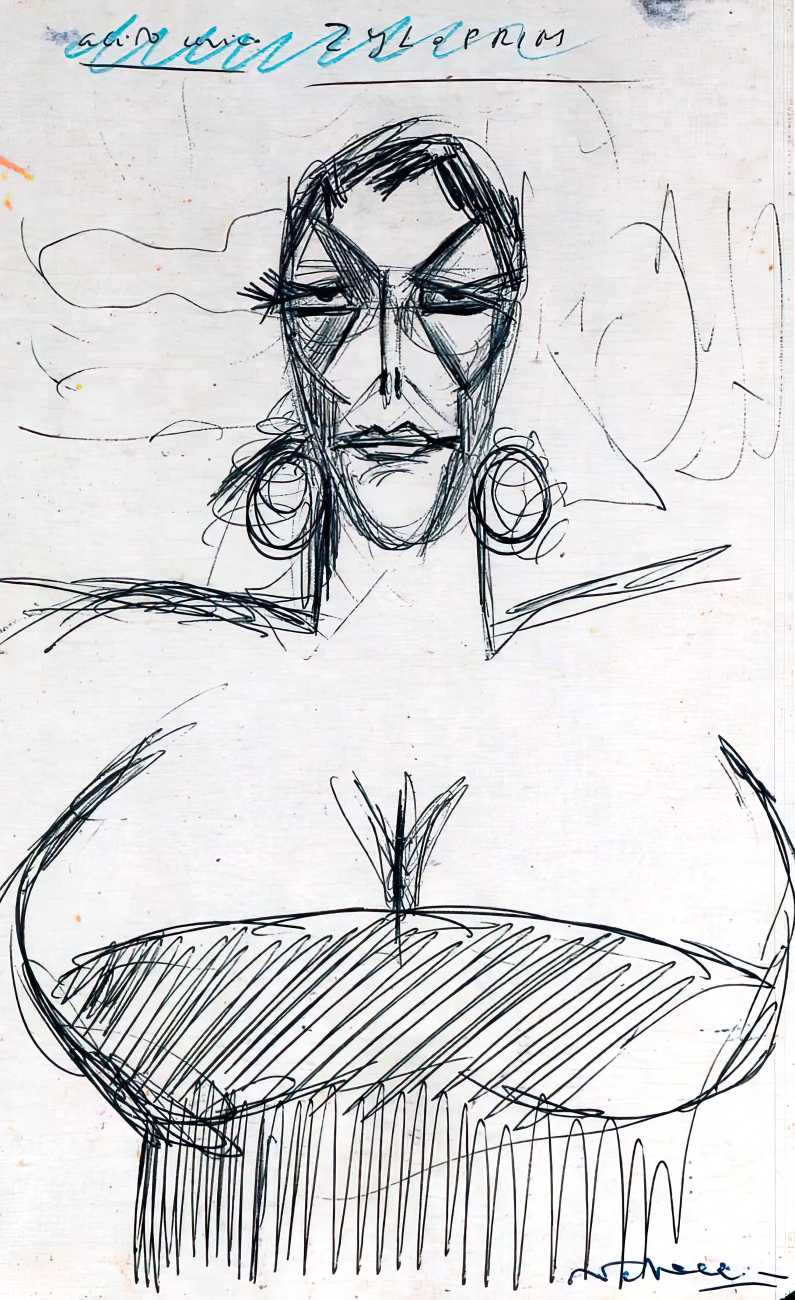
In his Satyricon (1969) he treated ancient sexuality as an unfamiliar spectacle rather than conventional erotic entertainment. Explaining his approach, he said ‘If you see with innocent eyes, everything is divine.’ His drawings, like his films, gave free rein to the imagery of dreams, fantasy and sexual appetite.
Fellini died in Rome, leaving a body of work in which eroticism remained inseparable from the mysteries of the imagination.
Similar artists
Guido Buzzelli – Italian comics artist of dark adult narrative and literary fantasy.
Jean Cocteau – French filmmaker and artist of homoerotic and literary drawings.
Guido Crepax – Italian comics artist of dreamlike literary-erotic adult narrative.
Albert Dubout – French humorist cartoonist of bawdy crowd scenes.
Sergei Eisenstein – Russian film director whose erotic drawings carry a surrealist sensibility.
Milo Manara – Italian adult-comics artist who worked with Fellini on graphic novels.
Giuseppe Zaccaria – Italian satirical cartoonist of anticlerical and erotic subjects.
Example illustration